2026 Could Bring A Rare Superbloom Back To Southern California
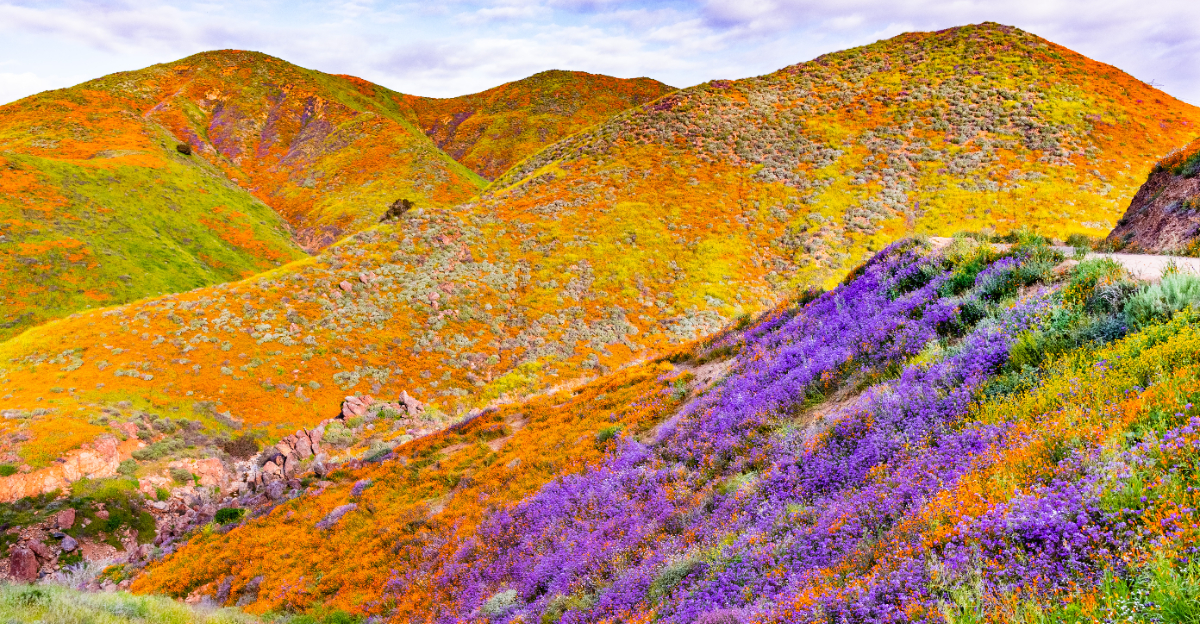
Wildflower fever could be heading back to Southern California, and 2026 might just steal the spotlight.
After seasons of waiting, watching, and hoping for the perfect mix of rain and sunshine, nature may be lining up another breathtaking show.
Hills that usually sit quiet and dusty can suddenly explode with color, rolling waves of orange, purple, and gold stretching as far as the eye can see. It is the kind of sight that stops cars, fills trails, and turns ordinary landscapes into something almost unreal.
Timing, weather, and a bit of luck will decide how spectacular it becomes, but early signs have flower lovers buzzing with excitement. Imagine standing on a sunlit hillside surrounded by endless blooms, cameras clicking, and the air humming with life.
If conditions stay just right, spring 2026 could bring back the jaw dropping superbloom magic that people talk about for years. Keep your eyes on the hills.
Winter Rainfall Raises Hopes For 2026 Superbloom
When your rain gauge fills faster than usual during winter months, you start wondering what spring might bring.
This year’s near-record precipitation across Southern California has created exactly the kind of saturated soil conditions that wildflower seeds need to break dormancy and germinate in massive numbers.
Superblooms don’t happen by accident. They require deep soil moisture that penetrates several inches down, waking up seeds that may have been dormant for years or even decades.
Heavy seasonal rains provide this critical foundation, essentially setting the stage for millions of wildflowers to emerge simultaneously across vast stretches of desert and foothill terrain.
What makes this winter particularly encouraging is the timing and consistency of the rainfall. Multiple storm systems delivered steady moisture rather than brief downpours, allowing water to soak deeply into the ground instead of running off.
Desert soils across Anza-Borrego, the Antelope Valley, and parts of Riverside County received thorough saturation.
Gardeners and hikers who’ve explored these areas recently have noticed something promising: the ground stays damp longer than usual, and early green growth is already visible in spots that typically remain bare until late February.
These early indicators suggest conditions are favorable, though weather in the coming weeks will ultimately determine whether we see a true superbloom or just a strong wildflower year.
Warm, Dry Weather Could Still Disrupt Bloom Timing
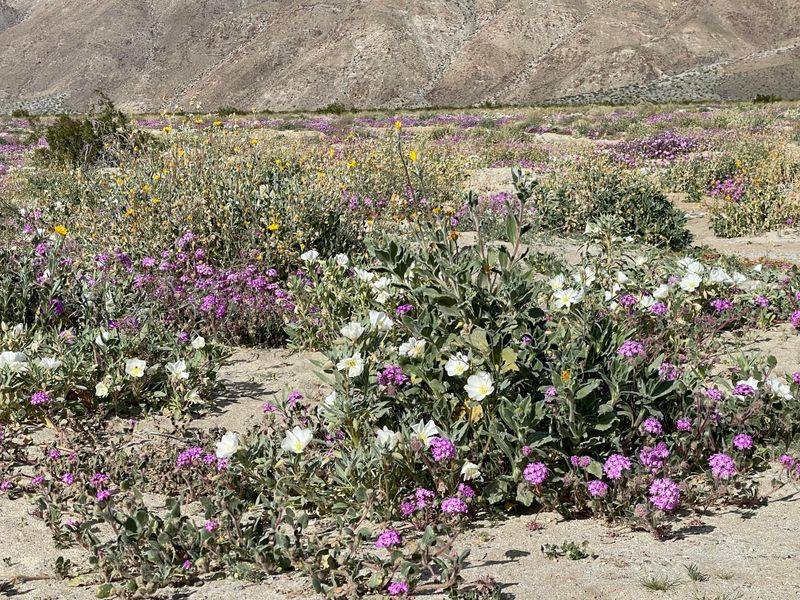
Stepping outside on a February morning that feels more like April can be unsettling when you’re hoping for a superbloom.
Above-average temperatures and unexpected dry spells have appeared recently, creating concern among botanists and wildflower watchers who know how sensitive these blooms are to weather shifts.
Wildflowers need more than just initial rainfall to thrive. They require cool, mild conditions during their growth phase to develop strong root systems and healthy foliage before flowering.
When temperatures spike too early or rainfall stops abruptly, germinated seedlings can struggle or even die before they reach blooming size.
The challenge right now is that Southern California is experiencing warmer-than-normal days between storm systems. These warm periods can accelerate evaporation, drying out the top layer of soil where young wildflower seedlings are trying to establish themselves.
If the soil surface dries too quickly, seedlings may not survive long enough to bloom.
Another concern is bloom timing. Premature warmth can trigger early flowering in some species, causing them to bloom before others are ready.
This staggered timing can prevent the synchronized mass blooming that creates the dramatic carpet effect characteristic of true superblooms.
Botanists are watching forecasts closely, hoping for cooler temperatures and occasional light rain to maintain soil moisture and keep bloom timing on track for maximum visual impact.
A Superbloom Depends On Many Things
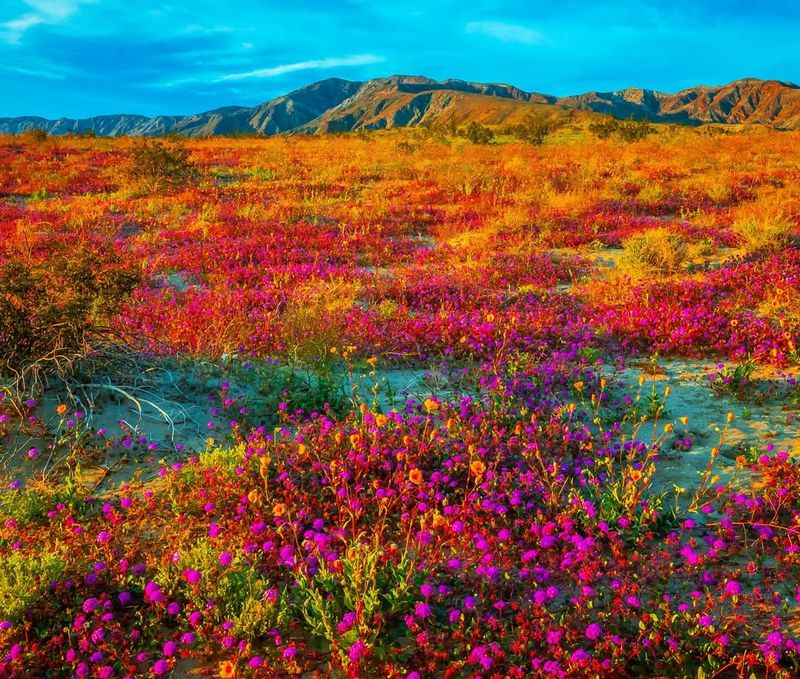
Understanding what triggers a superbloom helps explain why these events are so rare. It’s not just about getting rain; it’s about receiving the right amount of rain at the right time, followed by the right temperatures in the right sequence.
Think of it as a complex recipe where missing even one ingredient can change the entire outcome.
Experts point to several critical factors that must align. First, fall or early winter rains need to arrive to soften hard desert soils and prepare them for germination.
Then, steady winter moisture must soak deep into the ground, providing enough water for seeds to sprout and grow. Finally, spring temperatures need to stay mild and cool, allowing flowers to develop slowly and bloom simultaneously.
What often disrupts this sequence is California’s natural weather variability. We might get excellent winter rain but then experience a warm, dry March that stresses young plants.
Or we might have perfect temperatures but insufficient rainfall to support widespread germination. Even wind patterns matter, as strong winds can damage delicate flowers or dry out soil too quickly.
This precise combination doesn’t happen every year, which is exactly why superblooms feel so special when they do occur.
The last major superbloom in 2019 followed an exceptionally wet winter with perfectly timed cool spring weather, creating conditions that allowed millions of wildflowers to bloom together across Southern California’s deserts and foothills.
Strong Wildflower Displays Are Expected
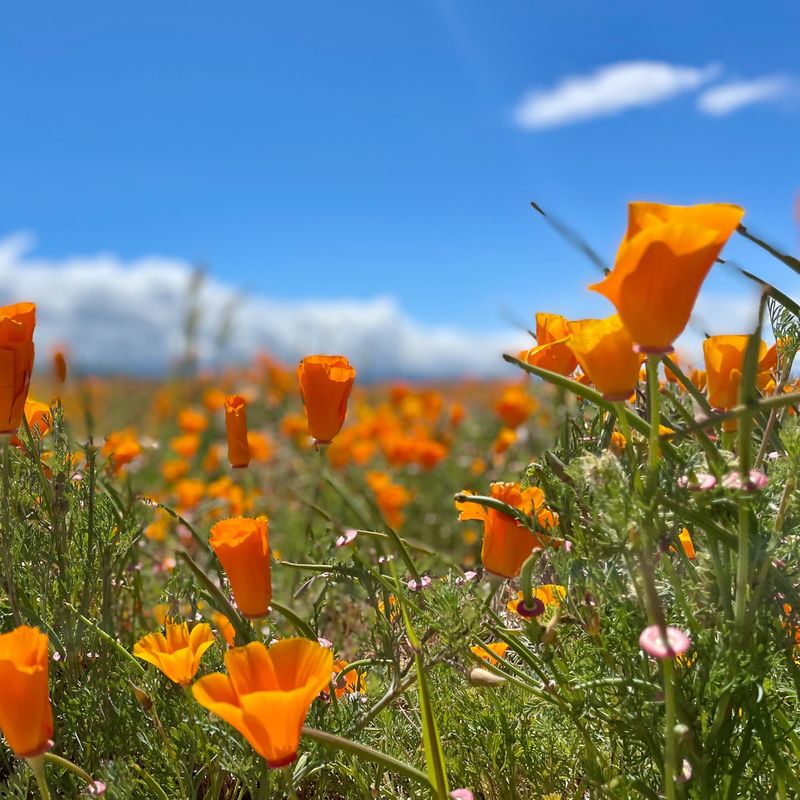
Walking through the Antelope Valley or Anza-Borrego this spring will likely reward you with impressive wildflower displays, even if they don’t quite reach superbloom status.
Forecasters are predicting a moderate-to-strong wildflower season across multiple regions, with early blooms already appearing in some lower-elevation areas.
What’s the difference between a strong wildflower year and a true superbloom? Density and extent.
A superbloom creates continuous carpets of color stretching for miles, with flowers packed so densely you can barely see the ground between them.
A strong year produces abundant flowers in patches and clusters, creating beautiful displays that are still worth visiting but don’t achieve that overwhelming wall-to-wall coverage.
Early reports from botanical surveys show promising activity. Photographers and hikers visiting popular wildflower areas in late January and early February have already spotted early bloomers like desert dandelions and some poppy varieties starting to open.
This early activity suggests that germination was widespread and successful, meaning we should see good flower numbers even if conditions don’t support a full superbloom.
For gardeners and nature enthusiasts, this is still excellent news. Strong wildflower years provide wonderful opportunities for hiking, photography, and simply enjoying California’s native flora.
Popular viewing areas like Walker Canyon, the Carrizo Plain, and Joshua Tree National Park are likely to put on colorful shows worth planning trips around, regardless of whether we use the superbloom label.
‘Fire Follower’ Wildflowers Could Take The Lead
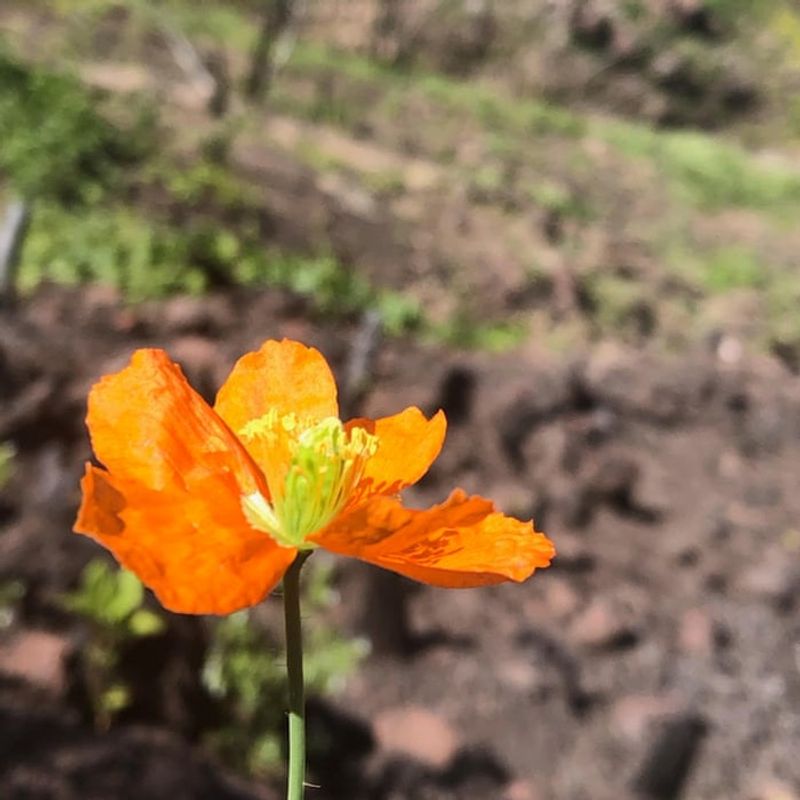
Recent wildfire activity across Southern California has created an unexpected opportunity for certain native plants.
Fire-follower species, wildflowers that specifically thrive in post-fire soil conditions, are poised to produce vibrant displays this spring in areas that burned during recent fire seasons.
These specialized plants have evolved remarkable survival strategies. Their seeds can remain dormant in the soil for decades, waiting for the chemical and physical changes that fire brings.
When fire sweeps through, it clears competing vegetation, adds nutrients to the soil through ash, and releases chemical compounds that trigger germination in fire-follower seeds.
Combined with this year’s abundant rainfall, these conditions create ideal circumstances for spectacular blooms.
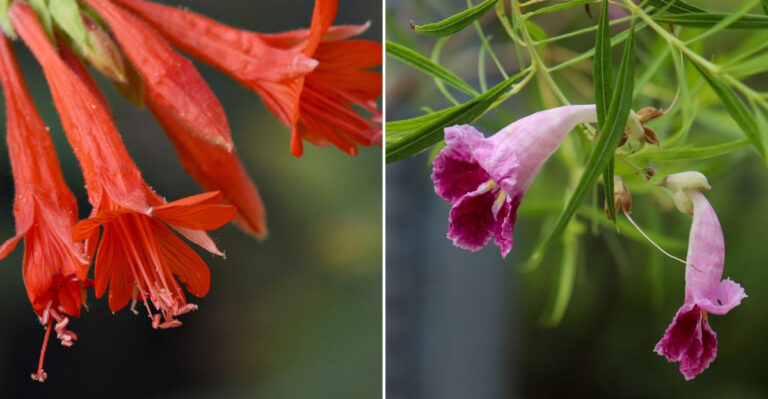
Common fire-follower species include whispering bells, fire poppy, and certain varieties of phacelia.
These plants often produce intensely colored flowers in shades of orange, purple, and yellow, creating dramatic displays against the blackened soil and charred vegetation remnants.
The contrast between dark, burned landscapes and brilliant wildflowers can be visually stunning.
If you’re planning wildflower viewing trips this spring, consider visiting burn areas from recent fires where access is permitted.
These locations may offer some of the most impressive displays, as fire-followers bloom in dense concentrations rarely seen in unburned areas.
Just remember to stay on designated trails and respect closure areas, as recovering ecosystems remain fragile even as they burst into colorful life.
Native Flowers May Steal The Show
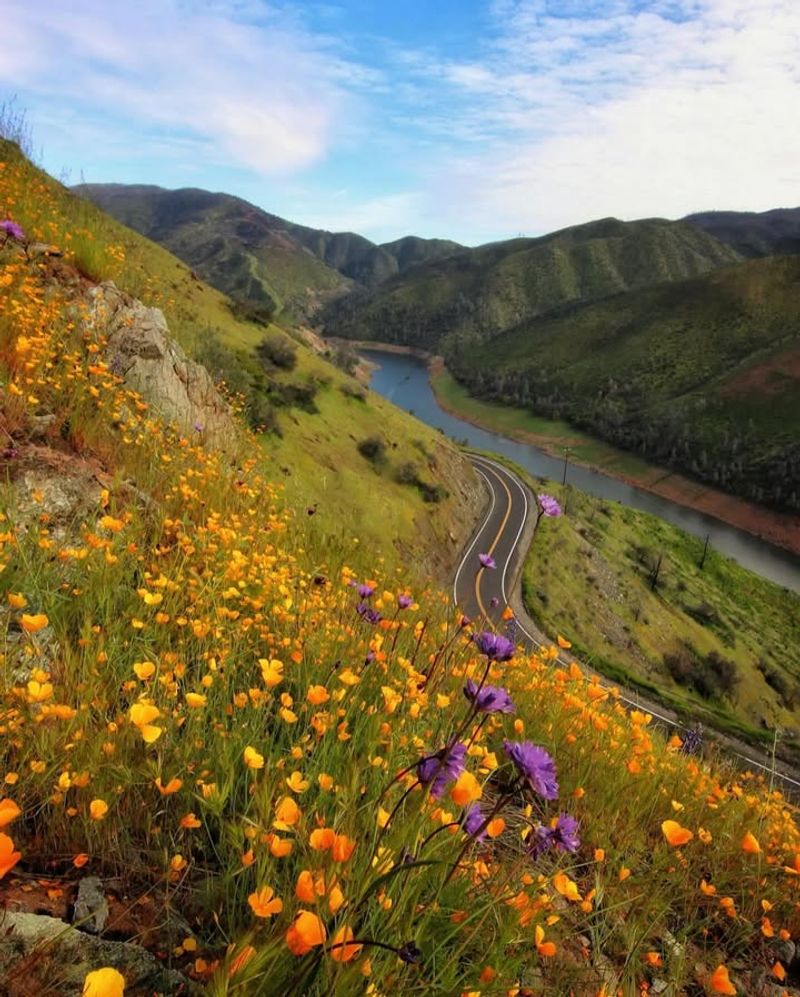
Certain wildflowers have become the iconic faces of California superblooms, and this year should showcase many of these favorites.
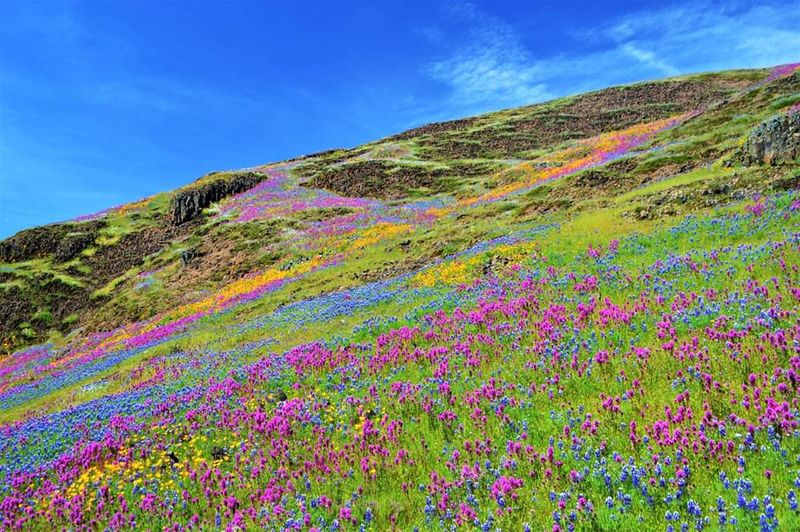
Lupine, with its tall purple spires, and the delicate mariposa lily are likely to appear in significant numbers alongside the ever-popular California poppy, our state flower that blankets hillsides in brilliant orange.
Lupine plays a particularly important role in creating the layered color effect that makes superblooms so memorable. These plants grow taller than many other wildflowers, creating purple vertical accents above lower-growing species.
When lupine blooms heavily alongside poppies and other flowers, the result is a multi-dimensional landscape of color rather than just a flat carpet.
Mariposa lilies add an elegant touch to wildflower displays. These delicate blooms, named for their butterfly-like appearance, prefer slightly different conditions than poppies and often appear in foothill areas and higher elevations.
Their white, pink, or yellow flowers provide subtle contrast to the more intense colors of poppies and lupine, adding visual interest and variety.
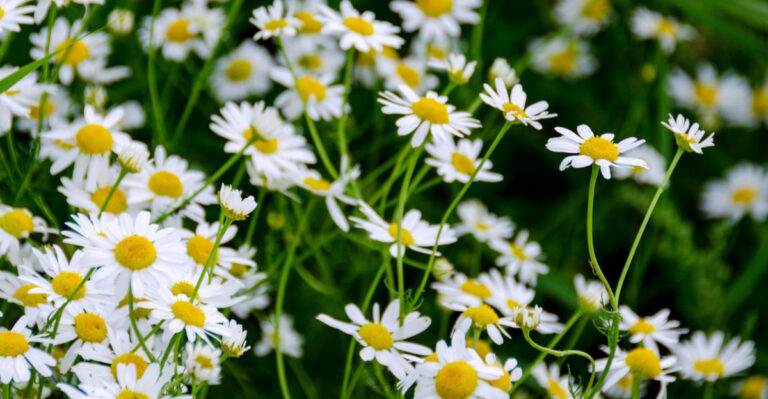
Beyond these stars, expect to see desert sunflowers, chia, desert dandelions, and various species of phacelia contributing to the show. Each species responds slightly differently to soil moisture and temperature, which is why wildflower displays change week by week.
Early bloomers like dandelions might peak in late February, while lupine and mariposa lilies could hit their stride in March or early April, extending the viewing season across several weeks.
Spring Conditions Will Make Or Break It
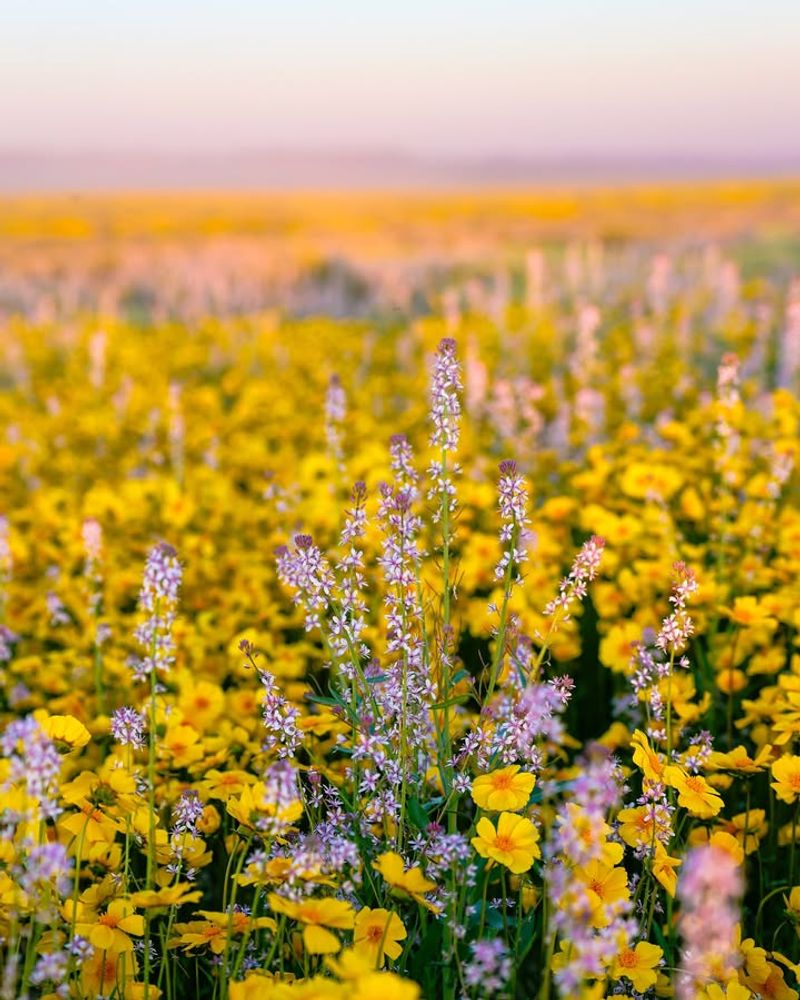
Looking at long-range weather forecasts has become a popular pastime for wildflower enthusiasts this year. The next few weeks will essentially decide whether we experience a true superbloom or settle for a strong wildflower season.
Everything hinges on what weather patterns develop as we move deeper into spring.
Ideal conditions from here would include occasional light to moderate rainfall, cool daytime temperatures in the 60s and low 70s, and mild nights without hard freezes.
This combination would maintain soil moisture, support continued plant growth, and encourage synchronized blooming across multiple species.
Even a few well-timed storm systems could make the difference between good and spectacular.
On the other hand, continued warm, dry weather would likely limit bloom potential. High temperatures accelerate soil drying and can stress plants, causing them to bloom quickly and then fade rather than developing into the robust, long-lasting displays that characterize superblooms.
Extended dry periods could also prevent late-germinating seeds from sprouting, reducing overall flower density.
For those planning wildflower viewing trips, flexibility is key. Monitor reports from popular viewing areas, follow social media accounts that track bloom conditions, and be ready to adjust your plans based on current conditions.
Peak bloom timing can shift by several weeks depending on weather, so staying informed will help you catch the displays at their best, whether we end up with a superbloom or simply a beautiful California wildflower spring.