8 Spots South Carolina Roaches Move Into Once Nights Turn Cold
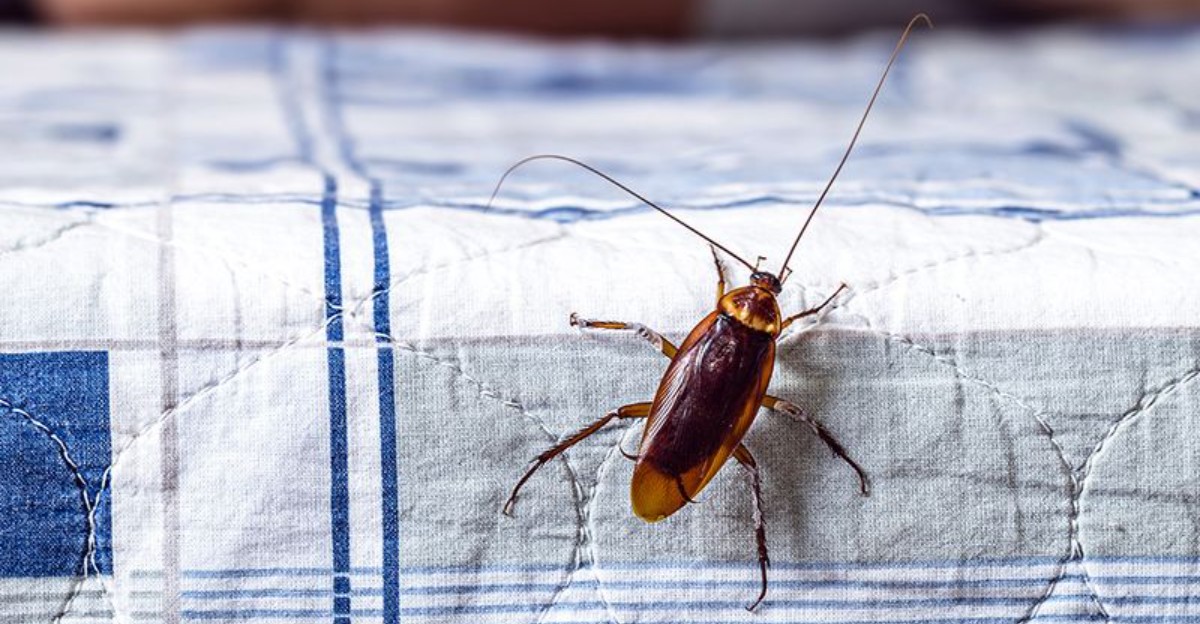
An insect as long as your thumb can flatten itself to slip through a crack two stacked pennies tall. Researchers at UC Berkeley filmed the trick, and the bug barely slowed down once it squeezed through.
In South Carolina, those flat-bodied houseguests do not truly hibernate when fall evenings finally get chilly. They slow down outside and start hunting for steady warmth and moisture somewhere behind our cozy walls.
I used to think a spotless kitchen kept them away, but a single leaky pipe proved me wrong. Trust me, a tidy house can still feel like a cozy hotel to these hungry night owls.
Every fall I walk my house with a flashlight, checking the same sneaky corners in my South Carolina home. Then where exactly are they hiding while you sleep, and how many of these spots have you checked?
1. Warm Spots Behind The Refrigerator And Stove

The motor under your fridge hums out gentle heat all night, and German cockroaches treat it like a heated blanket. Those tan bugs with two dark stripes behind the head rarely survive outdoors, so your kitchen becomes their whole world.
Crumbs slide under the stove while condensation collects in the drip pan beneath many older refrigerator models. That pairing of food and moisture lets a small German cockroach group grow quickly through the cooler months.
Not going to lie, the first time I rolled out my fridge, I needed a minute to recover. Dust bunnies hid a lost dog treat, and tiny pepper-like droppings told me guests had moved in.
Pull your fridge and stove away from the wall at least twice a year for a careful cleaning. Vacuum the coils and floor first, then wipe greasy spots with warm soapy water and a sturdy sponge.
Empty the drip pan if your model has one, since standing water there is an easy drink for pests. Check the manual first, because some newer refrigerators use pans that evaporate water away on their own.
Gel baits placed in small dots near hinges and corners work well for German cockroaches, according to extension experts. Skip spraying over bait spots, because sprays can make the bait less appealing to hungry roaches.
Sticky traps tucked behind appliances also help you see how many visitors you have before and after cleaning. I date each trap with a marker, which turns a gross chore into a surprisingly useful little experiment.
2. Pantry Shelves And Cabinets Full Of Crumbs

A single spilled cereal box can feed a hidden cockroach family for days, and pantry corners rarely get inspected. Cabinet hinges and the gaps above shelves give flat bodies a dark place to rest during daylight hours.
Brown-banded cockroaches break the usual rules, often skipping damp kitchens to settle into warm bedrooms and living rooms instead. They often hide up high and glue their egg cases underneath shelves or along the tops of cabinets.
Guilty as charged, I once stored birdseed in its original paper bag on the bottom pantry shelf. Within a few weeks, the bag had chewed edges and tiny droppings, and my gardening budget felt wasted.
Move flour, sugar, pet food, and seeds into hard plastic or glass containers with snug lids. Roaches can chew through thin cardboard and paper, so original packaging offers very little real protection over time.
Once a month, empty one shelf at a time and wipe away sticky honey rings or syrup drips. Shine a flashlight into hinge gaps and corners, looking for droppings that resemble ground pepper or coffee grounds.
Caulk small gaps where cabinets meet the wall, since those seams act like hallways between rooms. Shelf liners help too, but lift them now and then because bugs love hiding underneath them.
Keep a small spill kit of paper towels and spray cleaner right inside the pantry door. Quick cleanups take seconds, and they remove the snacks that keep winter visitors coming back each night.
3. Damp Cabinets Under The Kitchen And Bathroom Sinks
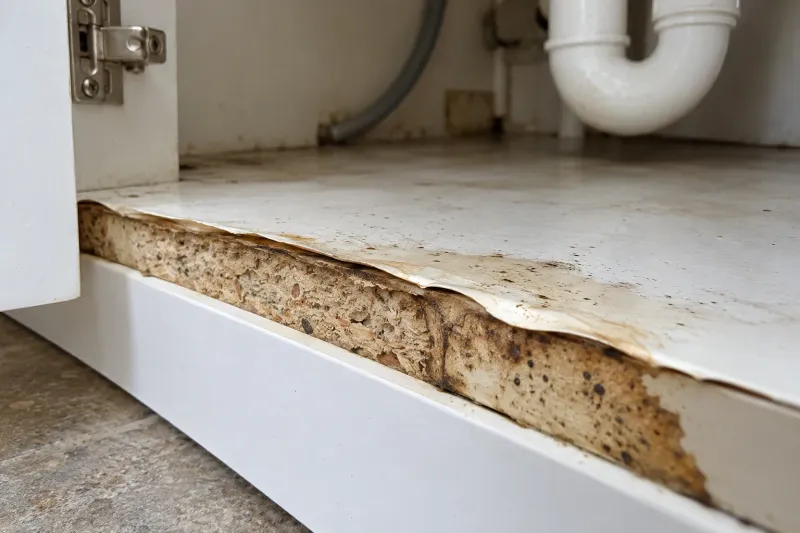
Cockroaches can go weeks without food, but water is a different story, which explains their love of sinks. The cabinet below your faucet stays dark and damp, and few people open it after dinner.
Gaps around pipes are the real problem, because builders often cut holes much wider than the pipe itself. Those openings connect to wall voids, giving German and American cockroaches a private tunnel into your cabinets.
I learned the hard way that a slow drip under the bathroom sink is basically a free water fountain. One loose fitting soaked the cabinet floor, and the soggy particleboard drew bugs within a couple of weeks.
Grab a flashlight and run your hand along each pipe joint, feeling for moisture or mineral crust. Tighten loose fittings yourself, or call a plumber if the leak comes from inside the wall.
Fill gaps around pipes with caulk, or use copper mesh first when the opening is wider than a pencil. Expanding foam works for bigger holes, though you should trim the extra once it hardens fully.
Clear out old sponges and crumpled paper bags, since that pile-up creates extra hiding spots for bugs. Store cleaners in a plastic bin so you can lift everything out and check the floor quickly.
At bedtime, wipe the sink basin dry and set a stopper in the drain until the morning. It feels silly at first, but taking away that nightly drink makes your home far less welcoming.
4. Crawl Spaces And Basements With Damp Soil

The big reddish-brown bug locals call a palmetto bug is really the American cockroach, and it adores crawl spaces. Under many Lowcountry homes, the air stays humid and the soil stays moist even through chilly weeks.
Oriental cockroaches like it there too, and they handle cooler temperatures better than most of their relatives. Shiny and nearly black, they earn the nickname water bugs by gathering around drains and damp floors.
Don’t laugh, but I once crawled under my house to fix a vent and met a dozen palmetto bugs. They scattered from a pile of soggy leftover lumber that had been sitting against the foundation for years.
Clemson Extension recommends reducing moisture as a key step for managing these larger outdoor roaches around homes. A plastic vapor barrier over bare crawl space soil can cut humidity, along with working foundation vents or a dehumidifier.
Point downspouts away from the foundation so rainwater does not soak the soil next to your house. Fix leaky outdoor faucets and air conditioner lines, since slow drips keep that area muddy for weeks.
Remove stored lumber and soggy cardboard from the crawl space, because clutter holds both moisture and hiding room. Screen every vent opening with sturdy hardware cloth so curious bugs have fewer easy ways inside.
Check the access door seal too, because a warped panel leaves gaps wide enough for a big roach. Weatherstripping costs little, and it turns a leaky hatch into a much tougher barrier against winter wanderers.
5. Attics And Garages Full Of Cardboard Boxes
Smokybrown cockroaches are tree lovers, so finding them stacked in my attic felt like a strange betrayal. Those glossy, mahogany bugs often live in tree holes and mulch, then wander toward eaves when temperatures shift.
Overhanging branches and gutters packed with wet leaves give them a handy ladder straight to your roofline. From there, gaps around soffits and attic vents lead right into the dark space above your ceiling.
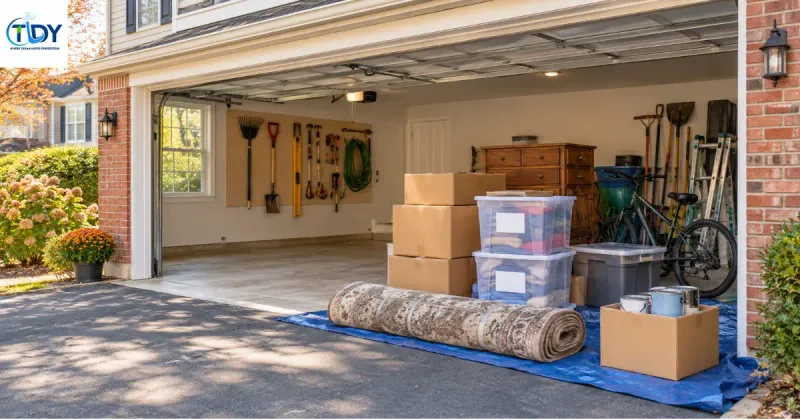
Garages tempt American cockroaches too, especially when the big door has a worn seal along the bottom. Bags of potting soil and a forgotten bowl of pet food turn that space into a cozy shelter.
Fair warning, cardboard boxes are a roach favorite, since the corrugated layers create snug little hiding channels. Swap them for lidded plastic bins, and keep the bins off the floor on simple metal shelving.
Trim tree limbs and shrubs so they stay a few feet away from your roof and siding. Clean the gutters after leaves drop, because soggy debris up there makes a perfect smokybrown hangout.
Replace the rubber seal under your garage door if you can see daylight peeking through it. Add fine mesh over attic vents and caulk gaps where cables or pipes pass through the walls.
I peek into the attic with a flashlight a few times each winter, looking for droppings and shed skins. Catching a small group early is far easier than chasing a crowd once spring warms everything back up.
6. Hidden Gaps Behind Baseboards And Inside Walls
A German cockroach egg case holds about thirty to forty eggs, and mom carries it until hatching nears. That clever habit lets the next generation appear inside your walls without you ever spotting a single egg.
Wall voids are basically private highways, connecting kitchens to bathrooms through gaps around wires and pipes. Roaches can travel through them unseen, popping out wherever the smell of food drifts closest after dark.
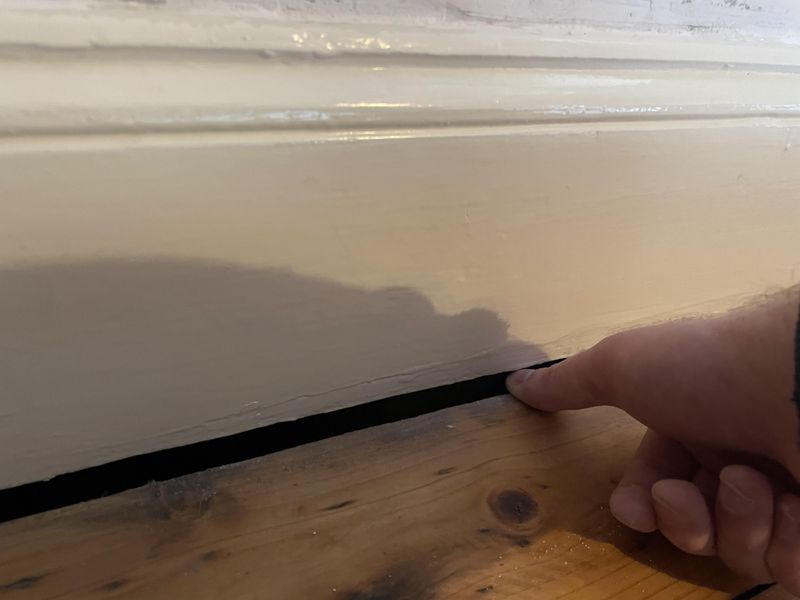
I’m not proud of this, but I ignored a gap behind my kitchen baseboard for a whole summer. By the first cool nights, little brown nymphs were running along that baseboard like it was a racetrack.
Run a bead of paintable caulk along gaps where baseboards meet the floor or the wall above. Seal around outlet boxes and switch plates too, since those openings lead straight into the hollow wall.
Foam gaskets made for outlet covers are cheap, and they block drafts while slowing down bug traffic. Turn off the breaker before removing any cover plate, because safety matters more than speed with electrical work.
Boric acid dust, used lightly in wall voids, is a long-lasting option many extension specialists mention. Apply a thin film rather than a heavy pile, since roaches tend to walk around thick clumps.
Keep any dust or bait away from kids and pets, and follow the label directions every single time. If sightings keep climbing after a few weeks, a licensed pest pro can inspect the hidden spaces.
7. Warm Laundry Rooms Near The Water Heater
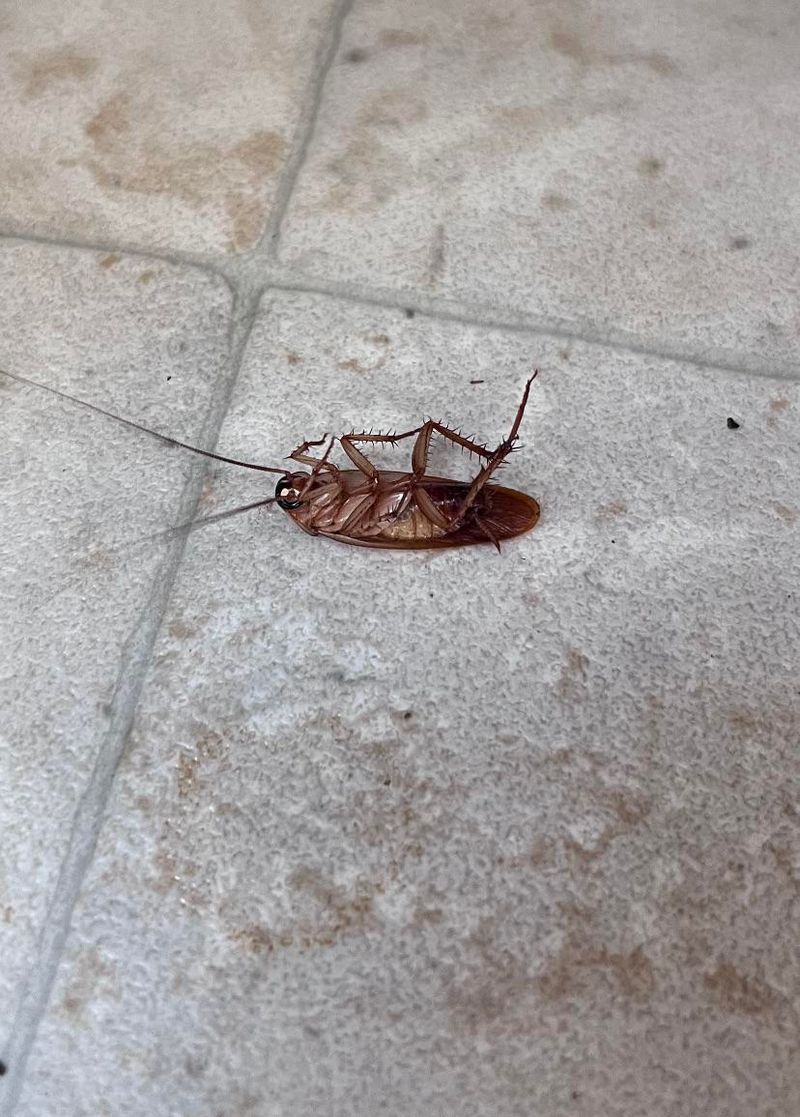
Your water heater runs warm around the clock, which makes the closet around it feel like a tropical vacation. Add a washing machine hose that sweats a little, and you have created a roach paradise without trying.
Laundry rooms often sit on outside walls, so dryer vents and utility lines create openings to the yard. American cockroaches use those gaps as doorways, especially when their mulch beds turn cold and soggy.
Each autumn, I scoot my washer forward a few inches just to peek at the floor behind it. Lint clumps and damp spots show up more often than I’d like, and bugs notice them quickly.
Check washer hoses for bulges or slow drips, and replace rubber hoses with braided steel ones when needed. A small drip pan under the water heater catches leaks before they soak the floor and baseboards.
Leave the washer lid or door open after loads so the drum dries instead of staying musty. Run an exhaust fan or crack a window on mild days to push that trapped humidity outside.
Make sure the dryer vent flap closes tightly, since a stuck flap acts like an open front door. Caulk gaps where the vent duct and water lines pass through the wall, both inside and outside.
Dirty laundry piles count as shelter too, so keep clothes in a hamper with a solid lid. It’s a tiny habit change, yet it removes one more dark hideout from a room bugs already adore.
8. Cozy Electronics And Picture Frames In Bedrooms
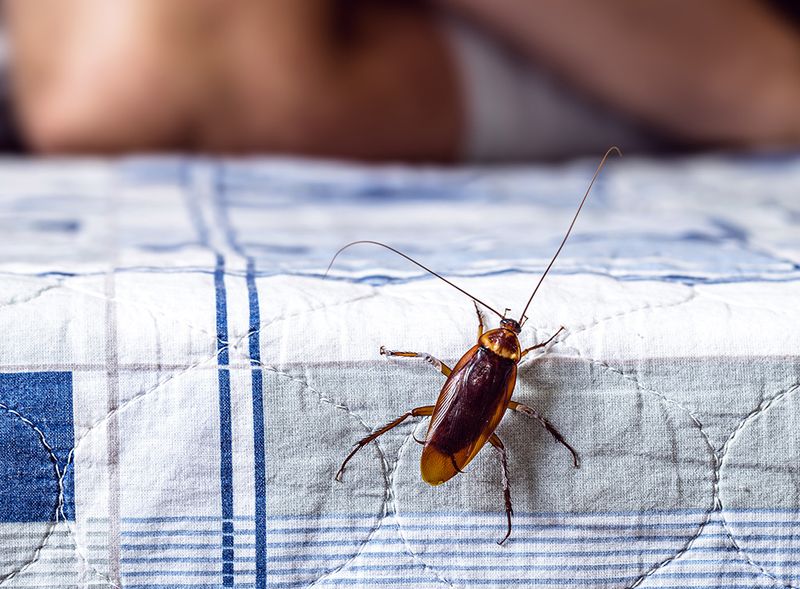
Brown-banded cockroaches break the usual rules, skipping damp kitchens to settle into warm bedrooms and living rooms instead. Look for two pale bands across their backs, which give this small species its easy-to-remember name.
They favor warm, dry spots, often hiding high up behind picture frames or inside dressers and closet shelves. Electronics that stay plugged in, like routers and gaming consoles, give off a gentle heat these bugs enjoy.
Truth is, I didn’t believe roaches could live inside a TV until a repair tech showed me. Tiny egg cases were glued along the back panel, right where warm air drifted out of the vents.
Females attach their egg cases to hidden surfaces, often in clusters, instead of dropping them near food. That habit spreads them around the house quickly, especially when people move furniture or electronics between rooms.
Pull frames and wall hangings away from the wall now and then to check the hidden backs. Look for small, cream or brown capsules stuck in corners, then scrape them off and seal them in a bag.
Keep snacks out of bedrooms, because a few cookie crumbs behind the nightstand can support a hidden group. Vacuum around electronics and under furniture regularly, using a narrow crevice tool for those tight corners.
Inspect secondhand furniture and used electronics carefully before bringing them inside, since hitchhikers love those free rides. A quick flashlight check in the driveway saves you from carrying a brand-new problem through your front door.