8 Houseplant Mistakes Illinois Gardeners Keep Making In January
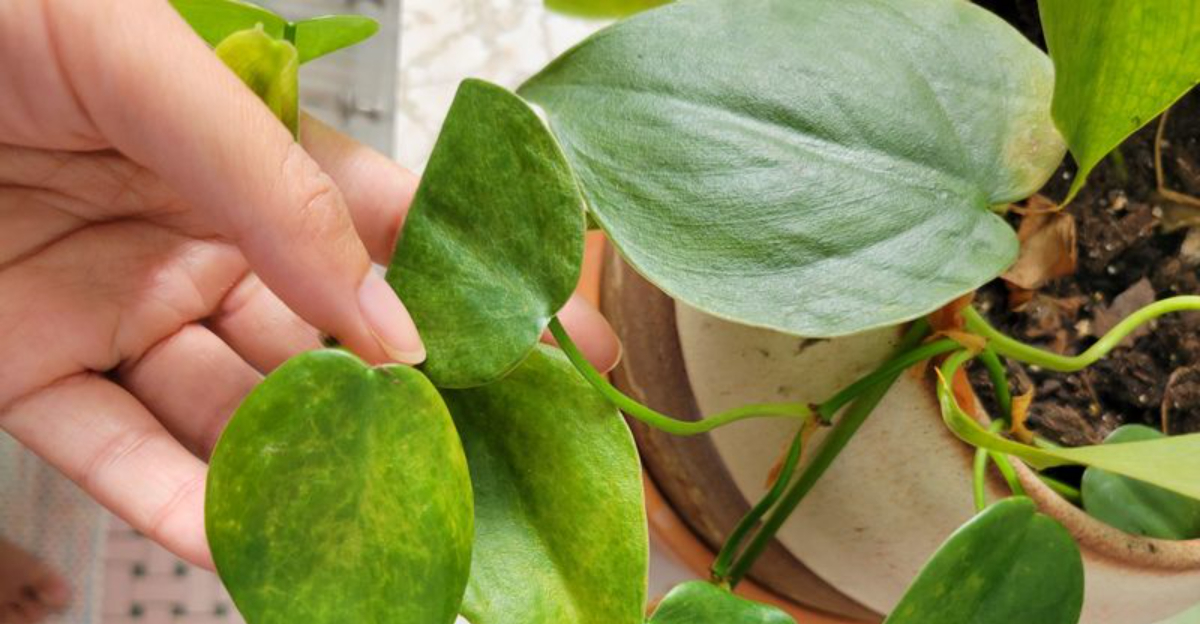
January in Illinois can be a confusing time for houseplant lovers.
Outside, everything looks frozen and quiet, but inside, plants are still alive and trying to get through the winter.
Many gardeners think their plants need extra care during this month, yet the most common problems often come from doing too much instead of too little.
Overwatering, overfeeding, and placing plants in the wrong spots are mistakes that happen again and again when the days are short and the air is dry.
Houseplants in January are in a slower phase, even if they still look green.
Illinois homes deal with cold drafts, low light, and dry heat from furnaces, all of which can stress indoor plants.
When gardeners do not adjust their routines, leaves can turn yellow, roots can rot, and growth can weaken.
These issues usually start small, which is why so many people miss them at first.
Learning which mistakes to avoid can make winter much easier for both you and your plants.
With a few simple changes, you can keep your houseplants healthy and ready for stronger growth when spring finally arrives.
1. Overwatering During Dormancy
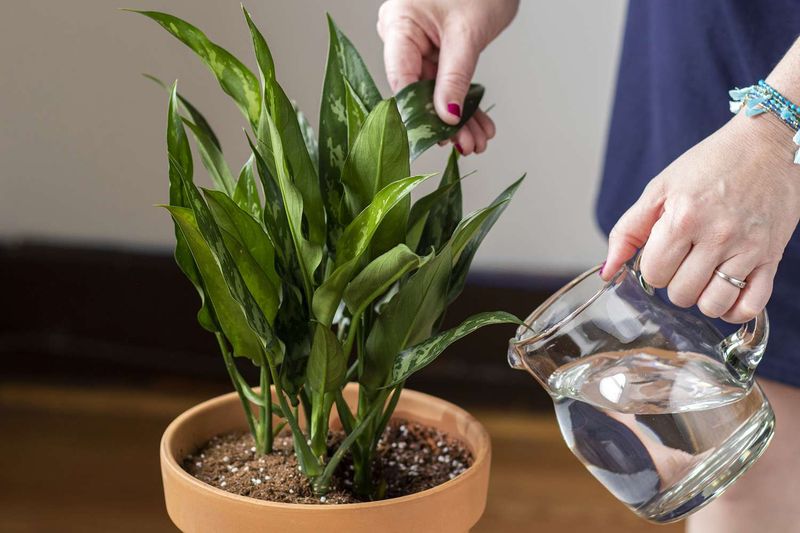
Most houseplants naturally slow down their growth during winter months, entering a rest period that requires much less water than summer.
Illinois gardeners often continue their warm-weather watering schedules into January, not realizing their plants are barely drinking anything.
When soil stays wet for too long in cooler indoor temperatures, roots sit in moisture they cannot absorb, leading to root rot and fungal problems that damage the entire plant.
Indoor heating systems in Illinois homes create warm air, which tricks many plant owners into thinking their plants need more water.
However, the warmth affects the air temperature, not necessarily the soil temperature or the plant’s metabolism.
Your pothos or snake plant is still in its dormant phase regardless of how toasty your living room feels.
Checking the soil before watering becomes absolutely critical during January.
Stick your finger about two inches deep into the potting mix to test moisture levels.
If the soil feels damp or cool, wait a few more days before watering again.
Different plants have different needs, but most houseplants in Illinois during January need water only once every two to three weeks.
Succulents and cacti might go even longer without a drink.
Adjusting your watering routine takes practice and observation.
Watch for signs like yellowing leaves or mushy stems, which often indicate too much water rather than too little.
Reducing your watering frequency protects your plants through the coldest month and sets them up for healthy growth when spring returns to Illinois.
2. Ignoring Humidity Levels
Forced-air heating systems running constantly throughout Illinois homes during January strip moisture from the air at an alarming rate.
Many popular houseplants originally come from tropical or subtropical environments where humidity stays naturally high.
When your home’s humidity drops below 30 percent, which happens frequently in heated Illinois houses, plants struggle to function properly.
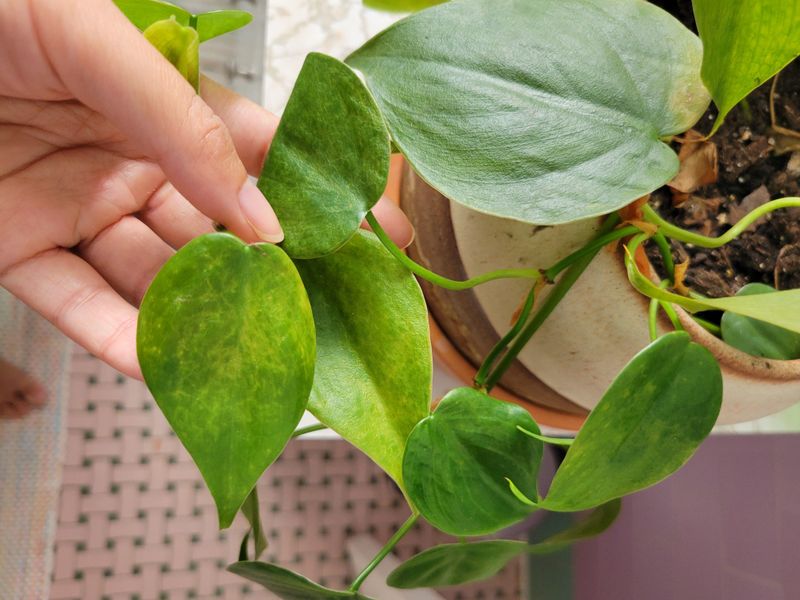
Their leaves develop brown, crispy edges, and they become more vulnerable to pests like spider mites that thrive in dry conditions.
Gardeners sometimes assume that because they water their plants, humidity does not matter.
However, plants absorb moisture through their leaves as well as their roots, and dry air pulls water out of leaf tissues faster than roots can replace it.
This creates stress that shows up as curling leaves, dropped foliage, or stunted growth even when the soil has adequate moisture.
Simple solutions can dramatically improve humidity around your houseplants during January.
Grouping plants together creates a microclimate where they share moisture through transpiration.
Placing pots on trays filled with pebbles and water adds humidity as the water evaporates, though the pot bottom should sit above the waterline to prevent root problems.
Running a humidifier near your plant collection provides the most consistent results, especially for moisture-loving varieties like ferns, calatheas, and orchids.
Misting leaves offers temporary relief but does not solve the underlying problem since the moisture evaporates within minutes.
Regular monitoring with an inexpensive hygrometer helps you track humidity levels and adjust your strategies.
Keeping humidity between 40 and 60 percent makes Illinois houseplants much happier during the dry winter months.
3. Placing Plants Too Close To Heat Sources
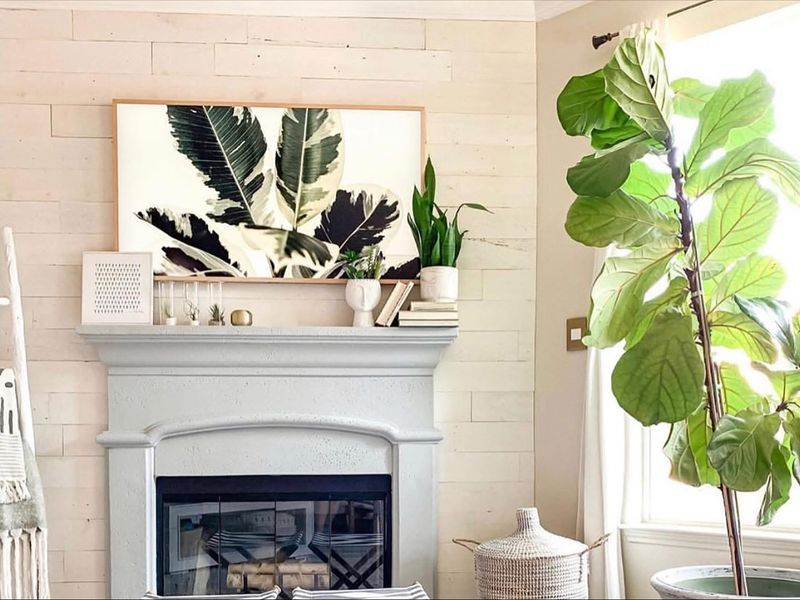
When temperatures outside in Illinois plunge below freezing, the temptation to move houseplants near radiators, heating vents, or fireplaces seems logical.
After all, plants need warmth to survive, right?
Unfortunately, direct heat from these sources creates extreme temperature fluctuations and blasts of dry air that damage plant tissues.
Leaves positioned near heat vents get scorched and dehydrated, while the soil dries out unevenly, creating hot spots that stress root systems.
Heat sources produce localized warmth rather than the consistent, moderate temperatures that houseplants prefer.
A plant sitting beside a radiator might experience temperatures of 85 degrees or higher, while the rest of the room stays at a comfortable 68 degrees.
This dramatic difference confuses the plant’s natural rhythms and can trigger premature leaf drop or cause buds to dry up before they open.
The situation gets worse at night when heating systems cycle on and off, creating temperature swings that healthy plants simply cannot tolerate.
Finding the right spot for your plants during January requires some strategic thinking.
Keep houseplants at least three feet away from any direct heat source, including space heaters and wood stoves.
Choose locations with stable temperatures between 60 and 75 degrees, away from drafty windows where cold air might create the opposite problem.
Central areas of rooms usually offer the most consistent conditions.
If your plant collection sits on windowsills during warmer months, consider moving them back from the glass during Illinois winters.
Cold air radiating from windows combined with nearby heating can create a challenging environment.
Observing your plants carefully helps you spot problems early and adjust their positions before serious damage occurs.
4. Forgetting To Adjust Light Exposure
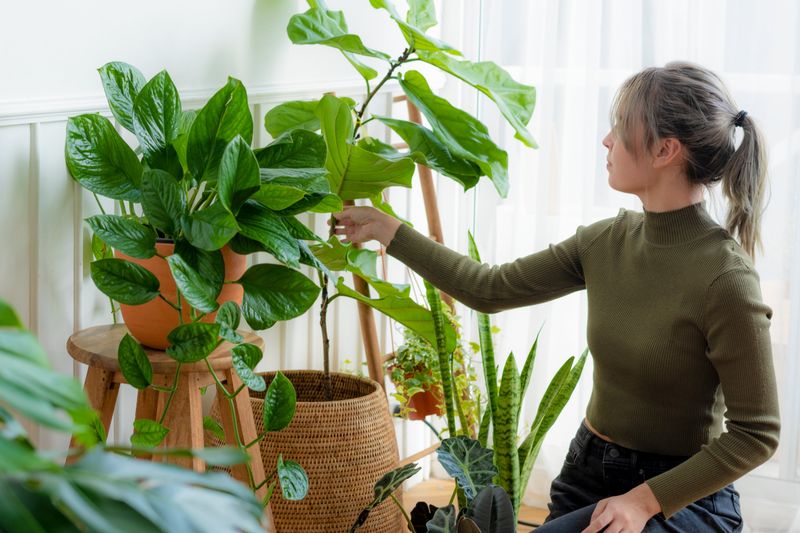
Daylight hours shrink considerably during January in Illinois, with the sun setting as early as 4:30 in the afternoon.
Many houseplants that thrived in bright indirect light during summer suddenly find themselves sitting in dim corners for most of the day.
Reduced light exposure slows photosynthesis, weakens growth, and can cause plants to become leggy as they stretch desperately toward whatever light they can find.
Variegated plants often lose their distinctive patterns and revert to solid green as they try to maximize chlorophyll production in low-light conditions.
Gardeners frequently overlook this seasonal shift because their plant placement worked perfectly during longer days.
A spot that received six hours of indirect sunlight in June might get only two or three hours in January, especially on north-facing windows.
South-facing windows become more valuable during winter months, providing the strongest and longest-lasting natural light available in Illinois homes.
Moving plants closer to windows helps compensate for reduced daylight, but watch for cold drafts and temperature drops near the glass.
Rotating plants every few days ensures all sides receive equal light exposure and prevents lopsided growth.
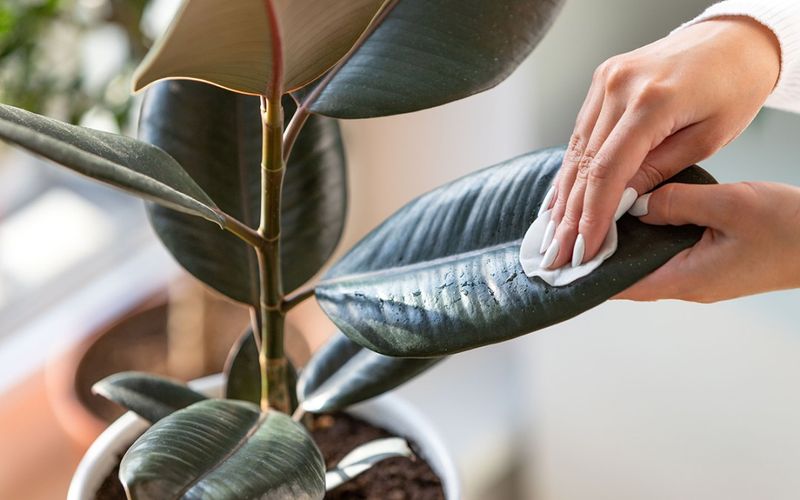
Cleaning dust and grime off leaves improves their ability to absorb whatever light is available, making this simple task especially important during dark winter months.
Supplemental grow lights offer an excellent solution for light-hungry plants during January.
Inexpensive LED grow lights provide full-spectrum illumination that supports healthy growth without generating excessive heat.
Position lights about 6 to 12 inches above your plants and run them for 12 to 14 hours daily to simulate longer days.
This investment pays off in healthier, more vigorous plants that maintain their beauty throughout Illinois winters.
5. Continuing Regular Fertilizing Schedules
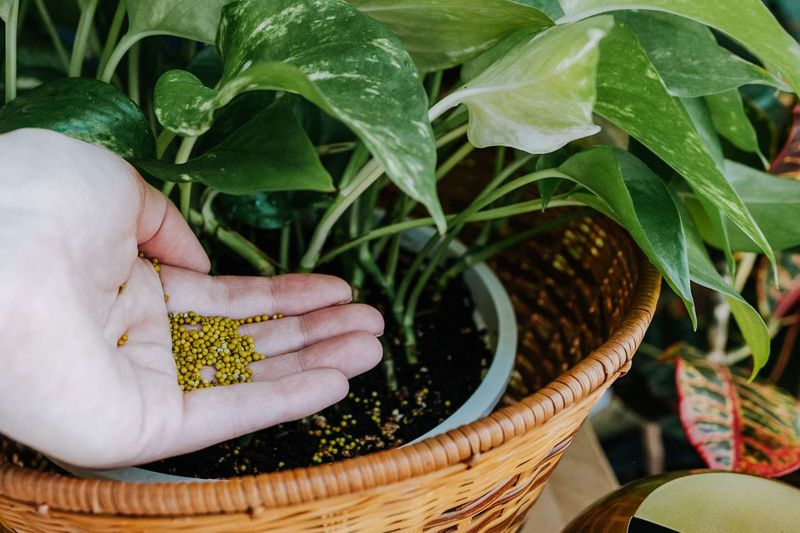
Fertilizer provides essential nutrients that fuel plant growth, flowering, and overall health during active growing seasons.
However, most houseplants enter a dormant or semi-dormant state during January when shorter days and cooler temperatures signal them to rest.
Illinois gardeners who maintain their spring and summer fertilizing routines during winter months actually harm their plants rather than help them.
Unused nutrients build up in the soil as salts, which can burn roots and create toxic conditions that stress already-resting plants.
Plants absorb nutrients only when they are actively growing and producing new leaves, stems, or flowers.
During dormancy, metabolic processes slow dramatically, and root systems cannot take up the minerals present in fertilizer solutions.
Adding more food to a plant that is not eating creates an imbalance in the soil chemistry.
Over time, this buildup shows up as white crusty deposits on the soil surface or around drainage holes, indicating dangerous salt accumulation.
The best approach for most houseplants during January involves stopping fertilizer applications completely.
Resume feeding only when you notice new growth appearing, which typically happens in late February or March as days lengthen and temperatures warm.
A few exceptions exist for plants that bloom during winter months, like Christmas cacti or African violets, which benefit from diluted fertilizer to support their flowers.
If you accidentally over-fertilized before realizing the mistake, flush the soil thoroughly by running water through the pot until it drains freely from the bottom.
Repeat this process two or three times to wash away excess salts.
Giving your Illinois houseplants a rest from fertilizer during January mimics their natural cycles and prevents nutrient-related problems that can take months to correct.
6. Neglecting Pest Inspections
Spider mites, scale insects, fungus gnats, and mealybugs do not take winter vacations just because the weather outside turns cold.
In fact, the warm, dry conditions inside Illinois homes during January create perfect breeding grounds for many common houseplant pests.
These tiny troublemakers reproduce rapidly in heated indoor environments, and infestations can explode from a few bugs to a full-blown problem in just a couple of weeks.
Many gardeners stop checking their plants carefully during winter, assuming pests are not active when outdoor insects have disappeared.
Dry air from heating systems particularly favors spider mites, which multiply faster in low humidity and can quickly cover leaves with fine webbing.
Fungus gnats thrive in overwatered soil, laying eggs that hatch into larvae feeding on organic matter and sometimes even plant roots.
Scale insects and mealybugs hide in leaf axils and along stems, sucking plant juices while you remain unaware of their presence until visible damage appears.
Weekly inspections become even more important during January than during summer months.
Check the undersides of leaves, where many pests prefer to hide, and examine new growth carefully since tender tissues attract insects.
Look for signs like sticky residue, tiny moving dots, cottony white masses, or yellowing leaves that might indicate pest activity.
Catching problems early makes treatment much easier and prevents infestations from spreading to your entire collection.
Isolate any plant showing signs of pests immediately to protect your other houseplants.
Treat infestations with insecticidal soap, neem oil, or appropriate organic controls depending on the pest type.
Increasing humidity often helps discourage spider mites, while allowing soil to dry more between waterings reduces fungus gnat populations.
Regular monitoring and quick action keep your Illinois houseplants healthy and pest-free all winter long.
7. Repotting At The Wrong Time
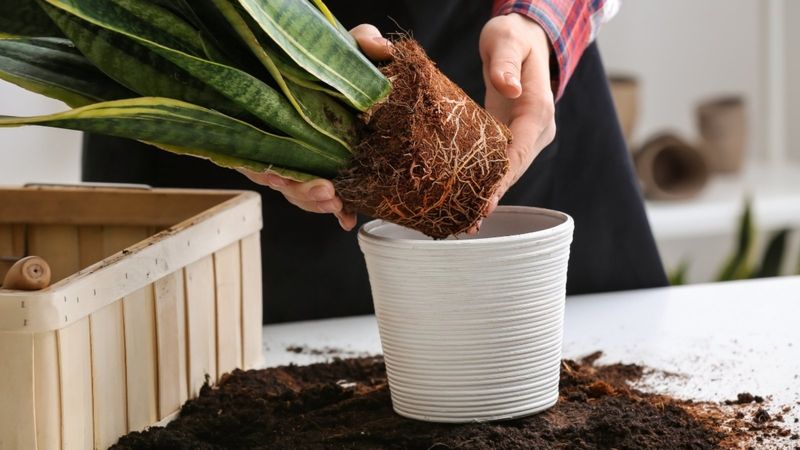
January might seem like the perfect month for indoor gardening projects when outdoor work is impossible across Illinois.
Repotting houseplants appears productive and gives you something plant-related to do during the long winter.
However, moving plants to new containers during their dormant period creates unnecessary stress and increases the risk of problems.
Roots are not actively growing during January, which means they cannot quickly establish themselves in fresh soil or repair any damage that occurs during the repotting process.
Disturbing root systems when plants are resting interrupts their natural cycle and forces them to expend energy they do not have.
Fresh potting soil holds more moisture than compacted old soil, and dormant roots cannot absorb this water efficiently, increasing the chance of root rot.
Transplant shock affects plants more severely during winter months because they lack the vigor to recover quickly.
What should help your plant grow better can actually set it back for months.
Exceptions exist for true emergencies like root rot, severe pest infestations, or broken pots that endanger the plant.
In these cases, repotting becomes necessary regardless of the season.
Otherwise, resist the urge to transplant during January and wait until March or April when plants begin showing signs of new growth.
This timing allows roots to quickly grow into fresh soil and minimizes stress.
If you feel the need for a January plant project, focus on surface maintenance instead.
Remove dry leaves, clean dust from foliage, rotate plants for even growth, or refresh the top inch of soil without disturbing roots.
These activities benefit your houseplants without the risks associated with full repotting.
Patience during Illinois winters leads to healthier plants when the growing season returns and repotting time actually arrives.
8. Allowing Drafts And Temperature Swings
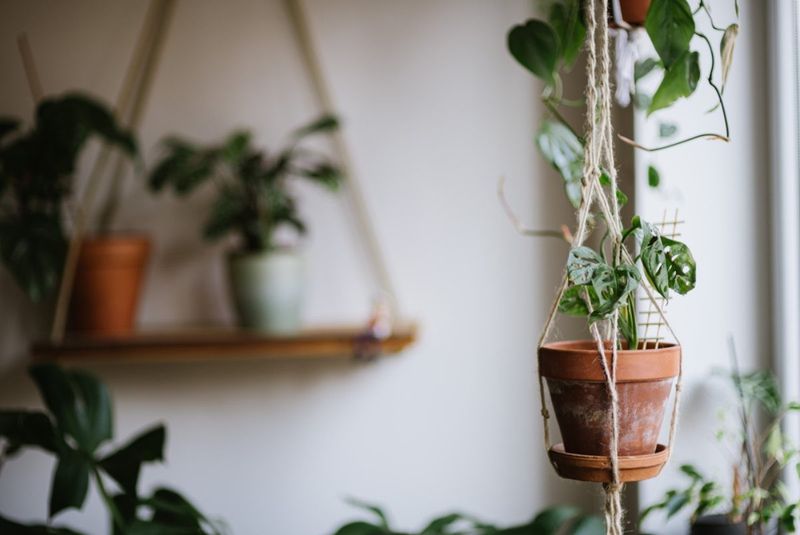
Illinois winters test the limits of home insulation, and many houses develop cold spots near windows, doors, and poorly sealed areas.
Houseplants positioned in these locations experience dramatic temperature fluctuations that stress them considerably.
A plant sitting on a windowsill might enjoy 70-degree warmth during the day, then drop to 50 degrees or lower at night when the furnace cycles down and cold radiates through the glass.
These swings confuse plant metabolism and can cause leaf drop, bud failure, and weakened growth.
Drafts from opening doors, leaky windows, or air gaps around frames create another problem entirely.
Sudden blasts of cold air shock plant tissues, especially tender new growth and tropical species unaccustomed to temperature extremes.
Even brief exposure to freezing drafts can damage leaves, causing them to turn black or develop translucent patches within hours.
Many Illinois gardeners lose prized houseplants to draft damage without understanding what went wrong.
Testing for drafts requires nothing more than your hand or a lit candle held near windows and doors on a windy day.
If you feel cold air or see the flame flicker, your plants likely experience the same conditions.
Moving vulnerable plants away from problem areas protects them from temperature stress.
Interior walls, hallways, and central rooms typically offer more stable conditions than perimeter locations during January.
For plants that must stay near windows for light reasons, create barriers against cold using sheer curtains or moving them back from the glass at night.
Bubble wrap or plastic film applied to window frames provides insulation that reduces cold transfer.
Avoid placing plants directly above or beside frequently used exterior doors where cold air rushes in multiple times daily.
Monitoring temperatures with a simple thermometer helps you identify problem spots and adjust plant placement accordingly.
Stable conditions make a tremendous difference in how well your Illinois houseplants survive January.