9 Things You Should Never Put in Your Bird Feeder This Winter
A chickadee can lose up to ten percent of its body weight overnight just shivering to stay warm in winter. Every seed that bird grabs from your yard really matters, so the menu deserves a closer look.
Funny thing is, a lot of kitchen scraps we toss outside with love can quietly harm our feathered guests. Some foods spoil fast in damp cold air, while others carry hidden compounds that birds simply cannot handle.
I’m the first to admit I once tossed stale holiday leftovers onto my platform feeder without a second thought. The jays loved it, but I later learned those treats offered them almost nothing useful for cold nights.
You care about your backyard birds, or you would not be reading about winter feeding mistakes right now. Before you fill that feeder again, it helps to know what common pantry items can cause so much trouble.
1. Stale Bread Fills Hungry Bellies Without Real Fuel
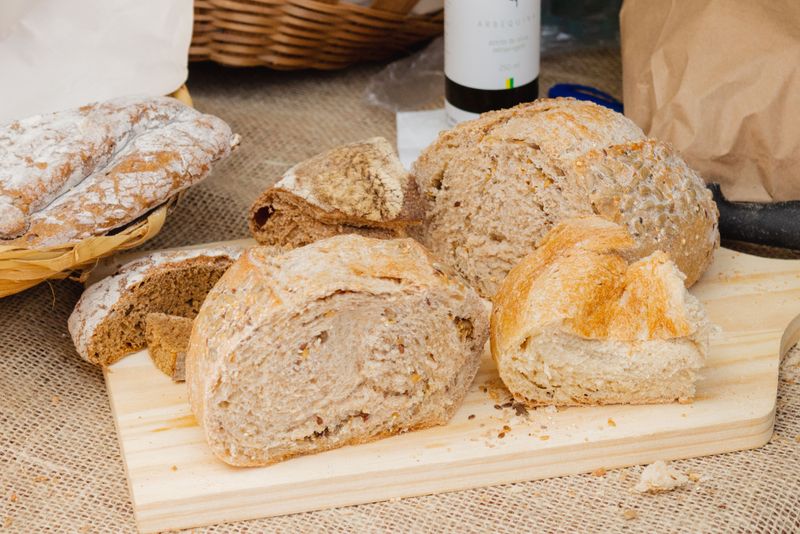
Nothing feels kinder than scattering toast crusts on a fresh snowy morning, and the sparrows usually swarm them within minutes. Sadly, that eager crowd is mostly filling up on empty carbohydrates instead of the fat and protein they need.
Winter birds burn huge amounts of energy just staying warm, especially during long, freezing nights with little daylight for feeding. A belly packed with bread leaves less room for high-energy foods like black oil sunflower seeds or raw beef suet.
Bread also turns moldy quickly once it soaks up melting snow or sleet sitting on a platform feeder. Moldy crumbs can spread harmful fungi and bacteria, and large flocks crowding one pile make disease transmission even easier.
Waterfowl at local ponds face their own bread problem, often linked with a wing deformity people call angel wing. Researchers connect that condition with poor nutrition and excess calories, so many parks now post signs discouraging bread feeding.
I get it, because tossing leftovers feels thrifty and fun, especially with little kids eager to help outside. Swap those crusts for a small scoop of shelled sunflower hearts, and the kids still get the same joy.
Crumbs from crackers or sweet pastries fall into the same category, offering sugar and salt with little real nutrition. Compost those leftovers instead, and let your feeder serve the rich, oily foods that truly carry birds through winter.
2. Salted Peanuts And Pretzels Belong In Your Snack Bowl
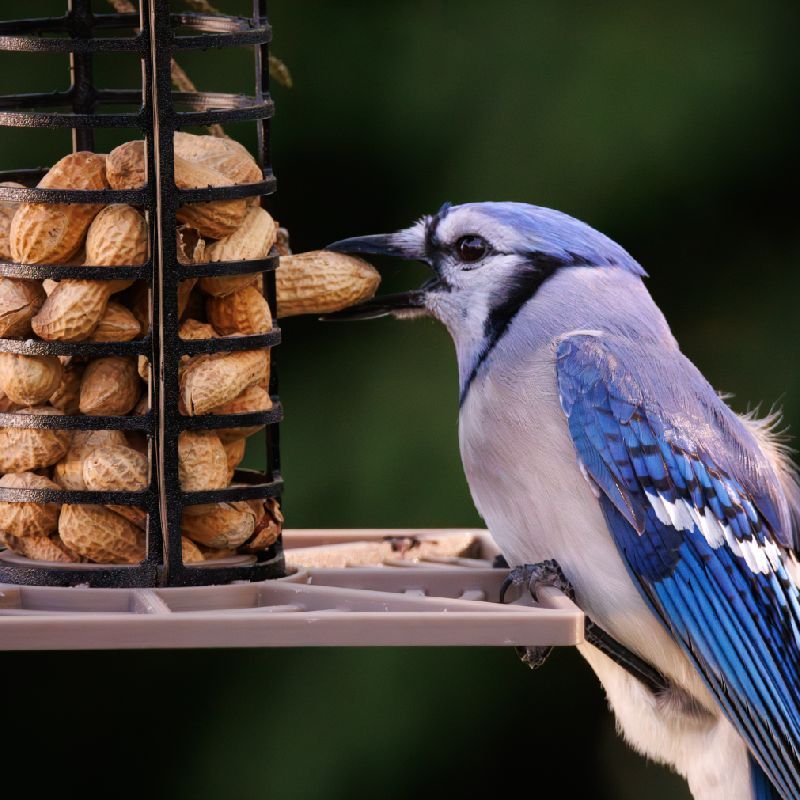
My game-night bowl of salted peanuts once ended up on the deck railing, and the blue jays went wild. Watching them was fun, but I later discovered how poorly small birds handle that heavy coating of sodium.
Birds have tiny bodies, so even modest amounts of salt can upset their fluid balance and stress their kidneys. Too much sodium may lead to dehydration, and winter water sources are often frozen solid when birds need them most.
Pretzels and potato chips carry the same risk, plus greasy seasonings and flavor powders that birds gain nothing from. Flavored nuts coated with spices or sugary glazes are also poor choices for any feeder in your yard.
Plain, unsalted peanuts are a winter favorite for woodpeckers and nuthatches, so skipping the salt costs you nothing. Look for raw or dry-roasted peanuts labeled unsalted, and check the bag for freshness before you fill anything.
Shelled peanuts work best in a sturdy mesh feeder, which forces birds to peck smaller bites instead of gulping. Whole peanuts in the shell are fine for jays, since those bold birds can crack and cache them easily.
Fair warning, squirrels will notice your peanut upgrade quickly and may try every trick to reach the feeder. A baffle on the pole helps a lot, and your birds get the clean, salt-free protein they deserve.
3. Clumpy Moldy Birdseed Hides A Serious Health Risk
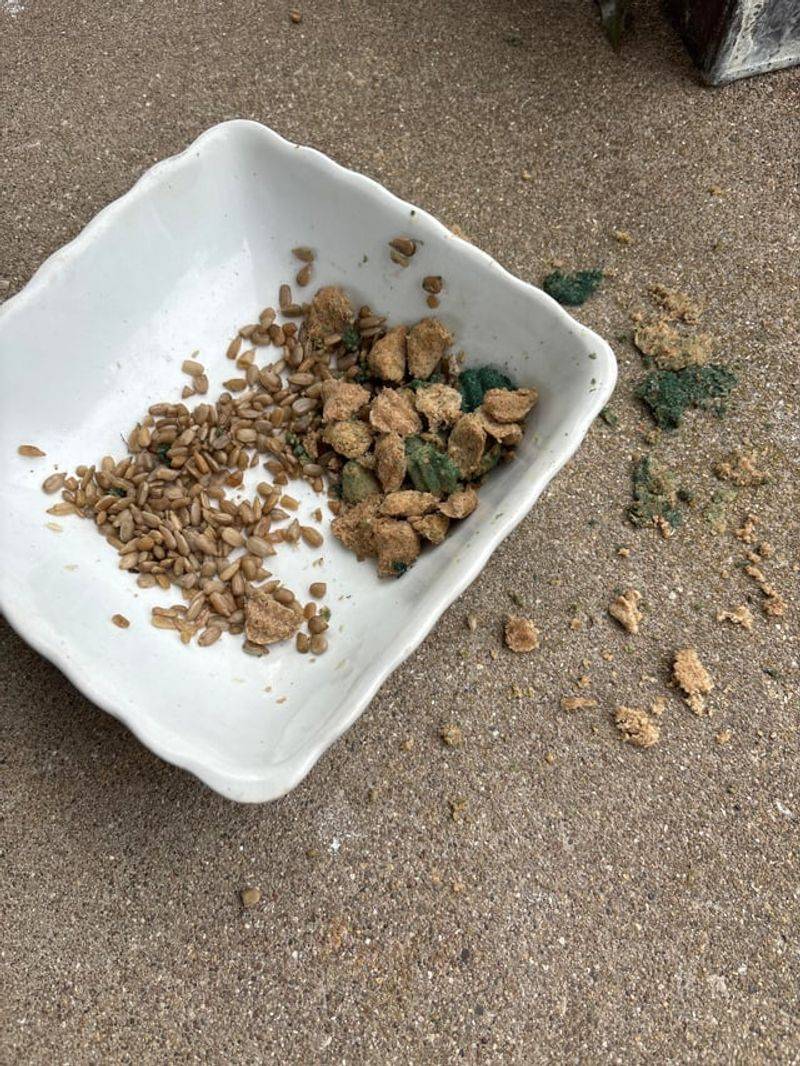
Open an old seed bin after a wet week, and that musty basement smell tells you something has gone wrong. Mold loves damp seed, and winter feeders packed with snowmelt can turn into tiny fungus farms surprisingly fast.
Some molds release toxic compounds called mycotoxins, including aflatoxins that can harm a bird’s liver and kidneys over time. Spores from Aspergillus fungi can also cause aspergillosis, a respiratory infection that wildlife experts link with moldy feed.
Wet, caked seed can encourage bacteria too, and salmonella outbreaks have been tied to dirty feeders shared by crowds. Pine siskins and finches are especially prone to these problems because they gather in tight, busy flocks around winter feeders.
I learned the hard way to check my tube feeder after every storm, especially the drainage holes near the bottom. Squeeze the seed between your fingers, and toss anything clumped or smelling sour into the trash right away.
Keep seed in a metal can with a tight lid, somewhere cool and dry where rodents cannot reach. Buy smaller bags during wet months, so you use the supply up before moisture sneaks inside.
Fill feeders with only a few days of seed at a time, and add a weather guard if possible. Clean feeders every two weeks with a mild bleach solution, then let them dry before refilling them again.
4. Avocado Scraps Are Risky For Backyard Birds
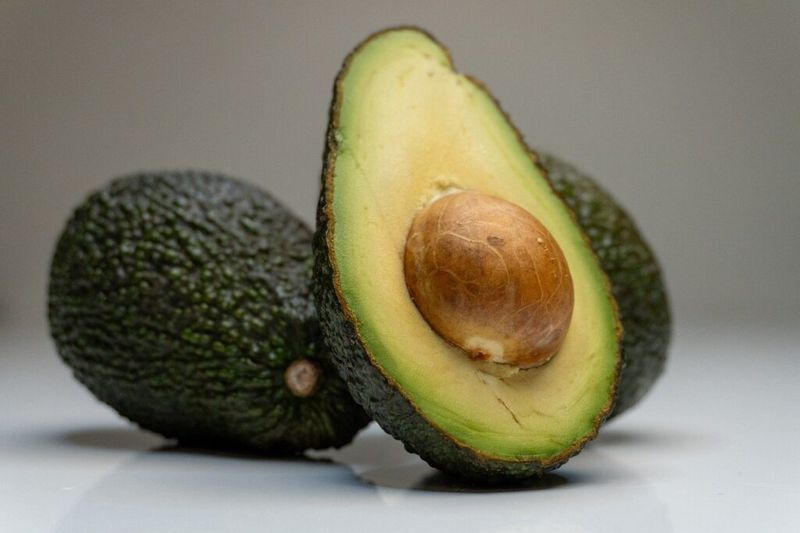
Guacamole night leaves a pile of green skins and slippery pits, and tossing them outside seems wonderfully thrifty. Hold that thought, because avocados contain a natural compound called persin that causes real trouble for many birds.
Persin is a fungicidal toxin found in the leaves, skin, pit, and flesh, though levels vary between avocado varieties. Humans tolerate it fine, yet veterinarians report heart damage and breathing problems in pet birds after eating avocado.
Most research comes from parrots and canaries kept as pets, so data on wild species remains fairly limited. Still, avian vets agree the risk is serious enough that avocado should stay off every feeding station.
Not going to lie, I used to think the soft flesh would be a creamy treat for my winter robins. Robins do eat fruit during cold months, but they can find plenty of safer options right in your landscape.
Native shrubs such as winterberry holly hold bright red fruit well into winter, feeding robins and bluebirds naturally. Chopped seedless apple pieces or raisins soaked in warm water also make cheerful and safe feeder alternatives for fruit lovers.
Products made with avocado oil or guacamole should stay off the menu too, including leftover dips and spreads. Compost the skins and pits instead, and your garden soil will happily thank you when spring planting season finally arrives.
5. Chocolate And Coffee Grounds Spell Trouble For Songbirds
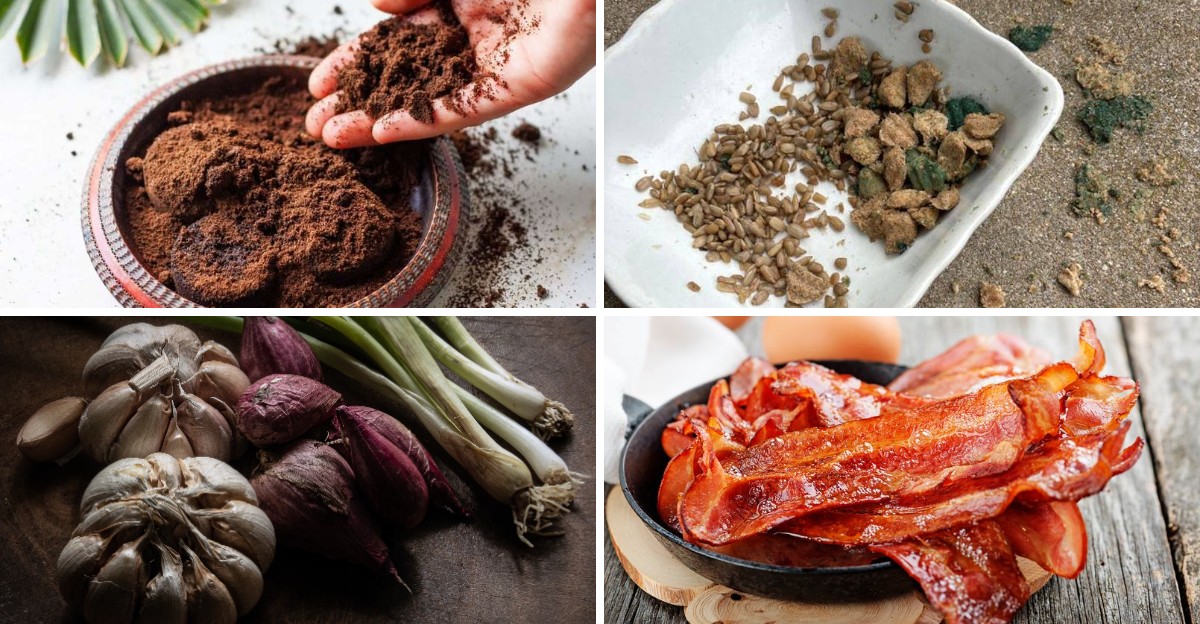
Holiday cookie crumbs dotted with chocolate chips look like a festive feeder gift, especially after a big baking day. Chocolate contains theobromine and caffeine, two stimulants that a small bird’s body processes very poorly and quite slowly.
Even small amounts can speed up a bird’s heart rate and cause restless hyperactivity, according to veterinary sources. Larger doses may trigger tremors, irregular heartbeats, or seizures, which is a scary outcome from a simple cookie.
Dark and baking chocolate carry the highest theobromine levels, but milk chocolate is still not safe for small birds. Cocoa powder and brownie crumbs belong in the same off-limits group for your feeder and platform trays.
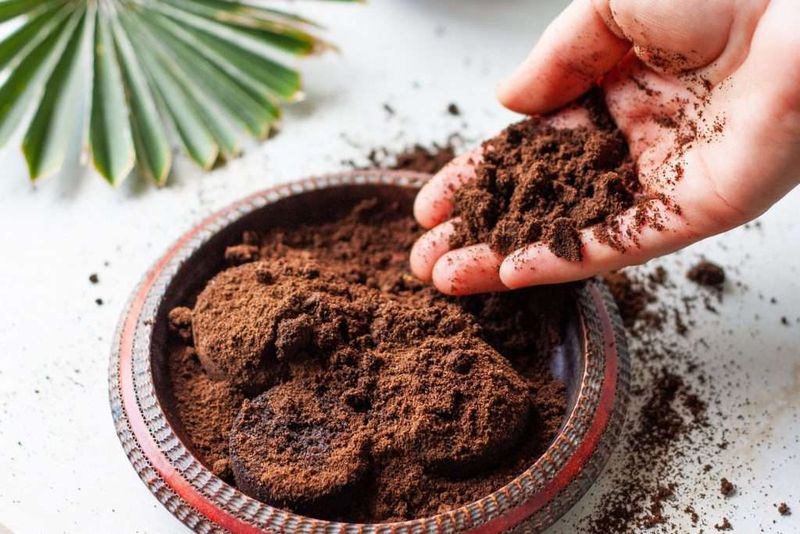
Trust me on this one, coffee grounds deserve caution too, even though gardeners love them for compost piles. Used grounds still hold some caffeine, and curious birds may peck at them if you spread them out openly.
Mix your grounds deep into the compost bin, or cover them with mulch, so foraging birds leave them alone. Tea leaves and energy drink spills carry similar stimulants, so rinse cans before tossing them into outdoor bins.
Want to give your birds a holiday treat instead, with all that festive spirit and none of the risk? Press plain peanut butter mixed with cornmeal into pinecones, then hang them where you can watch from inside.
6. Bacon Grease Can Ruin Waterproof Winter Feathers
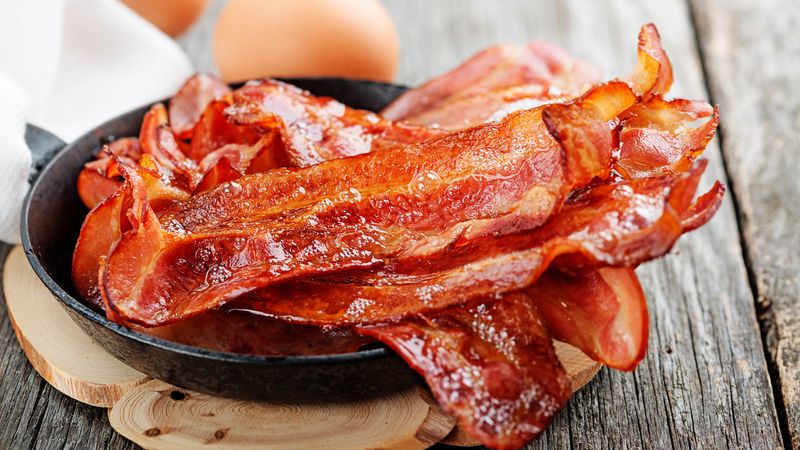
Grandma kept a coffee can of bacon drippings by the stove, and plenty of folks still pour it over seed. That soft, salty fat seems like winter fuel, but it causes problems that real suet does not.
Liquid or greasy fats smear easily onto feathers, and oily feathers quickly lose their natural ability to shed water. Once feathers mat together, rain and snow can soak through, and precious body heat escapes into the cold air.
A soaked bird struggles to stay warm overnight, and greasy plumage can also make flying harder than usual. Cooked bacon fat often carries heavy salt plus curing chemicals like nitrites, which offer birds no benefit whatsoever.
Roast drippings and leftover cooking oil cause the same mess, especially when they soften on mild afternoons. I’m not proud of this, but I once found a greasy, bedraggled starling near my old drippings feeder.
Solid suet is different, because firm raw beef fat or rendered suet cakes hold their shape in cold weather. Woodpeckers and nuthatches love it, and the hard texture rarely smears onto feathers the way greasy drippings do.
Buy commercial suet cakes or ask your butcher for raw beef kidney fat, which many shops sell cheaply. Hang it in a wire cage, and remove it if temperatures climb enough to make the fat turn soft.
7. Honey Water Is No Treat For Hungry Hummingbirds
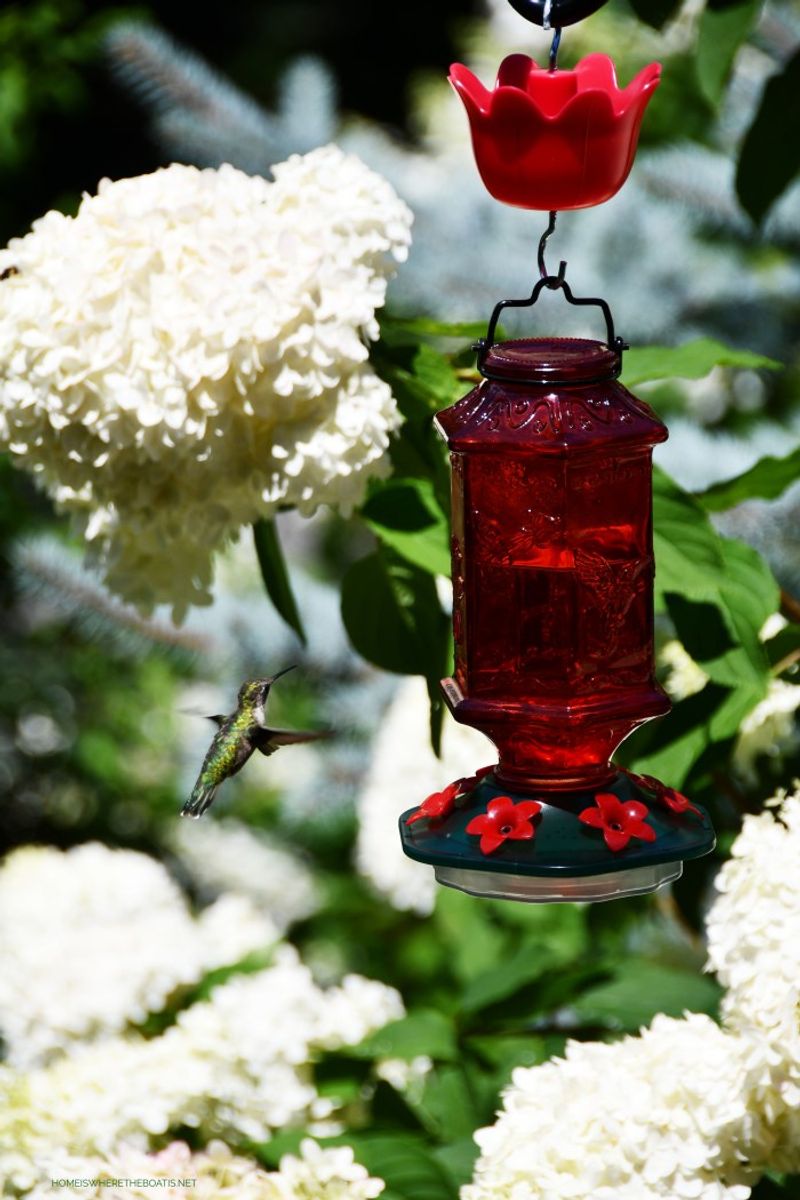
Anna’s hummingbirds stay through winter along the West Coast, and some Gulf Coast yards host wintering rufous hummingbirds too. Those tiny visitors need sweet energy fast, which tempts many well-meaning people to fill their feeders with honey water.
Honey sounds natural and wholesome, yet it ferments quickly and encourages mold growth inside feeder ports. Bird experts warn that this mold can cause tongue infections in hummingbirds, which may hurt their ability to feed.
Artificial sweeteners fail in a different way, offering sweetness without the calories these hovering little birds burn constantly. A hummingbird’s metabolism runs incredibly fast, so a sugar-free drink basically serves them nothing useful at all during cold weather.
The recipe experts recommend is wonderfully simple, just one part plain white sugar dissolved in four parts water. Skip red dye and raw organic sugars, since those additions offer no benefit and may carry extra iron.
Every fall, I keep one feeder up a little longer, just in case a late migrant passes through. In freezing areas, bring the feeder inside overnight, or rotate two feeders so one stays thawed every single morning.
Change the nectar every few days in cool weather, and scrub ports gently with a small bottle brush. Fresh sugar water and a clean feeder give your winter hummers the steady fuel their tiny busy bodies crave.
8. Onion And Garlic Leftovers Stay Out Of The Feeder
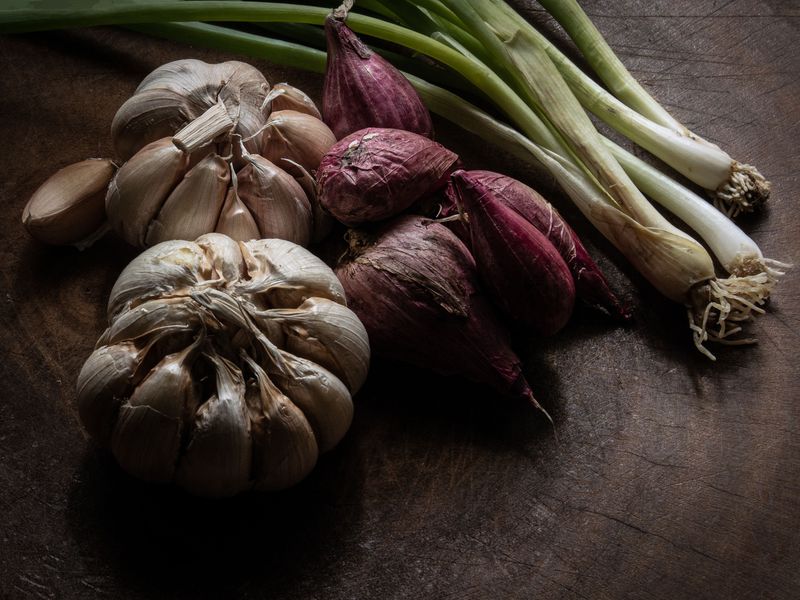
Leftover stuffing smells amazing on a cold evening, but the onions and garlic folded inside spell trouble for birds. These pungent kitchen staples contain sulfur compounds that can damage red blood cells in many animals, including birds.
Veterinarians link onion exposure with a type of anemia, where damaged blood cells struggle to carry enough oxygen. A bird with low oxygen delivery may seem weak or sluggish, which is risky when temperatures plunge sharply overnight.
Raw and cooked forms both carry these compounds, so seasoned casseroles and leftover soups are poor feeder choices. Garlic powder hides in many snack mixes and breadings, so check the label before sharing any leftover scraps.
Onions can also irritate the mouth and crop, the stretchy pouch where many birds store food before digesting it. Leeks and shallots belong to the same allium family, so keep them away from feeding stations as well.
Guilty as charged, I once scraped a pan of savory roasted vegetables onto my platform feeder after dinner. The doves pecked around everything, and some later reading convinced me I had served them a pretty risky meal.
Plain unseasoned squash seeds or crumbled hard-boiled egg make far safer kitchen leftovers for your curious birds. Rinse off any butter or salt first, and offer small portions that disappear quickly before they can spoil outdoors.
9. Apple Cores With Seeds Need A Quick Cleanup First
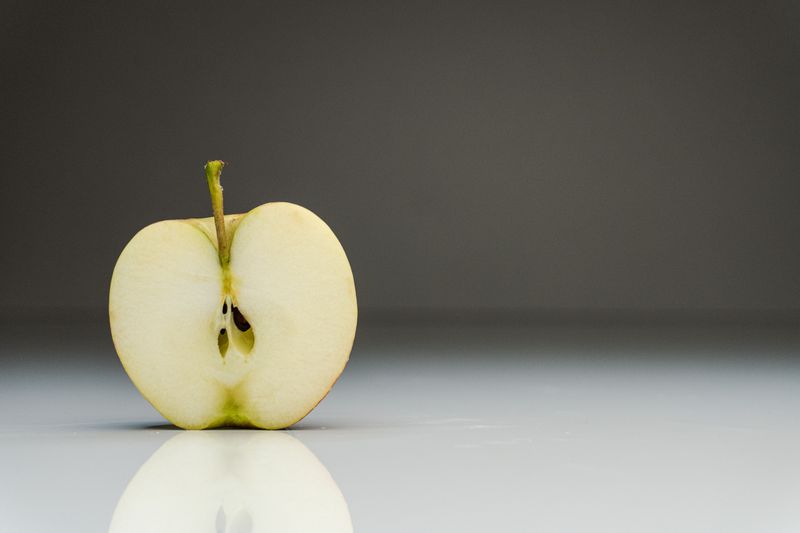
Cedar waxwings and winter robins happily gobble fruit, and a sliced apple on a platform looks wonderfully festive against snow. Before you set it out, take a quick peek at the core and those shiny brown seeds.
Apple seeds contain amygdalin, a natural compound that releases cyanide when the seed is crushed or chewed. Cherry, peach, plum, and apricot pits hold similar compounds, often in larger amounts tucked inside their hard shells.
Honestly, the risk from a few apple seeds is fairly small, and experts disagree about how much matters. Since small birds weigh so little, though, most wildlife groups suggest removing seeds and pits as a simple precaution.
The juicy fruit flesh itself is safe and welcome, especially when chopped into small bite-sized pieces for smaller beaks. Halved grapes and soaked raisins are also popular choices for fruit-loving birds during the lean winter months.
Don’t laugh, but I keep a little paring knife by my back door just for prepping feeder fruit. Cutting out the core takes seconds, and the bluebirds visiting my yard seem to appreciate the extra effort.
Spear apple halves onto a branch or feeder spike, and replace them once they freeze solid or brown. Freezing makes fruit tough to eat, so fresh pieces every day or two keep your feathered visitors coming back happily.