11 Genius Ways To Grow Zucchini Up Not Out And Get Bigger Yields

There’s something satisfying about seeing your garden thrive after years of tending to beds, pots, and trellises.
Maybe you’ve noticed that your zucchini plants seem to take over the whole patch, sprawling into paths and neighboring vegetables no matter how carefully you plant them.
It’s a challenge many of us have faced, especially when every square foot of garden space matters.
This guide shows how to grow zucchini up instead of out, keeping your garden neat while still producing generous harvests.
You’ll learn ways to support your plants, encourage bigger fruits, and make the most of limited space – all with techniques that fit naturally into a home garden routine.
By the end, you’ll see how a few simple adjustments can turn those sprawling vines into vertical powerhouses, giving you more room, healthier plants, and zucchini that seem to practically lift themselves from the soil.
1. Choose the Right Varieties

Not all zucchini varieties adapt well to vertical growing, so picking the right types is key. Compact or bush-style varieties are ideal because their growth habit reduces strain on trellises and makes training vines easier.
Popular upright-friendly varieties include ‘Black Beauty,’ ‘Astia,’ and ‘Eight Ball.’ These varieties produce plenty of fruit without sprawling across the ground, which keeps harvesting simpler and your garden looking tidy. Smaller, compact plants also reduce the risk of breakage when fruits become heavy, meaning your trellis or arch doesn’t need to withstand massive loads from sprawling vines.
For gardeners with limited space, compact zucchini makes it easier to maximize vertical area without overcrowding, while still allowing each plant to develop a strong root system. Upright zucchini also encourages better air circulation around leaves and stems, helping reduce the chance of fungal diseases.
When choosing seeds or seedlings, look for varieties labeled as “bush” or “compact,” and check local nurseries for region-specific recommendations. Growing zucchini vertically with the right variety also improves visibility of fruits, so you can monitor ripening stages more easily and pick them at peak flavor.
Selecting the right zucchini sets the foundation for a successful vertical garden, keeping your plants strong, productive, and easier to manage throughout the growing season.
2. Build Strong Support Structures
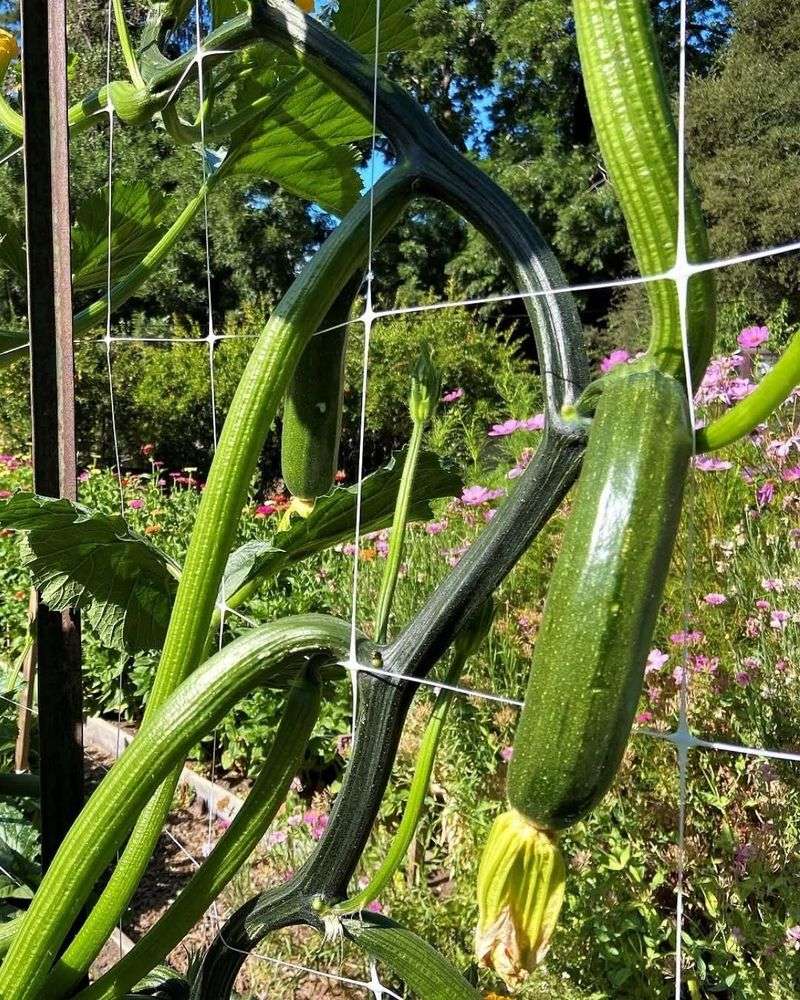
Plants can become surprisingly heavy once they start producing fruit, so having a sturdy support structure is essential for zucchini. Trellises, cages, metal arches, or cattle panels work well, as long as they’re deeply anchored into the ground.
Materials should be strong enough to handle weight without leaning or collapsing mid-season, which can damage plants and reduce harvests. Wooden frames, reinforced wire mesh, or metal arches offer stability while also providing enough surface area for vines to climb.
When constructing supports, think about spacing for multiple plants, access for harvesting, and airflow to prevent fungal diseases. Ensure the base is secure; adding stakes or extra bracing can make the structure last the entire season.
Vertical structures also allow fruits to hang freely, which reduces contact with soil, helping prevent rot and pest problems. Consider the height of your chosen zucchini variety – some plants may climb several feet, so trellises should accommodate this growth.
Using vertical supports not only saves space but also creates a visually appealing garden element. With a properly built structure, zucchini vines can climb efficiently, leaves receive more sunlight, and fruits develop evenly.
Strong support is the backbone of a successful vertical zucchini setup, helping plants stay healthy and productive from early growth through harvest.
3. Start Seeds Strategically
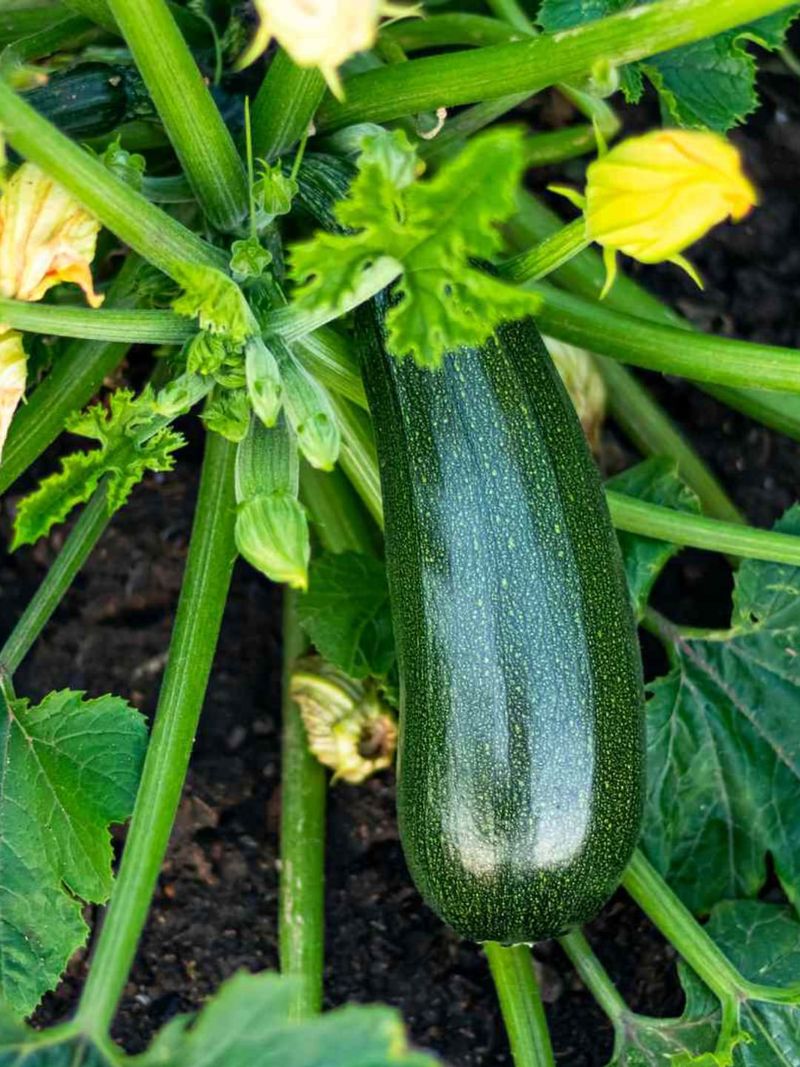
Planting zucchini seeds or seedlings at the right spot on your vertical structure sets the stage for healthy growth. For vertical gardens, spacing can be closer than traditional ground planting – about 12 to 18 inches apart – because plants climb instead of sprawling.
Each seedling should have a dedicated section of the trellis to avoid crowding, ensuring vines have room to grow upward while roots expand underground. Direct sowing at the base of a sturdy trellis is usually more effective than starting plants too far from supports, as this allows vines to latch onto the structure naturally.
Soil should be well-draining and enriched with compost or organic matter to encourage robust roots. For colder regions, starting seeds indoors or using cloches for early-season planting can give your zucchini a head start.
Vertical planting also makes it easier to monitor growth and adjust ties or supports as vines climb. When seedlings are established, gently guide tendrils toward the support, encouraging upward movement.
With careful placement and attention to spacing, vertical zucchini plants develop strong roots, healthy stems, and fruits that hang freely. Starting strategically not only maximizes vertical space but also simplifies care throughout the growing season, making harvests more productive and enjoyable.
4. Use Soft Ties For Support
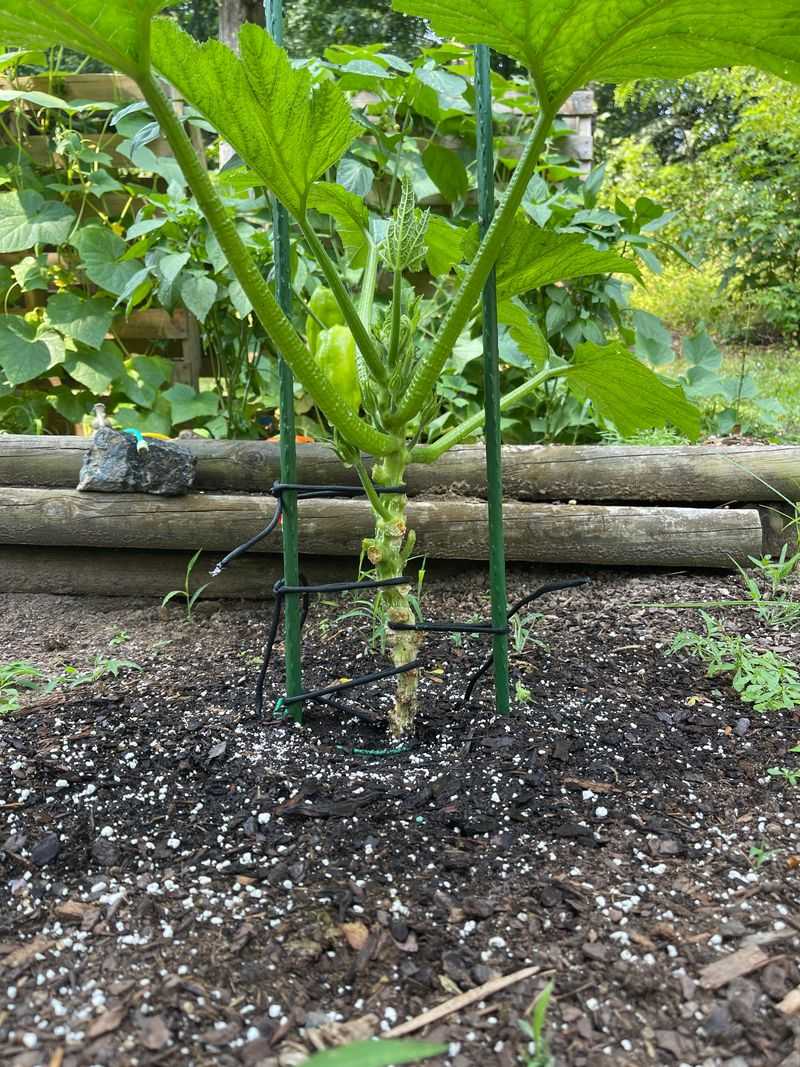
As zucchini vines grow, they need gentle support to stay attached to trellises. Traditional twine or string can damage stems as they expand, so soft ties are essential.
Materials like old pantyhose, strips of cloth, or adjustable plant velcro provide secure support without cutting into stems. Ties should form loose loops around main stems, giving room for growth while keeping vines upright.
Check ties regularly, especially during periods of rapid growth, and adjust them to prevent constriction. Supporting heavy fruits with additional ties can also reduce strain on vines and prevent breakage.
Soft ties improve plant stability, reduce risk of injury, and make vertical zucchini gardening less stressful. Using flexible ties is especially important for larger fruits or bushier varieties, as they can weigh down stems and compromise growth.
Proper tying also allows air to circulate freely around leaves and stems, which helps prevent fungal diseases. By investing in soft, adjustable ties and checking them consistently, gardeners can keep zucchini plants upright, healthy, and productive throughout the season while avoiding common issues associated with rigid supports.
5. Prune Lower Leaves

Removing the bottom leaves of zucchini plants that touch the soil is a simple but effective step for vertical growing. Lower leaves often harbor moisture and soil-borne pathogens, so pruning them improves air circulation and reduces the risk of disease.
When pruning, avoid removing too many leaves at once – plants still need sufficient foliage for photosynthesis. Focus on leaves that are damaged, yellowing, or consistently touching the ground.
Pruning also redirects energy from maintaining unnecessary foliage toward producing fruits and flowers. Vertical growth naturally exposes leaves to more sunlight, which encourages healthier plants overall.
A balanced approach ensures that pruning does not stress the plant while still providing benefits such as easier pest inspection and less soil splash during rain or watering. By selectively removing lower leaves, gardeners create a cleaner vertical setup where fruits hang freely, airflow is optimized, and potential disease pressure is minimized.
Regular checks and light pruning throughout the season help maintain plant health and improve the overall appearance of the zucchini vines.
6. Water At The Base
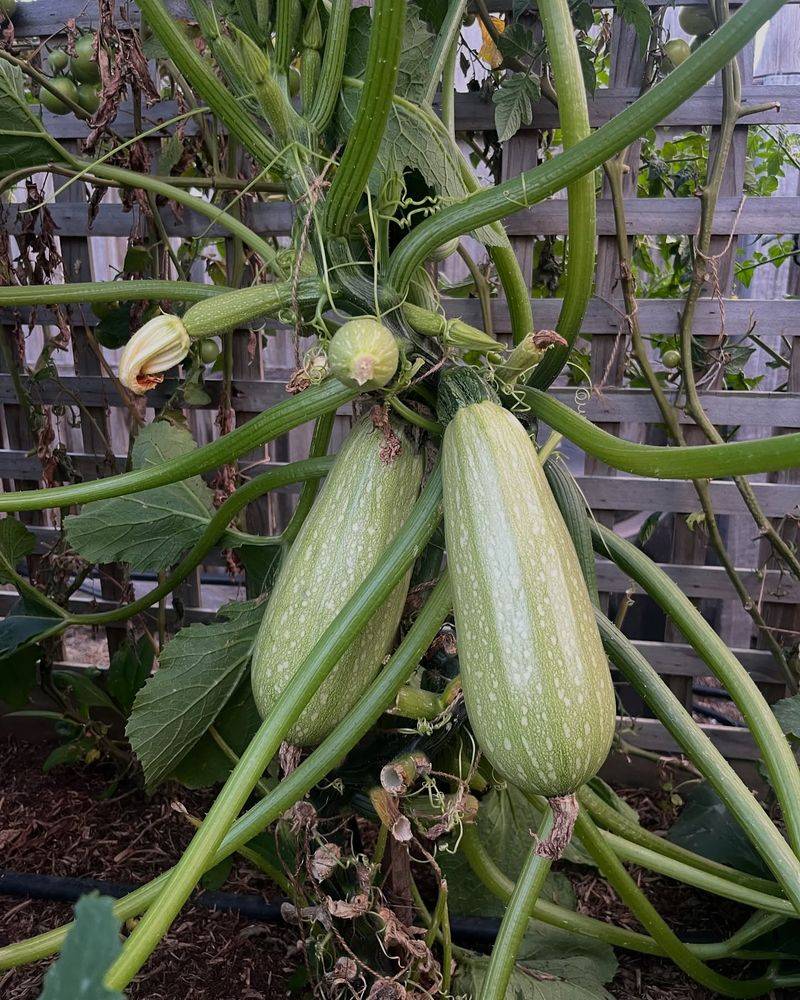
Keeping zucchini plants properly hydrated is crucial, and vertical growing makes it easier to deliver water where it’s needed most. Overhead watering can promote fungal issues by wetting leaves, so using drip irrigation, soaker hoses, or watering at the base is recommended.
This method ensures water reaches roots efficiently without creating conditions favorable for mildew or leaf spot. Morning watering is ideal because it gives any incidental leaf moisture time to dry during the day.
Consistent moisture supports steady fruit development and reduces stress on vines, especially during hot periods. Vertical planting often concentrates root zones, so keeping soil evenly moist is important to prevent irregular growth or blossom end rot.
Mulching around the base can help retain soil moisture, reduce temperature fluctuations, and limit weed competition. By focusing water delivery at the roots, gardeners can support healthy, productive vertical zucchini while minimizing disease risk.
Adjusting watering frequency based on soil type, weather, and plant size ensures vines get what they need without overwatering. This approach helps zucchini thrive and produces fruit more consistently throughout the growing season.
7. Feed Regularly

Zucchini are heavy feeders, and vertical growing emphasizes this need since roots are confined to smaller spaces. Applying compost, compost tea, or balanced organic fertilizer every two to three weeks helps replenish nutrients and supports fruit production.
Fertilizers with phosphorus promote flower and fruit development, while nitrogen supports leaf growth. Adding a layer of compost around the base also improves soil structure, retains moisture, and provides slow-release nutrients.
Because vertical plants often produce large fruits, nutrients can deplete faster than in sprawling beds, making regular feeding essential for consistent yields. Observing plant health helps guide adjustments; yellowing leaves, slow growth, or small fruits may indicate the need for supplemental feeding.
Using organic fertilizers keeps your harvest safe and supports soil microbial health. Feeding in combination with proper watering ensures vines remain vigorous, flowers develop abundantly, and fruits reach desirable size.
By maintaining nutrient availability, gardeners can optimize vertical zucchini productivity and enjoy a steady harvest without expanding garden space or compromising plant health.
8. Harvest Frequently
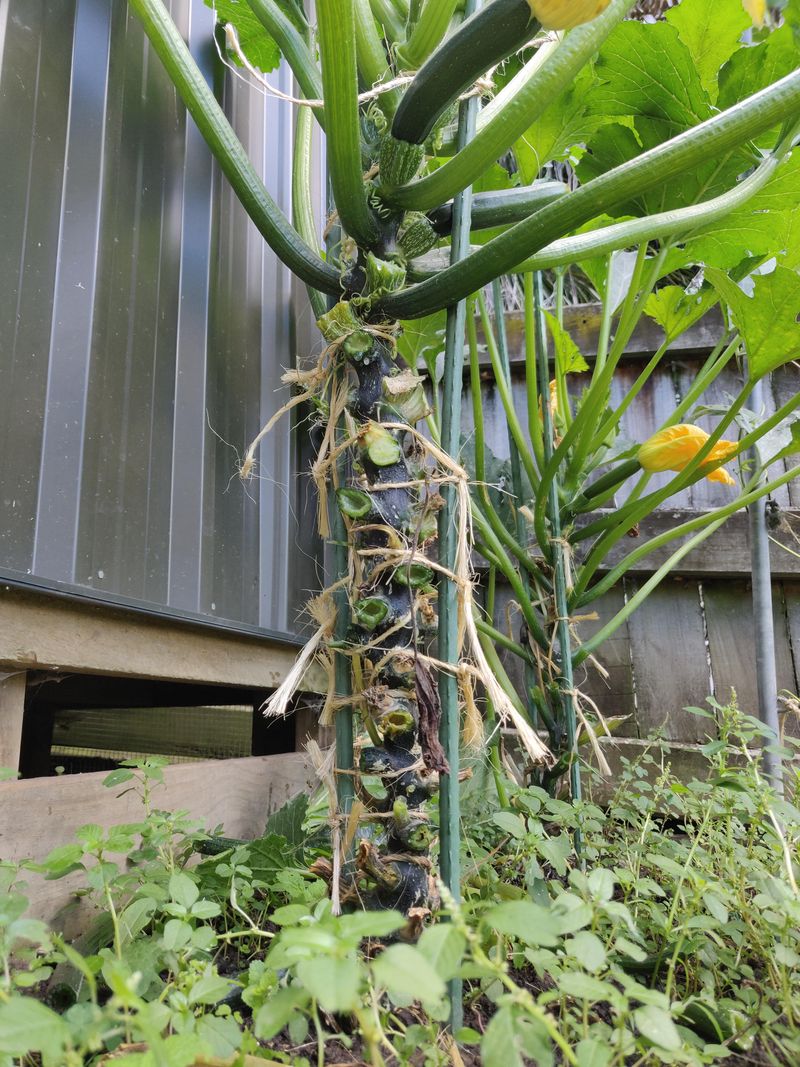
Harvesting zucchini promptly encourages plants to produce more fruits while preventing excessive weight on vertical vines. Picking fruits at 6–8 inches long delivers tender, flavorful zucchini and reduces strain on support structures.
Frequent harvesting also makes spotting ready-to-pick vegetables easier since they hang visibly on trellises rather than hiding under foliage. Leaving oversized fruits on the vine can slow further flower production, so keeping up with harvests benefits overall yield.
Vertical growth makes it simpler to access fruits without bending or moving dense leaves, saving time and effort. Using clean tools or gently twisting fruits off the vine reduces damage to stems and encourages continued production.
Observing harvest frequency also allows gardeners to track plant health, identify pest issues early, and manage vine load effectively. By establishing a consistent harvesting routine, gardeners can enjoy higher-quality zucchini, less plant stress, and a more manageable vertical garden.
Regular attention ensures vines remain productive throughout the growing season while keeping fruits easily visible and accessible.
9. Maximize Sunlight Exposure
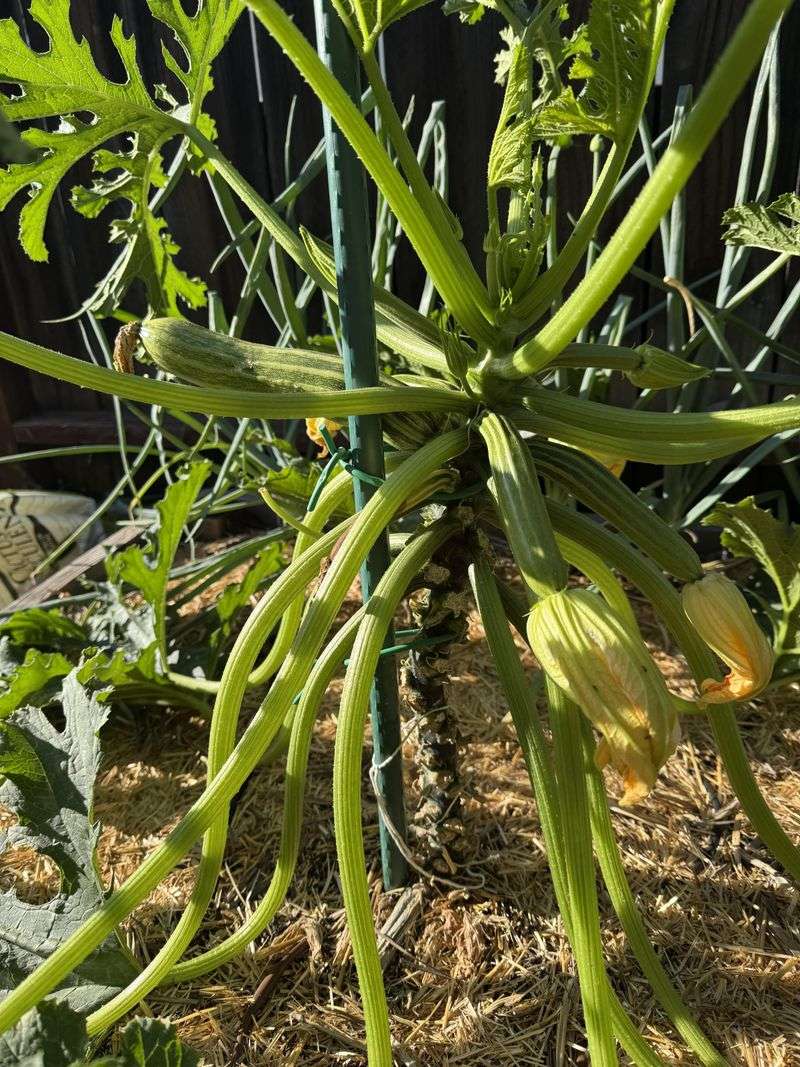
Zucchini requires ample sunlight to produce well, and vertical setups make it easier to position plants for optimal exposure. Orient trellises north to south when possible, allowing sunlight to reach both sides throughout the day.
Avoid placing tall crops directly east or west, which may cast shadows during peak sun hours. A minimum of six to eight hours of direct sunlight daily is ideal for vigorous growth and fruit development.
Vertical planting lifts leaves and fruits off the ground, increasing light exposure to lower foliage that would otherwise be shaded in sprawling beds. Monitoring sun patterns across your garden helps you adjust trellis placement or rotate structures for best results.
Proper light exposure encourages strong stems, healthy leaves, and more abundant flowering. For gardeners with limited sun, even small adjustments, such as rotating the trellis slightly or trimming nearby obstructions, can improve light distribution.
Maximizing sunlight ensures zucchini vines reach their potential without expanding horizontally, making vertical growth both space-efficient and productive.
10. Monitor For Pests Regularly

Even with vertical growth, zucchini is vulnerable to pests like squash bugs, aphids, and cucumber beetles. Elevating plants improves airflow and reduces some ground-dwelling threats, but regular inspection is still essential.
Check under leaves weekly, especially early in the season when insects can multiply quickly. Introducing beneficial insects, such as ladybugs or lacewings, can naturally reduce pest populations without harming plants.
Organic options like neem oil or insecticidal soap work well when needed, targeting harmful pests while sparing pollinators and other helpful insects. Maintaining clean trellises, removing damaged leaves, and pruning lower foliage also helps prevent hiding places for pests.
Early detection allows gardeners to address infestations before significant damage occurs, protecting both fruits and leaves. By combining vertical planting with careful monitoring and targeted interventions, zucchini plants remain healthier and more productive.
Consistent attention to pest management reduces plant stress, supports fruit development, and ensures your vertical garden remains attractive and manageable.
11. Rotate Growing Locations Yearly
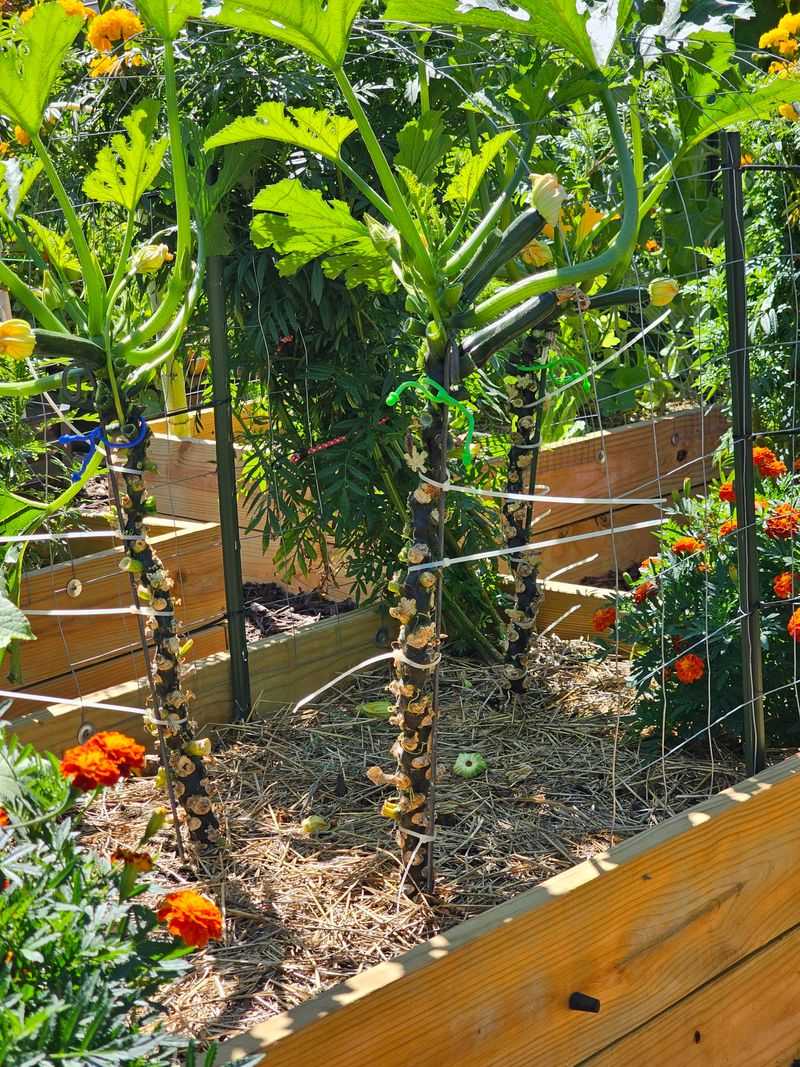
Like other squash plants, zucchini is susceptible to soil-borne diseases and pest cycles. Even when grown vertically, planting it in the same spot year after year can encourage a buildup of pathogens specific to the squash family.
Rotating your garden location annually helps break these cycles. Ideally, wait at least three years before planting zucchini in the same area, substituting with unrelated crops like beans, peas, or leafy greens in the meantime.
Crop rotation improves soil health, replenishes nutrients differently, and reduces pest pressures. It also allows gardeners to test different soil amendments and planting techniques in each section, improving long-term productivity.
Vertical structures can be moved slightly within a plot for minor rotation, but significant yearly relocation is best for disease prevention. By incorporating rotation, gardeners protect both soil and plants, maintaining healthier zucchini vines and higher yields over multiple seasons.
Rotation complements vertical growing, allowing you to enjoy productive, manageable zucchini crops while minimizing risks associated with soil-borne challenges.