15 Best Native Plants For The Mountain West In Wyoming
Gardening in Wyoming isn’t for the faint of heart. Winters hang on, spring arrives slowly, and summer brings blazing sun, gusty winds, and dry stretches that challenge even seasoned gardeners.
Plants that thrive elsewhere often struggle here, but the right choices can turn a yard into a resilient, beautiful landscape. Native plants are Wyoming’s secret weapon.
They have adapted to cold winters, dry air, and lean soils, so they need less water and care than imported species. Beyond surviving, they thrive and support local wildlife.
Bees, butterflies, birds, and more rely on these plants for food and shelter, turning even a small garden bed into part of a larger ecosystem.
With silvery shrubs, bright wildflowers, and graceful grasses, Wyoming natives bring the state’s prairies and mountain slopes right into your yard, creating gardens that feel authentic, vibrant, and unmistakably local.
1. Wyoming Big Sagebrush Adds Silvery Color To Dry Landscapes
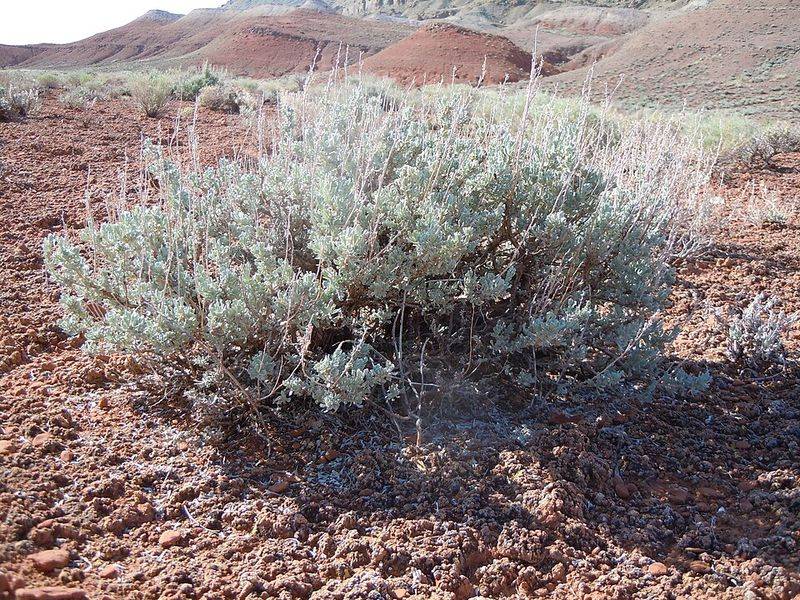
Across much of Wyoming, the scent of sagebrush drifting through the air after a summer rain is a familiar part of the landscape. That distinctive fragrance comes from Wyoming big sagebrush, a native shrub that plays a central role in many of the state’s natural ecosystems.
Wyoming big sagebrush typically grows two to four feet tall and spreads gradually into open, airy shrubs with soft silver-gray foliage. The narrow leaves release their aromatic oils when brushed or warmed by sunlight.
In late summer and early fall, small yellow flowers appear along the stems and provide nectar for insects.
This plant thrives in the dry soils common across Wyoming’s basins and foothills. It prefers full sun and well drained ground, conditions that mirror the natural sagebrush steppe found throughout much of the state.
Heavy irrigation or rich soil amendments often work against its natural growth habits, so planting it in lean soil tends to produce the best results.
Wildlife relies heavily on sagebrush landscapes. Birds, insects, and mammals use the shrubs for food and shelter throughout the year.
In home landscapes, sagebrush works well in naturalistic plantings or xeriscape gardens where water use is limited. Paired with native grasses or wildflowers, it helps create a garden that reflects Wyoming’s wide open scenery.
2. Rocky Mountain Penstemon Brings Bright Blue Flower Spikes
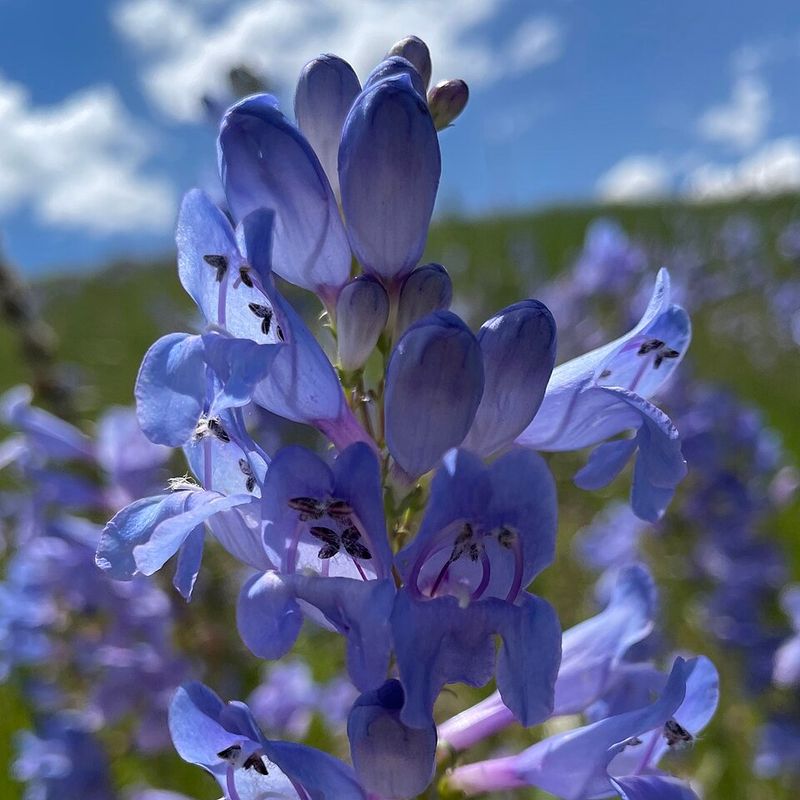
Early summer in Wyoming often brings bursts of color across hillsides and roadside slopes. Among the most striking wildflowers during this time is Rocky Mountain penstemon, a perennial known for its vivid blue to violet blooms.
Flower spikes rise above the foliage in late spring or early summer, often reaching one to three feet tall. The tubular flowers attract hummingbirds, bees, and other pollinators that visit throughout the bloom period.
In garden settings, groups of penstemon create a noticeable splash of color that stands out against gravel, stone, or dry soils.
Rocky Mountain penstemon grows well in Wyoming gardens when planted in sunny areas with well drained soil. Gravelly beds or slopes often suit it well because the roots prefer good air circulation and quick drainage.
Once established, the plant tolerates dry conditions typical of many Wyoming summers.
Gardeners often mix penstemon with other native perennials to create layered planting beds. The upright flower stalks contrast nicely with lower growing plants such as prairie smoke or sulphur buckwheat.
Allowing a few seed heads to mature at the end of the season can help encourage natural reseeding, gradually expanding the planting over time.
3. Blanketflower Brightens Gardens With Red And Gold Blooms
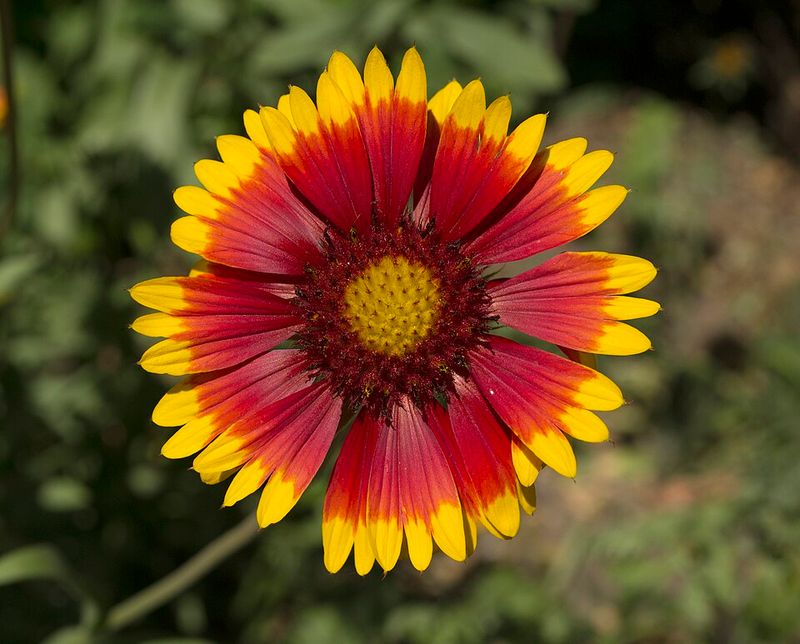
Bright colors often stand out dramatically against Wyoming’s open landscapes. Blanketflower brings those colors into the garden with warm shades of red, orange, and yellow that resemble a summer sunset.
This native perennial produces daisy-like flowers from early summer well into the warmer months. Individual plants usually grow one to two feet tall, forming loose clumps that blend easily into natural style plantings.
The flowers attract bees and butterflies, making blanketflower a lively addition to pollinator gardens.
Wyoming gardeners often appreciate how well this species handles the region’s sunny, dry conditions. Blanketflower prefers full sun and soils that drain quickly after rain or irrigation.
Rocky or sandy soil rarely causes problems, and plants often perform well without frequent watering once they settle into the garden.
Removing spent blooms may encourage additional flowering through the season, though many gardeners allow some flowers to mature into seed. Birds occasionally feed on the seeds later in the year.
Blanketflower also combines well with other drought tolerant natives such as blue flax or prairie coneflower, creating colorful beds that echo the natural wildflower displays found throughout Wyoming.
4. Prairie Smoke Produces Soft Pink Seed Plumes
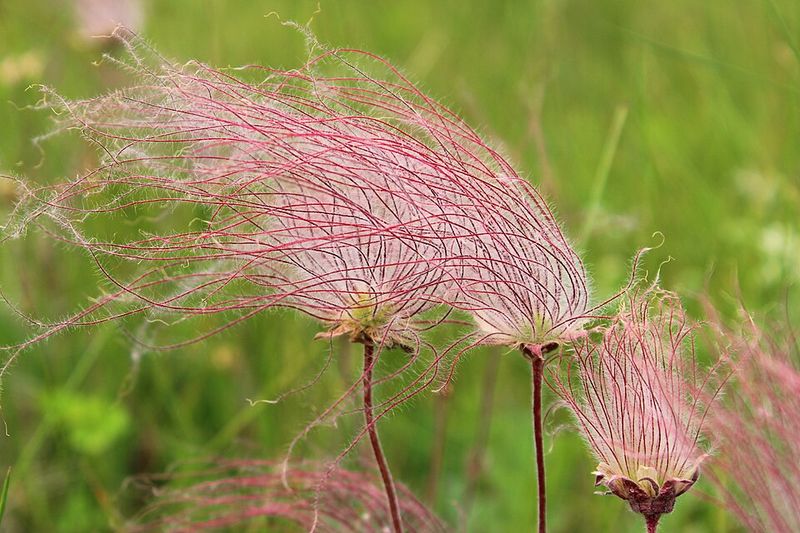
Spring in Wyoming can still carry a chill, but a few hardy native plants begin blooming early in the season. Prairie smoke is one of those early performers, bringing delicate pink flowers to gardens just as the growing season begins.
Low mounds of soft green foliage emerge close to the ground, followed by nodding pink blossoms held on slender stems. After the flowers fade, the plant produces feathery seed heads that resemble wisps of smoke drifting above the leaves.
These airy plumes give the plant its memorable name and add texture to garden beds.
Prairie smoke usually stays under a foot tall, making it useful along the front edge of planting beds or in rock gardens. Wyoming’s cool springs and well drained soils suit it well.
Locations with full sun or light afternoon shade tend to produce the best growth.
Because it forms small clumps rather than spreading aggressively, prairie smoke fits nicely among other low growing natives. Gardeners often pair it with early blooming wildflowers or small bunch grasses.
Even after flowering ends, the foliage remains tidy through much of the season, providing subtle structure in native garden plantings.
5. Sulphur Buckwheat Forms Silvery Mounds With Yellow Flowers
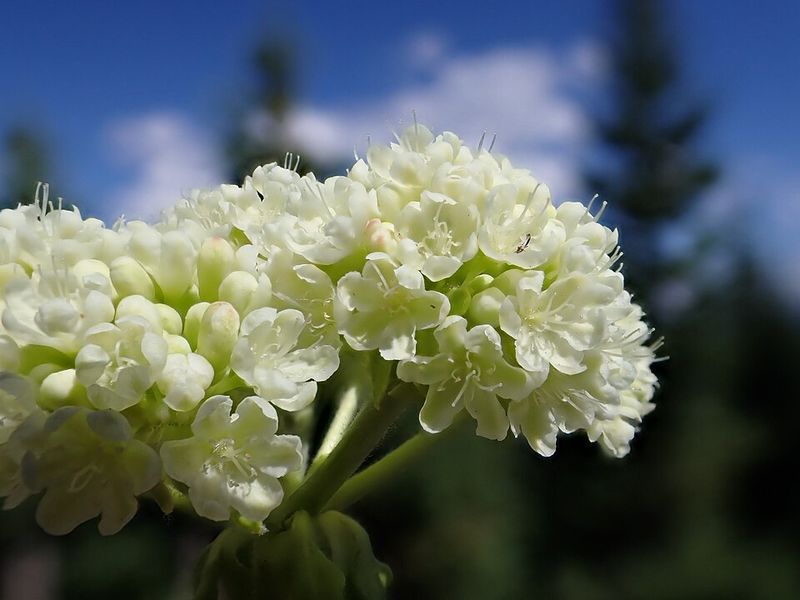
Many Wyoming gardeners look for plants that handle heat, wind, and dry soil without constant attention. Sulphur buckwheat stands out as one of the most reliable choices for these conditions.
Silvery green leaves form compact mounds close to the ground, creating an attractive base even before flowering begins. During early to mid summer, clusters of bright yellow blooms rise above the foliage on slender stems.
The flowers gradually change color as they age, sometimes shifting to warm shades of orange or rust.
Pollinators visit these blooms frequently. Bees and butterflies often gather around sulphur buckwheat on warm afternoons, making it a valuable addition to pollinator friendly landscapes.
This species grows naturally in the rocky soils found across much of Wyoming’s mountain foothills and high plains. Gardens that mimic those conditions often produce the healthiest plants.
Gravelly beds, dry slopes, or rock gardens tend to work well.
Sulphur buckwheat combines nicely with other drought tolerant plants such as blue flax, little bluestem grass, or prairie coneflower.
The soft foliage and bright flowers bring color and texture while reflecting the rugged beauty of Wyoming’s natural landscapes.
6. Blue Flax Adds Airy Stems And Blue Blooms
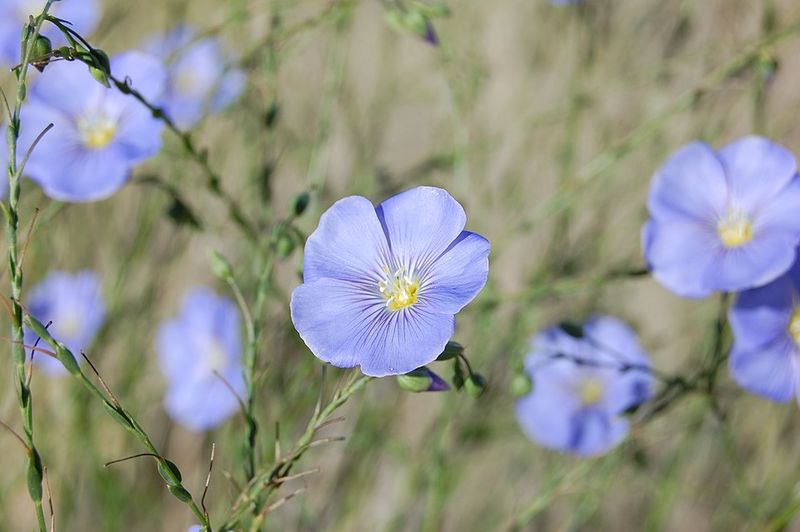
Early summer breezes often carry a soft movement through Wyoming wildflower meadows. Blue flax contributes to that scene with delicate sky blue flowers that open during the morning hours.
Slender stems hold the blooms above narrow leaves, creating a light and airy appearance in garden beds. Individual flowers last only a short time, yet the plant continues producing new blossoms through much of the early summer season.
Blue flax adapts well to the dry climate common across Wyoming. It prefers full sun and soil that drains quickly, conditions similar to those found on prairie slopes and open foothills.
In garden settings, it often reseeds gently, gradually forming small clusters over time.
The soft blue flowers blend beautifully with warm colored wildflowers such as blanketflower or prairie coneflower.
Gardeners sometimes include blue flax in meadow style plantings where its fine stems move gracefully in the wind.
Because it requires minimal fertilization and moderate watering once established, blue flax fits comfortably into low maintenance landscapes. Its simple elegance reflects the natural beauty found across many Wyoming grasslands.
7. Antelope Bitterbrush Supports Wildlife In Dry Landscapes
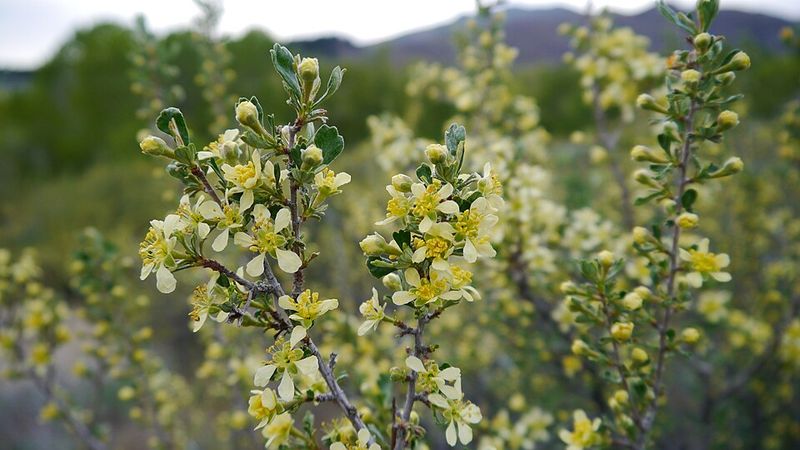
Travel through Wyoming’s foothills and dry valleys and you may notice shrubs with gray green leaves and clusters of small yellow flowers. Antelope bitterbrush is a familiar sight in these landscapes and offers many benefits in native gardens.
The shrub typically grows three to six feet tall, forming rounded shapes that provide structure throughout the year. In late spring, yellow flowers appear along the branches and attract pollinating insects.
Twisted seed pods follow later in the season, adding subtle visual interest.
Wildlife relies heavily on bitterbrush in many parts of the Mountain West. Deer, pronghorn, and other animals browse the foliage, particularly during cooler months.
Because of this value, the plant plays an important role in maintaining healthy ecosystems.
For gardeners in Wyoming, bitterbrush works best in sunny areas with well drained soil. The shrub adapts well to dry slopes and open sites where irrigation is limited.
Once established, it typically handles dry weather without frequent watering.
Placed along property edges or mixed with other native shrubs, antelope bitterbrush can help create a landscape that reflects the natural plant communities found across Wyoming’s high plains and foothills.
8. Yarrow Attracts Pollinators With White Flower Clusters
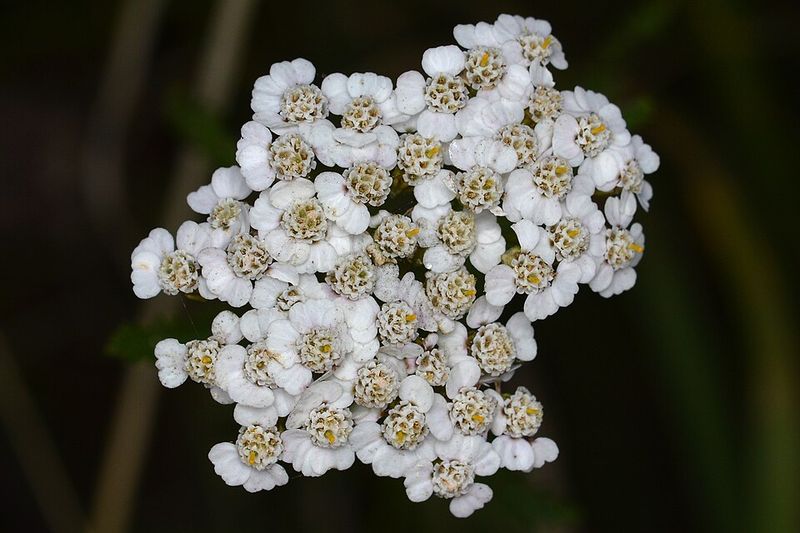
Warm summer afternoons in Wyoming often bring gardens alive with bees and butterflies. Yarrow helps support that activity with wide clusters of tiny white flowers that bloom across much of the season.
Fern like leaves form low mounds of soft green foliage, while flat topped flower clusters rise above the plants on sturdy stems. These broad flower heads create convenient landing spots for many pollinating insects.
Yarrow grows naturally across a wide range of Wyoming habitats, from open grasslands to mountain meadows. In gardens, it adapts well to sunny locations with well drained soil.
The plant tolerates periods of dry weather once established and often spreads gradually through underground stems.
Gardeners sometimes divide mature plants every few years to maintain healthy growth and encourage fresh blooms. The foliage also releases a distinctive herbal scent when brushed or crushed.
In natural style landscapes, yarrow blends easily with grasses and wildflowers. Its long bloom period and pollinator value make it a useful addition to Wyoming gardens designed to support wildlife while maintaining a relaxed, meadow inspired look.
9. Prairie Coneflower Adds Tall Yellow Summer Blooms
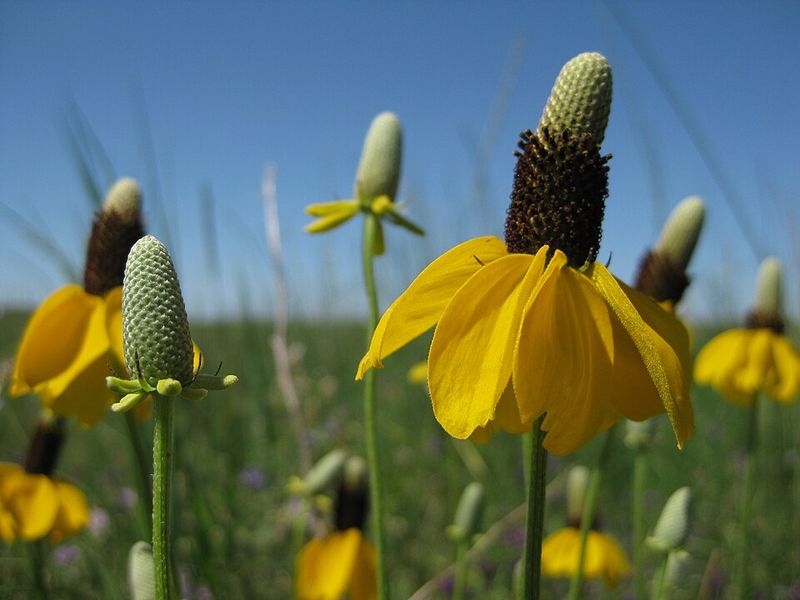
Late summer often brings warm golden tones to Wyoming gardens. Prairie coneflower contributes to that seasonal color with distinctive yellow petals that curve downward from tall central cones.
These unusual flowers create a striking silhouette in natural plantings. The plant typically grows two to three feet tall, making it a good companion for mid height perennials or bunch grasses.
Prairie coneflower grows well in sunny locations with well drained soil. Once established, it handles many of the dry periods that occur during Wyoming summers.
The plant also reseeds moderately, allowing new seedlings to appear nearby in future seasons.
Pollinators visit the flowers regularly, and birds may feed on the seeds later in the year. Many gardeners leave the seed heads standing through winter, where they add texture and subtle movement to the garden.
Combined with blue flax, blanketflower, or little bluestem grass, prairie coneflower helps create plantings that reflect the colors and structure of Wyoming’s native prairies.
10. Mountain Mahogany Brings Structure To Rocky Landscapes
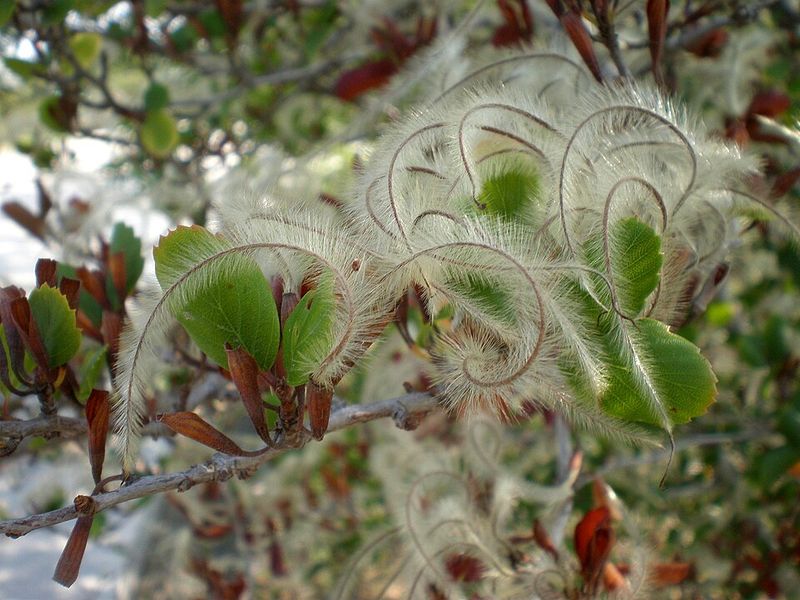
Rocky slopes and foothills throughout Wyoming often support hardy shrubs that handle dry soil and strong winds with ease. Mountain mahogany belongs to this group of resilient native plants.
Small leathery leaves remain on the branches for much of the year, giving the shrub a nearly evergreen appearance.
In late summer, feathery seed plumes develop and catch the sunlight, creating a soft, shimmering effect across the plant.
Mountain mahogany typically grows six to fifteen feet tall depending on species and site conditions. In gardens, it works well as a structural shrub or informal screen, especially in landscapes designed to resemble natural foothill habitats.
The deep root system helps anchor soil on slopes and hillsides, making the plant useful in erosion prone areas. Because it evolved in dry environments, it usually performs best when irrigation remains limited and soil drains freely.
Paired with sagebrush, bitterbrush, or native grasses, mountain mahogany contributes to landscapes that echo the rugged beauty of Wyoming’s mountain and foothill regions.
11. Serviceberry Produces Spring Flowers And Summer Berries
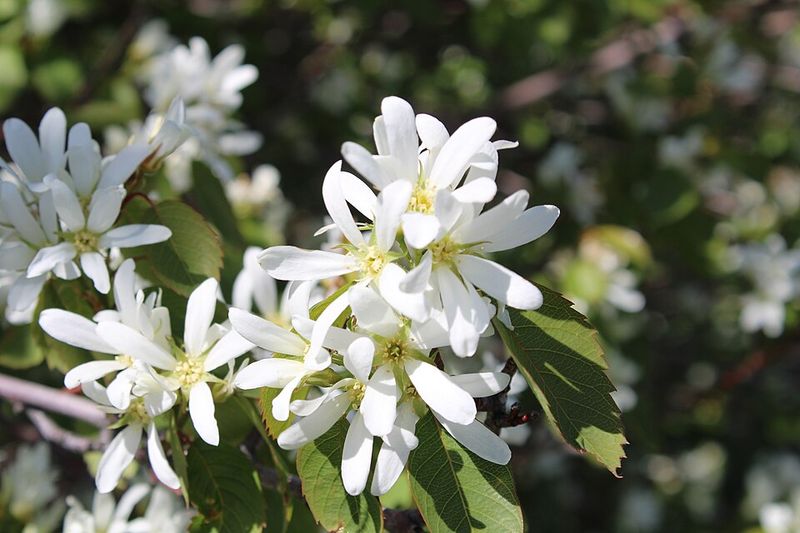
Spring arrives in Wyoming with bursts of white blossoms across hillsides and stream corridors. Serviceberry is one of the native shrubs responsible for that display, bringing early season beauty to both wild landscapes and home gardens.
Clusters of white flowers appear in spring before or alongside the leaves. As summer progresses, the plant produces small purple berries that birds and other wildlife enjoy.
Many people also harvest the fruit for jams, syrups, or fresh eating.
Serviceberry typically grows as a multi stem shrub or small tree reaching eight to fifteen feet tall. Its graceful branching structure works well in natural gardens or as a focal point in mixed plantings.
During autumn, the leaves often shift to warm shades of yellow, orange, or red. This seasonal color adds another layer of interest to Wyoming landscapes where fall foliage may be limited in open prairie areas.
Serviceberry adapts well to many garden settings, though it tends to perform best in soils that drain well and receive moderate moisture.
With its flowers, fruit, and fall color, the plant provides year round value in native Wyoming landscapes.
12. Sticky Geranium Adds Pink Purple Summer Blooms
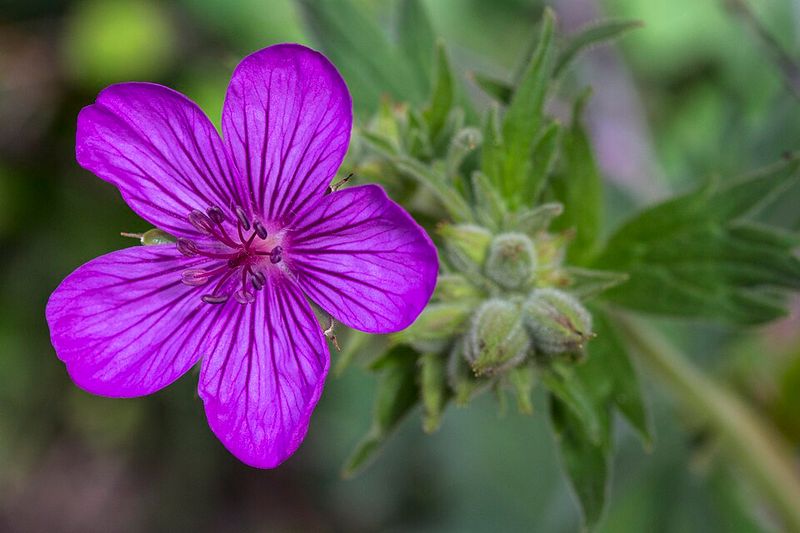
Early summer in Wyoming often brings clusters of pink to purple wildflowers along forest edges and mountain trails. Sticky geranium brings that same charm into garden settings.
Rounded mounds of deeply cut foliage form the base of the plant, while slender stems carry bright flowers above the leaves. The slightly sticky stems give the plant its common name and can help discourage some insect damage.
Sticky geranium typically grows one to two feet tall and spreads gradually into neat clumps.
In Wyoming gardens, it performs well in areas with morning sun and some afternoon shade, though it also adapts to sunnier locations where soil moisture remains adequate.
The blooms attract a range of pollinators, including native bees and butterflies. After flowering ends, the foliage continues providing soft texture in mixed plantings.
Many gardeners combine sticky geranium with prairie smoke, penstemon, or native grasses to create layered beds that resemble the diverse plant communities found in Wyoming’s foothills and mountain valleys.
13. Rocky Mountain Juniper Creates Evergreen Landscape Structure
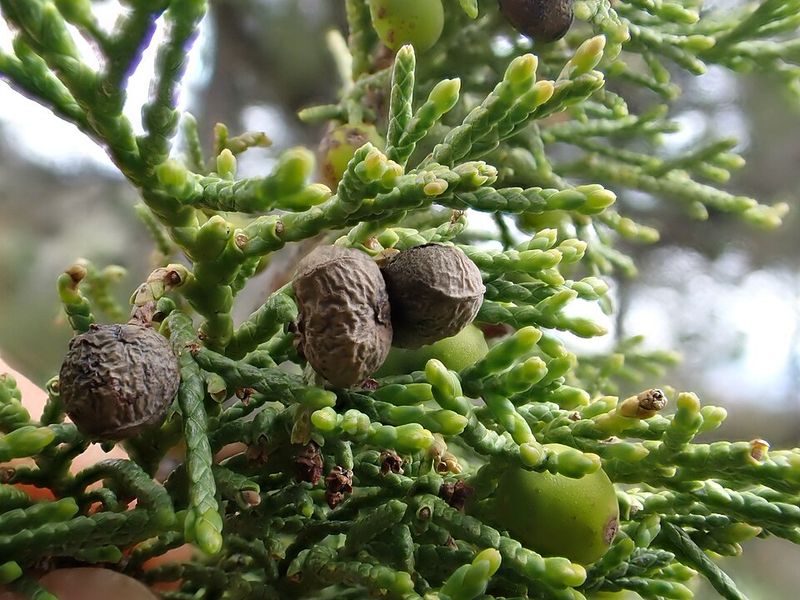
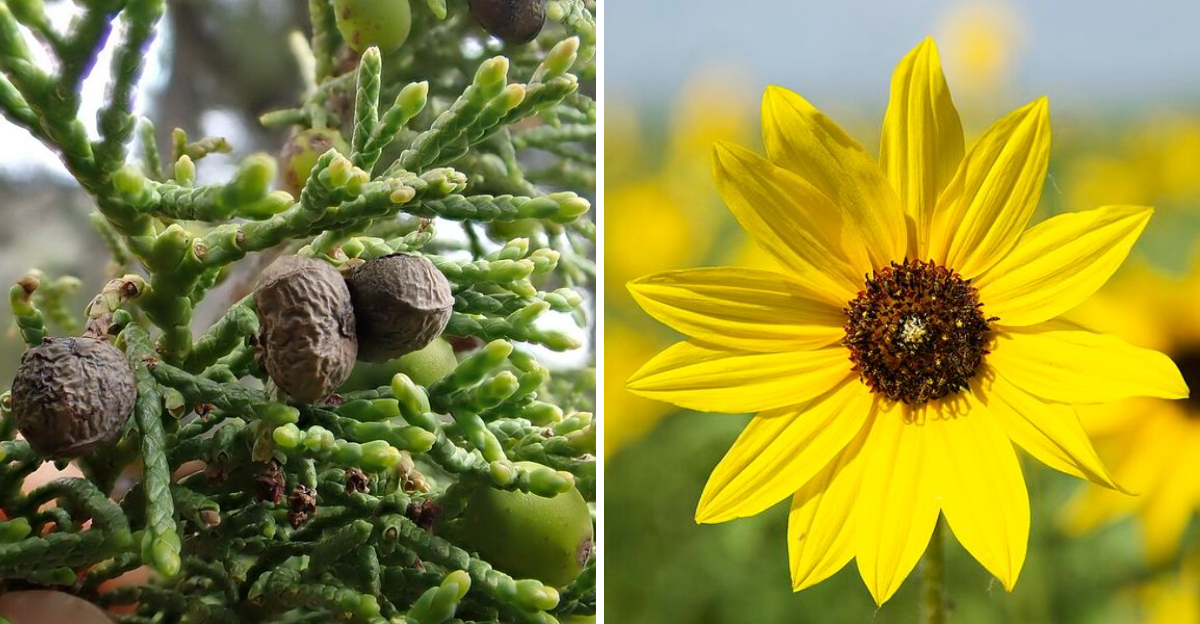
Across many Wyoming hillsides, tall evergreen trees with blue green foliage stand out against the open sky. Rocky Mountain juniper is one of the region’s most recognizable native conifers.
The tree grows slowly but steadily, eventually reaching heights between ten and thirty feet depending on conditions. Narrow trunks and upright branches create a distinctive form that works well as a focal point in landscapes.
Juniper berries, which are actually small cones, provide food for birds during cooler months. The dense branches also offer shelter for wildlife seeking protection from wind and weather.
Rocky Mountain juniper adapts well to the dry climate common throughout Wyoming. It prefers full sun and soil that drains freely.
Once established, it typically requires minimal irrigation.
In garden design, the tree can serve as a specimen planting or anchor plant in native landscapes.
When combined with shrubs such as serviceberry or bitterbrush, it helps create layered plantings that reflect the natural vegetation found across Wyoming’s foothills and valleys.
14. Prairie Sunflower Brings Bright Yellow Late Summer Blooms
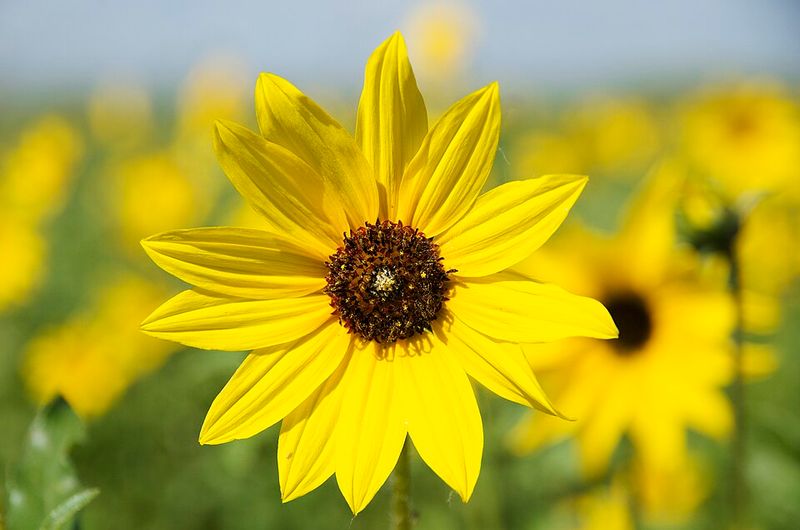
Late summer across Wyoming often brings bright bursts of yellow along roadsides and open fields. Prairie sunflower contributes to that display with cheerful blooms that appear when many earlier flowers have finished their show.
The plant typically grows two to four feet tall, producing branching stems topped with bright yellow flowers and darker centers. These blooms attract bees, butterflies, and other pollinators that remain active through late summer.
Prairie sunflower adapts well to sunny gardens with dry or moderately fertile soil. In natural plantings, it blends easily with native grasses and other late season wildflowers.
Gardeners often appreciate how the plant adds height and color toward the end of the growing season.
As the flowers mature, seed heads form and may provide food for birds during autumn. Leaving some stems standing through winter can add visual interest while supporting wildlife.
Prairie sunflower helps extend the flowering season in Wyoming gardens, bringing color and activity well into the later weeks of summer.
15. Little Bluestem Grass Adds Warm Fall Color And Texture
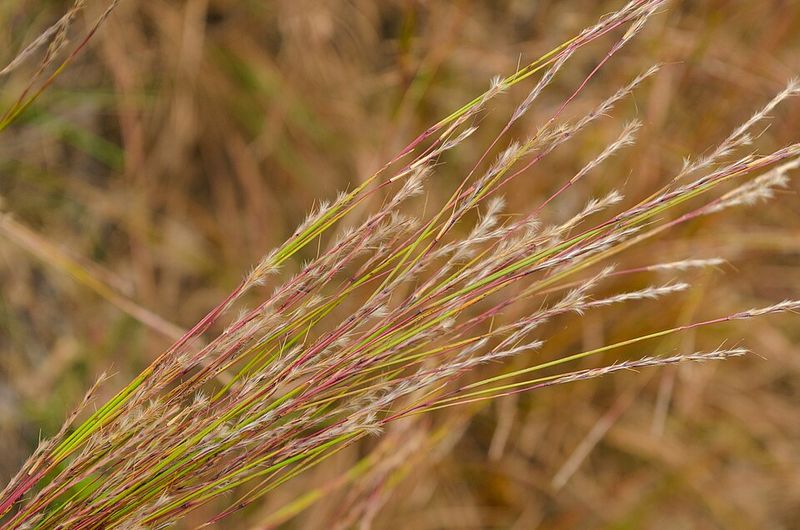
Movement in the wind is one of the quiet pleasures of Wyoming landscapes. Little bluestem grass captures that motion with slender stems that sway gracefully through the seasons.
During summer, the foliage appears blue green and forms tidy clumps two to three feet tall. As autumn approaches, the leaves shift toward warm shades of copper, orange, and red.
This seasonal color often continues into winter.
Little bluestem is a bunch grass rather than a spreading turf grass, which allows it to blend easily with wildflowers in natural plantings. The deep root system helps the plant handle dry conditions common across Wyoming’s plains and foothills.
Gardeners often plant little bluestem in groups where its fine texture contrasts nicely with broad leaved perennials. It also works well along pathways, slopes, or meadow style plantings.
Even after the growing season ends, the upright stems remain standing and catch frost or snow during winter mornings. That quiet structure adds beauty to gardens while reflecting the character of Wyoming’s native grasslands.