10 Steps To Save Damaged Succulents In California
Succulents are the ultimate easygoing plant heroes, but even these tough little greens can struggle under California’s blazing sun or surprise rainstorms.
Maybe your aloe’s leaves are wrinkling, your echeveria is looking droopy, or a recent watering slip has left your jade plant sad.
No need to panic! Damaged succulents can bounce back with a little love, patience, and the right tricks.
Simple tweaks like trimming stressed leaves, adjusting watering habits, or rescuing root systems can turn struggling plants into thriving showstoppers. With a few smart moves, your plants can regain their strength and charm.
Grab your pruning shears, get your hands a little dirty, and watch your succulents recover and shine again.
Healthy, happy succulents are easier to achieve than you might think, and the results are totally worth it.
1. Assess The Damage
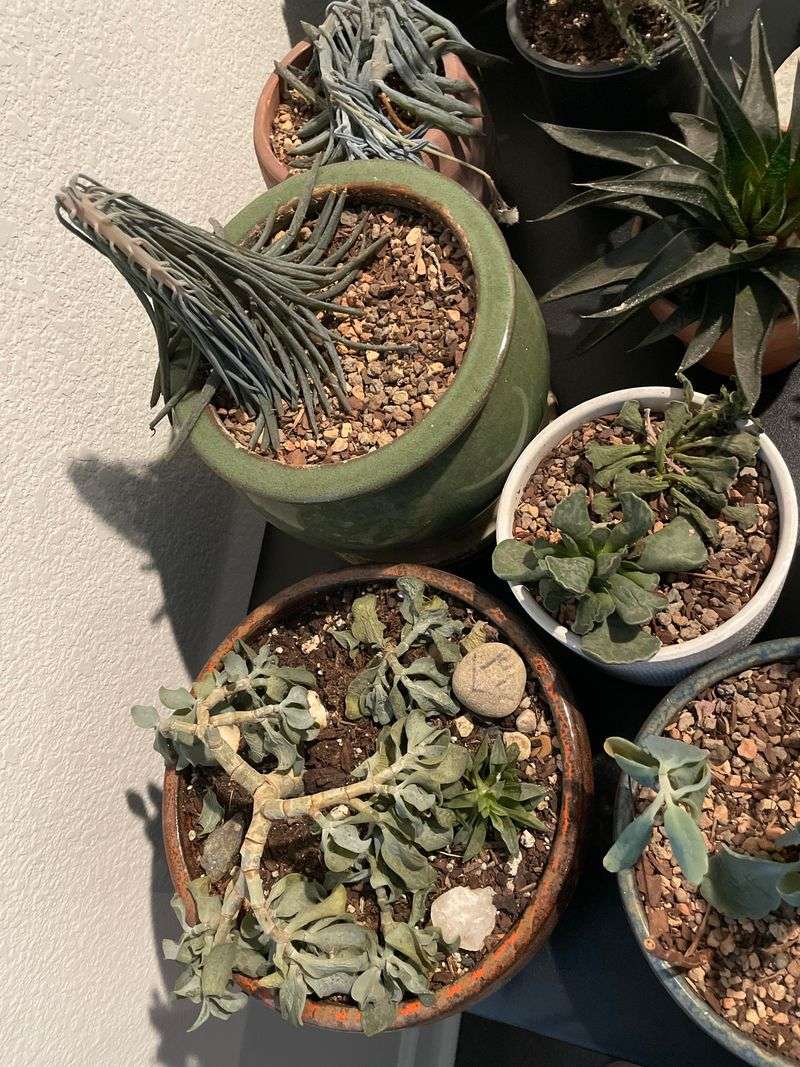
Before you reach for the pruning shears or the watering can, take a beat to really read the room or in this case, the leaves.
California’s intense UV rays can turn a prize-winning echeveria into a shriveled mess in a single afternoon, but jumping to conclusions is a recipe for a dead plant.
You need to play detective first. If the stems feel like a soggy sponge, you are likely dealing with the aftermath of a rare coastal downpour or an overzealous hose session.
On the flip side, those brittle, scorched patches are a classic sign that the Golden State sun is proving a bit too much for your desert dweller.
Snapping a few quick photos is a pro move that helps you monitor the situation without guessing. Since some succulents naturally drop their lower leaves as they grow taller, it is easy to mistake a healthy growth spurt for a total meltdown.
Keeping a digital record allows you to see if that brown spot is actually spreading or just a temporary blemish. This patient approach saves you from the mercy watering that usually ends in root rot.
2. Stop Watering Immediately
When your succulent starts looking less than stellar, it is time to give the watering can a rest. Most California gardeners run into trouble by being too generous with the hose, despite our state’s reputation for being bone-dry.
These plants are built like natural storage tanks, and they actually prefer a bit of neglect over constant pampering. Pushing too much moisture into the soil is the quickest way to cause a total system failure for a plant that is already feeling the stress of a heatwave.
Providing at least a full week for the soil to turn bone-dry is the best medicine you can offer. Healthy roots require pockets of oxygen within the dirt to function properly, and a saturated environment essentially cuts off their air supply.
When the ground remains a soggy mess, the root system begins to break down and rot away. By enforcing a strict “no-drink” period, you allow the plant to reset its internal hydration levels.
This pause gives the subterranean parts of your succulent the breathing room they need to recover and stay firm.
Your California Garden Changes Every Week. Your Plan Should Too.
Gardening in California changes quickly throughout the season. Every Friday you’ll receive a simple weekly plan showing exactly what to plant, prune, fertilize, harvest, and protect so you never miss the right timing.
3. Remove Damaged Parts
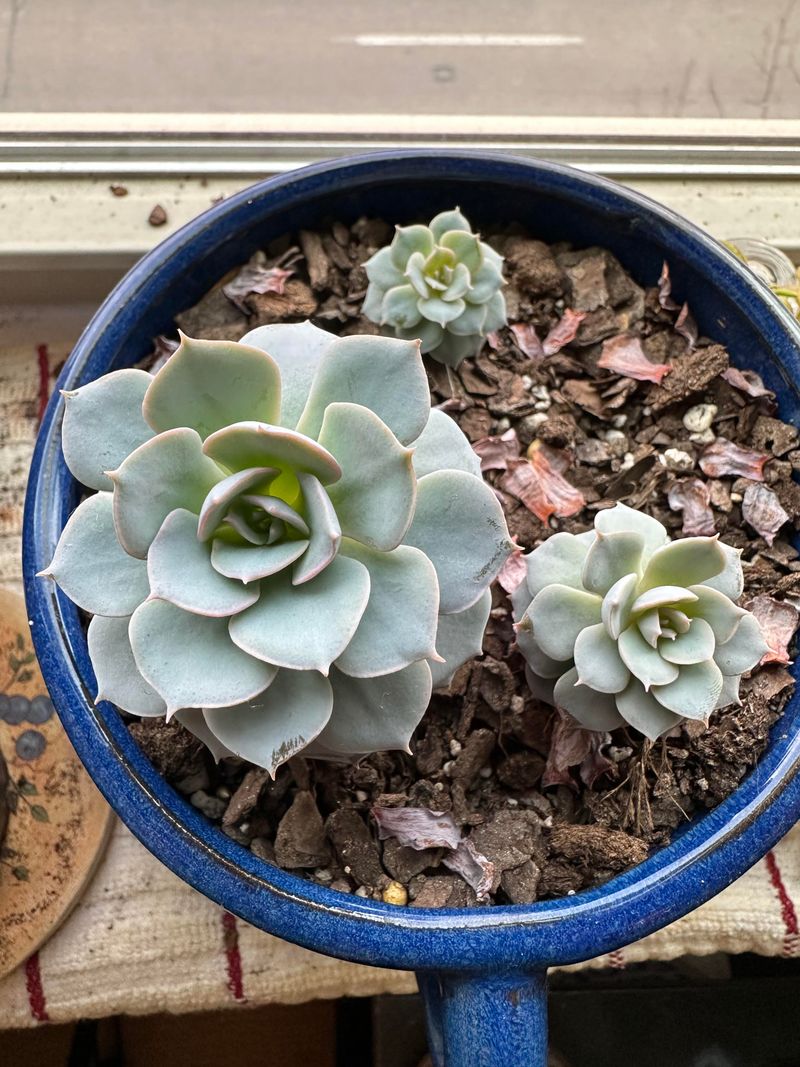
Taking a pair of sharp, sterilized shears to your prized succulent might feel like a drastic move, but it is often the only way to save the rest of the plant.
In California’s unpredictable climate, leaving soggy or shriveled tissue attached is an open invitation for rot to travel through the stem.
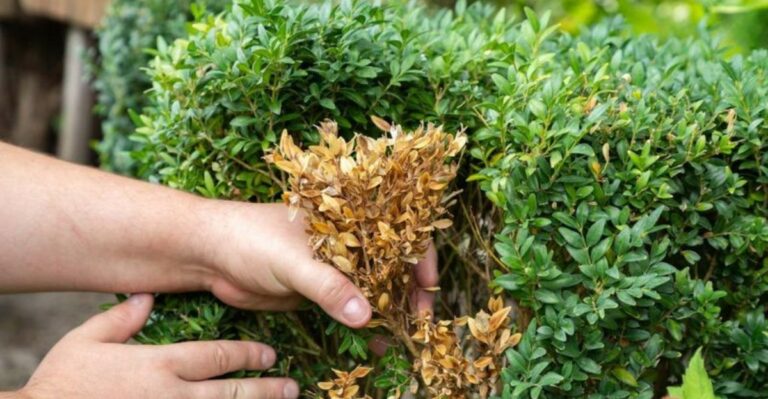
You need to act as a garden surgeon by removing any parts that feel soft, look blackened, or have turned into a dry, brittle husk. By clearing away this damaged material, you allow the plant to focus its limited energy on the healthy sections that still have a chance to thrive.
Precision is the goal here, so make sure your cuts are smooth rather than jagged or torn. Once you have finished pruning, the most important step is to simply leave the plant alone for a few days.
Those fresh wounds need time to form a dry, protective callus before they are exposed to any moisture or soil. Think of it as letting a cut on your own skin scab over.
This natural barrier prevents pathogens from entering the plant’s system while it recovers in the warm California air.
4. Repot In Fresh Soil
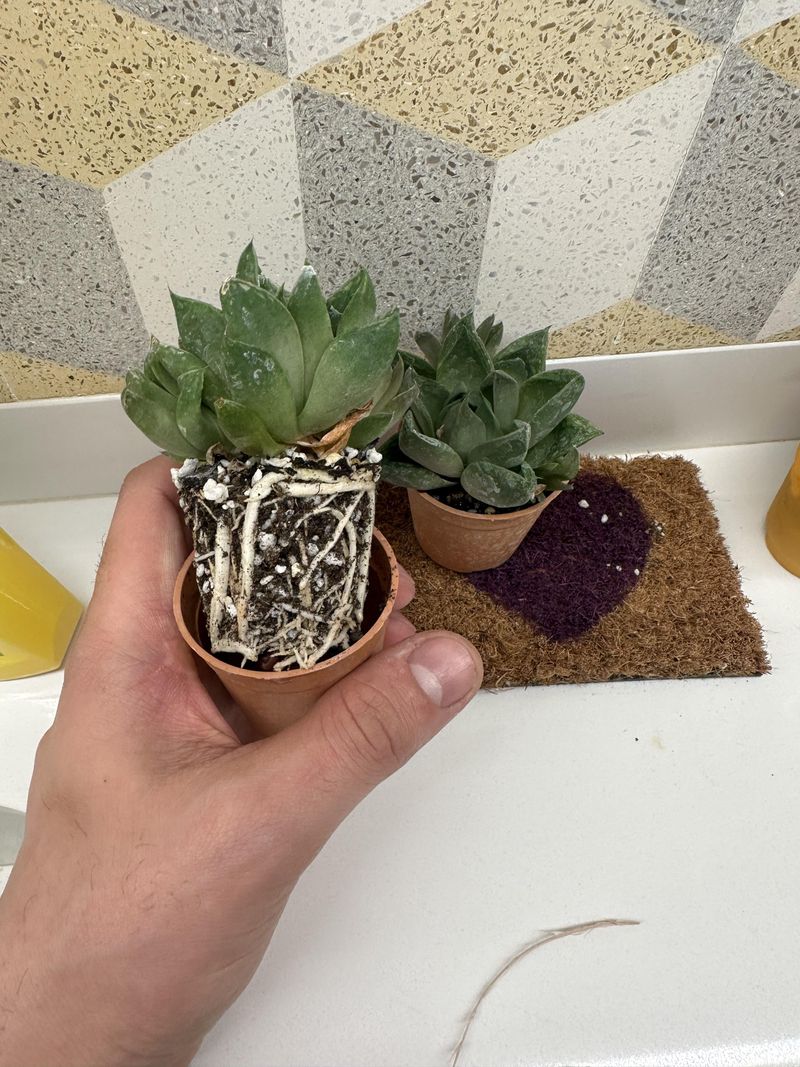
Sometimes the best way to help a struggling plant is to give it a completely fresh start in a new environment. If the soil in your pot has become compacted or holds onto water like a sponge, it is time to gently lift the succulent out and shake away the old dirt.
In California, where we deal with everything from heavy clay to coastal mist, using a standard potting mix is a recipe for trouble.
You want to switch to a gritty cactus blend and then kick it up a notch by adding extra perlite or pumice.
This creates the massive air pockets that succulent roots need to stay firm and functional.
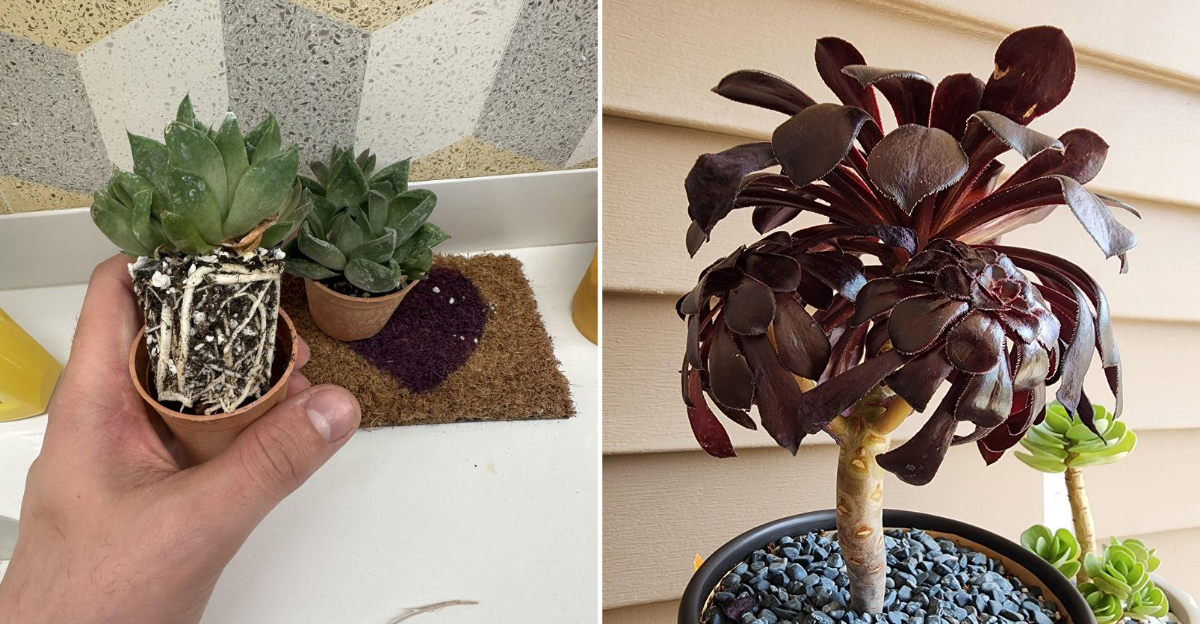
Before you tuck the plant back into its new home, let those bare roots sit out in the open air for a few days. This drying period is a crucial survival tactic, especially in our humid coastal zones where moisture can linger in the air.
It allows any tiny tears or snaps in the root system to heal over properly, closing the door on fungal issues that love to feast on damp, damaged tissue.
5. Adjust Light Exposure
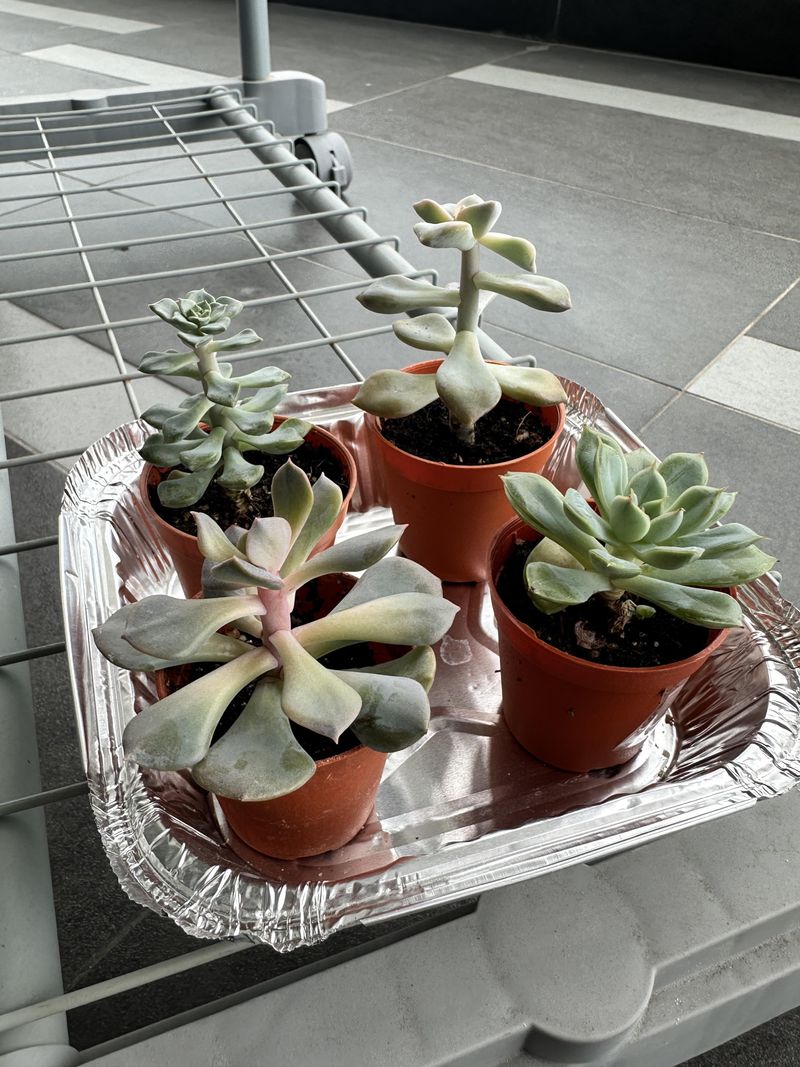
Finding the right balance of light is a delicate dance in the California sun. If your succulent has those telltale scorched, paper-thin patches, it is a clear sign that the southern heat is proving too much for its weakened state.
Your first move should be to pull the plant back into a spot with bright, indirect light where it can still photosynthesize without being cooked.
A porch with a northern exposure or a spot behind a sheer curtain is often the perfect sanctuary while the plant works on rebuilding its internal defenses.
On the other hand, if your plant is looking pale and stretching toward the nearest window, it is begging for more energy. The secret to a successful recovery in our intense climate is to take things very slowly.
You want to inch the pot into a brighter position over the course of several weeks rather than making a sudden jump. A quick move from a dark corner to a sunny patio can cause a shock that is almost impossible to reverse.
By taking it slow, you allow the plant to thicken its “skin” and adapt to the higher UV levels common in the Golden State.
6. Treat For Pests
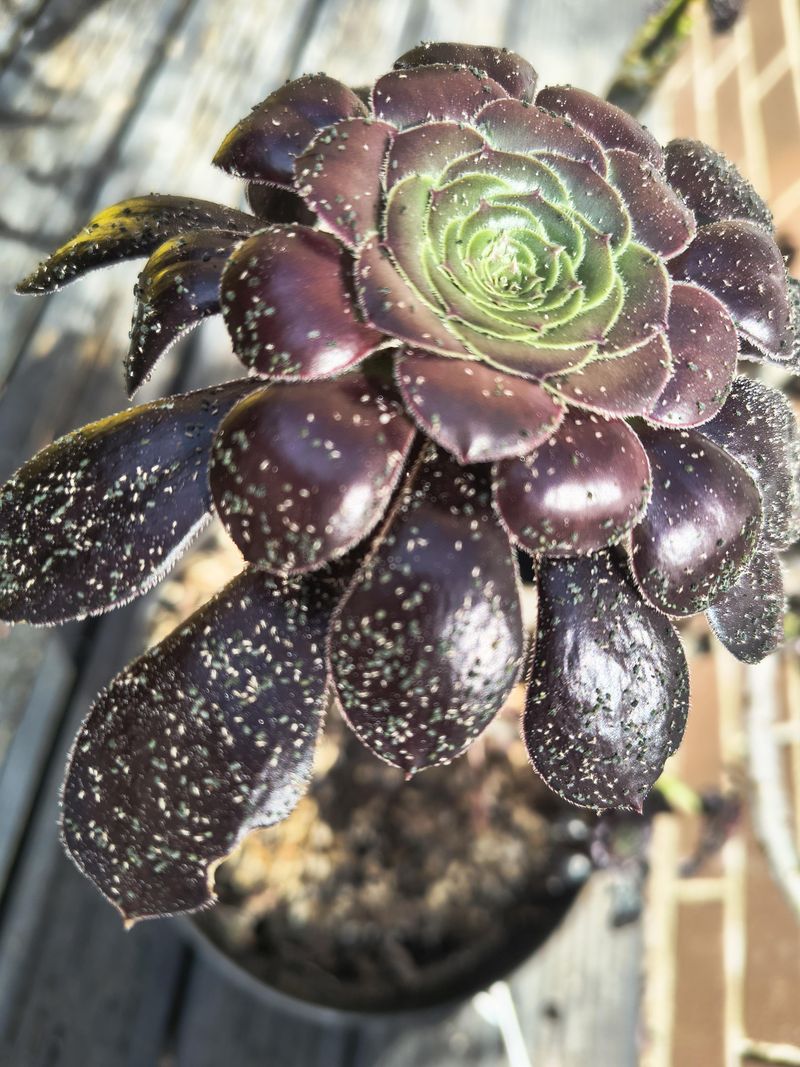
A tiny white speck on a leaf might look like a harmless bit of dust, but in California’s mild climate, it is often the first sign of a mealybug invasion.
These pests love the consistent warmth of our coastal and inland gardens, and they can quickly drain the life out of a weakened succulent.
Your best first line of defense is a simple cotton swab dipped in rubbing alcohol. By dabbing the visible insects directly, you dissolve their protective waxy coating and stop them in their tracks without soaking the entire plant in chemicals.
For those times when the infestation has spread beyond a few spots, a neem oil spray is a fantastic organic alternative. The trick in the Golden State is to only apply these treatments during the cooler evening hours once the sun has dipped below the horizon.
Applying oils during the peak of a California afternoon can lead to severe leaf scorch as the oil heats up. This gentle approach protects the ladybugs and lace-wings that act as your garden’s natural security detail.
You are essentially managing the pests while keeping the local ecosystem balanced and healthy.
7. Provide Temporary Shade
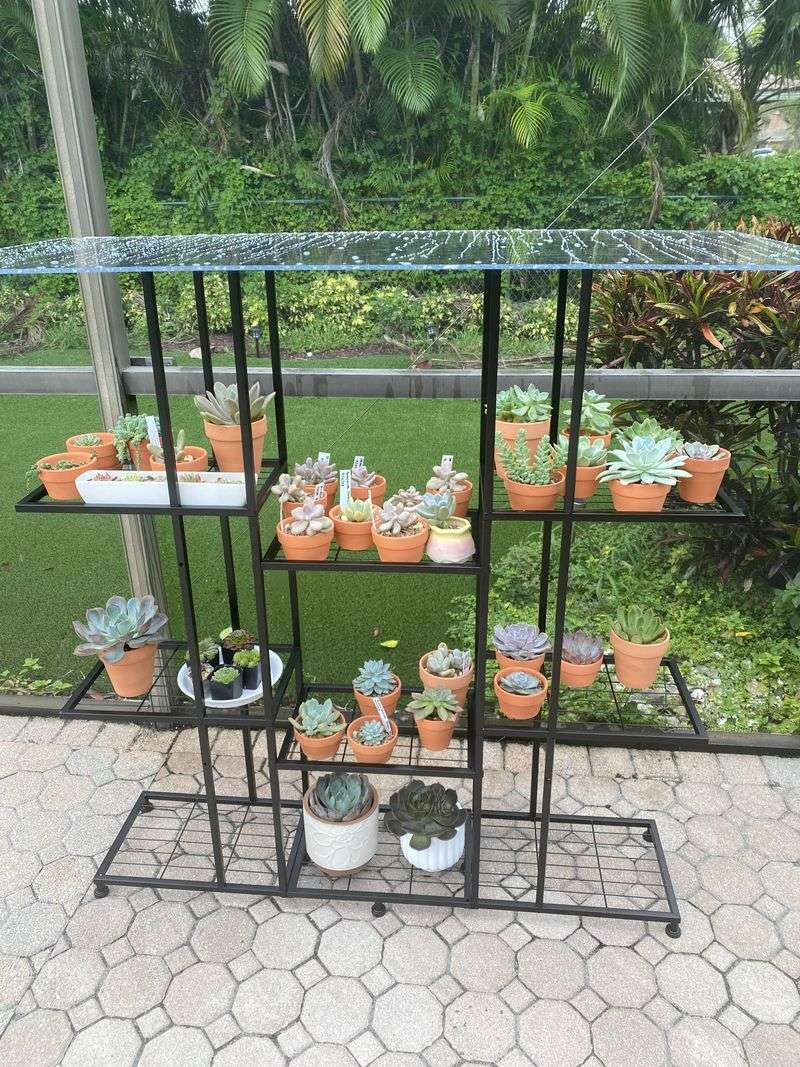
In the diverse microclimates of California, from the damp air of San Francisco to the intense heat of Palm Springs, recovering succulents need a bit of a buffer. Directly exposing a stressed plant to the full brunt of a July afternoon is a recipe for scorched leaves.
By setting up a simple lattice screen or using a breathable shade cloth, you are creating a sanctuary that mimics the dappled light of a desert shrub.
This filtered environment allows the plant to continue photosynthesizing at a manageable pace without the risk of overheating its internal tissues.
The golden rule for a successful recovery in our state is to prioritize morning light while offering a total shield from the afternoon glare. Most succulents can handle the gentler UV rays before 11:00 AM, but the real danger comes during the peak heat of the day.
Your temporary shade setup should aim to knock back about 30% to 40% of that direct sunlight. It is also vital to keep the area open for natural airflow, especially in coastal zones where stagnant, humid air can lead to fungal growth on healing stems.
8. Hold Off On Fertilizer
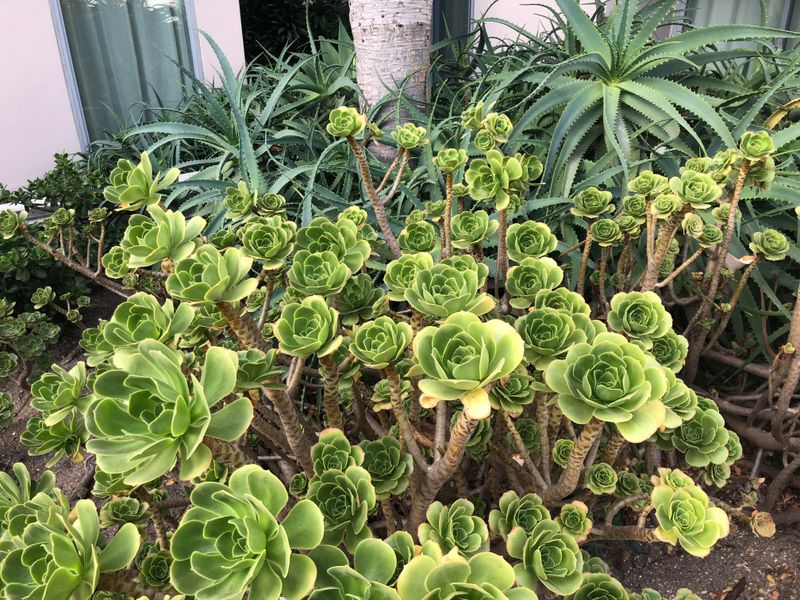
It is a common mistake to think a struggling plant needs a heavy dose of nutrients to snap back to life. In reality, hitting a damaged succulent with fertilizer is like asking someone to run a marathon while they are recovering from the flu.
In California’s year-round growing climate, your plant is already working overtime to repair its tissues and stabilize its water levels.
Adding nitrogen-heavy food at this stage forces the plant to divert its limited energy into producing new leaves before its root system is strong enough to support them.
Patience is your best tool here, so wait at least a month after you see the first signs of genuine new growth before you even consider a feeding.
When the time is finally right, usually during the peak growing months of a California spring or summer, you should stick to a very weak solution.
Diluting a standard cactus fertilizer to about a quarter of its recommended strength provides a gentle nudge rather than a chemical shock.
This measured approach ensures that your plant builds solid, hardy tissue that can withstand the next shift in our unpredictable weather.