These 8 Plants Naturally Mask Unpleasant Yard Odors In California Gardens
Step outside on a warm California evening and you expect fresh air, not mystery smells drifting across the yard.
Compost bins, pet areas, damp soil, and even certain fertilizers can leave behind odors that linger longer than anyone wants.
Luckily, the garden itself can help solve the problem. Some plants naturally release strong, pleasant fragrances that help mask unpleasant smells and make outdoor spaces feel fresh again.
When planted in the right spots, these aromatic growers can quietly improve the atmosphere while adding beauty, texture, and color to the landscape.
California’s mild climate makes it especially easy to grow a wide range of fragrant plants that thrive in sunshine and well-drained soil. Many are drought tolerant, pollinator friendly, and surprisingly low maintenance once established.
Add a few of these odor-masking plants near patios, walkways, or problem areas and your yard can start smelling like a garden again instead of a forgotten corner of the compost pile.
1. Lavender
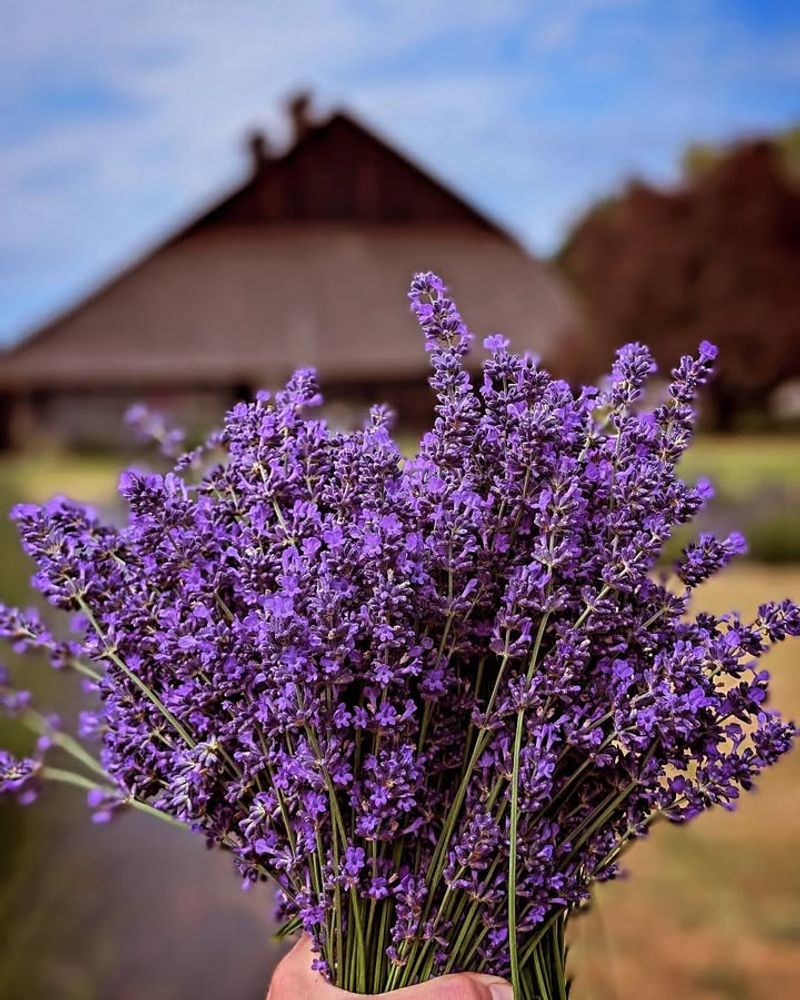
Few plants match the powerful fragrance of lavender, a Mediterranean favorite that fits beautifully into many California gardens.
On warm days, the essential oils in the stems and flowers release a clean, herbal scent that can help mask unpleasant odors near compost piles, trash cans, or pet areas.
It is not a miracle cure, but placing lavender where breezes can move through the yard allows that fresh scent to travel and soften stronger smells.
Lavender also thrives in the conditions California often provides. It prefers full sun, plenty of warmth, and soil that drains well.
Giving the plant at least six hours of sunlight helps it grow fuller and produce more fragrant blooms. One thing lavender does not enjoy is constantly wet soil, so it works best planted away from heavy lawn sprinklers or areas where water tends to collect.
Bloom time depends on the variety and local climate, but many lavender plants flower from late spring through summer. That timing is especially helpful because heat can intensify yard odors.
Once established, lavender is known for being drought tolerant, which makes it a practical and low-water choice for California landscapes. Besides the fragrance, its soft purple flowers and silvery foliage add a calm, inviting look to garden beds and borders.
2. Rosemary
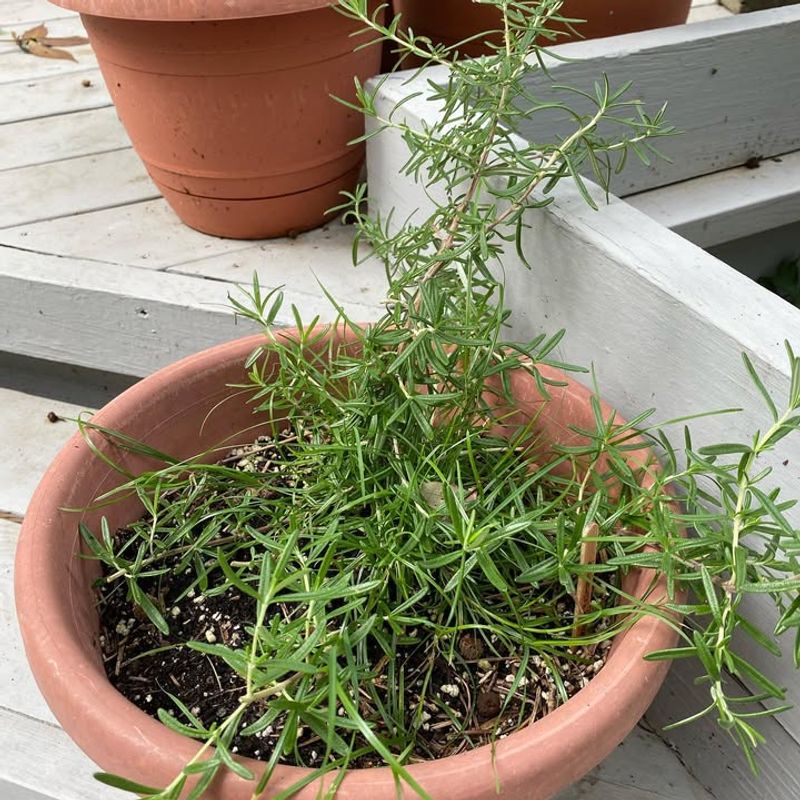
This woody shrub is basically a built-in yard deodorizer, because it releases a sharp, piney scent every time the wind moves through it or you brush past the branches.
Its needle-like leaves hold concentrated aromatic oils, so the fragrance does a nice job of masking stubborn smells around trash bins, compost piles, or that corner of the yard that never seems to stay fresh.
Rosemary also plays really well with California conditions. Once it’s established, it can handle heat and dry spells without acting dramatic, which makes it a solid choice if you want something fragrant but low-fuss.
Planted as a hedge, it can do double duty by adding privacy while creating a scented “buffer zone” that helps keep odor-prone areas from taking over the whole yard.
One of the best parts is how dependable it is. Rosemary keeps its fragrance year-round, so you’re not stuck waiting for a bloom season to get the benefits.
Your California Garden Changes Every Week. Your Plan Should Too.
Gardening in California changes quickly throughout the season. Every Friday you’ll receive a simple weekly plan showing exactly what to plant, prune, fertilize, harvest, and protect so you never miss the right timing.
Even in cooler months, the plant still smells like itself when you touch the foliage. And if you like plants that earn their keep, rosemary is a win, because you can snip a few sprigs anytime for roasting veggies, seasoning chicken, or tossing into a pot of beans.
3. Jasmine
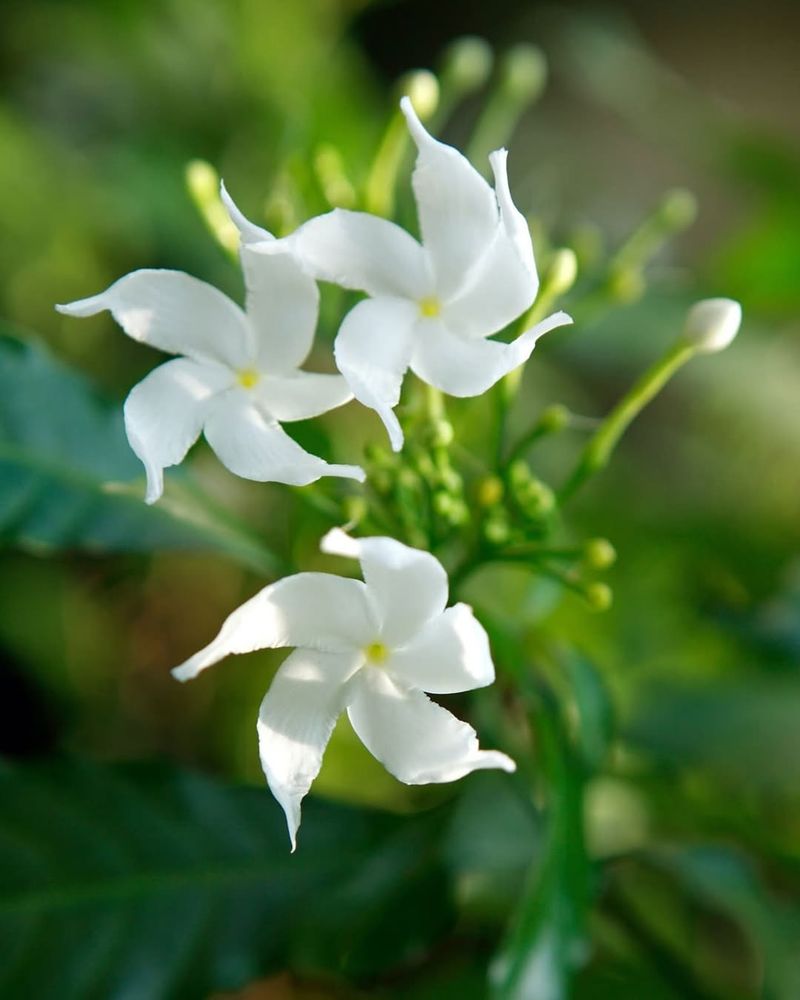
With a sweet, intoxicating fragrance that drifts easily through the air, star jasmine is a favorite for patios, walkways, and outdoor seating areas. When the white, pinwheel-shaped blooms open, they release a rich perfume that carries on evening breezes.
That strong scent can help soften or mask unpleasant odors that sometimes drift from compost bins, trash areas, or other parts of the yard.
This climbing vine grows well in many parts of California, especially in mild coastal and valley climates where it can spread along fences, trellises, or pergolas.
Once established, it fills out with glossy evergreen leaves and a dense growth habit that makes it useful for covering walls or creating a living screen.
Training it along a fence near odor-prone areas can completely change how that corner of the yard feels.
Star jasmine typically blooms in late spring and early summer, but the fragrance lingers around the plant even after the main flowering flush.
The scent becomes especially noticeable during warm evenings, when the air cools slightly and the garden comes alive again.
That timing is perfect for outdoor dinners, relaxing on the patio, or simply enjoying the yard after the heat of the day fades.
4. Mint
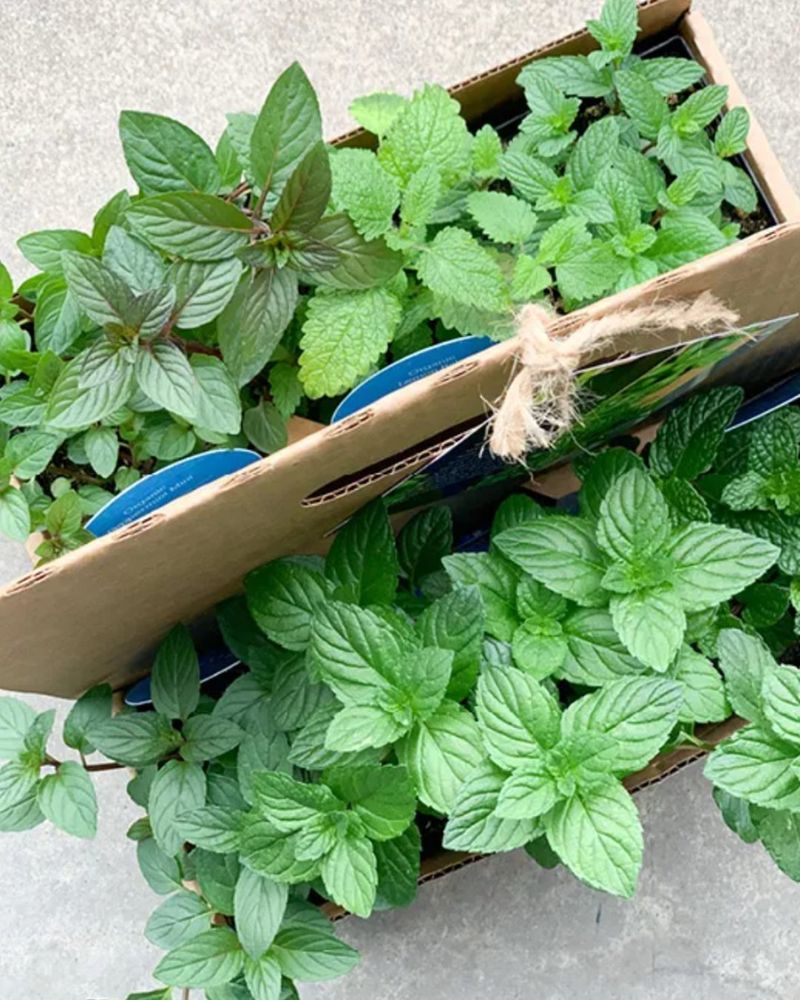
Known for spreading aggressively, mint is one of those herbs that shows up with a plan and it’s usually to take over. The upside is its crisp, cooling scent, which can make the air feel instantly fresher.
The leaves are loaded with menthol-rich oils, so the fragrance tends to overpower musty smells that hang around damp soil, shaded corners, or spots where standing water sometimes lingers a little too long.
In California gardens, mint is often grown in containers for a reason. Planting it in the ground can turn into a long-term commitment, but a pot keeps it contained and lets you position it exactly where you need the scent.
Setting a few containers near an outdoor sink, trash area, compost zone, or any place where food scraps occasionally sit can create a simple, plant-based “freshening station” that smells clean without feeling fake.
Mint is also wonderfully interactive. Every time you brush past it, you get a quick burst of fragrance that clings to the air and even to your hands.
If you want it looking its best, pinch it back so it stays bushy instead of leggy. And as a bonus, you can snip sprigs anytime for iced tea, fruit salads, or a quick garnish that makes a weeknight meal feel a little more special.
5. Eucalyptus

This California native can surprise you with how strong its scent is. The leaves give off a distinctive, medicinal, almost camphor-like aroma when they’re warmed by the sun or lightly crushed.
Those natural oils can help mask stubborn outdoor odors, especially in side yards where pet waste, compost, or decaying plant debris can occasionally make the air feel less than fresh.
California bay laurel is well adapted to many parts of the state, and once it’s established, it can handle dry periods better than a lot of thirsty landscape trees. If you plant it near a problem zone, the fragrance becomes part of the background in a good way.
Some gardeners notice the scent even more when leaves drop and dry, because the oils continue to release slowly as the foliage breaks down.
Hot days are when bay laurel really shows off. Warm temperatures can make the leaf oils more noticeable, which is helpful because heat is also when unpleasant smells tend to intensify.
If you want the scent without a huge tree, look for a smaller cultivar or keep it pruned as a multi-stem shrub, and place it where passing breezes can carry that clean, herbal smell through the space.
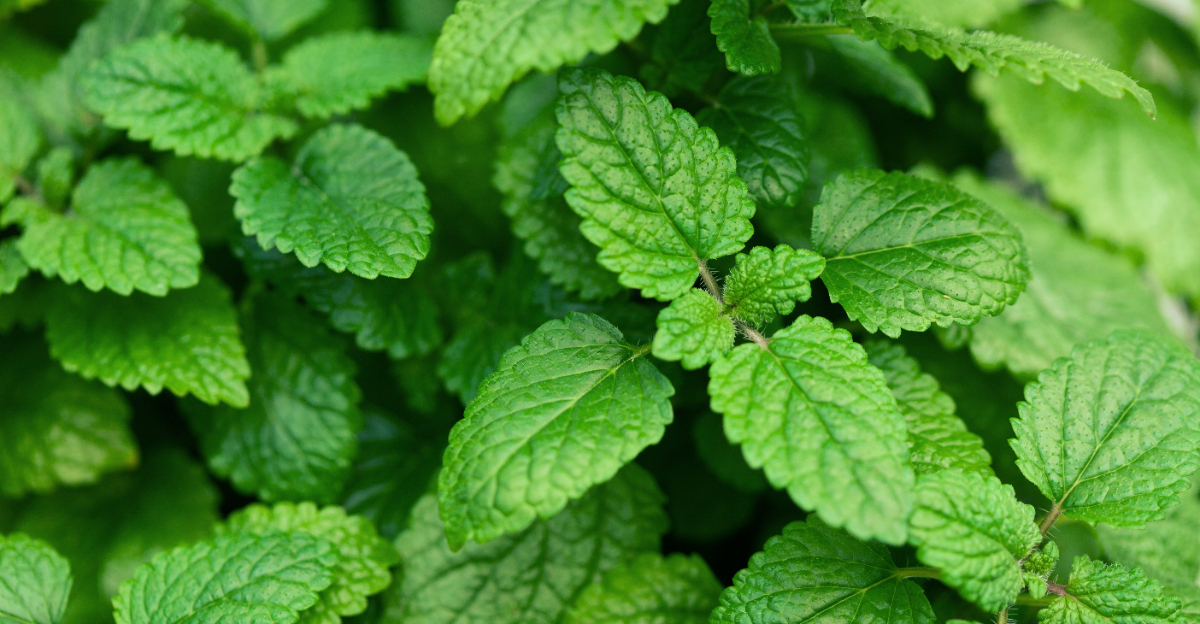
6. Lemon Balm
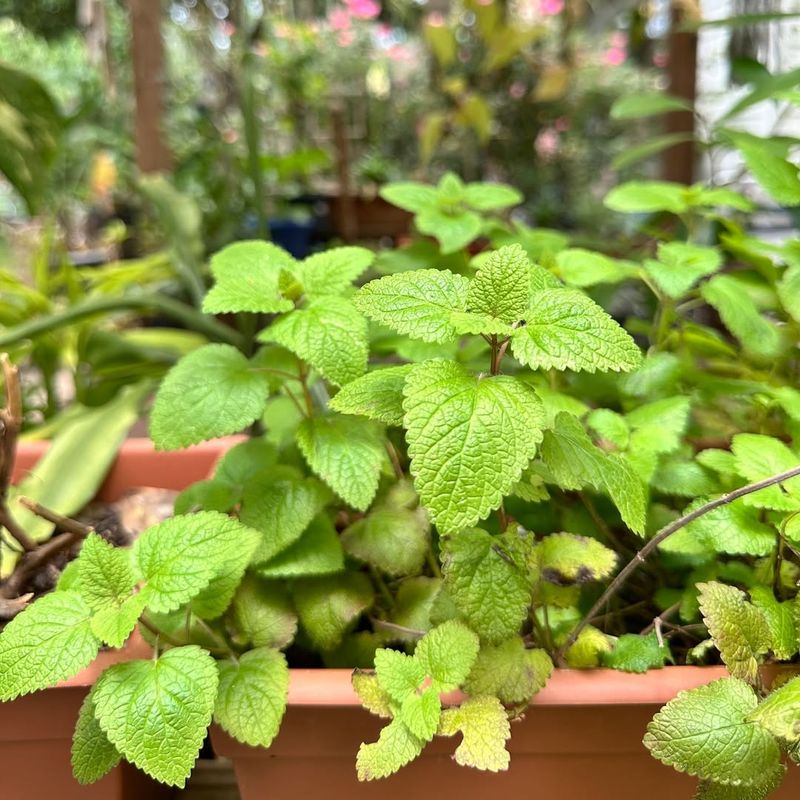
Crush a leaf of lemon balm between your fingers and you’ll get an instant hit of bright, lemony scent that feels like someone opened a window. As a member of the mint family, it’s packed with aromatic oils that can help mask sour or musty odors, especially in those shaded corners where damp soil and lingering moisture tend to make the air feel stale.
Lemon balm grows enthusiastically in many California gardens, particularly when it gets a bit of afternoon shade and more consistent watering than true drought lovers. It’s a smart pick for spots under trees or along the north side of a fence, where airflow is limited and smells can hang around longer than you’d like.
Planted near a damp problem area, it brings a fresher vibe the moment you brush past it or run your hands through the foliage while weeding.
The fragrance sticks around through the growing season because you’re not relying on flowers alone. The leaves keep producing scent, and regular trimming actually helps.
Snipping it back encourages bushier growth and gives you extra leaves to use in iced tea, fruit salads, or a simple pitcher of water that tastes like summer. If you want it contained, grow it in a pot, because like its minty relatives, it can spread if it’s happy.
7. Scented Geranium
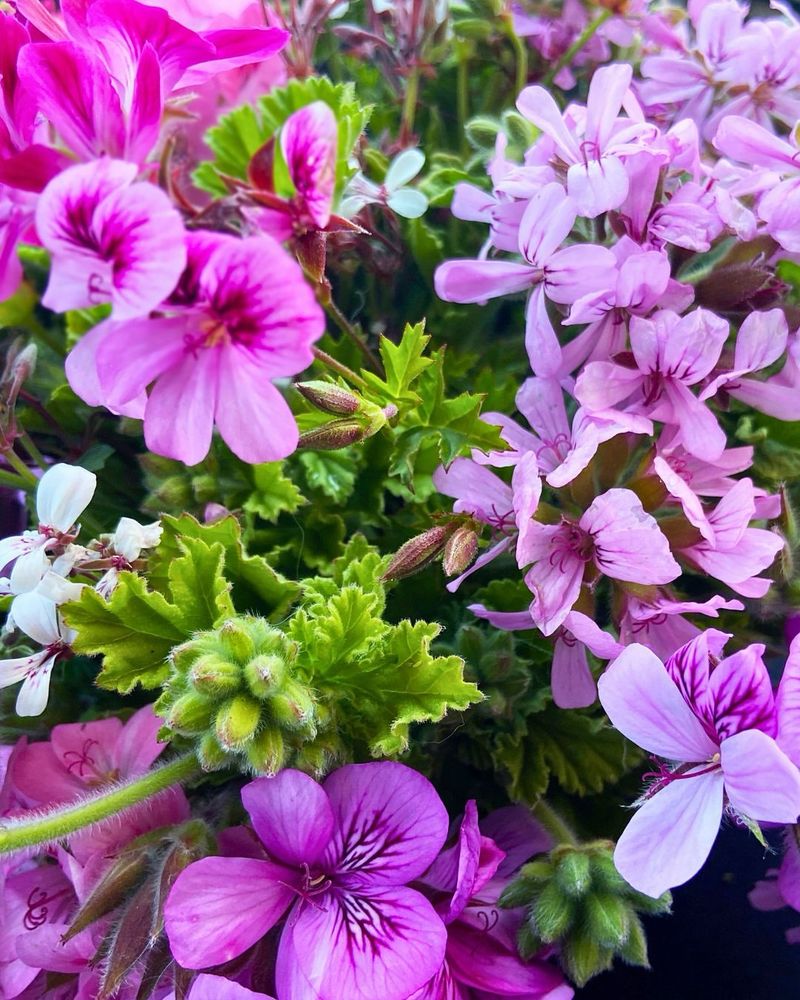
If you want fragrance you can basically “pick your vibe,” scented geraniums are hard to beat. They come in varieties that smell like rose, lemon, mint, and even apple, so you can match the scent to different parts of the yard.
The best part is that you do not have to wait for blooms to enjoy them. The textured leaves hold the fragrance, and they release it when the sun warms the plant or when you brush past it.
That makes scented geraniums perfect for places where smells tend to hang around. Tuck a pot near a patio table, an outdoor kitchen, a grill zone, or a pet area, and the leaves help soften those lingering odors with a steady, natural scent.
They’re also great along walkways, because every pass-by gives you a little burst of fragrance without any effort.
In many parts of California, they fit right into the Mediterranean-style rhythm of the seasons. Give them bright light, well-draining soil, and moderate watering, and they usually stay tidy and bloom on and off with minimal fuss.
Their compact size is a big advantage, too, because you can place them exactly where odor control matters most, then move containers around as your yard needs change.
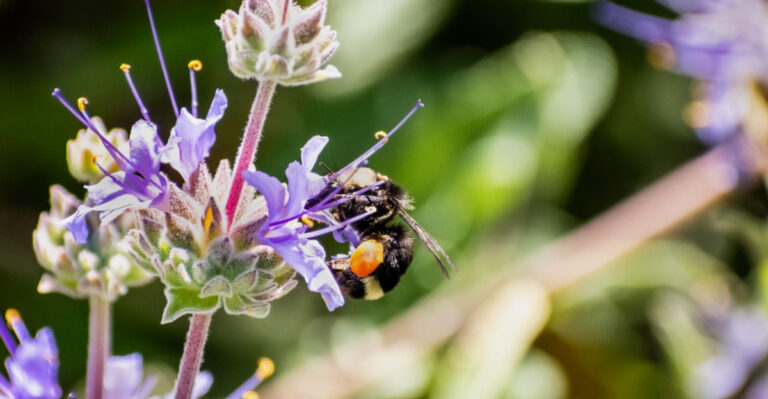
8. Sage
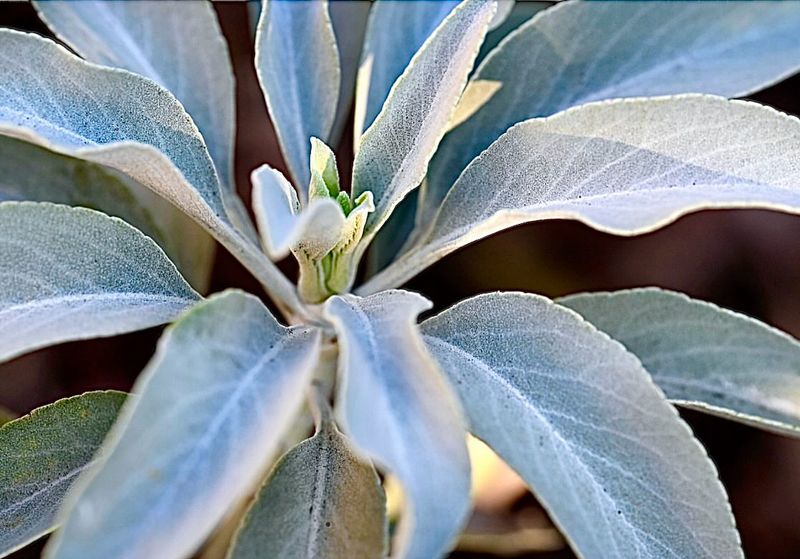
With soft, silvery foliage and a warm, earthy scent, white sage can help keep a yard smelling cleaner all year. Unlike some fragrant plants that only perform when you brush past them, white sage releases aroma naturally as the sun warms its leaves.
That steady fragrance is especially useful near spots where odors tend to build up, like compost areas, mulch piles, or places where fallen leaves collect and break down.
It also fits California’s hot, dry conditions really well once it’s established. In a low-water landscape, white sage can hold its color and shape through summer while still doing its scent “job” in the background.
If you’ve ever noticed that watering can temporarily wake up musty smells in certain corners, planting white sage nearby can help soften that effect, since heat and sun draw out its aromatic oils.
The scent usually becomes more noticeable during summer, which is perfect timing because warm weather can make yard odors feel stronger. Plant it in full sun with well-draining soil, and give it space to breathe.
It tends to look best when it’s not crowded by thirsty plants, and the airflow helps the fragrance travel through the space where you want it most.