8 Steps To Grow Healthy Red Radishes In Small Containers In Illinois
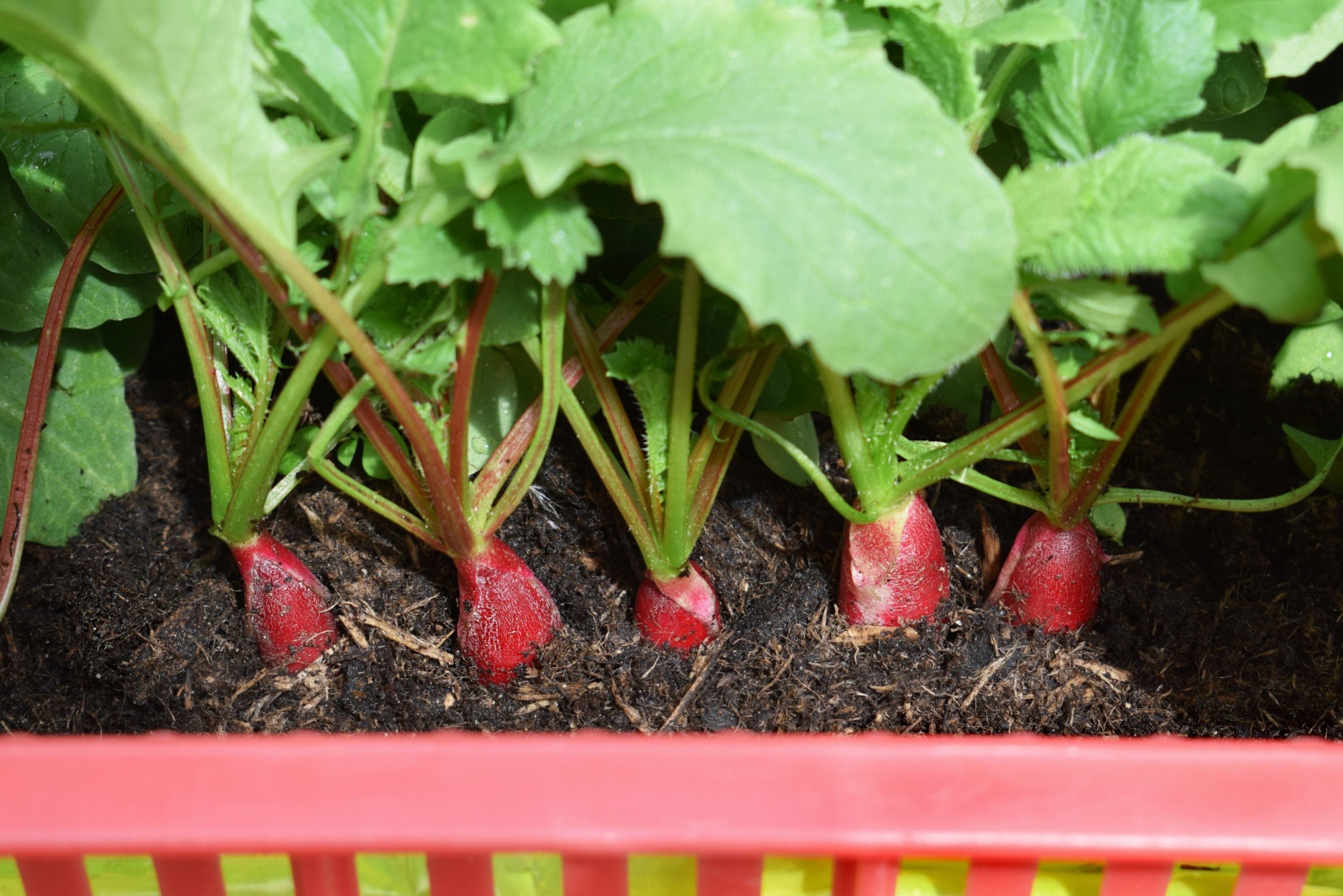
A crisp radish pulled straight from the soil has a bite and freshness the grocery store rarely matches. The best part is that you do not need a full garden to enjoy that moment.
A simple pot on a balcony, patio, or sunny windowsill can produce a surprising harvest. Radishes grow quickly, which makes them one of the most satisfying vegetables to start at home.
In Illinois, the cool days of early spring create a sweet spot for planting, and containers often warm faster than backyard beds. Seeds sprout fast and those bright red roots begin to swell in just a few weeks.
A small container can turn into a steady supply of crunchy salad toppings and quick garden snacks. With the right timing and a little care, even the smallest space can deliver fresh radishes straight from your own Illinois container garden.
1. Pick The Right Container Size
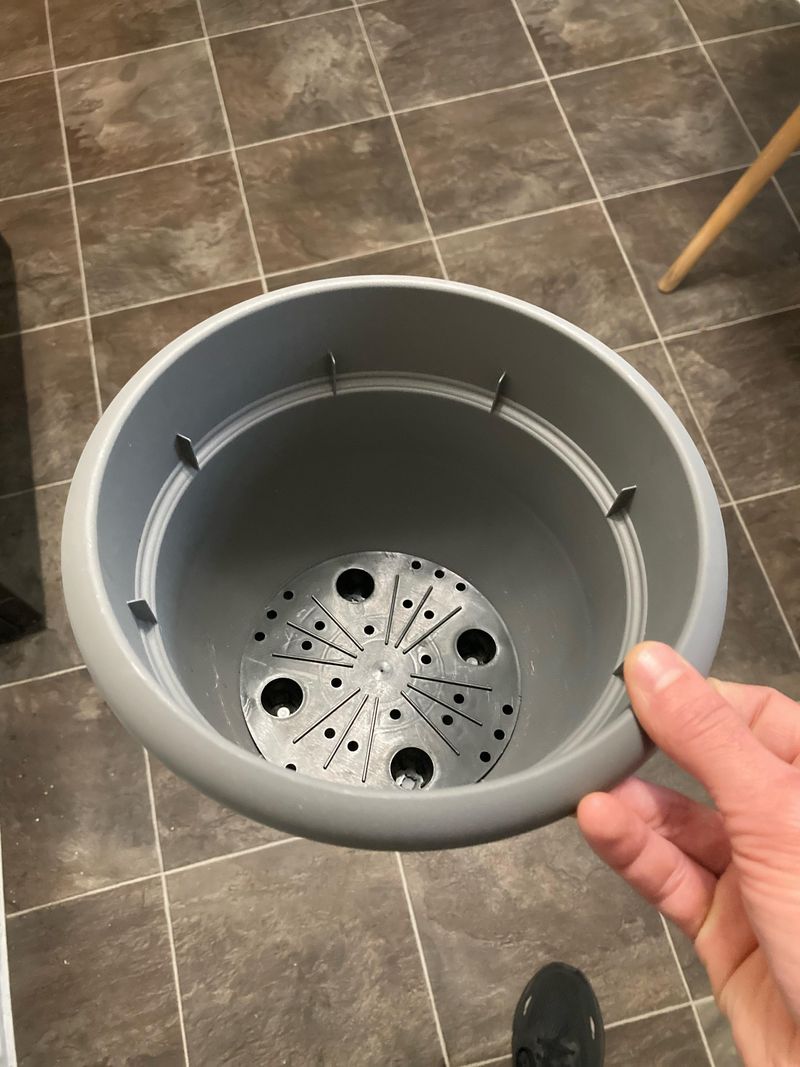
Choosing the correct container is critical for radish success because roots need both depth and width to develop properly.
A container that is at least six inches deep and eight inches wide is suitable for small, round radish varieties like Cherry Belle or French Breakfast.
Wider containers allow several radishes to grow side by side, while a sufficient depth prevents the roots from becoming cramped or misshapen. Containers can be plastic, ceramic, or wood, but drainage is the most important feature.
Holes at the bottom allow excess water to escape, preventing soggy soil that can stunt growth or encourage root rot.
In Illinois, spring temperatures can still fluctuate, so a container’s portability is useful for moving plants indoors or to sheltered spots during frost.
Consider placing containers on saucers to catch water runoff or using trays that make watering easier.
Even small balcony spaces can host multiple containers arranged strategically to maximize sunlight.
Proper container selection sets the foundation for healthy radishes by giving roots room to expand, encouraging uniform growth, and helping prevent common problems like splitting, deformities, or poor flavor caused by stress or overcrowding.
2. Choose Quality Potting Mix
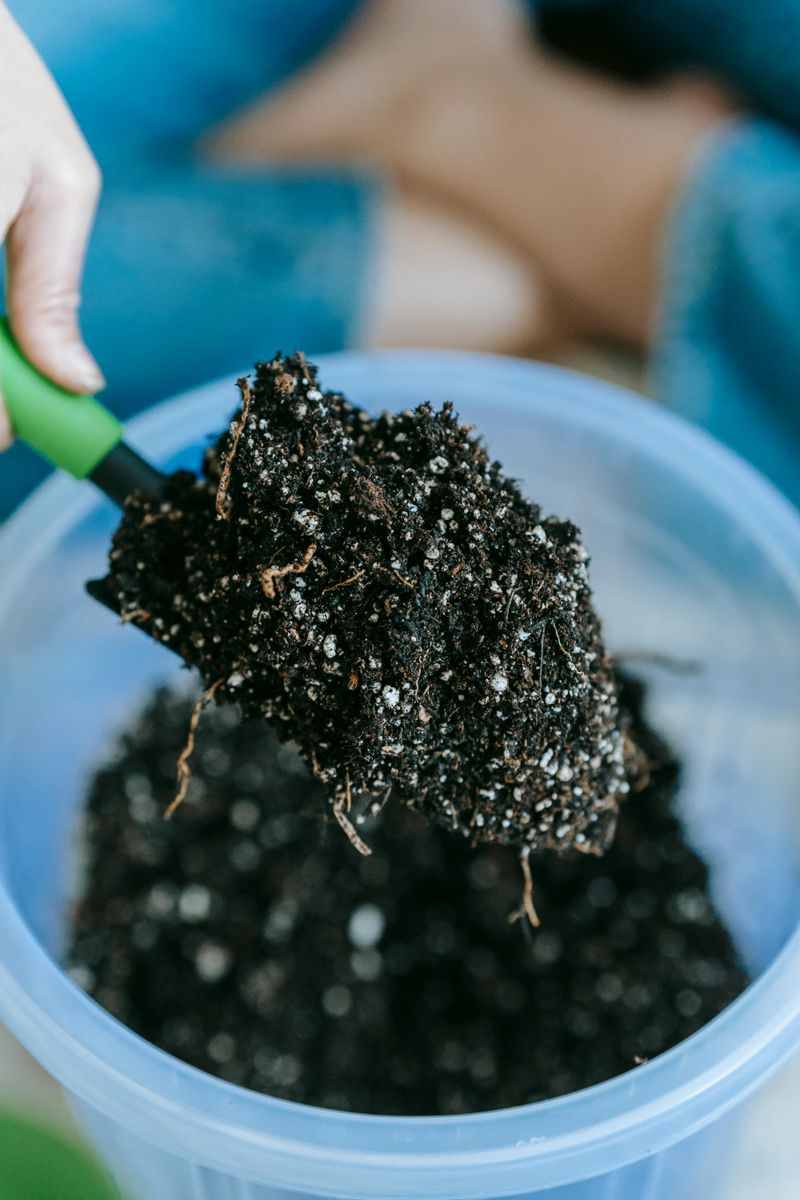
Potting mix is one of the most important factors in growing radishes successfully in containers. Using garden soil directly is not recommended because it tends to compact in small containers, which can suffocate roots and cause misshapen radishes.
Instead, a lightweight, loose, and well-draining potting mix supports root expansion and healthy bulb development.
Look for mixes designed specifically for vegetables, as these often contain peat moss, perlite, or vermiculite to improve aeration, along with slow-release nutrients that provide steady support for growing plants.
Illinois gardeners may find locally formulated vegetable mixes that offer a balanced approach to fertility without overfeeding, which helps prevent radishes from becoming overly spicy or splitting.
Fluffy, evenly textured soil allows radish roots to swell naturally into round, crisp shapes while avoiding hard clumps that interfere with growth.
Before planting, moisten the soil slightly to create a welcoming environment for germinating seeds.
Maintaining this high-quality growing medium throughout the container’s life is crucial, as nutrients are used up quickly in small volumes.
Your Illinois Garden Changes Every Week. Your Plan Should Too.
Gardening in Illinois changes quickly throughout the season. Every Friday you’ll receive a simple weekly plan showing exactly what to plant, prune, fertilize, harvest, and protect so you never miss the right timing.
Occasional gentle fertilization with diluted vegetable fertilizer can supplement nutrients, ensuring consistent growth and flavor without overwhelming the plants.
3. Select Fast-Growing Radish Varieties
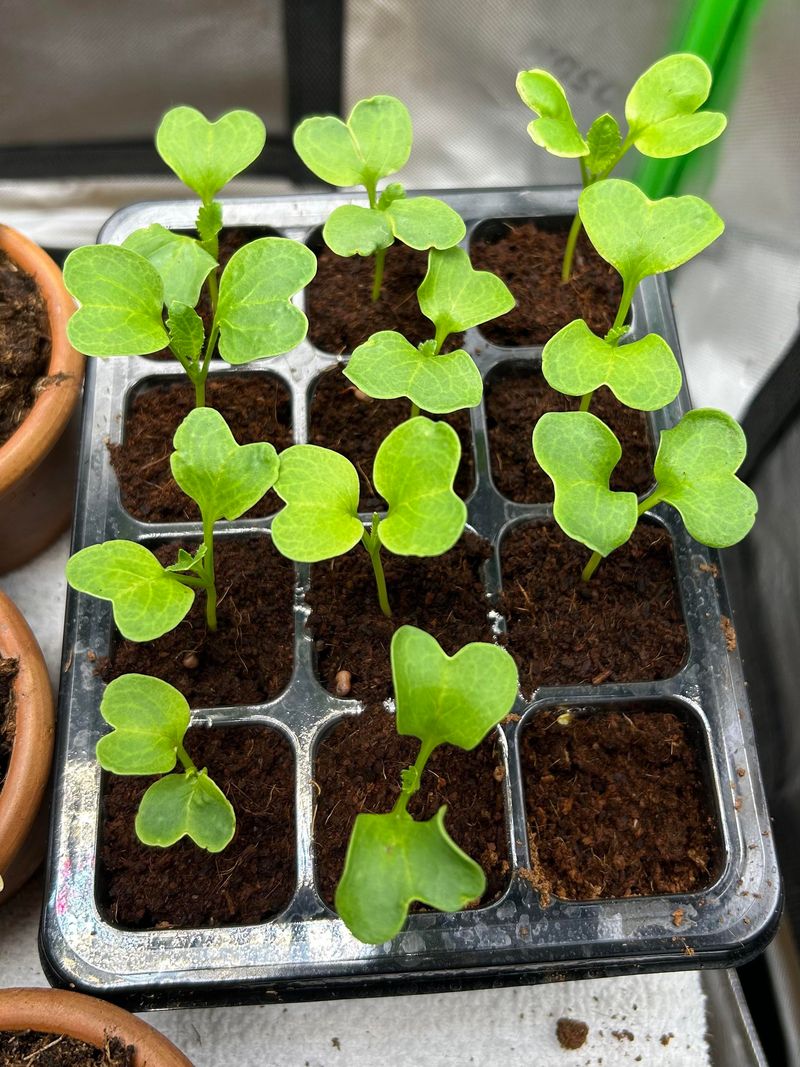
Not all radish varieties are ideal for container growing, especially in small spaces or shallow soil.
Small, fast-maturing varieties such as Cherry Belle, French Breakfast, or Sparkler are excellent choices for Illinois gardeners because they reach maturity in just three to four weeks.
These radishes are naturally compact, with roots that develop well in limited container depth, producing bright red bulbs with crisp white interiors.
Avoid long or heavy varieties like Daikon, which require deeper soil and more space than most small containers can provide.
Seed packets typically include information about days to maturity, and many now indicate whether the variety is suited for containers.
Starting with fast-growing varieties allows gardeners to see results quickly, which is encouraging for beginners or those with limited outdoor space.
Quick maturity also reduces the risk of bolting during warmer spring days. Choosing multiple varieties with slightly different maturation times can provide a continuous harvest, letting gardeners enjoy radishes over several weeks rather than all at once.
By carefully selecting container-friendly radishes, gardeners can maximize their space and enjoy fresh, flavorful roots with minimal fuss.
4. Plant Seeds At Proper Depth
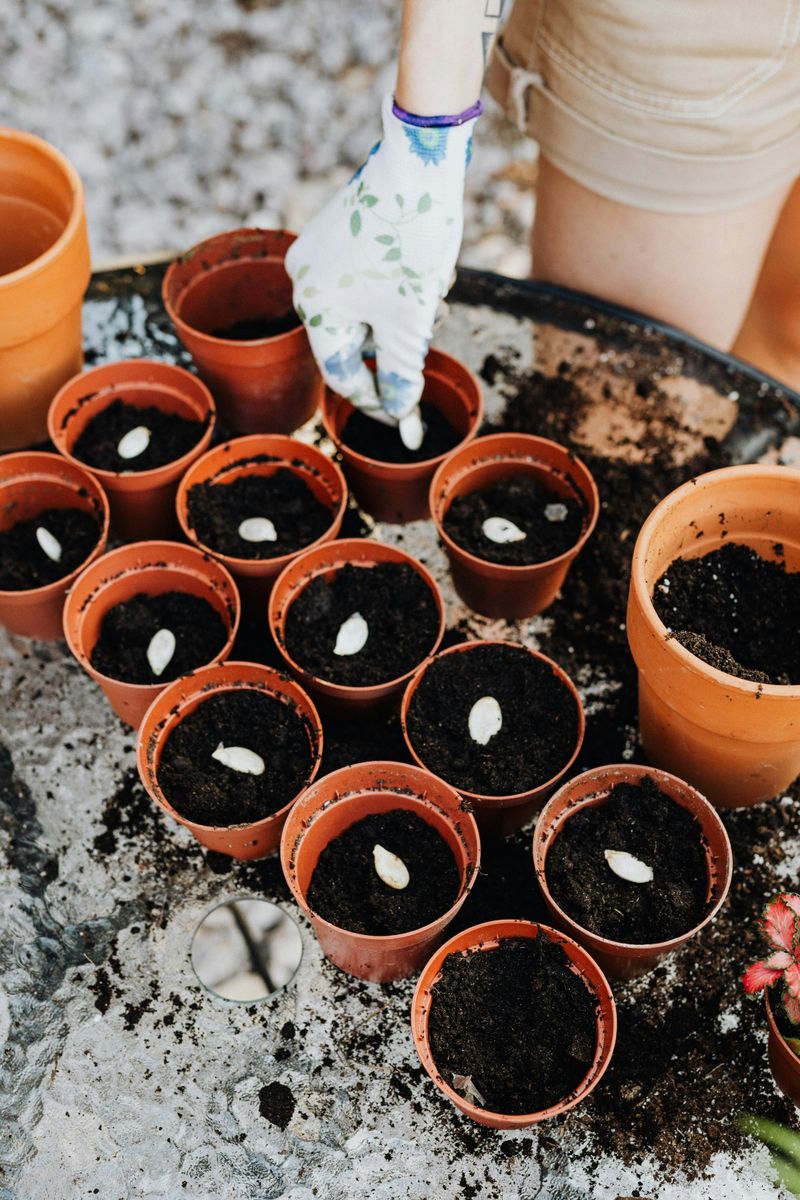
Planting radish seeds at the correct depth is essential for germination and healthy root development. In small containers, seeds should be sown approximately half an inch deep, spaced about one inch apart.
This spacing allows seedlings room to grow initially before thinning. After covering seeds with soil, gently press it down to ensure good contact with moisture, which encourages uniform sprouting.
In Illinois, early spring outdoor temperatures can still dip below freezing, so placing containers in a protected area or starting seeds indoors may be necessary.
Once seedlings emerge, gradual acclimation to outdoor conditions, called hardening off, helps prevent shock.
Proper planting depth also supports straight root growth, reducing the risk of misshapen or twisted radishes. If multiple rows are planted, keep them shallow and evenly spaced so each seedling receives enough light and nutrients.
Container radishes respond well to careful planting practices, and starting with a clean, well-prepared potting mix ensures roots can expand freely.
Attention to depth and spacing at this stage sets the foundation for strong, healthy radishes throughout the growing cycle.
5. Water Consistently And Gently
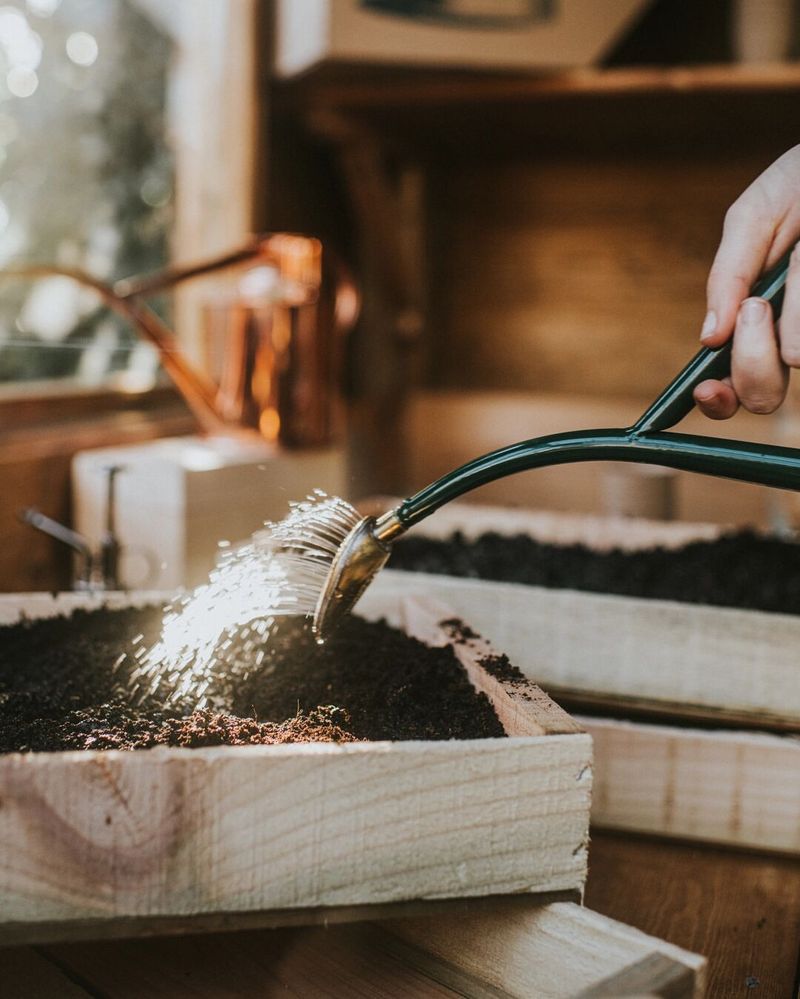
Radishes are sensitive to moisture fluctuations, and consistent watering is key to healthy growth. In containers, soil can dry out quickly, especially when exposed to sun or wind, so daily checks are recommended.
Water when the top inch of soil feels dry, using a gentle sprinkle to avoid disturbing seeds or young roots. Morning watering is often best in Illinois, as it allows plants to absorb water before daytime heat accelerates evaporation.
Inconsistent watering can lead to splitting, small or misshapen roots, or a tougher texture. Overly dry soil can also stress plants, causing early bolting or overly strong flavors.
Using containers with drainage holes helps prevent waterlogging, which can cause root rot or fungal issues.
Mulching the surface lightly with straw or shredded leaves can help retain moisture in the soil while keeping it loose and aerated.
A regular watering routine, combined with proper container drainage and occasional moisture monitoring, supports crisp, juicy radishes and reduces common growing problems.
6. Provide Plenty Of Sunlight
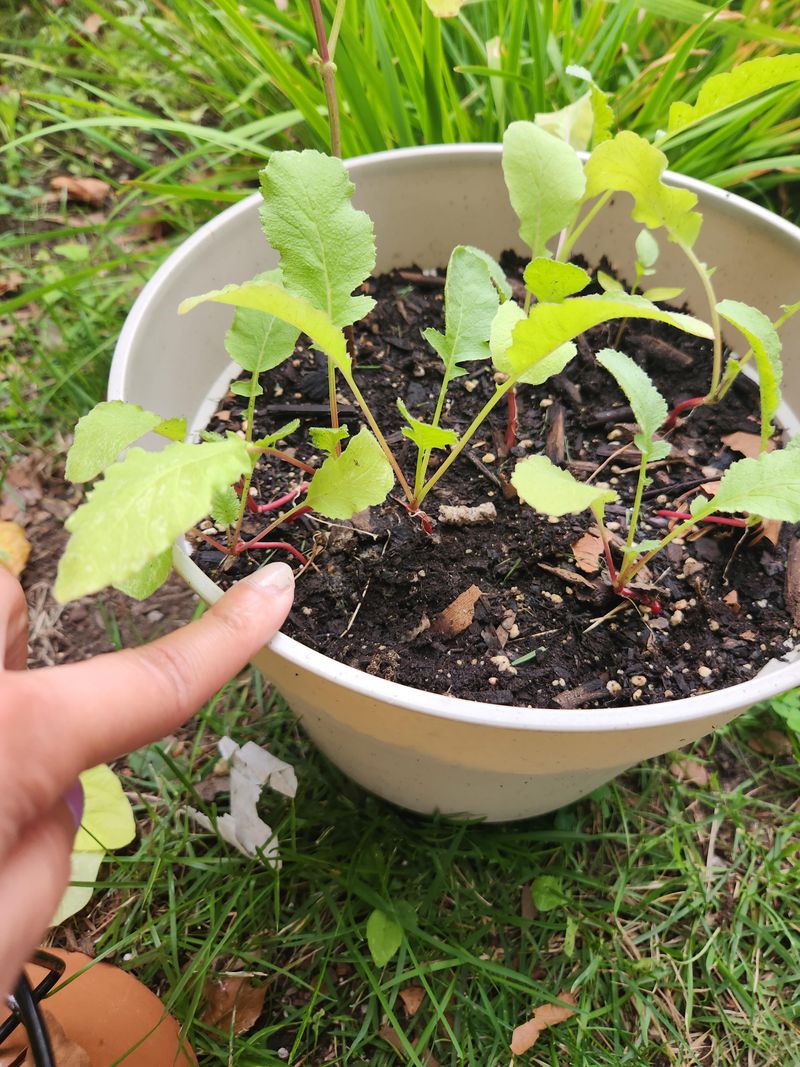
Sunlight is crucial for radishes because it fuels root growth and keeps foliage healthy. Containers should receive at least six hours of direct sunlight daily.
South-facing patios, balconies, or bright indoor windows are ideal. Radishes tolerate partial shade, but too little light results in excessive leaf growth at the expense of root development, producing small, weak bulbs.
In early spring and late fall in Illinois, the cooler temperatures allow radishes to thrive in full sun without overheating. Position containers so plants are evenly lit, rotating them if necessary to prevent uneven growth.
Sunlight also helps reduce the risk of disease by keeping leaves dry and preventing mold or mildew. If planting multiple containers, leave space between them to ensure airflow and maximize sun exposure.
Consistent light supports even, plump radishes and encourages the leafy tops to remain healthy, which is important if you also enjoy eating the greens. Adequate sunlight is a major factor in achieving flavorful, crisp radishes in container gardens.
7. Thin Seedlings For Best Growth
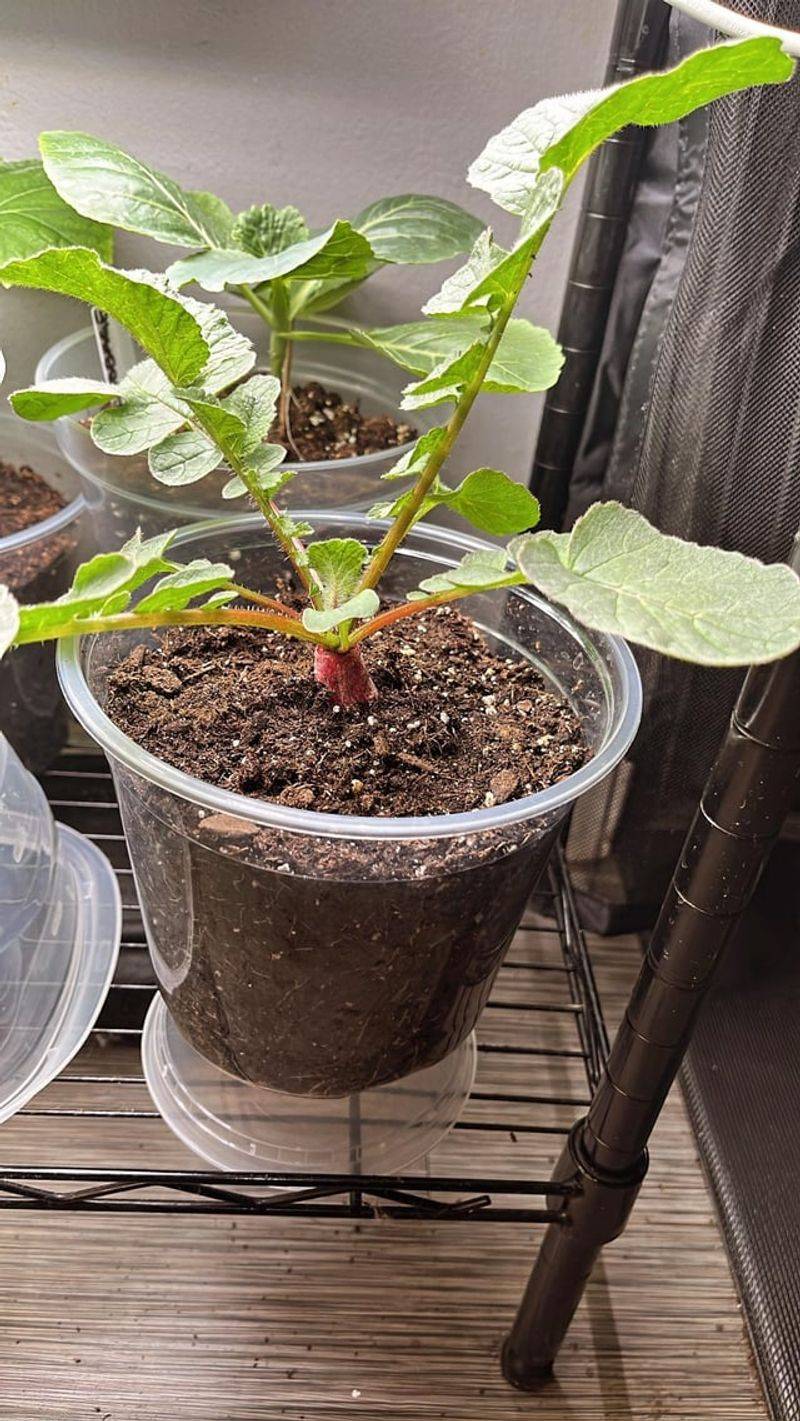
Thinning is essential once radish seedlings reach two inches tall. Crowded plants compete for nutrients, water, and space, leading to stunted, misshapen roots.
Use scissors to snip weaker seedlings at soil level rather than pulling, which can disturb remaining roots. Leave about two inches between plants for small varieties.
Proper thinning ensures each radish has room to swell and develop a round, firm root. Thinning also improves airflow around seedlings, reducing the risk of fungal diseases in Illinois’s humid spring weather.
Timing is important: thinning too early may damage seedlings, and waiting too long can leave roots cramped, affecting flavor and texture.
Container gardeners with limited space can stagger sowing times to maintain a continuous harvest while thinning as needed.
This step may feel tedious, but it has a significant impact on final crop quality. Healthy spacing contributes to larger, crisp radishes and reduces stress that can lead to splitting or early bolting, giving gardeners a better overall yield.
8. Harvest At Peak Maturity
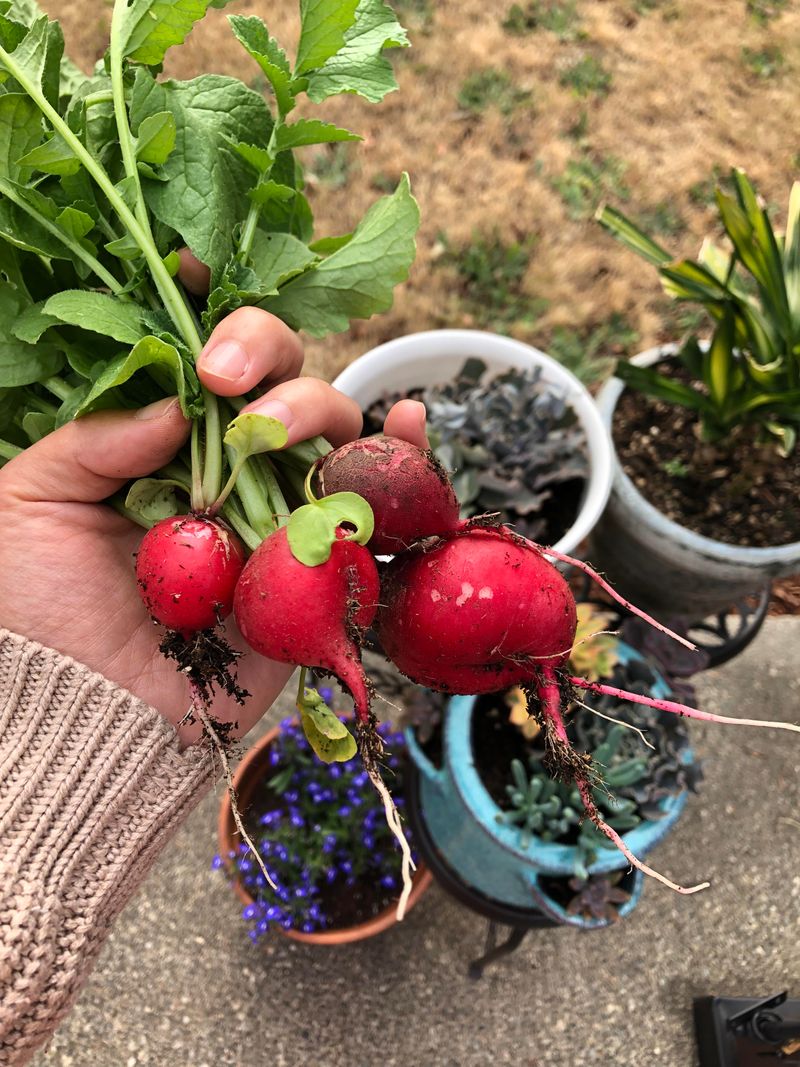
Radishes are fastest and most flavorful when harvested promptly at peak size. Most small varieties are ready in three to four weeks when shoulders emerge above the soil and roots measure about an inch in diameter.
Pull one to check readiness before harvesting the entire container. Overgrown radishes can become pithy, hollow, or overly strong-tasting, while timely harvest ensures crisp, mildly peppery flavor.
In Illinois, spring and fall conditions allow for multiple sowings. Container gardeners can plant new seeds every two weeks to maintain a continuous supply of fresh radishes.
Avoid leaving mature radishes in containers too long, as the soil may become compacted and roots may decline in quality. Harvesting also allows the container to be reused for subsequent plantings, optimizing limited space.
When handled gently, container-grown radishes provide satisfying yields, fresh flavor, and the opportunity to enjoy homegrown vegetables even in small urban or suburban gardens.
With attention to timing, gardeners can enjoy a reliable, steady harvest throughout the cooler growing months.