Who’s Responsible When Leaves Fall From A Neighbor’s Tree In Connecticut
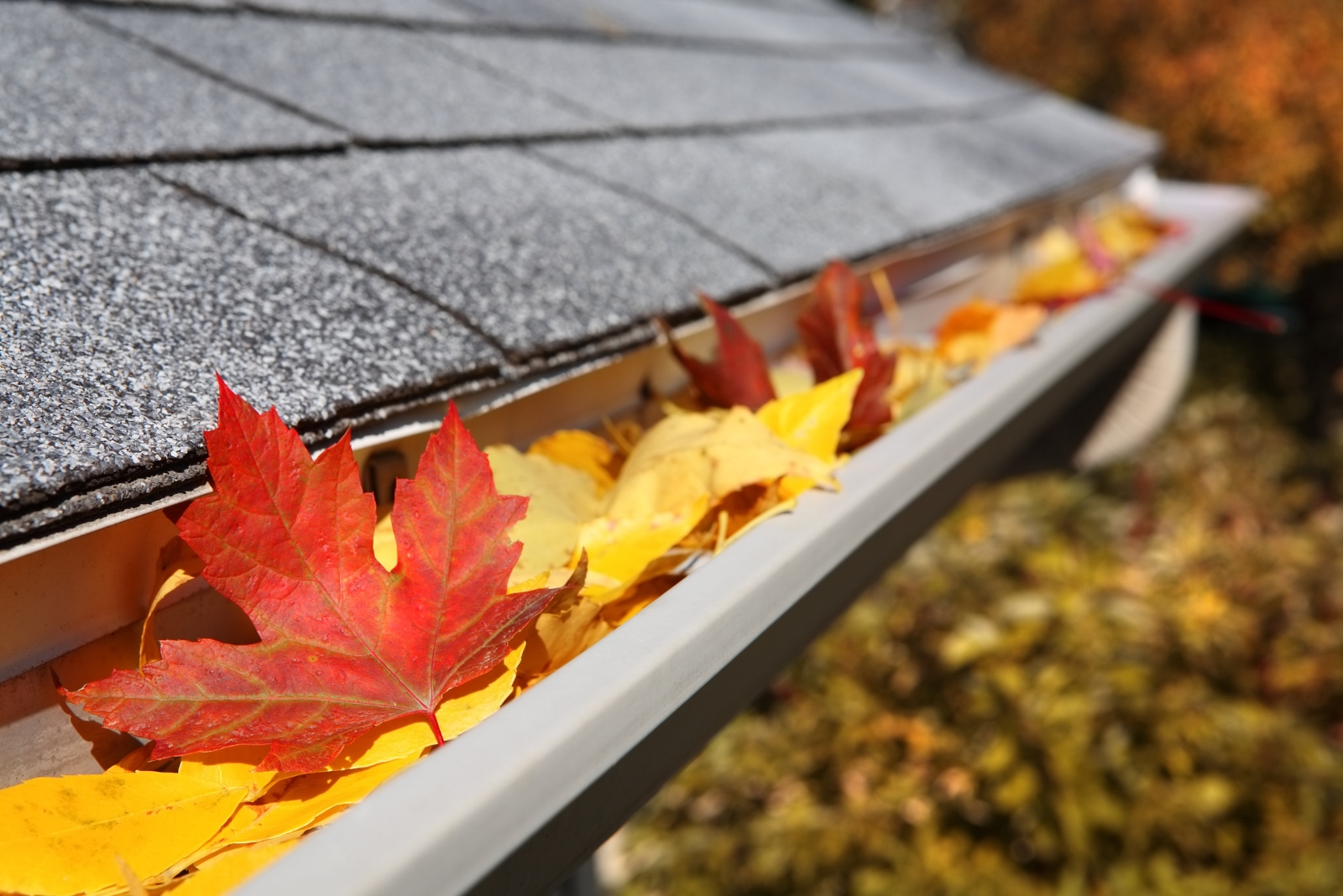
Few things spark neighbor debates faster than a pile of leaves that didn’t come from your own tree. I’ve been there—sweeping all afternoon, staring at branches that don’t even hang over my yard.
It’s a common issue across Connecticut, especially once the wind picks up. Knowing who’s actually responsible can save a lot of raking—and a few awkward conversations.
1. Property Owners Handle Their Own Leaves
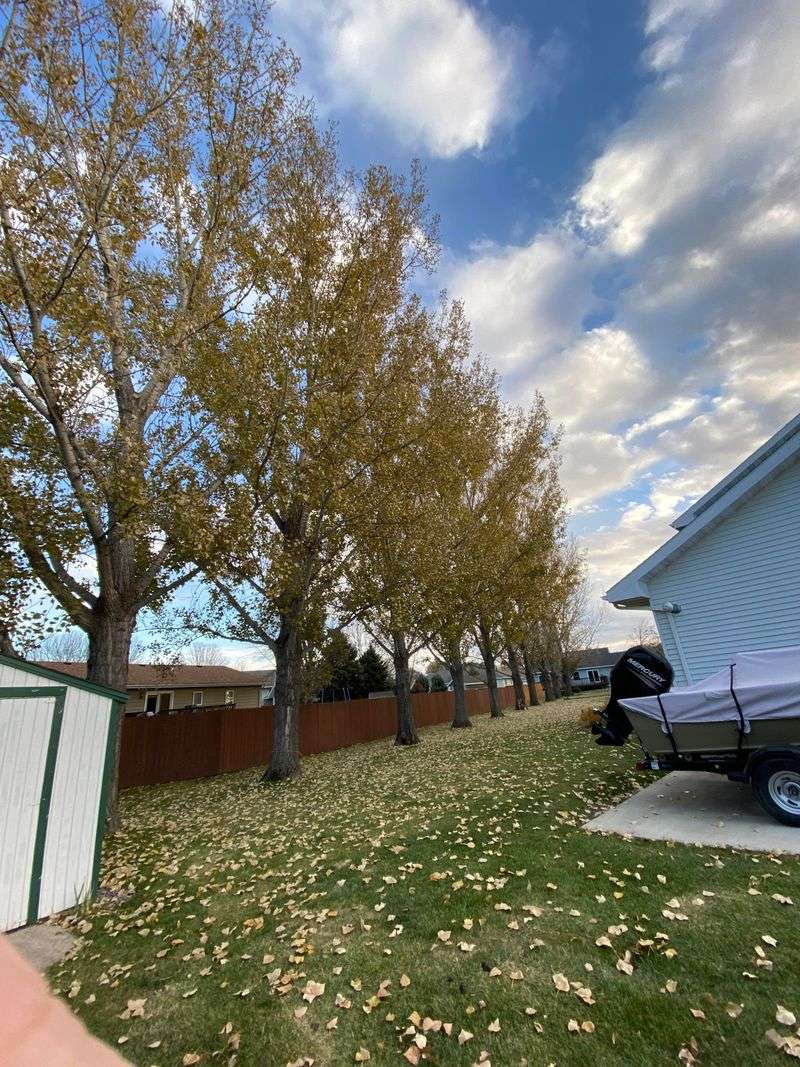
Connecticut law follows a simple principle: you are responsible for cleaning up whatever lands on your property, even if it came from somewhere else. Your neighbor does not have to rake leaves that blow from their tree onto your lawn.
This rule applies to all natural debris, including leaves, acorns, and small branches. Connecticut courts have consistently upheld this standard in property disputes. Keeping your own yard tidy remains your job, regardless of where the mess originated from in the neighborhood.
2. Overhanging Branches Give You Limited Rights
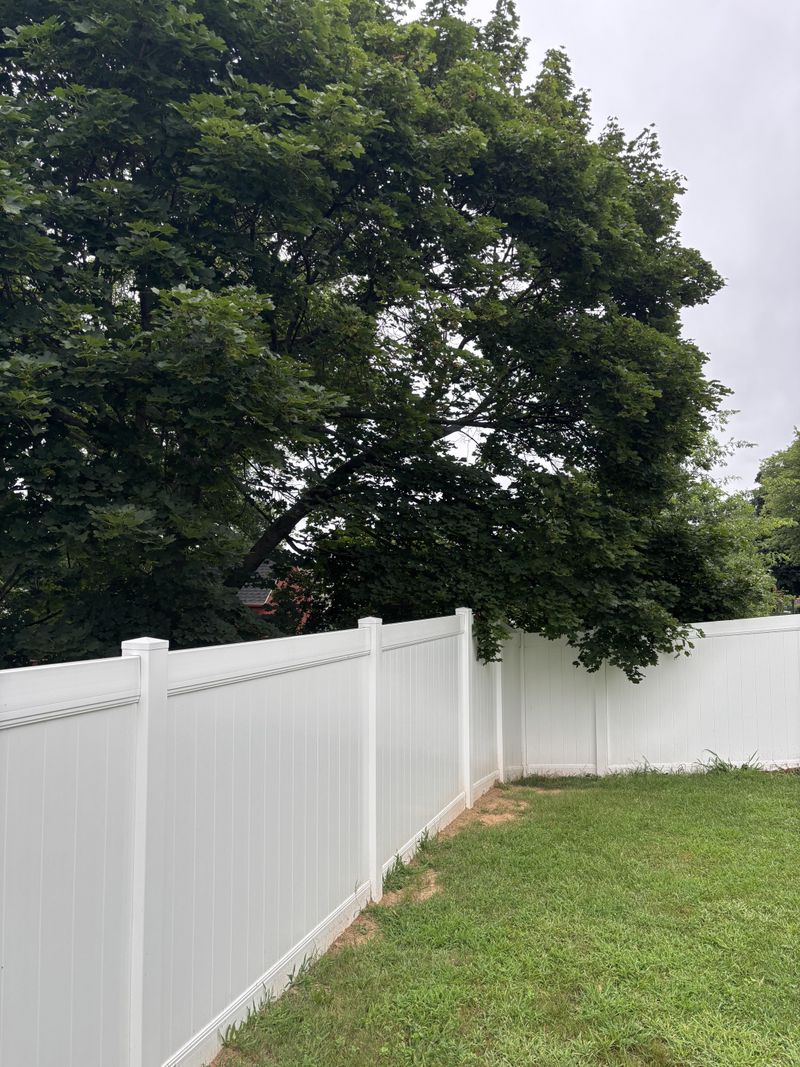
If your neighbor’s tree branches hang over your property line in Connecticut, you have the right to trim them back to the boundary. However, you cannot go onto their property or damage the tree’s health while doing so.
Before grabbing your saw, consider talking to your neighbor first. Many disputes can be avoided through friendly conversation. Connecticut law protects your right to trim, but being respectful about it makes for better relationships and might even result in your neighbor handling the trimming themselves.
3. You Cannot Force Your Neighbor to Remove Their Tree
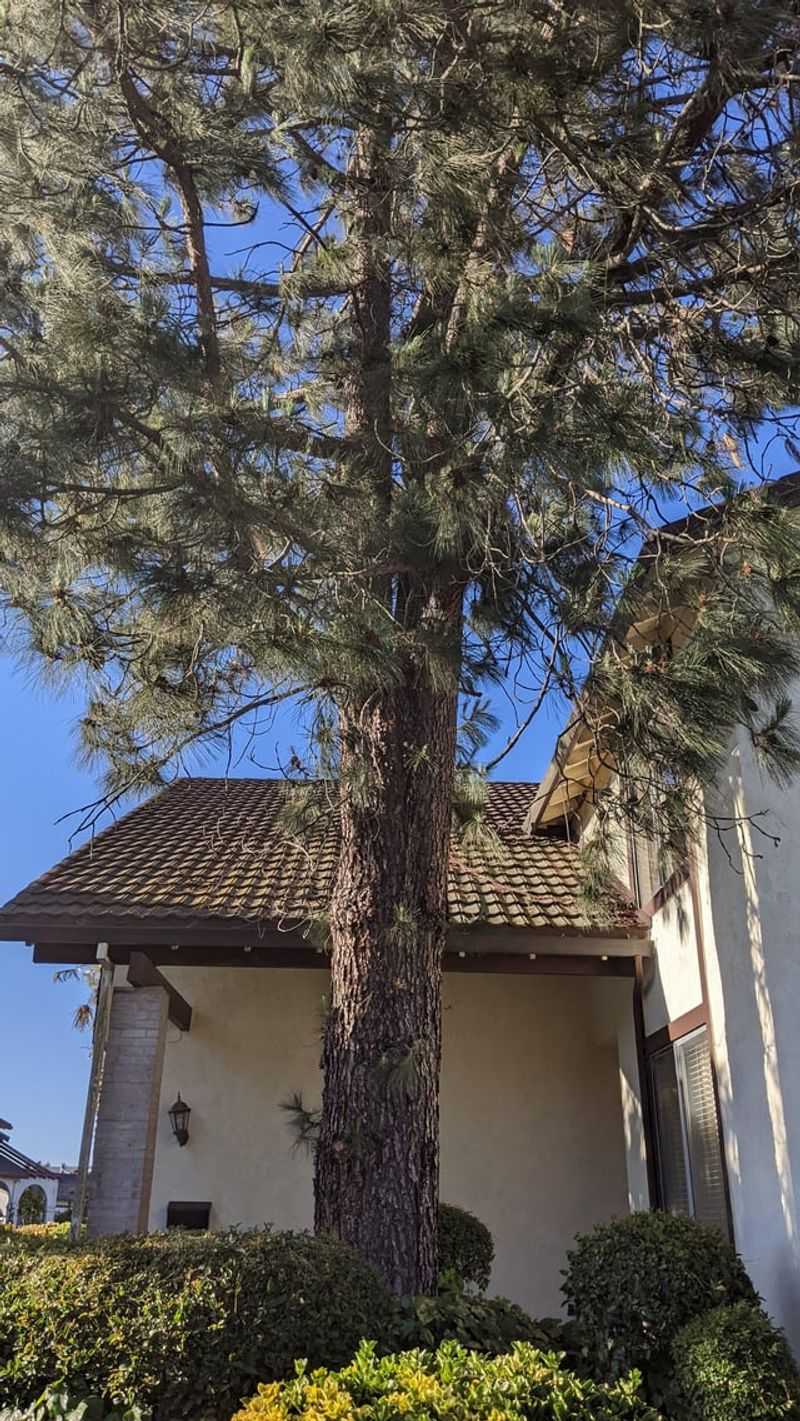
Just because a tree drops leaves on your property does not give you grounds to demand its removal in Connecticut. Trees are considered valuable property, and homeowners have the right to keep them on their land.
Connecticut courts rarely order tree removal unless the tree poses a genuine safety hazard or causes actual property damage. Annoyance from falling leaves does not meet this standard. Your best approach involves regular maintenance of your own yard rather than trying to force changes on your neighbor’s landscape choices.
4. Document Damage if the Tree Causes Real Problems
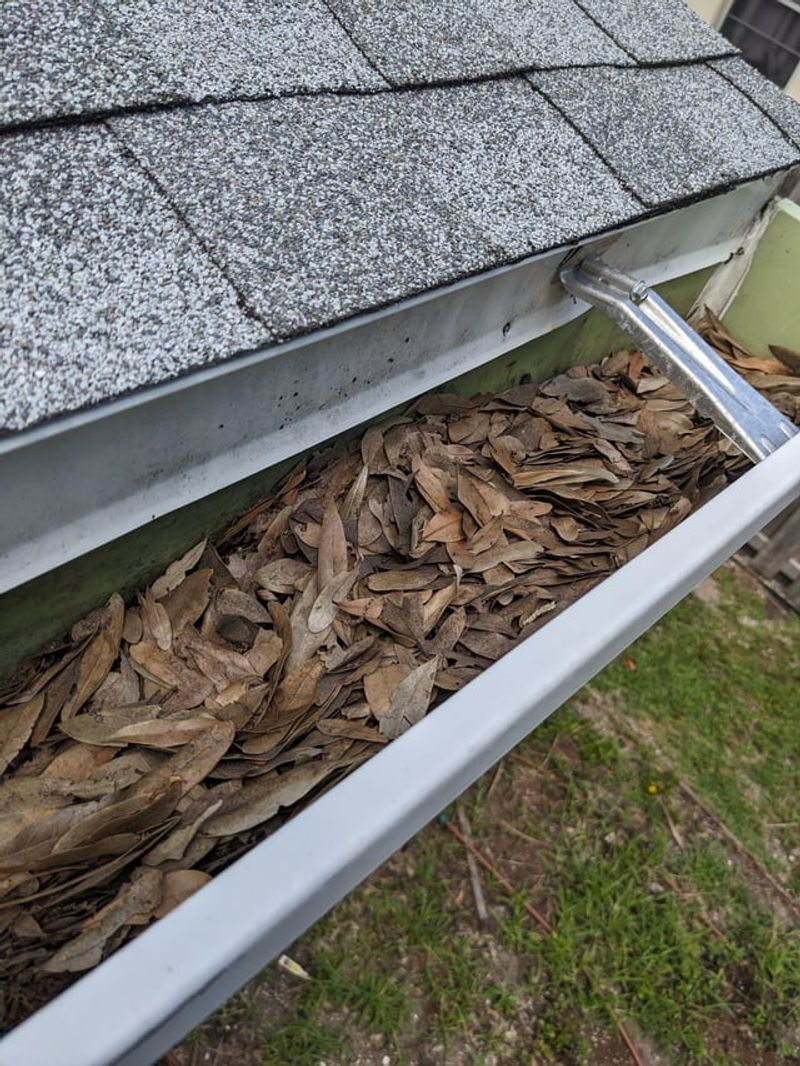
While falling leaves alone are not your neighbor’s responsibility in Connecticut, actual damage to your property changes the situation. Clogged gutters leading to water damage or roots cracking your foundation may create liability.
Take photos and keep records of any damage caused by your neighbor’s tree. Connecticut law may hold tree owners responsible when their tree causes measurable harm to adjacent properties. Written documentation strengthens your case if you need to file an insurance claim or pursue compensation for repairs through proper legal channels.
5. Homeowners Insurance Usually Covers Tree Damage
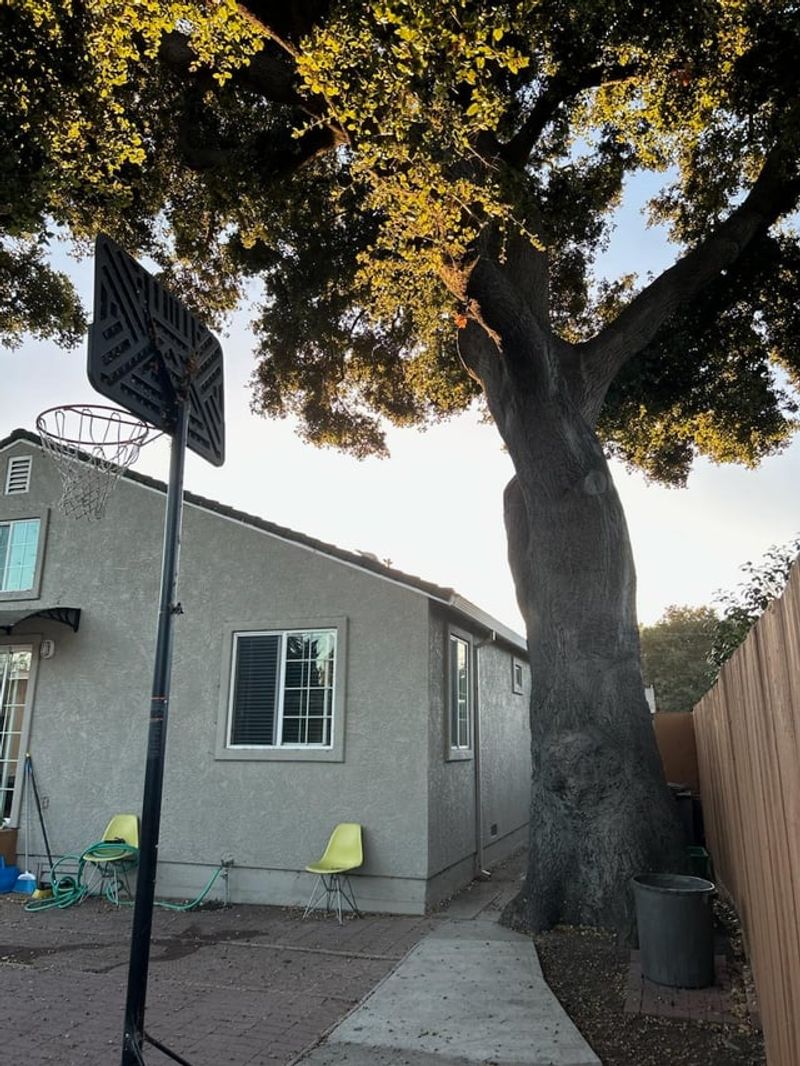
Most homeowners insurance policies in Connecticut cover damage from trees, regardless of where the tree was originally rooted. Your own insurance typically handles repairs to your property, even if a neighbor’s tree caused the problem.
Check your policy details to understand your coverage limits and deductibles. Connecticut insurance companies usually process these claims quickly after storms or significant tree-related incidents. Filing through your own insurance often proves faster and simpler than trying to hold your neighbor financially responsible for natural occurrences beyond their control.
6. Communication Prevents Most Neighbor Disputes
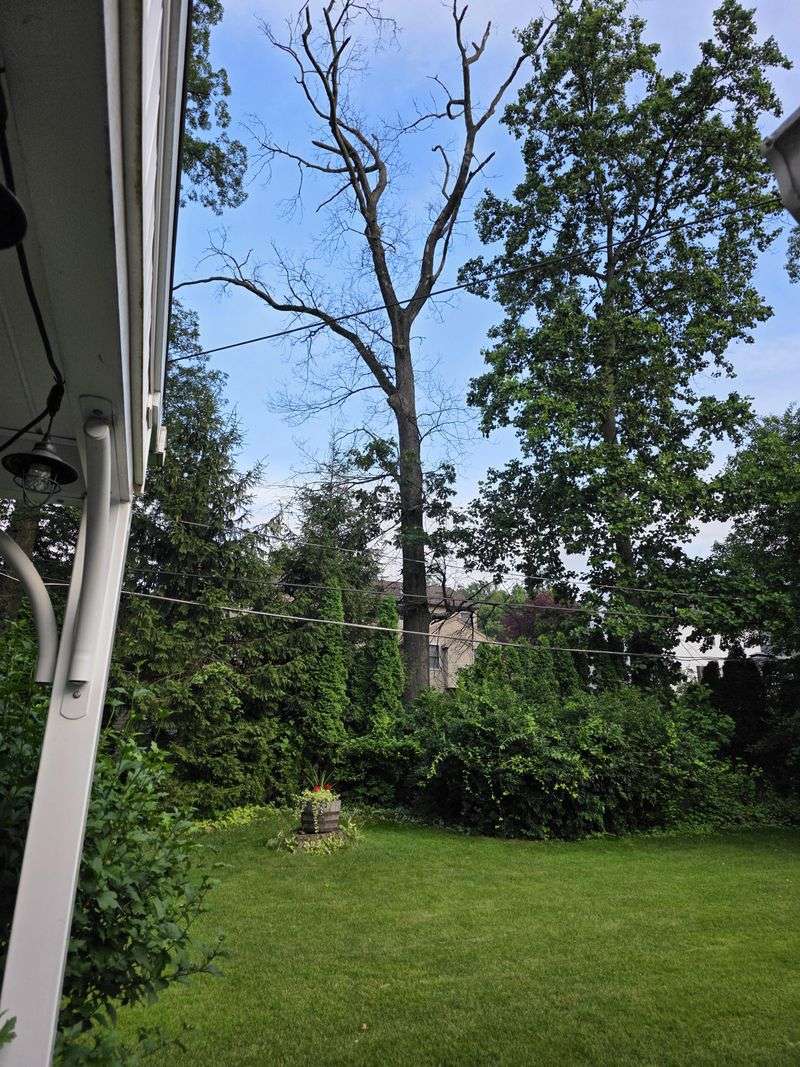
Many leaf-related conflicts in Connecticut could be avoided with a simple conversation. Approaching your neighbor politely about shared concerns often leads to cooperative solutions that work for everyone involved.
Your neighbor might not realize their tree is causing you extra work. They may offer to help with cleanup or agree to trim problematic branches. Connecticut residents generally value good neighborly relations, and most people respond positively when approached with respect rather than demands or complaints about natural seasonal occurrences.
7. Municipal Ordinances May Offer Additional Guidance
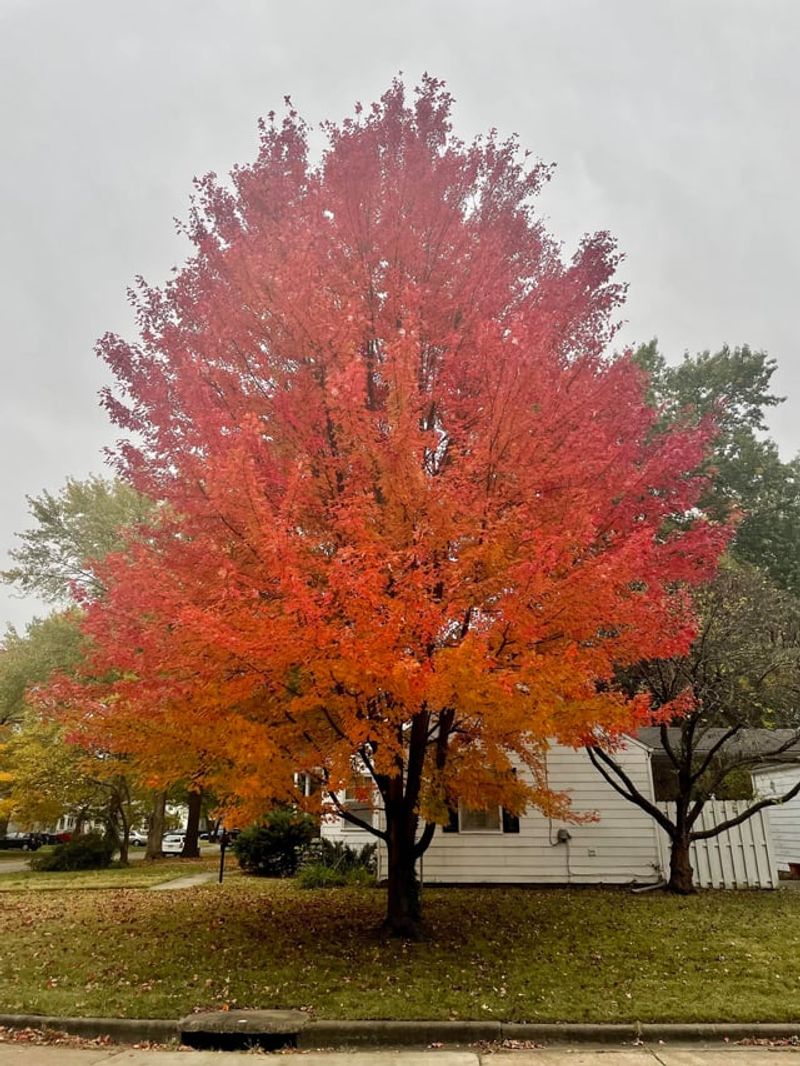
Beyond state law, individual Connecticut towns and cities may have specific ordinances about tree maintenance and property upkeep. Some municipalities require homeowners to prevent vegetation from blocking sidewalks or creating hazards.
Contact your local town hall or check your municipality’s website for specific regulations in your area. Connecticut communities sometimes have mediation services available for neighbor disputes. Understanding local rules helps you know exactly what responsibilities exist and what options you have for resolving conflicts peacefully through official channels when necessary.