The Best Time To Take Down Hummingbird Feeders In South Carolina
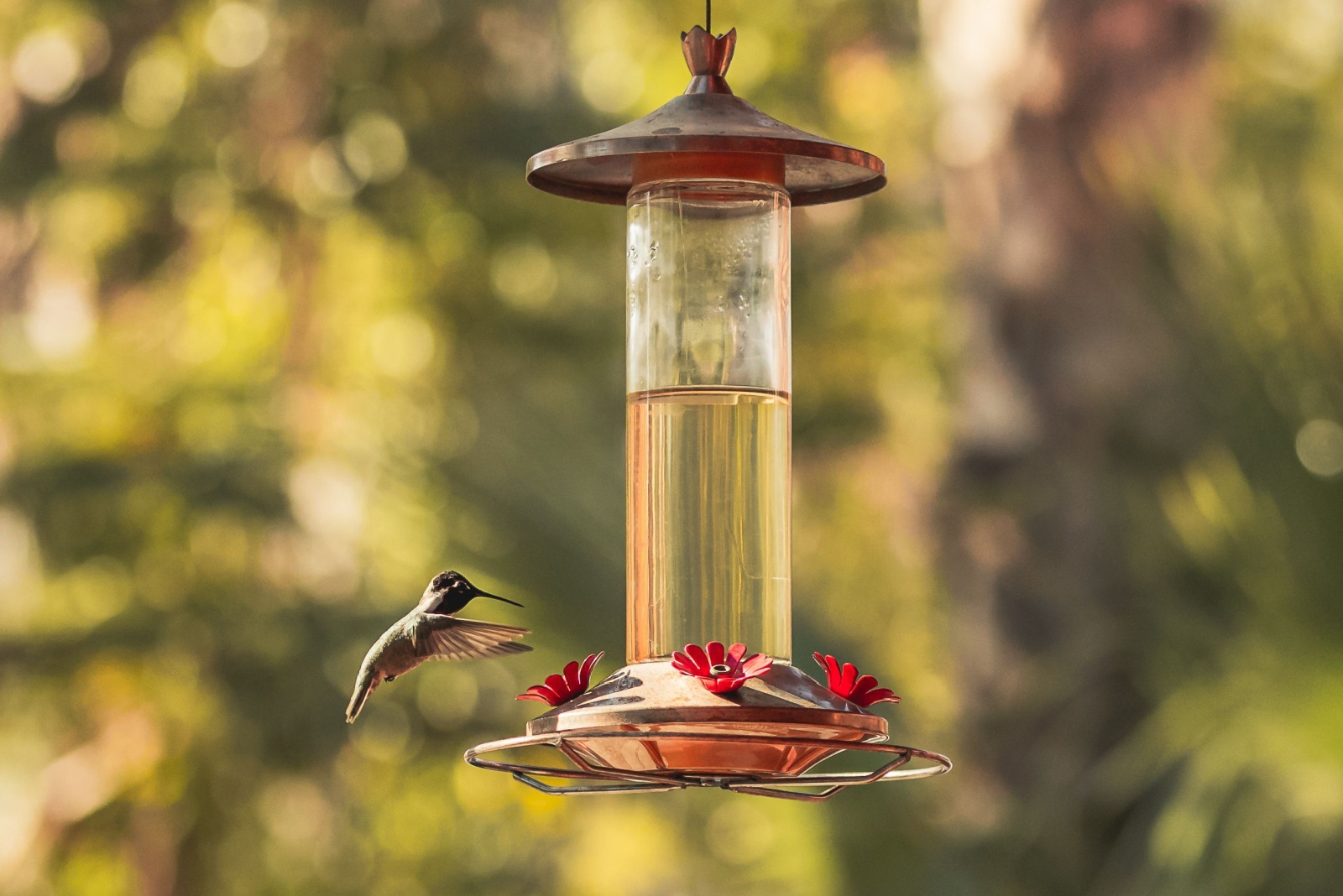
When hummingbirds move through South Carolina’s skies, they bring a quick flash of color and energy to the yard. But as the seasons turn, knowing the right moment to pull down those feeders can make or break their long journey south.
Time it right, and you’ll help these tiny travelers, but miss the mark, and you might throw a wrench in their natural rhythm. Here’s how to keep things humming along.
1. Watch For Migration Patterns
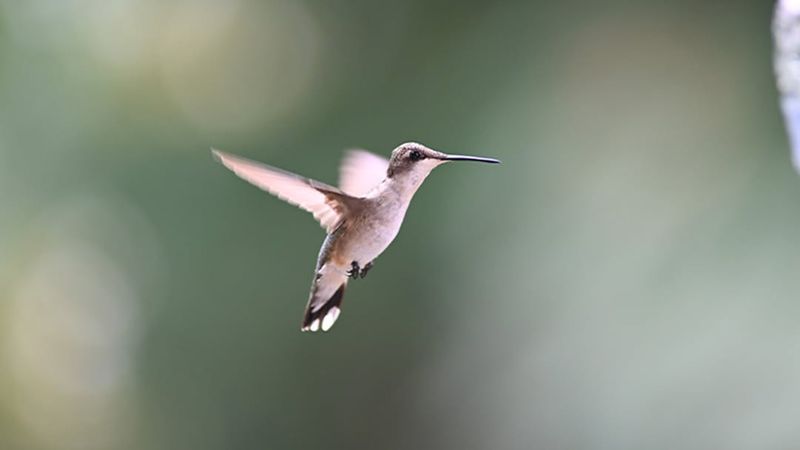
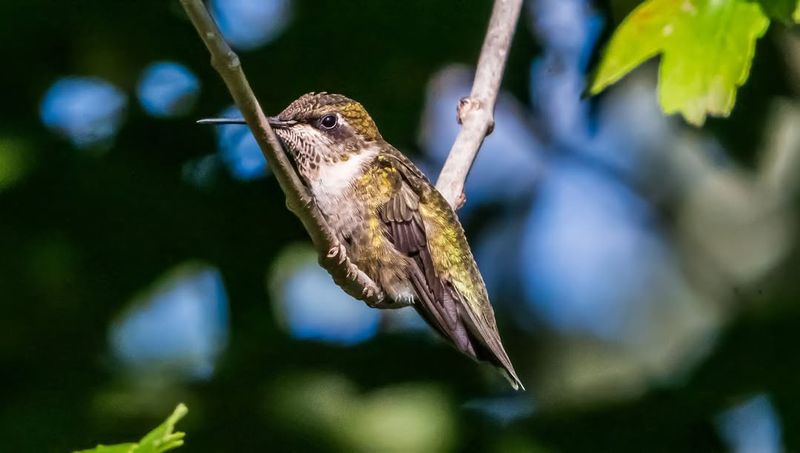
Migration timing varies each year, but most ruby-throated hummingbirds begin leaving South Carolina between late September and early November. Males typically depart first, followed by females and juveniles a few weeks later.
Keep your eyes open for decreasing activity at your feeder as a clear sign that birds are heading south. Some stragglers might stick around longer than expected, especially during warmer years.
Patience pays off when you wait for all visitors to leave before removing feeders completely.
2. Don’t Rush The Takedown
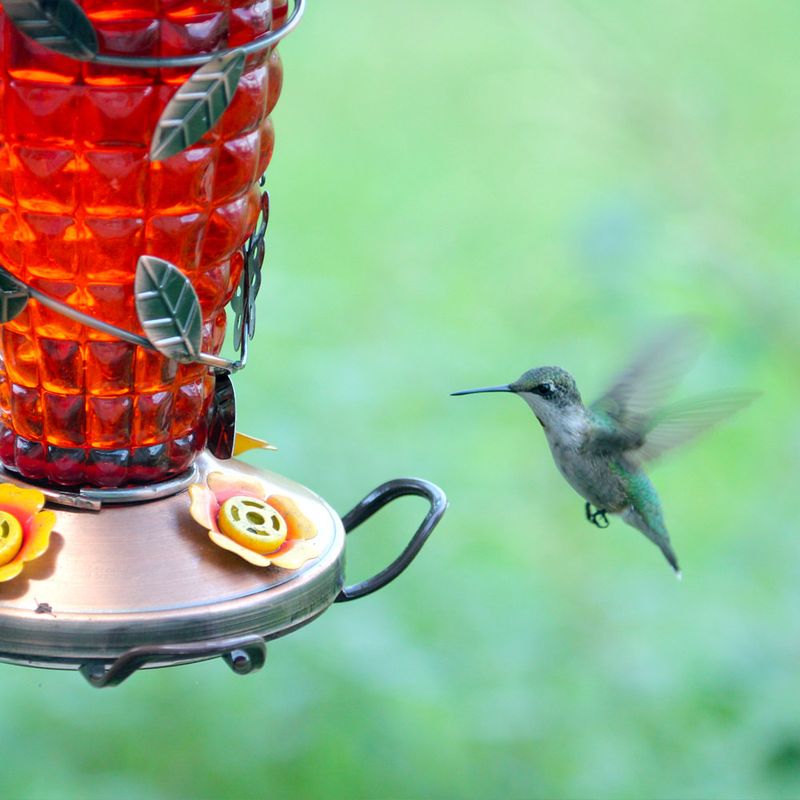
Many people worry that leaving feeders up too long will stop hummingbirds from migrating naturally. This is actually a myth that has been debunked by bird experts and wildlife researchers.
Hummingbirds migrate based on instinct and daylight changes, not feeder availability. Removing feeders too early could leave late migrants without crucial fuel for their journey.
Wait at least two weeks after seeing your last hummingbird before taking down the feeder for winter storage.
3. Temperature Drops Signal Changes
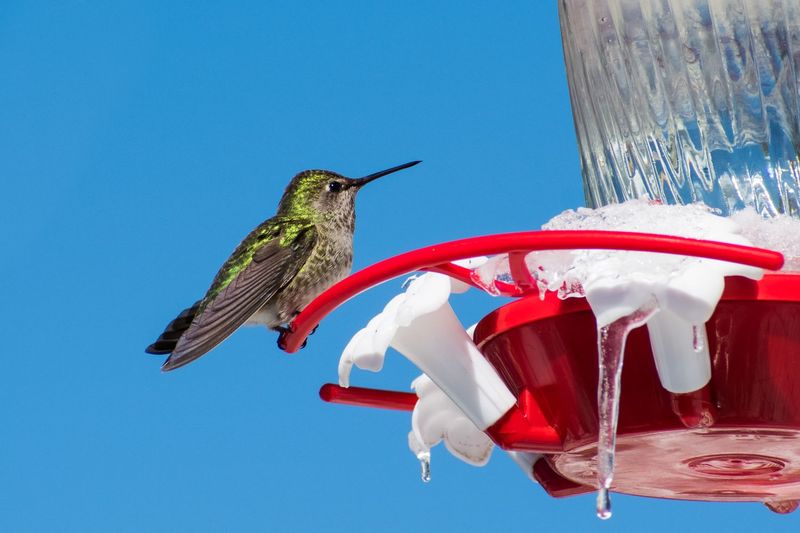
Cooler weather in South Carolina usually arrives in October, signaling that migration season is in full swing. When nighttime temperatures consistently dip below 50 degrees Fahrenheit, fewer hummingbirds will visit your yard.
Cold weather doesn’t hurt these tough little birds, but it does affect flower blooms and insect populations they depend on. Your feeder becomes even more valuable during chilly autumn mornings.
Monitor local weather forecasts to anticipate when birds might need extra support.
4. Track Local Sightings Online
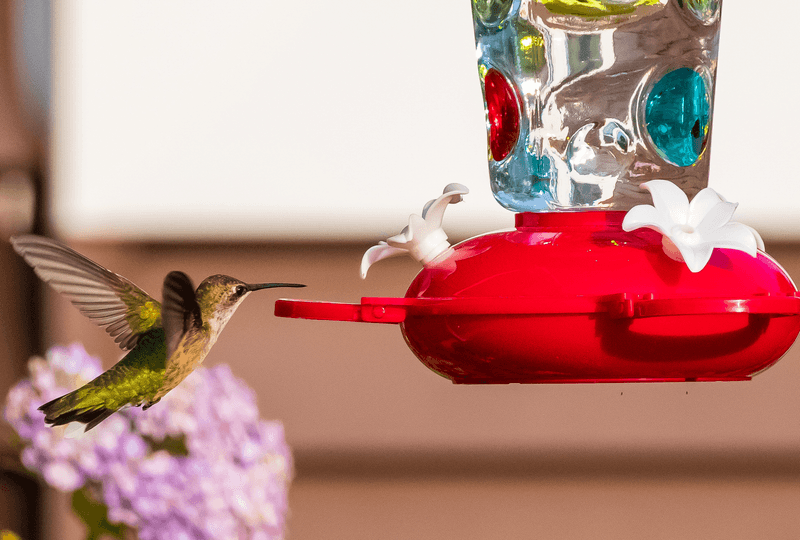
Websites like Journey North and eBird provide real-time maps showing hummingbird sightings across the country. These tools help you see when birds are moving through your specific region of South Carolina.
Checking these resources weekly during fall gives you a better sense of migration timing. You can even report your own sightings to help other bird lovers make informed decisions.
Community data makes everyone a better hummingbird steward throughout the migration season.
5. Consider Rare Winter Visitors
While ruby-throats migrate south, other species like rufous or black-chinned hummingbirds occasionally spend winter in South Carolina’s coastal regions. These rare visitors need feeders available during cold months when natural food is scarce.
If you live near the coast, consider keeping one feeder up year-round with proper maintenance. Check with local birding groups to learn if winter hummingbirds have been spotted in your area.
Your feeder might become a lifeline for an unexpected guest.
6. Maintain Clean Feeders Throughout Fall
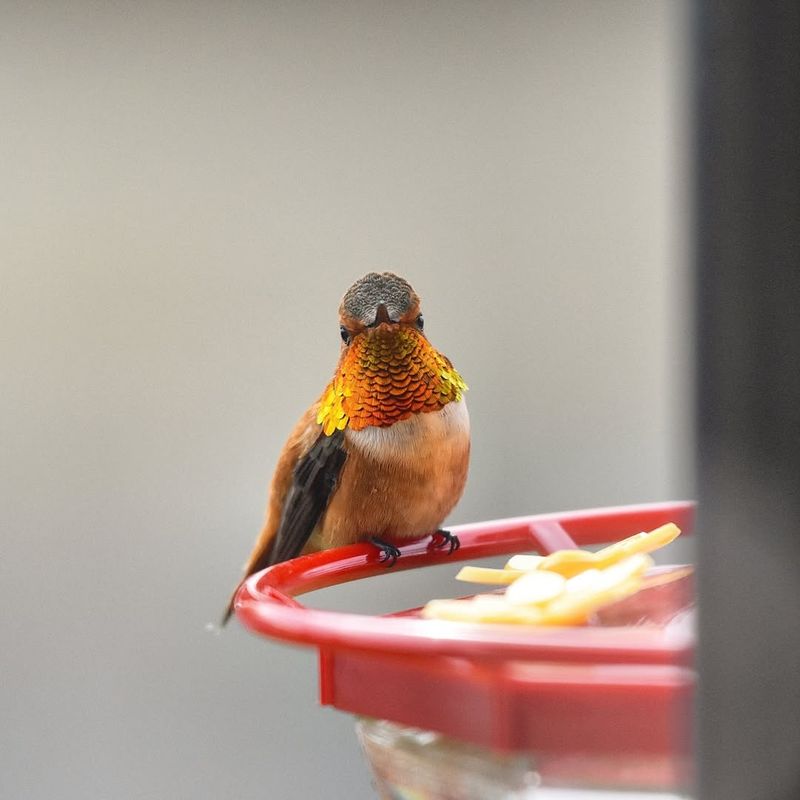
Even as migration winds down, keeping your feeder clean remains absolutely essential for bird health. Warm South Carolina autumn days can cause nectar to spoil quickly, creating dangerous mold and bacteria.
Change the sugar water every three to five days, and scrub the feeder thoroughly with hot water and a bottle brush. Clean feeders attract more birds and prevent illness from spreading among your tiny visitors.
Good maintenance shows respect for the wildlife depending on your care.
7. Check With Local Bird Experts
Your local Audubon chapter or wildlife center knows exactly what’s happening with hummingbirds in your specific South Carolina county. These experts track arrival and departure dates year after year, building valuable historical data.
Reach out through social media, phone calls, or in-person visits to get personalized advice. Many organizations host fall bird walks where you can learn directly from experienced birders.
Local knowledge beats general guidelines every single time for accurate timing.
8. Store Feeders Properly For Next Season
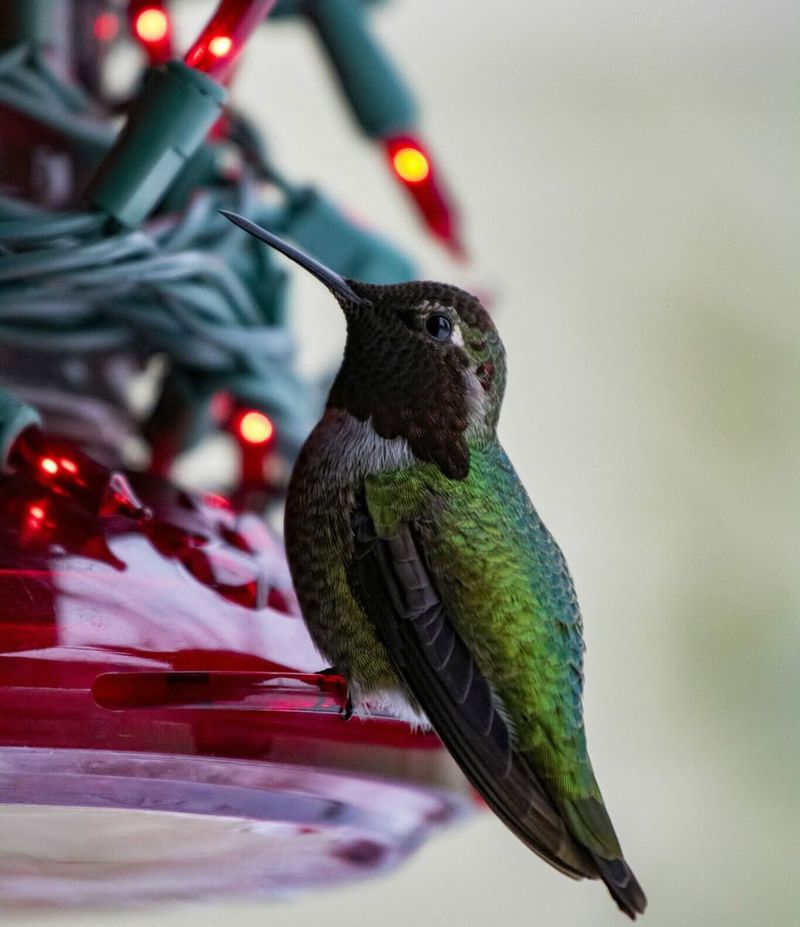
Once you’ve confirmed all hummingbirds have departed, give your feeder a deep cleaning before storage. Disassemble all parts and soak them in a vinegar solution to remove stubborn residue and prevent mold growth during winter.
Dry everything completely and store in a cool, dry location away from direct sunlight. Label your storage box with the date so you remember when to bring feeders back out in spring.
Proper storage extends feeder life and ensures you’re ready for next year’s arrivals.