9 Plants You Should Skip Near Property Lines In California

Good fences may make good neighbors, but plants can undo that peace fast in California.
A leafy choice near a property line can spark raised brows, dropped leaves, and full-blown disputes.
Roots wander, branches stretch, and shade shifts in ways few expect. In tight neighborhoods, one garden decision can cross boundaries without permission.
Climate adds fuel to the fire, with rapid growth, drought stress, and fire rules all in play.
What starts as curb appeal can turn into cleanup costs, blocked views, or legal headaches.
Savvy gardeners think twice before placement of aggressive growers where space runs thin.
Smart restraint saves time, money, and neighborly goodwill.
Awareness of problem plants keeps conversations friendly and fences drama-free.
Life in California values harmony, sunlight, and safety.
A thoughtful start prevents regrets later and keeps outdoor spaces calm, cooperative, and conflict-free from season to season for homeowners statewide and communities.
1. Bamboo
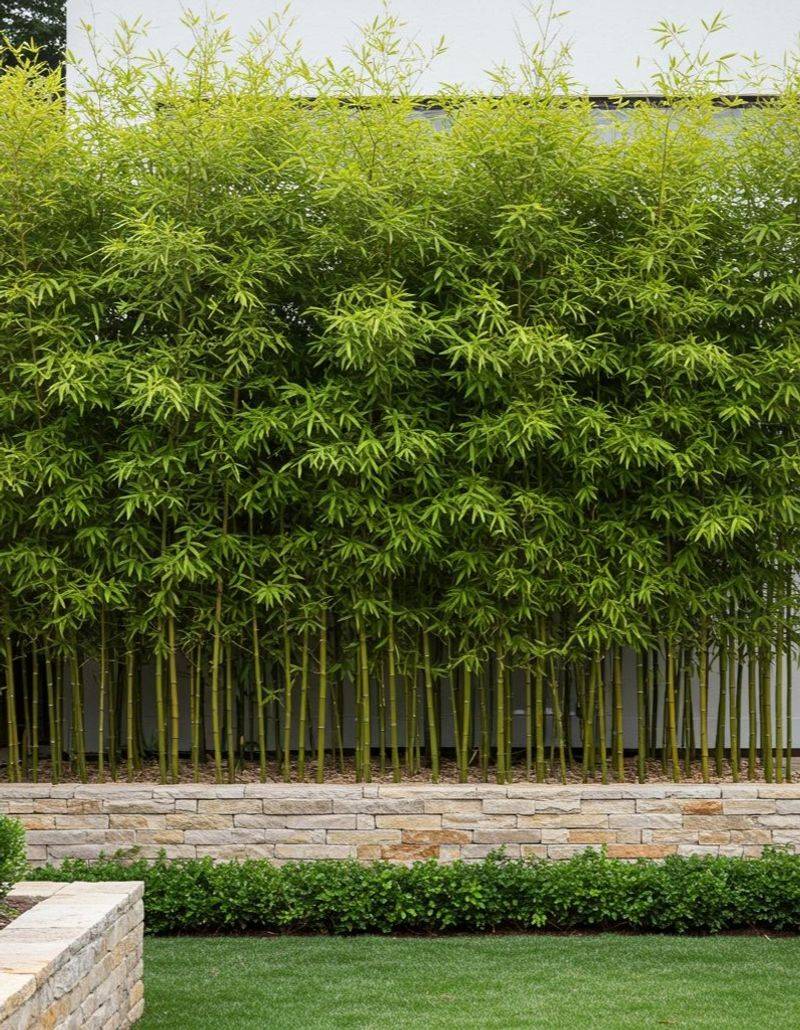
Bamboo spreads faster than almost any plant you can imagine, sending underground runners called rhizomes that pop up everywhere.
Once established in California soil, it becomes nearly impossible to control without serious effort and expense.
Your neighbors will not appreciate bamboo shoots appearing in their flower beds or cracking through their patio.
Running bamboo varieties can travel dozens of feet underground, making them a nightmare for property boundaries.
Even clumping types grow dense and wide, creating constant maintenance headaches along shared fences.
2. Eucalyptus Trees
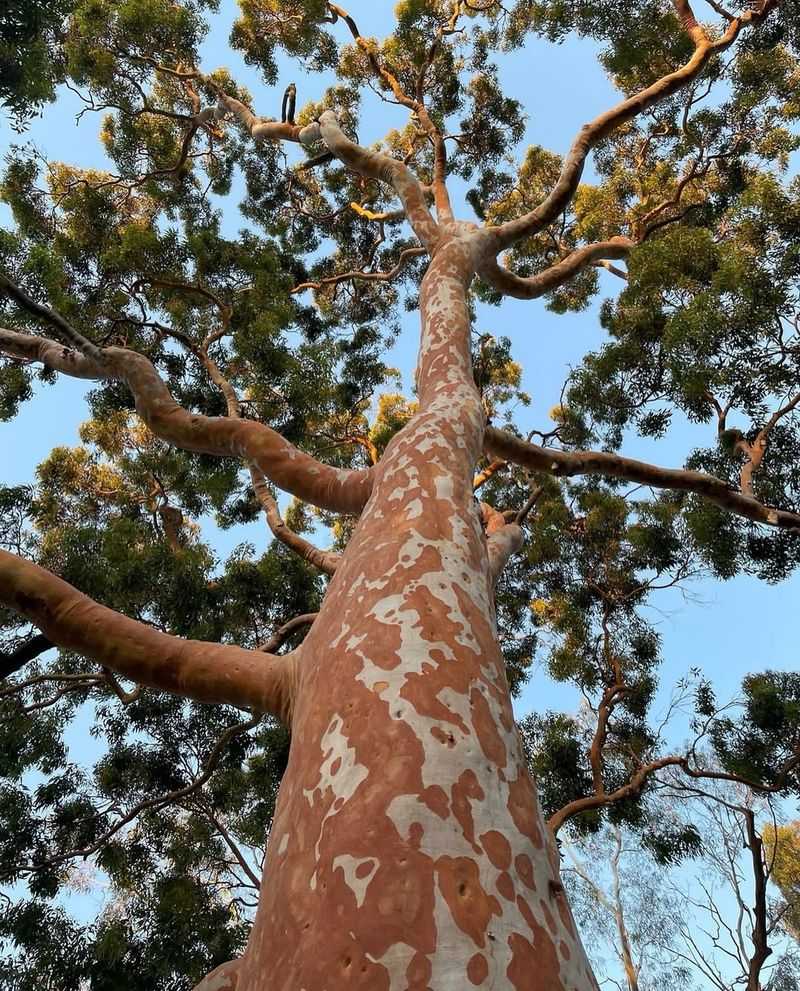
Towering eucalyptus trees might look majestic, but they drop branches without warning and shed bark year-round.
California homeowners know these trees create constant cleanup work that spills onto neighboring yards.
Their roots grow aggressively, seeking water and often damaging sidewalks, foundations, and underground pipes.
The oily leaves and seed pods pile up quickly, creating fire hazards during dry seasons.
Planting one near a property line guarantees tension with whoever lives next door.
3. English Ivy
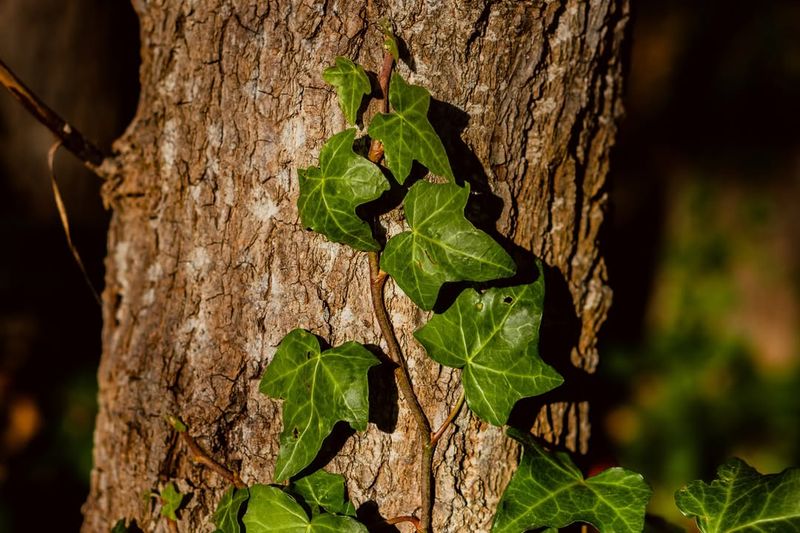
English ivy may look charming at first, but in California gardens it rarely stays in its lane.
Once established, this vine wastes no time. It climbs fences, crawls up tree trunks, and grips siding with stubborn force, leaving damage long after removal.
Many gardeners underestimate its speed and reach, only to watch it spill across property lines before anyone notices.
As it spreads, ivy crowds out other plants and blocks light, turning diverse beds into a green monopoly.
Thick mats create hiding spots for rats, spiders, and other unwelcome guests, especially near structures.
The longer it stays, the harder it fights back.
Roots cling like glue, scar wood and stucco, and demand serious effort to remove.
Trouble often follows at the fence line.
Few neighbors welcome a vine that creeps into their yard and chokes their plants.
What begins as a simple ground cover can quickly strain relationships.
In tight spaces, ivy brings more headaches than charm, and once it takes hold, the cleanup proves slow, messy, and frustrating.
4. Black Walnut Trees
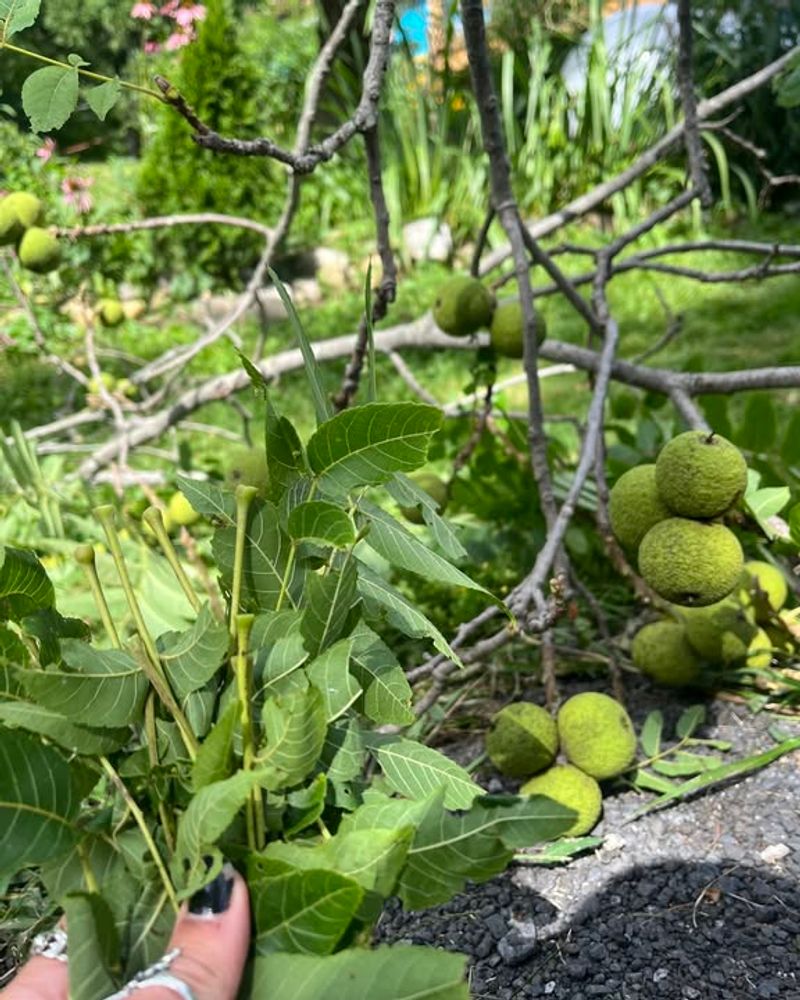
Black walnut trees bring more trouble than many California gardeners expect, especially near property lines.
Beneath the soil, these trees release juglone, a natural chemical that acts like a slow poison to many popular garden plants.
Your California Garden Changes Every Week. Your Plan Should Too.
Gardening in California changes quickly throughout the season. Every Friday you’ll receive a simple weekly plan showing exactly what to plant, prune, fertilize, harvest, and protect so you never miss the right timing.
Flowers wilt, vegetables fail, and shrubs decline without obvious cause, often frustrating neighbors who never planted the tree in the first place.
The problems do not stop underground.
Each season, heavy walnuts drop and roll, creating litter, tripping hazards, and cracked hardscapes that drift well beyond the trunk.
Their massive canopy blocks sunlight for much of the day, leaving nearby gardens starved of light and warmth. Shade shifts with the seasons, making planning nearly impossible.
Below ground, aggressive roots spread far and wide, pulling moisture and nutrients from surrounding soil.
Nearby plants struggle to compete, especially during dry spells.
Planting a black walnut close to a boundary almost guarantees tension.
When one tree damages multiple yards, complaints follow fast, and neighborly goodwill wears thin.
5. Pampas Grass
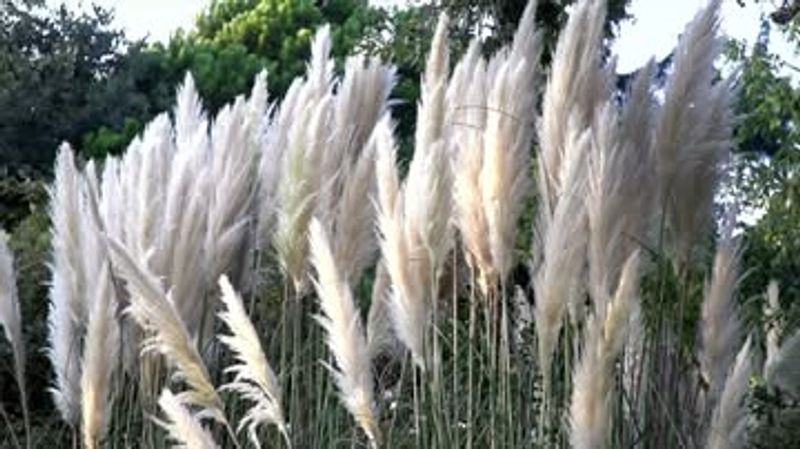
Pampas grass grows into massive clumps that spread several feet wide, with razor-sharp leaf edges that can cut skin.
California landscapes often feature this plant, but it quickly becomes unmanageable near property lines.
The fluffy plumes shed seeds that blow into neighboring yards, creating unwanted seedlings everywhere.
Removing established pampas grass requires serious equipment and effort.
Its sheer size makes it impossible to keep contained, and those sharp leaves pose safety concerns for anyone walking nearby or maintaining fences.
6. Acacia Trees
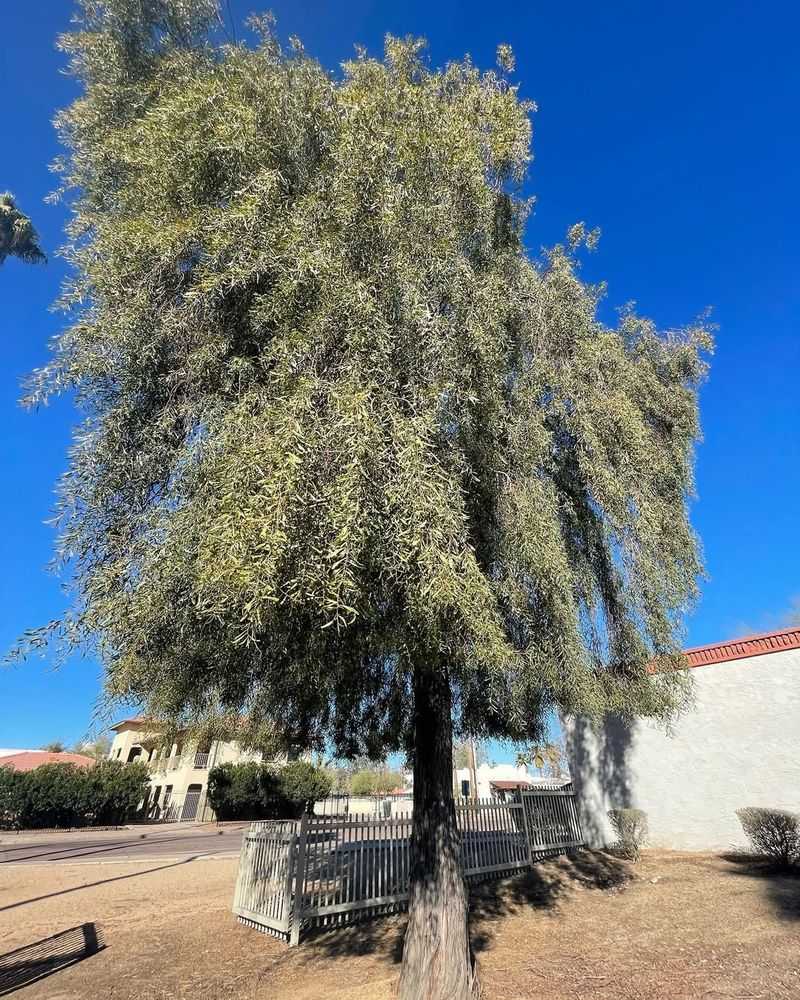
Acacia trees promise fast shade, but that speed comes with strings attached, especially in California yards with tight boundaries.
These trees shed year-round, dropping thorny branches, sharp seed pods, and endless leaves that scatter with every breeze.
Cleanup turns into a nonstop chore, and the mess rarely respects fence lines.
What falls in one yard often ends up in another, creating shared frustration.
Below the surface, acacia roots hunt for water with determination.
They push into irrigation lines, lift walkways, and crack hardscaping over time.
Repairs add up fast, and the source of the problem often sits just feet away.
Handling fallen branches poses another challenge. Thorns pierce gloves, skin, and patience, making even basic yard work risky.
When planted near property lines, acacias spread their burden far and wide.
Neighbors inherit debris, damage, and danger without consent.
What begins as a quick landscaping fix often turns into a long-term liability that strains relationships and demands constant attention.
7. Monterey Pine

Monterey pines grow enormous, with root systems that spread just as wide as their towering canopies.
California residents often plant them without realizing how much space they truly need.
The falling pine cones and needles create acidic layers that change soil conditions and make growing other plants difficult.
Branches can extend far over property lines, blocking light and dropping debris constantly.
Their size and mess make them poor choices anywhere near boundaries, where space is limited and neighbors share the consequences of your planting decisions.
8. Giant Reed
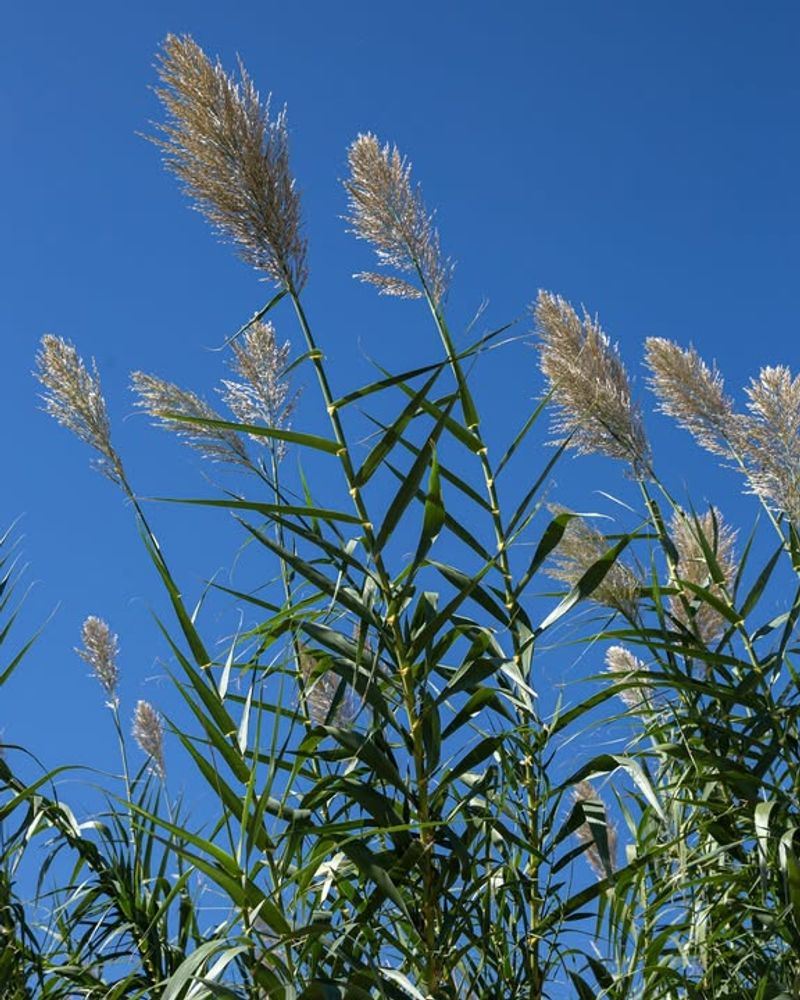
Giant reed resembles bamboo and spreads just as aggressively through underground rhizomes that respect no boundaries.
California waterways and yards suffer when this invasive plant takes hold and spreads uncontrollably.
It grows incredibly tall, blocking views and light while creating dense thickets that harbor pests.
The canes become a fire hazard when dry, and removing established stands requires professional help.
Planting giant reed near property lines practically guarantees conflict, as it will invade neighboring yards and become their problem too.
9. Mulberry Trees
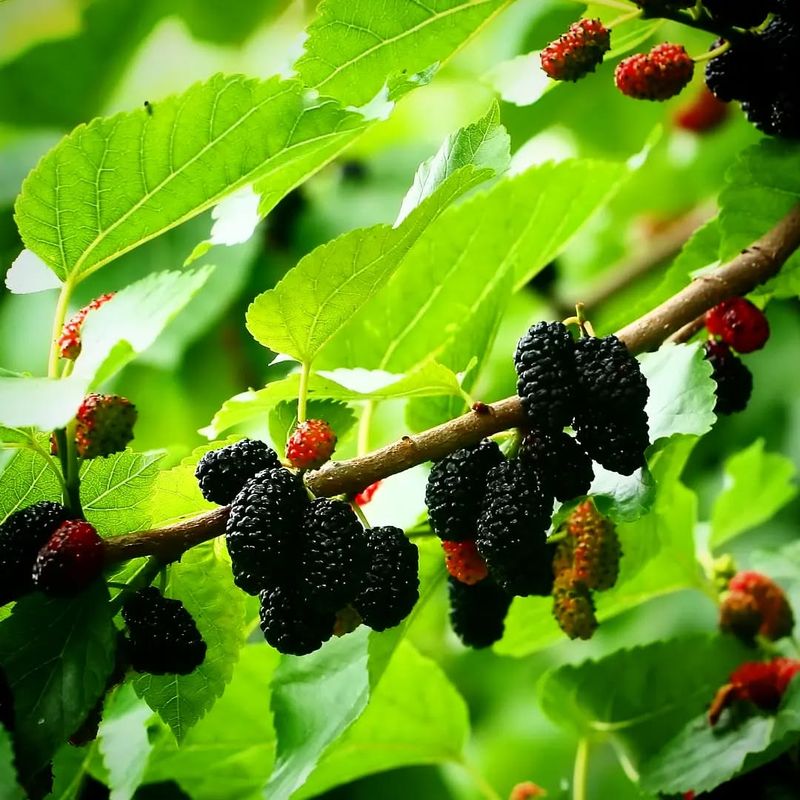
Mulberry trees produce abundant fruit that stains everything it touches, from sidewalks to cars to outdoor furniture.
California homeowners quickly learn that fallen berries create purple messes that spread across property lines.
Birds love the fruit and leave droppings everywhere, adding to the cleanup nightmare.
The trees also shed leaves heavily and have aggressive roots that seek out water lines.
Neighbors rarely appreciate having their driveways and patios stained by berries from a tree they did not plant or want near their property.