Why New York Gardeners Add This One Amendment To Their Beds In December
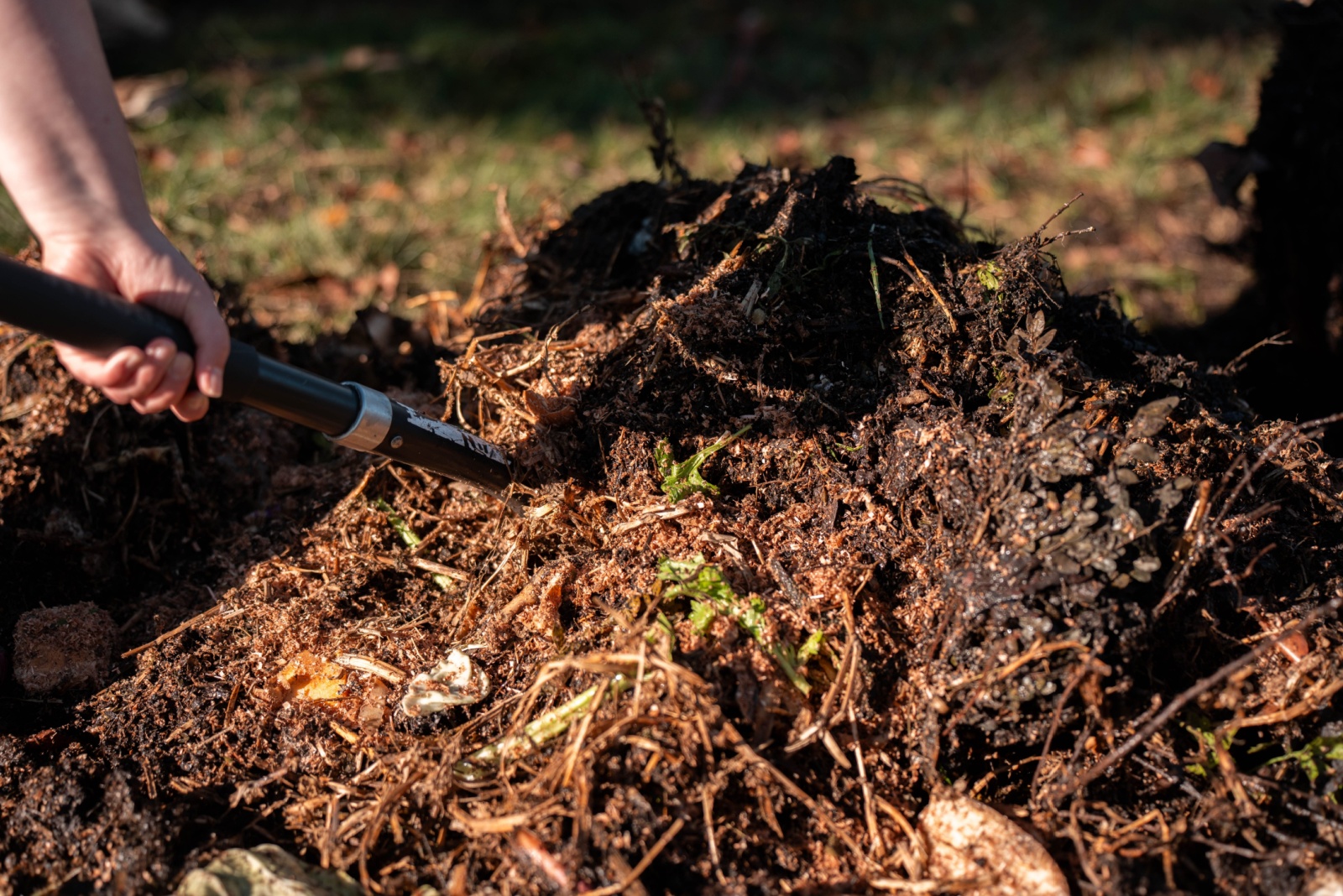
December might feel like an odd moment to turn attention toward compost, but seasoned New York gardeners play the long game.
When beds look bare and growth slows, soil work still matters.
Cold air pauses plants, not progress below the surface.
Winter composting allows nutrients to settle in, microbes to adjust, and structure to improve without competition from active growth.
This off-season effort works like a quiet deposit into next year’s success.
By the time spring arrives, soil feels richer, looser, and more responsive.
I’ve watched gardens rebound with surprising strength after nothing more than a winter layer of compost.
Roots stayed protected, moisture held steady, and early growth showed confidence instead of stress.
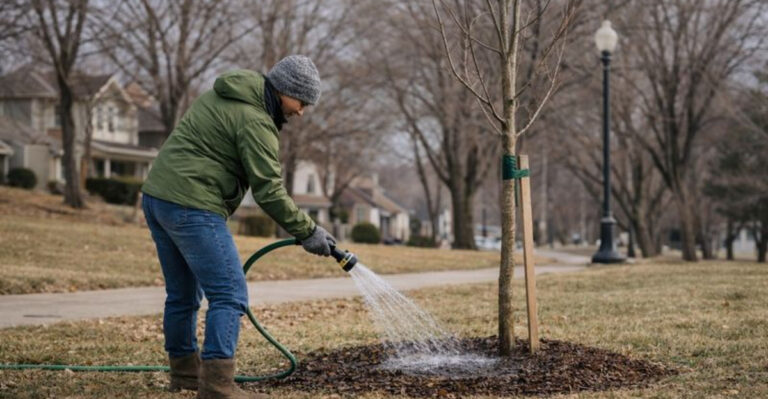
Compost also shields soil from erosion and temperature swings, acting like insulation during freeze and thaw cycles.
Snowmelt carries goodness deeper into the ground, right where it belongs.
While the garden sleeps, this simple practice does real work.
Come planting time, the payoff shows in healthier seedlings, faster establishment, and beds ready to perform from day one.
1. Winter Application Means Less Work In Spring
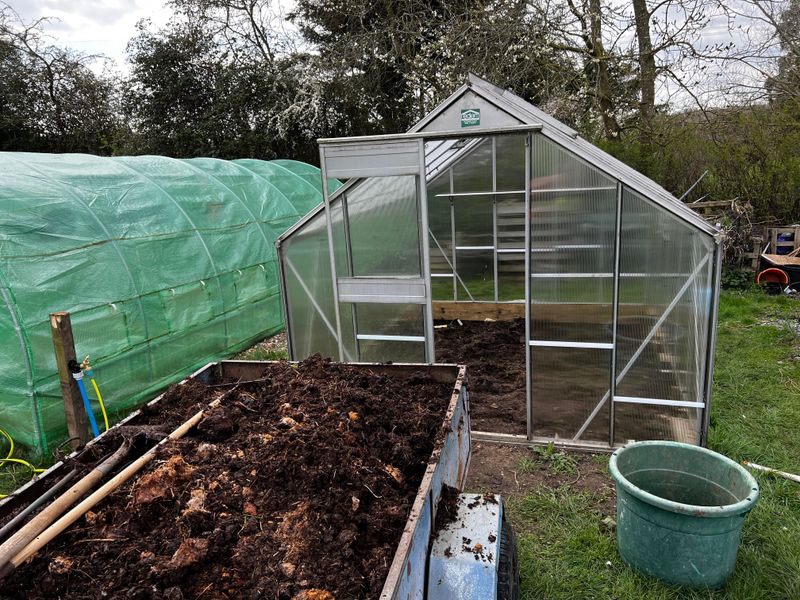
Spreading compost now saves you precious time when planting season arrives.
New York winters give the organic matter months to break down naturally, enriching soil without any extra effort from you.
By March, your beds will be ready to plant immediately.
The freeze-thaw cycles help work nutrients deeper into the ground than summer applications ever could.
You’ll skip the spring rush and start planting weeks earlier than neighbors who wait.
2. Protects Soil Structure From Freeze Damage
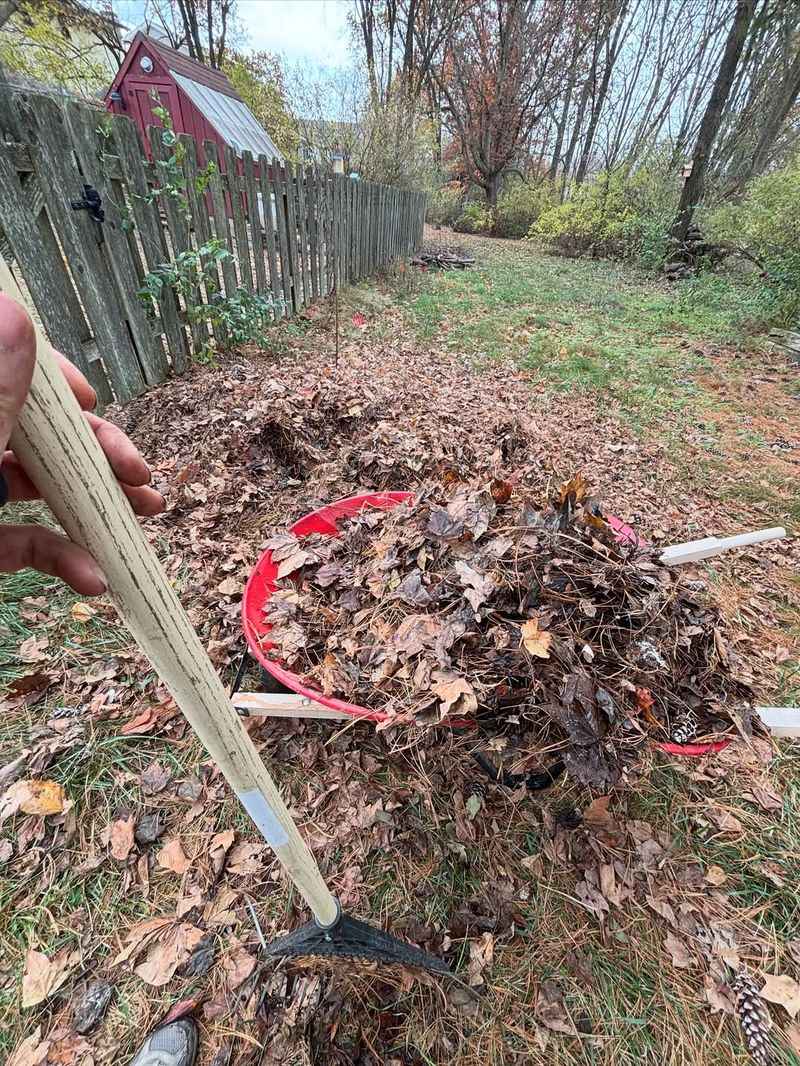
Bare soil suffers during harsh winters, losing valuable structure to repeated freezing and thawing.
A thick compost blanket acts like insulation, keeping your garden beds stable through temperature swings that would otherwise compact and damage them.
New York’s unpredictable winter weather makes this protection essential.
Covered soil maintains better drainage and aeration, preventing spring waterlogging issues.
Your plants will establish faster in soil that stayed healthy all winter long.
3. Feeds Beneficial Microbes Year-Round
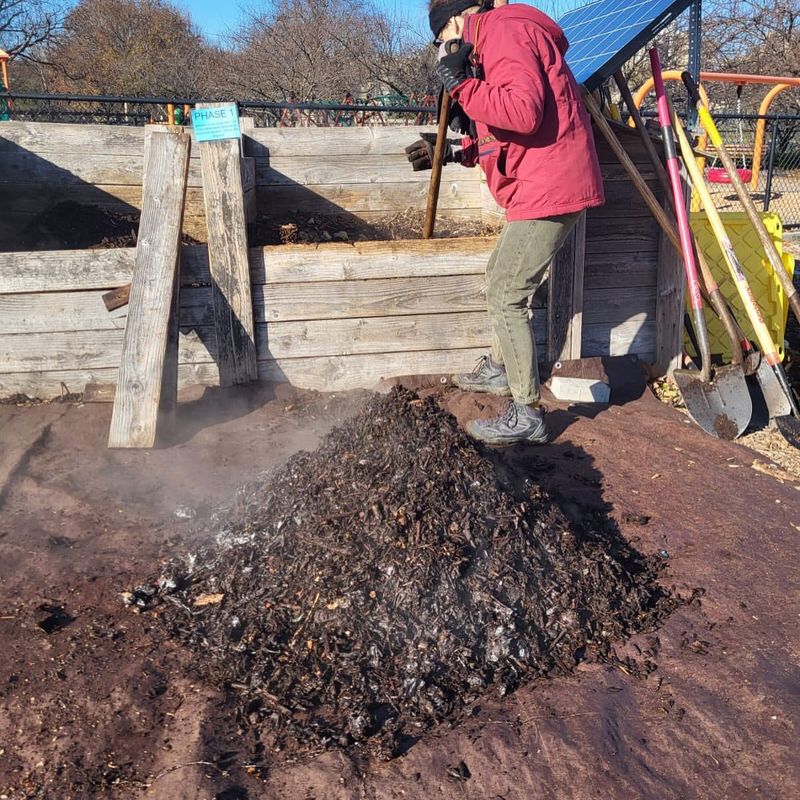
Soil life doesn’t completely shut down when temperatures drop.
Microorganisms continue working slowly throughout winter, breaking down organic matter and creating nutrients for spring.
December compost applications give these helpful organisms food during their active periods.
Even under snow, microbial communities stay busy preparing your garden for growing season.
New York gardeners who feed soil life in winter notice healthier plants and fewer pest problems come summer.
4. Prevents Nutrient Runoff During Spring Thaw
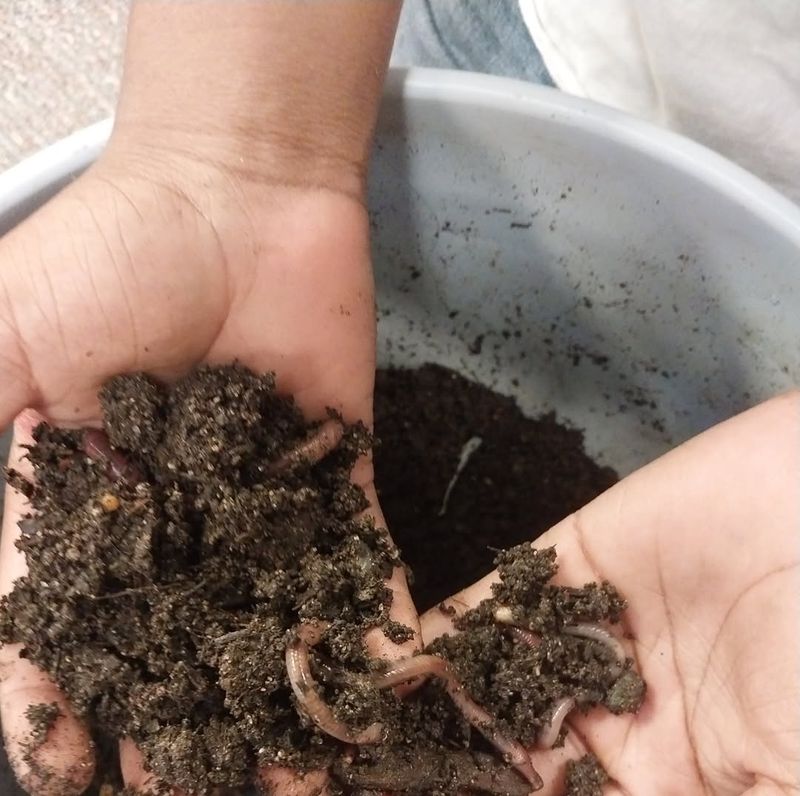
Spring snowmelt can wash away topsoil and nutrients if beds aren’t protected.
Compost acts like a sponge, absorbing melting snow and holding valuable minerals in place instead of letting them drain away.
This matters especially in New York where heavy spring rains follow winter thaw.
Your garden retains fertility that would otherwise end up in storm drains.
Plants access these saved nutrients exactly when they need them most for early growth.
5. Suppresses Weeds Before They Start Growing
Weed seeds sit dormant in soil waiting for spring warmth to germinate.
Your New York Garden Changes Every Week. Your Plan Should Too.
Gardening in New York changes quickly throughout the season. Every Friday you’ll receive a simple weekly plan showing exactly what to plant, prune, fertilize, harvest, and protect so you never miss the right timing.
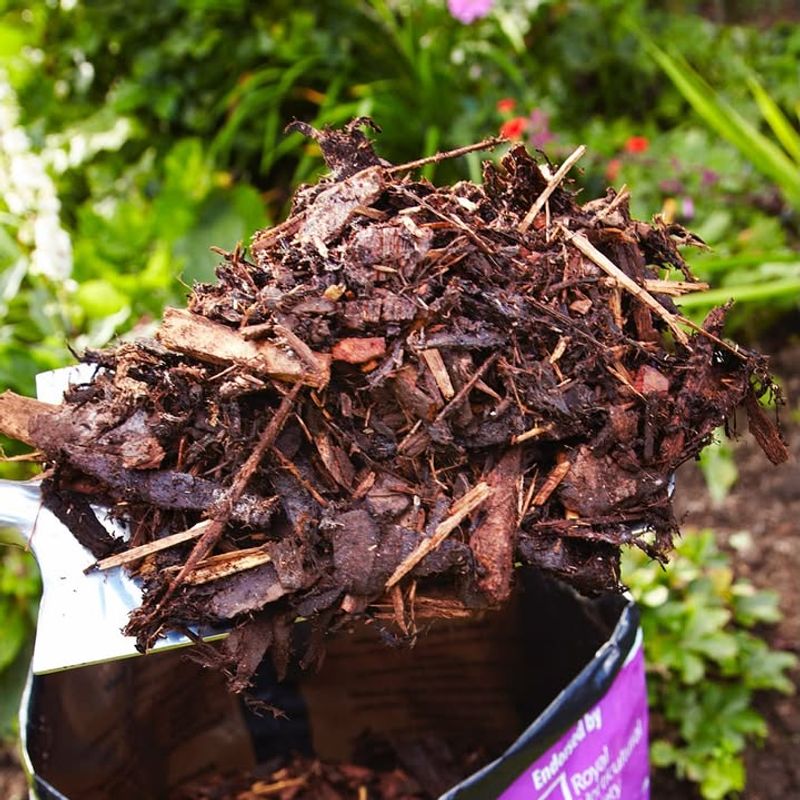
A generous December compost layer blocks light and creates conditions that discourage these unwanted plants from sprouting.
You’ll spend far less time pulling weeds next season.
The head start on weed control means more time enjoying your garden instead of fighting invasive growth.
New York gardeners appreciate any strategy that reduces spring maintenance tasks.
6. Balances PH Naturally Over Winter Months
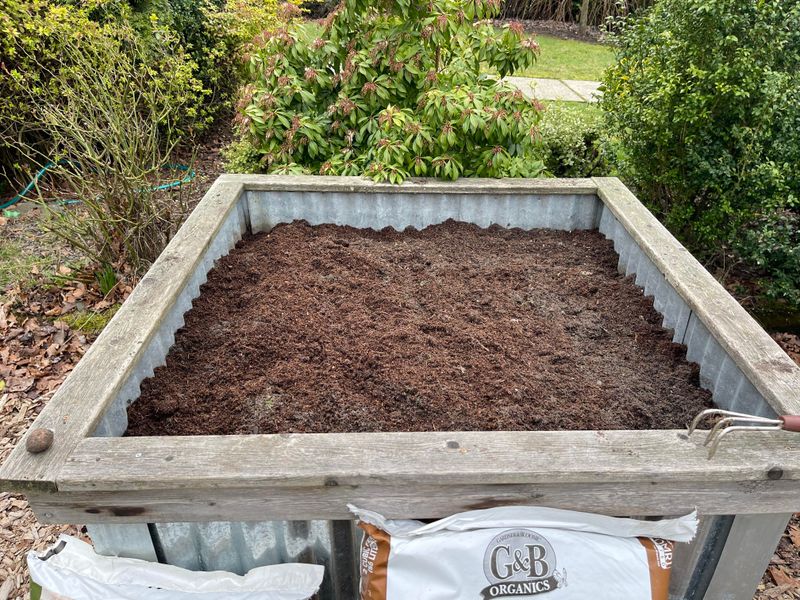
Many New York soils lean acidic, which limits what you can grow successfully.
Compost has a neutralizing effect, gradually bringing pH into ranges that suit most vegetables and flowers.
Winter application allows months for this balancing act to happen slowly and thoroughly.
By spring, your soil chemistry will support stronger root development and better nutrient uptake.
Testing in April often shows remarkable improvement from December additions.
7. Increases Water Retention For Summer Drought
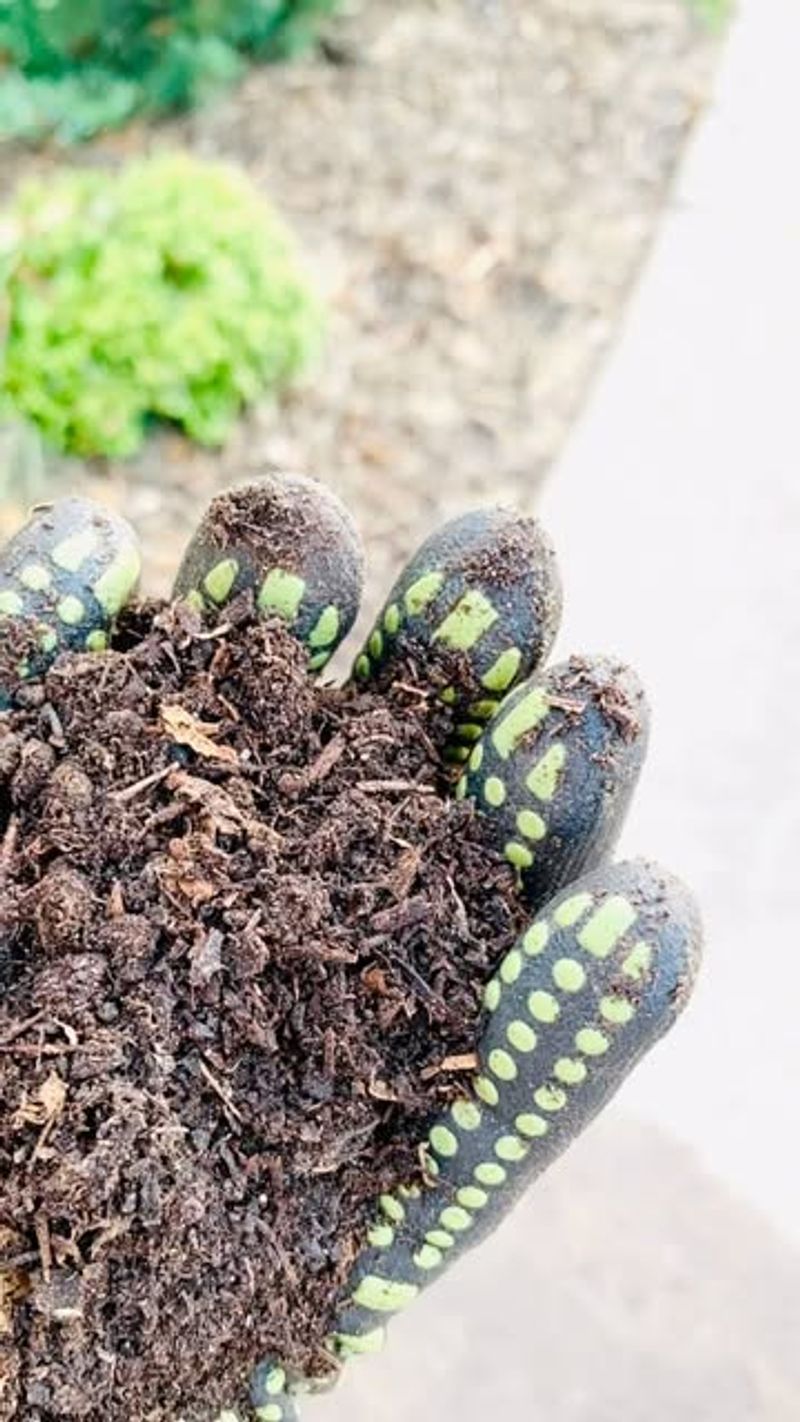
Compost-enriched soil holds moisture far better than untreated ground.
Adding it in December gives organic matter time to fully integrate, creating a reservoir that plants draw from during hot, dry periods.
New York summers can bring unexpected dry spells that stress gardens.
Soil improved months earlier stays hydrated longer, reducing your watering workload significantly.
Plants show less heat stress and produce more consistently through challenging weather.