What Makes Oregon Grape A Cold-Season Favorite For Hummingbirds
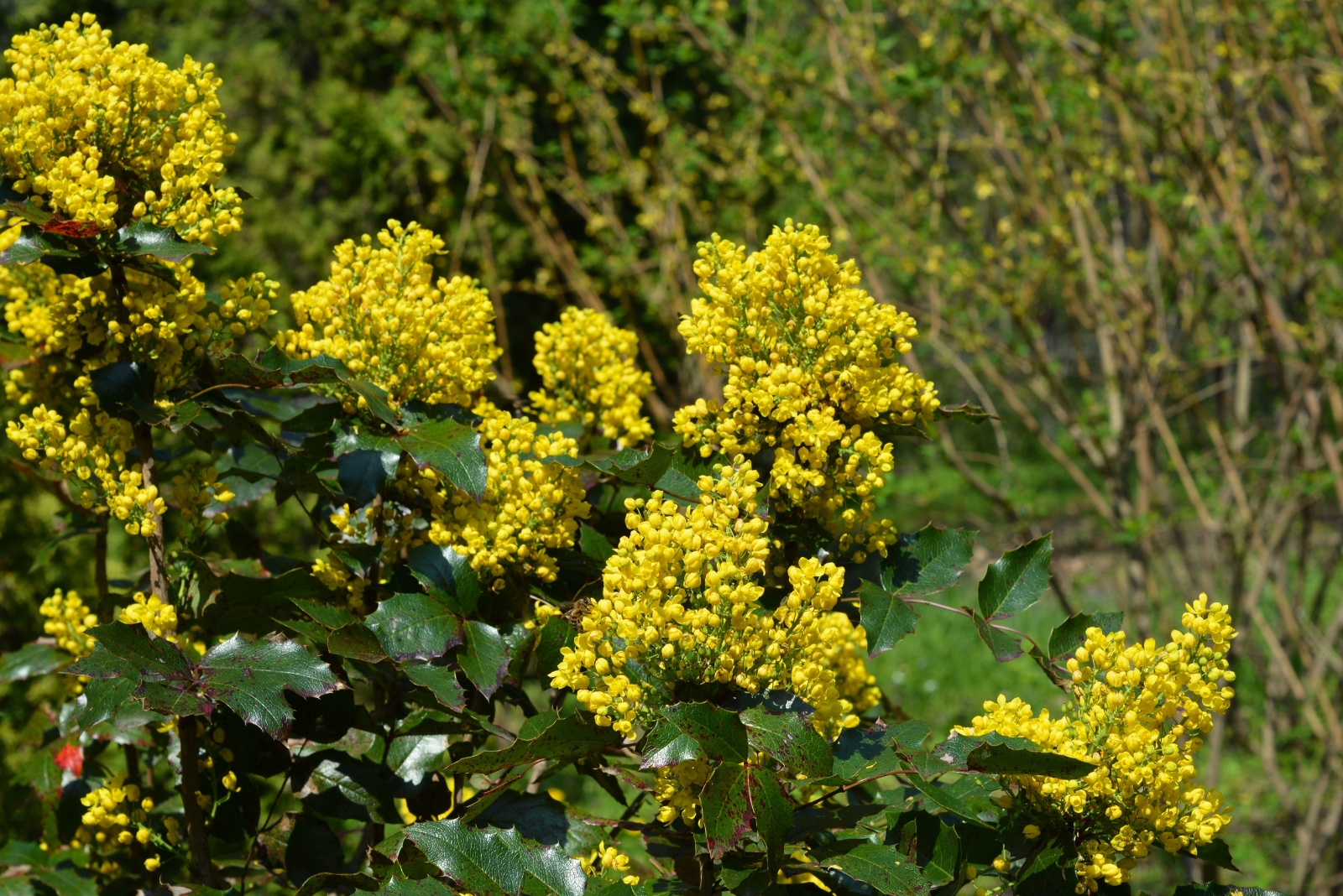
Oregon’s chilly months don’t offer much nectar, which is exactly why Oregon grape becomes such a standout for hummingbirds.
When most flowers have called it a season and the garden feels a little sleepy, Oregon grape steps up like the glowing “OPEN” sign on a quiet street.
Its cheerful yellow blooms appear just as the buffet lines are closing everywhere else, and I have watched hummingbirds zip in like loyal regulars who know this is the only café still serving.
Those bright, lightly fragrant clusters are tougher than they look, brushing off cold snaps and gray skies with surprising grit.
While frost nips at everything around them, Oregon grape keeps the nectar flowing, offering hummingbirds a dependable burst of energy right when they need it most.
That warm splash of gold against winter’s muted colors is not just beautiful, it is a lifeline. In Oregon gardens, this rugged native shrub becomes a true winter treasure and a tiny buzzing hotspot when the rest of the landscape is fast asleep.
Early Blooming Provides Critical Nectar
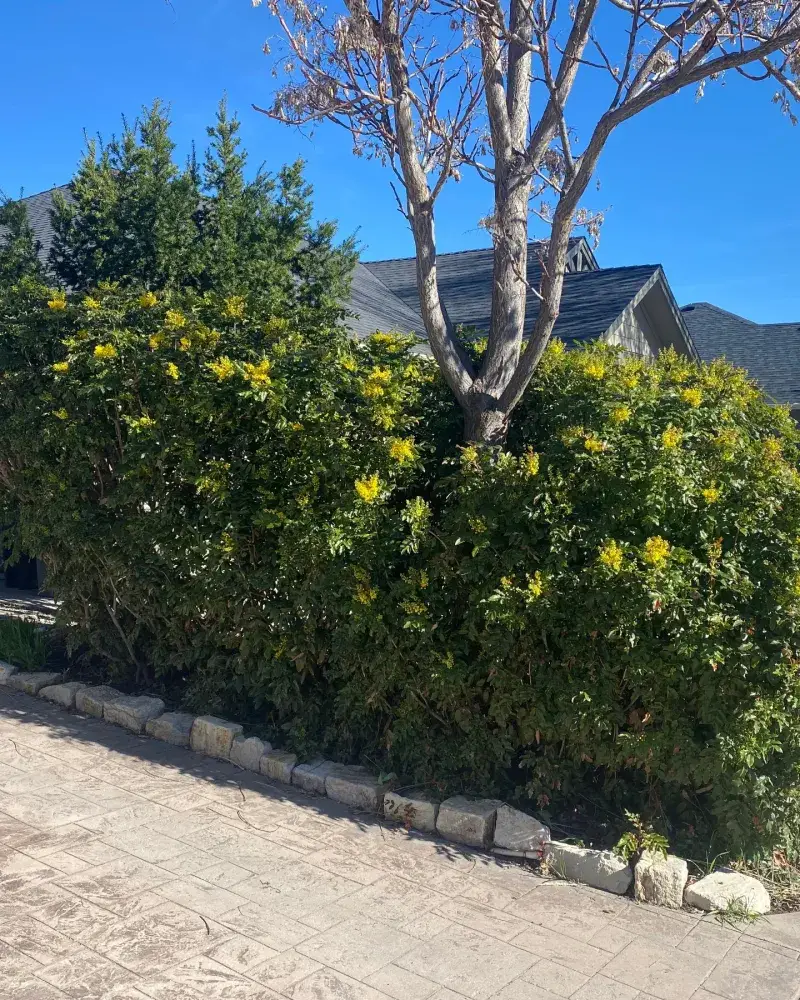
Oregon grape begins to flower as early as February in many areas, stepping onto the scene just when the landscape still feels wrapped in winter. While most plants remain quiet and bare, its bright yellow blooms bring a sudden spark of life to the garden.
Those golden blossoms arrive right on cue for hummingbirds returning from migration or stirring from winter torpor, offering one of the first dependable nectar sources of the season.
After weeks of slim pickings, that cheerful splash of color works like a glowing welcome sign, guiding hungry birds to a much needed meal.
Gardeners often notice Anna’s hummingbirds hovering around these sunny clusters long before other plants have begun to wake. The timing feels almost perfectly choreographed by nature.
Cold nights quickly drain a hummingbird’s tiny body, and by morning they must refuel fast. Oregon grape rises to the occasion with generous nectar, helping them rebuild energy and return to their lively, buzzing routines.
Without these early blooms, late winter would be far more challenging for hummingbirds. Food is scarce, the air can still bite with cold, and every drop of energy counts.
Oregon grape quietly fills that seasonal gap, transforming chilly gardens into glowing little refueling stations just when the birds need them most.
Cold-Hardy Flowers Survive Frost
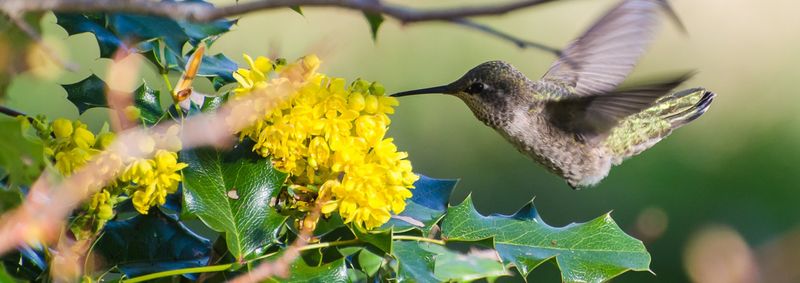
Unlike delicate blossoms that collapse at the first hard frost, Oregon grape flowers are built for the cold.
They greet frosty mornings with their sunny clusters intact, still producing nectar as if winter barely fazes them.
Gardeners across Oregon love that dependable performance. Even after a chilly night, they can look out the window and spot hummingbirds hovering happily, confident there is still food waiting.
Those waxy petals are more than just glossy and good-looking. They act like tiny shields, helping protect the nectar inside from freezing solid.
While other flowering plants may turn to mush after a cold snap, Oregon grape keeps its nectar accessible, giving birds a steady source of fuel when options are scarce.
Your Oregon Garden Changes Every Week. Your Plan Should Too.
Gardening in Oregon changes quickly throughout the season. Every Friday you’ll receive a simple weekly plan showing exactly what to plant, prune, fertilize, harvest, and protect so you never miss the right timing.
That toughness is what makes this native shrub such a superstar along the Pacific coast. Late winter weather can swing from mild sunshine to biting cold in a heartbeat.
Through it all, Oregon grape stays on duty, offering a reliable refueling stop for hummingbirds navigating unpredictable conditions.
Dense Foliage Offers Wind Protection
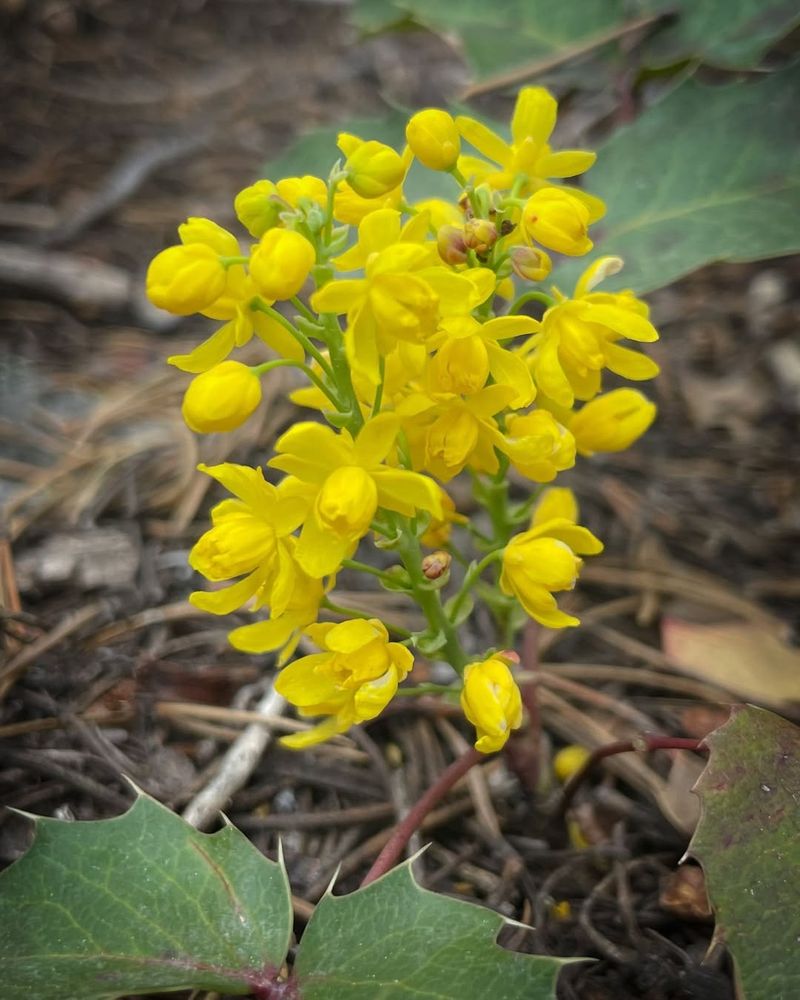
Beyond its nectar-rich blooms, Oregon grape offers hummingbirds something just as valuable in winter: shelter.
Its thick evergreen foliage forms natural windbreaks that tiny birds rely on during blustery, bone-chilling days. Along coastal regions, these sturdy shrubs become snug hideouts where hummingbirds can pause, rest, and recharge between feeding flights.
The spiky, holly-like leaves grow in dense layers that block harsh winds while still letting gentle sunlight filter through. Inside those protected pockets, the air stays a little calmer and a little warmer.
Hummingbirds often tuck themselves deep within the branches, perching quietly to conserve precious body heat and wait out rough weather.
Gardeners who plant Oregon grape near feeders create a perfect winter refuge. Birds get an easy meal and a safe place to retreat when conditions turn harsh.
In the cold season, this rugged native shrub becomes more than a plant. It turns into a living shelter that helps hummingbirds stay warm, safe, and full of energy.
Long Flowering Period Extends Food Supply
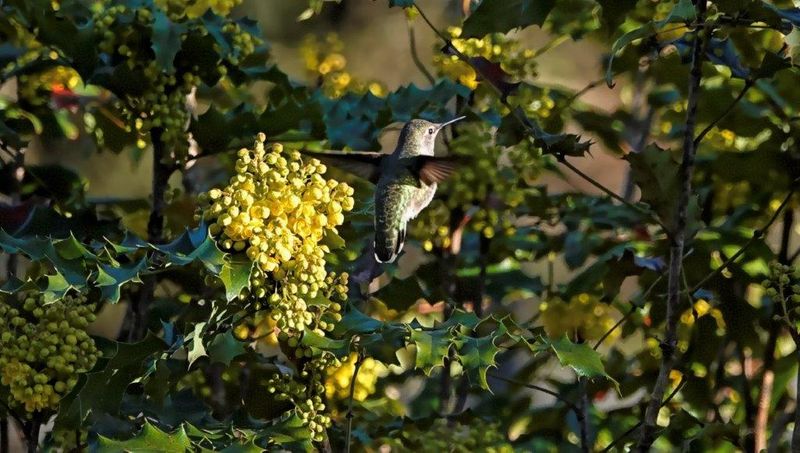
Once Oregon grape begins to bloom, it truly settles in for the long run. Instead of fading after a brief show, the plant keeps those golden flowers coming from late winter well into mid spring.
For hummingbirds, that means weeks of dependable nectar at a time when reliable food can still be hard to find. Just when one cluster begins to fade, another is already opening, keeping the garden lively and well stocked.
Wildlife watchers have observed Oregon grape feeding hummingbirds for up to two full months.
The steady wave of fresh blossoms creates what feels like an endless buffet, with birds returning again and again to sip, hover, and refuel. It is a cheerful sight on cool mornings when little wings buzz among bright yellow blooms.
This long flowering season plays an important role in a hummingbird’s survival. Late winter can be lean, and spring does not always arrive with instant abundance.
Oregon grape helps bridge that seasonal gap, carrying hummingbirds safely from the toughest weeks of scarcity to the colorful explosion of summer wildflowers.
Blue Berries Attract Insect Prey
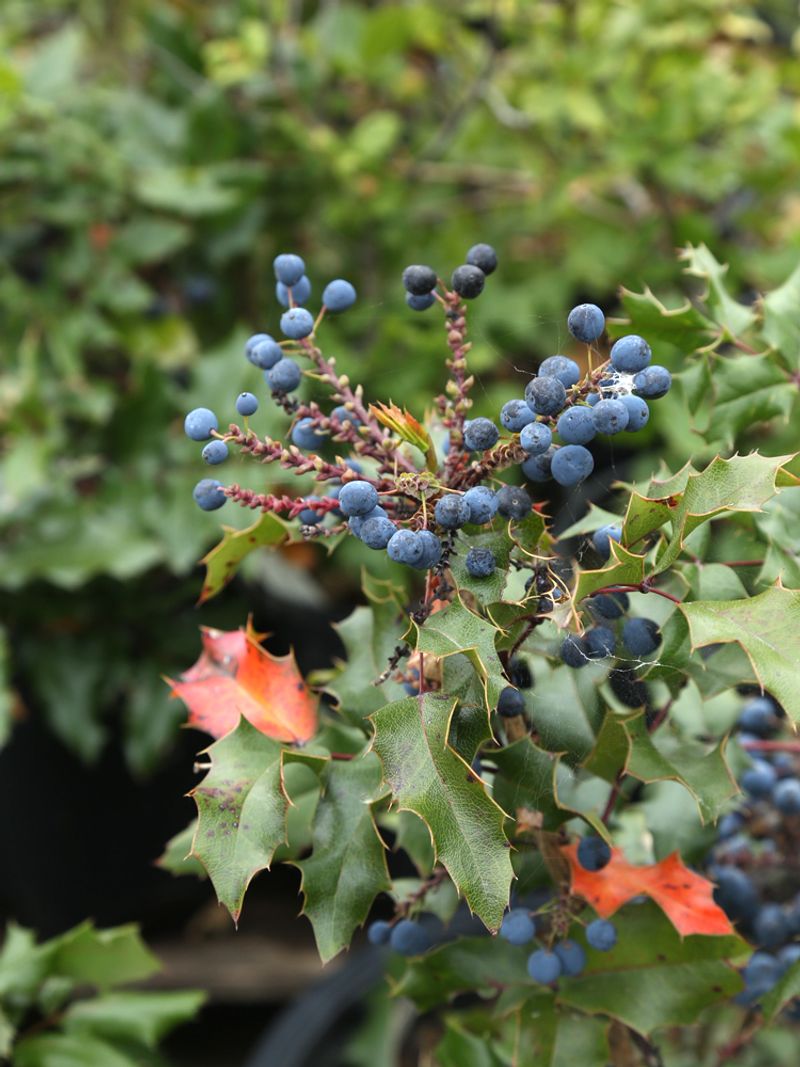
After the golden flowers fade, Oregon grape still has more to offer. Clusters of dusky blue purple berries begin to form, and soon they are buzzing with tiny life. The fruit attracts gnats, fruit flies, and other small insects drawn to the sugary surface.
For hummingbirds, this is a welcome bonus. They may be famous for sipping nectar, but they also rely on protein from tiny insects to stay strong, grow feathers, and keep their incredible metabolism running smoothly.
In Idaho gardens, patient observers often spot hummingbirds hovering around these berry clusters, darting in quick, precise movements to snatch insects midair.
It is a different kind of feeding than their gentle flower visits, more like quick aerial hunting. The berries act like little gathering points for bugs, turning the shrub into a lively hunting ground.
This added food source keeps Oregon grape useful long after the blossoms are gone. Nectar fuels their energy, insects build their strength, and together they create a balanced menu.
With flowers in late winter and insect rich berries later on, Oregon grape quietly supports hummingbirds through multiple seasons, making it far more than just a pretty shrub in the garden.
Low-Maintenance Growth Suits Any Garden
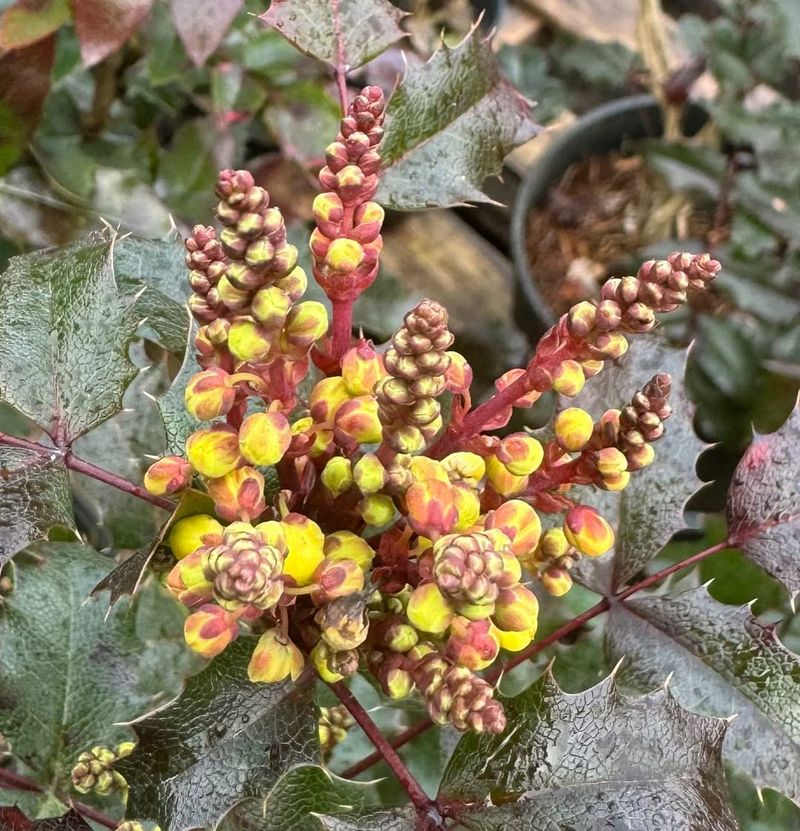
Oregon grape is refreshingly low maintenance, which makes it a fantastic choice for anyone who wants to support hummingbirds without turning gardening into a full time job.
Once established, this hardy native handles poor soil, partial shade, and even dry spells with impressive resilience. Homeowners specially appreciate how it shrugs off tough conditions and keeps thriving when fussier plants would give up.
Over time, Oregon grape gently spreads through underground runners, forming natural colonies that expand your feeding station year after year.
What starts as a single shrub can gradually become a lush patch of glossy green leaves and bright blooms. That slow, steady growth means more flowers, more shelter, and more opportunities for hummingbirds to stop by.
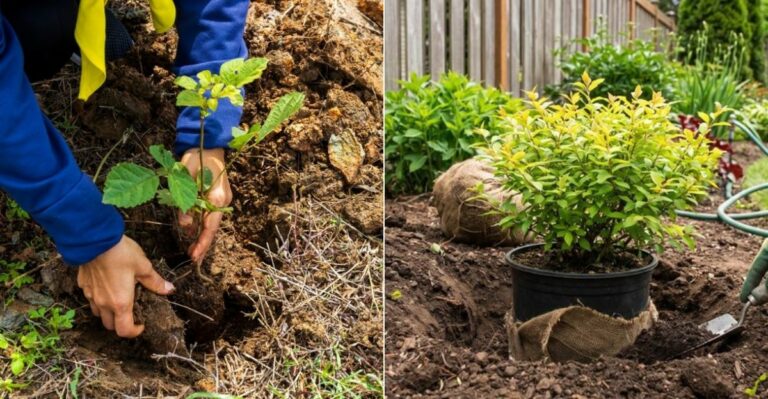
The best part is how simple it is. Plant it, give it regular water during the first year while roots establish, and then let nature take over.
No special fertilizers, no complicated pruning schedules, no constant attention. Before long, hummingbirds will discover your cold season restaurant all on their own and return again and again to this dependable garden favorite.
Native Range Supports Local Ecosystems
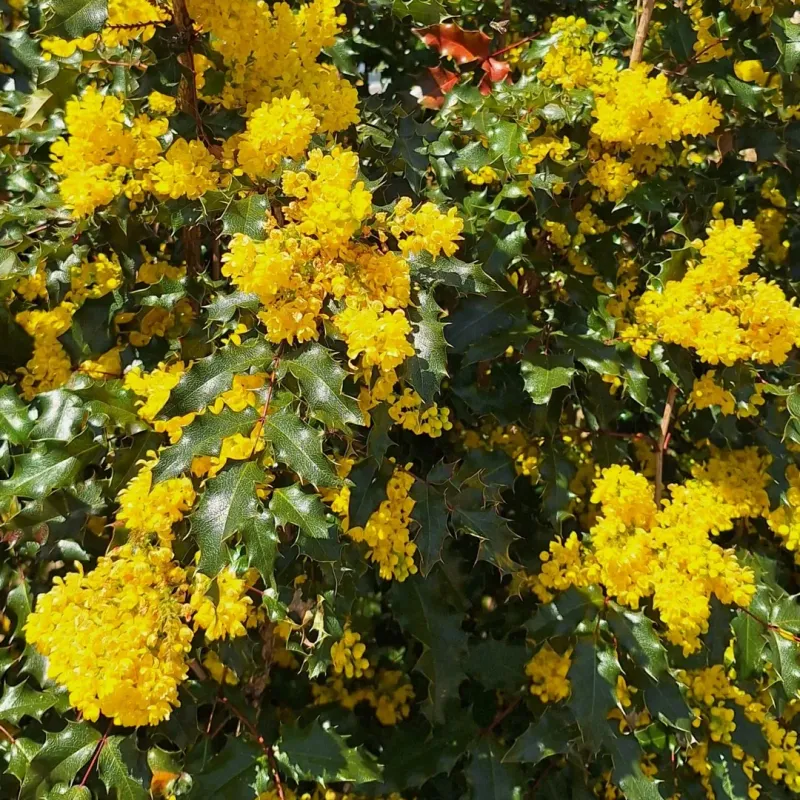
Oregon grape shares a long, intertwined history with local hummingbird species. For thousands of years, plant and pollinator have kept pace with one another, their seasonal rhythms lining up with remarkable precision.
This partnership feels almost perfectly timed, with Oregon grape blooming just when hummingbirds most need dependable nectar after winter’s strain.
Native plants like Oregon grape do far more than simply look beautiful. They are naturally adapted to local soils, rainfall, and climate, which means they usually need less water and less intervention than imported ornamentals.
Even better, they support a wider web of life. When gardeners plant Oregon grape, they are not just feeding hummingbirds. They are welcoming beneficial insects, songbirds, and other native wildlife that rely on these long established ecological connections.
By choosing plants that belong to the landscape, gardeners help preserve relationships that have carried wildlife through countless winters long before backyard gardens existed. Oregon grape becomes more than a shrub.
It becomes part of a living system, quietly supporting hummingbirds and many other creatures while keeping the natural balance of the ecosystem strong and thriving.