The One Herb That Flourishes In Arizona Homes This December
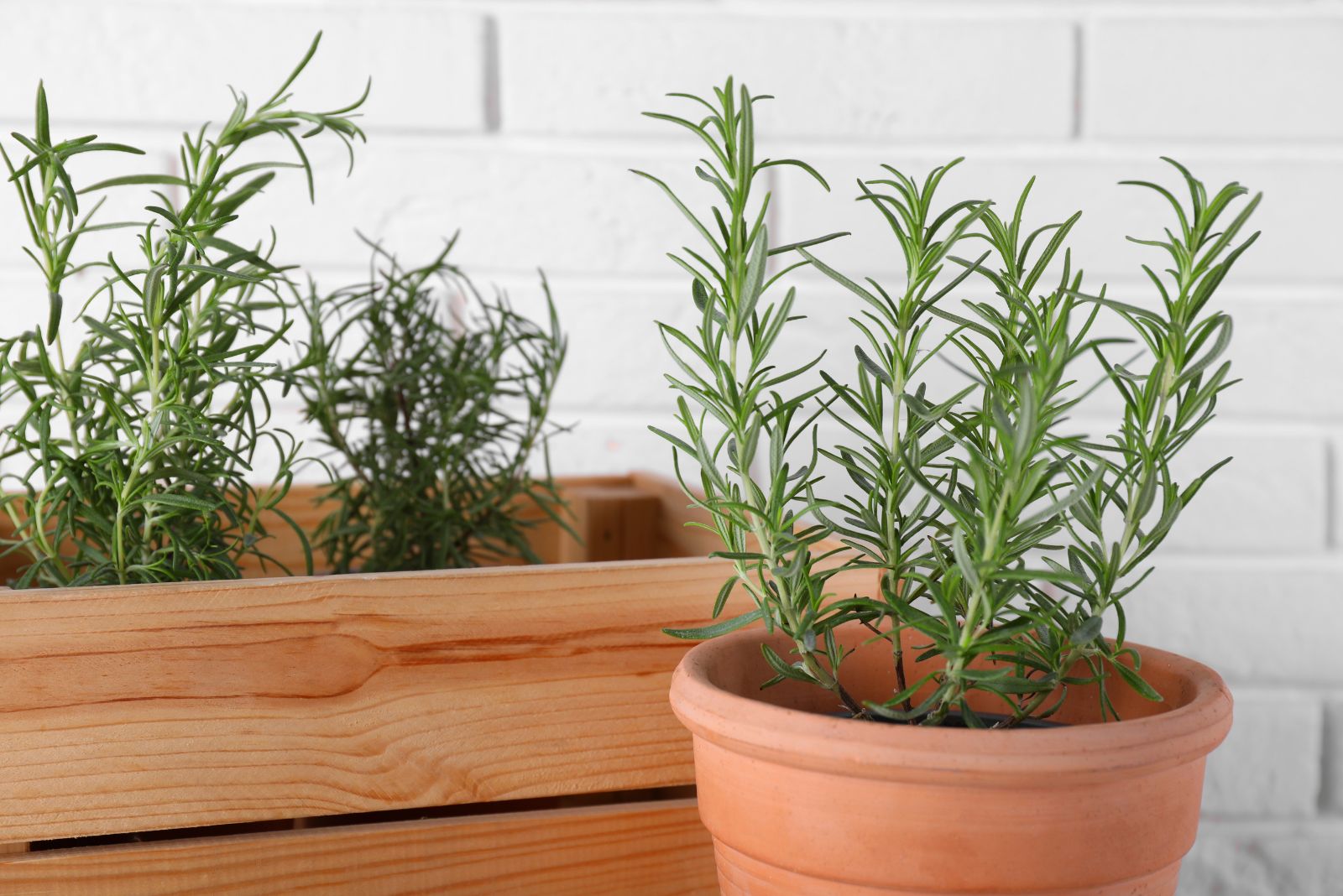
Rosemary takes center stage in Arizona homes this December, thriving where many other herbs struggle.
Its fragrant needles bring life and aroma to kitchens and windowsills, adding a touch of green when winter feels dry and dull.
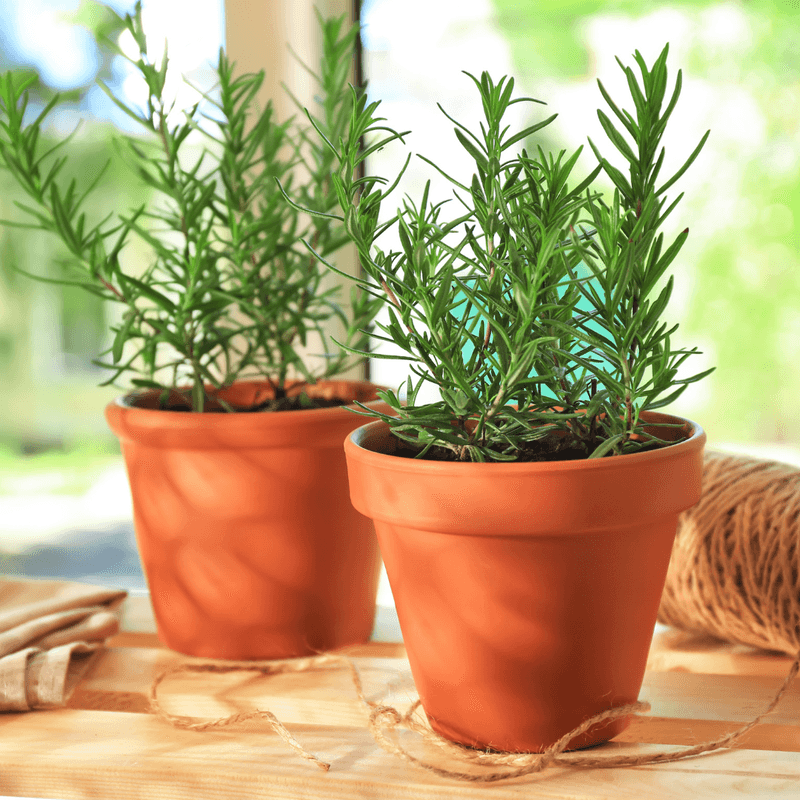
Hardy and low-maintenance, rosemary grows happily in pots, soaking up the bright sunlight that Arizona provides even in the cooler months.
Its resilience makes it a favorite for indoor gardeners seeking fresh herbs without fuss.
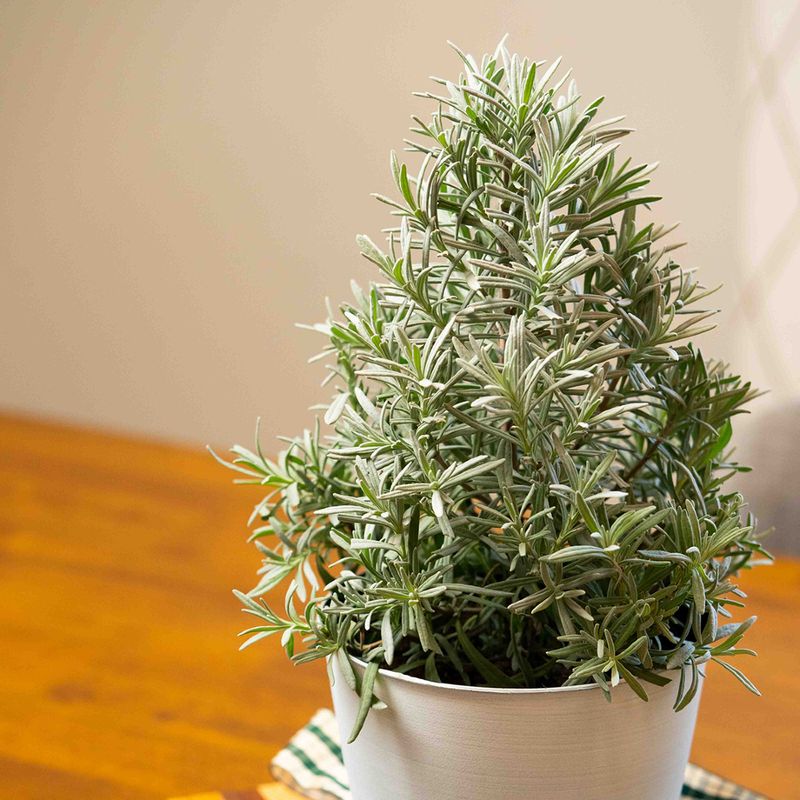
With a little light, well-draining soil, and occasional watering, rosemary rewards homeowners with vibrant growth and fragrant leaves that brighten both dishes and living spaces all winter long.
Arizona’s Mild Winter Temperatures Create Perfect Growing Conditions For Rosemary
Arizona winters are nothing like the freezing temperatures found in other parts of the country.
While many states deal with snow and ice, Arizona enjoys comfortable daytime temperatures between 60 and 70 degrees Fahrenheit in December.
Rosemary absolutely loves this mild weather because it originated in Mediterranean regions with similar climates.
Cold snaps that destroy tender plants elsewhere barely affect Arizona gardens.
Rosemary can handle occasional dips into the 30s without any damage, making it incredibly resilient during Arizona’s winter nights.
This hardy nature means you won’t need to bring your plants indoors or worry about frost protection like gardeners in colder states.
The comfortable temperatures also mean rosemary continues actively growing throughout December instead of going dormant.
You’ll notice fresh green growth appearing on your plants, giving you plenty of fragrant leaves to harvest for holiday meals.
This steady growth pattern makes rosemary one of the most productive herbs you can grow during Arizona’s winter season.
Unlike summer’s scorching heat that can stress many plants, December’s gentle warmth keeps rosemary happy and healthy without requiring constant attention or special care techniques.
Low Humidity Levels Prevent Common Plant Diseases
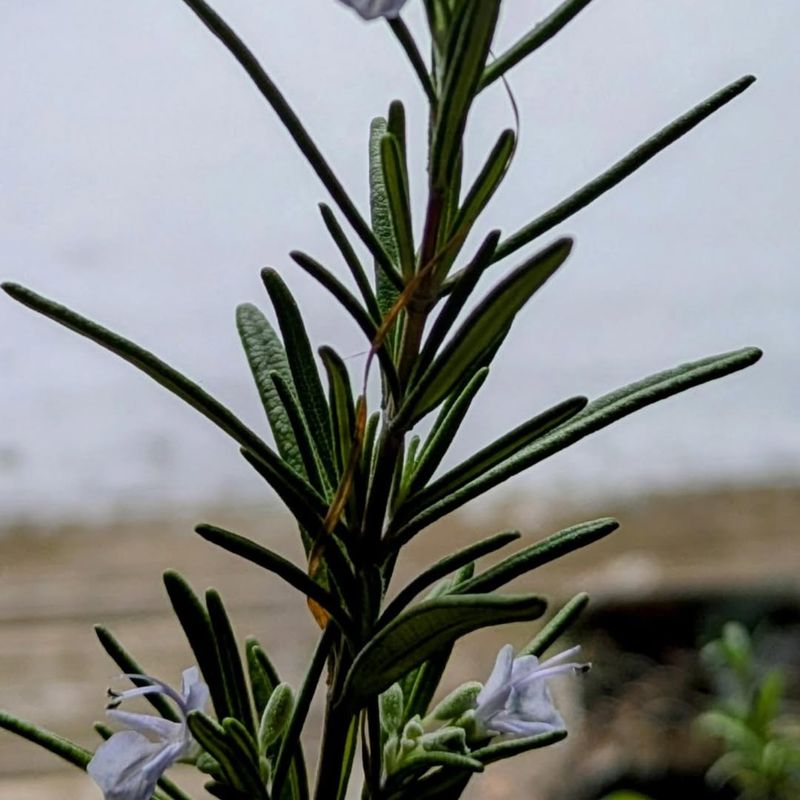
Did you know that Arizona’s desert air is actually a secret weapon for growing healthier herbs?
The state’s naturally low humidity levels during December create an environment where fungal diseases and mold simply can’t take hold.
Rosemary particularly benefits from these dry conditions since it evolved in similarly arid Mediterranean coastlines.
Many herb gardeners in humid climates struggle with powdery mildew, root rot, and other moisture-related problems that can quickly destroy their plants.
Arizona growers rarely face these frustrating issues because the dry air keeps rosemary foliage from staying wet too long.
When leaves dry quickly after watering, disease-causing organisms don’t get the damp environment they need to spread.
This natural disease resistance means you’ll spend less time worrying about plant health problems and more time enjoying your thriving rosemary.
You won’t need to apply fungicides or other chemical treatments that gardeners in wetter regions depend on regularly.
The crisp, dry December air also intensifies rosemary’s essential oils, making your homegrown herbs even more aromatic and flavorful than store-bought varieties.
Your holiday roasts and baked goods will taste noticeably better with these potent, disease-free leaves.
Abundant December Sunshine Fuels Robust Growth
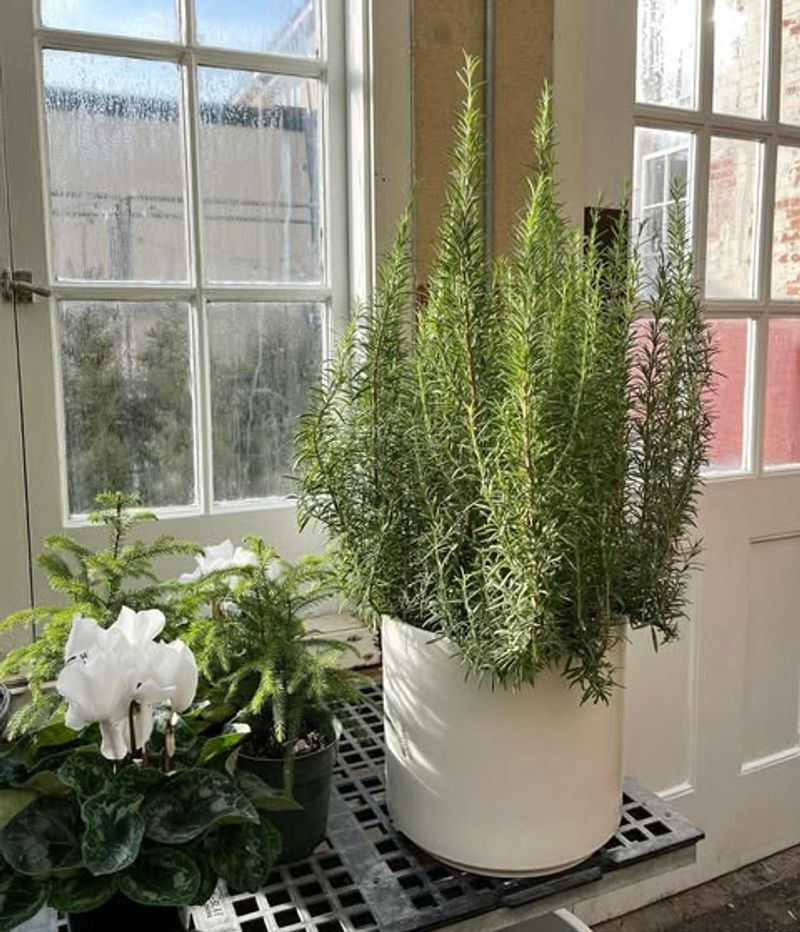
Sunshine is like food for plants, and Arizona serves up generous portions even in the middle of winter.
Your Arizona Garden Changes Every Week. Your Plan Should Too.
Gardening in Arizona changes quickly throughout the season. Every Friday you’ll receive a simple weekly plan showing exactly what to plant, prune, fertilize, harvest, and protect so you never miss the right timing.
December days in Arizona still deliver 6 to 8 hours of bright sunlight, which is exactly what rosemary needs to produce lush, flavorful foliage.
This sun-loving herb thrives when it receives full sun exposure throughout the day.
Compare this to northern states where December brings short, gloomy days with weak sunlight filtering through clouds.
Plants there struggle to photosynthesize efficiently, leading to weak, spindly growth.
Arizona’s reliable sunshine keeps rosemary photosynthesizing at healthy rates, producing the energy it needs for strong stems and abundant leaves.
The angle of winter sun in Arizona is also perfect for rosemary cultivation.
It’s strong enough to promote growth but not so intense that it scorches delicate leaves like the brutal summer sun can.
This balanced light exposure creates ideal conditions without requiring shade cloth or protective measures.
Your rosemary will develop a compact, bushy shape rather than stretching toward insufficient light.
The plentiful sunshine also boosts the production of aromatic compounds that give rosemary its distinctive pine-like fragrance and savory flavor profile.
Reduced Water Needs Match Arizona’s Conservation Goals
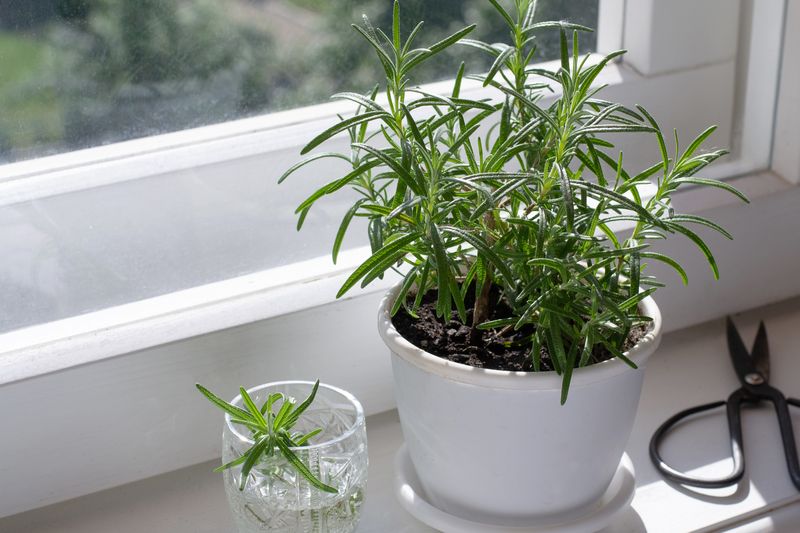
Water conservation matters deeply in Arizona, and rosemary fits perfectly into this environmental priority.
Once established, rosemary requires remarkably little water compared to most garden plants, especially during the cooler December weather when evaporation rates drop significantly.
This drought-tolerant herb actually prefers slightly dry conditions between waterings.
Overwatering destroys more rosemary plants than underwatering ever could.
The herb’s Mediterranean roots mean it evolved to survive long periods with minimal rainfall, making it naturally adapted to Arizona’s water-conscious lifestyle.
During December, you might only need to water your rosemary once every week or two, depending on your specific location and soil type.
This low-maintenance watering schedule saves you money on water bills while helping Arizona preserve its precious water resources.
You can feel good knowing your herb garden isn’t contributing to water waste or environmental strain.
Plus, the reduced watering requirement means less work for you during the busy holiday season.
Sandy Arizona soil drains quickly, which rosemary loves since it prevents the root rot that happens in waterlogged conditions.
This natural compatibility between plant needs and local soil characteristics makes rosemary almost foolproof for Arizona gardeners.
Protection From Summer Heat Stress Allows Recovery Time
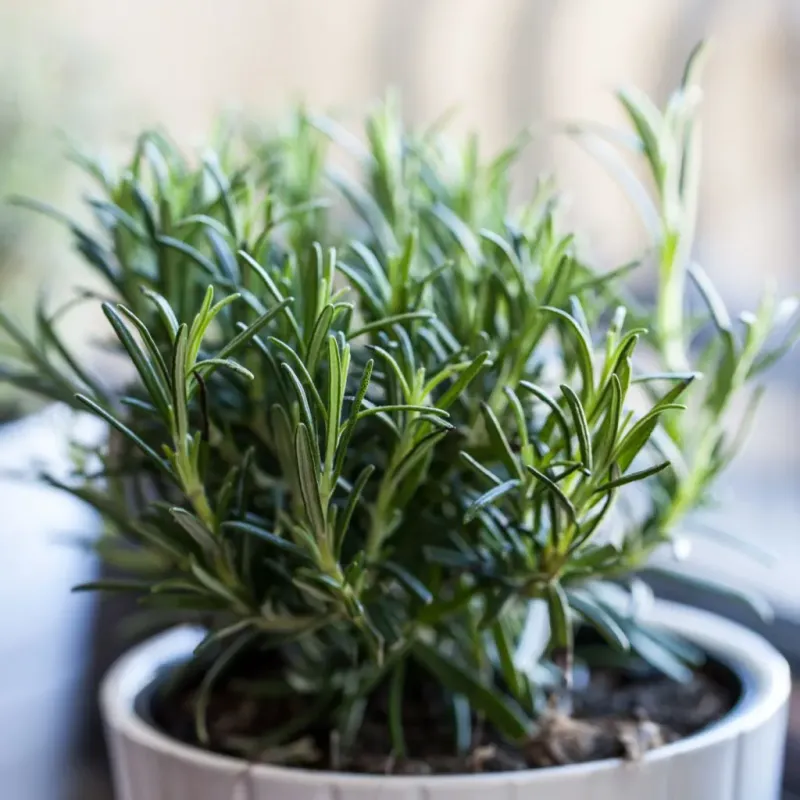
Arizona summers can be brutal on plants, with temperatures soaring above 110 degrees and intense UV radiation beating down relentlessly.
Even tough rosemary plants experience stress during these extreme conditions, sometimes developing brown tips or slowed growth.
December brings welcome relief from this environmental punishment, giving rosemary a chance to recover and regenerate.
Think of December as a healing period for your herbs.
The cooler temperatures and gentler sun allow rosemary to redirect energy from survival mode into producing fresh, healthy growth.
You’ll notice damaged branches being replaced by vibrant new shoots, and the overall plant appearance improving dramatically as it recovers from summer stress.
This recovery period is especially important for rosemary planted earlier in the year.
Young plants that struggled through their first Arizona summer will finally establish strong root systems and develop into the robust, woody shrubs rosemary is known for becoming.
December’s comfortable conditions give them the breathing room they desperately need.
The plant’s natural growth cycle aligns beautifully with Arizona’s seasonal patterns.
By taking advantage of winter’s mild weather, your rosemary builds strength and resilience that will help it survive the next summer more successfully.
Pest Pressure Drops Dramatically During Cool Weather
Bugs that plague summer gardens practically disappear when December arrives in Arizona.
Aphids, spider mites, whiteflies, and other common herb pests become inactive during cooler temperatures.
Rosemary benefits enormously from this natural pest control, growing without the constant threat of insect damage that warm-season herbs face.
The reduction in pest pressure means you won’t need to spray insecticides or spend time inspecting your plants for bug infestations.
Your rosemary can focus all its energy on growth rather than defending itself against hungry insects.
This creates healthier plants with more flavorful leaves that aren’t tainted by chemical residues.
Interestingly, rosemary’s strong aromatic oils naturally repel many pests even when insects are active.
During December, this built-in protection becomes almost unnecessary since so few bugs are around to bother your plants.
Some gardeners even use rosemary as a companion plant to protect more vulnerable herbs from the occasional winter pest.
The combination of naturally low pest populations and rosemary’s inherent insect-repelling properties creates a nearly pest-free growing experience.
You’ll harvest clean, beautiful sprigs without finding any unwanted creepy-crawlies hiding among the needle-like leaves.
Holiday Cooking Demand Perfectly Times With Peak Harvest
December brings holiday feasts, family gatherings, and special meals that call for fresh herbs to elevate your cooking.
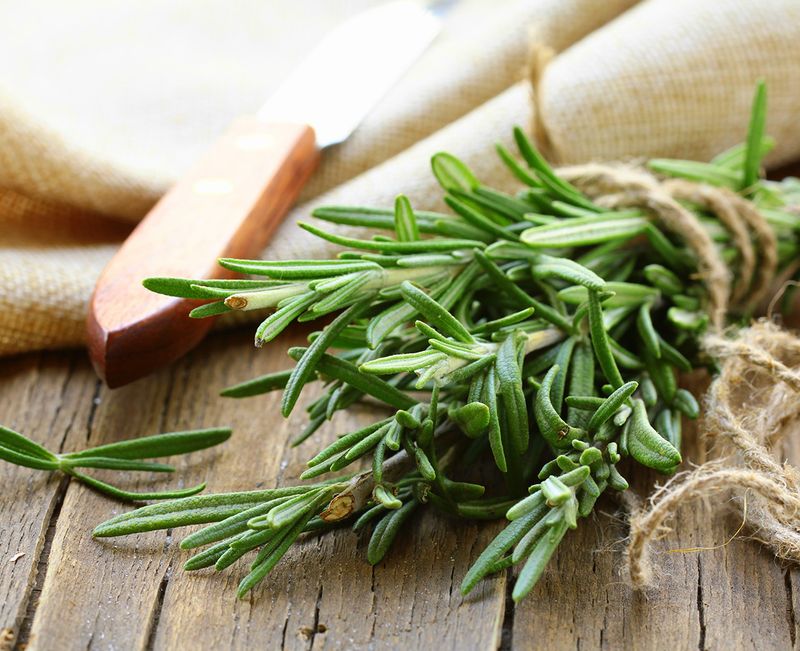
Rosemary happens to be actively growing and producing abundant foliage right when you need it most for roasted meats, potatoes, breads, and festive dishes.
This perfect timing makes growing rosemary in Arizona incredibly practical and rewarding.
Store-bought rosemary often sits in plastic containers for days, losing flavor and freshness before reaching your kitchen.
Homegrown rosemary can be harvested minutes before cooking, delivering maximum aroma and taste to your holiday recipes.
The difference in flavor intensity is remarkable and will genuinely impress your dinner guests.
Regular harvesting during December actually benefits your rosemary plants by encouraging bushier, more compact growth.
Each time you snip sprigs for cooking, the plant responds by producing multiple new branches from below the cut.
This means more harvestable rosemary for future meals and a healthier, better-shaped plant overall.
The financial savings add up quickly too.
Fresh rosemary at grocery stores costs several dollars for a small package, but your thriving Arizona plant provides unlimited free herbs throughout the season.
Growing your own rosemary pays for itself after just a few harvests.