How Michigan Gardeners Refresh Yards With Native Plants Only
A tired yard often calls for a fresh start, and many gardeners answer that call with a bold shift in approach.
The change feels almost instant: colors deepen, shapes hold stronger lines, and the whole space settles into a natural rhythm.
Local wildlife responds as if invited to a long-awaited reunion, and maintenance drops to a level that surprises even seasoned growers.
This method turns ordinary yards into vibrant ecosystems that stand firm through every season and reward anyone who trusts the process.
Purple Coneflower Attracts Butterflies And Bees
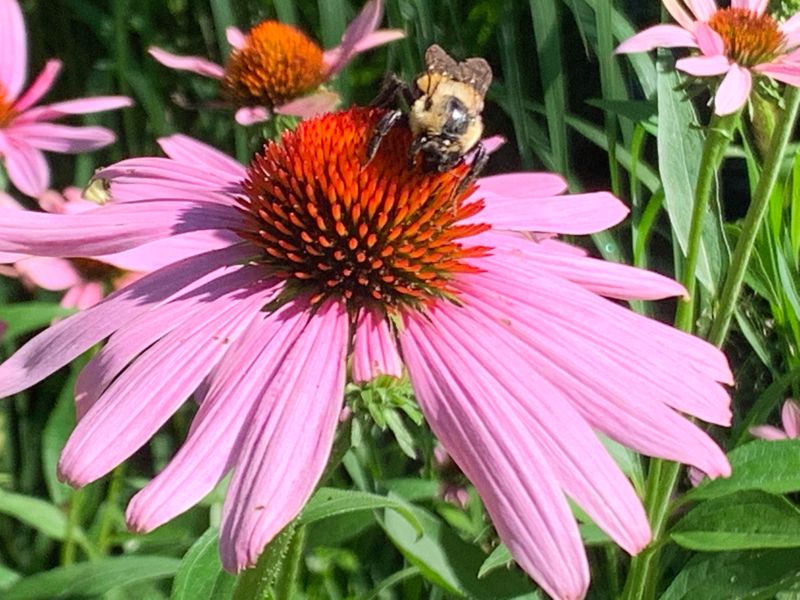
Walking through a Michigan garden in summer, you’ll often spot the bold purple petals of coneflowers swaying in the breeze.
These tough native plants are absolute champions when it comes to attracting pollinators like butterflies, bees, and even hummingbirds.
Their spiky center cones produce seeds that goldfinches love to munch on during fall and winter.
Coneflowers don’t ask for much attention once they’re established in your yard.
They handle Michigan’s hot summers and cold winters without complaining, and they actually prefer soil that isn’t too rich or fertilized.
Plant them in sunny spots where they’ll get at least six hours of direct sunlight daily.
The blooms last from June through September, giving your garden months of color.
Deadheading spent flowers encourages more blooms, but leaving some seed heads provides food for birds.
These perennials multiply over time, spreading slowly to fill in bare spots naturally without becoming invasive like some non-native species do.
Black-Eyed Susans Brighten Gardens With Golden Blooms
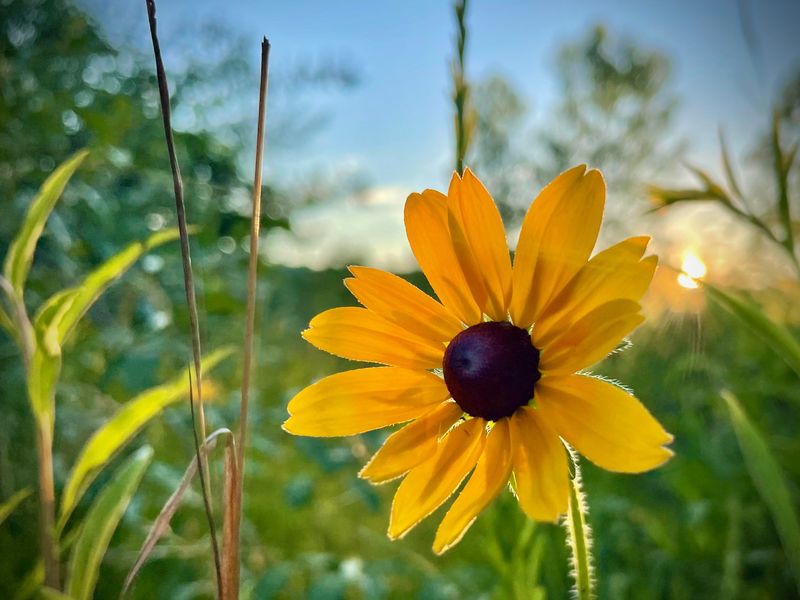
Nothing says cheerful quite like a patch of black-eyed Susans lighting up a garden bed.
Michigan gardeners adore these golden beauties because they bloom reliably from midsummer through early fall, bringing sunshine to yards even on cloudy days.
The dark chocolate-brown centers create a striking contrast against the bright yellow petals that practically glow.
Black-eyed Susans are incredibly forgiving plants that tolerate various soil types, from clay to sandy ground.
They’re drought-resistant once their roots establish, making them perfect for those areas of your yard that don’t get regular watering.
Deer generally leave them alone, which is a huge bonus for Michigan homeowners dealing with hungry wildlife.
These natives self-seed readily, popping up in new spots year after year without being aggressive.
You can collect seeds in fall to plant elsewhere or share with neighbors.
They also make excellent cut flowers for indoor arrangements, lasting up to a week in vases.
Wild Bergamot Offers Fragrance And Pollinator Support
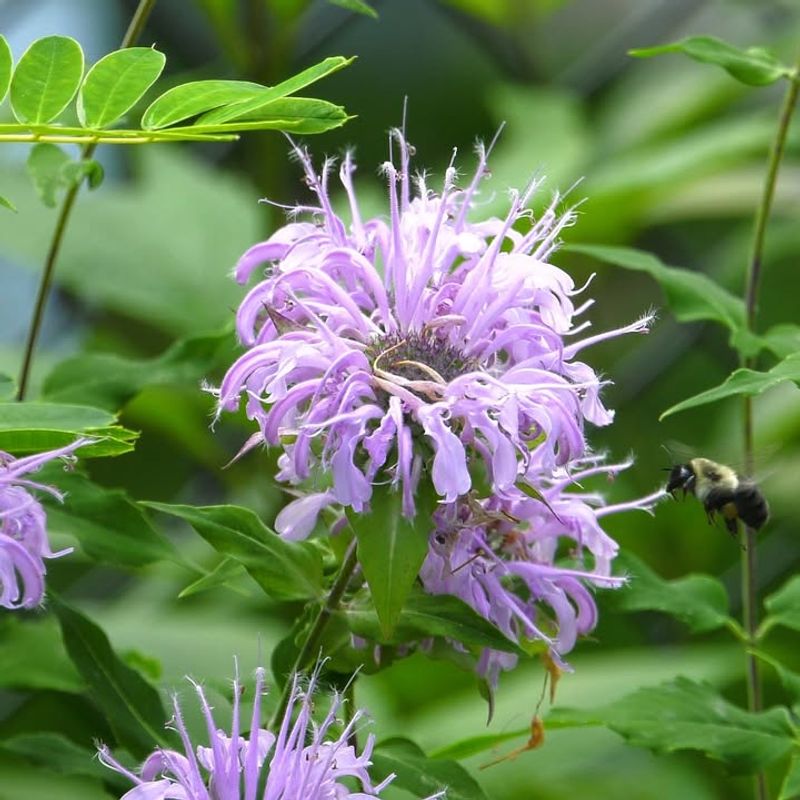
Crush a leaf of wild bergamot between your fingers and you’ll understand why this plant has been treasured for generations.
The minty, oregano-like scent is unmistakable and delightful, adding a sensory dimension to gardens beyond just visual appeal.
Native Americans and early settlers used this plant for tea and medicine, appreciating its aromatic qualities.
Hummingbirds can’t resist the tubular lavender-pink flowers that bloom from July through August.
Bees and butterflies crowd around the blooms too, making wild bergamot one of the best native plants for supporting pollinator populations.
Your Michigan Garden Changes Every Week. Your Plan Should Too.
Gardening in Michigan changes quickly throughout the season. Every Friday you’ll receive a simple weekly plan showing exactly what to plant, prune, fertilize, harvest, and protect so you never miss the right timing.
The flowers grow in shaggy, pompom-like clusters atop sturdy stems that reach three to four feet tall.
Wild bergamot thrives in full sun to partial shade and handles Michigan’s clay soils surprisingly well.
It spreads through underground rhizomes but isn’t terribly aggressive, creating nice colonies over time.
The dried seed heads add winter interest to gardens and provide food for small birds throughout cold months.
Little Bluestem Grass Adds Year-Round Texture
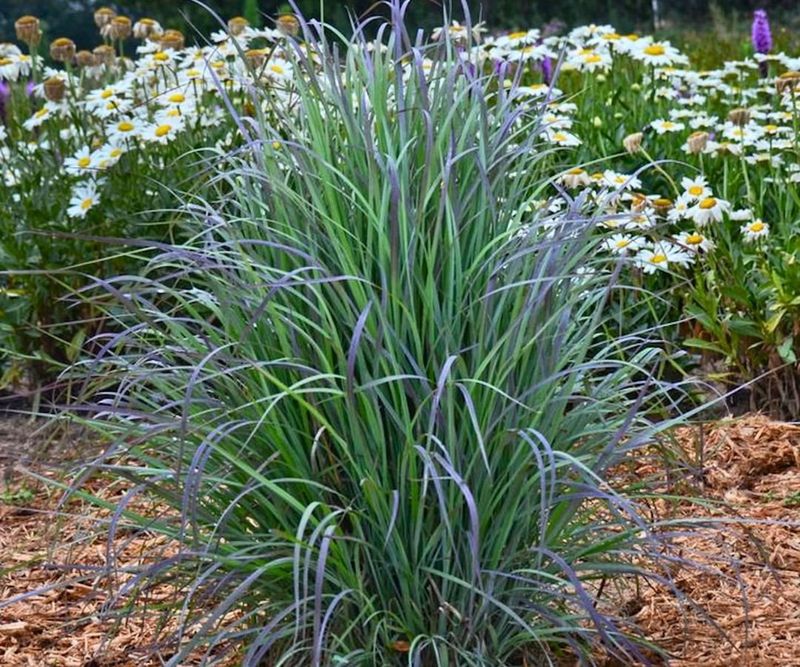
Ornamental grasses have become garden superstars, but why plant exotic varieties when Michigan’s native little bluestem outperforms them?
This gorgeous prairie grass starts the season with blue-green foliage that shifts to brilliant copper, orange, and burgundy shades as autumn arrives.
The transformation is absolutely stunning and lasts well into winter.
Little bluestem grows in neat clumps about two to three feet tall, making it perfect for borders, mass plantings, or accent spots throughout your yard.
The delicate, fluffy seed heads catch morning light beautifully and sway gracefully with every breeze.
Unlike some grasses that flop over, this native stands upright through snow and ice.
Extremely drought-tolerant once established, little bluestem actually prefers lean, dry soils where other plants struggle.
It never needs fertilizer and rarely has pest problems.
Cut the dried foliage back in early spring before new growth emerges.
Birds appreciate the seeds during winter, adding wildlife value to its ornamental appeal.
New England Aster Provides Late-Season Color
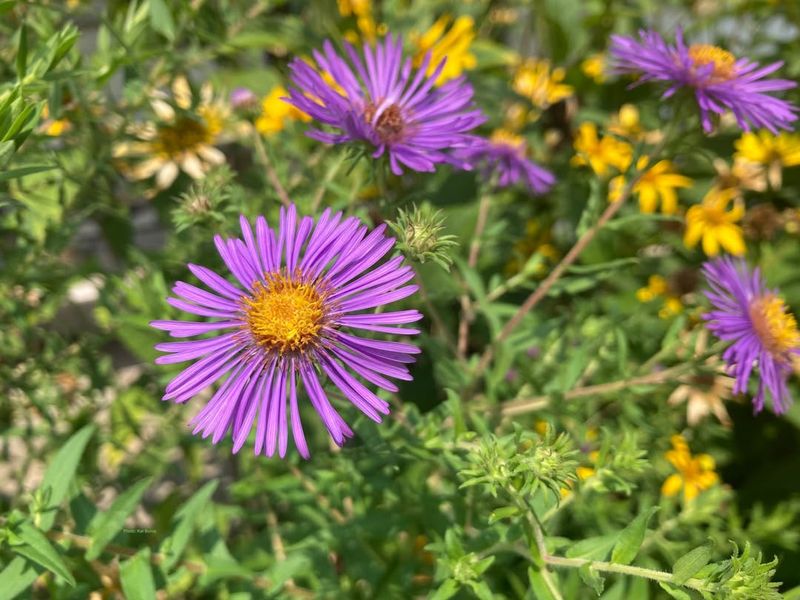
When most garden flowers are calling it quits for the season, New England asters are just getting started.
These late-blooming natives explode with purple-blue daisy-like flowers in September and October, providing crucial nectar sources for migrating monarch butterflies preparing for their long journey south.
It’s quite a sight watching dozens of butterflies cluster on these blooms.
New England asters grow tall—sometimes reaching five feet—creating impressive vertical elements in garden beds.
The plants become covered with so many flowers that you can barely see the foliage underneath.
They prefer full sun and moist soil but adapt to various conditions across Michigan yards.
To keep plants bushy and prevent flopping, pinch back the stems by half in early June.
This encourages branching and more flower buds.
New England asters spread moderately through underground runners, gradually filling in spaces.
They’re perfect for the back of borders or naturalizing in meadow-style plantings where their height won’t overwhelm smaller plants.
Wild Columbine Thrives In Shade Gardens
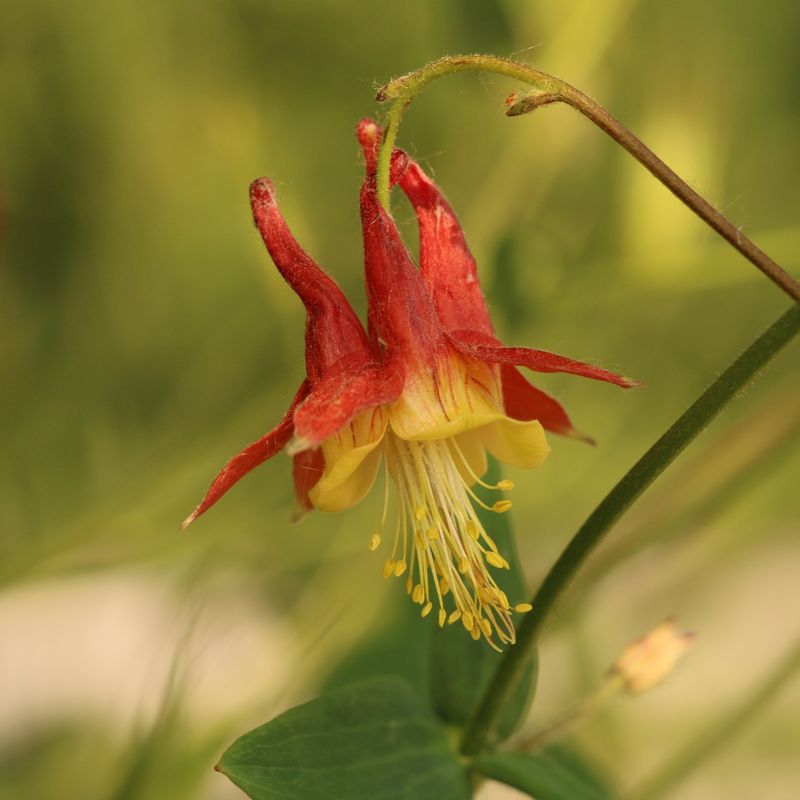
Shady spots don’t have to be boring, and wild columbine proves it spectacularly.
This woodland native produces unique nodding flowers with red outer petals and yellow centers that look like tiny lanterns hanging from delicate stems.
Hummingbirds zoom straight to these blooms in spring, using their long beaks to reach the nectar hidden in the flower’s spurs.
Wild columbine grows naturally in Michigan forests, so it’s perfectly adapted to shaded yards with dappled sunlight.
The attractive blue-green foliage resembles maidenhair fern leaves and stays nice-looking throughout the growing season.
Plants reach about one to two feet tall and wide, fitting nicely into smaller garden spaces.
These natives self-seed freely, creating charming drifts of plants in unexpected places like between rocks or in wall crevices.
The seedlings are easy to transplant if they pop up where you don’t want them.
Wild columbine blooms from April through June, bringing early color when shade gardens really need it most.
Joe-Pye Weed Creates Bold Garden Statements
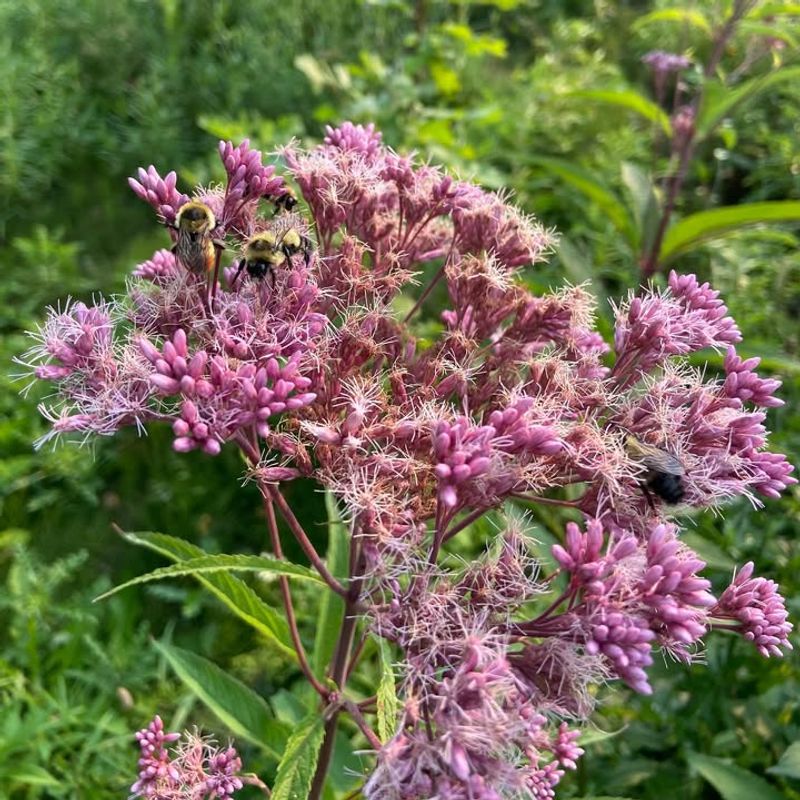
Don’t let the name fool you—Joe-Pye weed is anything but weedy in appearance.
This magnificent native grows six to seven feet tall, creating dramatic focal points that command attention in any garden.
The huge, dome-shaped flower clusters in dusty pink-purple shades appear in late summer, attracting butterflies by the dozens.
Joe-Pye weed naturally grows in Michigan’s wet meadows and along stream banks, making it ideal for those soggy areas where other plants struggle.
However, it adapts well to regular garden beds with average moisture too.
The sturdy stems rarely need staking despite the plant’s impressive height.
The vanilla-scented flowers are beloved by swallowtail butterflies, bees, and other beneficial insects.
After blooming, the seed heads turn a beautiful rust color and provide architectural interest through winter.
Joe-Pye weed looks best planted in groups of three or more, creating a massive display that becomes a garden landmark.
Give it plenty of room since mature plants can spread three to four feet wide.
Cardinal Flower Brings Brilliant Red To Gardens
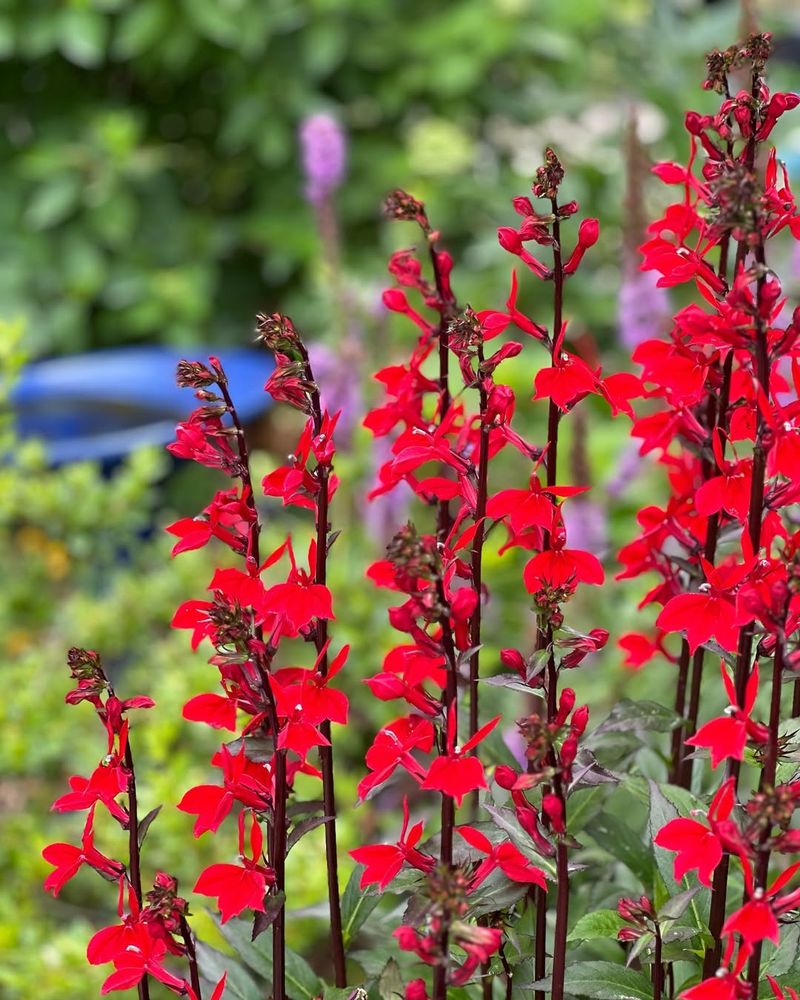
Cardinal flower earns its name honestly—the blooms are the exact brilliant scarlet red of a male cardinal bird.
This color is rare in the plant world, making cardinal flower an absolute showstopper in gardens.
Hummingbirds go crazy for these tubular flowers, visiting them constantly throughout the August and September blooming period.
In nature, cardinal flowers grow along Michigan stream banks and in wet areas, so they’re perfect for rain gardens or pond edges.
They need consistently moist soil and prefer partial shade, especially afternoon shade that protects them from harsh sun.
The flower spikes reach two to three feet tall above rosettes of green leaves.
Cardinal flower is short-lived compared to other perennials, usually lasting three to four years.
However, it self-seeds readily, and the seedlings are easy to spot and transplant.
Mulch plants well to keep roots cool and moist.
Despite loving wet conditions, cardinal flower needs good drainage in winter to prevent root rot during freeze-thaw cycles common in Michigan.
Butterfly Weed Offers Vibrant Orange Flowers
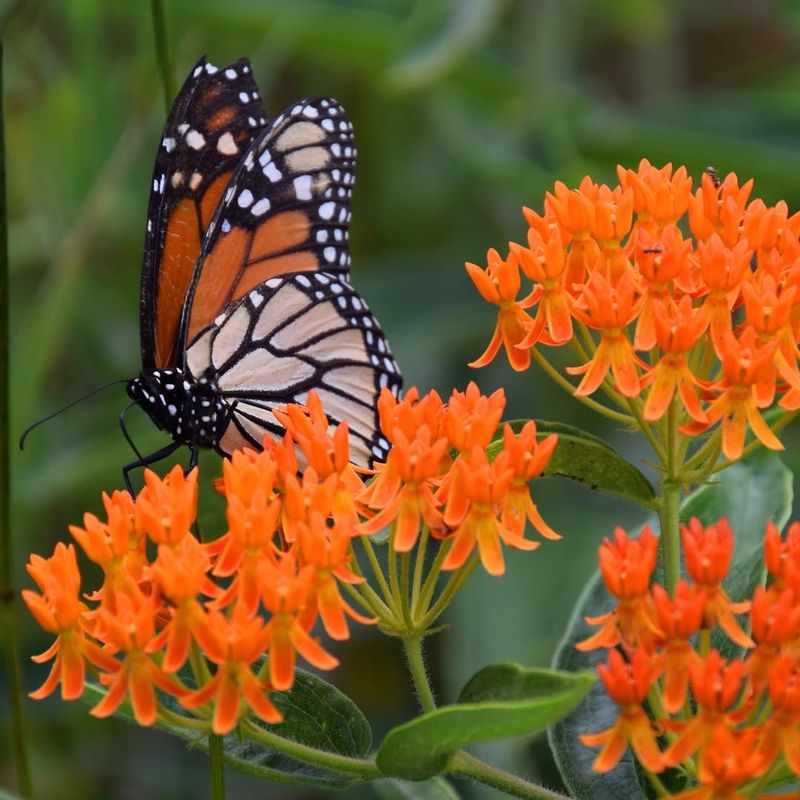
Butterfly weed lives up to its name in the best possible way.
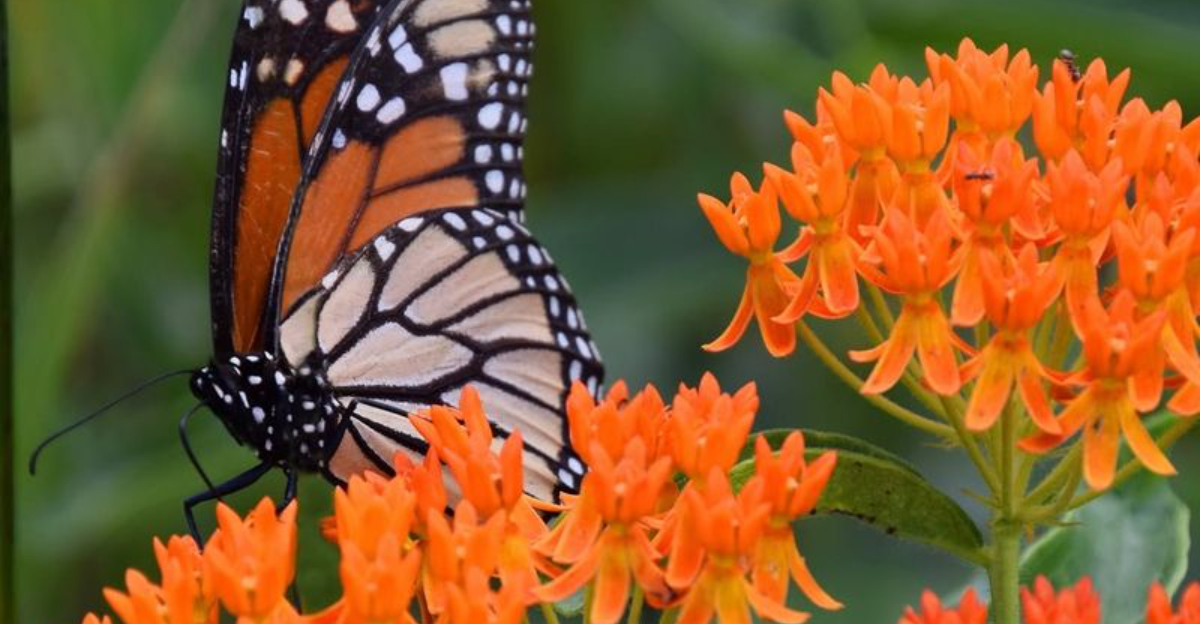
This milkweed relative produces eye-catching clusters of brilliant orange flowers that monarch butterflies absolutely adore for nectar.
Even better, monarchs lay their eggs on the foliage, and the emerging caterpillars munch the leaves as their exclusive food source.
Unlike other milkweeds, butterfly weed has a deep taproot and grows as a neat clump rather than spreading aggressively.
It reaches about two feet tall and thrives in hot, dry conditions that would stress other plants.
Sandy or rocky soils that drain quickly are actually perfect for this tough native.
The flowers bloom from June through August in shades ranging from bright orange to yellow-orange.
Butterfly weed is slow to emerge in spring—don’t panic if you don’t see it until late May.
Once established, it’s extremely drought-tolerant and never needs watering.
The seedpods that follow the flowers split open to release silky seeds that float on the breeze, naturally reseeding your garden.
Wild Geranium Covers Ground With Pretty Blooms
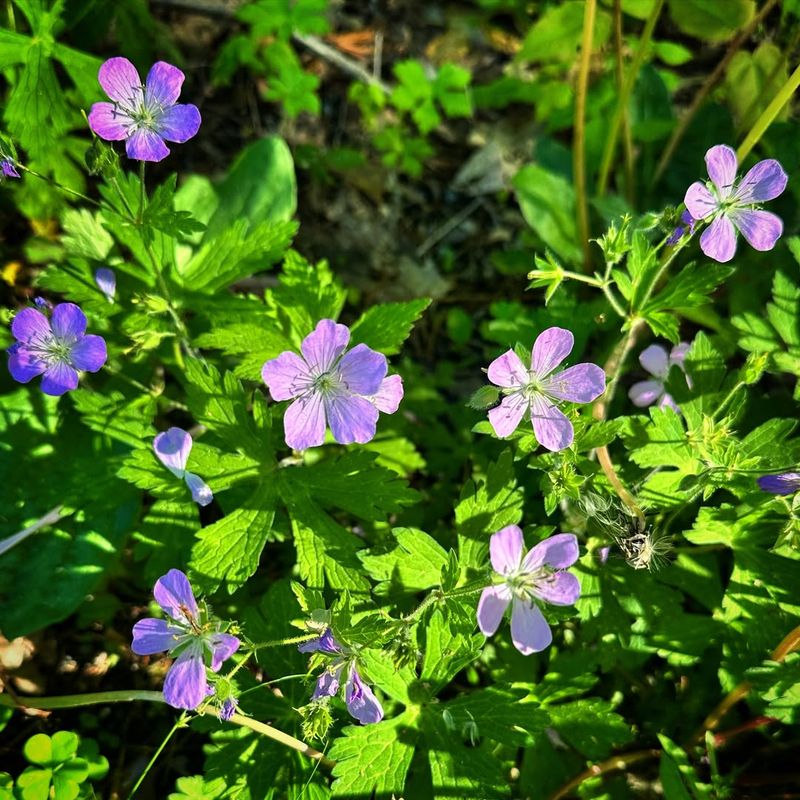
Wild geranium is one of those reliable workhorses that every Michigan garden needs.
In spring, the plants become covered with delicate pink-lavender flowers that seem to float above attractive mounded foliage.
The blooms appear from late April through June, bridging the gap between early spring bulbs and summer perennials.
This native geranium naturally grows in Michigan woodlands and adapts beautifully to shaded or partially shaded garden beds.
The deeply lobed leaves create attractive texture even after flowering finishes, and the foliage often develops reddish tints in fall.
Plants spread slowly through rhizomes, forming nice colonies that work well as groundcover under trees.
Wild geranium handles a range of soil conditions but prefers slightly moist, well-drained ground.
It’s remarkably pest-free and deer generally avoid it.
The seed capsules have a fun trick—when ripe, they explosively fling seeds several feet away, helping the plant spread naturally.
Wild geranium combines beautifully with ferns, wild columbine, and other shade-loving natives for woodland garden schemes.