How Minnesota Residents Build Bird And Bee Safe Microhabitats
Backyards that once felt quiet now hum with new energy as more residents push to create pockets of safety for winged visitors.
Birds swoop in with confidence, bees drift from bloom to bloom, and the entire yard shifts into a steady rhythm that feels both peaceful and alive.
These microhabitats prove that size holds no limits; intention drives everything.
A few smart choices turn overlooked nooks into thriving sanctuaries, and every homeowner who invests in this idea gains a front-row seat to nature’s daily show.
Plant Native Wildflowers Throughout Your Garden
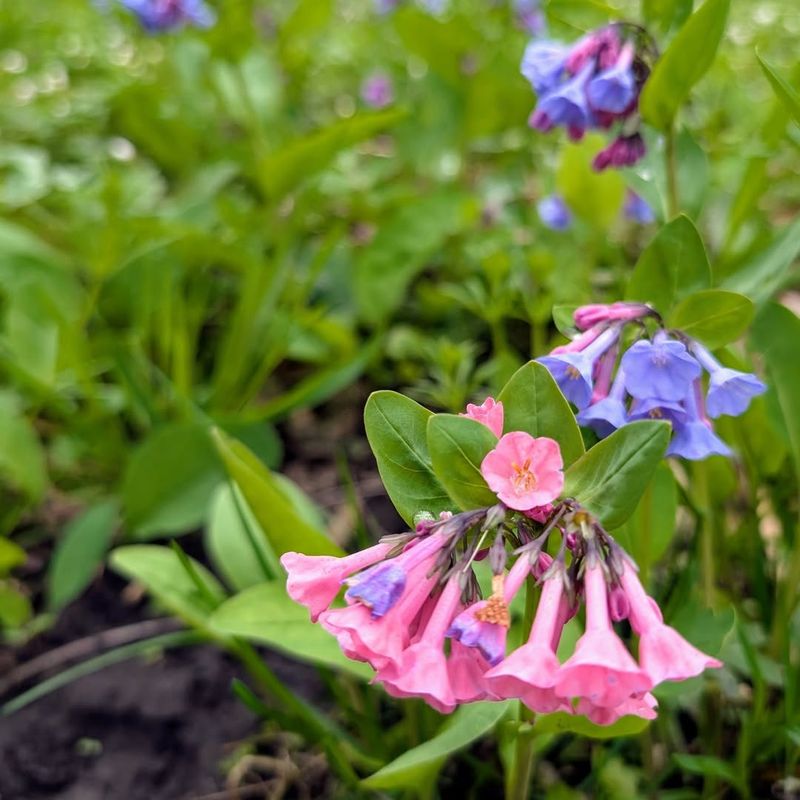
Native wildflowers are like a welcome mat for Minnesota’s bees and butterflies.
Plants such as purple coneflower, black-eyed Susan, and wild bergamot have evolved alongside local pollinators for thousands of years.
Their nectar and pollen provide exactly what native bees need to survive and reproduce.
Unlike fancy hybrid flowers from garden centers, native wildflowers don’t need special fertilizers or constant watering once established.
They’re tough plants that can handle Minnesota’s unpredictable weather, from spring frosts to summer droughts.
Plus, they bloom at different times throughout the growing season, ensuring pollinators always have food available.
Starting a native wildflower garden is easier than most people think.
Many garden centers now carry native plant sections, and you can even find seed mixes designed specifically for Minnesota’s climate zones.
Scatter seeds in fall or early spring, keep the area moist until plants establish, and watch your garden transform into a pollinator paradise that practically takes care of itself.
Create Brush Piles For Nesting Birds
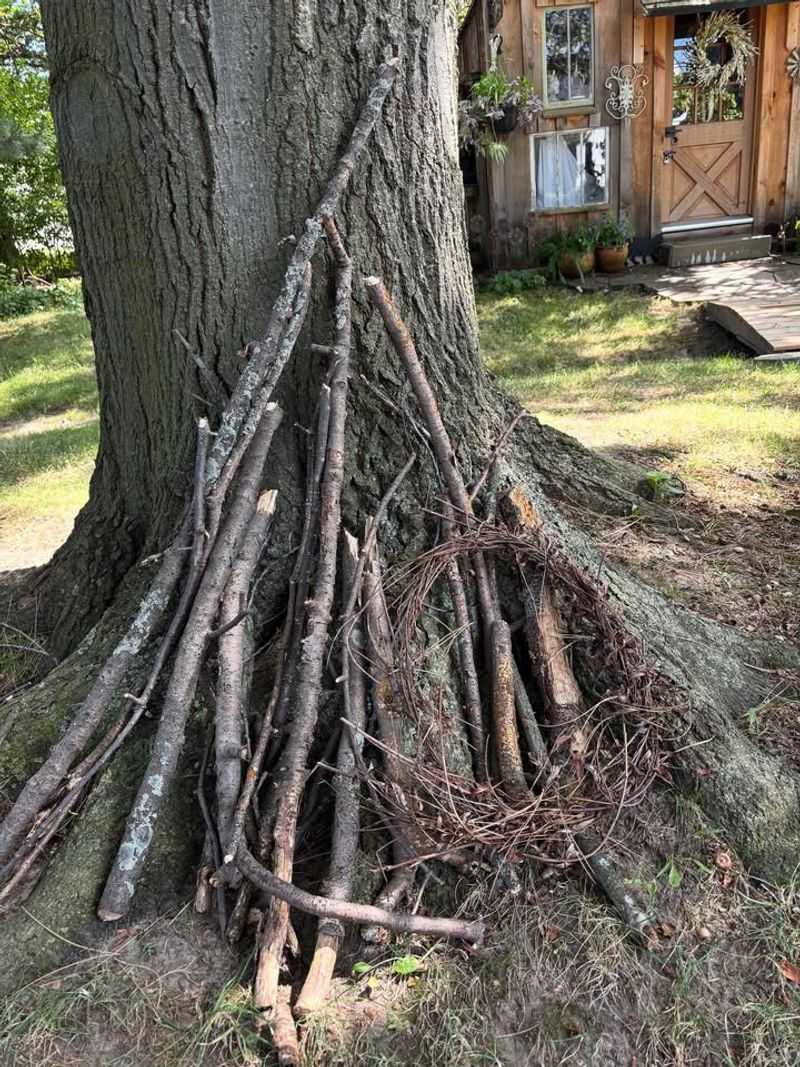
That pile of branches left over from pruning trees doesn’t have to go to the curb.
Birds absolutely love brush piles because they offer protection from predators and harsh weather.
Wrens, sparrows, and cardinals often build nests within these tangled branch structures, finding safety in the maze of twigs.
Building a brush pile is wonderfully simple and costs nothing.
Stack larger branches on the bottom to create a stable base, then layer smaller twigs and branches on top.
Position your pile in a quiet corner of your yard, away from areas with heavy foot traffic.
The more varied the branch sizes, the more species will find it useful.
Throughout winter, these brush piles become crucial shelters where birds huddle together during blizzards and sub-zero nights.
Small mammals like chipmunks and rabbits also appreciate the cover.
Leave your brush pile undisturbed year-round, and you’ll be amazed at how much wildlife activity centers around this simple structure that many people would consider yard waste.
Install Bee Hotels For Solitary Species
Most people picture honeybees living in hives, but Minnesota is home to over 400 bee species, and many prefer living alone.
Solitary bees like mason bees and leafcutter bees don’t produce honey or live in colonies.
Instead, each female builds her own small nest where she lays eggs and provisions them with pollen.
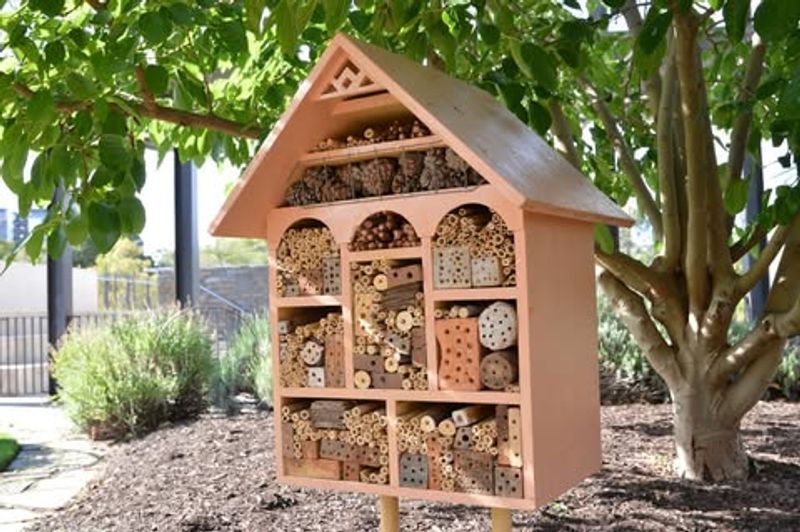
Bee hotels provide these hardworking pollinators with ready-made nesting sites.
You can purchase one or build your own using untreated wood blocks drilled with holes of varying diameters.
Your Minnesota Garden Changes Every Week. Your Plan Should Too.
Gardening in Minnesota changes quickly throughout the season. Every Friday you’ll receive a simple weekly plan showing exactly what to plant, prune, fertilize, harvest, and protect so you never miss the right timing.
Bamboo tubes bundled together also work perfectly.
Mount your bee hotel facing south or southeast, about three to six feet off the ground, in a spot that gets morning sun.
Watching solitary bees is fascinating—they’re gentle creatures that rarely sting and are incredibly efficient pollinators.
A single mason bee can pollinate as many flowers as 100 honeybees!
Clean out your bee hotel each fall by gently removing old nesting materials, which helps prevent parasites and diseases from building up over time.
Leave Leaf Litter In Garden Beds
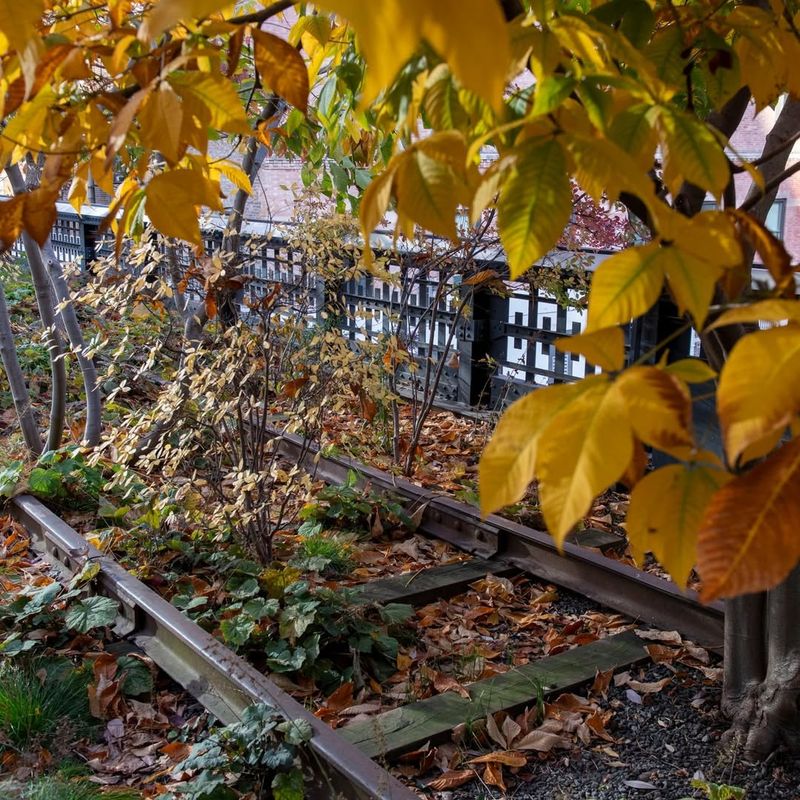
Raking every single leaf might make your yard look tidy, but it removes crucial habitat for countless beneficial insects.
Many native bees actually nest in the ground beneath leaf litter, while butterfly pupae overwinter hidden among decomposing leaves.
Ground-nesting bumblebee queens burrow into soft soil covered by leaves to hibernate through Minnesota’s long winters.
Leaving a layer of leaves in your flower beds and under shrubs mimics what happens naturally in forests.
As leaves break down, they add organic matter to your soil, improving its structure and fertility.
Earthworms pull leaf pieces underground, creating channels that improve drainage and root growth.
You’re essentially getting free mulch and fertilizer.
Birds like thrushes, towhees, and juncos spend hours scratching through leaf litter searching for insects, spiders, and other invertebrates.
If you absolutely must clear leaves from your lawn, rake them into garden beds or create a designated leaf pile in a corner of your yard.
This compromise keeps your lawn neat while providing essential wildlife habitat.
Add A Shallow Water Source
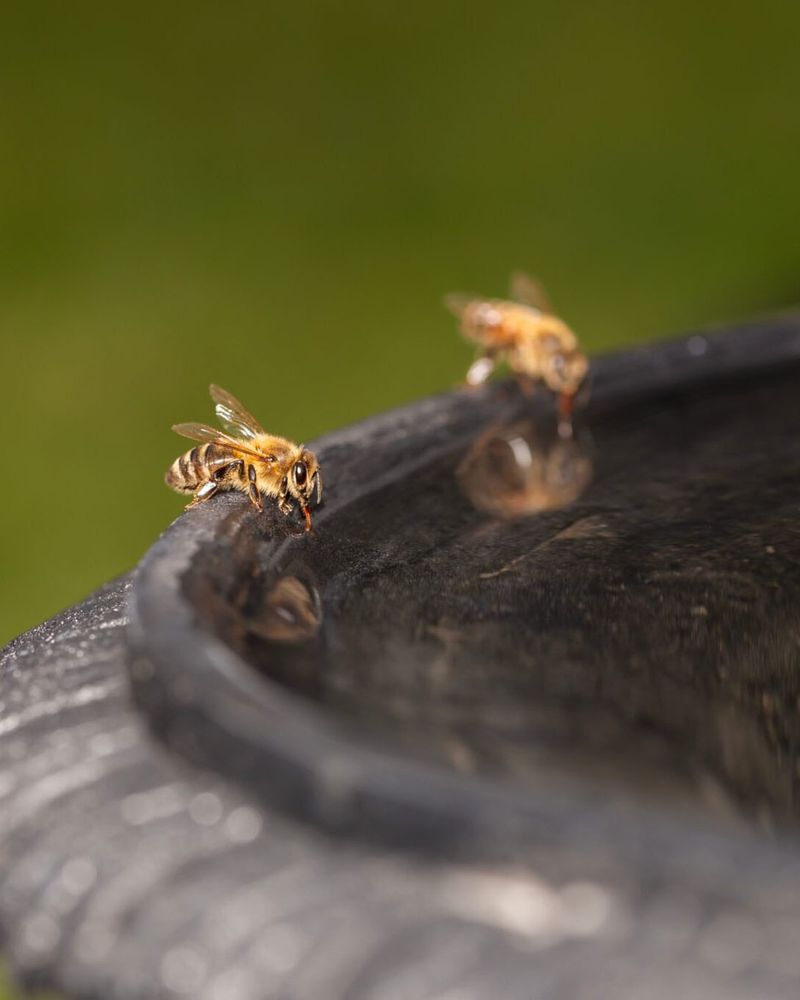
Every living creature needs water, and providing a reliable source can attract dozens of bird and bee species to your yard.
Birds need water for drinking and bathing, which keeps their feathers in top condition for flight and insulation.
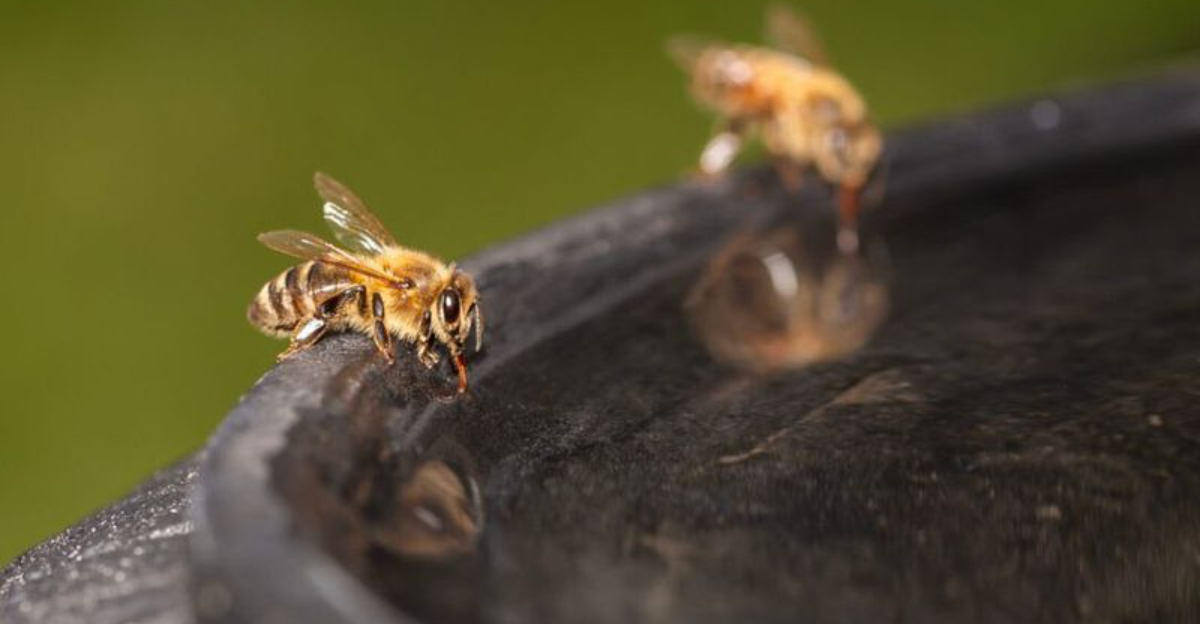
Bees collect water to cool their nests and dilute honey for feeding larvae.
A simple birdbath works wonderfully, but the key is keeping water shallow—no deeper than two inches.
Place stones or marbles in the water so bees and butterflies have safe landing spots where they won’t drown.
Change the water every few days to prevent mosquitoes from breeding and to keep it fresh for your wildlife visitors.
During Minnesota’s cold months, consider adding a heated birdbath or small water heater.
Finding liquid water in winter can be challenging for birds, and a heated water source becomes an incredibly valuable resource.
Position your water feature near shrubs or trees so birds have quick escape routes if predators appear, but keep it visible enough that you can enjoy watching the constant parade of visitors.
Skip Pesticides And Herbicides
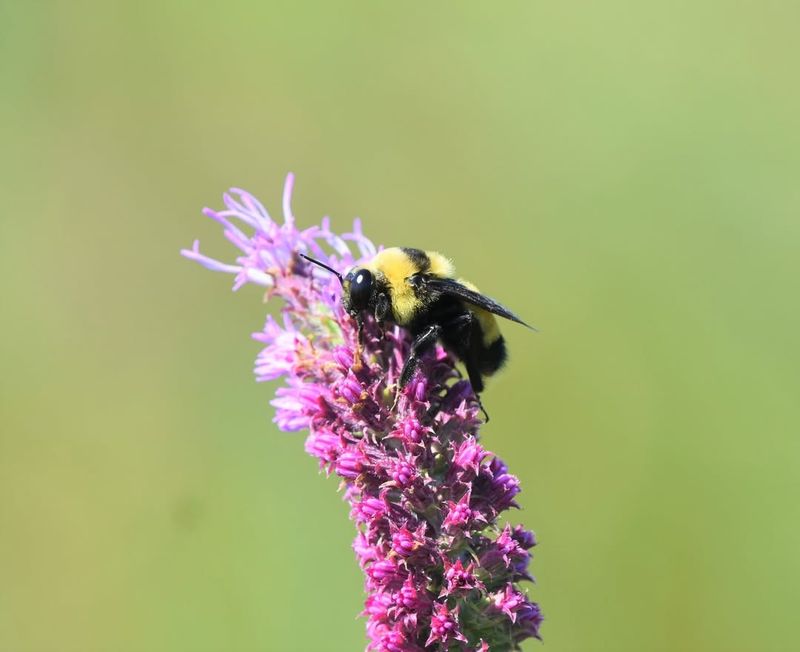
Chemicals designed to destroy insects don’t discriminate between pests and pollinators.
When you spray pesticides on your roses to eliminate aphids, you’re also poisoning the ladybugs, lacewings, and native bees visiting your flowers.
Many common herbicides harm bees directly or eliminate the wildflowers they depend on for food.
Going pesticide-free might feel risky at first, but nature has its own pest control system.
If you give beneficial insects time to establish, they’ll handle most pest problems naturally.
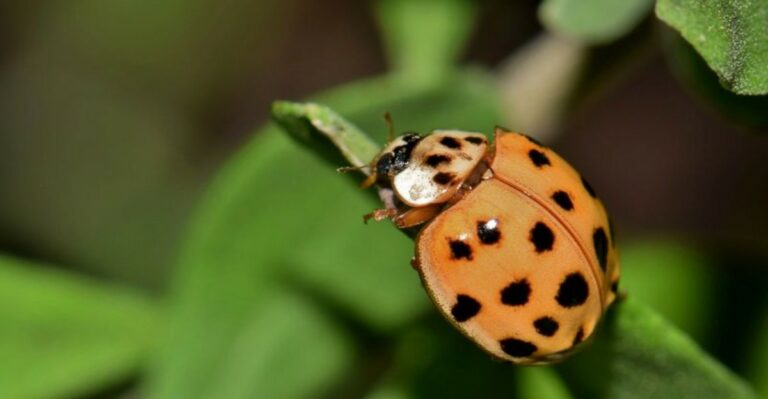
Ladybugs devour aphids, praying mantises catch caterpillars, and birds feast on Japanese beetles.
The key is patience and accepting that a few chewed leaves are normal in a healthy ecosystem.
If you absolutely must address a serious pest problem, choose targeted organic solutions and apply them carefully in the evening when pollinators aren’t active.
Hand-picking pests, using strong water sprays to dislodge aphids, or introducing beneficial nematodes are all effective strategies that won’t harm the wildlife you’re trying to protect.
Your garden will become a true safe haven for birds and bees.
Plant Berry-Producing Shrubs

Berry-producing shrubs serve double duty in bird-friendly landscapes.
During spring and summer, their flowers provide nectar for bees and other pollinators.
Come late summer and fall, their fruits become essential food sources for migrating birds building up fat reserves for long journeys south.
Native shrubs like serviceberry, elderberry, and nannyberry are perfectly adapted to Minnesota’s climate and require minimal maintenance once established.
Serviceberry produces sweet berries that humans can eat too, though birds usually claim most of the harvest.
Elderberries attract cedar waxwings, robins, and catbirds, while nannyberry’s dark blue fruits persist into winter, feeding birds during lean months.
Plant berry shrubs in groups rather than single specimens to create more substantial food sources and better pollination.
Space them according to their mature size, ensuring good air circulation to prevent disease.
Avoid pruning these shrubs in late summer or fall, as you’ll remove the berry-laden branches that birds desperately need.
Watch your shrubs closely in autumn, and you’ll witness incredible feeding frenzies as birds fuel up for migration.
Maintain Patches Of Bare Soil
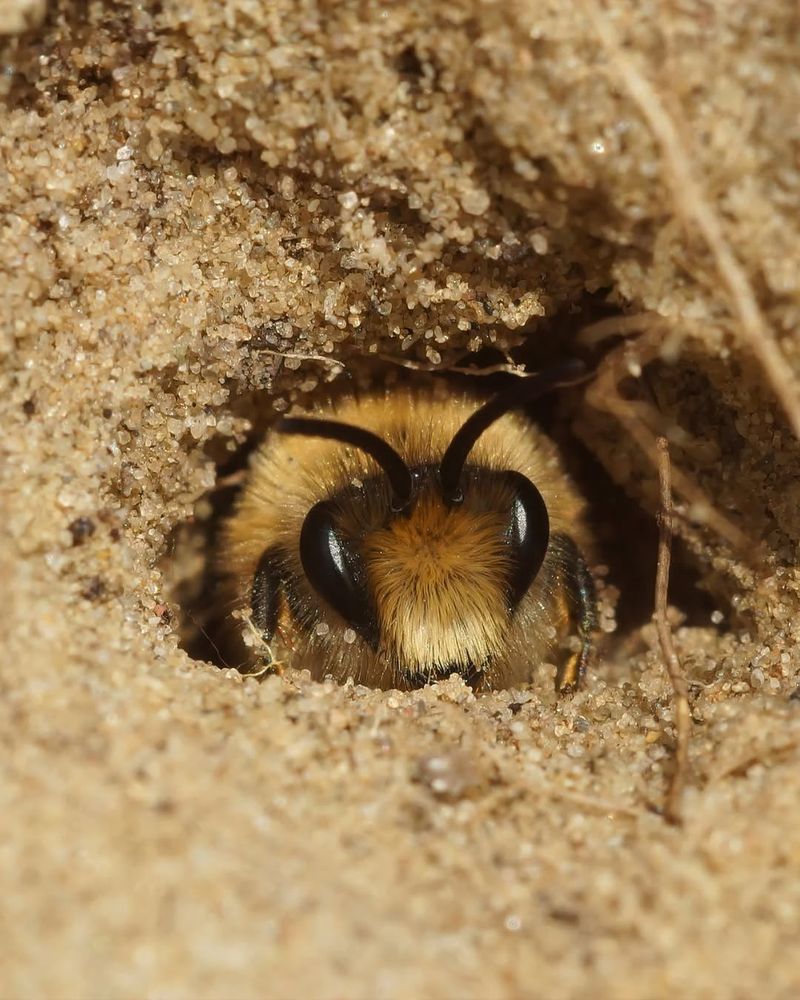
Seventy percent of native bee species nest underground, digging small burrows in bare soil where they lay eggs and store pollen.
When every inch of your yard is covered with grass, mulch, or pavement, these ground-nesting bees have nowhere to call home.
Creating small patches of exposed soil gives them essential nesting habitat.
Look for sunny, well-drained spots in your yard where you can leave soil bare or only lightly vegetated.
South-facing slopes or areas near garden beds work perfectly.
The soil should be relatively firm but not compacted—think of the consistency found along hiking trails.
Avoid mulching these areas heavily, as most ground-nesting bees need direct access to soil.
You might notice tiny holes appearing in your bare soil patches during spring and summer.
Don’t worry—these are bee burrows, and the bees are completely harmless.
Ground-nesting bees are gentle and rarely sting since they don’t have a hive to defend.
Leave these areas undisturbed throughout the season, and you’ll be supporting some of Minnesota’s most important native pollinators with very little effort on your part.
Let Your Lawn Grow Longer
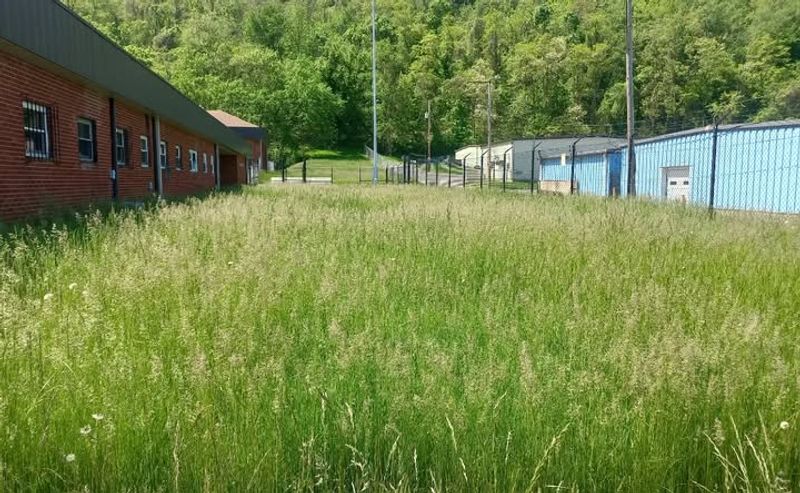
Golf-course lawns might look neat, but they’re ecological deserts for wildlife.
Raising your mower blade just a few inches creates enormous benefits for bees and birds.
Longer grass allows clover and other low-growing flowers to bloom, providing nectar sources throughout your lawn.
These flowers attract bees, which in turn attract insect-eating birds.
Taller grass also shelters ground-nesting bumblebees and provides better hunting grounds for birds seeking insects.
Robins, for example, find more worms and grubs in longer grass because the soil stays moister and cooler.
During droughts, longer grass roots grow deeper, keeping your lawn greener with less watering while providing better habitat.
Try mowing to a height of three to four inches instead of the typical two inches.
Mow less frequently—every two weeks instead of weekly—to allow flowers like clover and violets to bloom between cuts.
Your lawn will still look maintained, but it will support far more life.
You’ll also save time, fuel, and effort while creating better habitat.
It’s a win for everyone, especially the bees and birds.
Build Damaged Wood Habitats

Damaged trees might seem like eyesores, but they’re absolute goldmines for wildlife.
Woodpeckers excavate nest cavities in wood, which later become homes for chickadees, nuthatches, and even flying squirrels.
Wood-boring beetle larvae tunnel through damaged wood, providing food for woodpeckers and other insect-eating birds throughout winter.
If you have a tree that isn’t threatening structures or power lines, consider leaving it standing as a snag.
Remove only the branches that might fall dangerously, but leave the main trunk.
If a standing damaged tree isn’t safe for your situation, cut sections of the trunk and stack them in a corner of your yard as a wood pile.
Even smaller branches have value.
Bundle them together and tuck them into shrub borders or lean them against fences.
Solitary bees nest in hollow stems, while many beneficial insects overwinter in the cracks and crevices of aging wood.
As the wood slowly decomposes, it releases nutrients back into the soil and hosts an incredible diversity of life.
What looks damaged to us is actually teeming with activity for birds, bees, and countless other creatures.