The Drought Proof Shrub Becoming The Signature Look Of New Mexico Landscapes
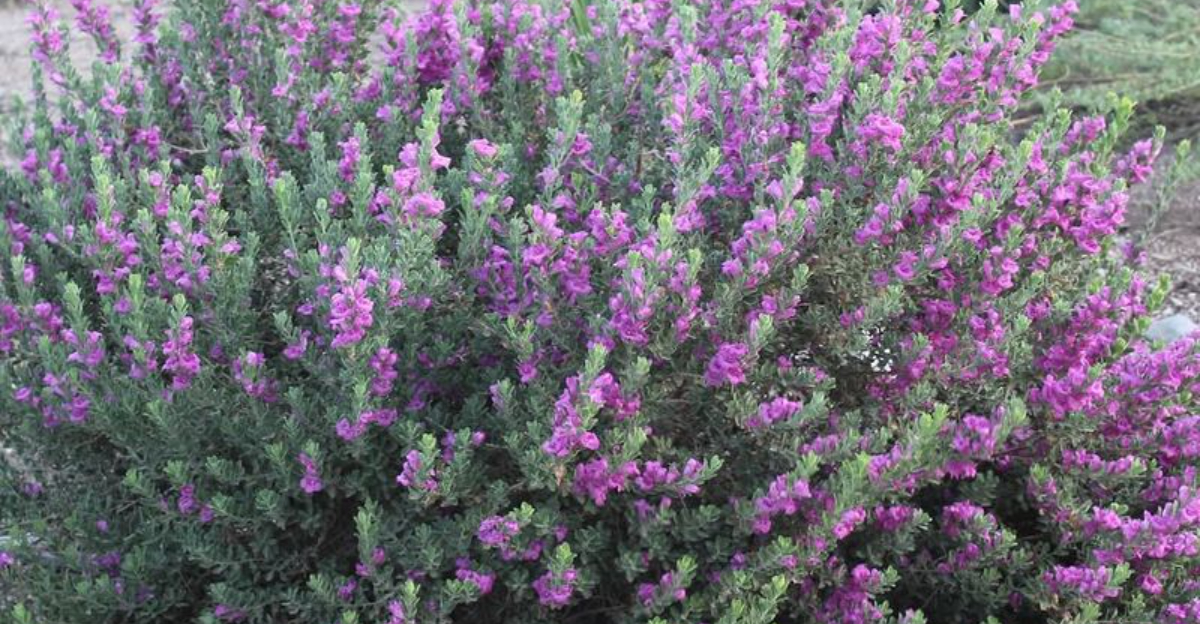
New Mexico landscapes are being transformed by a drought-proof shrub that thrives under harsh conditions while requiring minimal water and care.
Its resilience makes it perfect for arid climates, providing consistent greenery and structure year-round.
Homeowners and landscapers alike love its ability to add texture, color, and shape to yards without constant attention.
Whether used as a hedge, border, or focal point, this shrub withstands scorching sun, dry soils, and limited rainfall, making it ideal for eco-conscious landscapes.
Its low maintenance, long lifespan, and adaptability have made it a signature element in modern New Mexico design.
From small urban gardens to sprawling desert properties, this versatile shrub offers beauty, sustainability, and reliability.
Residents can enjoy thriving greenery even in the most challenging conditions, creating visually striking landscapes that feel alive despite the heat and drought.
Water-Wise Wonder That Survives On Rainfall Alone
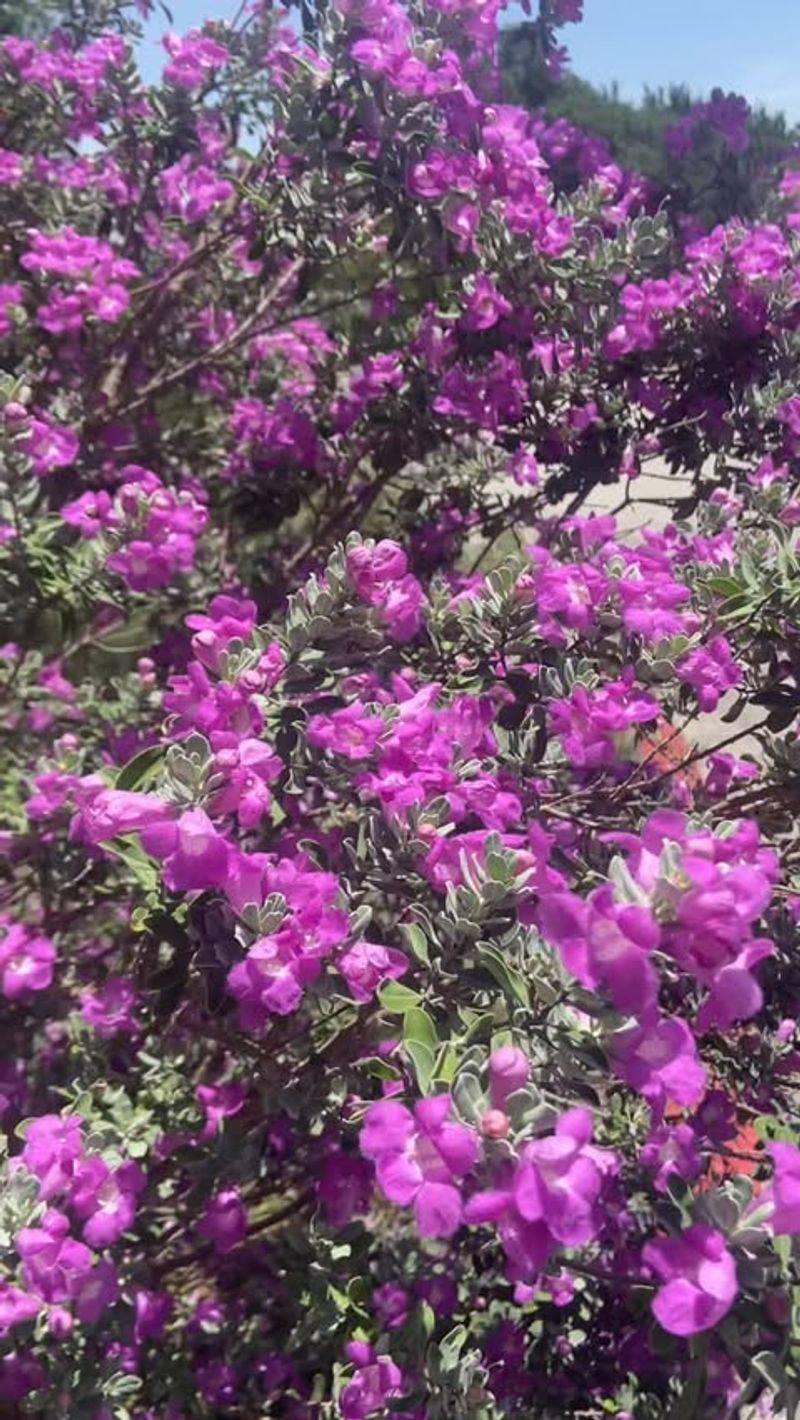
Texas Sage earned its reputation as a champion of water conservation.
Once established in your yard, it rarely needs supplemental watering beyond what nature provides.
Most shrubs demand constant attention and regular irrigation schedules, but this desert native thrives on neglect.
Homeowners can cut their water bills significantly by replacing thirsty plants with these resilient beauties.
Roots grow deep into the soil, searching for moisture that other plants can’t reach.
During New Mexico’s notorious dry spells, Texas Sage remains vibrant and healthy while neighboring plants wilt.
Gardeners appreciate how this shrub adapts to extreme conditions without complaint.
The plant’s silvery-green leaves actually help reduce water loss through a special coating that reflects sunlight.
Communities throughout the state encourage planting drought-tolerant species, and Texas Sage tops every recommended list.
Your landscape stays beautiful year-round without the guilt of wasting precious water resources.
Purple Blooms That Predict Rainstorms
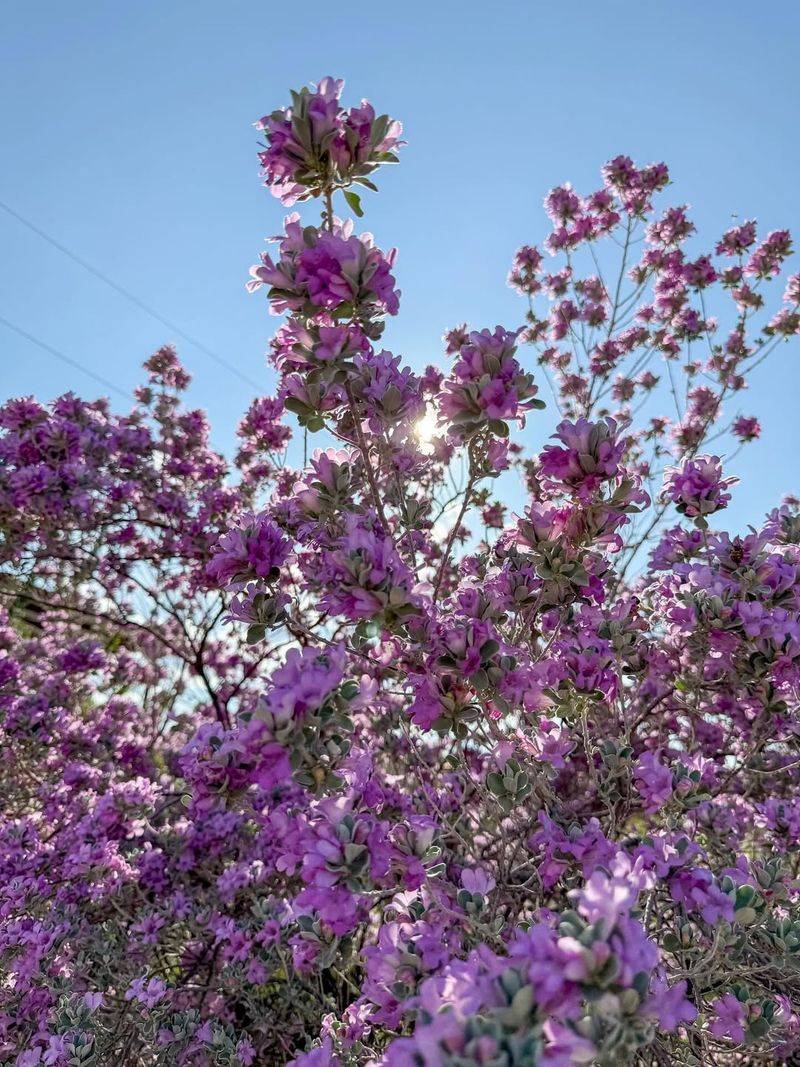
Something magical happens when humidity rises in New Mexico—Texas Sage bursts into spectacular purple flowers.
Local gardeners call it the “barometer bush” because blooms often appear just before rainfall arrives.
These tubular flowers range from soft lavender to deep magenta, creating stunning color displays across neighborhoods.
Butterflies and hummingbirds flock to the nectar-rich blossoms, adding movement and life to your outdoor space.
The timing seems almost supernatural, but science explains the phenomenon.
Increased moisture in the air triggers the plant’s flowering response, essentially forecasting weather changes.
Blooming cycles can occur multiple times throughout the growing season, especially during monsoon months.
Each flowering period lasts several weeks, providing extended visual interest.
Children love watching for the first purple petals as a sign that rain might be coming.
Neighbors compare whose shrubs bloomed first, creating friendly community connections around this weather-predicting plant.
Low Maintenance Champion For Busy Lifestyles
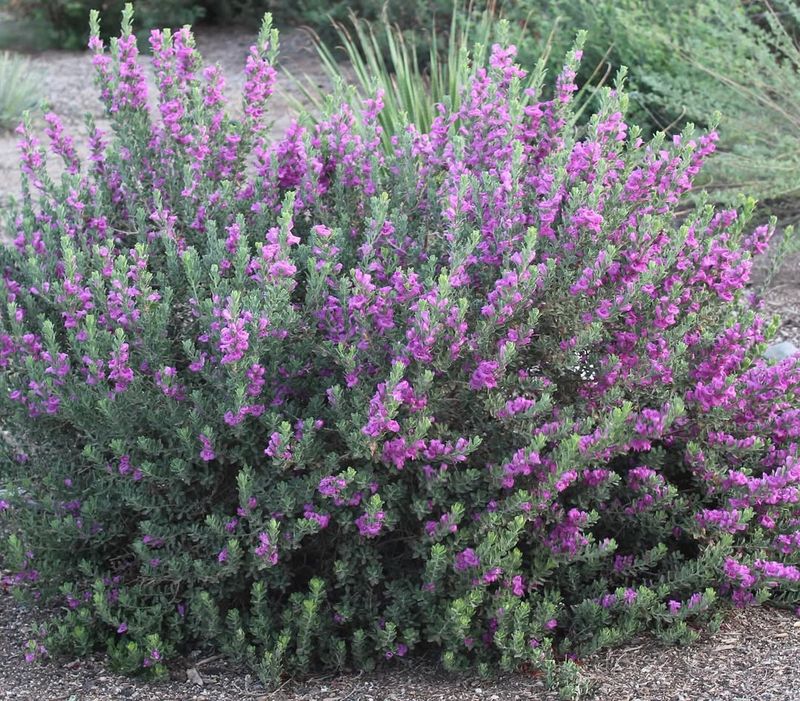
Forget spending weekends pruning, fertilizing, and fussing over demanding plants.
Texas Sage practically takes care of itself, making it perfect for people with packed schedules.
Annual pruning keeps the shrub shaped nicely, but even skipping a year won’t cause problems.
No special fertilizers or soil amendments are necessary for healthy growth.
Pests and diseases rarely bother this tough plant, eliminating the need for chemical treatments.
Your New Mexico Garden Changes Every Week. Your Plan Should Too.
Gardening in New Mexico changes quickly throughout the season. Every Friday you’ll receive a simple weekly plan showing exactly what to plant, prune, fertilize, harvest, and protect so you never miss the right timing.
Your time stays yours instead of being consumed by constant garden maintenance.
Retirees and working families alike appreciate how forgiving Texas Sage proves to be.
Even novice gardeners succeed with this shrub because it tolerates mistakes and neglect.
The compact growth habit means less cleanup compared to messy trees that drop leaves constantly.
Landscaping professionals recommend it to clients who want beautiful yards without becoming slaves to yard work.
Perfect Size For Residential Properties
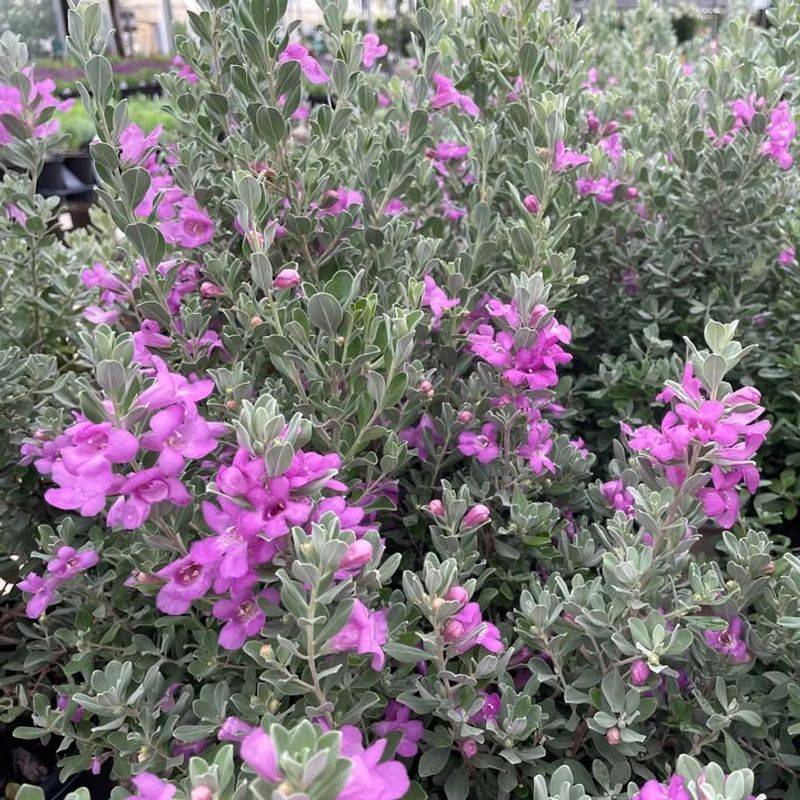
Mature Texas Sage typically reaches four to six feet in both height and width, creating ideal proportions for home landscapes.
Unlike trees that eventually overwhelm small yards, this shrub stays manageable throughout its lifetime.
Foundation plantings benefit from the moderate size that doesn’t block windows or crowd walkways.
The rounded, mounding form adds softness to angular architecture without requiring constant trimming.
Spacing three to four feet apart creates a lovely informal hedge that defines property lines.
Alternatively, single specimens make excellent focal points in garden beds or corner plantings.
Apartment complexes and townhome communities use Texas Sage extensively because it fits limited spaces perfectly.
The scale works beautifully whether you have a sprawling ranch or a cozy courtyard.
Landscape designers praise the versatility that comes with this manageable size.
Homeowners avoid the regret that comes from planting something that outgrows its space within a few years.
Silvery Foliage That Shimmers Year-Round
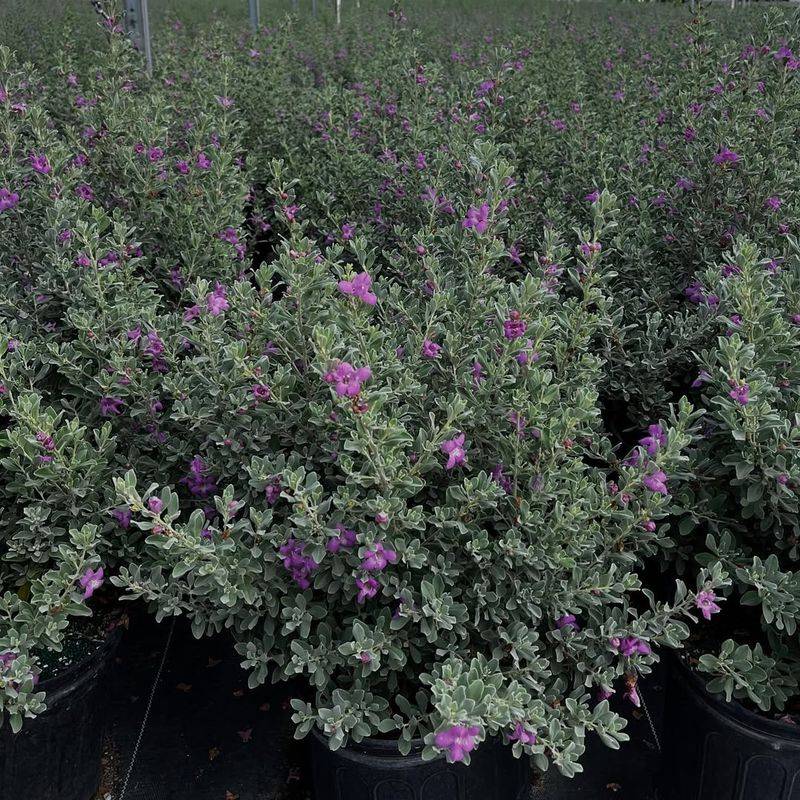
Even when not flowering, Texas Sage commands attention with its distinctive silver-gray leaves.
The fine-textured foliage creates a cool, sophisticated appearance that contrasts beautifully with darker green plants.
Tiny hairs covering each leaf give the plant its characteristic silvery sheen and dusty appearance.
Sunlight dancing across the foliage produces an almost metallic shimmer that changes throughout the day.
Evergreen nature means the attractive leaves persist through winter when many other plants look dormant.
Your landscape maintains visual interest during cold months instead of appearing bare and lifeless.
Designers use the neutral color as a bridge between bolder hues in mixed plantings.
The soft texture provides relief from the harsh, spiky forms common in desert gardens.
Moonlight enhances the silvery quality, making evening gardens glow with an ethereal beauty.
Photographers love capturing how the unique foliage catches and reflects light in unexpected ways.
Native Adaptations To Southwestern Climate
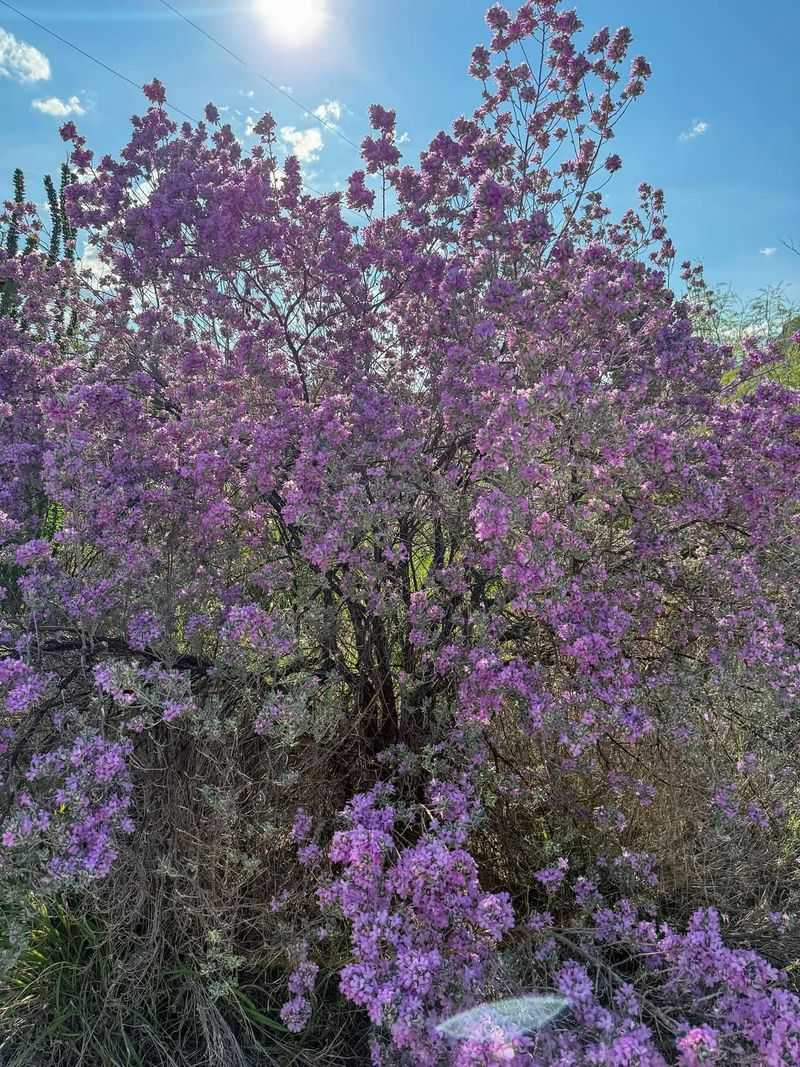
Originating from the Chihuahuan Desert region, Texas Sage evolved over thousands of years to handle extreme conditions.
The plant’s genetic makeup perfectly matches New Mexico’s challenging environment of temperature swings and limited rainfall.
Summer heat that scorches other plants barely fazes this desert native.
Cold tolerance allows it to survive freezing winter temperatures common at higher elevations throughout the state.
Alkaline soils that frustrate many gardeners pose no problem for Texas Sage’s adapted root system.
Rocky, poor-quality ground that won’t support most ornamentals becomes a comfortable home for this shrub.
Wind resistance comes naturally to a plant that evolved in open desert landscapes.
Strong gusts that damage tender species simply flow through the flexible branches without causing harm.
Native plant enthusiasts celebrate how Texas Sage supports local ecosystems while requiring minimal resources.
Choosing regionally appropriate plants makes environmental and practical sense for sustainable landscaping.
Multiple Varieties Offer Color Choices
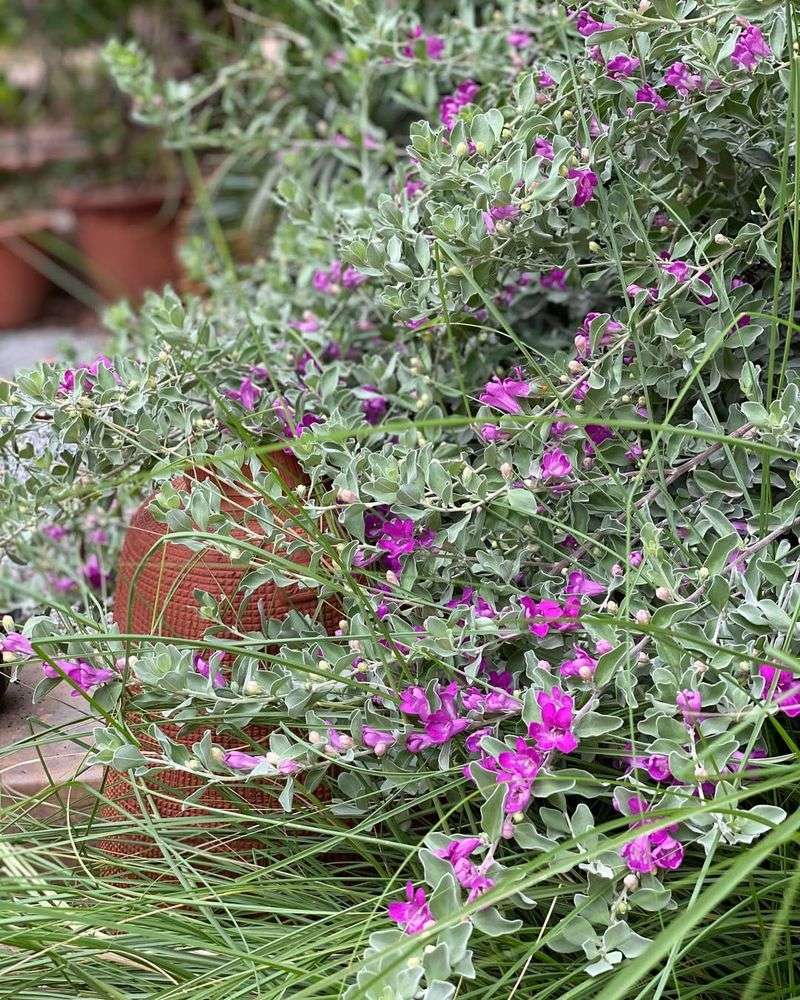
Beyond the classic purple-flowering type, growers have developed several cultivated varieties with different bloom colors.
‘White Cloud’ produces pristine white flowers that glow against the silver foliage.
Pink varieties like ‘Pink Cloud’ offer softer hues for gardeners preferring pastels.
‘Compacta’ stays smaller than the species, working well in tight spaces or container plantings.
Some selections feature greener foliage instead of the typical silver-gray coloring.
Others boast larger flowers or more compact growth habits to suit specific design needs.
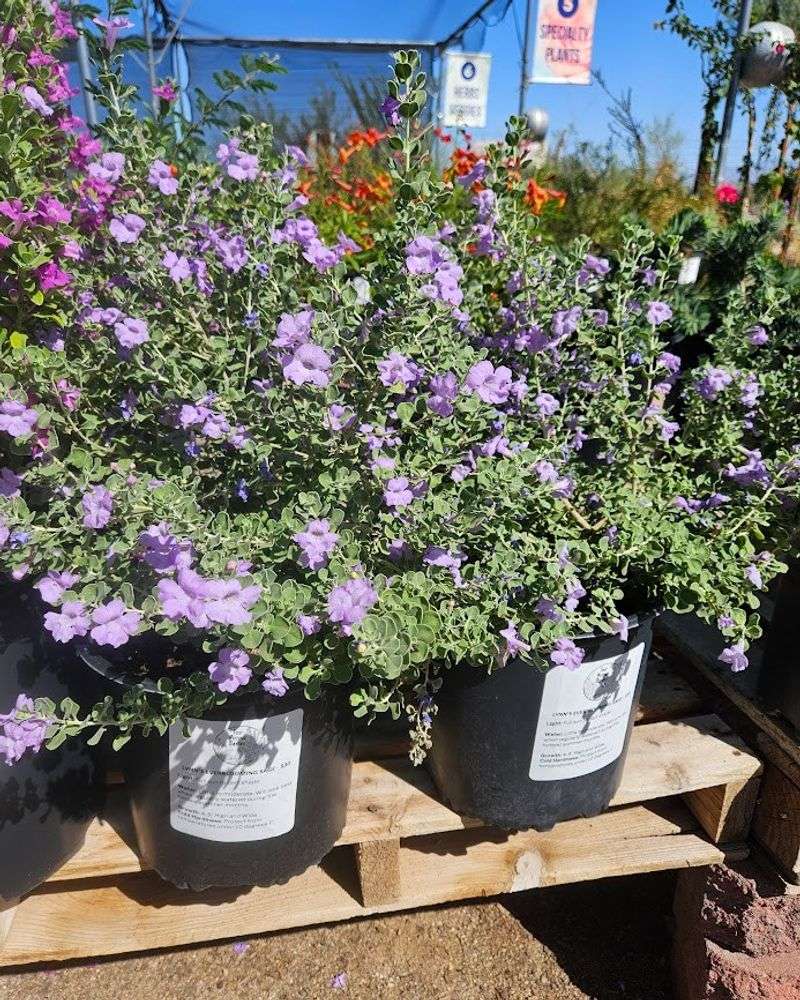
Garden centers throughout New Mexico stock various cultivars, allowing customization of your landscape palette.
Mixing different varieties creates interesting color combinations while maintaining design cohesion.
Collectors enjoy hunting for unusual selections to add unique elements to their gardens.
The availability of choices means Texas Sage suits nearly any color scheme or aesthetic preference.
Wildlife Habitat And Pollinator Magnet
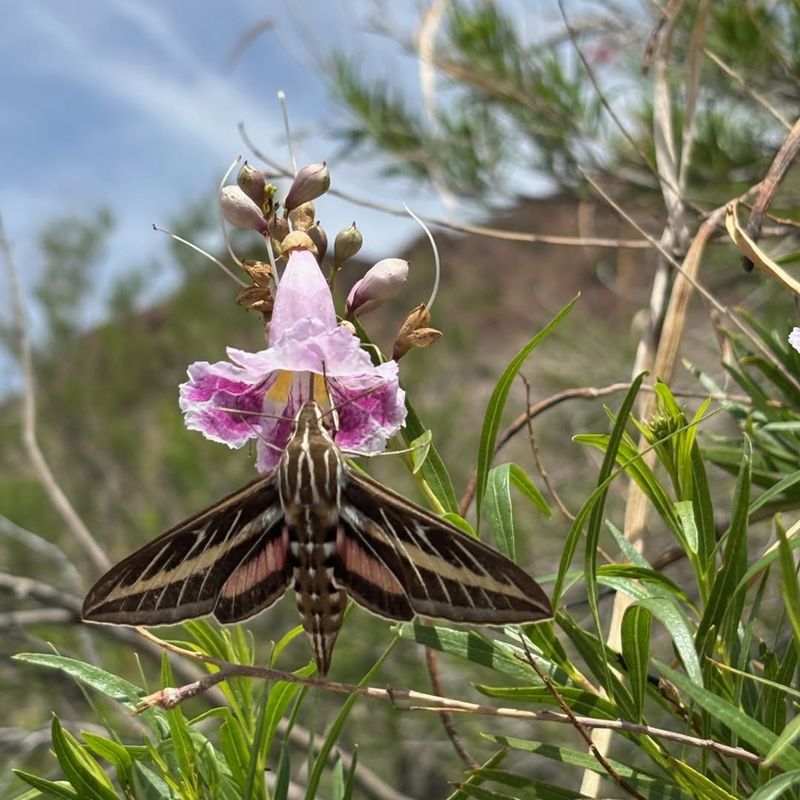
Hummingbirds zip between Texas Sage flowers, their iridescent feathers flashing as they feed.
The tubular bloom shape perfectly accommodates their long beaks and provides energy-rich nectar.
Native bees and butterflies also visit frequently, helping pollinate other plants in your garden.
Creating habitat for beneficial insects supports the broader ecosystem and improves vegetable garden productivity.
Birds seek shelter within the dense branching structure, especially during storms or when escaping predators.
Small songbirds nest among the protective foliage, raising their young safely.
Desert wildlife depends on plants like Texas Sage that remain green and productive year-round.
Your landscaping choices directly impact local biodiversity and species survival.
Watching nature interact with your garden brings joy and educational opportunities for children.
Environmentally conscious homeowners appreciate how a simple shrub selection contributes to conservation efforts and supports struggling pollinator populations.
Instant Southwestern Character And Curb Appeal
Real estate agents recognize Texas Sage as a selling point that boosts property values.
Mature plantings signal to buyers that the landscape is established, water-wise, and regionally appropriate.
The distinctive appearance immediately identifies a property as embracing Southwestern style.
Architectural magazines frequently feature homes with Texas Sage in their landscape photography.
Neighborhoods filled with these shrubs develop a cohesive, attractive character that residents take pride in.
The uniform yet natural look creates pleasant streetscapes that welcome visitors.
First impressions matter tremendously when guests arrive or potential buyers drive past.
A well-placed Texas Sage planting makes your home memorable for the right reasons.
Landscape designers consider it a foundational plant for establishing regional identity in commercial and residential projects.
The shrub communicates that you understand and respect the local environment while maintaining high aesthetic standards.
Long-Term Investment That Improves With Age
Young Texas Sage plants cost relatively little but provide decades of beauty and function.
The shrub’s longevity means your initial investment pays dividends year after year without replacement costs.
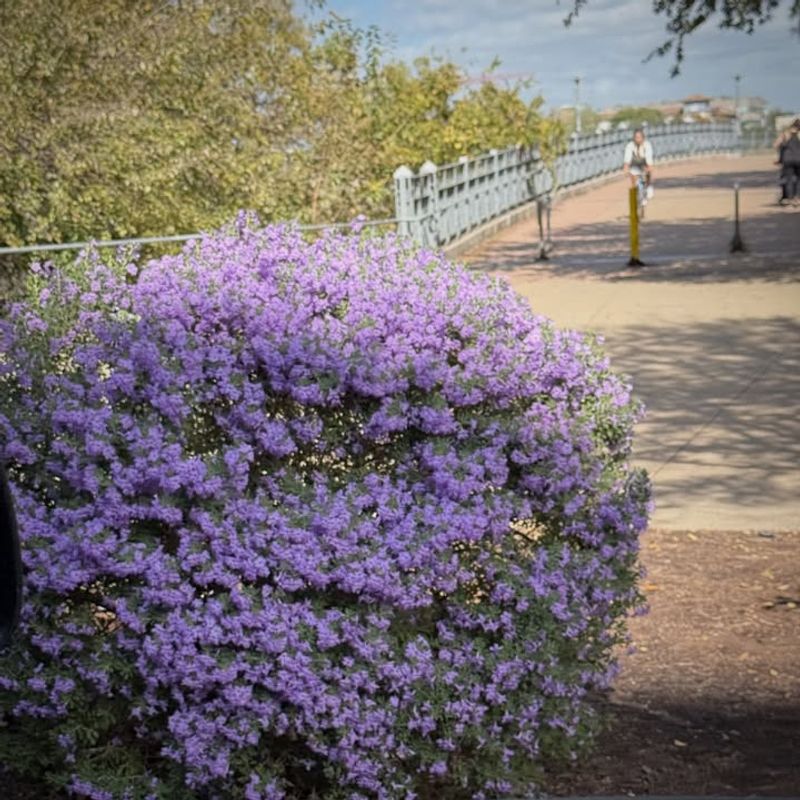
Mature specimens develop character and presence that newly planted shrubs cannot match.
Gnarled trunks and full, rounded canopies take time to develop but create impressive focal points.
Unlike trendy plants that fall out of favor, Texas Sage remains timelessly appropriate for Southwestern landscapes.
Your landscaping won’t look dated five or ten years after installation.
Drought conditions that destroy less adapted plants only prove the wisdom of choosing Texas Sage.
Climate change predictions suggest water will become increasingly scarce, making drought-tolerant choices even more valuable.
Neighbors who planted water-hungry species end up replacing withered plants repeatedly while your Texas Sage thrives.
The financial and environmental benefits compound over the plant’s multi-decade lifespan, making it one of the smartest landscape investments possible.