The Glow In The Dark Flower Creating A Buzz Among Massachusetts Gardeners
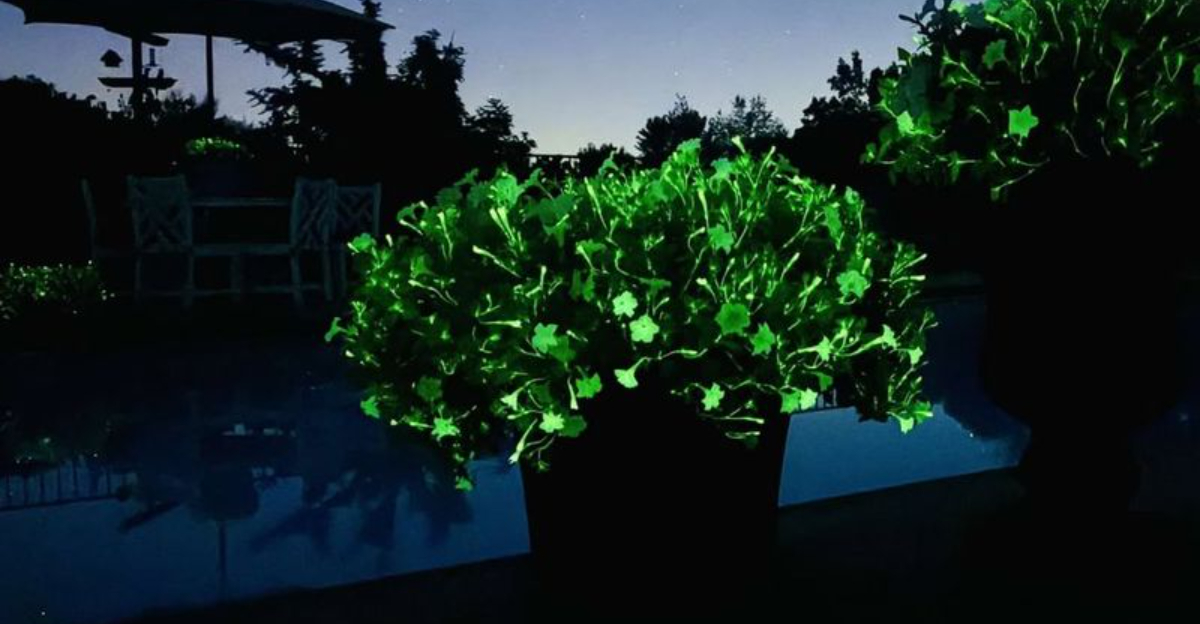
Massachusetts gardeners are abuzz over a glow-in-the-dark flower that adds a magical touch to evening gardens.
These unique plants emit subtle luminescence, creating enchanting nighttime displays that delight both residents and visitors.
Perfect for patios, pathways, and container arrangements, the flowers brighten outdoor spaces without artificial lighting, making them energy-efficient and conversation-worthy.
Beyond aesthetics, they are hardy, low-maintenance, and resilient in Massachusetts’ climate, thriving through late summer and early fall.
Gardeners use them to highlight borders, frame garden features, or create whimsical spots for entertaining.
The unusual glow captivates children and adults alike, making gardens feel like a living storybook after sunset.
As interest spreads across communities, this flower is becoming a must-have for homeowners who want to add an unforgettable, luminous element to their landscapes.
What Exactly Is A Firefly Petunia And How Does It Glow?
Imagine a flower that produces its own natural light—no wires, no bulbs, just pure plant power.
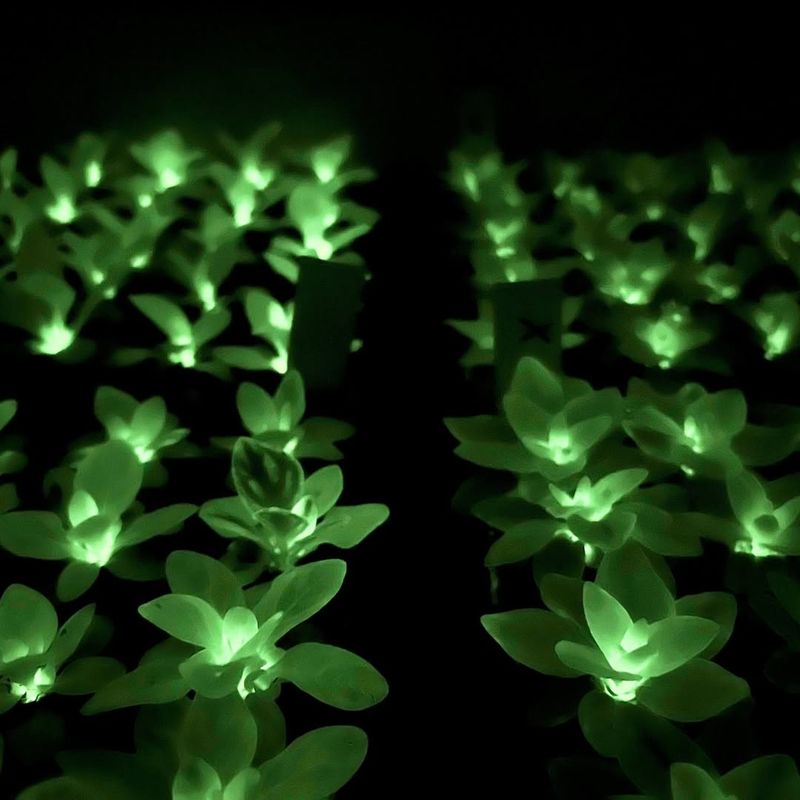
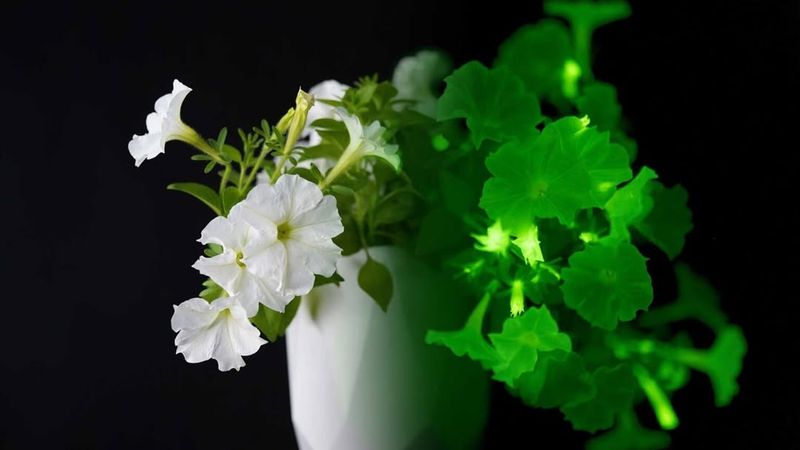
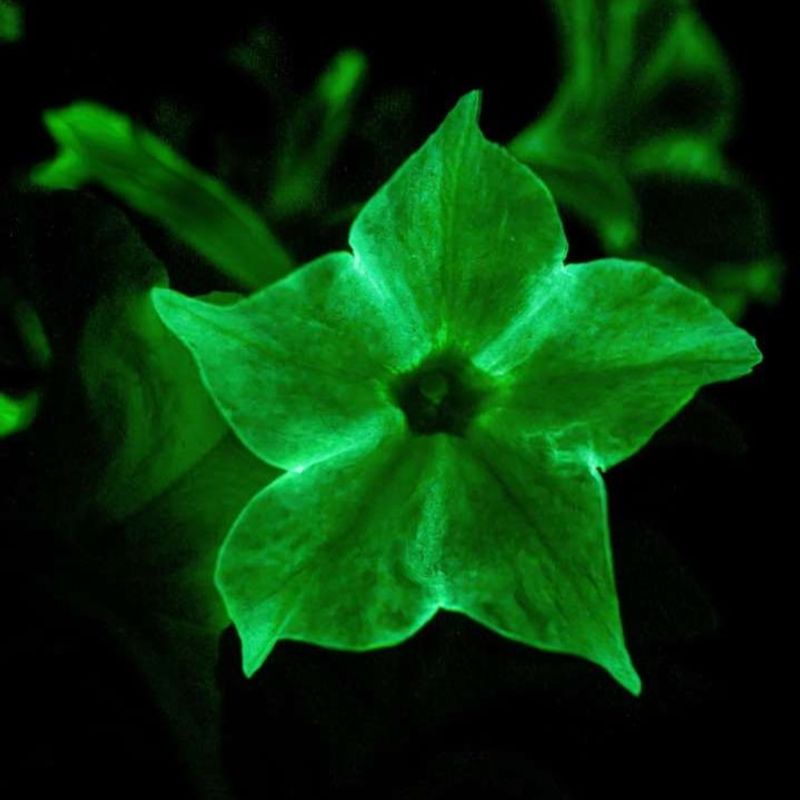
Firefly Petunias are genetically modified petunias that contain DNA from bioluminescent mushrooms, allowing them to emit a faint greenish-white glow after dark.
Scientists inserted genes responsible for creating luciferin, the same chemical that makes fireflies twinkle, into petunia cells.
Once the sun sets, these petals start to shimmer with an ethereal glow visible to the naked eye.
Massachusetts gardeners are fascinated because it’s real science meeting backyard beauty.
You don’t need special lights or equipment—just plant, water, and watch nature do something truly magical at twilight.
Perfect For Small-Space Gardens Across Massachusetts
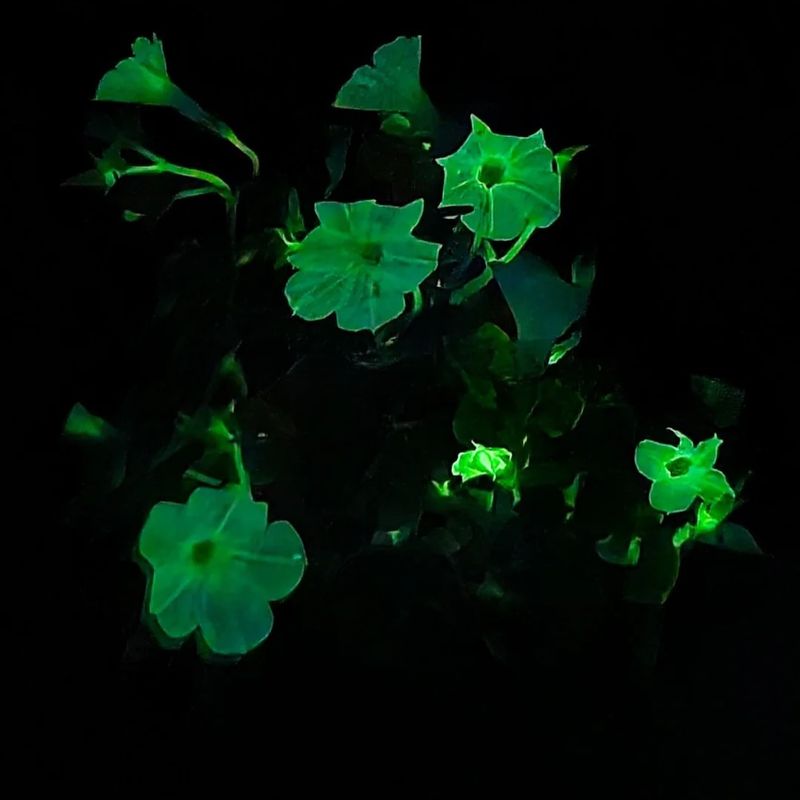
Not everyone in Massachusetts has acres of land to work with.
Many gardeners live in apartments, condos, or homes with tiny yards, making container gardening essential.
Firefly Petunias thrive beautifully in pots, window boxes, and hanging baskets, which means even a narrow balcony in Cambridge or a small patio in Springfield can host these glowing wonders.
Their compact growth habit makes them ideal for urban and suburban spaces where every square foot counts.
Plus, their nighttime glow adds drama and charm to otherwise overlooked corners.
You can finally enjoy your outdoor space after dark without stringing up lights or dealing with extension cords everywhere.
A New Kind Of Natural Garden Lighting
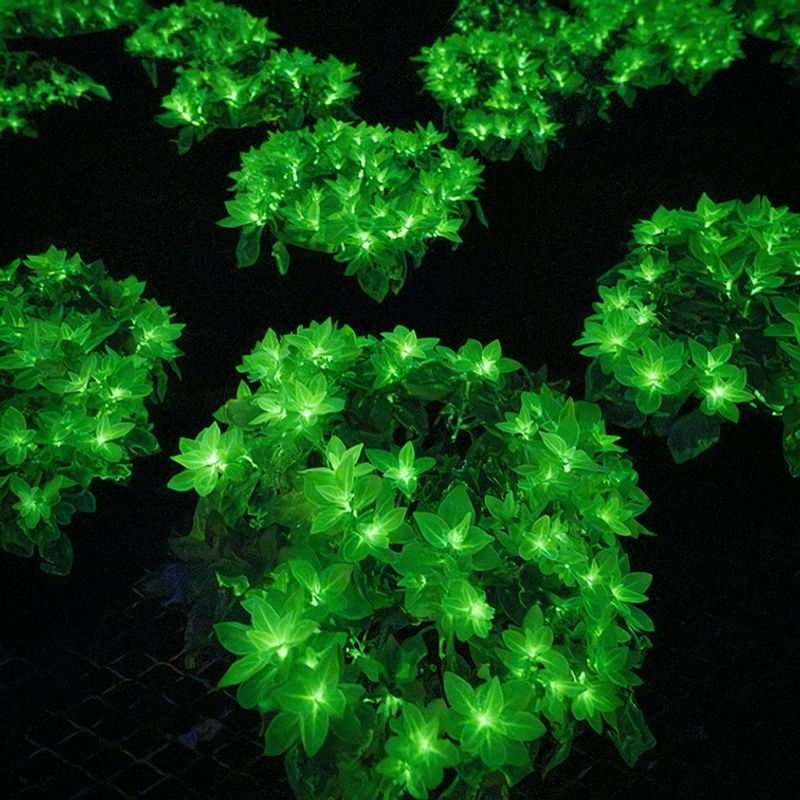
Garden lighting usually means solar stakes, string lights, or lanterns that need maintenance and electricity.
Firefly Petunias offer something entirely different—a living, breathing light source that’s gentle on the eyes and completely sustainable.
Their soft glow won’t blind you like bright LEDs; instead, it creates a dreamy, moon-washed ambiance perfect for evening relaxation.
Massachusetts gardeners love how this subtle illumination transforms pathways, flower beds, and seating areas into enchanting nighttime retreats.
It’s not about lighting up the whole yard—it’s about adding whispers of light that make your garden feel alive and magical after sunset.
Real Massachusetts Gardeners Share Their Firefly Petunia Experiences
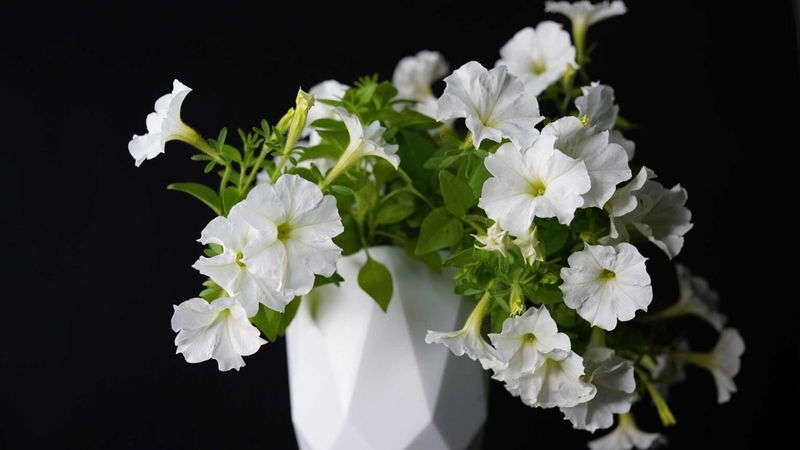
Early adopters across the state are raving about their glowing plants.
A Worcester gardener named Sarah says her kids now beg to go outside after dinner just to watch the petunias glow.
Your Massachusetts Garden Changes Every Week. Your Plan Should Too.
Gardening in Massachusetts changes quickly throughout the season. Every Friday you’ll receive a simple weekly plan showing exactly what to plant, prune, fertilize, harvest, and protect so you never miss the right timing.
In Northampton, a retiree mentioned how his evening tea on the porch feels more peaceful surrounded by soft bioluminescent blooms.
Another Boston-based plant enthusiast shared that her neighbors constantly stop to ask questions, turning her small front garden into a local attraction.
These real-world stories show that Firefly Petunias aren’t just a gimmick—they’re genuinely changing how Massachusetts families experience their outdoor spaces and connect with nature at night.
How To Care For Your Firefly Petunia In Massachusetts
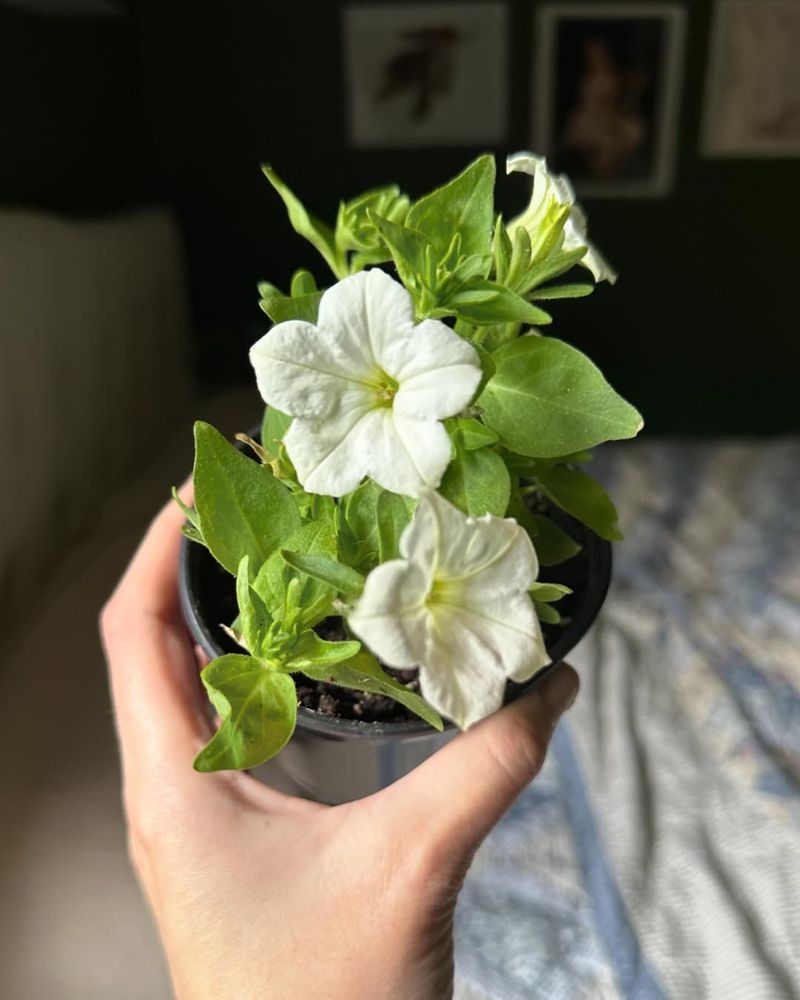
Good news—Firefly Petunias aren’t much harder to grow than regular petunias.
They prefer full sun (at least six hours daily) and well-draining soil rich in organic matter.
Water them regularly, especially during hot Massachusetts summers, but avoid letting roots sit in soggy soil.
Deadhead spent blooms to encourage more flowers and stronger glow.
Since they’re annuals, they won’t survive New England winters outdoors, so plan to replant each spring or bring potted plants inside.
Fertilize every two weeks with a balanced plant food.
Overall, if you can grow traditional petunias, you can absolutely grow these glowing beauties with just a little extra attention.
Understanding Ecological And Regulatory Concerns
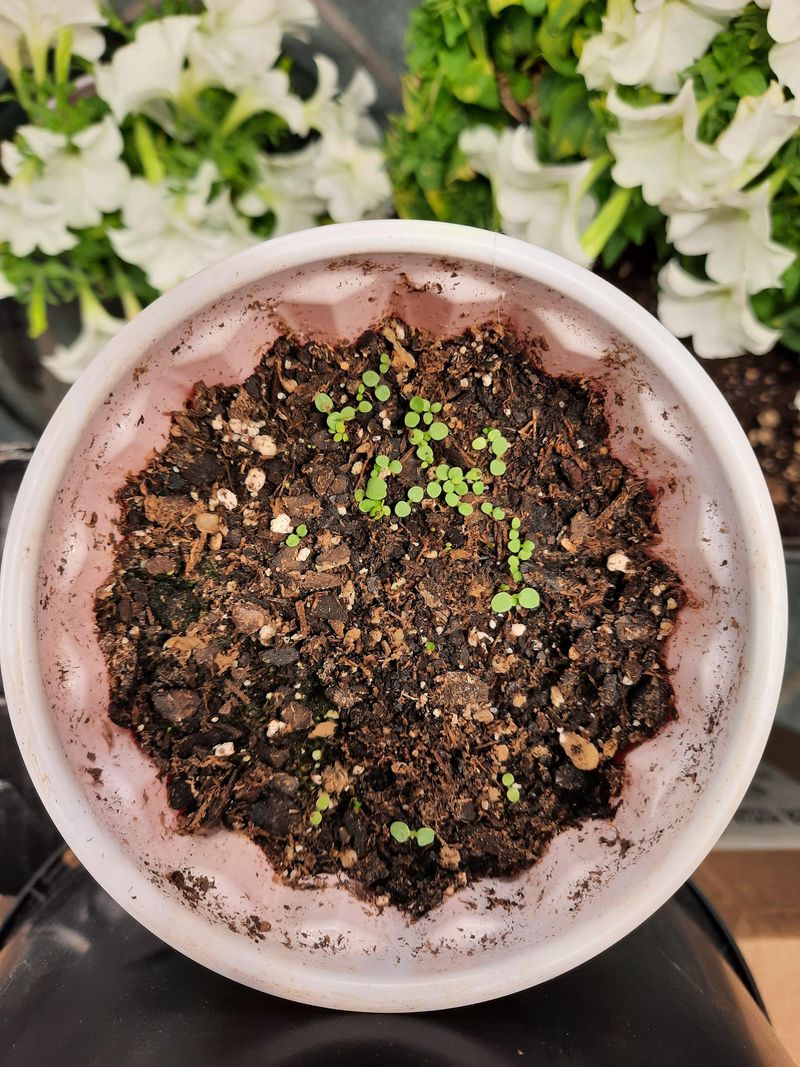
Bioluminescent plants raise important questions about environmental safety and regulation.
Firefly Petunias are genetically modified organisms (GMOs), which some gardeners worry could cross-pollinate with wild plants or disrupt local ecosystems.
However, the company behind them has worked with the USDA to ensure they meet safety standards.
Massachusetts has no specific ban on ornamental GMO plants, but gardeners should stay informed about local guidelines and best practices.
Experts recommend keeping Firefly Petunias in containers to limit spread and disposing of plant material responsibly.
Being aware of these concerns helps you make thoughtful, environmentally conscious choices while enjoying this innovative plant technology.
Firefly Petunia Vs. Traditional Garden Lighting Options
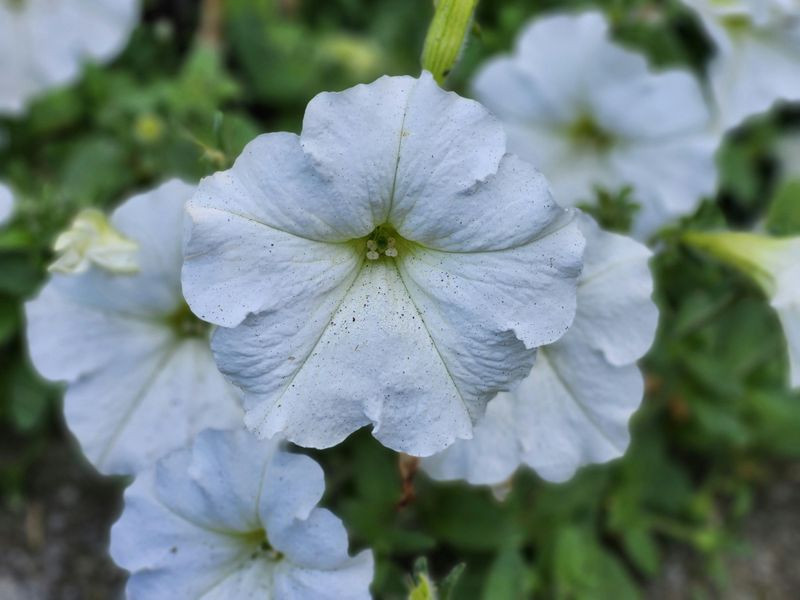
How does a living light compare to fairy lights, solar lanterns, or glow-in-the-dark ornaments?
Firefly Petunias win big on sustainability—they need no electricity, batteries, or replacement bulbs.
They’re quieter and more natural-looking than buzzing electric lights, blending seamlessly into your garden’s aesthetic.
However, their glow is much subtler than bright LED strings, so they won’t illuminate an entire patio for reading or dining.
Think of them as mood lighting rather than functional brightness.
For Massachusetts gardeners seeking eco-friendly ambiance and a conversation starter, Firefly Petunias offer unmatched charm and innovation that traditional lighting simply can’t replicate.
Will Firefly Petunias Become A Massachusetts Garden Staple Or Stay Niche?
Predicting garden trends is tricky, but Firefly Petunias have serious buzz right now.
Some experts believe they’ll become as common as marigolds and impatiens once prices drop and availability increases.
Others think they’ll remain a novelty item for adventurous gardeners willing to pay premium prices.
Massachusetts gardeners tend to embrace innovation—think heirloom tomatoes and pollinator gardens—so there’s real potential for widespread adoption.
However, concerns about GMOs, cost, and care requirements might limit mass appeal.
Whether mainstream or niche, Firefly Petunias are definitely sparking curiosity and pushing the boundaries of what we expect from our gardens.
Design Ideas For New England Gardens And Landscapes
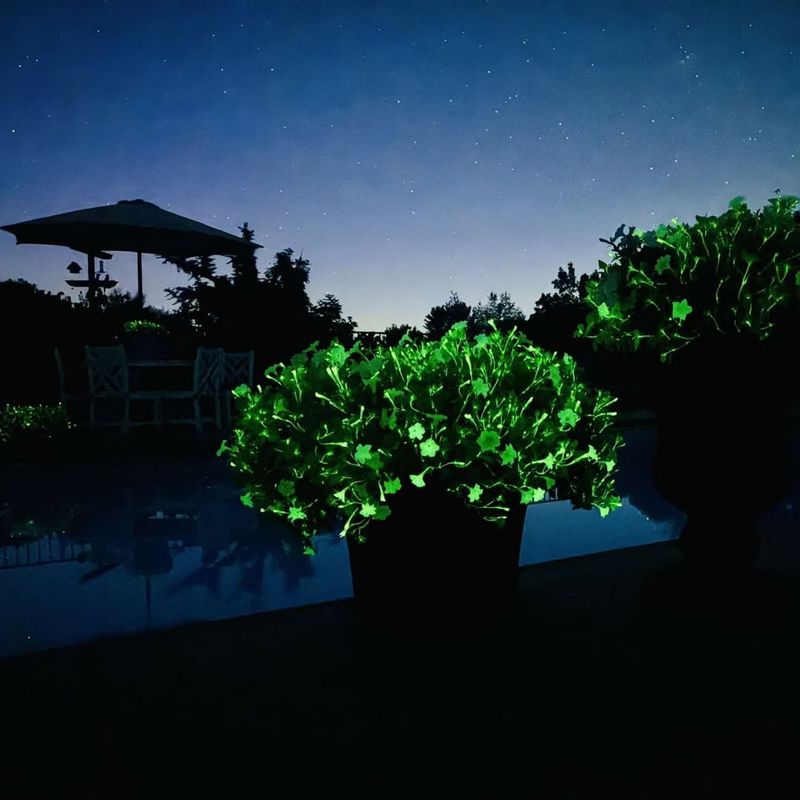
Integrating glowing petunias into traditional New England garden styles takes a bit of creativity.
Try planting them along stone pathways in cottage gardens for a fairy-tale effect.
Pair them with classic favorites like hydrangeas, daylilies, and hostas to create contrast between daytime color and nighttime glow.
For modern landscapes, use Firefly Petunias in sleek geometric planters on patios or decks.
In winter-hardy containers, combine them with ornamental grasses and trailing ivy for layered texture.
Whether your style is rustic farmhouse or contemporary chic, these glowing blooms add an unexpected twist that honors New England’s gardening heritage while embracing futuristic innovation.
Where To Buy Firefly Petunias In Massachusetts
Availability is still somewhat limited, but growing.
Some Massachusetts nurseries and garden centers have started carrying Firefly Petunias, especially in the Boston metro area and Pioneer Valley.
Ordering online directly from the producer is another option, though shipping costs and seasonal availability can vary.
Expect to pay more than you would for regular petunias—typically fifteen to thirty dollars per plant depending on size and retailer.
Regulations around GMO ornamental plants are evolving, so check your local nursery’s stock or call ahead.
As demand increases, prices should drop and accessibility will improve, making these glowing wonders easier for the average Massachusetts gardener to enjoy.
The Emotional And Lifestyle Appeal Of Glowing Plants
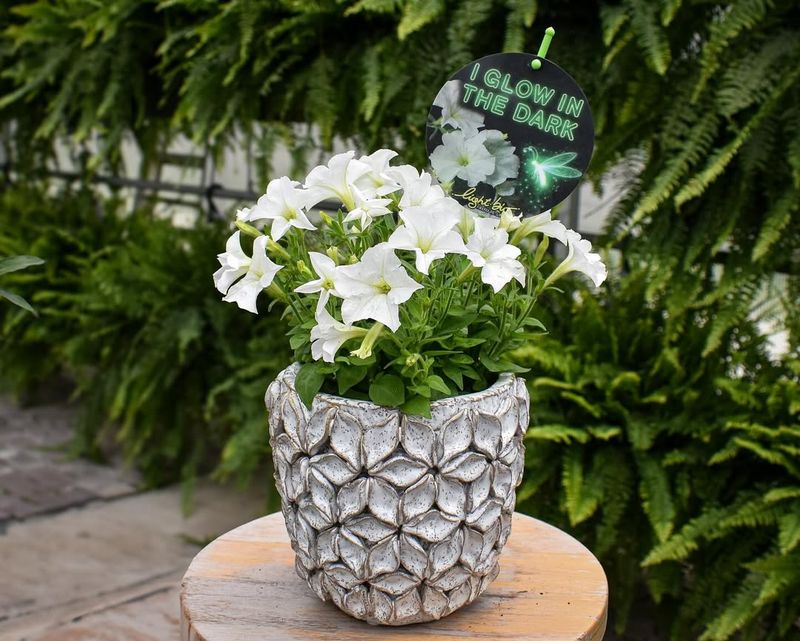
Why are so many gardeners drawn to glowing plants?
Part of it is pure novelty—who doesn’t want to show off something their neighbors have never seen?
But there’s also a deeper emotional connection at play.
Firefly Petunias bring a sense of wonder and magic to everyday life, reminding us that nature still holds surprises.
For Massachusetts residents dealing with long winters and short summers, these plants extend the joy of gardening into the evening hours.
They create peaceful, meditative spaces perfect for unwinding after stressful days.
In a world dominated by screens and artificial light, glowing flowers offer a gentle, natural glow that soothes the soul.
The Future Of Bioluminescent Plants In Massachusetts Gardening
Firefly Petunias are just the beginning.
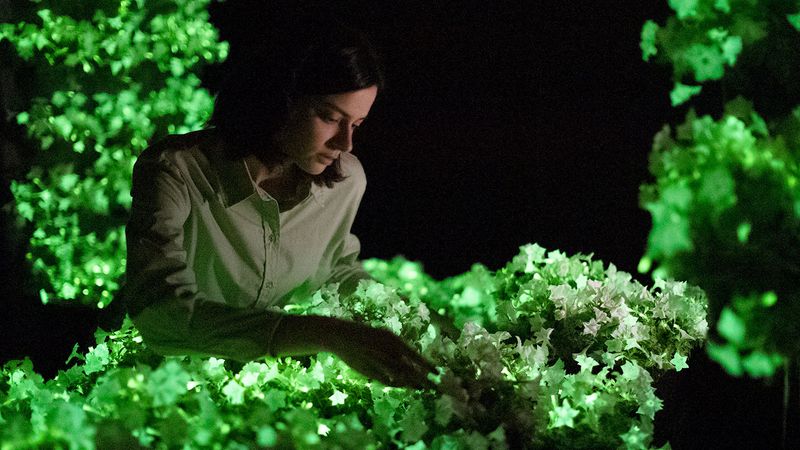
Scientists are working on glowing roses, tomatoes, and even trees that could one day light up streets and parks naturally.
Massachusetts, with its strong biotech industry and progressive gardening community, could become a testing ground for these innovations.
Challenges remain—ethical debates about genetic modification, ecological impacts, and public acceptance will shape how quickly bioluminescent plants spread.
Still, the potential is enormous.
Imagine glowing vegetable gardens, self-illuminating houseplants, or entire landscapes that glow softly at night.
Massachusetts gardeners are watching closely, ready to embrace the next wave of botanical breakthroughs while staying thoughtful about their environmental responsibilities.