This Winter-Resistant Groundcover Grows Strong In Missouri Lawns
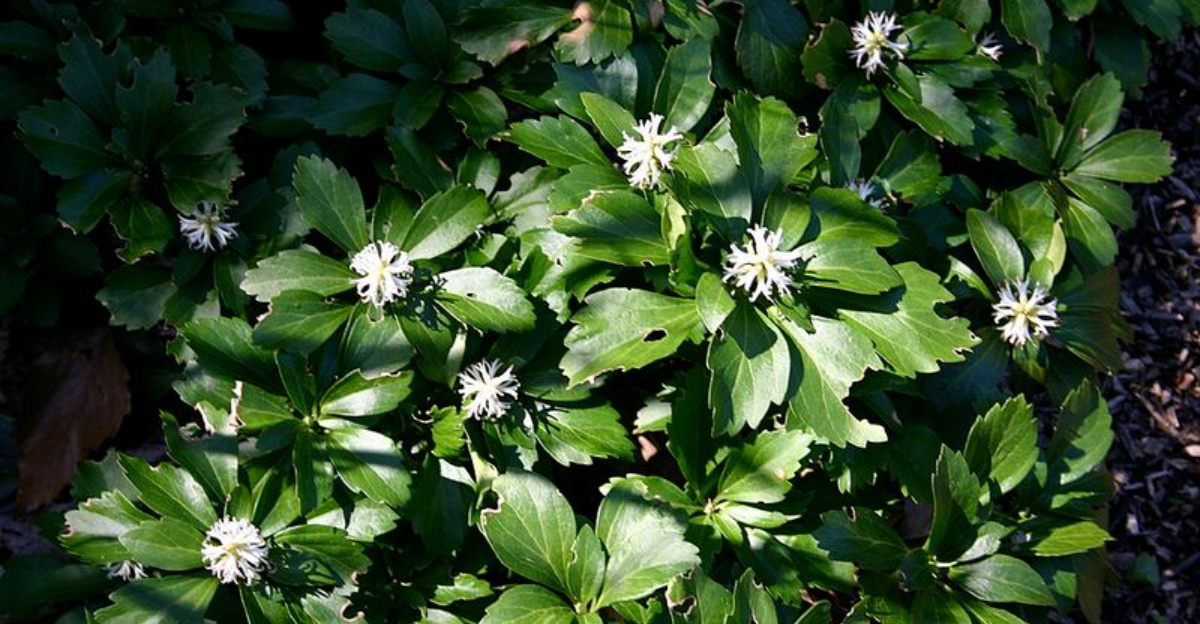
Pachysandra thrives as Missouri lawns face the icy grip of winter, turning barren patches into a lush, evergreen carpet that refuses to quit.
This hardy groundcover laughs in the face of frost, standing tall while other plants curl up and nap until spring.
Homeowners seeking a no-fuss, low-maintenance solution discover pachysandra fills shady corners and tricky spots that grass shies away from, offering a green promise year-round.
Like a dependable friend, it spreads quietly but confidently, keeping weeds at bay and soil intact.
In the battle against winter’s chill, pachysandra emerges as a steadfast champion, proving that beauty and resilience can walk hand in hand.
Evergreen Beauty Lasts Through Missouri Winters
Unlike many plants that lose their leaves when temperatures drop, pachysandra stays green all winter long.
Your yard will look fresh and vibrant even when snow covers the ground.
The thick, waxy leaves protect themselves from freezing temperatures and harsh winds that sweep across Missouri.
Most homeowners love this feature because it means no bare patches in the landscape during cold months.
While your neighbor’s garden turns brown and lifeless, your pachysandra keeps its rich color.
The plant has adapted over thousands of years to handle freezing conditions without dying back.
Missouri’s unpredictable winter weather doesn’t bother pachysandra one bit.
Whether temperatures hover near zero or swing wildly between warm and cold, this groundcover maintains its appearance.
You won’t need to replant each spring like you would with annual flowers.
The evergreen quality also means less work for you during fall cleanup.
Since the leaves don’t drop, you won’t be raking piles of withered foliage.
Your lawn stays tidy and attractive throughout the entire year with minimal effort on your part.
Shade-Loving Champion For Difficult Spots
Got a shady spot under big oak trees where grass refuses to grow?
Pachysandra thrives in exactly those challenging areas that frustrate most gardeners.
The plant actually prefers shade and will spread happily where sun-loving plants struggle and die.
Deep shadows that destroy grass become the perfect home for this adaptable groundcover.
Missouri yards often have mature trees that create dense shade, making it tough to grow a traditional lawn underneath.
Pachysandra solves this problem beautifully by carpeting the ground with lush greenery.
The leaves are designed to capture whatever light filters through the tree canopy above.
You’ll find this groundcover especially useful along the north side of your house or beneath evergreen trees.
These super-shady locations become attractive landscape features instead of bare dirt patches.
The plant even tolerates the dry shade created by shallow tree roots that steal moisture from the soil.
Professional landscapers throughout Missouri recommend pachysandra for problem areas where nothing else will grow.
Once established, it fills in completely and creates a uniform carpet of green that looks intentional and well-maintained.
Low-Maintenance Ground Blanket Reduces Yard Work
Tired of spending every weekend mowing, edging, and fussing with your lawn?
Your Missouri Garden Changes Every Week. Your Plan Should Too.
Gardening in Missouri changes quickly throughout the season. Every Friday you’ll receive a simple weekly plan showing exactly what to plant, prune, fertilize, harvest, and protect so you never miss the right timing.
Pachysandra requires almost no maintenance once it gets established in your Missouri yard.
You’ll never need to mow it, and it naturally stays at a neat height of about six to eight inches.
The plant does all the work while you enjoy your free time.
Weeds have trouble breaking through the dense mat of pachysandra leaves and stems.
This natural weed suppression means less bending over to pull unwanted plants from your garden beds.
The thick coverage blocks sunlight from reaching the soil, preventing weed seeds from sprouting in the first place.
Fertilizing isn’t necessary if your soil has decent organic matter, though a light feeding in spring can encourage faster spreading.
Watering becomes minimal after the first year because the roots grow deep and find their own moisture.
Missouri’s typical rainfall usually provides enough water for established plants.
Pruning is basically nonexistent with pachysandra groundcover.
The plant maintains its own shape and height without any trimming from you.
This makes it perfect for busy families or older homeowners who want beautiful landscaping without constant physical effort.
Spreads Steadily To Fill Empty Spaces
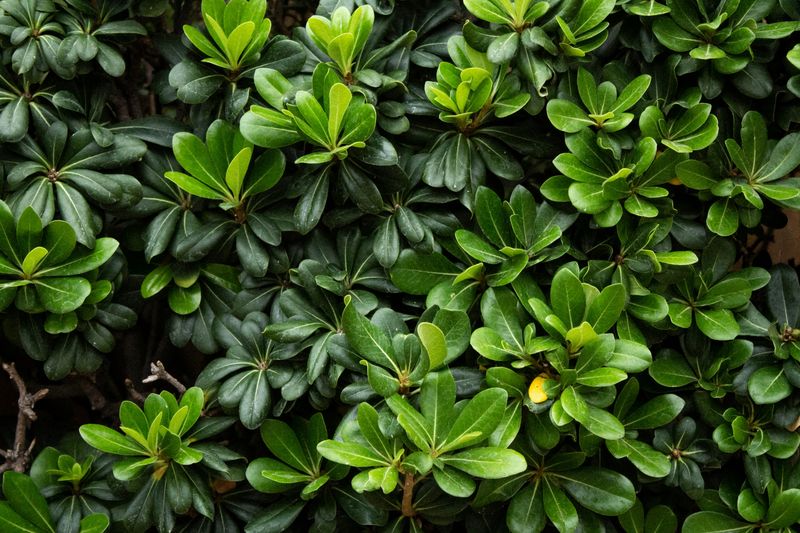
Pachysandra grows by sending out underground stems called rhizomes that pop up new plants as they spread.
This natural expansion means you can start with just a few plants and eventually cover a large area.
The spreading happens gradually, so you won’t wake up one morning to find it invading your entire property like some aggressive groundcovers do.
Most Missouri gardeners plant pachysandra about six to twelve inches apart initially.
Within two to three growing seasons, those individual plants connect and form a solid mat of greenery.
The slower spread gives you control while still providing good coverage over time.
Because it spreads through rhizomes rather than seeds, pachysandra won’t pop up randomly throughout your yard.
You can predict where it will grow and easily contain it with edging if needed.
The underground stems respect boundaries much better than plants that scatter seeds everywhere.
If you have a really large area to cover, you might need to be patient or start with more plants.
But the investment pays off because once established, the coverage remains thick and beautiful for decades.
You’re essentially creating a permanent solution to bare soil problems in shaded areas.
Native To Asia But Perfectly Suited For Missouri
Japanese pachysandra originally comes from forests in Japan, China, and Korea, where it grows wild on shady hillsides.
Plant explorers brought it to America in the late 1800s because they recognized its potential as an ornamental groundcover.
Since then, it has become one of the most popular landscaping plants across the eastern United States, including Missouri.
The climate in Missouri’s shaded forests surprisingly resembles the native habitat of pachysandra in Asia.
Both regions experience cold winters, warm humid summers, and moderate rainfall throughout the year.
This similarity explains why the plant adapts so easily to Missouri landscapes and thrives without special care.
Although not native to North America, pachysandra doesn’t behave like an invasive species here.
It stays where you plant it and doesn’t escape into wild areas or crowd out native plants.
Garden experts consider it a well-behaved introduction that fills a useful niche in cultivated landscapes.
There is also an American native species called Allegheny spurge, which looks similar but has slightly different leaf patterns.
However, the Japanese variety remains more popular among Missouri homeowners because of its denser growth habit and more reliable winter hardiness in our specific climate zones.
Produces Small White Flowers Each Spring
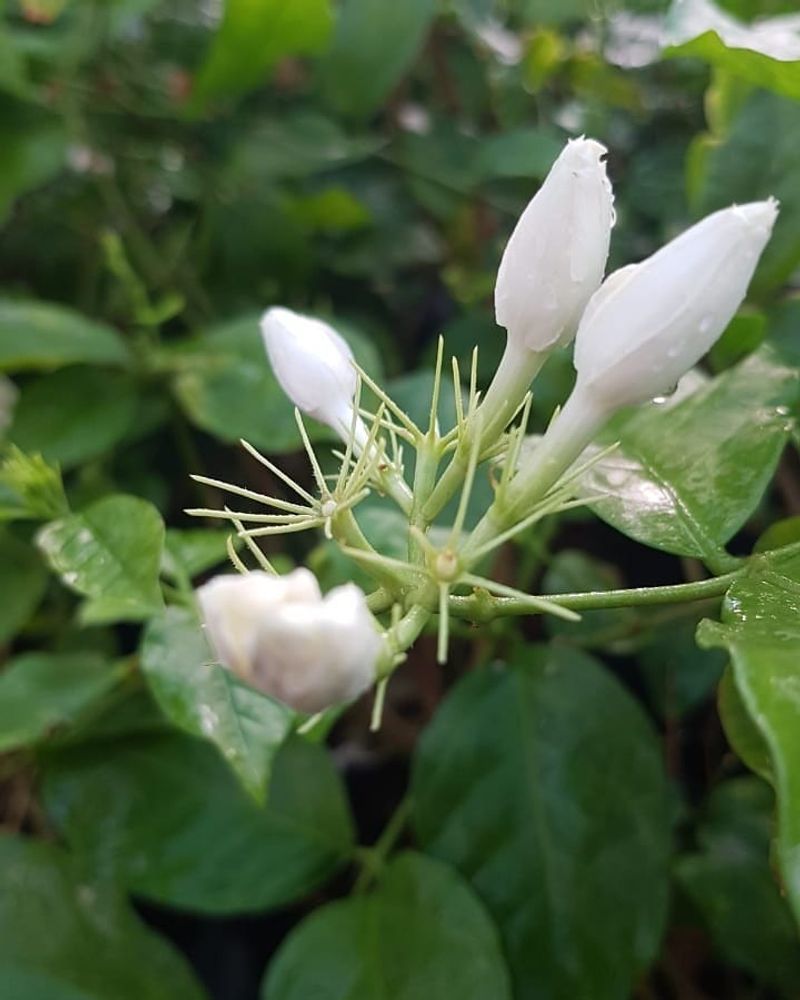
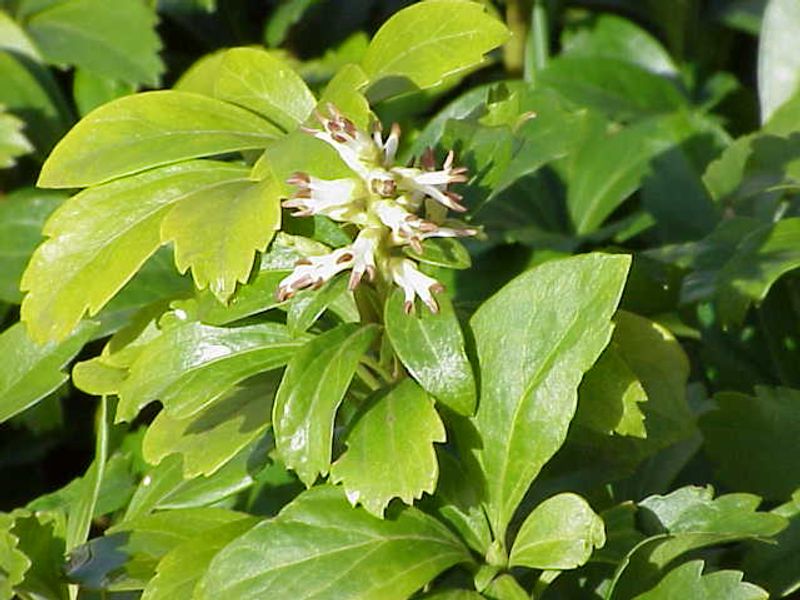
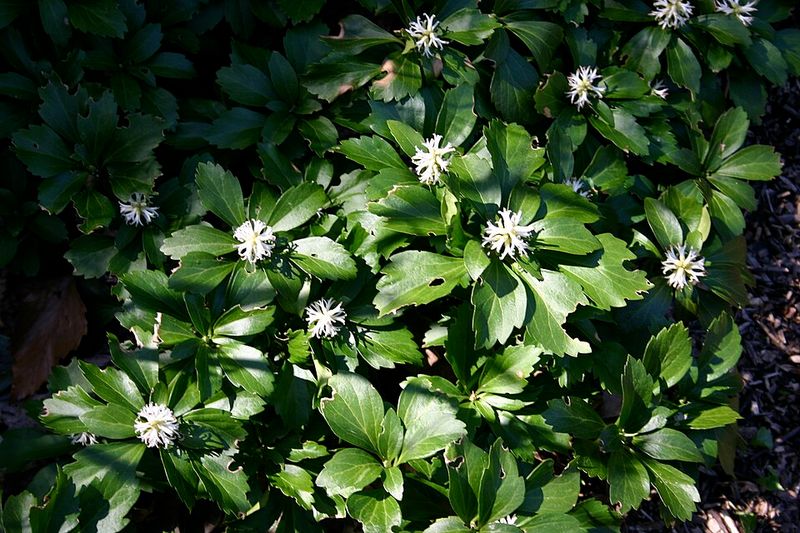
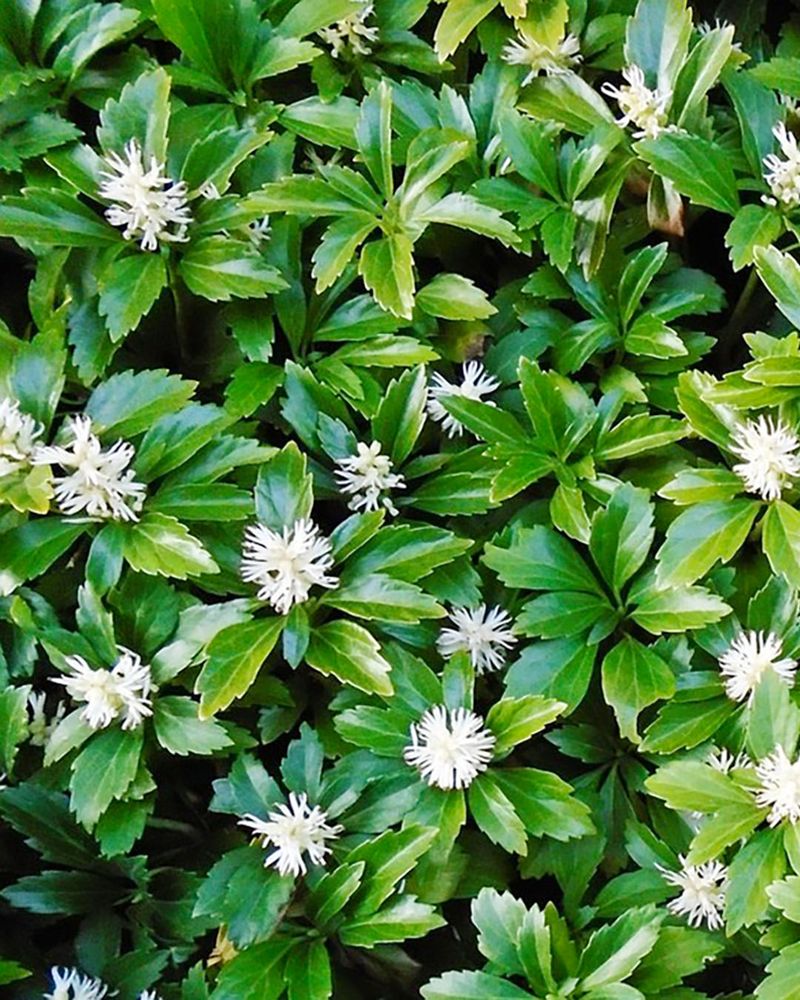
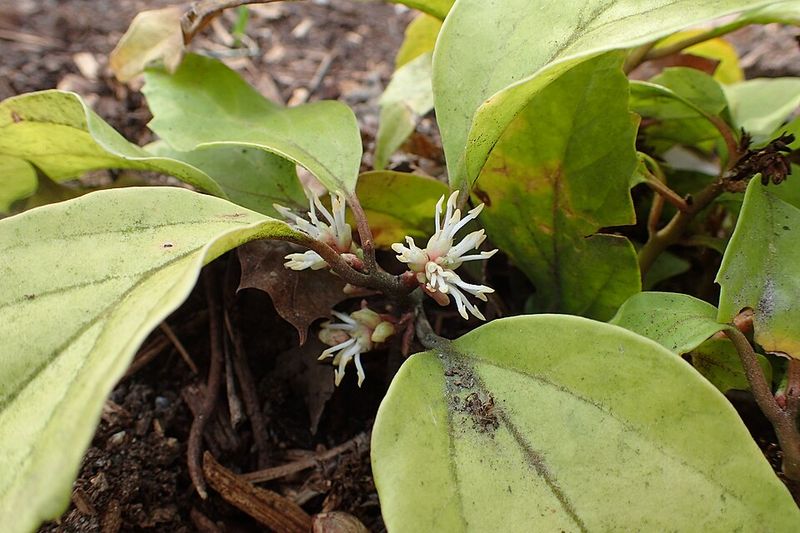
Around April or May in Missouri, mature pachysandra plants develop tiny white flower spikes that peek out from between the leaves.
While not showy like roses or tulips, these delicate blooms add a subtle touch of beauty to the groundcover.
The flowers grow in small clusters and have a light, pleasant fragrance that attracts early-season pollinators.
Many homeowners don’t even notice the flowers at first because they blend in with the foliage.
But if you look closely during spring, you’ll spot the white spikes standing just above the leaf canopy.
The blooms last for several weeks before fading away naturally without making a mess.
Bees and other beneficial insects appreciate these early nectar sources when few other plants are blooming yet.
By including pachysandra in your landscape, you’re helping support pollinator populations in your Missouri neighborhood.
The flowers don’t produce significant seeds, so you won’t have unwanted seedlings popping up everywhere.
After flowering, the plant focuses its energy back into leaf production and spreading.
The blooms don’t require deadheading or any special care from you.
They simply appear, do their thing, and disappear while the plant continues looking attractive throughout the rest of the growing season and into winter.
Tolerates Missouri Clay Soil Surprisingly Well
Many Missouri homeowners struggle with heavy clay soil that drains poorly and becomes rock-hard when dry.
Pachysandra handles this challenging soil type better than most groundcovers, though it does appreciate some improvement.
The plant’s root system can penetrate clay and establish itself even in less-than-ideal conditions.
For best results, work some compost or other organic matter into the planting area before setting out your pachysandra.
This amendment improves drainage and gives the roots an easier start.
But even without amendment, the plant will usually survive and slowly spread once its roots get established.
Clay soil holds moisture longer than sandy soil, which can actually benefit pachysandra during Missouri’s hot summer months.
The plant won’t dry out as quickly between rainfalls.
Just make sure the area doesn’t stay waterlogged for extended periods, as that can cause root rot problems.
If your clay is extremely compacted, consider loosening it with a garden fork before planting.
Breaking up the hard surface allows roots to penetrate more easily.
Once pachysandra takes hold, the roots themselves help improve soil structure over time by adding organic matter as older roots decay and new ones grow.
Deer Usually Leave It Alone in Your Yard
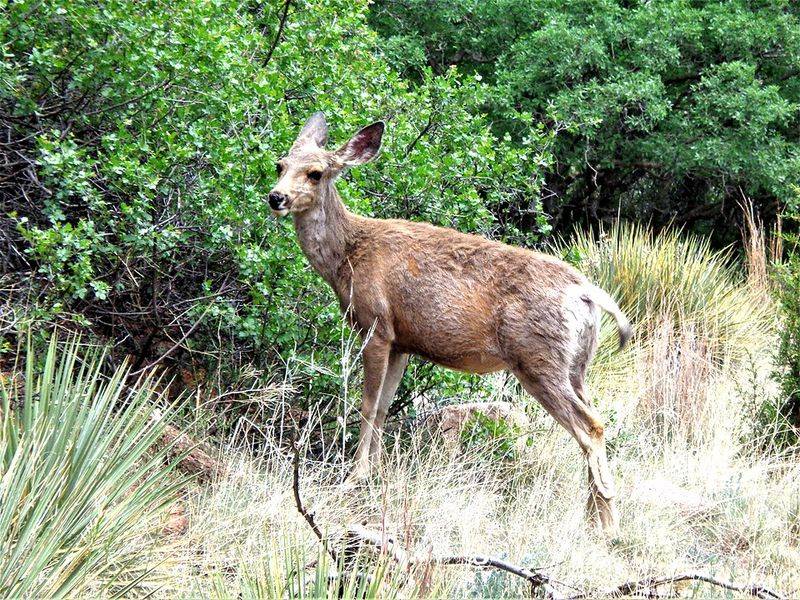
Rural and suburban Missouri residents know how frustrating deer damage can be to landscaping.
These hungry animals munch on hostas, roses, and many other ornamental plants.
Pachysandra, however, rarely appears on their menu because deer find the taste and texture unappealing.
This natural deer resistance makes it an excellent choice for areas with large deer populations.
The glossy, slightly bitter leaves don’t attract browsing animals the way tender, sweet plants do.
While no plant is completely deer-proof when animals are starving, pachysandra ranks among the least likely to get eaten.
You can plant it with confidence even if deer regularly visit your property.
This resistance means your groundcover investment stays protected without needing expensive fencing or smelly repellent sprays.
The pachysandra continues spreading and looking beautiful while deer walk right past it to bother your neighbor’s garden instead.
That’s a huge advantage for Missouri homeowners dealing with wildlife pressure.
Rabbits and other small mammals also tend to ignore pachysandra in favor of tastier options.
This broad resistance to animal damage makes it one of the most reliable groundcovers for yards where critters roam freely.
Your landscape stays intact regardless of what wildlife passes through during the night.
Prevents Soil Erosion On Slopes And Banks
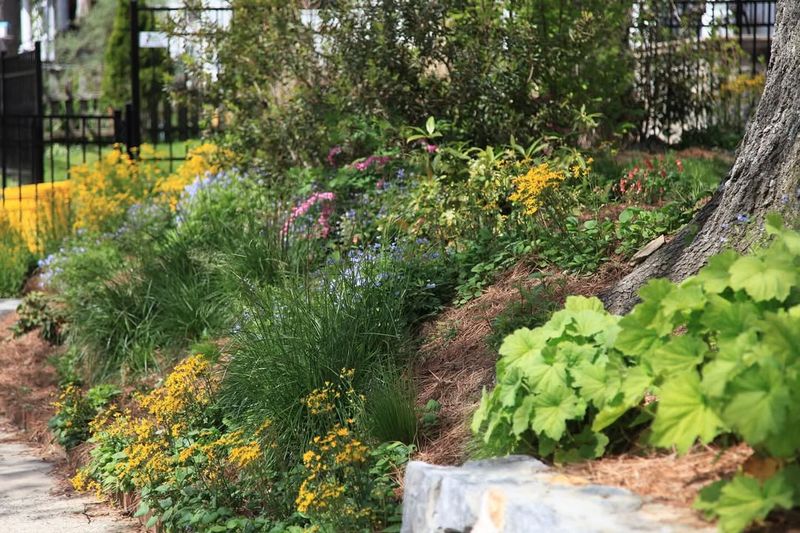
Sloped areas in Missouri yards often suffer from erosion when heavy rains wash away topsoil.
Grass struggles to stay established on steep banks, leaving ugly bare patches and gullies.
Pachysandra’s dense root system holds soil firmly in place even during intense storms.
The interlocking rhizomes create a natural mat that stabilizes hillsides.
The evergreen leaves also protect the soil surface from the direct impact of raindrops.
Water runs off more slowly through the pachysandra cover, giving it time to soak into the ground instead of rushing downhill.
This reduces both erosion and water runoff that might cause problems in lower areas of your property.
Planting pachysandra on slopes proves much easier than maintaining grass on those awkward angles.
You won’t risk injury trying to mow steep banks with a push mower or weed trimmer.
Once established, the groundcover takes care of itself while holding your hillside together through all weather conditions.
Many Missouri municipalities and conservation districts actually recommend pachysandra for erosion control projects.
The plant’s proven ability to stabilize soil makes it valuable for both residential and commercial landscapes.
You’re solving a practical problem while creating an attractive landscape feature that requires minimal ongoing maintenance throughout the years.