The Wild Meadow Yard Look That Transforms Michigan Suburbs
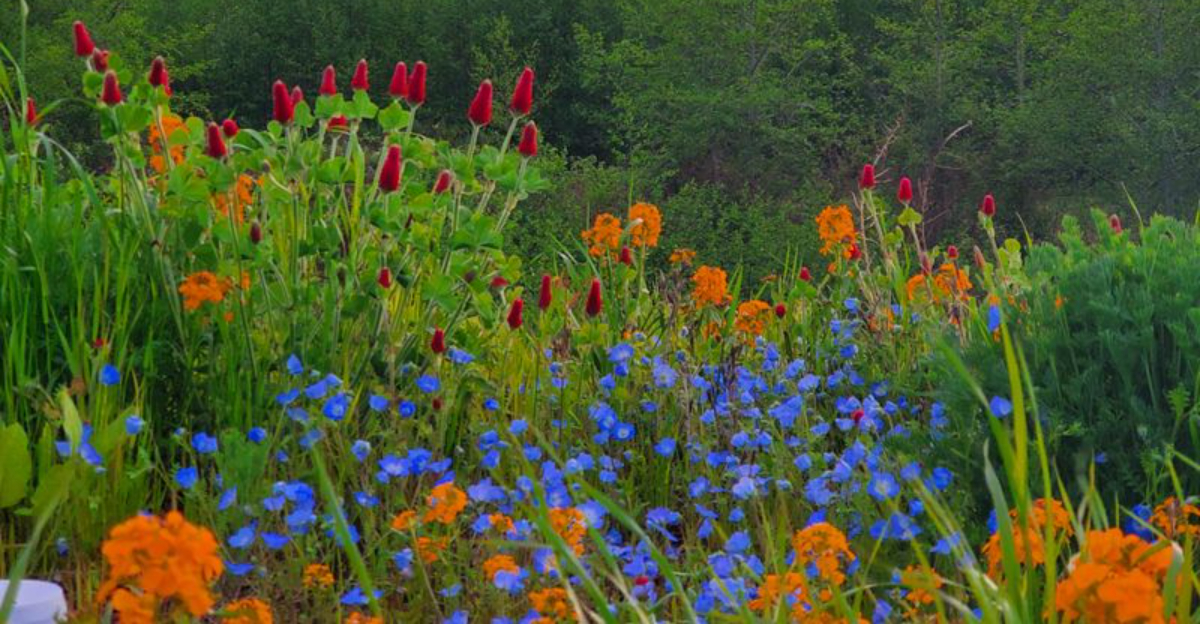
Michigan suburbs are trading in their perfectly trimmed lawns for something much more exciting: wild meadow yards.
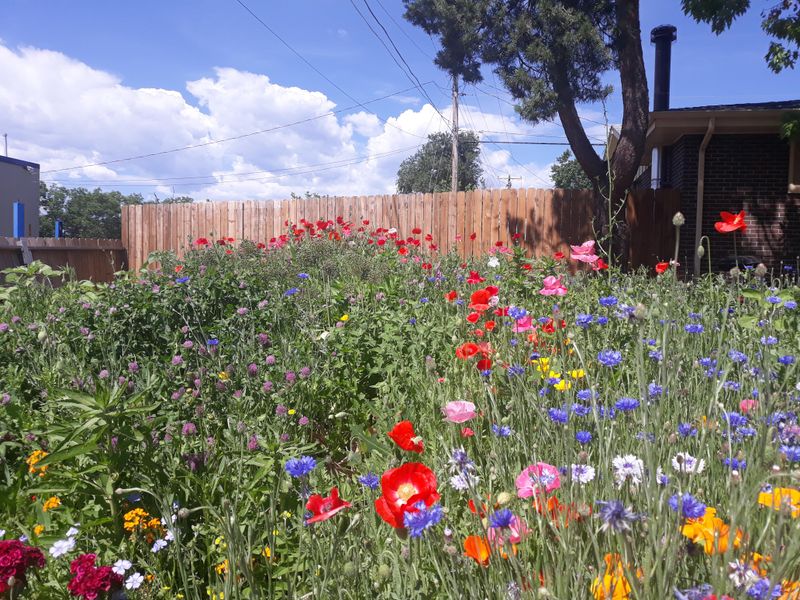
Instead of spending hours mowing and watering grass that barely supports any wildlife, homeowners are creating natural spaces filled with colorful wildflowers, native grasses, and buzzing pollinators.
These meadow yards look beautiful, require less work, and help the environment by providing food and shelter for birds, butterflies, and beneficial insects that keep our ecosystem healthy.
Native Wildflower Plantings Replace Turf Grass
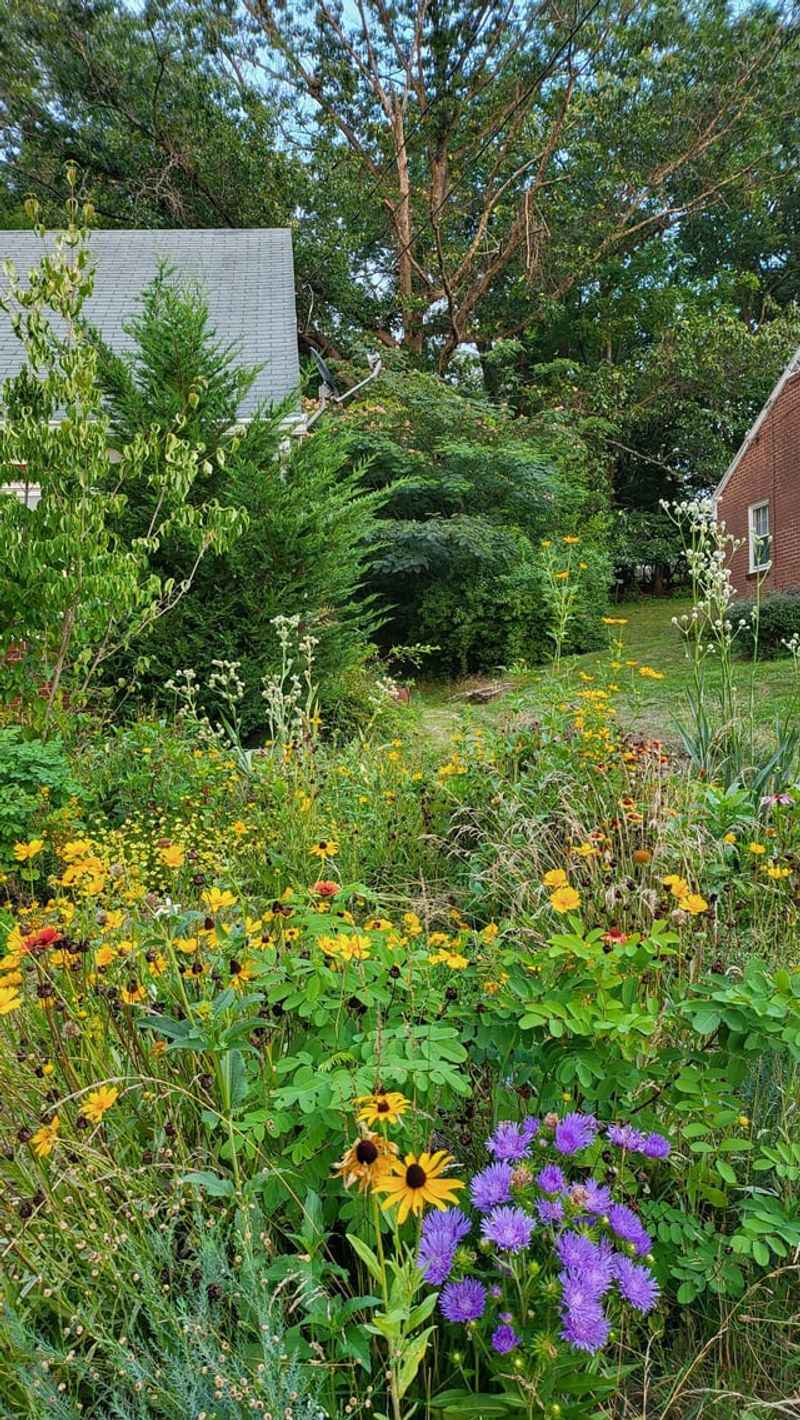
Swapping out traditional grass for native wildflowers creates a yard that practically takes care of itself.
Michigan natives like Black-Eyed Susans, Purple Coneflowers, and Wild Bergamot have deep root systems that make them drought-resistant once established.
You won’t need to water them constantly like you would regular grass, which means lower water bills and more free time on weekends.
These flowers bloom at different times throughout spring, summer, and fall, giving your yard constant color.
Pollinators absolutely love native wildflowers because they evolved together over thousands of years.
Butterflies, bees, and hummingbirds will visit your yard regularly, turning it into a living nature show you can watch from your window.
Starting a wildflower meadow is easier than you think.
You can buy seed mixes specifically designed for Michigan’s climate and soil.
Prepare the area by removing existing grass, scatter the seeds in late fall or early spring, and let nature do most of the work.
Within a year or two, you’ll have a gorgeous, low-maintenance yard that neighbors will admire.
Reduced Mowing Schedules Save Time And Money

Imagine never having to mow your lawn every single week again.
Wild meadow yards only need cutting once or twice a year, usually in late fall or early spring.
This means you can spend your Saturday mornings doing things you actually enjoy instead of pushing a noisy mower around in the hot sun.
The money you save on gas, mower maintenance, and replacement parts adds up quickly too.
When you do mow a meadow, you’re simply giving it a seasonal trim to remove old growth and make room for new plants.
Many people use a string trimmer or hire someone to cut it down to about six inches.
Some homeowners even leave sections unmowed through winter to provide shelter for beneficial insects and seeds for birds.
Your neighbors might look at you funny at first when your grass gets longer than usual, but once the wildflowers start blooming, they’ll understand.
Educational signs explaining your meadow project can help people appreciate what you’re doing.
You’re not being lazy—you’re being smart about your time and creating habitat for wildlife at the same time.
Pollinator Habitats Support Local Ecosystems
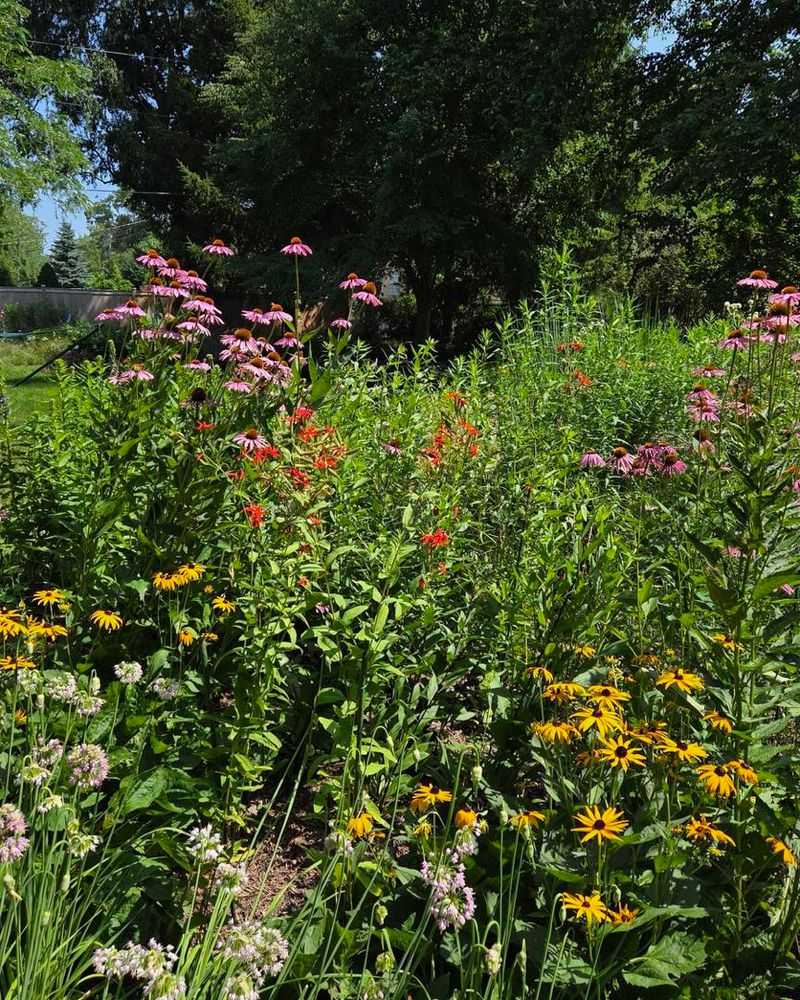
Did you know that many pollinator species are struggling because they can’t find enough food and shelter?
Your wild meadow yard becomes a lifeline for these important creatures.
Bees need pollen and nectar from flowers to survive, and native plants provide exactly what they’re looking for.
Your Michigan Garden Changes Every Week. Your Plan Should Too.
Gardening in Michigan changes quickly throughout the season. Every Friday you’ll receive a simple weekly plan showing exactly what to plant, prune, fertilize, harvest, and protect so you never miss the right timing.
When you plant a meadow, you’re essentially opening a restaurant that serves their favorite meals all season long.
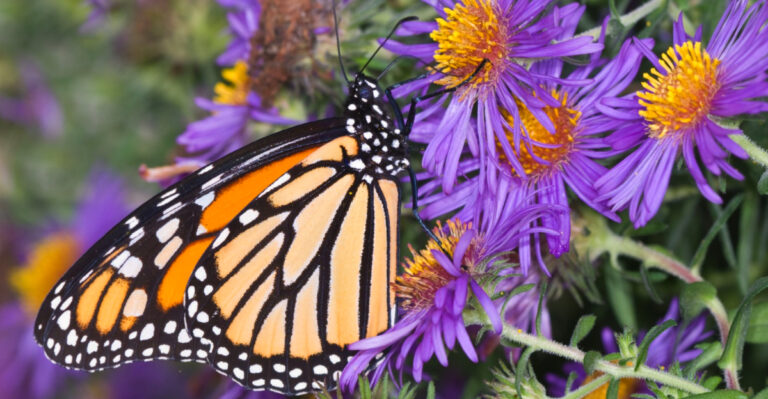
Monarch butterflies, which migrate through Michigan every year, desperately need milkweed plants to lay their eggs.
Including milkweed in your meadow mix helps support their incredible journey.
Other butterflies like Swallowtails and Fritillaries will also visit regularly.
Watching these beautiful insects float through your yard is incredibly relaxing and reminds us how connected everything in nature really is.
Beyond the pretty butterflies, your meadow supports native bees that are better pollinators than honeybees for many plants.
These solitary bees don’t sting and they quietly go about their business pollinating your vegetables and fruit trees.
Creating habitat for them means better garden harvests and a healthier local environment for everyone in your neighborhood.
Natural Pest Control Through Beneficial Insects
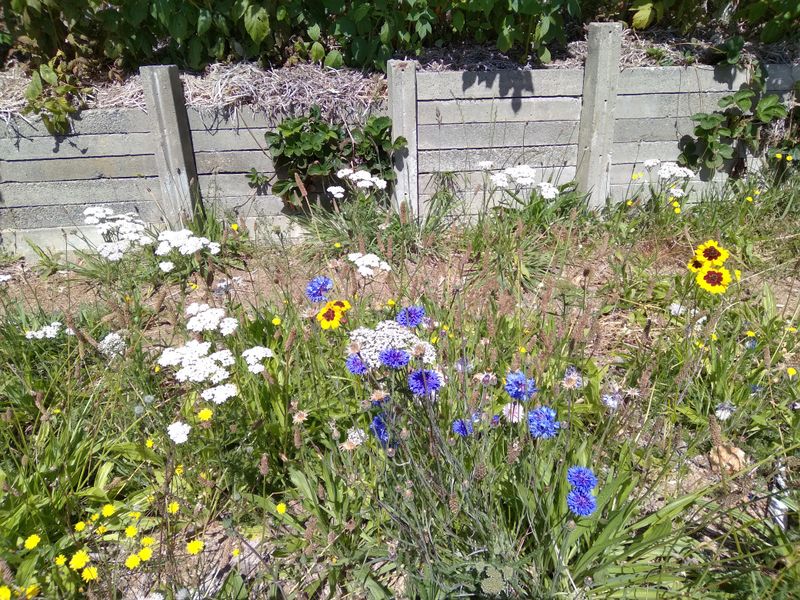
Wild meadows attract an army of helpful insects that eat the pests trying to destroy your plants.
Ladybugs, lacewings, and predatory wasps all love meadow environments because they provide shelter and alternative food sources.
These beneficial bugs patrol your yard looking for aphids, caterpillars, and other plant-munching pests to snack on.
You get free pest control without spraying a single chemical.
Ground beetles hide in the thick vegetation during the day and hunt slugs and other garden pests at night.
Spiders spin webs between the stems and catch flying insects that might otherwise bother you during outdoor barbecues.
This natural balance means you won’t need to buy expensive pesticides that can harm helpful creatures along with the bad ones.
Creating this beneficial insect habitat takes time, but patience pays off.
During the first year, you might still see some pest problems as the ecosystem establishes itself.
By the second and third years, the predator populations will have grown strong enough to keep pests in check naturally.
Your meadow becomes a self-regulating system that protects itself and surrounding plants in your vegetable garden or flower beds.
Improved Soil Health And Carbon Storage
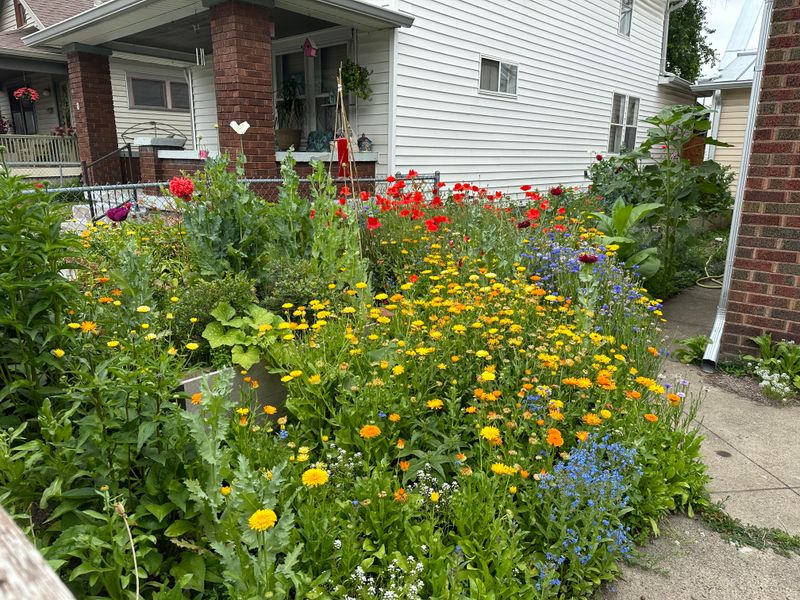
Underneath your wild meadow, something amazing happens that you can’t even see.
Native prairie plants develop incredibly deep root systems—some reaching ten feet down into the soil.
These roots create channels that allow water and air to penetrate deep underground, improving soil structure and preventing compaction.
Regular grass roots only go down a few inches by comparison, so they can’t provide these same benefits.
As roots grow and die back each year, they add organic matter to the soil.
Microorganisms and earthworms break down this material, creating rich, fertile earth that holds nutrients and moisture.
You’re basically building topsoil, which took nature thousands of years to create originally.
Healthy soil means healthier plants that can survive droughts and harsh Michigan winters without your help.
Wild meadows also capture and store carbon from the atmosphere in their roots and soil.
While one yard won’t solve climate change, thousands of suburban meadows across Michigan add up to significant carbon storage.
You’re doing your small part to fight global warming while creating a beautiful yard.
The plants keep working even after you go inside, cleaning air and storing carbon underground where it belongs.
Year-Round Visual Interest And Seasonal Beauty

Regular grass lawns look pretty much the same all year—green in summer, brown in winter, and muddy in between.
Wild meadows put on a constantly changing show that makes every season special.
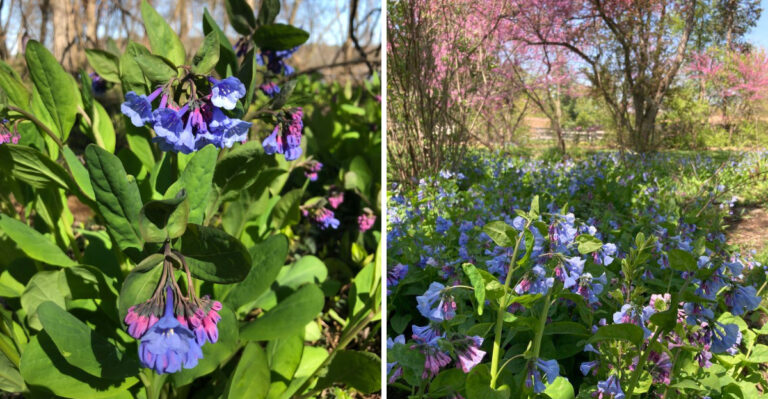
Spring brings early bloomers like Wild Lupine and Shooting Stars in purple and pink shades.
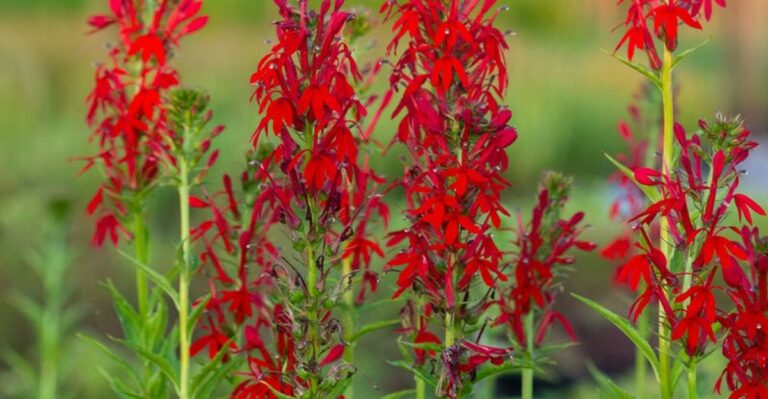
Summer explodes with yellows, oranges, and reds from Black-Eyed Susans, Butterfly Weed, and Bee Balm that attract clouds of butterflies.
Fall transforms your meadow into a golden wonderland as grasses turn amber and seed heads catch the low autumn sunlight.
Asters and Goldenrod provide late-season purple and yellow blooms that migrating birds depend on for fuel.
Even winter has its own beauty when frost coats the dried stems and seed heads, creating natural sculptures that look magical on cold mornings.
Photography enthusiasts love meadow yards because there’s always something interesting to capture.
The changing light at different times of day highlights different textures and colors.
You’ll find yourself looking out the window more often, noticing small details you would have missed with a plain grass lawn.
Your yard becomes art that changes with every passing week.
Stormwater Management And Flood Prevention

Heavy rainstorms are becoming more common in Michigan, and traditional lawns aren’t great at handling large amounts of water quickly.
Rain runs off compacted grass, carrying fertilizers and pesticides into storm drains that empty into rivers and lakes.
Wild meadows solve this problem beautifully because their deep roots create natural drainage systems that soak up water like a giant sponge.
During big storms, meadow yards can absorb several inches of rain that would otherwise flood basements or overwhelm municipal drainage systems.
The thick vegetation slows water down as it flows across the surface, giving it time to sink into the ground instead of rushing away.
This helps recharge groundwater supplies that feed wells and keep streams flowing during dry periods.
If your property has a low spot that tends to puddle, turning it into a rain garden with meadow plants makes perfect sense.
Species like Joe-Pye Weed and Swamp Milkweed actually prefer wet conditions and will thrive where grass would rot.
You’ll transform a problem area into a feature that looks intentional and beautiful while protecting your home’s foundation from water damage.
Neighbors with basement flooding issues will wish they’d thought of it first.
Lower Chemical Use Benefits Water Quality

Traditional lawns are chemical-dependent ecosystems that require regular applications of fertilizers, herbicides, and pesticides to stay green and weed-free.
These chemicals don’t just disappear—they wash into groundwater, streams, and eventually the Great Lakes.
Algae blooms that make beaches unsafe often start with lawn fertilizer runoff.
Switching to a wild meadow means you can stop using these products entirely.
Native plants evolved in Michigan’s natural soil conditions, so they don’t need fertilizer to thrive.
They’ve developed their own defenses against local pests and diseases, eliminating the need for pesticides.
Weeds become less of an issue because diverse meadow plants compete effectively for space and resources.
What some people call weeds might actually be wildflowers that belong in the meadow anyway.
Your choice to go chemical-free protects more than just your yard.
Kids and pets can play safely without exposure to toxic residues.
Beneficial insects and amphibians that are sensitive to chemicals will return to your property.
Rain that soaks into your meadow enters the groundwater clean instead of contaminated.
When enough neighbors make this switch, entire watersheds become healthier, and we all benefit from cleaner water in our lakes and rivers.
Community Conversations And Neighborhood Inspiration

Nothing starts conversations like a yard that looks different from everyone else’s.
When you plant a wild meadow, neighbors will stop to ask what you’re doing.
Some might be skeptical at first, but most become genuinely curious once you explain the benefits.
You become an unofficial environmental educator, sharing knowledge about native plants and wildlife that people never learned in school.
Kids especially love meadow yards because they’re full of things to discover.
Butterflies to chase, grasshoppers to watch, and interesting seed pods to examine make your yard more fun than boring grass.
Parents appreciate having a place where children can explore nature without driving to a park.
You might find yourself hosting informal nature walks where neighbors bring their kids to see what’s blooming or what insects are visiting.
Your meadow often inspires others to try similar projects, creating a ripple effect throughout the neighborhood.
One yard becomes two, then five, then a dozen.
Before long, your suburb has created a network of connected habitats that wildlife can move between safely.
Property values may even increase as buyers look for unique, environmentally-friendly homes.
You started a movement just by planting some wildflowers and letting your grass grow.
Cost Savings Through Reduced Maintenance
Let’s talk money, because wild meadows save you serious cash over time.
Calculate what you spend annually on lawn care: fertilizer, weed remover, gas for the mower, mower repairs, watering during dry spells, and maybe professional lawn service.
Many families spend hundreds or even thousands of dollars yearly to maintain traditional grass.
Meadows need almost none of this, especially after the establishment period.
Initial setup costs for meadow conversion are surprisingly affordable.
Seed mixes cost between fifty and two hundred dollars depending on your yard size, and you can do most of the work yourself over a weekend.
Some Michigan communities even offer free native plant seeds or cost-share programs to encourage residents to create pollinator habitat.
The investment pays for itself within a year or two through eliminated maintenance costs.
Beyond direct savings, meadows add value in less obvious ways.
Your home’s curb appeal increases with unique landscaping that stands out from cookie-cutter lawns.
Energy costs might drop slightly because you’re not running power equipment regularly.
Most importantly, you gain hours of free time that you would have spent on lawn maintenance.
When you calculate the value of your time, the savings become even more impressive and meaningful.