The Viral Kitchen Scrap Garden Method Everyone in Illinois Is Talking About (But Does It Work)
Kitchen scraps that usually end up in the trash might actually be your ticket to a thriving indoor garden.
Social media has been buzzing with videos of people in Illinois regrowing vegetables from leftover pieces, and the trend is spreading like wildfire.
But can you really grow fresh food from carrot tops and onion bottoms, or is this just another internet fad that sounds too good to be true?
We decided to dig into the facts and figure out what actually works when it comes to the viral kitchen scrap garden method.
Green Onions Regrow In Just Days
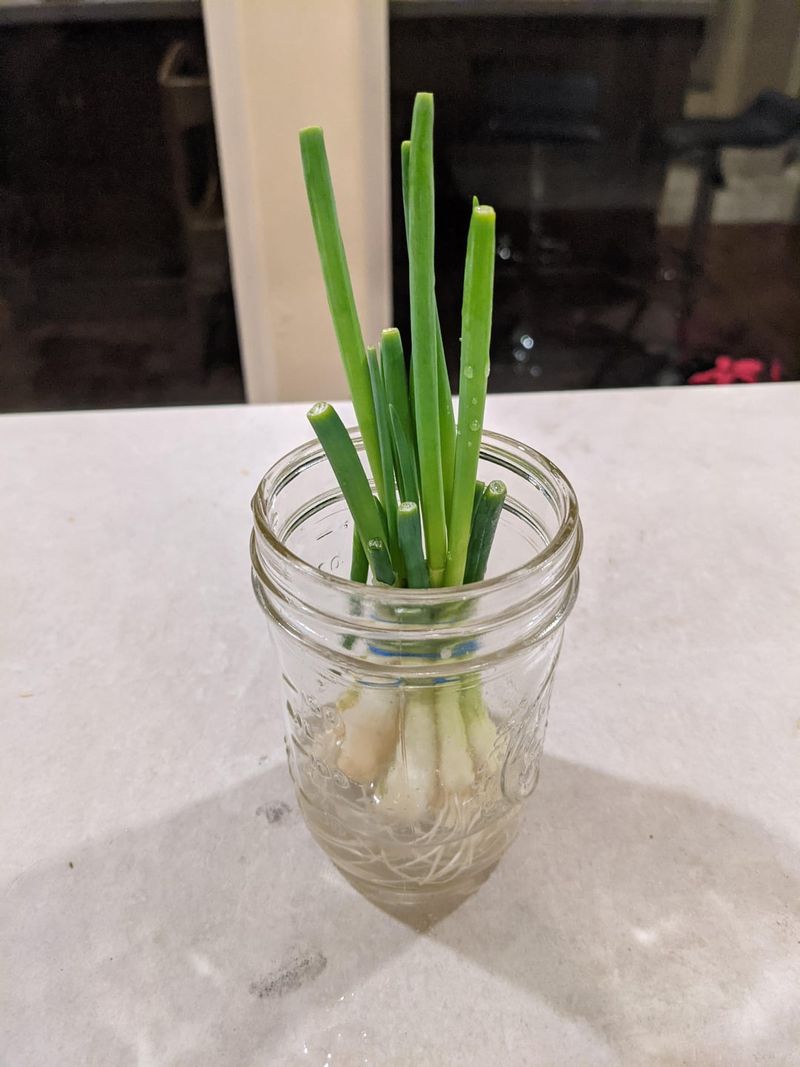
Green onions are probably the easiest kitchen scrap to regrow, which is why they became the poster child for this viral trend.
You simply place the white root end in a glass of water, set it on your windowsill, and watch new green shoots appear within 48 hours.
Many people in Illinois have had success with this method because it requires almost no gardening experience or special equipment.
The roots will continue producing fresh green tops for several weeks if you change the water every few days.
Some folks even transfer their green onions to soil after a week in water to get even longer-lasting growth.
The best part is that you can cut what you need and let the rest keep growing.
Kids especially love watching green onions regrow because the results happen so quickly.
It is a perfect starter project for anyone curious about the kitchen scrap garden method.
Plus, you will always have fresh green onions available for recipes without making extra trips to the grocery store.
Romaine Lettuce Hearts Can Sprout New Leaves
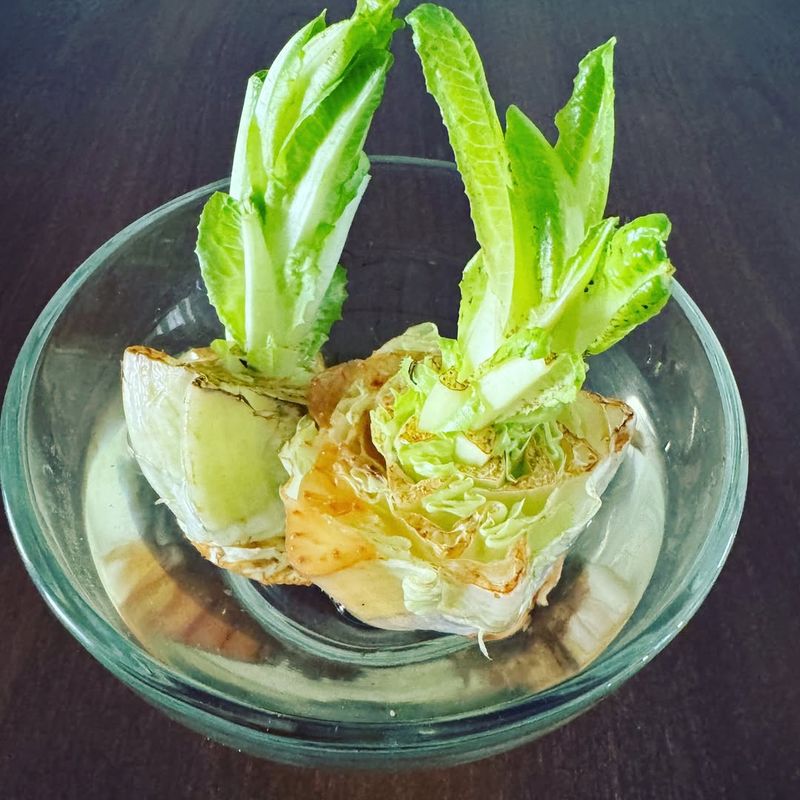
Instead of tossing that leftover romaine heart, you can actually coax it into growing fresh leaves right in your kitchen.
Place the bottom two inches of the lettuce base in a shallow dish with about half an inch of water, making sure the cut side faces up.
Within a week, you will notice tiny new leaves beginning to form from the center of the heart.
People across Illinois have been sharing their lettuce-growing success stories online, though results can vary depending on how fresh your original lettuce was.
The new growth will not give you a full head of lettuce, but you can harvest baby leaves for salads and sandwiches.
Keep the water fresh and position your lettuce near a window that gets decent sunlight throughout the day.
Some gardeners report that their romaine eventually stops producing after two or three weeks.
Others have transferred their sprouting lettuce into potting soil to extend the growing period.
Either way, it is a fun experiment that reduces waste and might give you a few extra servings of greens for free.
Celery Bases Transform Into New Stalks
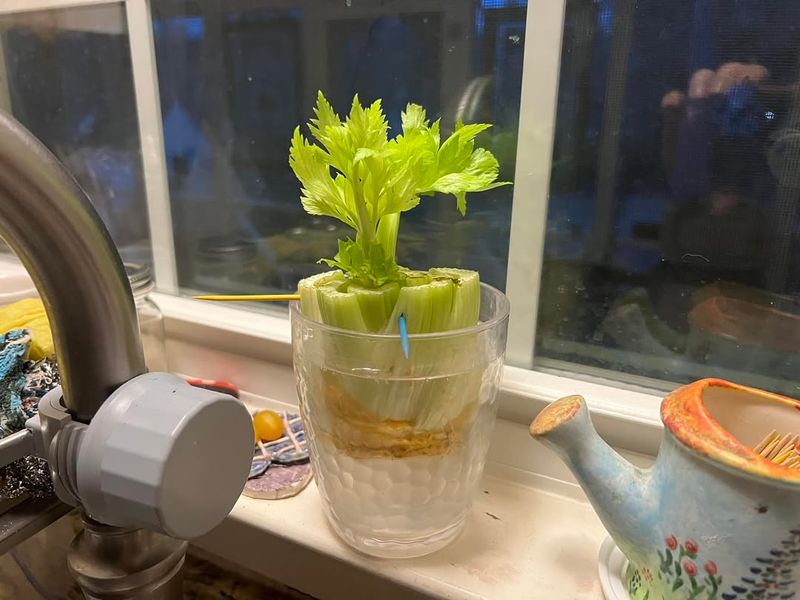
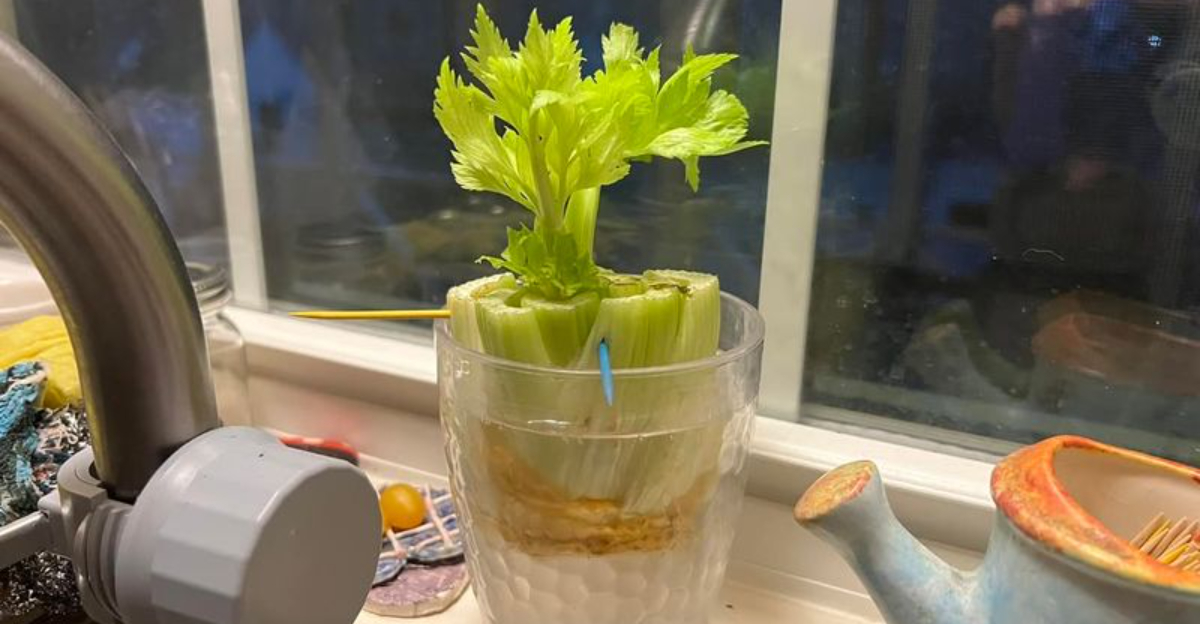
Celery regeneration works similarly to lettuce, and the transformation can be pretty amazing to witness firsthand.
Cut off the base of your celery bunch about two inches from the bottom and place it in a bowl with a little water.
Your Illinois Garden Changes Every Week. Your Plan Should Too.
Gardening in Illinois changes quickly throughout the season. Every Friday you’ll receive a simple weekly plan showing exactly what to plant, prune, fertilize, harvest, and protect so you never miss the right timing.
The outer stalks might turn brown and look withered, but the center should start sprouting fresh yellow-green leaves within a week.
Illinois gardeners have discovered that celery requires a bit more patience than green onions but delivers impressive results.
After about two weeks in water, you can transplant your celery base into soil if you want it to develop into full-sized stalks.
The plant will need regular watering and plenty of sunlight to thrive in its new home.
Not everyone gets perfect results with celery because it can be picky about temperature and light conditions.
However, even if you only get a few tender inner stalks, they are perfect for adding flavor to soups and stir-fries.
The key is changing the water frequently to prevent mold and keeping your celery base in a warm, bright spot away from drafts.
Carrot Tops Make Beautiful Greens
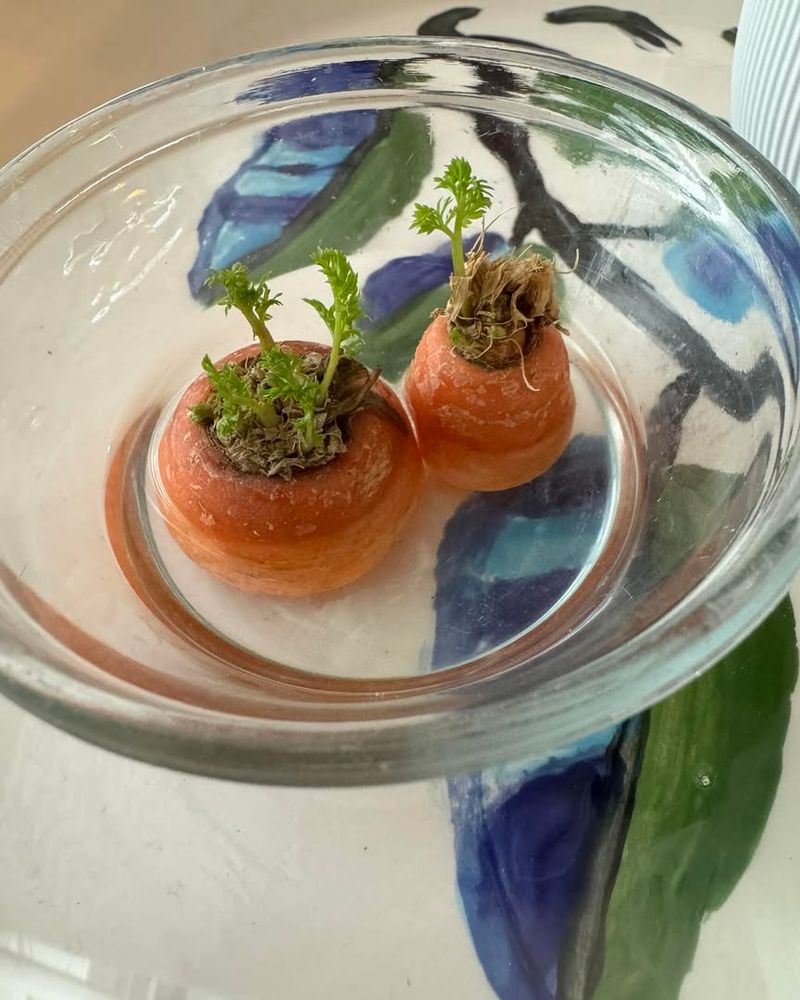
You will not regrow an actual carrot from the top, but you can grow attractive, feathery greens that are both edible and decorative.
Simply save the top inch of your carrots, place them cut-side down in a shallow dish of water, and wait for the magic to happen.
Within days, fresh green shoots will emerge and continue growing into lacy, fern-like foliage.
Many Illinois households have embraced carrot top gardening as a way to add greenery to their kitchens without buying houseplants.
The greens have a slightly bitter, carrot-like flavor that works well as a garnish or mixed into pestos and salads.
Some people find the taste too strong on its own, but others absolutely love the unique flavor profile.
Carrot tops are also fantastic for teaching kids about plant biology since the growth happens quickly and looks really cool.
The plants can last several weeks if you keep the water fresh and provide adequate sunlight.
Just remember that you are growing the tops for greens only, so do not expect a new carrot to form underground.
Potato Eyes Can Become Full Plants
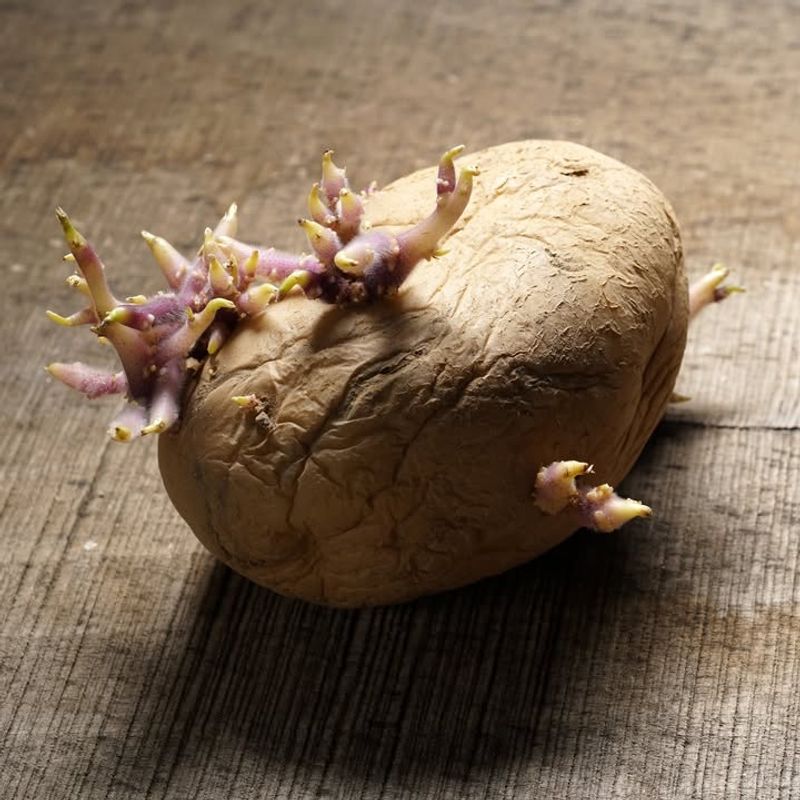
Have you ever left potatoes in the pantry too long and found them covered in strange sprouts?
Those sprouts are called eyes, and they are actually the potato’s way of trying to grow a new plant.
Cut your potato into chunks with at least two eyes per piece, let them dry for a day, then plant them in soil about four inches deep.
Illinois gardeners with even small outdoor spaces have had great success growing potatoes from kitchen scraps.
Each planted piece can potentially produce several pounds of new potatoes in just a few months.
The plants need regular watering and full sun, plus well-draining soil to prevent the tubers from rotting underground.
Container gardening works well for potatoes if you do not have a yard, making this method accessible to apartment dwellers too.
As the plant grows, you will need to add more soil around the stems to encourage more potato production.
Harvest time comes when the leaves start to yellow and wither, revealing your homegrown potatoes buried in the soil beneath.
Ginger Root Grows Into A Tropical Houseplant
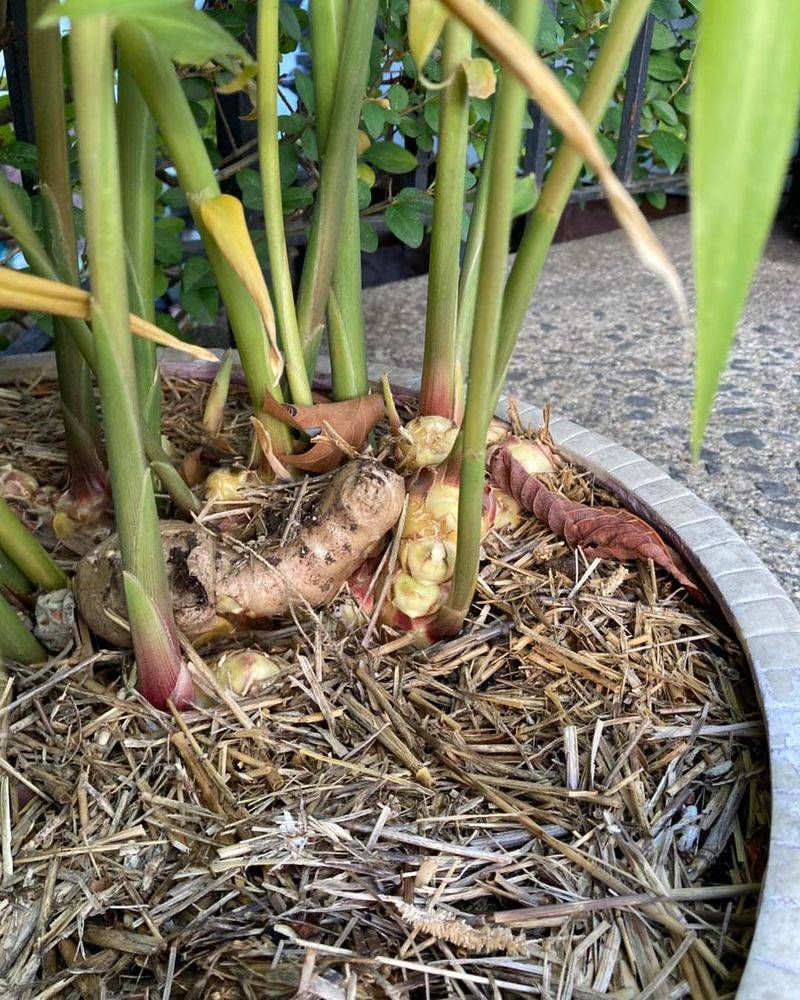
Fresh ginger from the grocery store can actually be planted to create both a beautiful houseplant and a renewable ginger supply.
Look for ginger root with visible growth buds that look like small horns or bumps on the surface.
Plant your ginger piece about two inches deep in potting soil with the buds facing upward, then water it well and wait patiently.
Growth happens slowly with ginger, so do not expect overnight results like you get with green onions.
Within a few weeks, you should see green shoots emerging that look similar to bamboo or grass.
The plant can grow quite tall and makes an attractive addition to your indoor garden, even if you never harvest any ginger from it.
Illinois residents growing ginger indoors report that it takes about eight to ten months before you can harvest new rhizomes.
The plant prefers warm temperatures, indirect sunlight, and consistently moist soil without being waterlogged.
When harvest time arrives, you can dig up the plant, take what you need, and replant a piece to start the cycle all over again.
Herb Stems Root Easily In Water
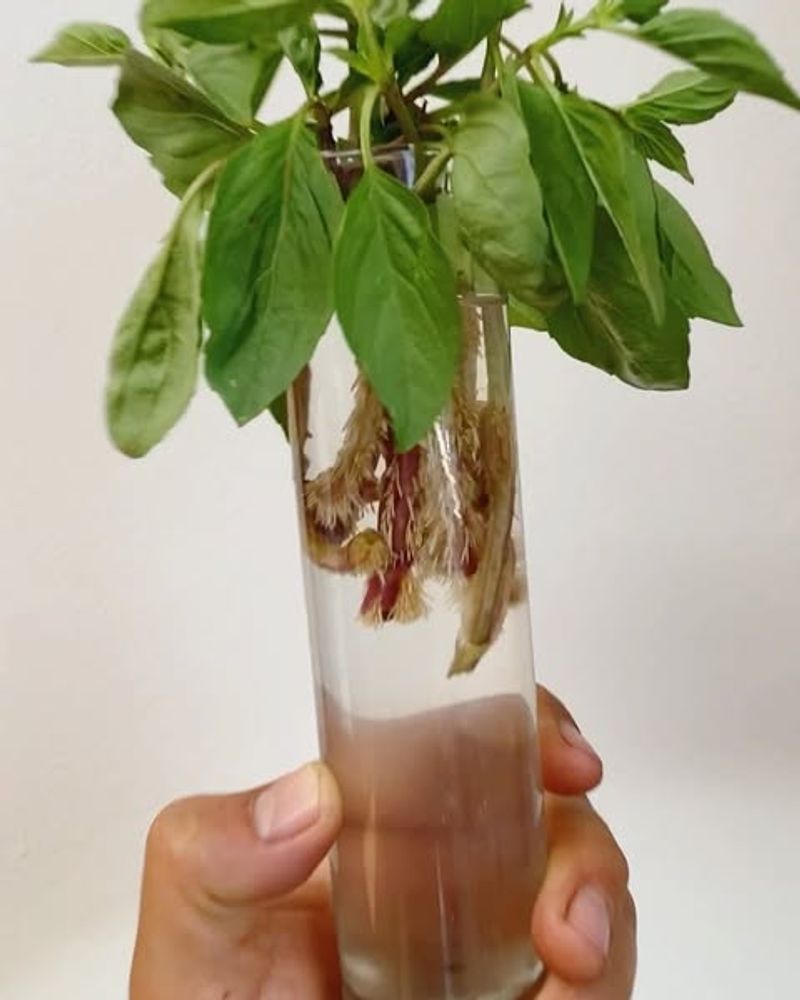
Leftover herb stems from basil, mint, cilantro, and other fresh herbs can often be rooted in water and replanted for continuous harvests.
Cut healthy stems about four inches long, remove the lower leaves, and place them in a glass of water in a sunny spot.
Roots should begin forming within one to two weeks, depending on the herb variety and conditions.
Basil is particularly famous for rooting quickly and growing vigorously, making it a favorite among Illinois kitchen gardeners.
Once your herb cuttings have developed a good root system, you can either keep them growing in water or transfer them to pots with soil.
Soil-grown herbs tend to be more robust and flavorful, but water-grown herbs are easier to maintain for beginners.
Fresh herbs from your own kitchen scraps taste amazing and cost nothing beyond your initial grocery purchase.
You can keep snipping stems to propagate more plants, creating an endless supply of your favorite flavors.
Just make sure to change the water regularly if you keep them in glasses to prevent bacterial growth and keep your herbs healthy.
Garlic Cloves Produce Tasty Garlic Greens
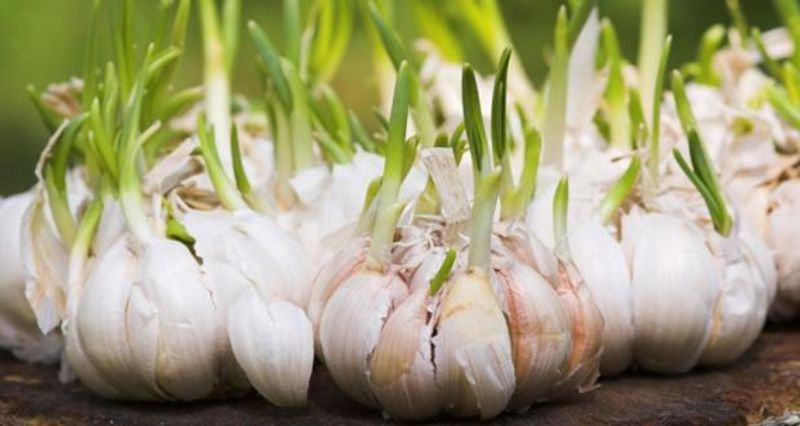
A single garlic clove can give you delicious garlic greens that taste like mild garlic and make excellent additions to many dishes.
Plant individual cloves pointy-end up in a pot with soil, or simply place them in a small amount of water and watch green shoots emerge.
The greens will be ready to harvest when they reach about six inches tall, which usually takes two to three weeks.
Illinois cooks have discovered that garlic greens offer a gentler garlic flavor perfect for salads, eggs, and garnishes.
You will not get a full garlic bulb from this method unless you plant in soil and wait several months, but the greens alone are worth the minimal effort.
Some people continuously harvest their garlic greens by cutting them back and allowing them to regrow multiple times.
Growing garlic greens works especially well during winter when fresh herbs might be expensive or hard to find at stores.
The process requires almost no space, making it ideal for small kitchens or apartments without outdoor access.
Plus, garlic is naturally pest-resistant, so you probably will not encounter many problems even if you are a complete beginner at gardening.
Pineapple Tops Take Patience But Deliver Results
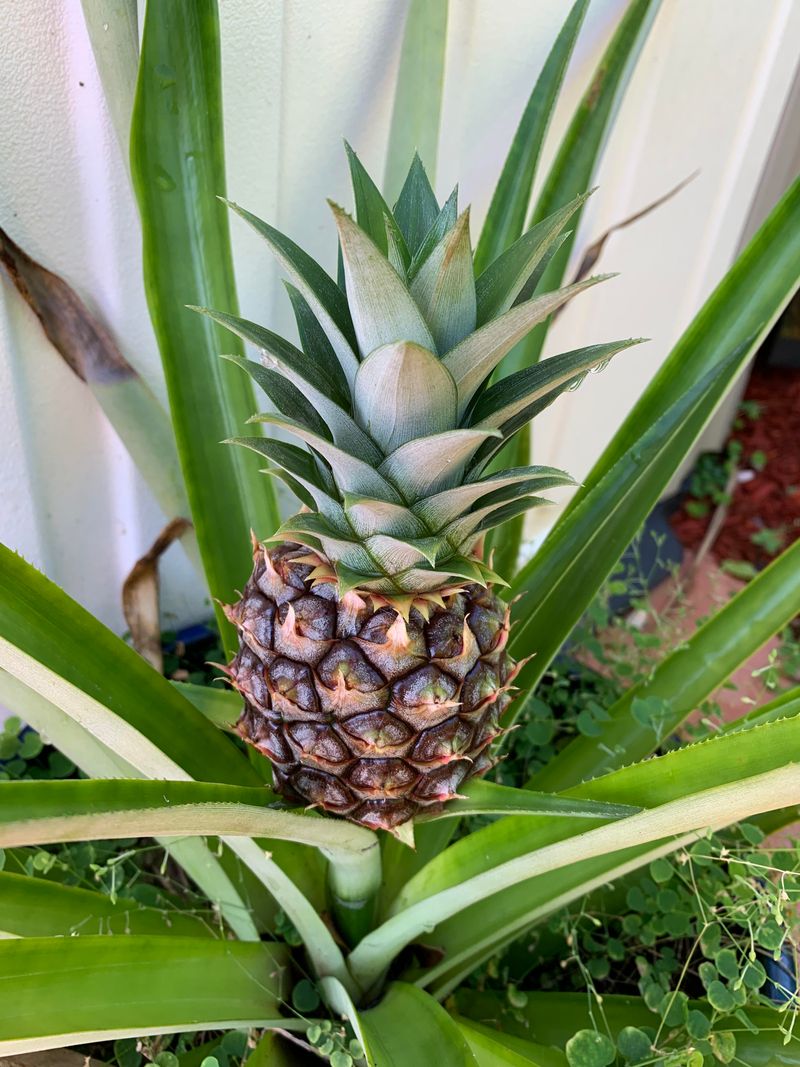
Regrowing a pineapple from the leafy crown is one of the most impressive kitchen scrap projects, though it requires serious commitment.
Twist off the pineapple top, remove the lower leaves to expose about an inch of stem, and let it dry for a couple of days.
Then place it in water or directly into soil and wait for roots to develop over the next few weeks.
People in Illinois have successfully grown pineapple plants indoors, though actually getting fruit can take two to three years.
The plant itself is quite beautiful with its spiky, tropical leaves, so it works well as an ornamental houseplant even if you never see a pineapple.
Pineapples need bright light, warm temperatures, and well-draining soil to thrive in a home environment.
This project is not for anyone seeking quick results, but it offers a unique conversation piece and a rewarding long-term gardening challenge.
Some growers report that their pineapple plants eventually produced small fruits after years of careful tending.
Whether you get fruit or not, watching a pineapple plant grow from kitchen scraps is pretty remarkable and definitely Instagram-worthy.
Success Depends On Freshness And Care
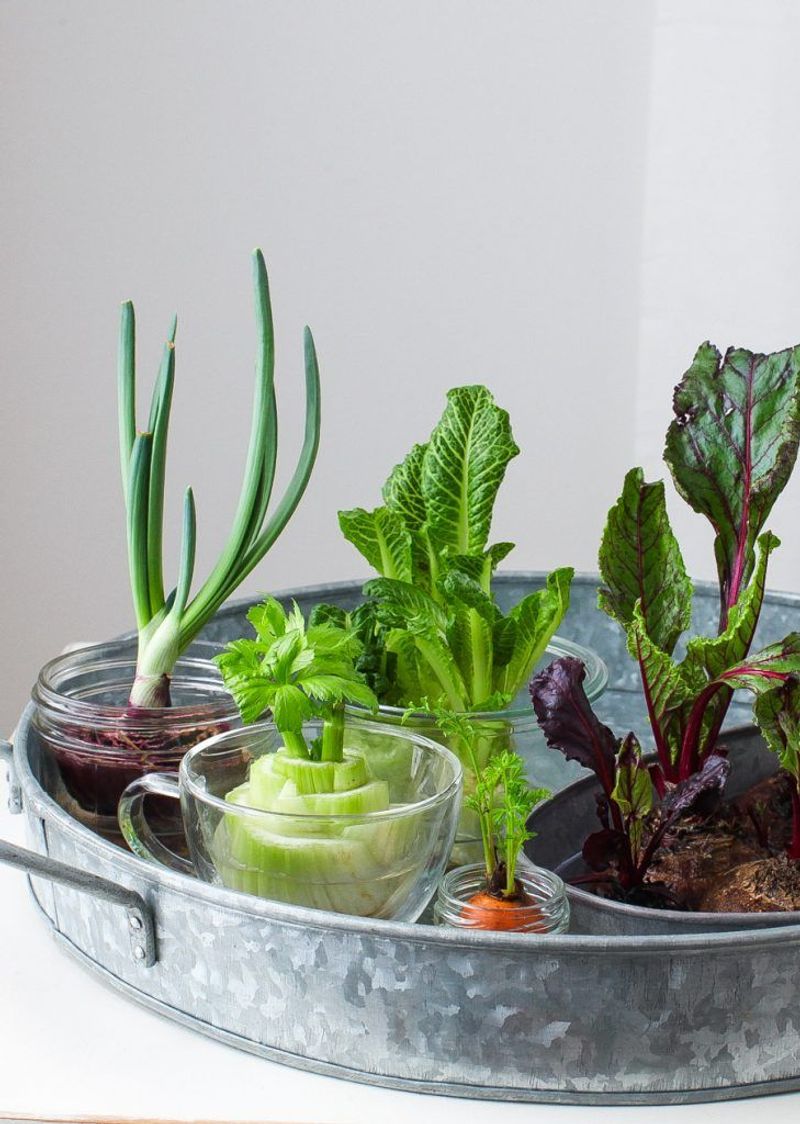
Not every kitchen scrap will successfully regrow, and understanding why can save you frustration and wasted effort.
The freshness of your original produce matters tremendously because older, wilted vegetables have less energy stored to support new growth.
Organic produce sometimes roots better than conventional because it has not been treated with growth inhibitors that prevent sprouting.
Illinois gardeners have learned that consistent care makes the biggest difference between success and failure with kitchen scrap gardens.
Changing water regularly, providing adequate light, and maintaining appropriate temperatures all impact your results significantly.
Some scraps like green onions are nearly foolproof, while others like pineapples require more knowledge and patience to succeed.
Environmental factors in your home also play a role, including humidity levels, air circulation, and seasonal light variations.
Winter months can be challenging because of shorter days and drier indoor air from heating systems.
Starting with easier projects helps you build confidence and skills before tackling more difficult kitchen scrap gardening experiments that demand greater attention and expertise.