The Moss Lawn Trend Rising In Oregon Neighborhoods
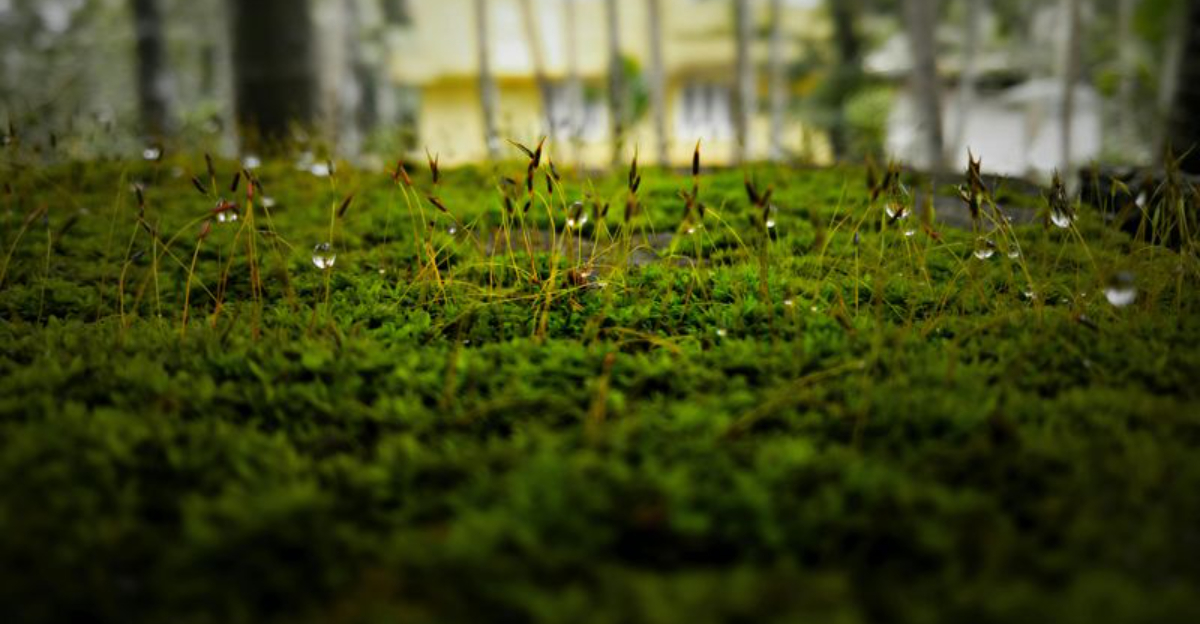
Oregon neighborhoods witness a quiet revolution as moss lawns claim center stage, turning shady patches into lush, velvety carpets that steal the spotlight from traditional turf.
Moss steps in as the unsung hero of damp climates, shrugging off constant drizzle and thriving where grass throws in the towel.
Homeowners eager for low-maintenance beauty discover a living tapestry that softens every corner of the yard and whispers tranquility with every step.
This trend rewards those who crave charm without chores, offering a landscape that stays green all year and asks for almost nothing in return.
As more households join the movement, moss rises from humble forest floor to neighborhood showstopper, proving that Oregon’s natural magic fits right at home on the lawn.
Moss Thrives Naturally In Oregon’s Climate

Oregon’s wet winters and mild temperatures create the perfect conditions for moss to flourish without any extra effort.
Unlike grass that struggles in shady, damp spots, moss actually loves these environments and spreads easily on its own.
Homeowners in Portland, Eugene, and other Oregon cities have noticed moss naturally appearing in their yards, especially under trees or along north-facing slopes.
Rather than fighting this natural growth with chemicals or constant weeding, many residents are embracing it.
Moss doesn’t need fertilizers, pesticides, or frequent watering to stay vibrant and green.
It acts like a living carpet that stays soft and beautiful throughout the year.
This makes moss an ideal choice for Oregon’s unique weather patterns.
Once established, moss lawns require almost no intervention, saving both time and money.
Many homeowners appreciate how moss fits seamlessly into the local ecosystem, supporting native plants and wildlife while reducing the need for lawn care equipment and products that can harm the environment.
Zero Mowing Means More Free Time
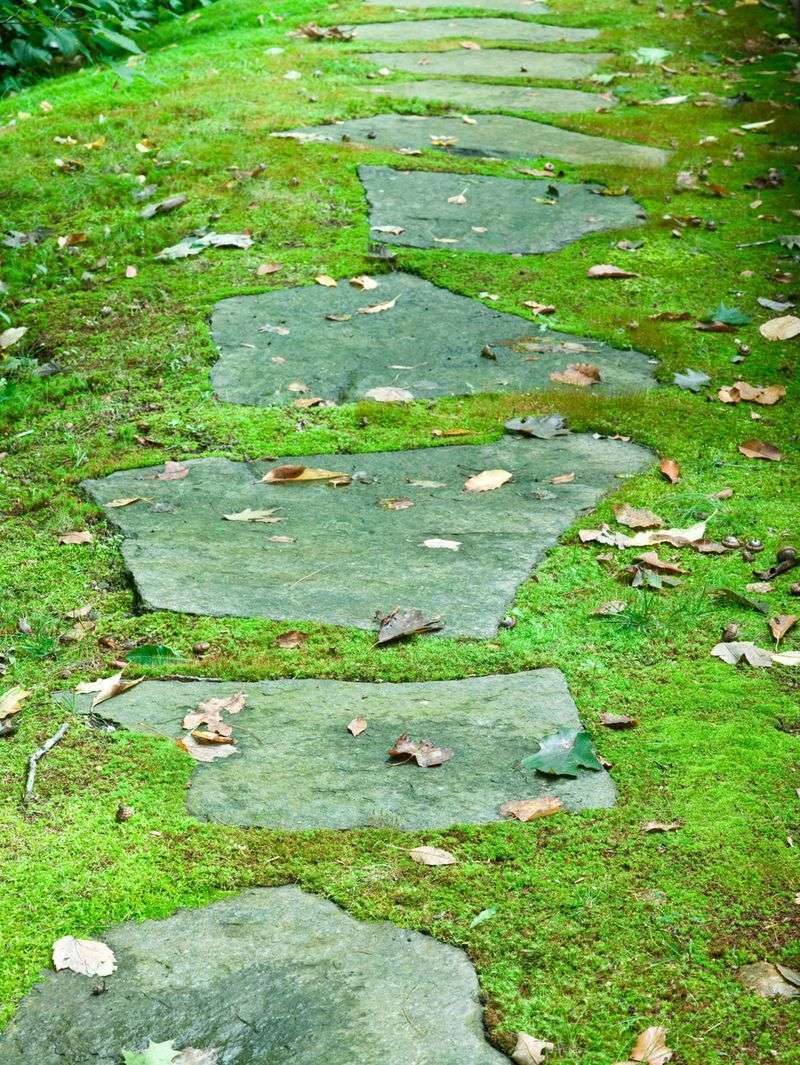
Imagine never having to push a heavy mower across your yard again.
Moss lawns eliminate the need for weekly mowing sessions that eat up your weekends and create noise pollution in the neighborhood.
Since moss grows low to the ground and stays naturally short, it never needs trimming or cutting.
Families with busy schedules find this especially appealing.
Parents can spend more time with their kids instead of maintaining a grass lawn that demands constant attention.
Older adults also benefit because they don’t have to worry about the physical strain of operating lawn equipment or hiring landscaping services.
The absence of mowing also means no gas-powered machines releasing emissions into the air.
Electric mowers are better, but moss lawns beat them both by requiring zero mowing equipment whatsoever.
Neighborhoods become quieter and more peaceful without the constant hum of lawn mowers every Saturday morning, creating a more relaxed atmosphere for everyone who lives nearby.
Water Conservation Benefits Are Impressive

Traditional grass lawns can guzzle thousands of gallons of water each summer, especially during Oregon’s drier months.
Moss, however, gets most of its moisture from rain, dew, and humidity in the air.
Once established, moss lawns rarely need supplemental watering, even during brief dry spells.
Your Oregon Garden Changes Every Week. Your Plan Should Too.
Gardening in Oregon changes quickly throughout the season. Every Friday you’ll receive a simple weekly plan showing exactly what to plant, prune, fertilize, harvest, and protect so you never miss the right timing.
This water-saving advantage helps homeowners reduce their utility bills significantly.
Communities facing water restrictions or conservation mandates find moss lawns particularly valuable.
Oregon cities have experienced occasional drought conditions, making water-wise landscaping choices more important than ever before.
Moss also absorbs water efficiently, helping to prevent runoff and erosion in sloped yards.
When rain falls on a moss lawn, the water seeps slowly into the ground instead of rushing away and carrying soil with it.
This natural filtration benefits local waterways by reducing pollution and sediment.
Environmentally conscious homeowners appreciate how moss lawns contribute to watershed health while using minimal resources, making them a smart choice for sustainable living in Oregon neighborhoods.
Soft Texture Creates A Unique Feel
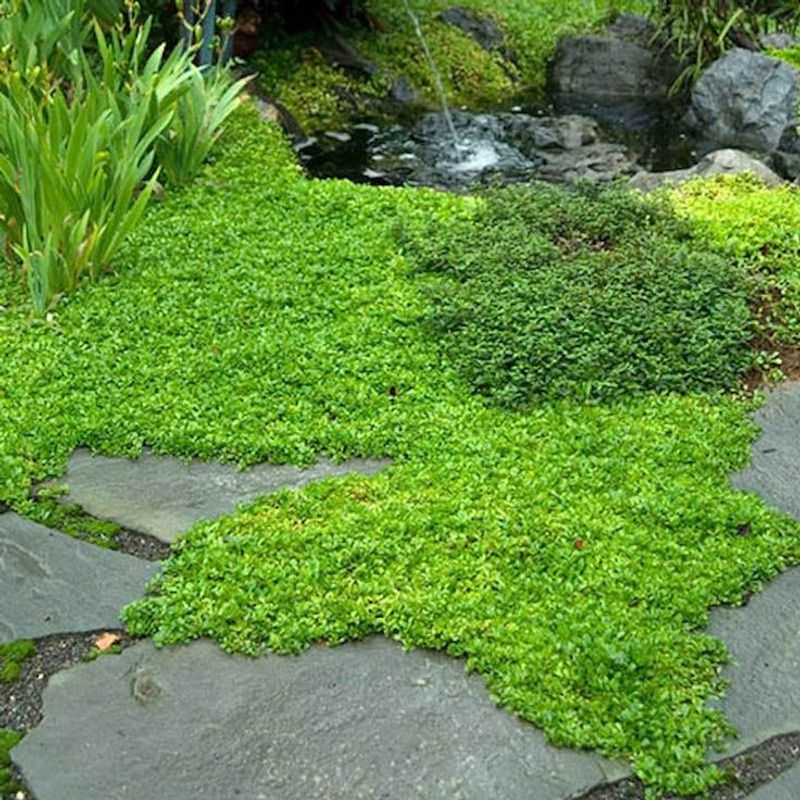
Walking barefoot on a moss lawn feels completely different from stepping on grass or clover.
Moss has a spongy, cushioned texture that’s gentle underfoot and surprisingly comfortable.
Kids love playing on moss because it’s soft when they tumble or sit down, almost like nature’s own carpet.
Many homeowners describe the sensation as walking on a plush, living rug.
The velvety surface stays cool even on warmer days, making it pleasant for outdoor activities.
Moss also doesn’t have sharp blades or prickly seed heads that can irritate bare skin, unlike some grass varieties.
This unique texture adds sensory appeal to outdoor spaces, encouraging families to spend more time in their yards.
Pets also seem to enjoy moss lawns, often choosing to nap on the soft surface.
The tactile experience creates a deeper connection with nature, reminding people that landscaping can engage multiple senses beyond just visual beauty and making Oregon yards feel more inviting and special.
Low Maintenance Saves Money Long-Term
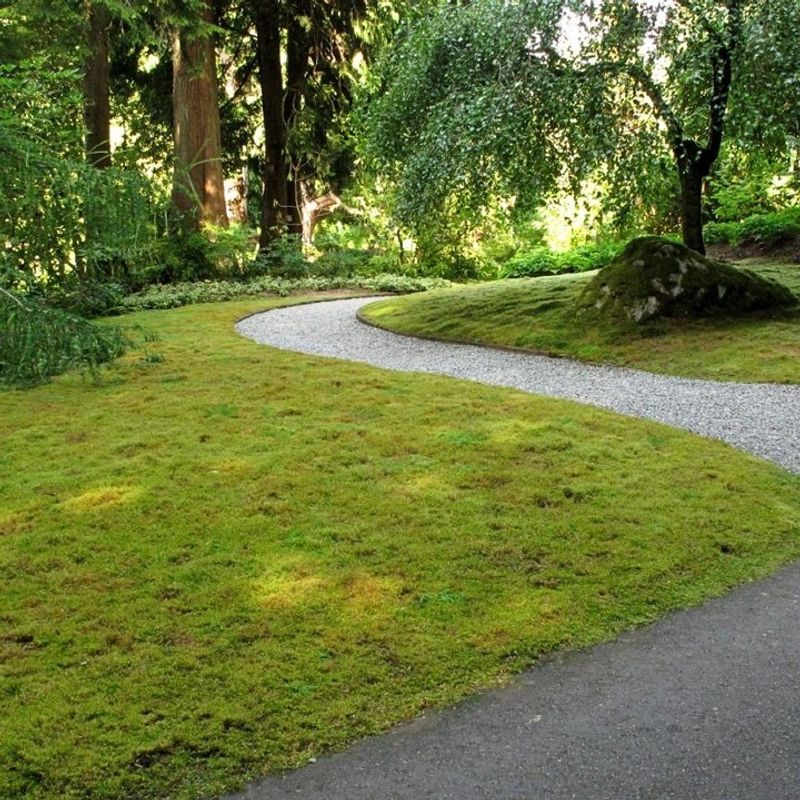
Grass lawns demand constant investment in equipment, fuel, fertilizers, and sometimes professional services.
Moss lawns flip this script entirely by requiring almost nothing after the initial establishment period.
Homeowners save hundreds or even thousands of dollars annually by eliminating these recurring expenses.
There’s no need to buy lawn mowers, trimmers, spreaders, or storage sheds for equipment.
Fertilizer and pesticide costs disappear completely since moss doesn’t need chemical treatments to stay healthy.
Watering expenses drop dramatically, and there’s no need to reseed bare patches or repair damage from pests or disease.
Oregon residents appreciate how these savings add up over time.
The money saved can go toward other home improvements, family activities, or savings goals.
Moss lawns also increase property appeal for eco-conscious buyers who value sustainable landscaping.
While traditional lawns create ongoing financial obligations, moss lawns offer financial freedom and simplicity, proving that beautiful outdoor spaces don’t have to drain your wallet or demand constant attention and resources.
Moss Supports Local Wildlife And Ecosystems
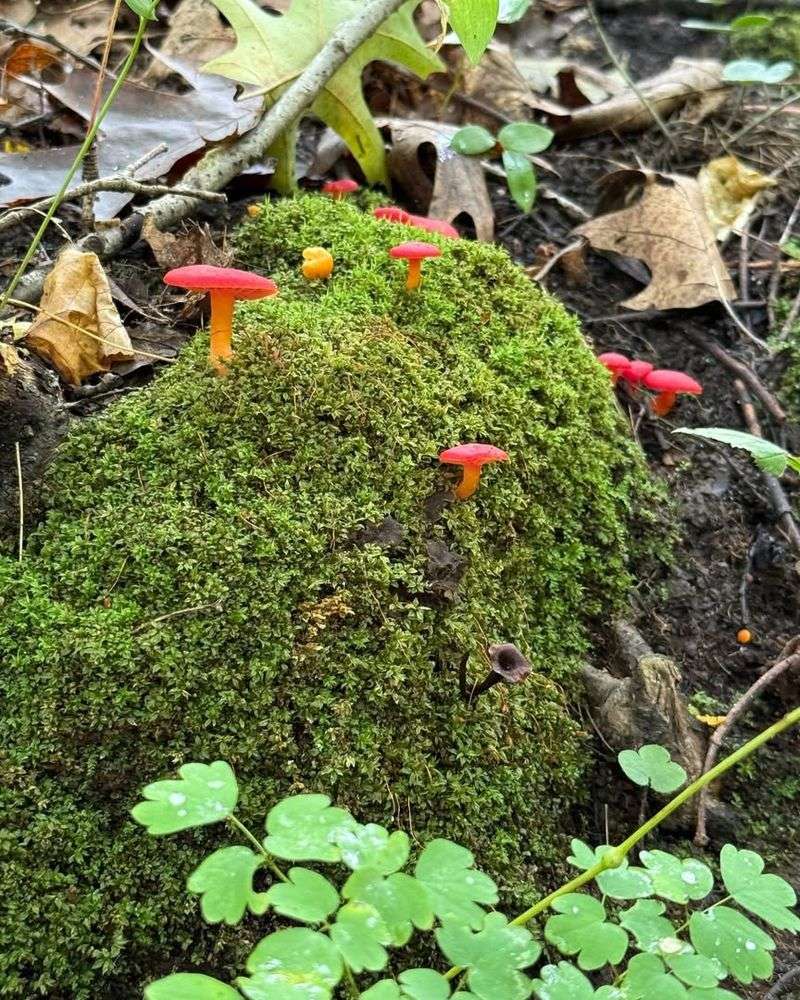
Moss lawns create miniature ecosystems that support various creatures in ways that traditional grass cannot.
Small insects, spiders, and other invertebrates find shelter within the moss structure, which in turn attracts birds and other wildlife that feed on these tiny organisms.
Oregon’s native species benefit from these natural habitats right in residential areas.
Unlike chemically treated grass lawns that can harm beneficial insects, moss provides a safe environment without toxic pesticides.
Bees, butterflies, and other pollinators appreciate yards that incorporate moss alongside native flowering plants.
Moss also helps maintain soil health by preventing erosion and retaining moisture that benefits nearby plants.
Homeowners interested in supporting biodiversity find moss lawns align perfectly with their values.
Watching birds forage in the moss or spotting salamanders hiding beneath it connects people to nature in their own backyards.
Oregon’s commitment to environmental stewardship makes moss lawns a natural fit for neighborhoods wanting to contribute positively to local ecosystems while maintaining attractive, functional outdoor spaces.
Easy Establishment In Shady Areas

Shady spots under trees or along the north side of houses frustrate homeowners trying to grow grass.
Grass needs plenty of sunlight and struggles in these conditions, leaving bare patches or thin, unhealthy growth.
Moss solves this problem beautifully because it actually prefers shade and performs best where grass fails.
Starting a moss lawn in these challenging areas is surprisingly simple.
Homeowners can encourage existing moss to spread by removing competing plants and keeping the area slightly moist.
Some people transplant moss from other parts of their property or purchase moss fragments to speed up the process.
Within a few months, moss typically fills in bare spots and creates a uniform green cover.
Oregon’s naturally humid climate accelerates this establishment process, making it easier than in drier regions.
Homeowners no longer need to waste money on shade-tolerant grass seed that rarely thrives.
Moss transforms problem areas into attractive features, proving that working with nature instead of against it creates better results and more beautiful yards.