Why Low Care Gardens Are Becoming A Tennessee Favorite
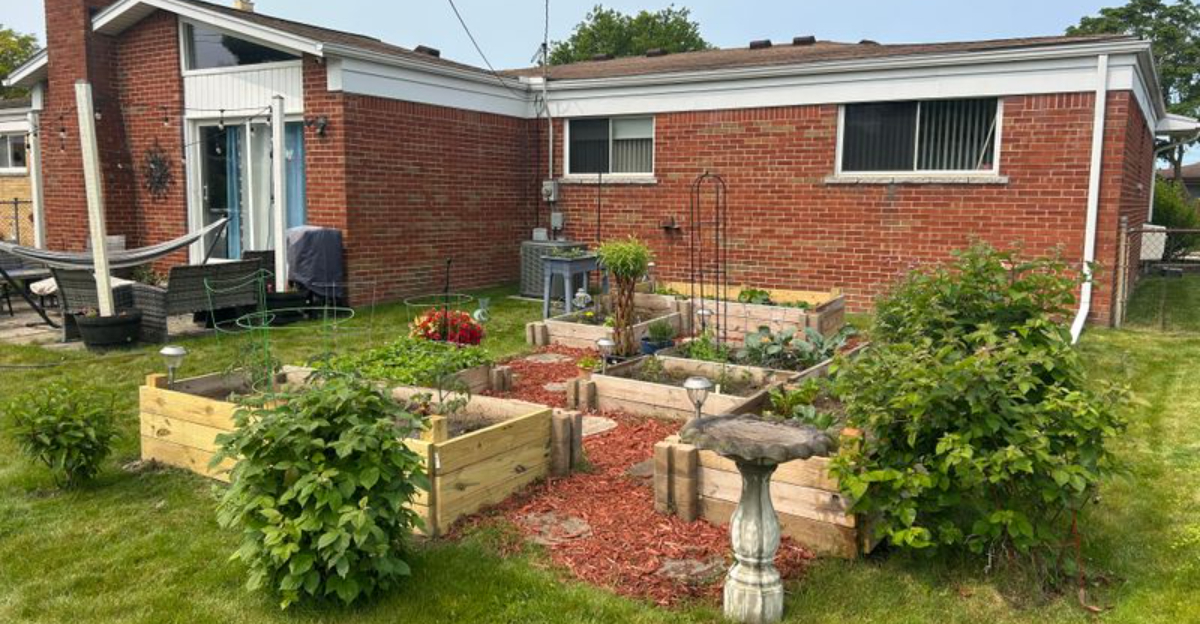
Tennessee homeowners are discovering a smarter way to enjoy beautiful outdoor spaces without spending every weekend pulling weeds or fighting stubborn plants.
Low care gardens combine native plants, smart design choices, and practical landscaping techniques that work with Tennessee’s unique climate instead of against it.
Busy families, retirees, and anyone who’d rather spend time relaxing in their yard than constantly maintaining it are making the switch to these effortless landscapes.
Here’s why this gardening trend is taking root across the Volunteer State.
Tennessee’s Climate Makes Native Plants Thrive
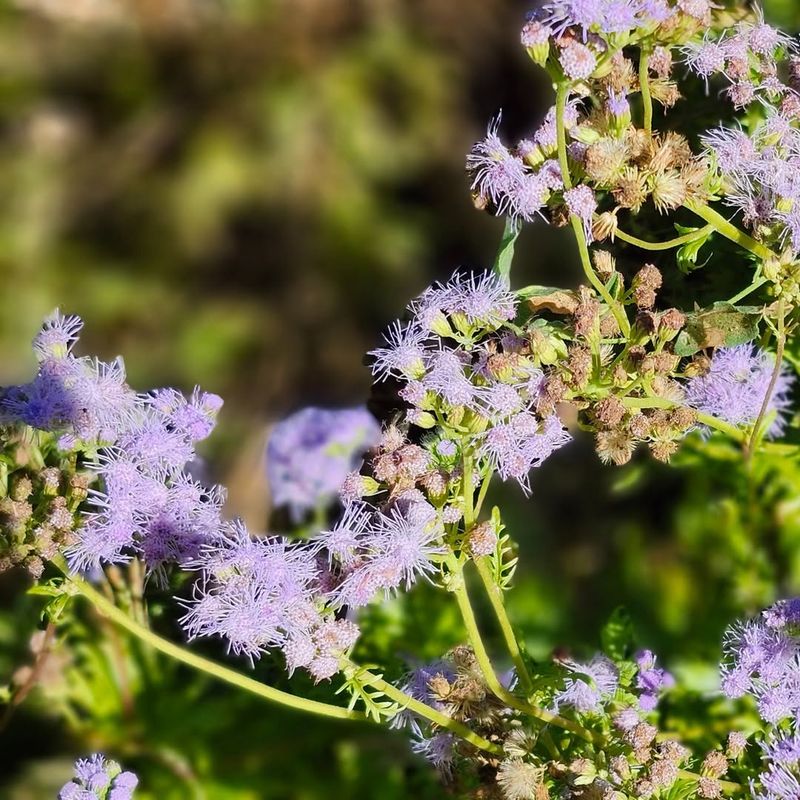
Native plants already know how to survive Tennessee’s hot summers, unpredictable spring rains, and occasional winter freezes.
They’ve adapted over thousands of years to local conditions, which means you won’t need to baby them with constant watering or special fertilizers.
Plants like purple coneflowers, black-eyed Susans, and Tennessee coneflowers practically take care of themselves once established.
Most native species develop deep root systems that help them find water during dry spells.
This natural drought tolerance saves you money on water bills and hours dragging hoses around your yard.
Native plants also resist local pests and diseases better than exotic species that struggle in unfamiliar territory.
Garden centers across Tennessee now stock more native options than ever before.
Choosing plants that belong here means working smarter, not harder.
Your garden becomes a self-sustaining ecosystem that requires minimal intervention while supporting local wildlife like butterflies, bees, and songbirds that depend on these familiar food sources.
Busy Lifestyles Need Simple Solutions
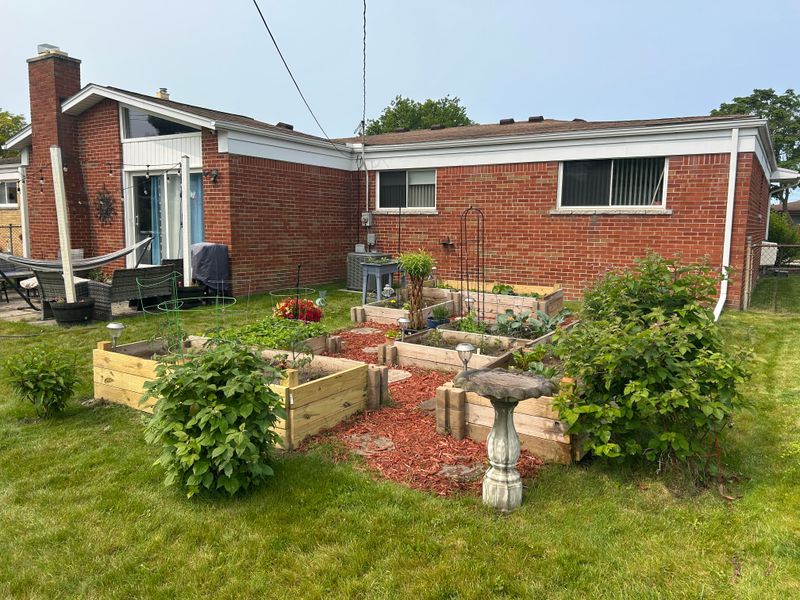
Between work schedules, kids’ activities, and everything else demanding attention, who has time for high-maintenance gardens?
Modern Tennessee families need outdoor spaces that look great without requiring constant attention.
Low care gardens deliver exactly that—beautiful landscapes that don’t hijack your weekends.
Traditional gardens often demand hours of weeding, deadheading, pruning, and fertilizing every single week.
That time adds up quickly, turning what should be a relaxing hobby into an exhausting chore.
Low care designs eliminate most of these tasks by selecting plants that naturally stay compact and don’t require constant grooming.
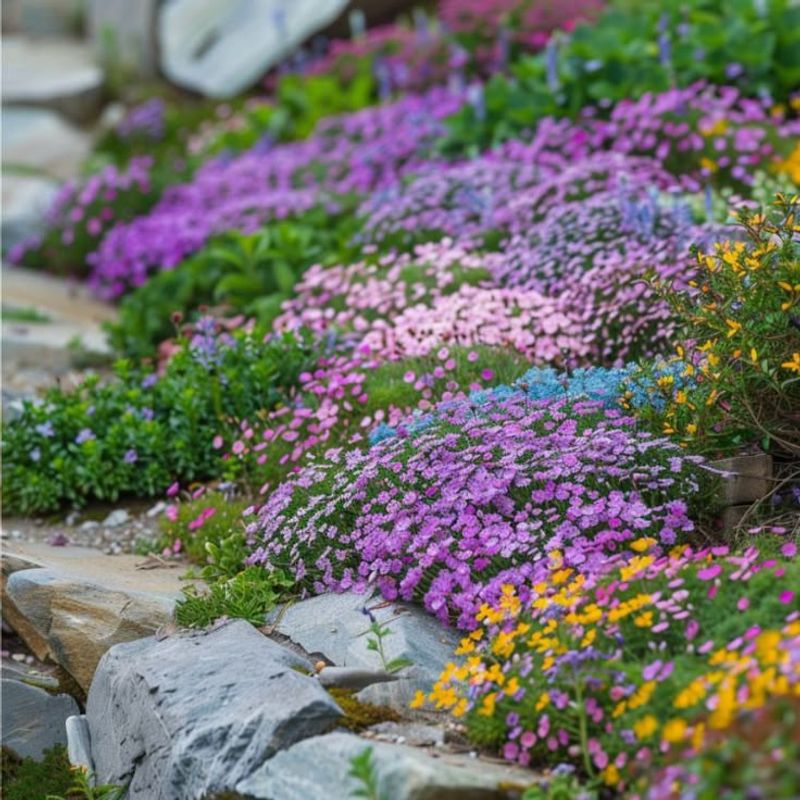
Mulched beds and ground covers reduce weeding dramatically, while perennials return year after year without replanting.
Smart irrigation systems can water automatically if needed, though many native plants won’t even require that.
You’ll spend more time enjoying your outdoor space with family and friends instead of constantly maintaining it.
That’s the whole point of creating a home landscape—it should enhance your life, not consume it with endless maintenance tasks.
Water Conservation Matters More Than Ever
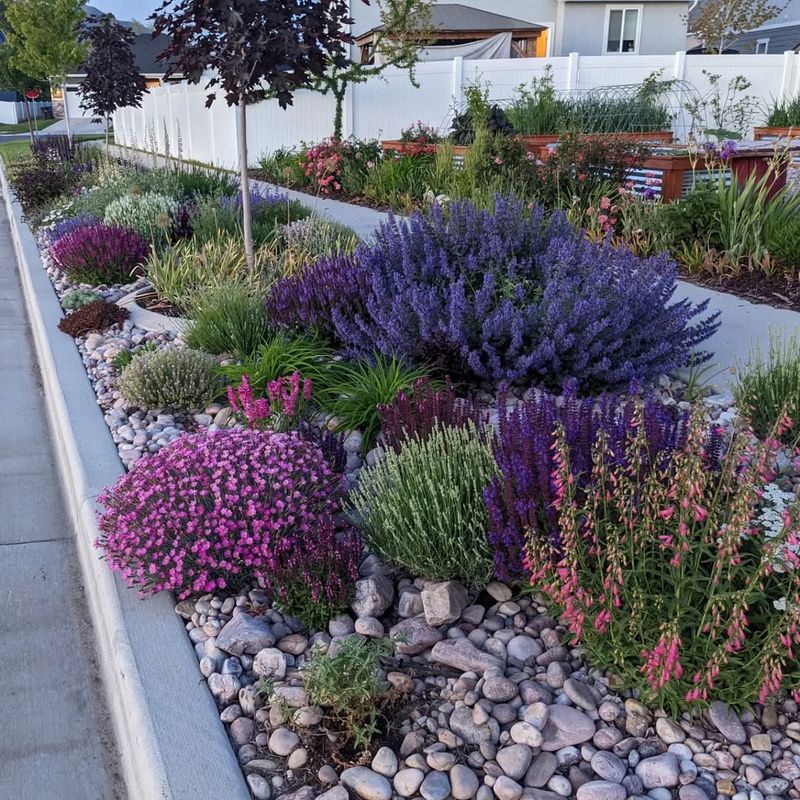
Summers in Tennessee can bring serious heat and occasional drought conditions that stress water supplies.
Traditional lawns and thirsty ornamental plants guzzle water like there’s no tomorrow, driving up utility bills and straining local resources.
Low care gardens flip this script by featuring plants that need minimal supplemental watering once their roots establish.
Many Tennessee towns now offer rebates or incentives for water-wise landscaping.
Replacing high-maintenance turf grass with native ground covers, ornamental grasses, and drought-tolerant perennials can cut outdoor water use by half or more.
Your Tennessee Garden Changes Every Week. Your Plan Should Too.
Gardening in Tennessee changes quickly throughout the season. Every Friday you’ll receive a simple weekly plan showing exactly what to plant, prune, fertilize, harvest, and protect so you never miss the right timing.
Rain gardens and bioswales capture runoff naturally, keeping water on your property where it belongs.
Installing a rain barrel provides free irrigation during dry spells without tapping municipal supplies.
Mulch layers hold moisture in the soil longer, reducing evaporation and keeping roots hydrated.
These simple strategies create resilient landscapes that stay green and healthy even when rainfall becomes scarce, all while being kinder to both your wallet and the environment around you.
Lower Maintenance Costs Save Money
Traditional landscapes drain bank accounts faster than most people realize.
Between fertilizers, pesticides, professional lawn services, replacement plants, and sky-high water bills, the costs pile up quickly.
Low care gardens dramatically reduce these ongoing expenses by working with nature instead of constantly fighting against it.
Native plants rarely need fertilizers since they’re adapted to Tennessee’s natural soil conditions.
They resist pests and diseases naturally, eliminating the need for expensive chemical treatments.
Perennials return year after year, so you’re not constantly buying new annuals every spring and fall.
Reduced watering needs translate directly into lower utility bills month after month.
You might even skip hiring lawn services altogether since there’s simply less work to do.
The initial investment in establishing a low care garden pays for itself within a few seasons through these ongoing savings.
Think about what you could do with that extra money—family vacations, home improvements, or simply padding your savings account instead of pouring cash into endless yard maintenance.
Aging Gardeners Stay Active Longer
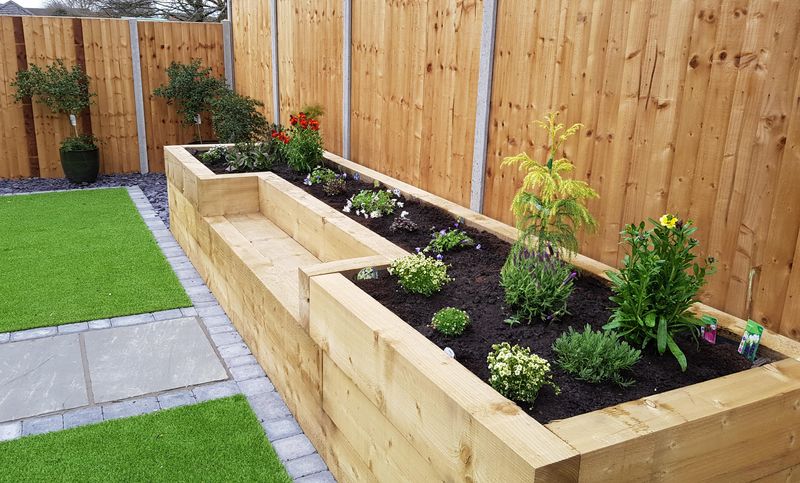
Growing older doesn’t mean giving up the joy of gardening, but bending, kneeling, and heavy lifting become more challenging with each passing year.
Low care gardens let retirees and seniors continue enjoying outdoor spaces without the physical strain that traditional gardens demand.
Raised beds, container gardens, and strategically placed perennials bring plants within comfortable reach.
Reducing lawn area means less time pushing heavy mowers across the yard.
Ground covers and mulch eliminate most weeding, saving knees and backs from hours of uncomfortable positions.
Choosing plants that don’t require deadheading, staking, or constant pruning means less repetitive motion and physical exertion.
Many Tennessee retirement communities now feature low care landscapes specifically designed for aging residents.
The mental and physical benefits of spending time outdoors remain incredibly valuable at any age.
Low maintenance designs ensure that gardening stays an enjoyable, manageable activity rather than becoming an impossible burden.
Staying connected to nature and maintaining outdoor hobbies contributes significantly to quality of life, health, and happiness throughout the golden years.
Supporting Local Wildlife Ecosystems
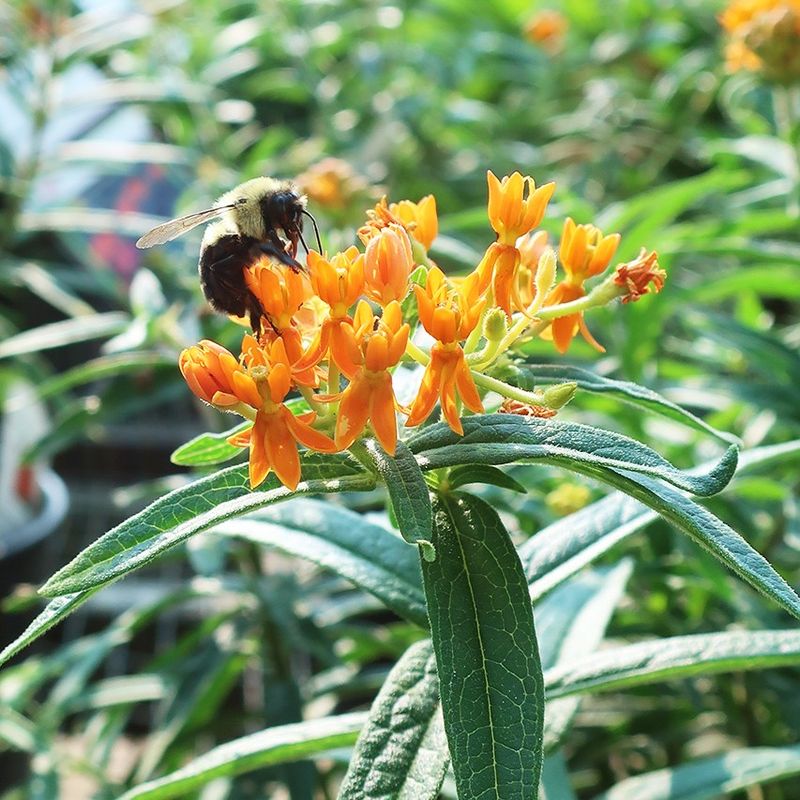
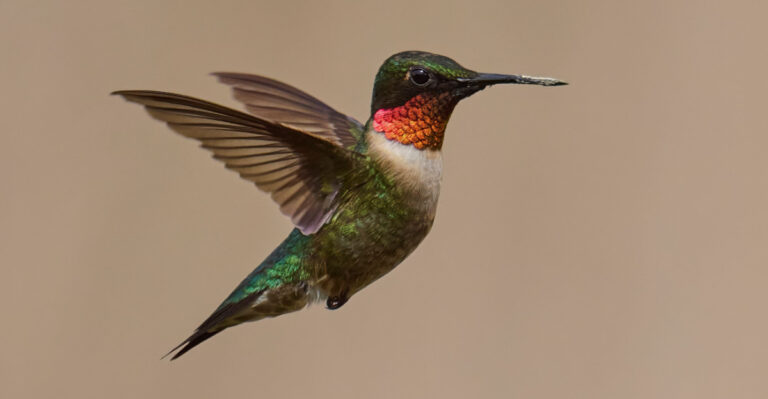
Honeybees, butterflies, hummingbirds, and songbirds face serious habitat loss as development replaces natural areas with sterile lawns and non-native ornamentals.
Your low care garden can become a vital refuge for these struggling creatures.
Native plants provide the specific nectar, pollen, seeds, and shelter that local wildlife species need to survive and thrive.
Monarch butterflies specifically need milkweed plants to lay eggs and feed caterpillars—something most traditional landscapes completely lack.
Native bees prefer native flowers they’ve co-evolved with for millions of years.
Birds need native plants that host the insects their babies require for proper development.
Creating wildlife habitat doesn’t require extra work; it actually reduces maintenance since you’re letting nature do what it does best.
Leaving seed heads standing through winter feeds birds naturally.
Avoiding pesticides protects beneficial insects that control garden pests.
Your low care garden becomes part of a larger network of backyard habitats connecting wildlife corridors across Tennessee.
It’s incredibly rewarding to watch butterflies dance through your flowers or hear songbirds singing from your trees, knowing your landscape choices make a real difference.
Year-Round Visual Interest Without Effort
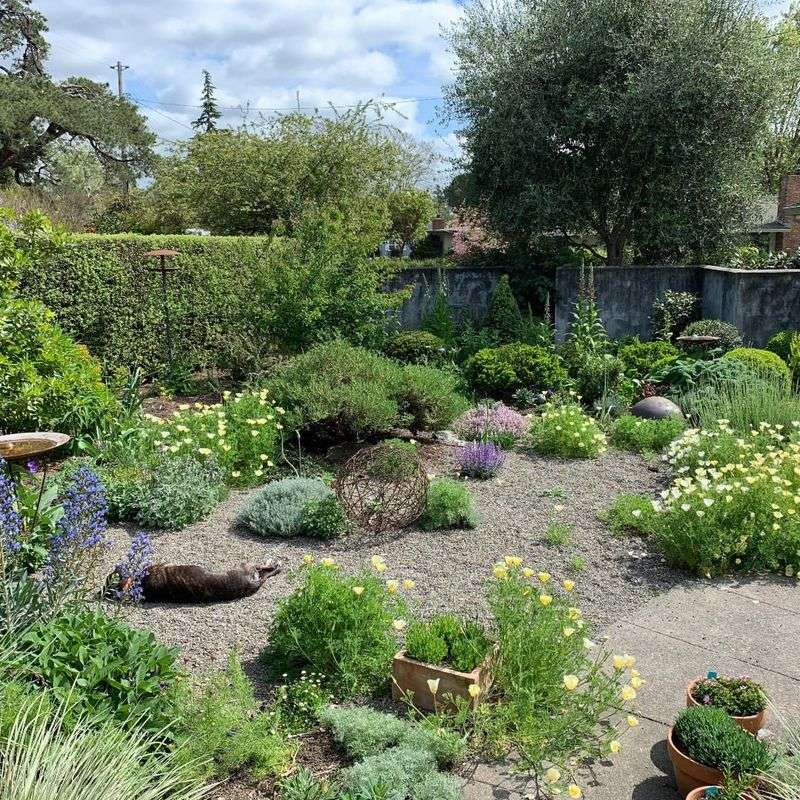
Many people assume low maintenance means boring, but that couldn’t be further from the truth.
Smart plant selection creates gardens that look fantastic twelve months a year without constant fussing.
Native ornamental grasses provide movement and texture from spring through winter.
Evergreen shrubs maintain structure when deciduous plants drop their leaves.
Spring brings waves of wildflower blooms like columbine and wild geranium.
Summer explodes with coneflowers, bee balm, and blazing star.
Fall delivers spectacular foliage colors from native trees and shrubs, while ornamental grasses turn golden bronze.
Winter reveals interesting bark textures, persistent seed heads, and evergreen forms that look beautiful dusted with snow.
Perennials naturally cycle through seasons, providing changing interest without you lifting a finger.
Strategic placement of plants with different bloom times ensures something always catches the eye.
Rocks, decorative mulch, and hardscaping elements add permanent structure and visual appeal.
The result is a dynamic, ever-changing landscape that stays attractive year-round while requiring a fraction of the effort traditional gardens demand.
Beauty and ease can absolutely coexist in Tennessee gardens.
Reducing Chemical Dependence Benefits Everyone
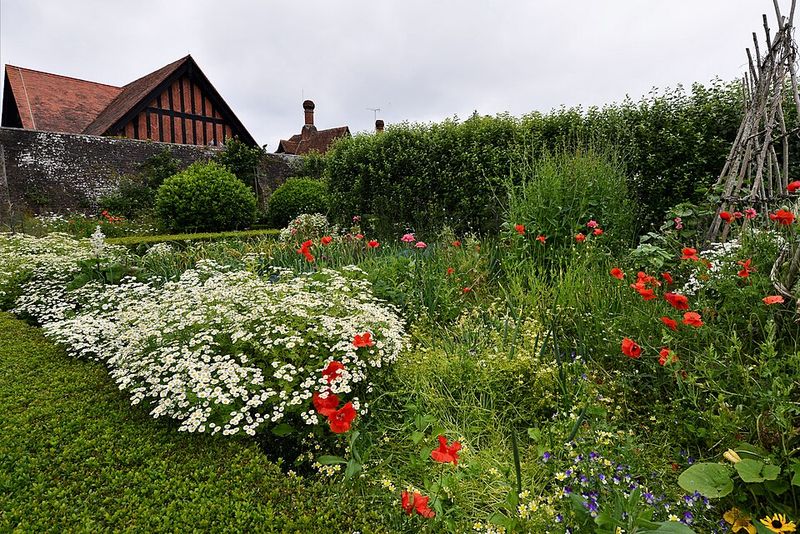
Traditional lawn care relies heavily on synthetic fertilizers, herbicides, and pesticides that wash into streams, contaminate groundwater, and harm beneficial organisms.
Children and pets playing in chemically treated yards face unnecessary exposure to potentially harmful substances.
Low care gardens based on native plants eliminate the need for most of these chemicals entirely.
Native plants evolved natural defenses against local pests and diseases, so they don’t require constant chemical protection.
Healthy soil full of organic matter provides all the nutrients plants need without synthetic fertilizers.
Mulch and ground covers suppress weeds naturally, making herbicides unnecessary.
Beneficial insects like ladybugs and lacewings control problem pests when you avoid broad-spectrum pesticides that destroy everything indiscriminately.
Companion planting and biodiversity create natural balance that keeps pest populations in check.
Your family can safely play, relax, and even grow edible plants without worrying about chemical residues.
Neighbors downstream benefit too, as fewer pollutants run off your property into shared waterways.
Creating a chemical-free landscape protects human health, environmental quality, and the countless organisms that make healthy ecosystems function properly.
Property Values Get A Natural Boost
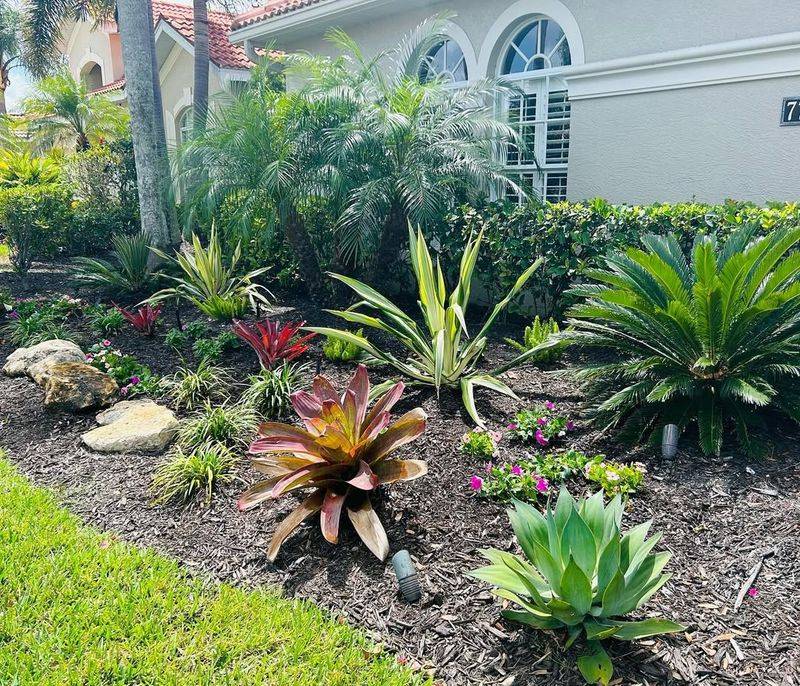
Curb appeal matters tremendously when selling a home, but potential buyers increasingly appreciate landscapes that won’t become time-consuming burdens.
Real estate agents report that well-designed low care gardens appeal strongly to modern homebuyers who value both beauty and practicality.
Professional landscaping featuring native plants signals a thoughtfully maintained property.
Low maintenance landscapes reduce the intimidation factor for buyers worried about keeping up appearances.
They see attractive outdoor spaces they can actually enjoy rather than endless chores waiting to consume their weekends.
Established native gardens also demonstrate environmental consciousness, which resonates with younger buyers especially.
Mature perennial gardens and native plantings represent significant value since they took time to establish.
Buyers recognize they’re getting immediately beautiful landscapes without waiting years for plants to grow.
Reduced water usage and maintenance costs make the property more affordable to operate long-term.
Even if you’re not planning to sell soon, maintaining property value protects your investment.
Low care gardens accomplish this while reducing your workload—a win-win situation that makes financial and practical sense for Tennessee homeowners at any stage of life.
Community Trends Make It Easier Than Ever
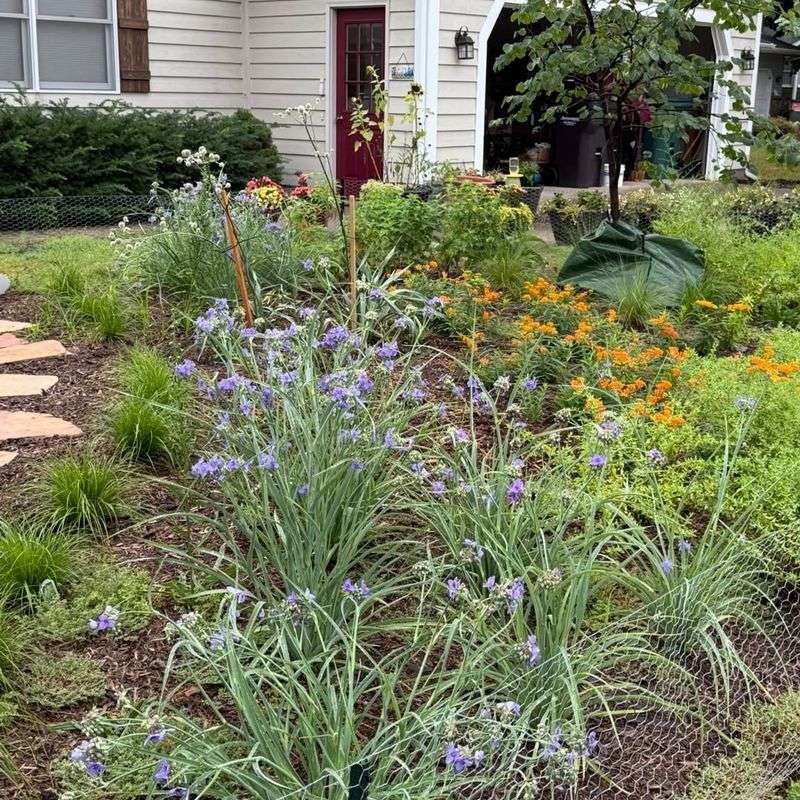
Across Tennessee, entire neighborhoods are embracing low care landscaping as more homeowners discover the benefits.
What once seemed unusual now looks like smart, forward-thinking design.
Homeowners associations that previously mandated traditional lawns increasingly recognize native landscapes as attractive, valuable alternatives.
Community support makes the transition much easier.
Local nurseries now stock extensive native plant selections with knowledgeable staff who can recommend specific varieties for your conditions.
Tennessee Extension offices offer workshops and resources about low maintenance gardening techniques.
Master Gardener programs throughout the state provide free advice and demonstrations.
Garden clubs organize native plant sales and tours showcasing successful low care landscapes for inspiration.
Social media groups connect Tennessee gardeners sharing tips, plant divisions, and encouragement.
This growing community knowledge base means you’re never figuring things out alone.
When neighbors see your beautiful, effortless garden, they often follow suit, creating corridors of wildlife habitat and water-wise landscapes throughout entire communities.
The movement toward sustainable, low maintenance gardening continues gaining momentum across Tennessee, making now the perfect time to join this practical, planet-friendly trend.