Things Indiana Homeowners Can Do To Protect Their Backyards From Deer Damage This December
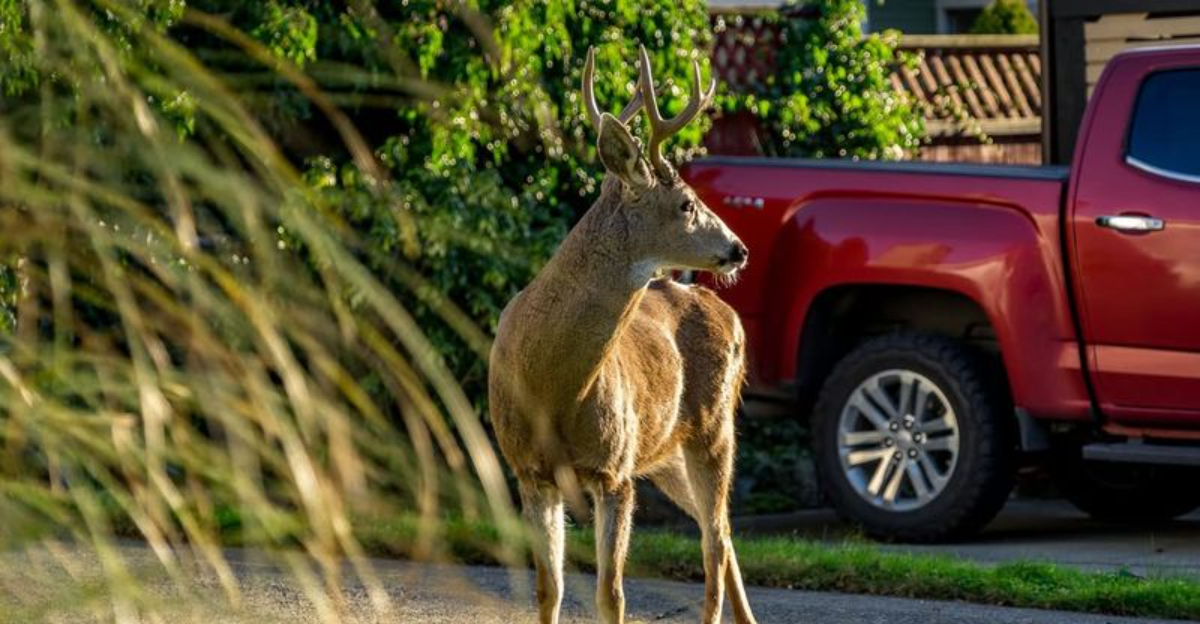
December in Indiana brings frosty mornings, sparkling holiday decorations, and unfortunately, hungry deer looking for an easy meal.
I’ve seen beautiful backyard shrubs and young trees reduced to nibbled stumps overnight, and it can be frustrating to watch months of careful landscaping vanish in a single evening.
Protecting your yard feels like a game of strategy, where small, smart steps make a big difference.
Adding barriers like fencing or plant cages creates a first line of defense, while strategic planting of deer-resistant shrubs helps keep curious visitors at bay.
Scent deterrents and motion-activated devices add extra layers of protection, giving plants a fighting chance to thrive.
With a little planning and vigilance, December can stay festive without turning your backyard into a deer buffet.
1. Install Physical Fencing Around Your Property
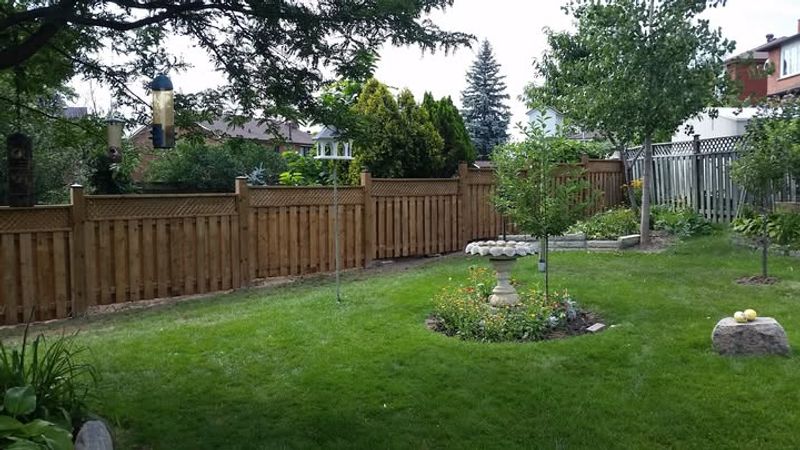
One of the most effective ways to deter deer from entering your Indiana yard is by installing a proper physical barrier.
Fencing works best when it’s tall, strong, and designed specifically with deer in mind.
Since deer are surprisingly agile, any fence shorter than eight feet can be easily cleared by a motivated jumper.
Homeowners often underestimate just how athletic deer are and install shorter fences that provide little real protection.
If a traditional eight-foot fence isn’t suitable for your neighborhood or budget, a creative alternative is the double-fence system.
This setup involves two fences about four feet tall, spaced several feet apart.
Deer are hesitant to jump into confined areas without a visible landing spot, so this design works with their natural caution to your advantage.
When selecting materials, consider metal wire mesh for an affordable yet reliable option, or go with wooden panels for added privacy.
Electric fencing, designed to be safe and humane, can also deter deer by creating a mild and startling sensation.
Once your fence is in place, routine maintenance is essential.
Check for weak spots, gaps near the ground, or damage caused by weather.
When installed and maintained correctly, fencing becomes a long-term solution that protects your landscaping all winter long.
2. Apply Deer Repellent Sprays Regularly

Repellent sprays offer another layer of protection for your plants by using strong scents and tastes to make them less appealing to deer.
Many commercial products contain ingredients like garlic, spicy peppers, or eggs that deer find unpleasant but humans can barely notice after the spray dries.
The key to using repellents successfully lies in consistent and timely application.
During the cold, wet conditions of December, it’s crucial to reapply sprays every two to three weeks or after heavy rainfall and snowfall.
Focus your efforts on the plants most vulnerable to browsing, such as young trees, flowering shrubs, and any new growth that has emerged late in the season.
Apply the spray on a dry day when temperatures are above freezing so that it adheres properly to leaves and stems.
Be thorough, making sure to cover both the tops and undersides of leaves, as deer can be surprisingly persistent.
It’s helpful to rotate between different repellent formulas, such as garlic-based and pepper-based, to prevent deer from becoming accustomed to a single scent.
Your Indiana Garden Changes Every Week. Your Plan Should Too.
Gardening in Indiana changes quickly throughout the season. Every Friday you’ll receive a simple weekly plan showing exactly what to plant, prune, fertilize, harvest, and protect so you never miss the right timing.
Homemade sprays using ingredients like dish soap, raw eggs, and hot sauce can work, but commercial formulas tend to offer better longevity.
Used correctly, repellent sprays can significantly reduce browsing and keep your yard protected during the most critical winter months.
3. Plant Deer-Resistant Vegetation Strategically

Smart planting is an often overlooked but highly effective method for reducing deer interest in your landscape.
Some plants are naturally unappealing to deer due to their texture, aroma, or even toxicity, and incorporating these into your garden can deter frequent visits.
Evergreen shrubs such as boxwood, juniper, and spruce offer year-round structure and are rarely targeted by deer due to their strong scent and prickly texture.
Ornamental grasses like fountain grass or blue fescue are also rarely touched and add great winter interest to garden beds.
Aromatic herbs such as lavender, rosemary, sage, and mint are strong contenders for deterring deer.
Their potent smells can overwhelm the more appealing scents of nearby plants, creating an invisible barrier around your prized flowers or vegetables.
Many spring bulbs like daffodils are considered distasteful, making them perfect for early color that won’t attract browsing.
Other great options include lamb’s ear, barberry, holly, and foxglove—all known for being uninviting due to their texture or taste.
Arrange your Indiana garden so that these deer-resistant species form a perimeter around more delicate plants.
This layering effect sends the message that your yard isn’t a good food source, often encouraging deer to move on.
4. Use Motion-Activated Deterrents Effectively
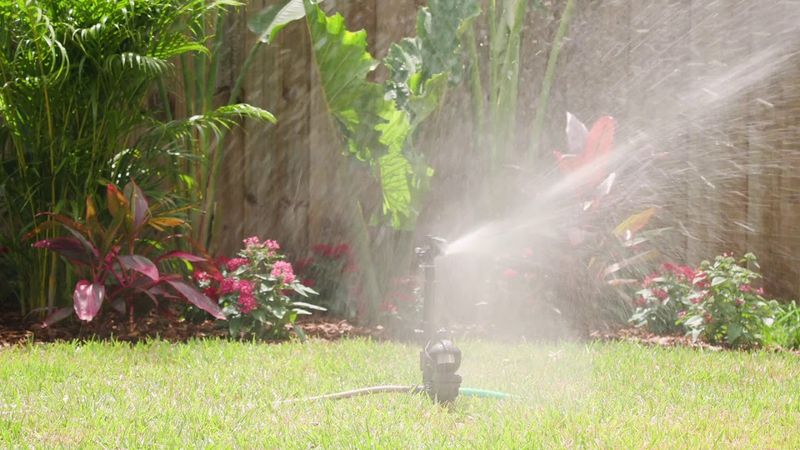
Modern technology offers excellent solutions for keeping deer out of your space without constant monitoring.
Motion-activated devices startle animals when they enter your yard, creating a negative experience that encourages them to seek quieter areas.
These devices are ideal because they operate around the clock and respond only when needed.
Motion-activated sprinklers are particularly effective.
When triggered, they emit a sudden burst of water, which surprises deer and teaches them that this area isn’t safe to explore.
Place these near your most vulnerable plants, adjusting the sensitivity so they don’t activate for small animals like birds or squirrels.
Another option is motion-activated lights.
These sudden flashes of brightness during dusk and dawn feeding hours are enough to unsettle most deer.
Solar-powered versions are easy to install and require no wiring or batteries.
Ultrasonic sound emitters are another choice, producing high-frequency sounds that are uncomfortable for deer but silent to humans.
The best results come from combining multiple types of deterrents and rotating their positions regularly.
Deer are clever and may learn to ignore stationary devices, so keeping them guessing helps maintain effectiveness.
5. Remove Attractive Food Sources Immediately
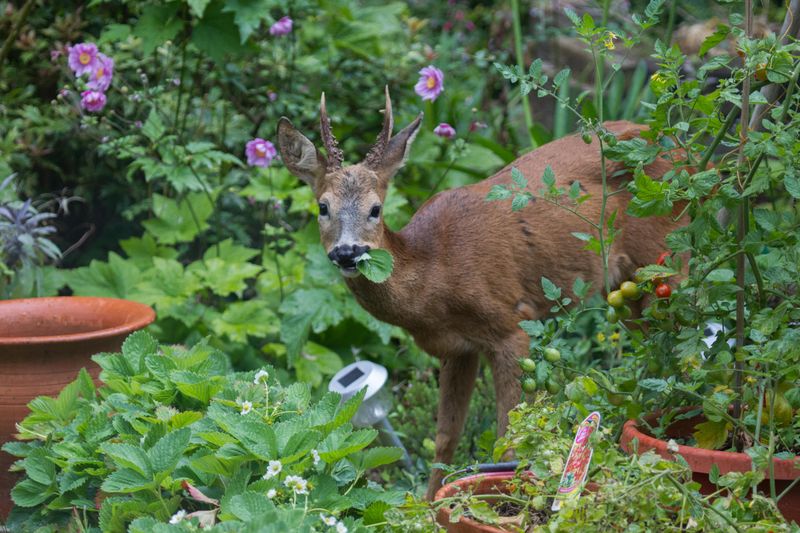
Without realizing it, you may be unintentionally inviting deer into your yard with easy meals.
During December in Indiana, natural food sources become scarce, and deer will explore neighborhoods in search of anything edible.
That means your yard needs to be cleared of any temptations that might attract unwanted visitors.
Bird feeders are one of the most common attractions.
While they’re great for birds, they’re also appealing to deer who love the seed mixtures inside.
Consider removing feeders for the winter or using pole-mounted models with guards that make them deer-proof.
Fallen fruit from trees like apples or pears is another draw.
Pick up anything that drops and dispose of it properly to reduce lingering scents.
Compost bins should be sealed tightly, especially if you’ve added fruit or vegetable scraps.
Use enclosed systems rather than open piles to limit the scent trail.
Pet food left outside, even in an empty bowl, can bring curious deer to your doorstep.
Bring all bowls inside promptly after meals.
The fewer attractants available, the less appealing your property will be to passing wildlife.
6. Create Noise And Activity In Your Yard
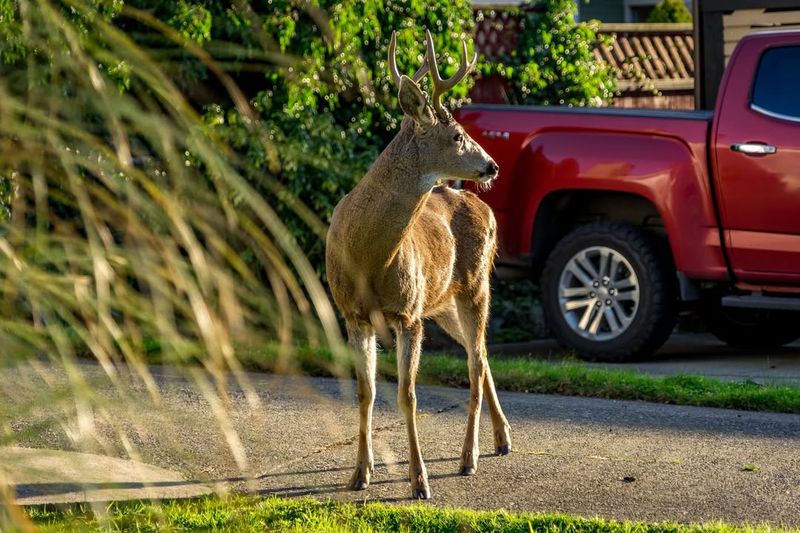
Deer are creatures of habit who prefer calm and quiet environments.
By introducing unpredictability in the form of sound and movement, you can create an atmosphere that feels too risky for them to enter.
Wind chimes are an easy addition that produces natural, pleasant noise that deer find unsettling.
Use multiple chimes of different materials and sizes throughout your yard to create varying tones.
A portable radio placed in your garden and set to play music or talk radio is another useful tactic.
Human voices and sudden changes in sound suggest the presence of people, which makes deer uneasy.
Reflective materials like aluminum foil strips, old CDs, or specialized garden flash tape shimmer and move in the wind, adding visual deterrents.
Hang these from tree branches, fences, or stakes for best effect.
Motion-activated garden decor, such as pinwheels or wobbling figurines, also help.
Regular human activity also plays a role.
Even a daily stroll around your Indiana property with your dog can make a difference, as the scent of a potential predator will make deer more hesitant to enter.
The more alive and unpredictable your yard feels, the more likely deer will choose to avoid it.
7. Protect Individual Trees And Shrubs With Barriers

If fencing your entire yard isn’t practical, focus your energy on protecting your most valued plants with individual barriers.
Young trees and delicate shrubs are especially vulnerable in winter when deer search for bark and buds to browse.
Plastic tree guards wrap snugly around trunks and protect against damage from rubbing or chewing.
Choose guards that are tall enough, ideally five feet, to keep deer from reaching above the barrier.
Burlap is another useful material.
Wrap shrubs or small trees with a layer of breathable burlap to create a buffer against both deer and harsh weather.
Chicken wire can be formed into a cylindrical cage around the plant, leaving space between the wire and branches.
Make sure to anchor the cage securely so deer can’t push it over.
Lightweight netting draped over bushes is nearly invisible to the eye but discourages browsing.
Use garden staples or rocks to keep it in place during high winds.
Throughout the season, check these protective structures to ensure they remain intact.
This targeted approach is especially helpful for preserving new plantings that may be more vulnerable during their first few winters.