The Strange Winter Fungus Appearing In Ohio Yards — Should You Remove It

When the snow finally melts in Ohio, many homeowners are surprised to find strange patches of matted, discolored grass in their yards.
These mysterious circles and spots are caused by snow mold, a winter fungus that thrives under snow cover.
While it might look alarming at first, understanding what snow mold is and how to handle it can save you time, money, and unnecessary worry about your lawn’s health.
Snow Mold Grows Under Winter’s Blanket
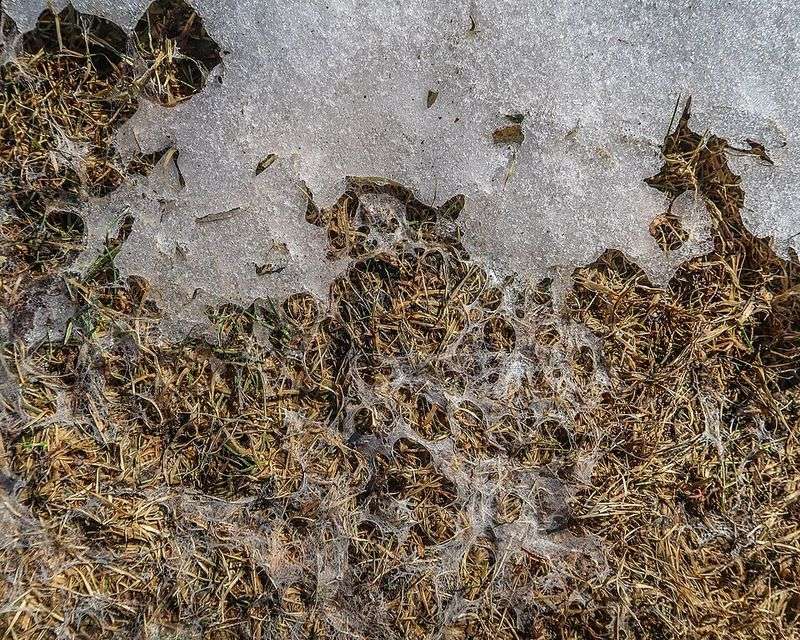
Snow mold earns its name because it develops beneath layers of snow during winter months.
Unlike other lawn diseases that need warmth and sunshine, this fungus actually prefers cold, damp conditions.
When snow sits on your Ohio lawn for weeks or months, it creates the perfect environment for these fungi to spread and multiply.
The fungus stays active even when temperatures drop below freezing.
Moisture trapped under the snow keeps the grass blades wet, which is exactly what snow mold needs to thrive.
Most homeowners don’t even know it’s happening until the snow melts away.
Once spring arrives and the white blanket disappears, you’ll spot the telltale signs.
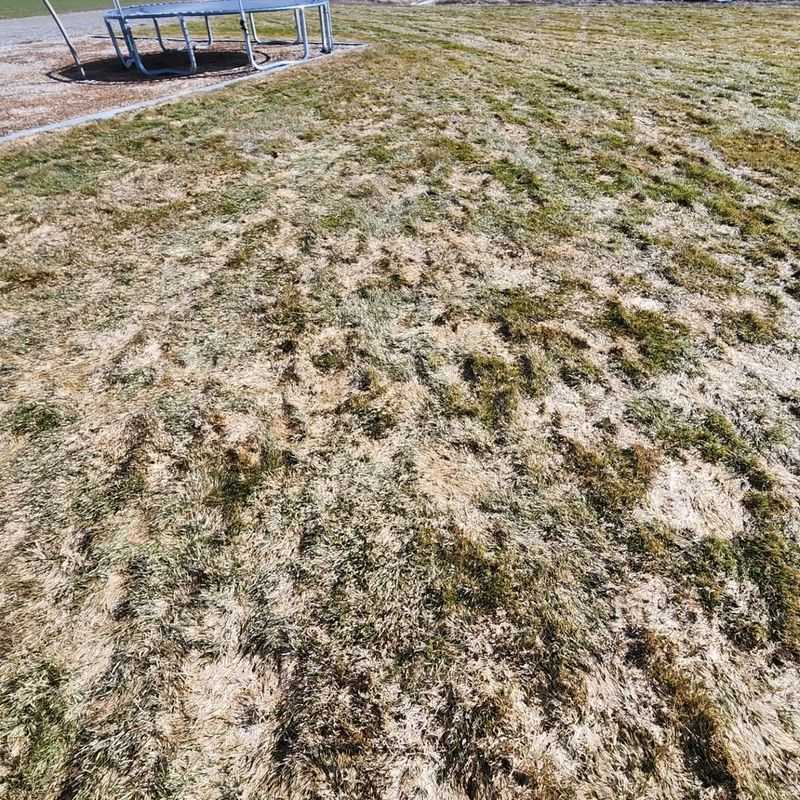
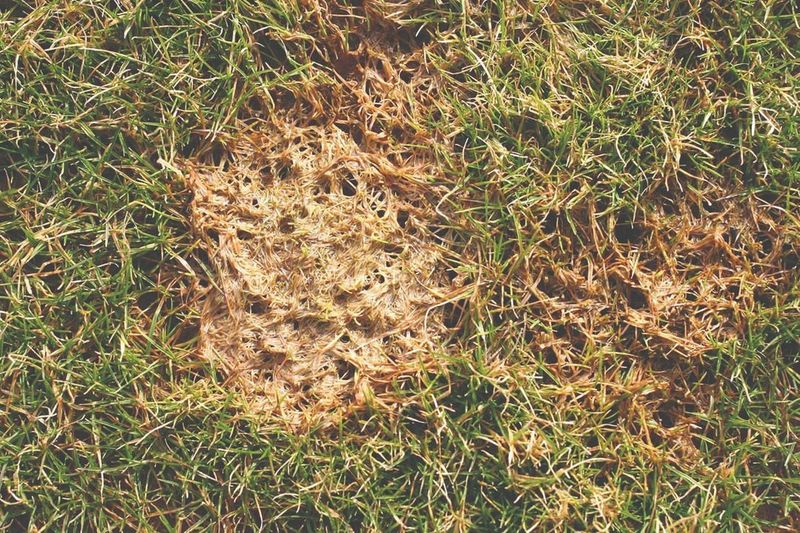
Circular patches of matted, slimy grass appear across your yard.
The affected areas can range from just a few inches to several feet wide, depending on how long the snow stayed on the ground and how much moisture was present during winter.
Two Main Types Affect Ohio Lawns
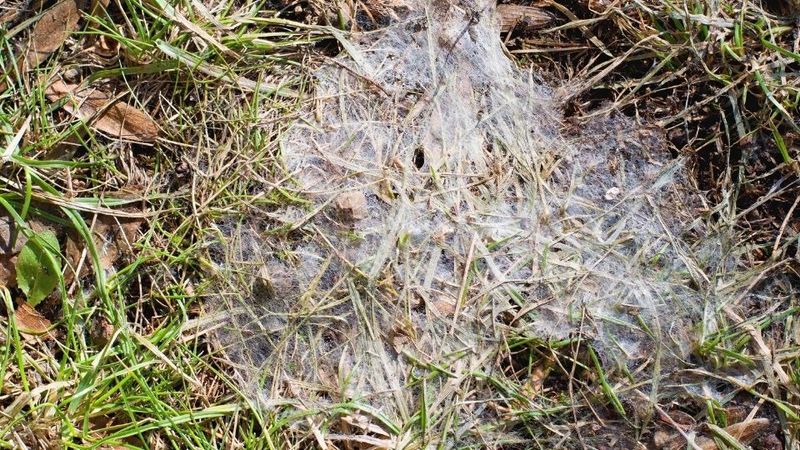
Gray snow mold and pink snow mold are the two varieties that commonly attack Ohio yards each winter.
Gray snow mold, also called Typhula blight, creates patches that look grayish or tan with fluffy white fungal growth around the edges.
Pink snow mold, known scientifically as Microdochium patch, produces areas with a pinkish or salmon-colored tint along the borders.
Each type behaves slightly differently in your yard.
Gray snow mold typically appears when snow melts and usually doesn’t damage grass roots deeply.
Pink snow mold can be more aggressive, sometimes destroying grass crowns and roots if conditions remain favorable for extended periods.
Both types love similar conditions but have different temperature preferences.
Gray snow mold thrives when temperatures hover just above freezing, while pink snow mold can remain active even when things warm up a bit.
Knowing which type you’re dealing with helps determine how serious the problem might be and what steps you should take next.
Matted Grass Is The First Clue
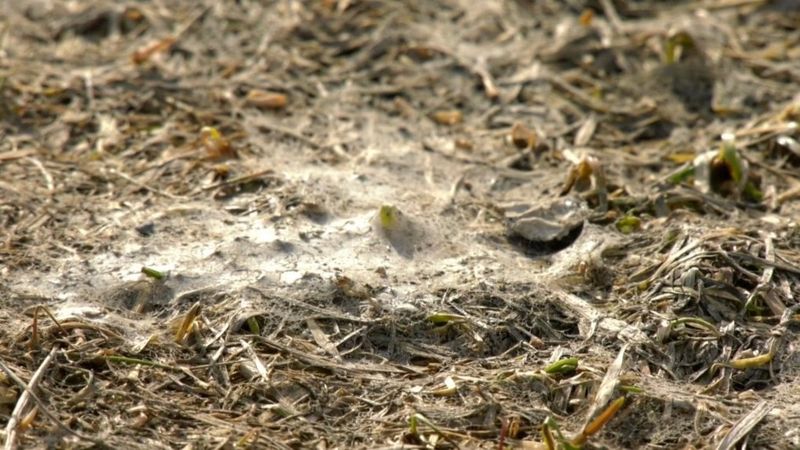
Walking across your Ohio lawn after the last snow melts might reveal something unexpected.
Grass blades that should be standing upright instead lie flat, stuck together like they’ve been glued down.
This matted appearance is one of the most obvious signs that snow mold has been working beneath the winter snow.
The fungus produces sticky substances that bind grass blades together.
As the snow mold grows, it creates a web-like coating over the grass.
When you look closely, you might even spot tiny threads connecting the blades.
Your Ohio Garden Changes Every Week. Your Plan Should Too.
Gardening in Ohio changes quickly throughout the season. Every Friday you’ll receive a simple weekly plan showing exactly what to plant, prune, fertilize, harvest, and protect so you never miss the right timing.
Sometimes the matted areas feel slimy or greasy to the touch.
Other times they’re just stuck together and crusty.
The texture depends on how recently the snow melted and whether rain has washed away some of the fungal material.
Either way, this flattened, compressed grass is your lawn’s way of showing that something unusual happened during winter while everything was buried under snow.
Most Grass Recovers Without Help
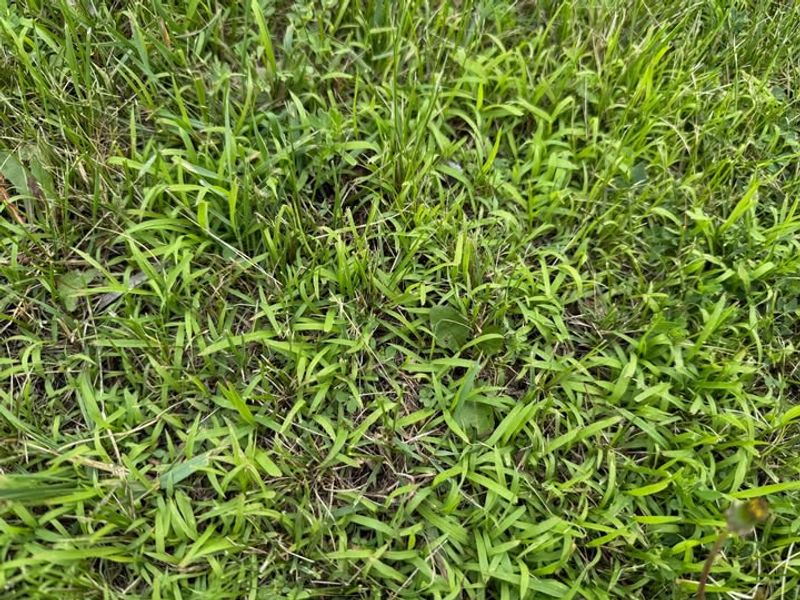
Here’s some good news that might surprise you: your Ohio lawn is tougher than it looks.
Even though snow mold can make your yard appear damaged or dying, most grass bounces back on its own once warmer weather arrives.
The fungus mainly affects the grass blades rather than destroying the roots underneath.
As temperatures rise and sunshine returns, the grass plants begin their natural recovery process.
New green blades start pushing up through the matted, dead material.
Within a few weeks of warm spring weather, many affected areas fill in completely without any intervention from you.
Patience becomes your best tool during this recovery period.
While you might be tempted to take immediate action, simply waiting often produces the best results.
The grass already has everything it needs to heal itself—sunshine, warmer temperatures, and time.
Only severely damaged areas where the fungus destroyed the crown or roots will need extra attention or reseeding later in spring.
Raking Helps Speed Up Recovery
Want to help your Ohio lawn recover faster?
Grab a leaf rake and gently work through the affected areas.
Raking serves multiple purposes that benefit your grass as it tries to bounce back from winter damage.
The process lifts matted grass blades and allows air to circulate around them again.
Better air circulation helps dry out the remaining moisture that the fungus loves.
When you rake, you’re also removing some of the withered grass and fungal material that’s weighing down healthy blades underneath.
This lets sunlight reach the soil and encourages new growth to emerge more quickly.
Be careful not to rake too aggressively, though.
You want to fluff up the grass, not tear it out by the roots.
Use a light touch with a flexible leaf rake rather than a heavy metal garden rake.
Work when the grass is dry rather than wet, which prevents additional damage.
A few gentle passes over each affected area should be enough to improve conditions without harming the recovering grass.
Fungicides Usually Aren’t Necessary
Before you rush to the Ohio garden center for expensive fungicides, consider this: chemical treatments rarely make sense for snow mold.
By the time you notice the problem in spring, the fungus has already stopped growing.
Spraying fungicides after the fact won’t undo damage that’s already occurred.
Snow mold needs cold, wet conditions under snow cover to thrive.
Once spring arrives with warmer temperatures and better drainage, the fungus naturally becomes inactive.
Applying chemicals at this point is like closing the barn door after the horses have escaped—the problem has already run its course.
Save your money and skip the fungicide for most situations.
The grass will recover on its own, and chemicals won’t speed up that process.
Preventive fungicide applications in late fall might make sense if you’ve had severe, recurring snow mold problems for several years in a row.
Even then, improving lawn care practices often works better than relying on chemicals to solve the issue year after year.
Prevention Starts Before Winter Arrives
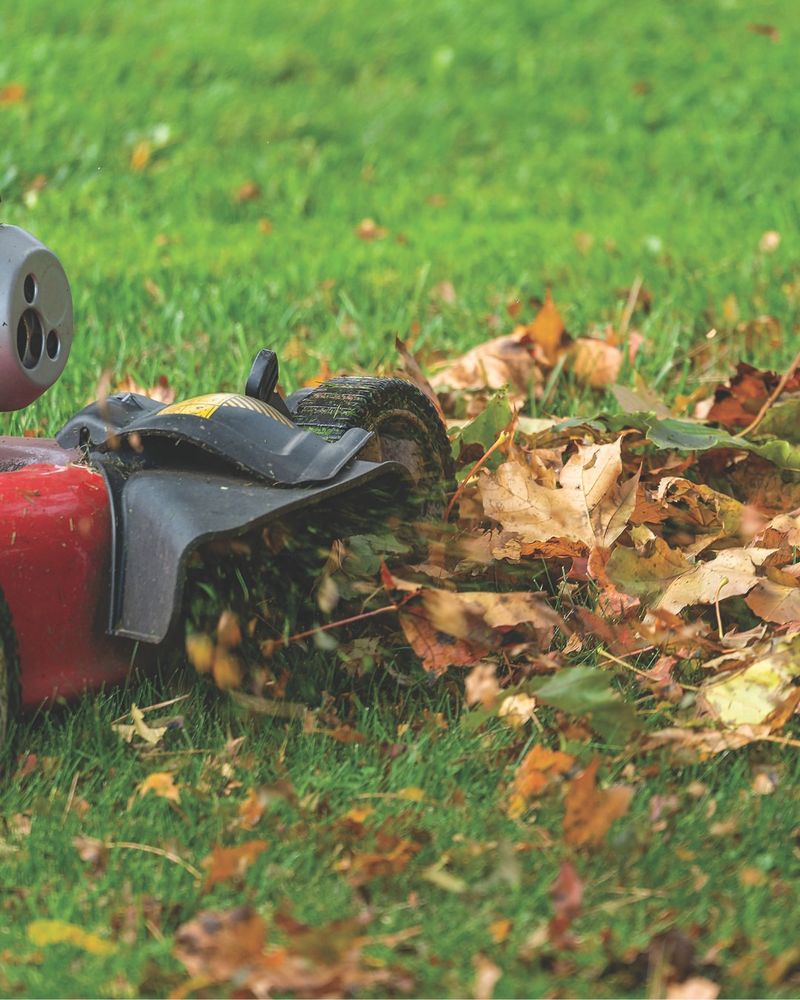
Smart lawn care in autumn makes a huge difference in preventing snow mold next spring.
One of the simplest steps is continuing to mow your grass until it stops growing for the season.
Letting grass grow too long before winter creates more material for snow mold to attack and more surface area that traps moisture.
Your final mowing should leave grass at about two to two-and-a-half inches tall.
Grass that’s too short might suffer winter damage, while grass that’s too long creates a perfect environment for fungal growth.
Finding that sweet spot gives your lawn the best chance of staying healthy under snow.
Remove fallen leaves before the first snow arrives as well.
Leaves trap moisture against grass blades and block air circulation, which encourages fungal problems.
A clean lawn going into winter means fewer hiding spots for snow mold spores.
These simple fall tasks take minimal effort but pay off with a healthier, better-looking lawn when spring finally returns to Ohio.
Avoid Piling Snow On Your Lawn
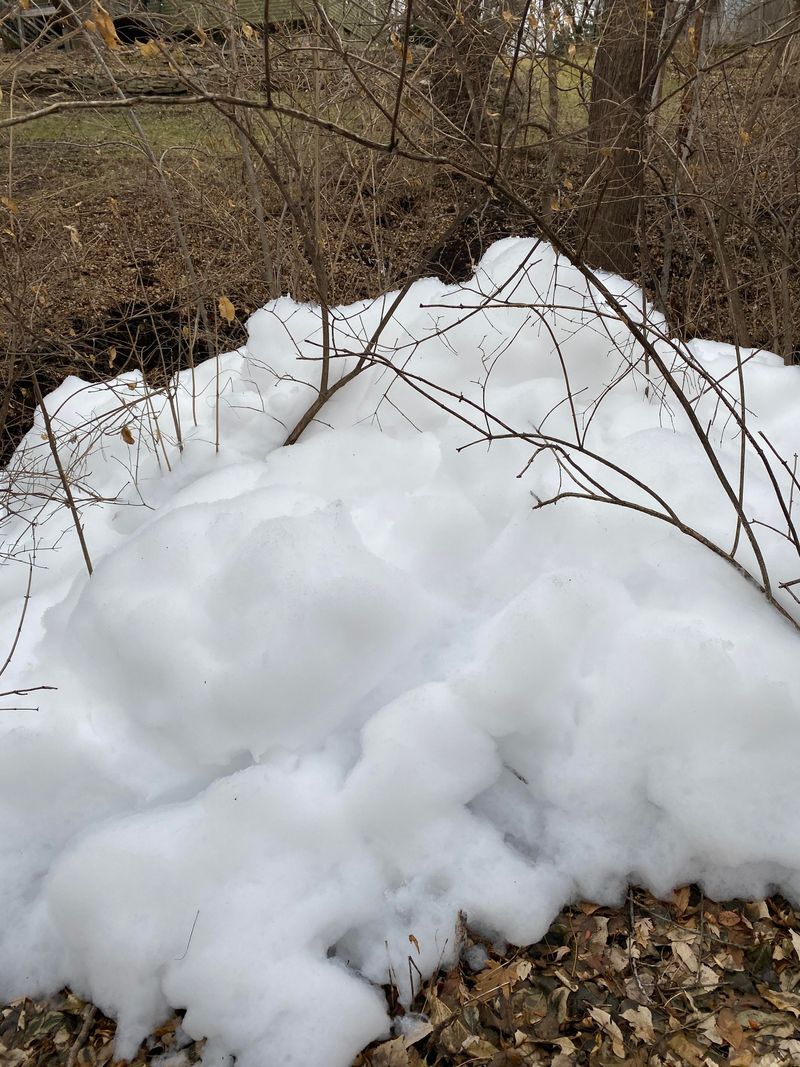
Where does all that snow from your driveway and sidewalk end up?
If you’re piling it onto your Ohio lawn, you might be creating snow mold problems without realizing it.
Areas with deeper snow accumulation stay wet longer and take more time to melt in spring, giving fungus extra weeks to spread.
Snow piles can be several feet deep, while natural snowfall on the rest of your lawn might only be inches thick.
These deep piles often don’t completely melt until late March or even early April in Ohio.
Meanwhile, the grass underneath stays dark, wet, and cold—perfect conditions for aggressive fungal growth.
Try spreading snow more evenly across your property instead of creating massive piles.
If you must pile snow somewhere, choose areas without grass, like flower beds or gravel areas.
When that’s not possible, at least rotate where you pile snow each winter so the same lawn areas don’t get hammered year after year.
Small changes in your snow removal habits can significantly reduce snow mold damage without requiring extra work or expense.
Proper Drainage Reduces Future Problems
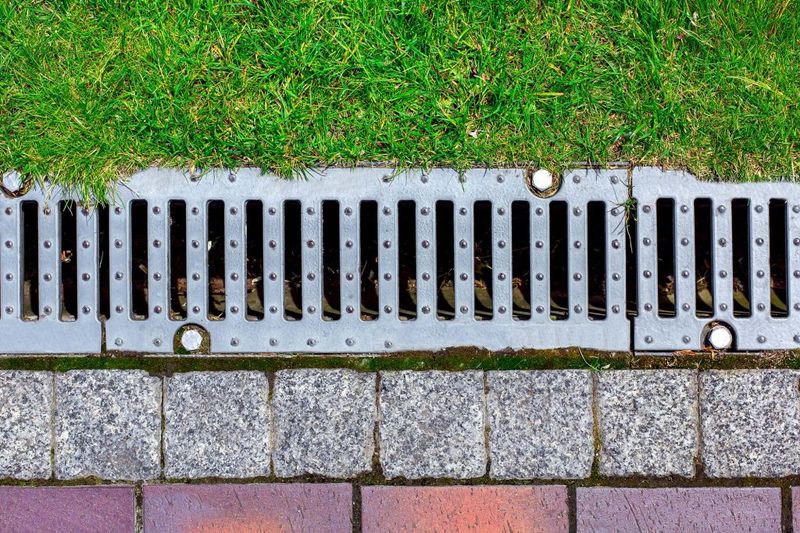
Does water puddle in certain areas of your Ohio yard after rain or snowmelt?
Those low spots with drainage issues become prime targets for snow mold every winter.
Fungi thrive where moisture lingers, so improving drainage addresses one of the root causes of repeated infections.
Watch your yard during early spring thaw to identify problem areas.
Spots where water stands for hours or days need attention.
Sometimes the fix is as simple as filling in low areas with topsoil to level things out.
Other situations might require more involved solutions like installing drainage pipes or creating swales to direct water away.
Better soil aeration also improves drainage throughout your entire lawn.
Compacted soil doesn’t absorb water well, causing it to pool on the surface.
Core aeration in fall creates channels that let water soak into the ground more effectively.
Combining improved drainage with other preventive measures gives your lawn multiple layers of protection against snow mold and creates healthier growing conditions for grass throughout the entire year.
When To Reseed Damaged Areas
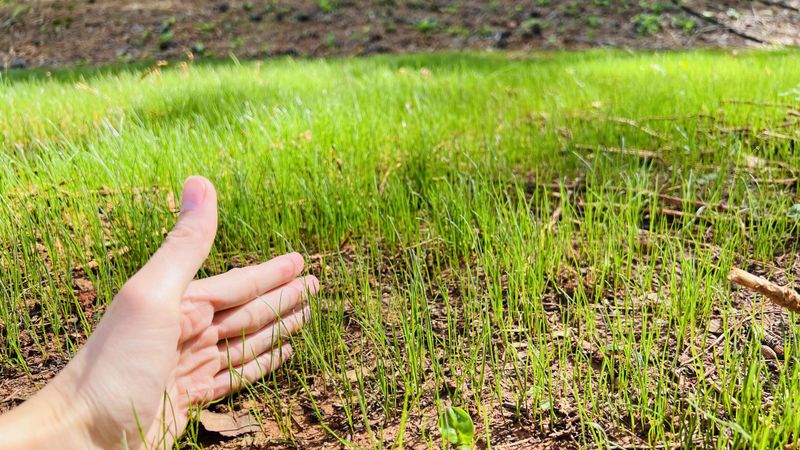
Give your Ohio lawn until mid to late spring before deciding whether reseeding is necessary.
Most areas will fill in naturally as grass plants send out new shoots and spread.
However, spots where the fungus destroyed grass crowns and roots won’t recover without your help.
How can you tell the difference?
Areas that stay brown and bare while surrounding grass greens up probably need reseeding.
Gently tug on the withered-looking grass—if it pulls up easily with no resistance, the roots are gone.
Spots smaller than a dinner plate often fill in from surrounding healthy grass, but larger bare areas benefit from reseeding.
Wait until soil temperatures reach about 50 to 65 degrees Fahrenheit for best germination results.
Rake away dead material, rough up the soil surface slightly, and spread grass seed that matches your existing lawn type.
Keep the seeded areas moist until new grass establishes itself.
With proper care, these reseeded spots will blend in with the rest of your lawn within a few months, erasing the last evidence of winter’s fungal visitor.