The Creepy Night-Blooming Plant California Homeowners Keep Finding In Their Yards
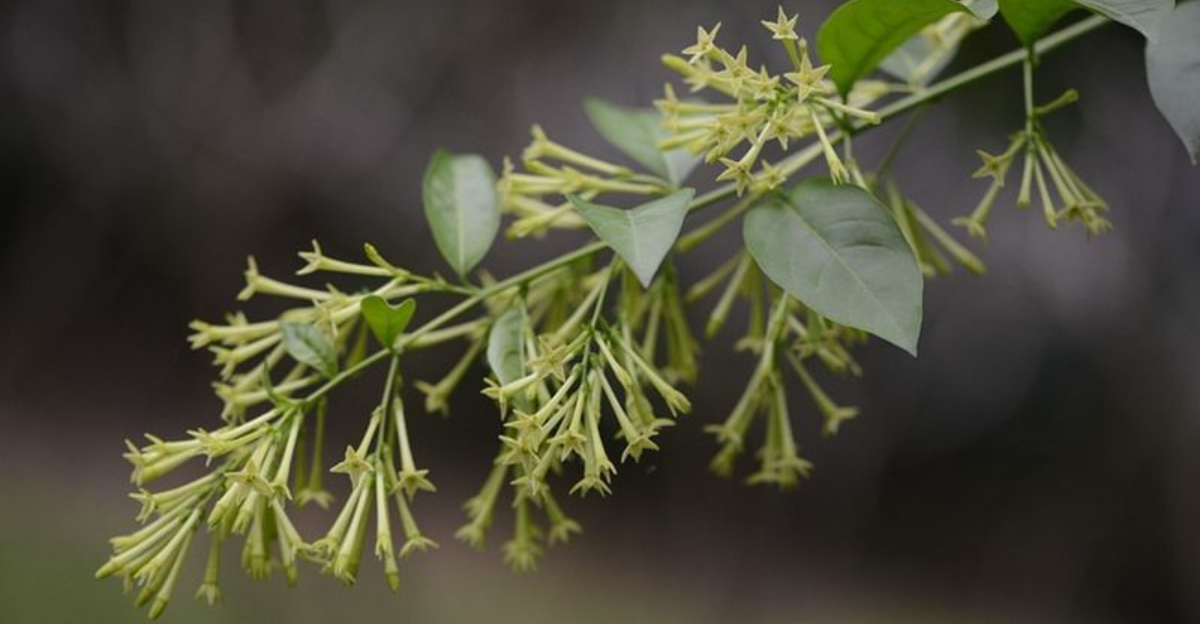
In California, a mysterious plant blooms under the cover of darkness, filling the night air with an overpowering, sweet fragrance.
Cestrum nocturnum, commonly called night-blooming jasmine, can quickly take over yards, sneaking into fences, borders, and neglected corners.
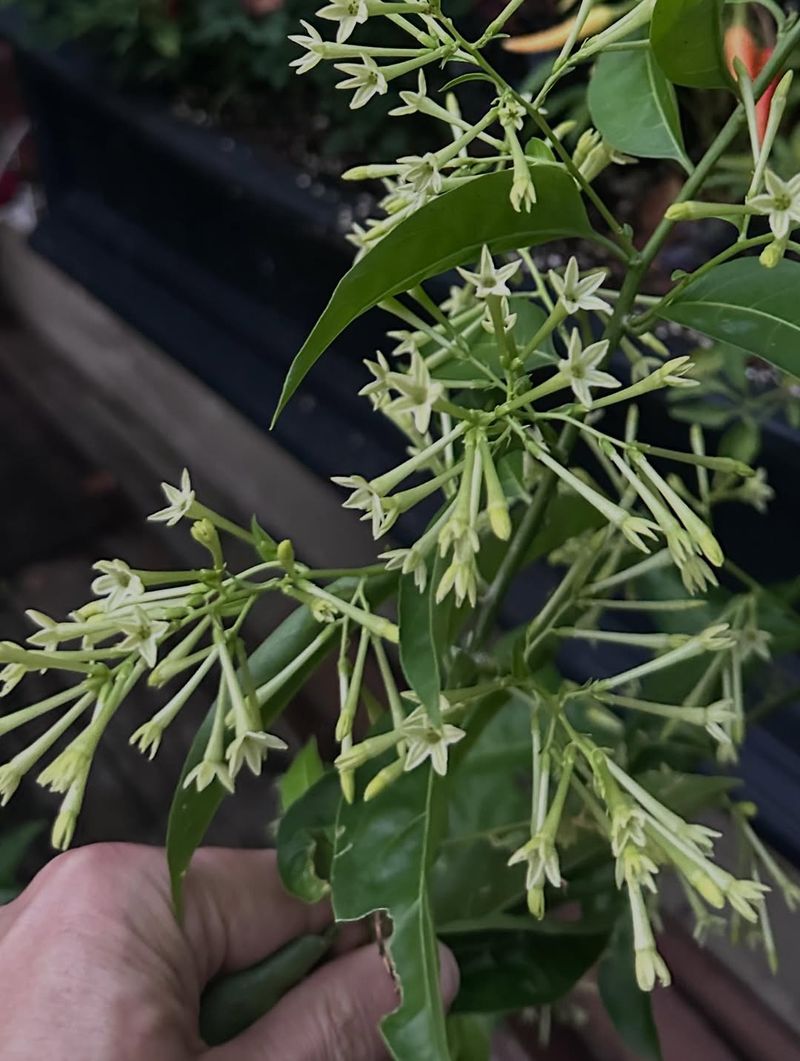
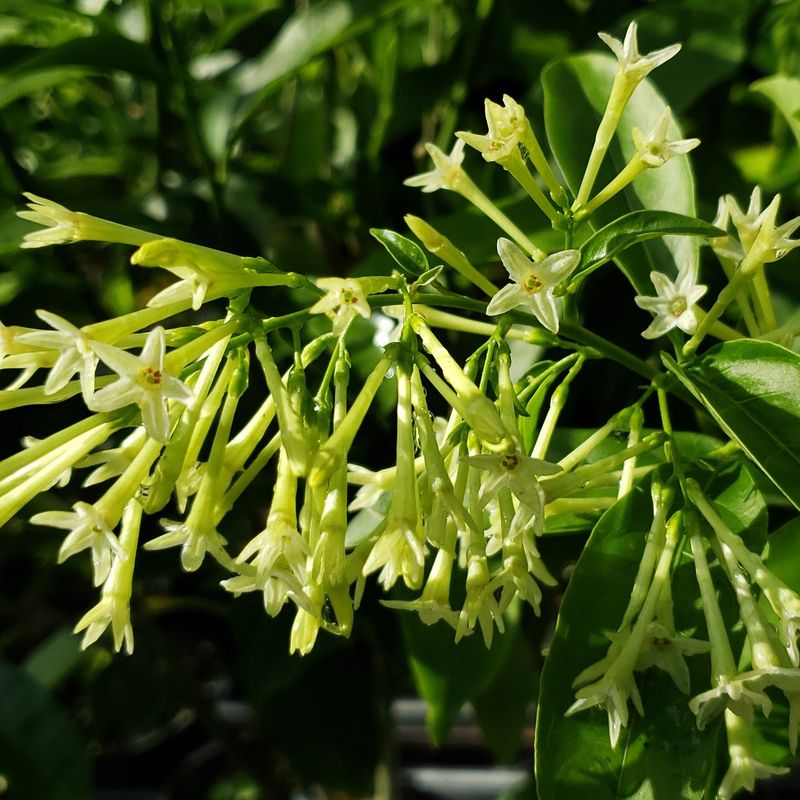
Its clusters of tubular, greenish-white flowers open after sunset, creating a dramatic and sometimes unsettling spectacle.
While the scent is intoxicating to some, the plant’s rapid growth and invasive tendencies make it a challenge for homeowners trying to maintain a tidy garden.
All parts of the shrub, including berries and leaves, are toxic to people and pets, adding another layer of concern for families.
Once established, the plant spreads easily, producing seeds and shoots that appear seemingly out of nowhere.
Managing Cestrum nocturnum requires vigilance, careful pruning, and sometimes professional removal to prevent it from taking root in unwanted areas.
California gardens face a delicate balance between beauty and control with this night-blooming invader.
It Only Blooms When Darkness Falls
Most flowers open their petals to greet the morning sun, but Cestrum nocturnum marches to the beat of its own drum.
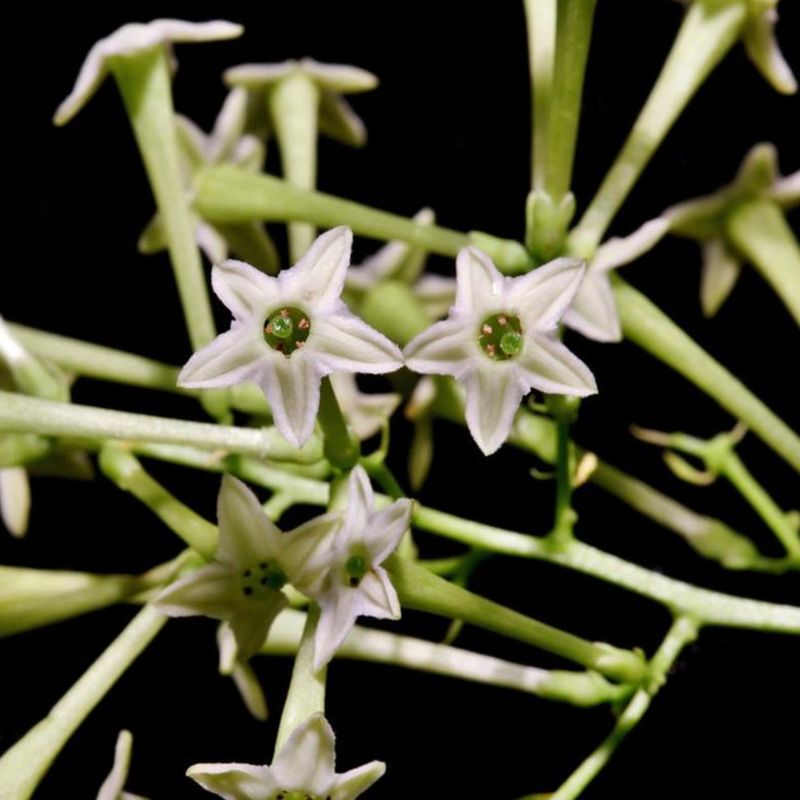
Small, greenish-white tubular flowers stay tightly closed during daylight hours, almost invisible among the glossy green leaves.
As twilight approaches and shadows lengthen, something magical happens.
The buds gradually unfurl, revealing delicate star-shaped blooms that transform the plant completely.
This nocturnal behavior evolved over millions of years to attract night-flying pollinators like moths and bats.
These creatures have excellent night vision and rely on scent rather than bright colors to find their food sources.
By morning, the flowers close up again, conserving energy and protecting their reproductive parts from the harsh daytime sun.
This daily cycle repeats throughout the warm months, creating a predictable nighttime spectacle.
Gardeners who work late or enjoy evening strolls often discover these blooms accidentally.
The timing is so precise that you can almost set your watch by it.
Once you know what to look for, spotting a night-blooming jasmine becomes easy—just wait until dusk and follow your nose to the nearest fragrant shrub.
The Scent Can Travel For Blocks
Imagine walking down your street on a warm summer evening when suddenly an intense, sweet perfume hits you like a wave.
That’s the signature calling card of Cestrum nocturnum, and its fragrance is nothing short of legendary.
A single mature plant can perfume an entire yard, and under the right conditions, the smell carries astonishingly far distances.
Windless nights with high humidity create perfect conditions for scent molecules to linger and travel.
Some California residents report smelling the fragrance from several houses away, while others claim it drifts through their open windows from neighboring properties.
The intensity varies depending on how many flowers are blooming at once.
During peak flowering season, a large bush might produce hundreds of blossoms simultaneously.
Each tiny flower pumps out volatile organic compounds designed to attract pollinators from great distances.
What works for moths works equally well on human noses—sometimes too well.
Many people find the scent intoxicating and romantic, reminiscent of expensive perfume or tropical vacations.
Your California Garden Changes Every Week. Your Plan Should Too.
Gardening in California changes quickly throughout the season. Every Friday you’ll receive a simple weekly plan showing exactly what to plant, prune, fertilize, harvest, and protect so you never miss the right timing.
Others describe it as cloying, headache-inducing, or sickeningly sweet, especially when they’re trying to sleep with windows open on hot nights.
California’s Climate Makes It Grow Like Crazy
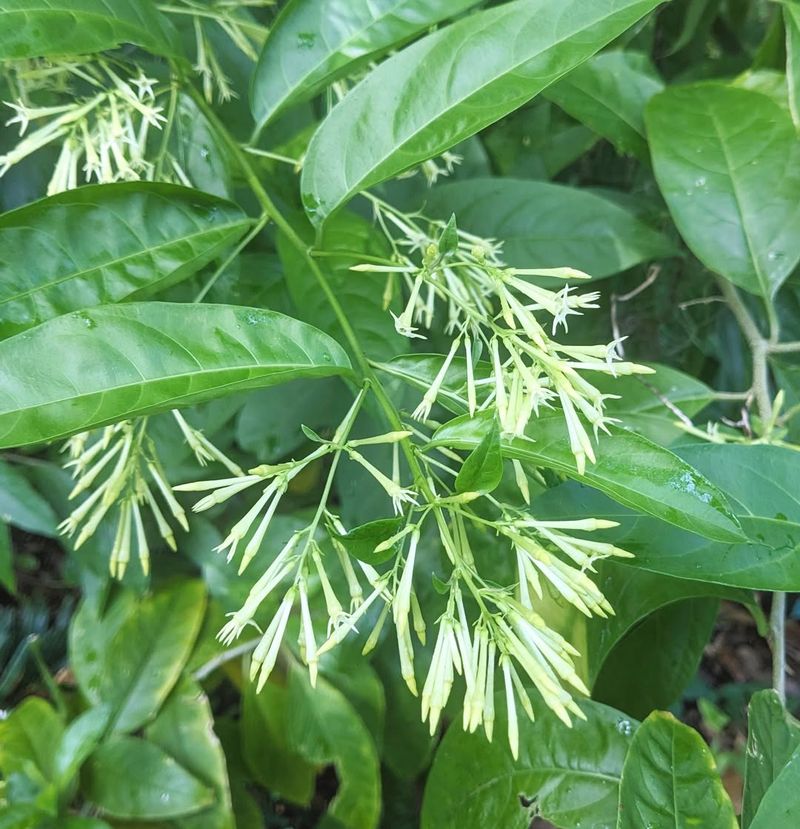
Back in its native Caribbean and Central American habitat, Cestrum nocturnum grows as a modest shrub with natural checks on its expansion.
California’s Mediterranean climate, however, acts like plant steroids for this tropical species.
Mild winters mean the shrub rarely experiences frost damage that would normally keep it in check.
Long, warm growing seasons allow continuous growth from spring through fall, and sometimes even year-round in coastal areas.
The plant thrives in USDA zones 8–11, which covers most of California’s populated regions from San Diego to Sacramento.
With regular water and decent soil, a small starter plant can balloon into a 12-foot-tall monster within just a few years.
Southern California’s lack of hard freezes means these plants never die back to the ground like they might in cooler climates.
Instead, they just keep getting bigger and bushier, producing more flowers each season.
Many homeowners plant them as small ornamental accents only to find themselves battling an uncontrollable giant later.
The plant’s aggressive growth habit has earned it a spot on invasive species watch lists in several California counties.
Without natural predators or diseases to slow it down, night-blooming jasmine spreads enthusiastically wherever conditions suit it.
Every Part Of The Plant Is Toxic
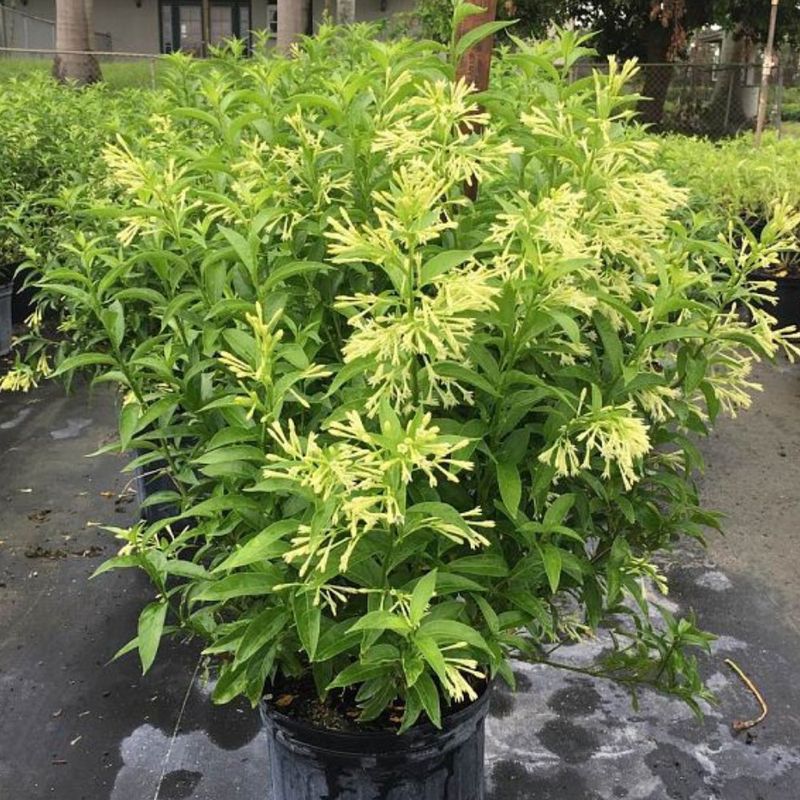
Beauty can be deceiving, and night-blooming jasmine proves this point dramatically.
While the flowers smell heavenly, every single part of this plant contains poisonous compounds called solanocapsine alkaloids.
The glossy leaves, attractive white berries, stems, roots, and even those fragrant flowers can cause serious health problems if ingested.
Children and pets face the greatest risk because they’re more likely to put plant parts in their mouths out of curiosity.
Symptoms of poisoning include nausea, vomiting, digestive distress, excessive salivation, and in severe cases, breathing issues or heart irregularities.
The white berries look particularly tempting to young kids who might mistake them for edible fruits.
Dogs and cats that chew on the leaves may experience similar toxic reactions, sometimes requiring emergency veterinary care.
Even grazing animals like rabbits or goats should be kept away from this plant.
Interestingly, the toxins don’t seem to bother the moths and other insects that visit the flowers for nectar.
Gardeners should always wear gloves when pruning or handling night-blooming jasmine to avoid skin irritation.
Some sensitive individuals develop contact reactions from touching the sap.
If you have small children or curious pets, consider removing this plant entirely or fencing it off securely.
Neighbors Often Fight Over These Plants
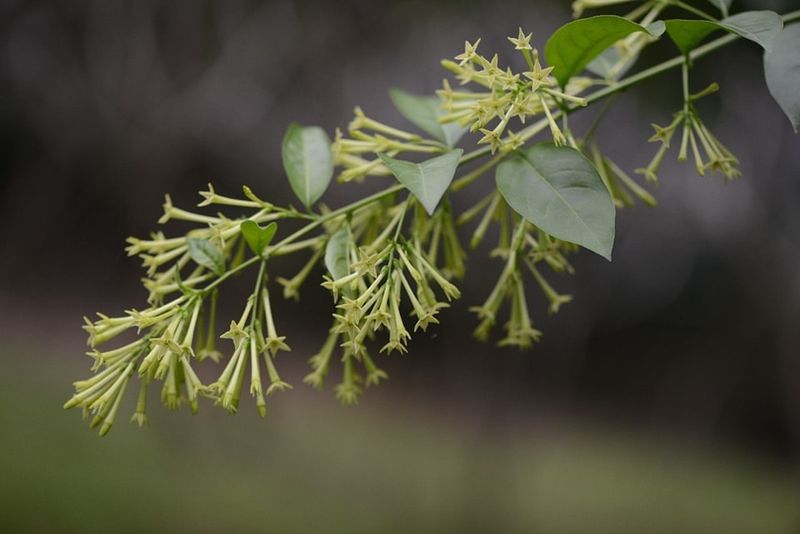
Few plants spark as much controversy in California neighborhoods as Cestrum nocturnum.
Online community forums and homeowner association meetings regularly feature heated debates about these polarizing shrubs.
The source of conflict usually boils down to one issue: that overwhelming nighttime fragrance that refuses to respect property lines.
One person’s delightful evening perfume becomes another person’s sleep-disrupting nightmare.
Complaints flood local government offices from residents who claim the scent triggers migraines, asthma flare-ups, or other sensitivities.
Some people report being unable to use their backyards in the evening or having to keep windows closed during hot weather.
On the flip side, plant owners feel they have the right to grow whatever they want on their own property.
They argue that the fragrance is natural, temporary, and far less offensive than noise or light pollution.
Some view complaints as overly sensitive or even personal attacks on their gardening preferences.
A few California cities have considered or implemented regulations limiting night-blooming jasmine, classifying it as a nuisance plant.
Legal disputes occasionally arise when homeowners refuse to remove or prune their bushes despite neighbor complaints.
The situation creates genuine tension in otherwise friendly communities, proving that even plants can become neighborhood troublemakers.
Removing It Is Harder Than You’d Think
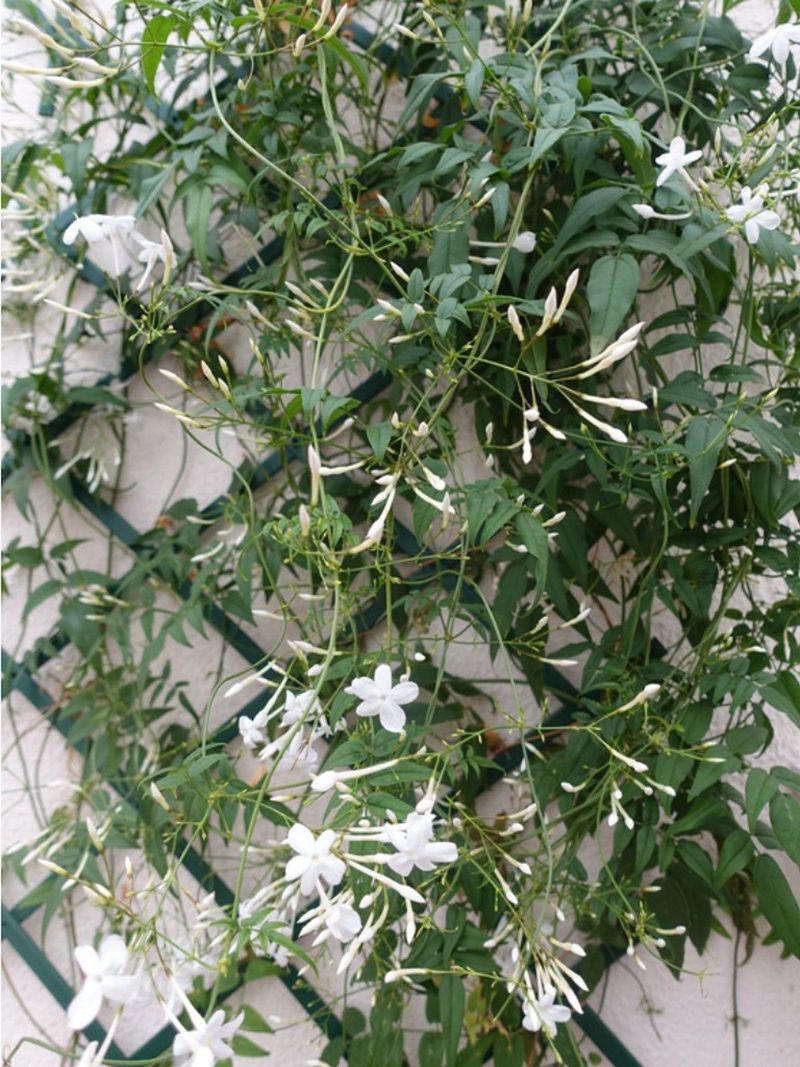
So you’ve decided that night-blooming jasmine has overstayed its welcome in your yard—congratulations on making a tough choice!
Unfortunately, evicting this plant requires serious effort and determination.
Simply cutting it down to ground level won’t solve your problem because the extensive root system remains alive and ready to resprout.
Within weeks of cutting, vigorous new shoots emerge from the stump and underground roots, sometimes growing even more aggressively than before.
The plant interprets pruning as damage and responds by pushing out multiple replacement stems.
To truly eliminate Cestrum nocturnum, you need to dig out the entire root ball, which can extend surprisingly deep and wide.
Mature specimens develop woody roots that require heavy-duty tools like mattocks, root saws, or even mechanical excavators for large plants.
The work is physically demanding and time-consuming, often taking several hours for a single established shrub.
Any root fragments left behind can potentially generate new plants, so thoroughness matters.
Chemical control offers an alternative, though many California gardeners prefer avoiding herbicides.
If you choose this route, systemic products containing glyphosate or triclopyr work best when applied to fresh cuts or actively growing foliage.
Multiple treatments over several months may be necessary to fully stop regrowth.
It Has Surprising Traditional Medicine Uses
Despite its toxic reputation, night-blooming jasmine holds an interesting place in traditional medicine across Latin America and the Caribbean.
Experienced herbalists have used carefully prepared extracts from this plant for centuries, though such uses require expert knowledge and precision.
In small, controlled amounts, leaf preparations have been used traditionally to address conditions like epilepsy, anxiety, and sleep disturbances.
Some cultures applied crushed leaves to the skin to reduce inflammation or relieve pain from injuries.
The flowers were occasionally infused into oils for topical use in soothing skin irritations.
Modern research has identified compounds in Cestrum nocturnum with antibacterial, antifungal, and anti-inflammatory potential.
Laboratory studies suggest promising pharmaceutical uses, though much more research is still needed.
The same alkaloids that make the plant harmful may offer value when properly isolated and studied.
However, medical professionals and poison control centers strongly advise against self-medicating with this plant.
The difference between a helpful dose and a harmful one is extremely small, and individual reactions can vary widely.
What traditional healers have learned through generations cannot be replicated safely without extensive training.
Moths Use It As A Nighttime Diner
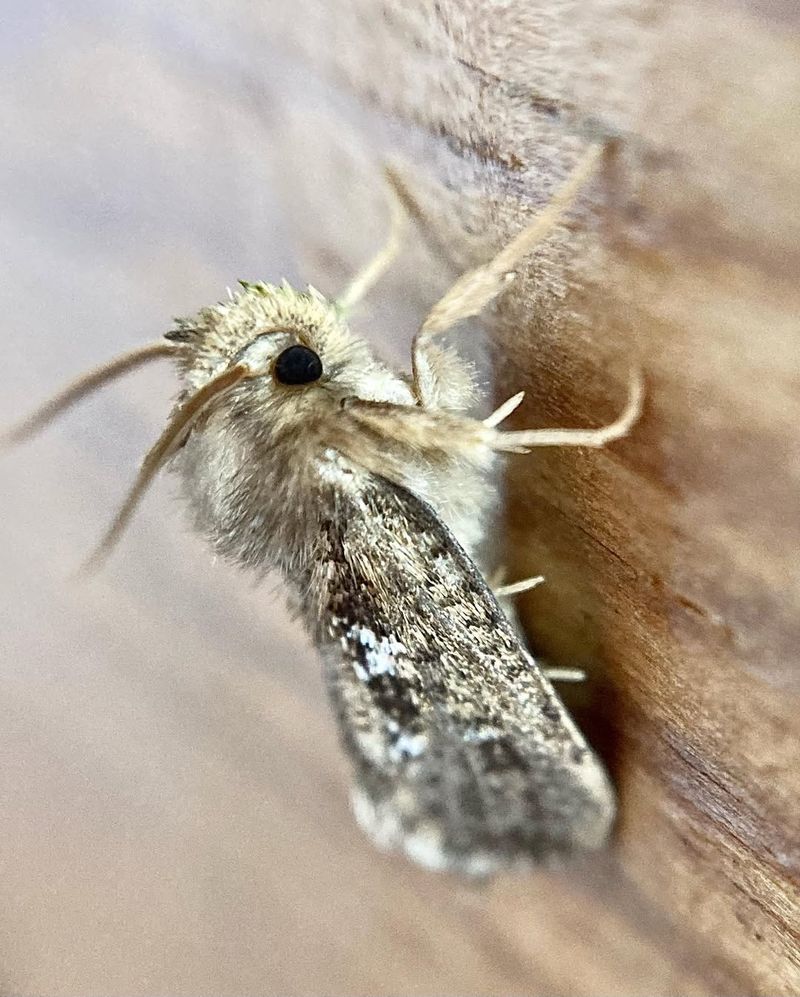
When darkness falls across California gardens, a hidden world of pollinators comes to life around night-blooming jasmine.
Hawk moths, also known as sphinx moths, are the most frequent visitors.
They hover like hummingbirds while unrolling their long proboscis to sip nectar deep within the flower’s tube.
This relationship between plant and moth is the result of millions of years of co-evolution.
The flowers are shaped specifically to match the moths’ feeding structures, while excluding insects that wouldn’t be effective pollinators.
In exchange for the nectar reward, moths carry pollen between blooms, helping the plant reproduce.
Other nighttime visitors include beetles, smaller moths, and in some areas, bats.
Each visitor plays a role in the plant’s reproductive success, but moths do most of the pollination work.
The timing of bloom opening matches the hours of peak moth activity, showing a perfect match of biology and behavior.
Watching this process can be fascinating.
If you stand quietly after dusk near a blooming plant, you might glimpse these swift and delicate creatures in action.
Their soft humming flight and precise movements are part of a natural world many people never notice.