The Privacy Plant Growing Wild Across Kentucky Backyards
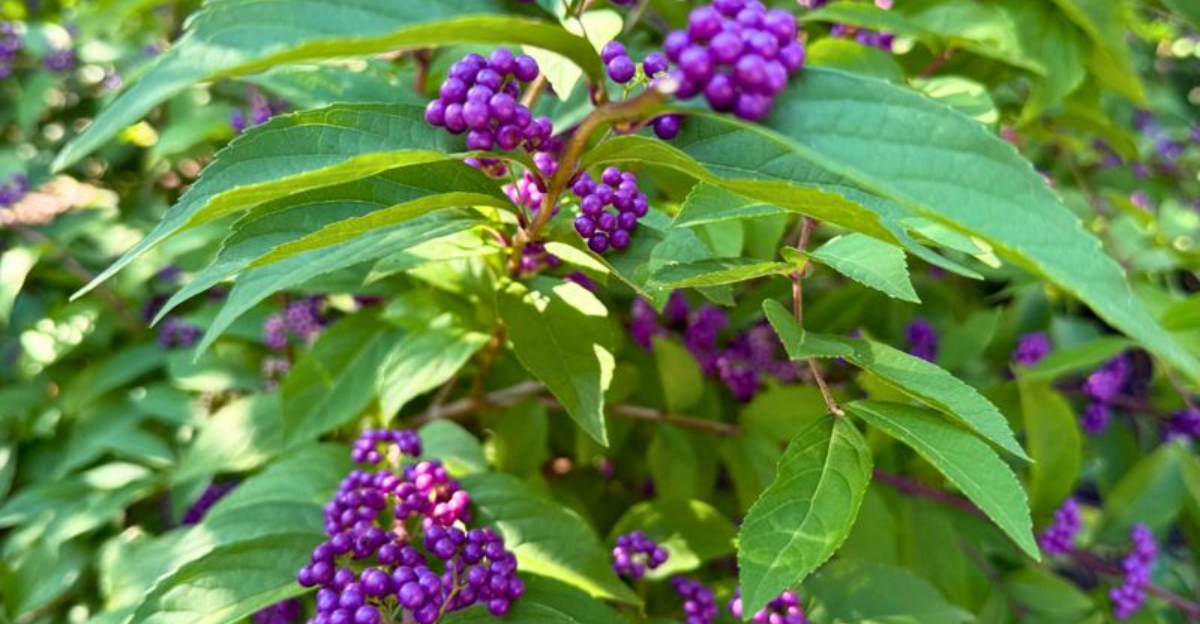
Ever notice those wild bushes with bright purple berries clustered like tiny jewels along the stems?
You might be looking at American beautyberry, a native plant that grows naturally in Kentucky and across the southeastern United States.
This shrub not only catches your eye with its stunning appearance but also serves as a fantastic privacy screen while supporting local wildlife and offering surprising uses you never knew existed.
Native Wonder Of The Southeast
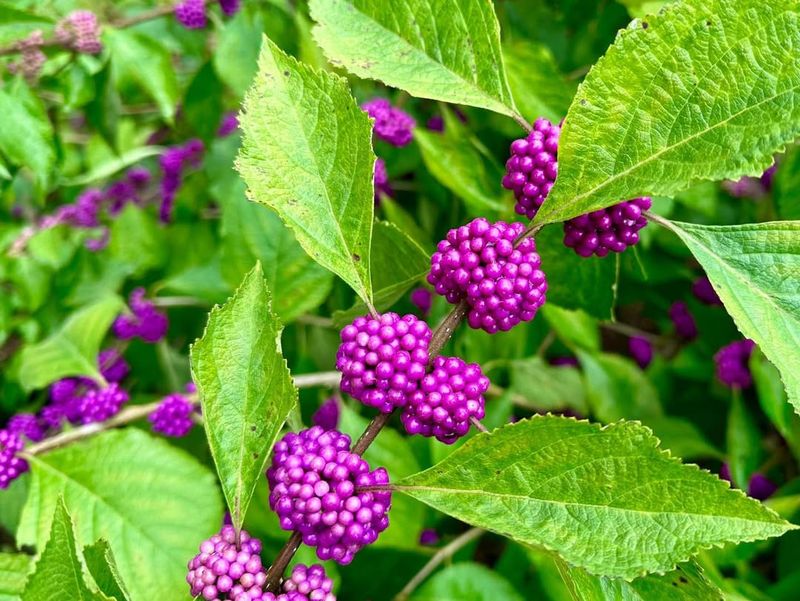
American beautyberry (Callicarpa americana) belongs right here in Kentucky.
Native to the southeastern United States, this deciduous shrub has thrived in our region for thousands of years, adapting perfectly to our climate and soil conditions.
Unlike imported ornamental plants that struggle to survive our hot summers and unpredictable winters, beautyberry flourishes without much fuss.
Growing naturally in woodland edges, stream banks, and forest clearings, this plant has become part of Kentucky’s ecological fabric.
You’ll find it growing alongside dogwoods, redbuds, and other native species that make our landscapes so special.
Its deep roots help prevent soil erosion, especially on sloped backyards common throughout the Bluegrass State.
Choosing native plants like American beautyberry means you’re working with nature instead of against it.
These plants require less water, fewer chemicals, and minimal maintenance compared to non-native alternatives.
Plus, you’re preserving a piece of Kentucky’s natural heritage right in your own backyard, connecting your property to the wild spaces that make our state beautiful.
Those Incredible Purple Berries
Nothing quite prepares you for the shocking color of beautyberry fruits.
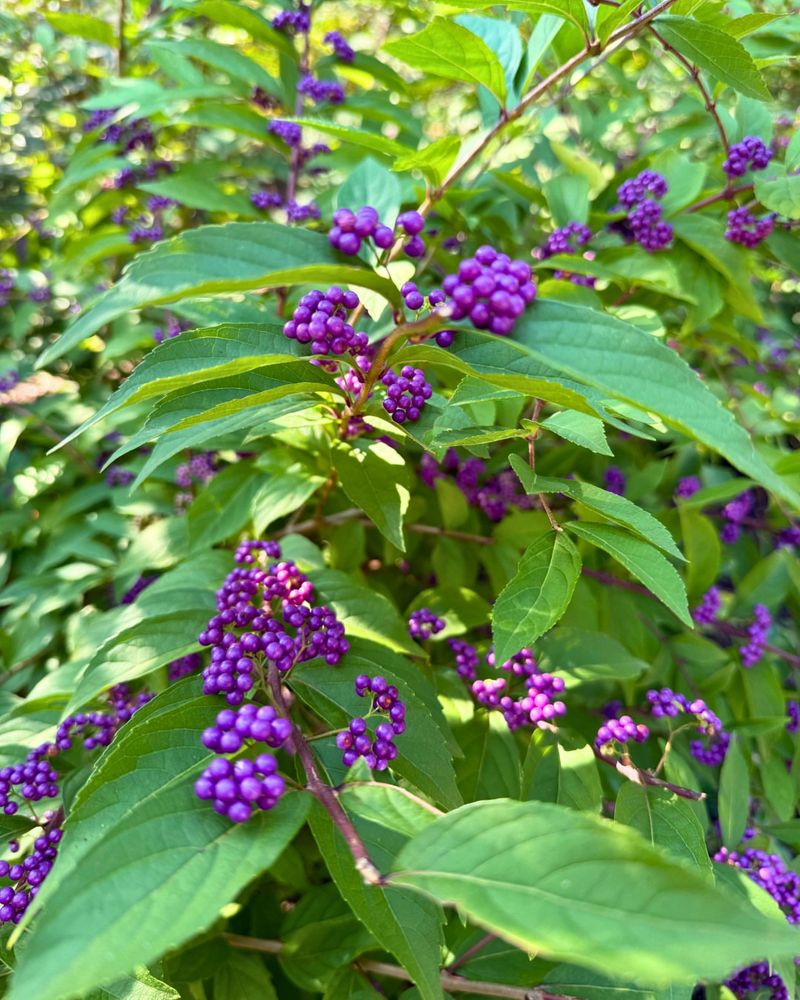
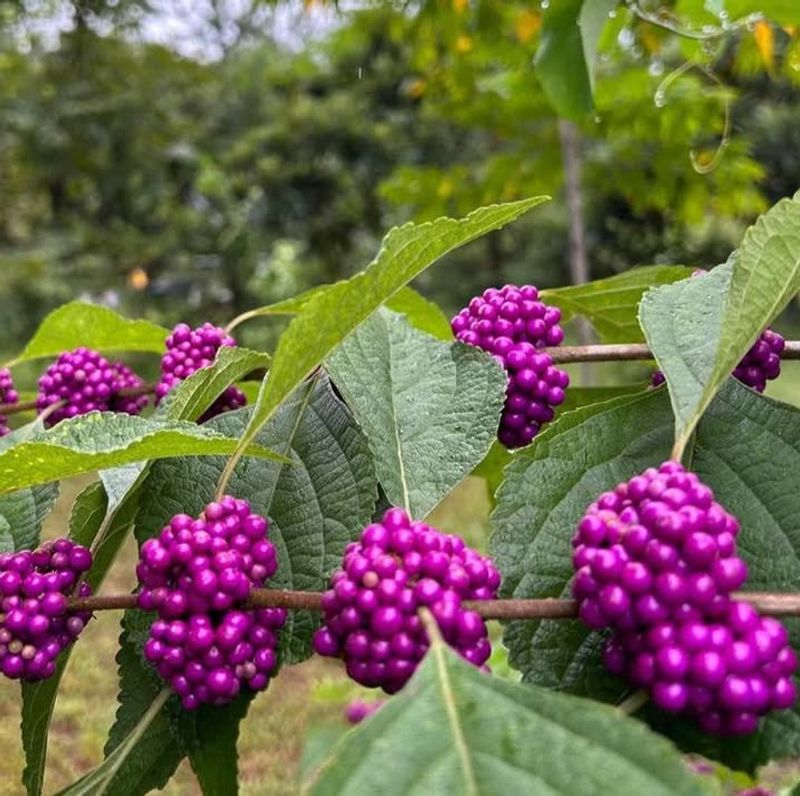
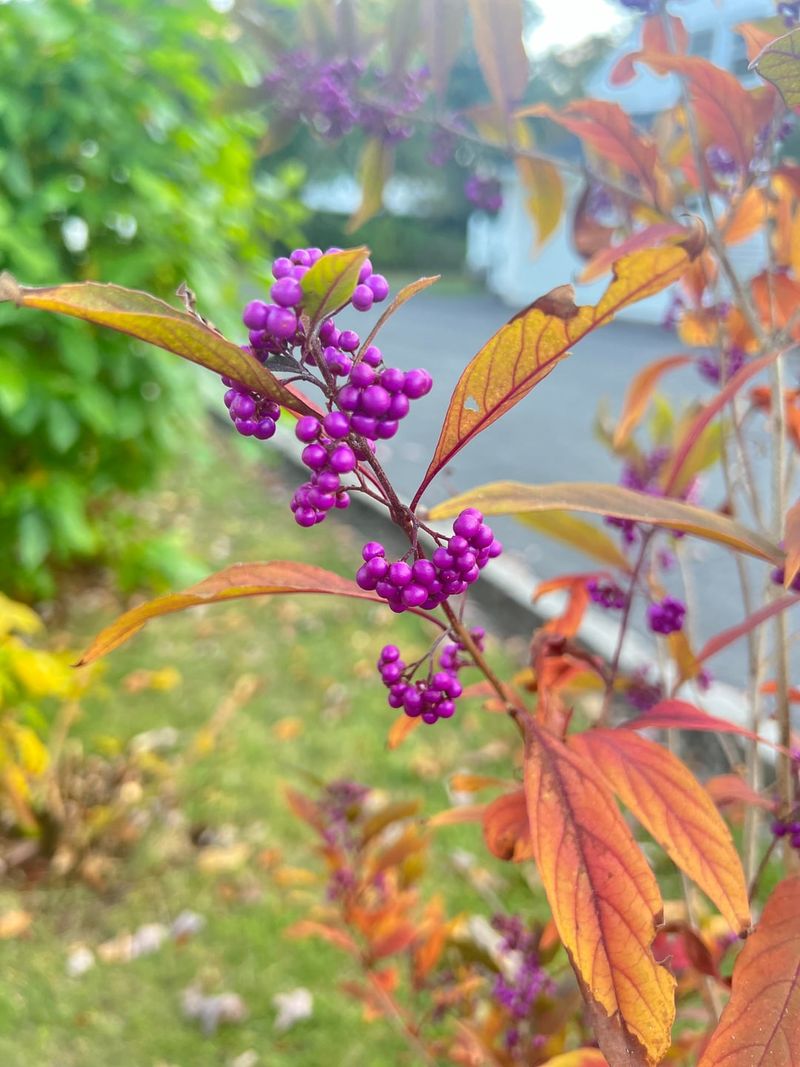
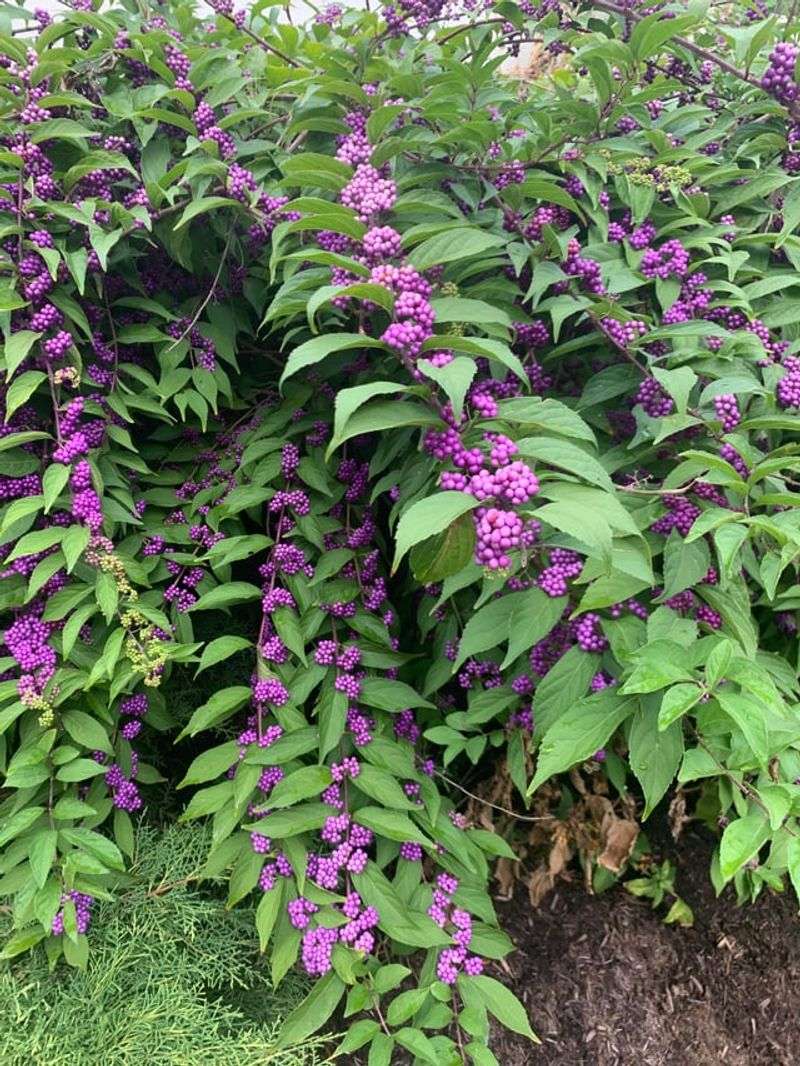
From late summer through fall, clusters of brilliant magenta-purple berries appear in dense rings around the stems, creating one of nature’s most eye-catching displays.
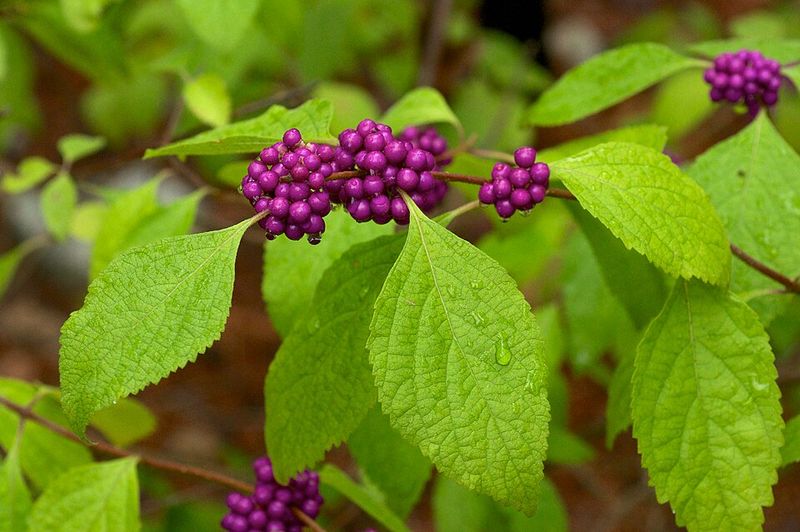
Each berry measures about a quarter-inch across, and dozens cluster together at each leaf node, making the branches look like they’ve been decorated with purple beads.
The color isn’t just pretty—it’s practically neon.
On overcast days or in shaded areas, these berries seem to glow with an almost unnatural intensity.
Scientists believe this vivid coloration evolved to attract birds and other wildlife that help spread the plant’s seeds throughout the forest.
Interestingly, the berries aren’t poisonous to humans, though they’re not exactly delicious either.
They taste slightly bitter and astringent, with a chalky texture that most people find unpleasant.
Wildlife, however, absolutely loves them.
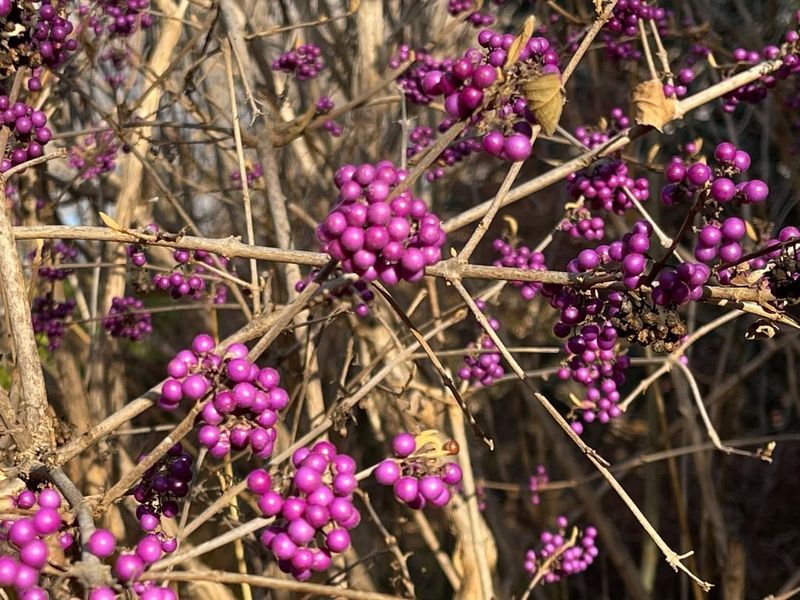
The berries persist on the branches well into winter, providing crucial food when other sources become scarce during Kentucky’s coldest months.
Perfect Privacy Screen Without The Fuss
Forget expensive privacy fences or high-maintenance hedges.
American beautyberry grows 3 to 8 feet tall with an equally wide spread, creating a natural barrier that softens harsh property lines while blocking unwanted views.
The arching branches grow dense enough to provide real privacy during the growing season, yet the plant maintains an informal, cottage-garden charm that formal hedges can’t match.
Plant several beautyberry shrubs about 4 to 6 feet apart for a living privacy screen that fills in within just a few seasons.
Your Kentucky Garden Changes Every Week. Your Plan Should Too.
Gardening in Kentucky changes quickly throughout the season. Every Friday you’ll receive a simple weekly plan showing exactly what to plant, prune, fertilize, harvest, and protect so you never miss the right timing.
Unlike rigid evergreen hedges that require constant shearing, beautyberry needs only occasional pruning to maintain its shape.
The loose, fountain-like growth habit creates movement and texture that makes your yard feel more like a woodland retreat than a suburban lot.
During winter, the bare branches reveal an attractive gray-brown bark and architectural form that still provides some screening.
Come spring, fresh green leaves emerge quickly, restoring your privacy just as outdoor living season begins.
This natural cycle connects your landscape to the rhythms of Kentucky’s seasons in a way artificial screens never could.
Wildlife Magnet For Birds And Pollinators
Transform your backyard into a wildlife sanctuary simply by planting beautyberry.
Over 40 species of birds feast on the berries, including cardinals, mockingbirds, brown thrashers, and finches—all common visitors to Kentucky yards.
Watching these colorful visitors flock to your beautyberry bushes provides endless entertainment, especially during fall migration when hungry travelers stop to refuel.
Before the berries appear, small pink or lavender flowers bloom in summer, attracting bees, butterflies, and other beneficial insects.
These tiny blossoms cluster in the leaf axils and, while not showy from a distance, they’re important nectar sources during the hot months when many other plants have finished blooming.
Native pollinators especially appreciate these native flowers that they’ve co-evolved with over millennia.
Deer occasionally browse the foliage but rarely cause serious damage, making beautyberry a good choice for areas where deer pressure makes gardening challenging.
The dense branching also provides nesting sites and shelter for small birds and beneficial insects.
By planting beautyberry, you’re creating habitat that supports the complex web of life that makes Kentucky’s ecosystems so rich and diverse.
Mosquito Repellent Growing In Your Yard
Here’s something that might surprise you: beautyberry leaves contain natural compounds that repel mosquitoes and other biting insects.
For generations, people in the rural South have crushed the leaves and rubbed them on their skin before heading into the woods or working in the garden.
The crushed foliage releases oils with a distinctive, slightly lemony scent that bugs find repulsive but humans generally find pleasant.
Scientific research has confirmed what traditional knowledge always knew.
Studies identified specific compounds in beautyberry leaves, including callicarpenal, that effectively repel mosquitoes, ticks, and fire ants.
The U.S. Department of Agriculture even researched these compounds for potential commercial insect repellent development, though nothing beats having the plant growing right outside your door.
To use beautyberry as a natural bug spray, simply pick a handful of fresh leaves, crush them between your palms, and rub the crushed leaves and their oils on exposed skin.
The effect lasts about an hour before you need to reapply.
It’s not as long-lasting as DEET-based products, but it’s completely natural, costs nothing, and gives you yet another reason to appreciate this remarkable Kentucky native plant.
Thrives In Kentucky’s Tricky Climate
Kentucky’s weather keeps gardeners guessing—scorching summers, unpredictable spring freezes, humid conditions, and occasional drought.
American beautyberry handles all of it with remarkable resilience.
Hardy in USDA zones 6 through 10, it survives Kentucky winters without protection and bounces back quickly even after harsh cold snaps that damage less adapted plants.
Summer heat and humidity don’t faze beautyberry either.
While many ornamental shrubs wilt and struggle during Kentucky’s steamy July and August weather, beautyberry keeps growing strong.
Its native origins mean it’s perfectly adapted to our southeastern climate patterns, including the thunderstorms, humidity, and temperature swings that characterize our region.
Drought tolerance is another beautyberry superpower.
Once established (usually after the first growing season), these shrubs need supplemental watering only during extended dry periods.
The deep root system accesses moisture that shallow-rooted plants can’t reach, making beautyberry an excellent choice for low-maintenance landscapes.
Whether your property has clay soil, loamy soil, or something in between, beautyberry adapts and thrives, asking very little from you in return for its stunning display and ecological benefits.
Easy Care For Busy Homeowners
Most beautiful landscape plants demand constant attention—fertilizing, spraying, staking, deadheading.
Not beautyberry.
This low-maintenance native practically takes care of itself once you get it in the ground.
No fertilizer needed, no special soil amendments required, and no complicated pruning schedules to remember.
Just plant it in a spot with decent drainage and watch it grow.
Pruning couldn’t be simpler.
In late winter or early spring (February or March in Kentucky), just cut the entire shrub back to about 6 to 12 inches above the ground.
This hard pruning encourages vigorous new growth that produces the most berries and maintains a compact, attractive shape.
Don’t worry about being too aggressive—beautyberry flowers and fruits on new wood, so cutting it back hard actually improves the display.
Pests and diseases rarely bother beautyberry.
You won’t spend your weekends spraying fungicides or battling invasive insects.
The plant’s natural chemical defenses (the same ones that repel mosquitoes) also discourage many common garden pests.
For busy families, older gardeners, or anyone who wants beautiful landscaping without the weekend workload, beautyberry delivers stunning results with minimal effort invested.
Adapts To Sun Or Shade Conditions
Finding plants that grow well in shade challenges every gardener, but beautyberry solves that problem beautifully.
In its natural habitat, beautyberry grows along woodland edges and forest clearings where sunlight varies throughout the day.
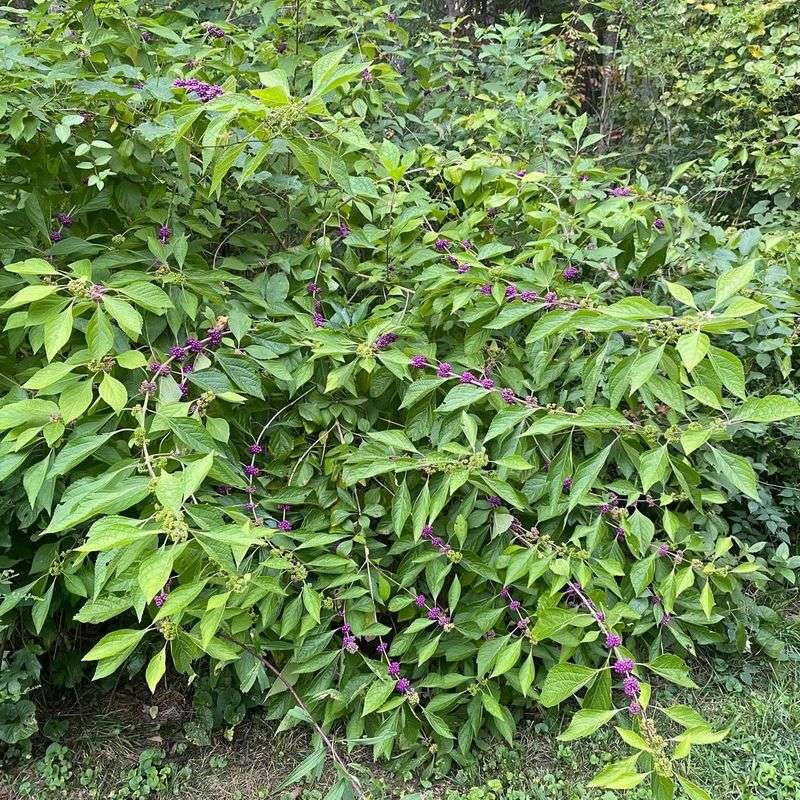
This adaptability means you can plant it in full sun, partial shade, or even fairly deep shade with success—though berry production is heaviest with more sunlight.
Full sun locations (six or more hours of direct sunlight daily) produce the most compact plants with the heaviest berry crops.
The vibrant purple fruits absolutely glow when backlit by afternoon sun.
However, in Kentucky’s hot summers, some afternoon shade actually helps prevent leaf scorch and keeps the plant looking its best through the dog days of August.
Shady spots under tall trees or on the north side of buildings work well too.
Beautyberry growing in shade develops a more open, graceful form with arching branches reaching toward available light.
Berry production decreases somewhat in deep shade, but the plant still produces enough of those stunning purple clusters to create visual impact.
This flexibility means you can use beautyberry to solve landscaping challenges in difficult spots where other flowering shrubs would fail.
Four-Season Interest In Your Landscape
Many plants look good for a few weeks then fade into the background, but beautyberry earns its space by providing visual interest throughout the year.
Spring brings fresh, bright green foliage that unfurls quickly as temperatures warm.
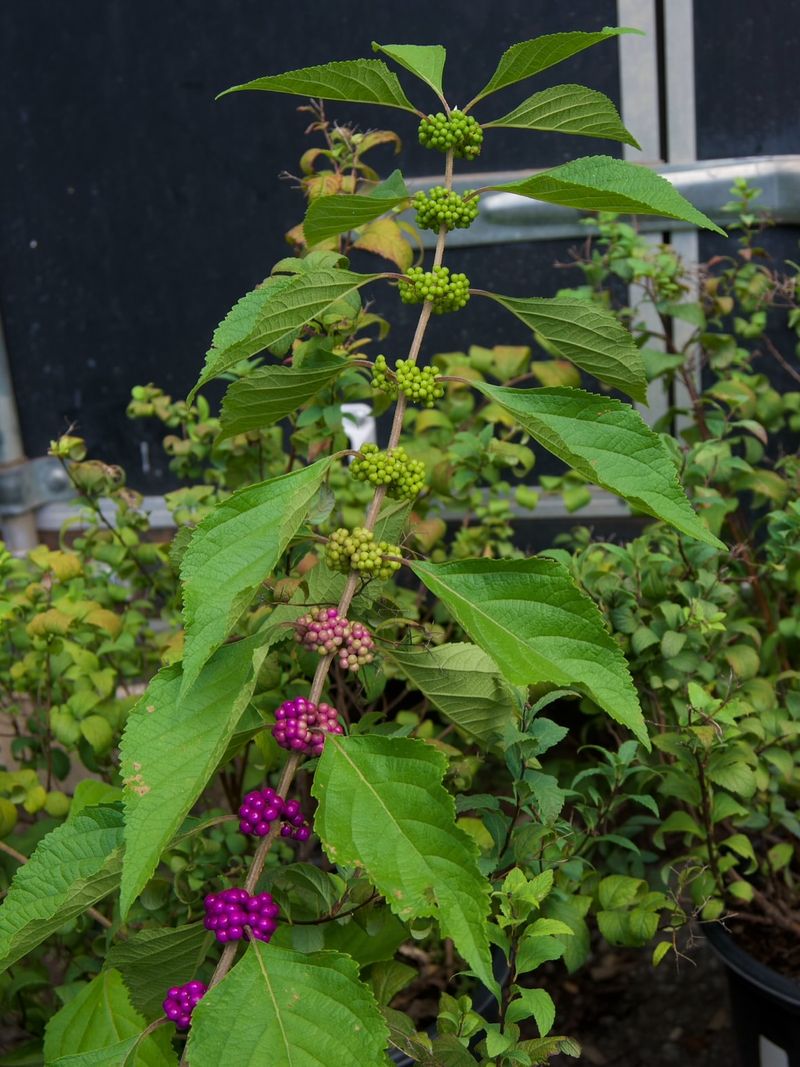
The leaves are large (up to 6 inches long), with prominent veins and slightly toothed edges that catch the light and create texture in the landscape.
Summer sees delicate pink or pale lavender flowers appear in clusters where leaves meet stems.
While individual flowers are tiny, the overall effect adds subtle color and attracts pollinators when you’re spending the most time outdoors.
Then comes the main event—those incredible purple berries that dominate the show from late summer through fall, sometimes persisting into December if birds don’t eat them all first.
Winter reveals the plant’s graceful structure.
After leaves drop, the gray-brown stems arch outward in a fountain shape that adds movement and form to the dormant landscape.
Light snow dusting the branches creates a subtle beauty that contrasts nicely with evergreens.
Then the cycle begins again each spring, making beautyberry a plant that genuinely contributes to your yard’s appearance twelve months a year.
Simple To Propagate And Share
Want more beautyberry shrubs without buying them?
Propagation is surprisingly easy, even for beginners.
Softwood cuttings taken in early summer root readily with basic care.
Simply cut 4 to 6-inch pieces from the tips of healthy branches, remove the lower leaves, dip the cut end in rooting hormone (optional but helpful), and stick them in moist potting soil.
Keep them shaded and moist, and most will develop roots within a month.
Layering works well too.
In spring, bend a low branch to the ground, wound the underside slightly where it touches soil, cover that section with dirt, and weigh it down with a rock.
By fall, the buried section will have rooted, and you can cut it free from the parent plant to transplant elsewhere.
This method requires zero equipment and rarely fails.
Seeds offer another option, though they require patience.
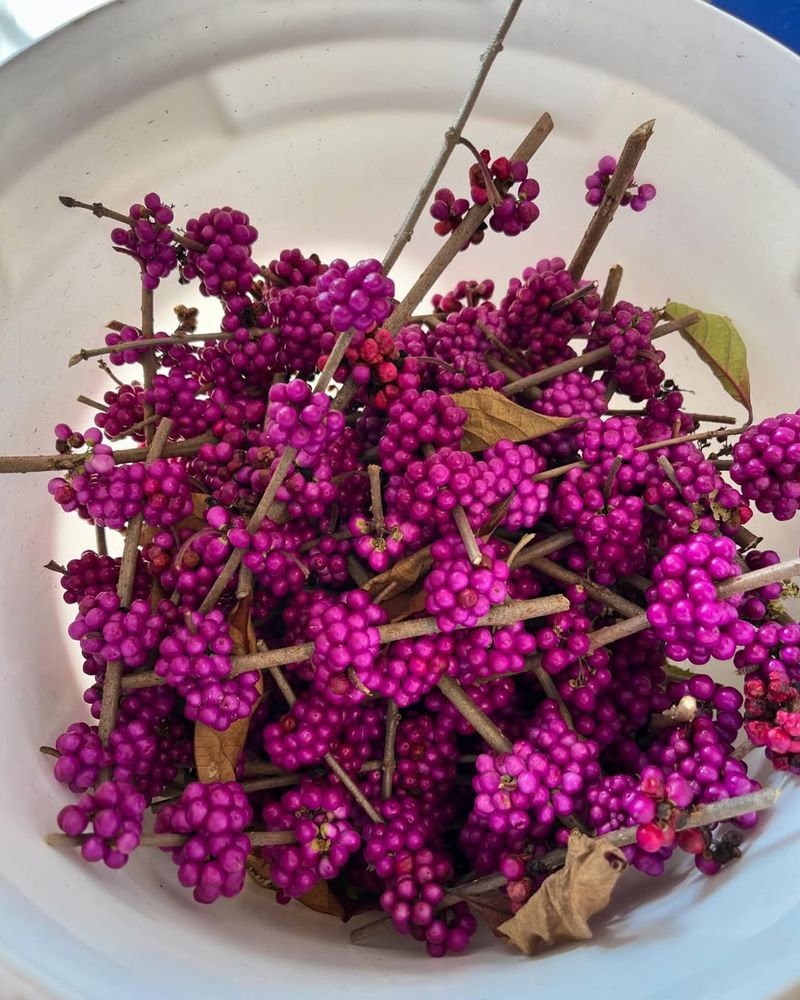
Collect ripe berries in fall, remove the pulp, and plant the seeds in pots or directly in the ground.
They’ll germinate the following spring after winter’s cold period breaks their dormancy.
Sharing beautyberry with neighbors and friends spreads this wonderful native plant while strengthening community connections through the simple act of plant swapping.