12 Deck Friendly Plants That Survive North Carolina Droughts
Living in North Carolina means dealing with hot, humid summers and unpredictable rainfall that can leave your deck looking dry, tired, or bare.
Long stretches without rain or sudden heat waves can make it seem impossible to keep container plants healthy and vibrant.
But you don’t have to give up on having beautiful, thriving plants just because water can be scarce at times.
With the right selection of drought-tolerant plants, you can create a deck full of color and life that stands up to heat and dry spells without constant watering.
These hardy plants are specially suited for container gardening, making them perfect for patios, decks, and small outdoor spaces.
Whether you’re new to gardening or a seasoned pro, choosing resilient, low-maintenance varieties ensures your outdoor space will remain lush and inviting through the hottest months of the year.
With careful placement, proper soil, and sun exposure in mind, your deck can become a vibrant, low-effort oasis that you and your family can enjoy all season long.
1. Lavender
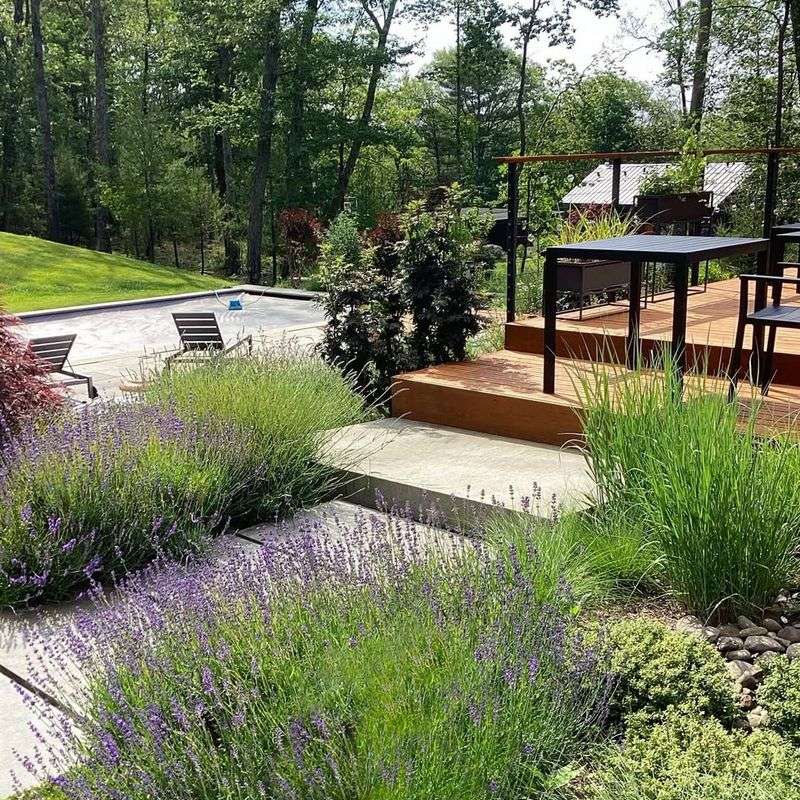
Lavender brings a Mediterranean vibe to your North Carolina deck with its gorgeous purple flowers and calming scent.
Originally from dry, rocky hillsides, this herb has evolved to handle scorching heat with barely any water.
Plant it in well-draining soil and give it full sun for at least six hours daily.
Your lavender will reward you with blooms from late spring through summer, and butterflies love visiting these fragrant flowers.
One big advantage is that lavender actually prefers being a bit neglected rather than overwatered.
You can harvest the flowers to make sachets, teas, or baked goods.
Choose varieties like English lavender or Spanish lavender for best results in containers.
Make sure your pot has drainage holes because soggy roots will destroy lavender faster than drought ever could.
Trim back the spent flowers after blooming to encourage bushier growth.
During winter, lavender stays semi-evergreen and continues adding texture to your deck even when other plants have withered.
With minimal care, lavender becomes a reliable performer year after year.
2. Sedum
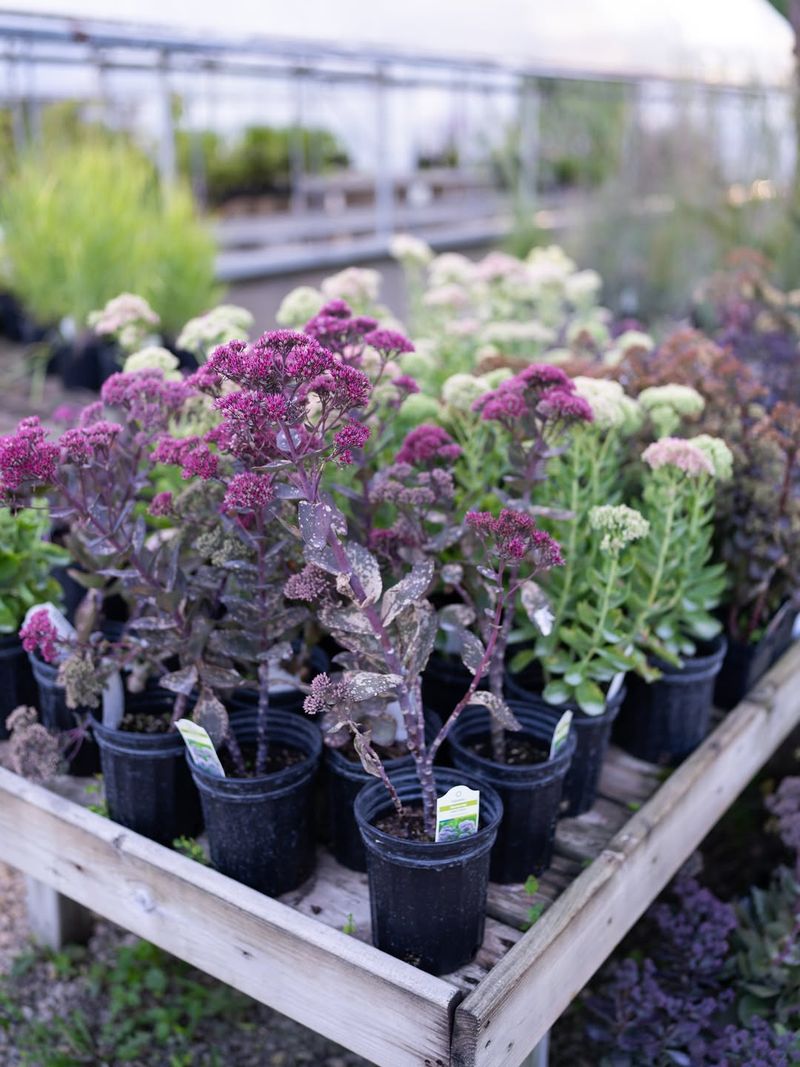
Succulents are famous for surviving tough conditions, and sedum leads the pack when it comes to deck-friendly options.
Those thick, fleshy leaves store water like tiny reservoirs, letting the plant cruise through weeks without rain.
Sedums come in dozens of varieties, from low-growing ground covers to taller upright types that produce stunning flower clusters.
Colors range from bright green to deep burgundy, and some even change shades with the seasons.
Place your sedum containers where they’ll get plenty of sunlight, though they can tolerate some afternoon shade in the hottest parts of summer.
Use cactus or succulent potting mix for the best drainage.
Autumn Joy is a popular variety that produces pink flower heads in late summer that butterflies can’t resist.
Dragon’s Blood sedum spreads nicely and turns a gorgeous red color in fall.
Overwatering is really the only way to mess up sedum, so let the soil dry out completely between waterings.
These plants practically take care of themselves while looking amazing all season long.
Your North Carolina Garden Changes Every Week. Your Plan Should Too.
Gardening in North Carolina changes quickly throughout the season. Every Friday you’ll receive a simple weekly plan showing exactly what to plant, prune, fertilize, harvest, and protect so you never miss the right timing.
3. Black-Eyed Susan

Few flowers say summer quite like Black-Eyed Susans with their cheerful yellow petals and dark chocolate centers.
Native to North America, including North Carolina, these wildflowers have adapted perfectly to handle heat and drought.
They bloom continuously from early summer until the first frost, giving you months of non-stop color.
Plant them in containers at least 12 inches deep to accommodate their root systems.
Full sun is ideal, though they’ll tolerate partial shade if needed.
Goldfinches love the seeds that form after flowers fade, so you might get some feathered visitors if you leave spent blooms in place.
Deadheading encourages more flowers but isn’t strictly necessary.
Black-Eyed Susans have deep taproots that seek out moisture even when surface soil dries.
Mix them with ornamental grasses or purple coneflowers for a prairie-style container display.
Once established, they’re incredibly low-maintenance and will come back year after year.
Their bright faces turn toward the sun and instantly lift your mood on hot summer days.
4. Rosemary
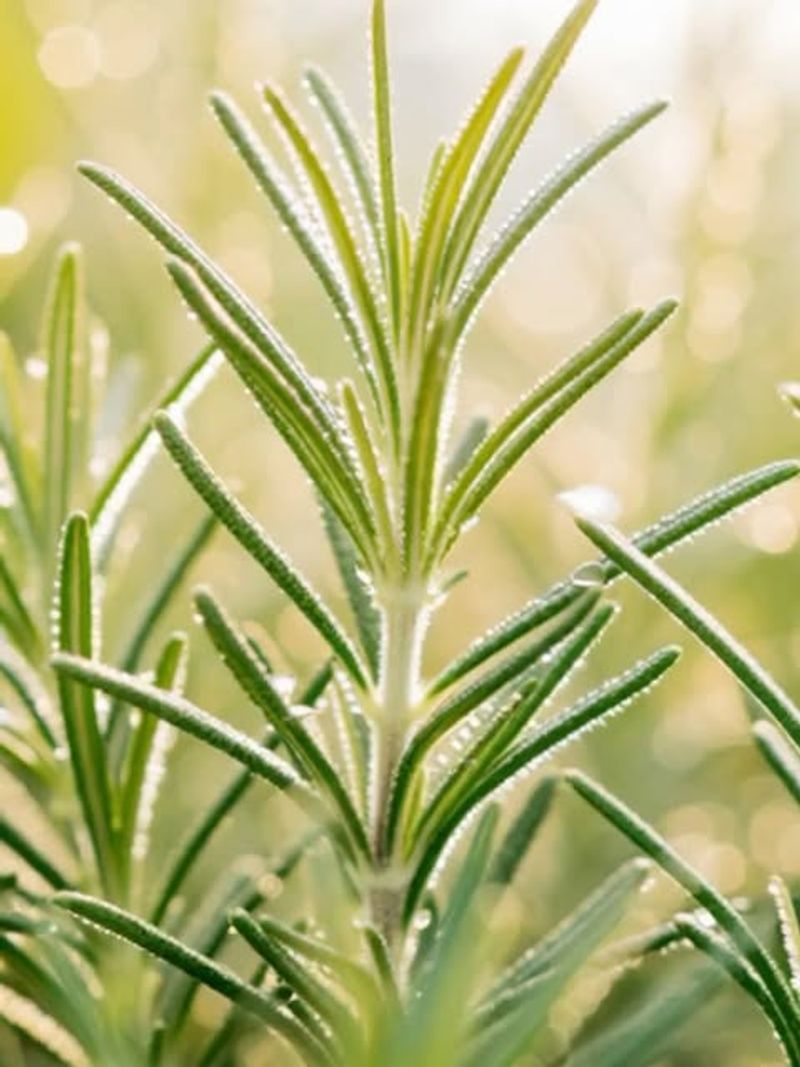
Walk past a rosemary plant and you’ll catch that amazing piney fragrance that makes this herb so special.
Beyond smelling incredible, rosemary thrives in hot, dry conditions that would stress out most other plants.
It’s a Mediterranean native that loves full sun and well-drained soil.
Grow it in a container on your deck and you’ll have fresh herbs just steps from your kitchen whenever you need them for cooking.
Rosemary plants can grow quite large over time, so choose a pot that’s at least 12 inches across.
Upright varieties work better for containers than trailing types.
In spring, you might see small blue or purple flowers that bees adore.
Water deeply but infrequently, allowing the soil to dry out between waterings.
During North Carolina winters, rosemary often stays green and can handle light frosts, though you might want to move it to a protected spot during the coldest snaps.
Harvest sprigs regularly to encourage bushier growth and keep the plant from getting woody.
Rosemary combines beauty, fragrance, and usefulness in one tough package.
5. Lantana

Lantana puts on a show that lasts from late spring until frost with clusters of tiny flowers in wild color combinations.
You might see orange and yellow together, or pink and yellow, or even red, orange, and yellow on the same plant.
Butterflies flock to lantana like kids to an ice cream truck, making your deck a hub of activity.
Originally from tropical regions, lantana has become a go-to choice for hot, dry conditions throughout the South.
It thrives in full sun and actually flowers more when the weather gets really hot.
Drought barely fazes this tough plant once it’s established in its container.
Choose trailing varieties for hanging baskets or upright types for standard pots.
The flowers don’t need deadheading, though removing spent blooms can encourage more flowering.
Be aware that lantana leaves have a strong scent when brushed or crushed that some people find unpleasant.
In coastal North Carolina, lantana might survive mild winters, but elsewhere treat it as an annual or bring containers indoors.
Few plants deliver this much color with so little effort.
6. Ornamental Grasses

Ornamental grasses bring movement and texture to your deck that flowers alone can’t match.
When breezes blow through their blades and plumes, you get a peaceful, swaying motion that’s relaxing to watch.
Many varieties handle drought exceptionally well because their root systems dig deep and their narrow leaves reduce water loss.
Fountain grass produces fluffy plumes in summer that last through fall and into winter.
Blue fescue forms neat mounds of silvery-blue foliage that looks great year-round.
Mexican feather grass has fine, hair-like blades that shimmer in sunlight.
Choose a container large enough to accommodate the grass’s mature size, typically at least 16 inches across for bigger varieties.
Most ornamental grasses prefer full sun but can tolerate some shade.
They need very little fertilizer and actually prefer lean soil conditions.
Cut back dry foliage in early spring before new growth emerges.
Pair grasses with flowering plants for a dynamic container combination that provides interest across all four seasons.
Their easygoing nature makes them perfect for busy gardeners.
7. Zinnia

Zinnias might be annuals, but they pack more flower power into one season than many perennials manage in years.
Available in nearly every color except blue, these cheerful flowers bloom continuously from early summer until frost.
They handle heat and drought well once established, making them ideal for North Carolina summers.
Direct sow seeds into your deck containers after the last frost, or transplant seedlings for quicker results.
Zinnias need full sun to produce their best blooms, at least six hours daily.
Taller varieties like Benary’s Giant work beautifully as focal points, while shorter types fill in around edges.
Butterflies, bees, and hummingbirds visit regularly, turning your deck into a wildlife haven.
Deadhead spent flowers regularly to keep new blooms coming.
Water at the base rather than overhead to prevent powdery mildew on leaves.
Zinnias make excellent cut flowers to enjoy indoors too.
For the small investment in seeds or seedlings, you get months of bold, beautiful color that brightens even the hottest days.
8. Portulaca
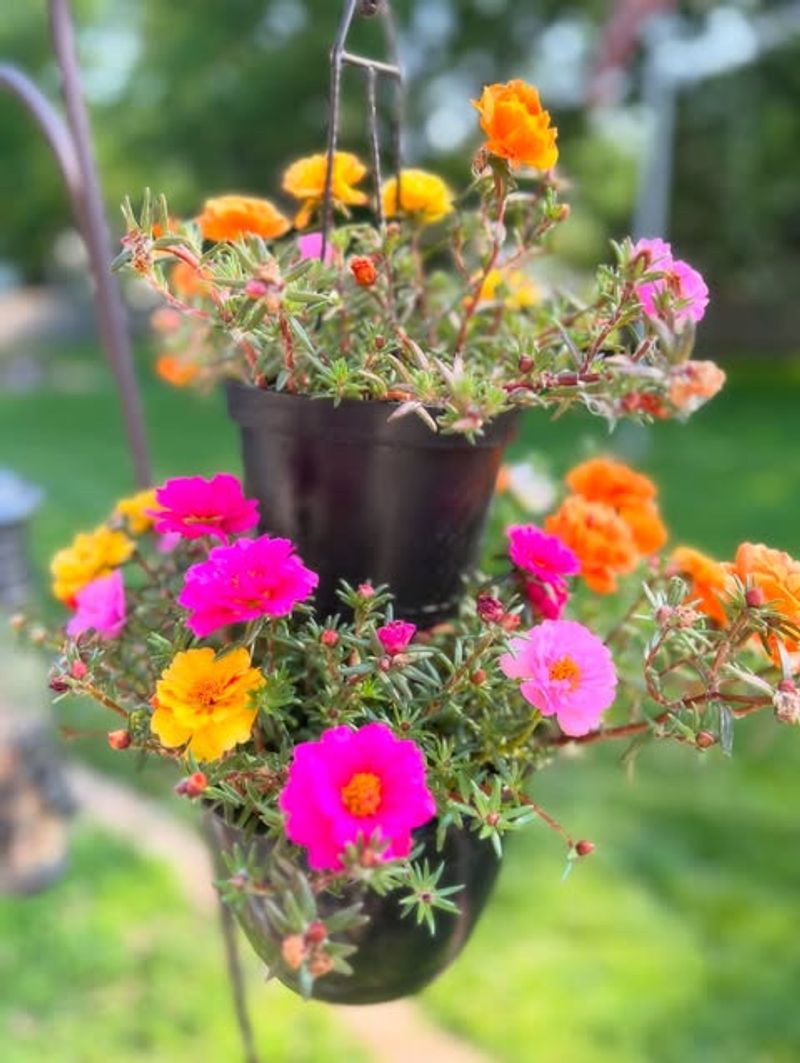
Portulaca, also called moss rose, is a drought-surviving superstar. Its thick, succulent-like leaves store moisture, letting this low-growing annual cruise through dry spells without complaint.
Flowers come in electric shades of pink, red, orange, yellow, and white, often with contrasting centers.
Blooms open in morning sunshine and close at night or on cloudy days.
Portulaca spreads to fill containers quickly, creating a carpet of color that spills over pot edges.
It must have full sun and excellent drainage to thrive. Sandy or cactus soil mixes work perfectly.
Once established, it needs watering only during extended dry periods.
Overwatering causes more problems than underwatering.
Portulaca self-seeds readily, so you might find volunteers popping up in containers the following year.
Use it in shallow bowls, window boxes, or hanging baskets where its trailing habit shows off beautifully.
For hot, sunny deck spots where nothing else seems to work, portulaca delivers reliable color all summer long.
9. Yucca
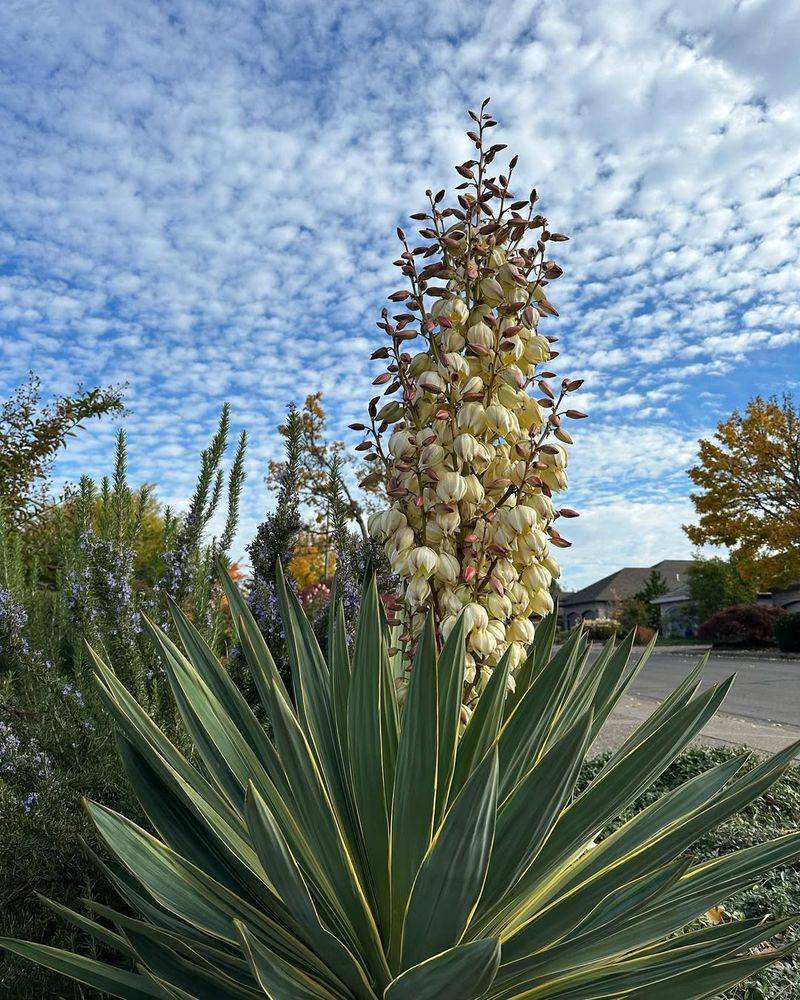
Yucca brings architectural presence with sword-shaped leaves radiating from a central point.
Native to arid regions, it evolved to handle scorching heat and minimal water.
The stiff, pointed leaves channel rare rainwater down to the roots.
Mature plants send up tall flower spikes covered in creamy white bell-shaped blooms that look stunning against a blue summer sky.
Choose a heavy container because yucca can get top-heavy.
Use cactus or succulent soil mix for proper drainage.
Full sun is essential.
Water sparingly, allowing soil to dry completely between waterings.
Yucca stays evergreen through North Carolina winters, providing structure when everything else has withered.
Be mindful of sharp leaf tips in high-traffic areas.
For a bold, modern look that requires almost zero maintenance, yucca can’t be beaten.
10. Salvia

Salvia includes a huge family of plants, many sharing excellent drought tolerance and stunning flower spikes.
Hummingbirds and butterflies visit salvias constantly, especially tubular red or purple varieties.
May Night salvia produces deep purple-blue spikes that bloom for weeks.
Hot Lips salvia offers bicolor red and white flowers that change with temperature.
Mexican bush sage develops fuzzy purple flower spikes in late summer that last into fall.
Most salvias prefer full sun and well-drained soil, making them perfect for containers.
Aromatic foliage deters deer and rabbits. Deadhead spent spikes to encourage more blooms.
Water only when soil feels dry several inches down.
Some varieties are perennial in North Carolina, others are annuals.
Pair salvias with ornamental grasses or other drought-tolerant perennials for a low-maintenance container combo.
Their vertical spikes add height and interest to any deck arrangement.
11. Coneflower

Coneflowers, or echinacea, are North American natives that thrive in summer heat.
Distinctive raised centers surrounded by drooping petals make them instantly recognizable.
While purple is classic, varieties come in orange, red, yellow, white, and green.
They bloom from early summer through fall, especially if you deadhead regularly.
Butterflies visit for nectar, and goldfinches feed on seeds later.
Plant in containers at least 12 inches deep for taproots.
Full sun produces the most flowers, though partial shade is tolerated.
Once established, coneflowers need supplemental water only during extended droughts.
Their deep roots seek out moisture surface-rooted plants can’t reach.
Coneflowers are perennials that come back stronger each year.
Leave some seed heads for winter interest and bird food.
For a native plant that supports wildlife while handling tough conditions, coneflowers are a top choice.
12. Verbena
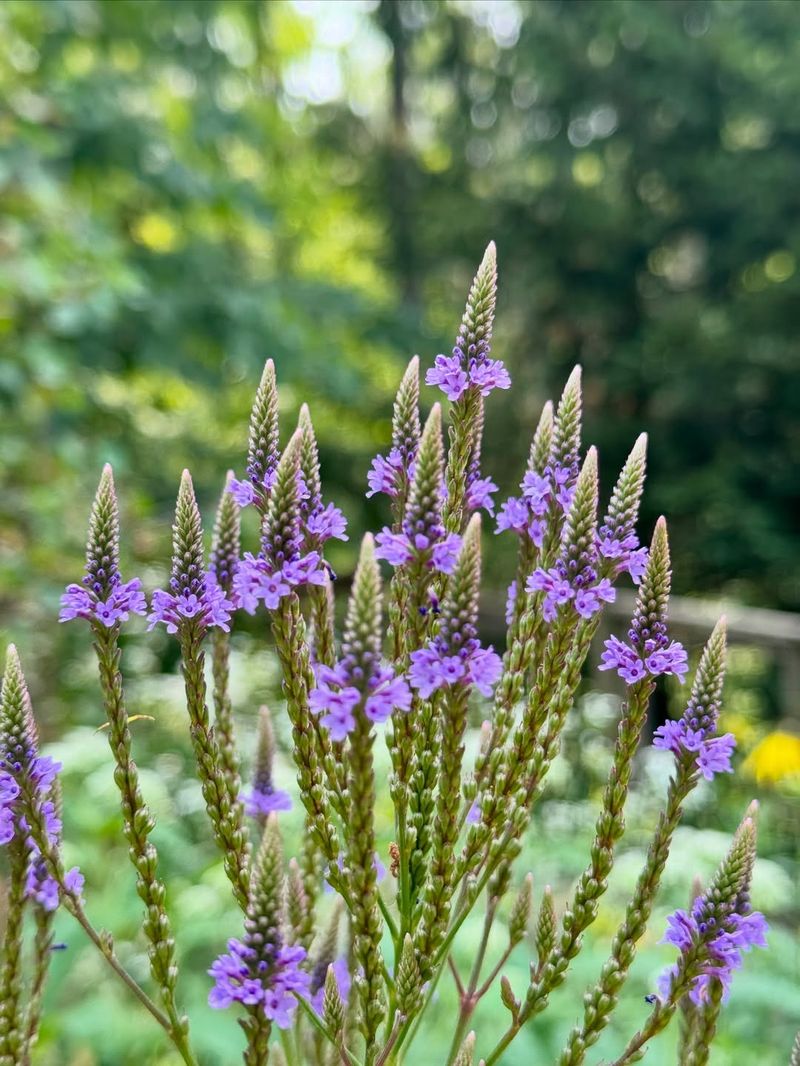
Verbena produces clusters of small flowers that create big visual impact in deck containers.
Colors range from deep purple and bright pink to red, white, and bicolors.
Trailing varieties spill beautifully over container edges, while upright types work as fillers.
Verbena blooms continuously from late spring until frost with minimal care.
It handles heat well and flowers more during hot weather.
Drought tolerance improves once established.
Full sun is essential, though some afternoon shade is tolerated.
Butterflies visit throughout the day, adding movement and life to your deck.
Modern varieties are self-cleaning, so spent flowers drop off without deadheading.
Water when the top inch of soil is dry.
Combine verbena with upright plants like salvia or ornamental grasses for a layered container design.
For non-stop color that tolerates neglect gracefully, verbena delivers season after season.