This Rare Flower Only Blooms In Louisiana And Crowds Travel Just To See It

Deep in the swamps and wetlands of Louisiana, something truly magical happens every spring.
A stunning red flower bursts into bloom, captivating anyone lucky enough to see it and drawing visitors from across the country who make the journey just to witness its extraordinary beauty.
Known as the Louisiana Red Iris, this rare wildflower has become one of the state’s most treasured natural wonders.
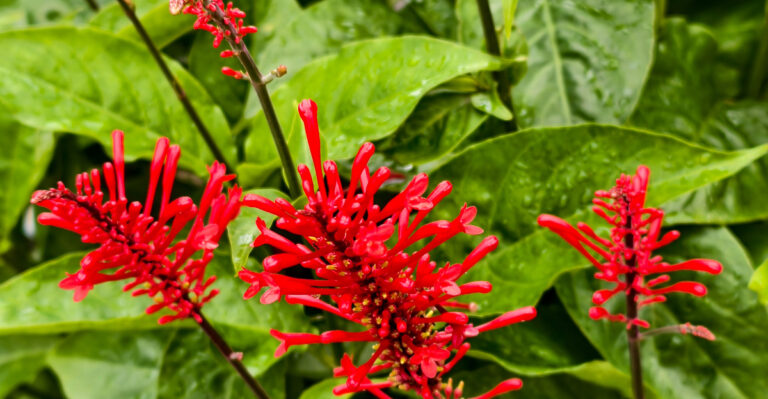
Its vibrant red petals stand out against the lush green marshes, creating a breathtaking contrast that photographers, nature lovers, and plant enthusiasts alike flock to admire.
With a brief and fleeting blooming season, the Louisiana Red Iris offers an unforgettable spectacle, making each visit a once-in-a-lifetime experience that highlights the unique charm of the region’s wetlands.
Louisiana’s Official State Wildflower Holds Special Status

Back in 1990, the Louisiana Legislature made a decision that would forever honor one of the state’s most beautiful plants.
They designated the Louisiana Iris as the official state wildflower, recognizing its importance to the region’s natural heritage.
Among all the iris varieties found in Louisiana, the red form stands out as particularly rare and captivating.
What makes this designation even more meaningful is that Louisiana irises are native only to this region.
You won’t find them growing wild anywhere else in the world naturally.
The red variety, scientifically known as Iris fulva, represents just one of five Louisiana iris species, but it’s the most striking.
State officials chose this flower because it symbolizes Louisiana’s unique wetland ecosystems.
The plant thrives in conditions that would destroy most other flowers, showing remarkable resilience.
Its deep red color mirrors the passion and spirit of Louisiana’s culture.
Having official state wildflower status has helped raise awareness about conservation efforts.
More people now understand the importance of protecting the wetland habitats where these irises grow.
Schools across Louisiana teach students about this special flower, creating generations of young people who appreciate their natural heritage and want to preserve it for the future.
Blooming Season Creates Annual Pilgrimage Events

Every March through May, something extraordinary transforms Louisiana’s wetlands into tourist destinations.
The red iris blooming season triggers an annual migration of flower enthusiasts, photographers, and nature lovers who plan their trips months in advance.
Hotels in nearby towns fill up quickly, and local tour guides stay busy leading groups through prime viewing areas.
Several Louisiana communities have built entire festivals around the iris bloom.
The Breaux Bridge Crawfish Festival and various iris-specific celebrations time their events to coincide with peak blooming periods.
Visitors can attend workshops, guided swamp tours, and photography sessions designed to showcase these magnificent flowers in their natural habitat.
Tour operators report that some visitors travel from as far as Europe and Asia specifically to see the red iris.
The flower has gained international recognition among botanical enthusiasts and garden club members.
Many people return year after year, making it an annual tradition with friends and family.
Local economies benefit significantly from this seasonal tourism.
Your Louisiana Garden Changes Every Week. Your Plan Should Too.
Gardening in Louisiana changes quickly throughout the season. Every Friday you’ll receive a simple weekly plan showing exactly what to plant, prune, fertilize, harvest, and protect so you never miss the right timing.
Restaurants, gift shops, and bed-and-breakfasts see increased business during bloom season.
The economic impact has encouraged more communities to promote iris viewing opportunities and protect the wetland areas where these flowers thrive naturally.
Wetland Habitat Requirements Make It Location-Specific
Most flowers prefer dry, well-drained soil, but the Louisiana red iris breaks all the rules.
It actually needs wet feet to survive, growing best in standing water or constantly moist soil.
The plant’s root system has adapted perfectly to low-oxygen environments that would rot the roots of typical garden flowers.
Louisiana’s unique combination of climate, soil chemistry, and water conditions creates the perfect environment.
The state’s coastal plains, bayous, and swamp edges provide exactly what these irises need to thrive.
Attempts to cultivate them in other states often fail unless gardeners can replicate these very specific wetland conditions.
The red iris typically grows along the edges of slow-moving streams and in shallow standing water.
You’ll often find them sharing space with cypress trees, cattails, and other water-loving plants.
The acidic, nutrient-rich mud of Louisiana wetlands provides essential minerals the iris requires for producing those vibrant red blooms.
Climate plays a crucial role too, as the plant needs Louisiana’s mild winters and hot, humid summers.
The timing of spring rains influences bloom intensity each year.
Conservation groups work hard to protect these wetland habitats from development and pollution, understanding that losing the habitat means losing the flower forever.
Striking Deep Red Color Sets It Apart From Other Irises
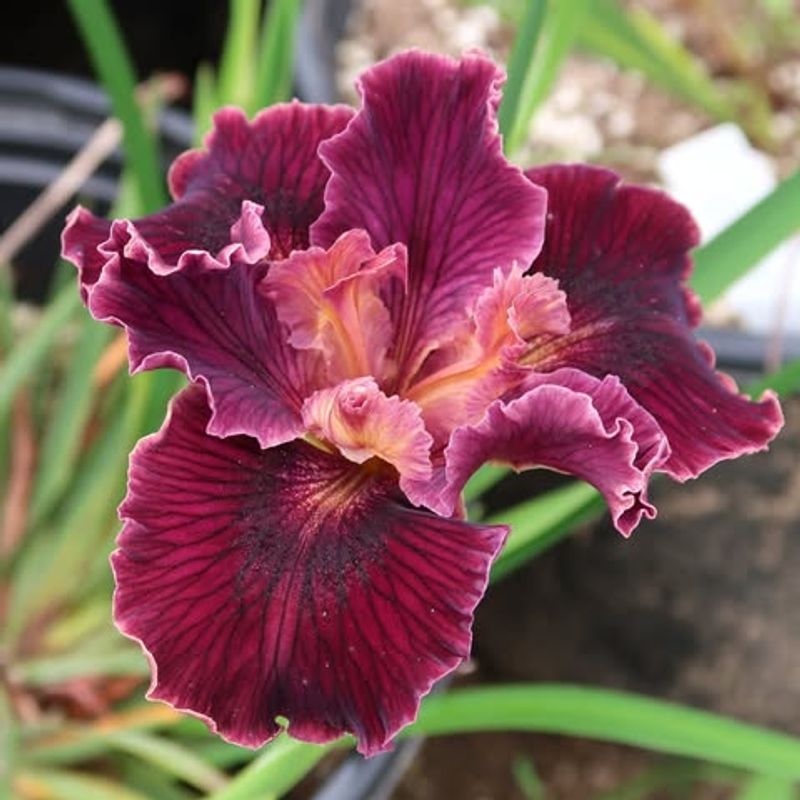
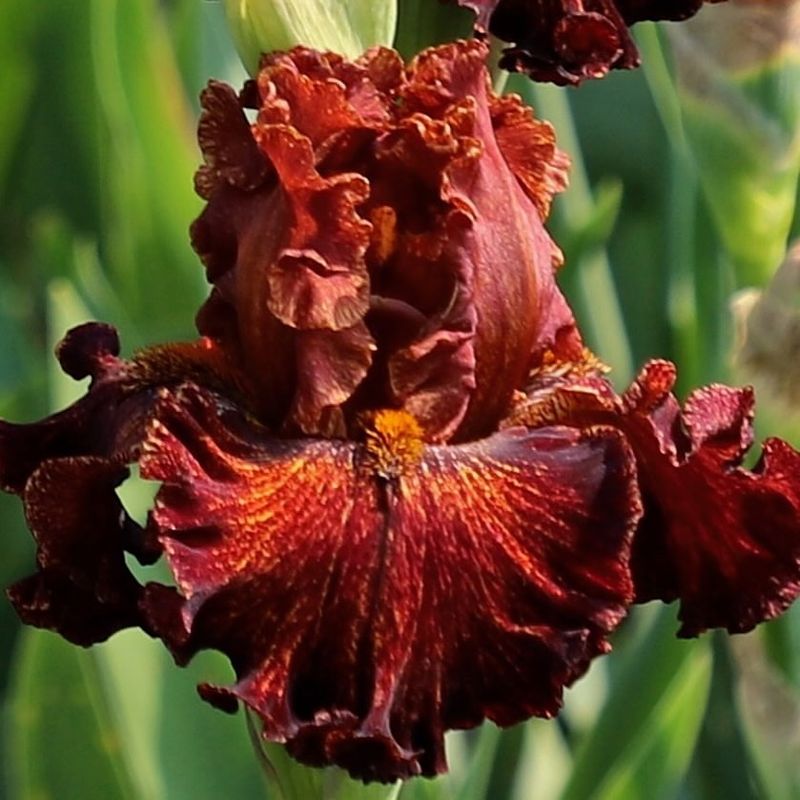
Among the world’s thousands of iris species, few can match the intensity of the Louisiana red iris’s color.
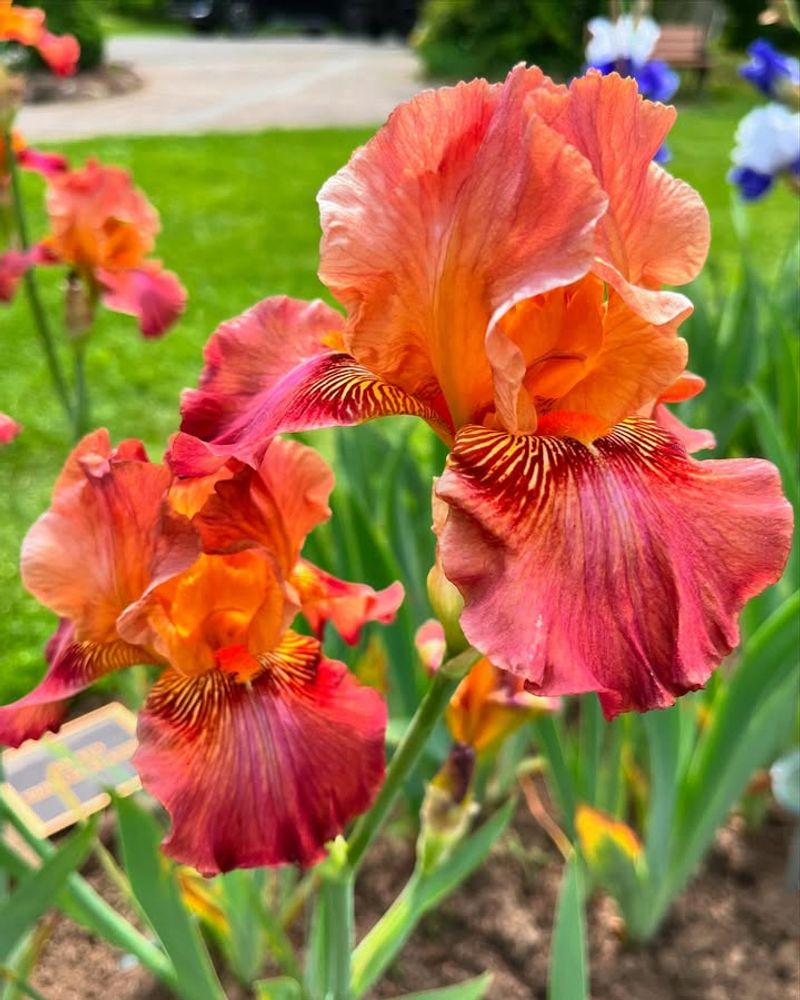
The petals display a deep, rich crimson that seems almost unreal in natural sunlight.
Unlike the purple, blue, and yellow irises common in gardens everywhere, this red variety possesses a color so vibrant it stops people in their tracks.
Botanists explain that the red pigmentation comes from specific anthocyanin compounds concentrated in the petal cells.
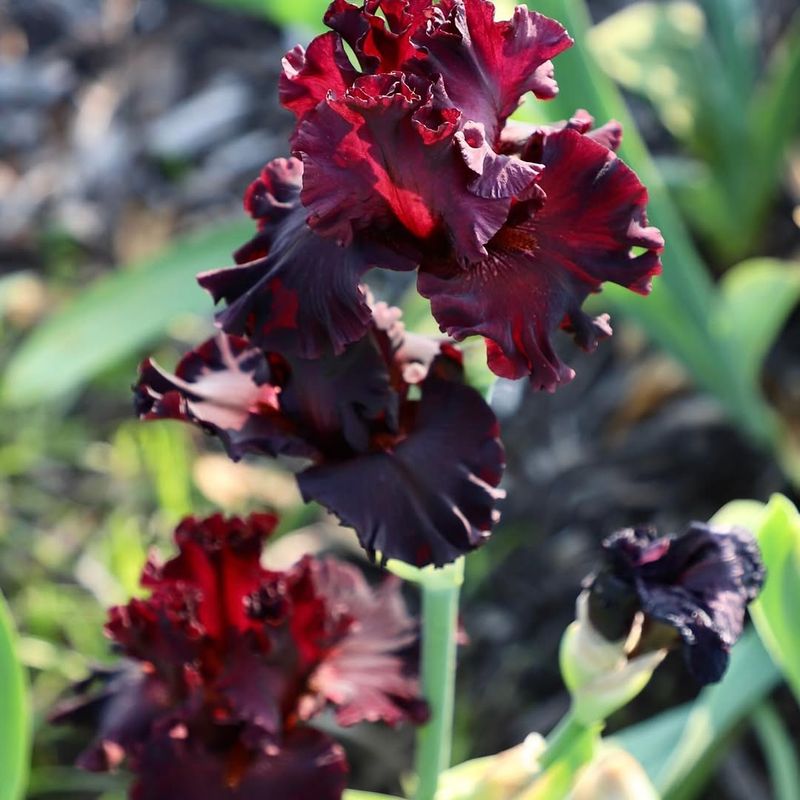
The color can vary slightly from plant to plant, ranging from brick red to deep burgundy.
Some flowers even show hints of copper or rust tones, especially as the blooms mature over their brief flowering period.
The contrast between the red petals and the flower’s yellow throat markings creates stunning visual impact.
These golden signals guide pollinators to the flower’s center, but they also enhance the overall beauty for human admirers.
Photographers particularly love how the red pops against the green wetland backgrounds.
Interestingly, the color intensity can vary based on soil chemistry and sunlight exposure.
Flowers growing in full sun tend to display deeper, more saturated reds.
Morning light brings out the best colors, which is why serious photographers arrive at dawn to capture these blooms at their most spectacular.
Limited Blooming Window Creates Urgency For Visitors
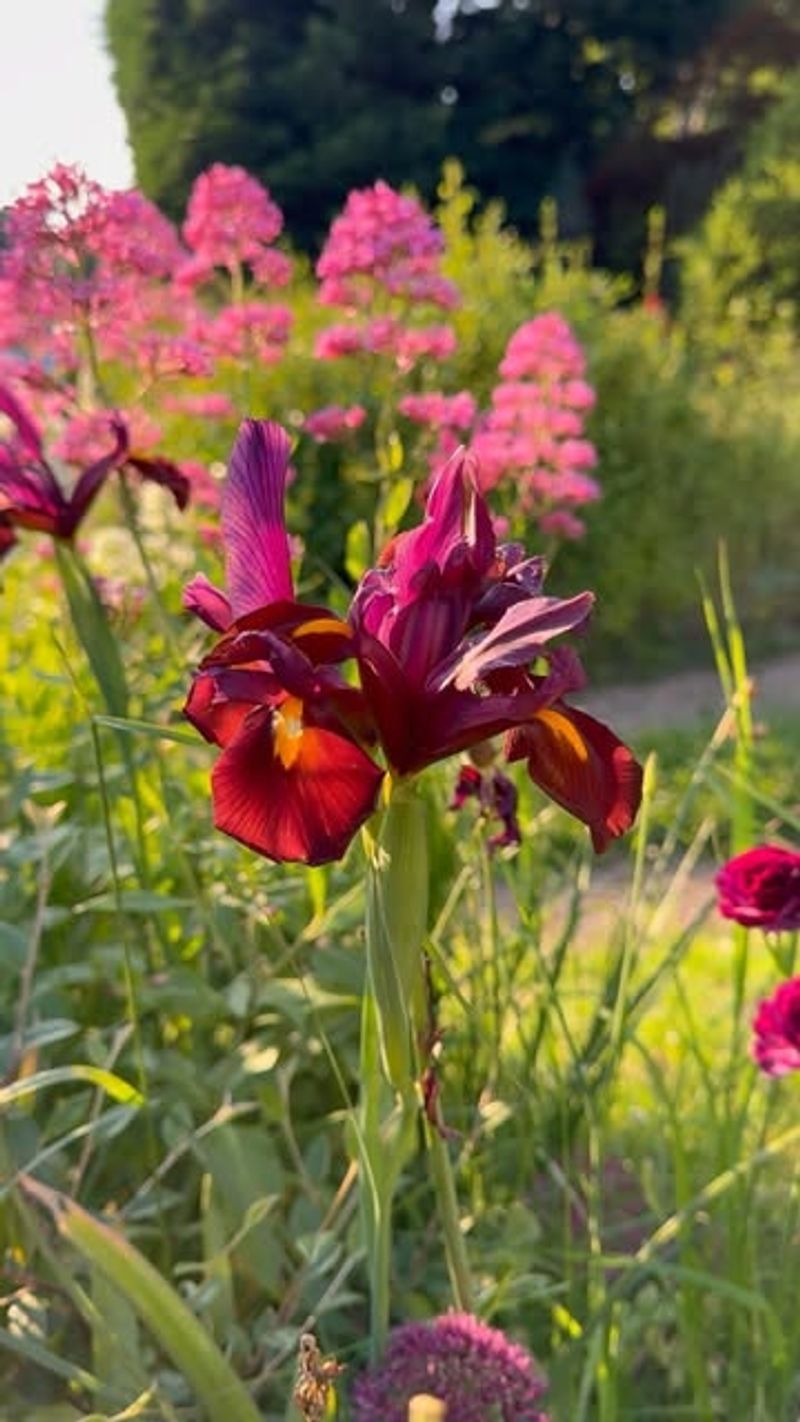
Timing is everything when planning a trip to see the Louisiana red iris in bloom.
Each individual flower lasts only three to five days before its petals wilt and fall.
The entire blooming season for any given population typically spans just four to six weeks, usually peaking in mid-April.
Weather conditions dramatically affect the bloom schedule each year.
An early warm spring can push blooms forward by two weeks, while a cold, wet March might delay them.
This unpredictability adds an element of adventure to planning a viewing trip, as even local experts can only make educated guesses about peak bloom dates.
Smart visitors monitor local nature center websites and social media pages for bloom updates.
Many Louisiana botanical gardens and wildlife refuges post weekly reports during iris season.
Photography clubs share information about which locations are currently showing the best displays.
Missing the peak bloom means waiting another full year for the next opportunity.
Unlike some flowers that bloom repeatedly throughout summer, the Louisiana red iris puts on its show just once annually.
The brief window creates a sense of urgency that actually enhances the experience, making those who witness the bloom feel like they’ve caught something truly special and fleeting in nature’s calendar.
Native American Tribes Used The Plant For Centuries
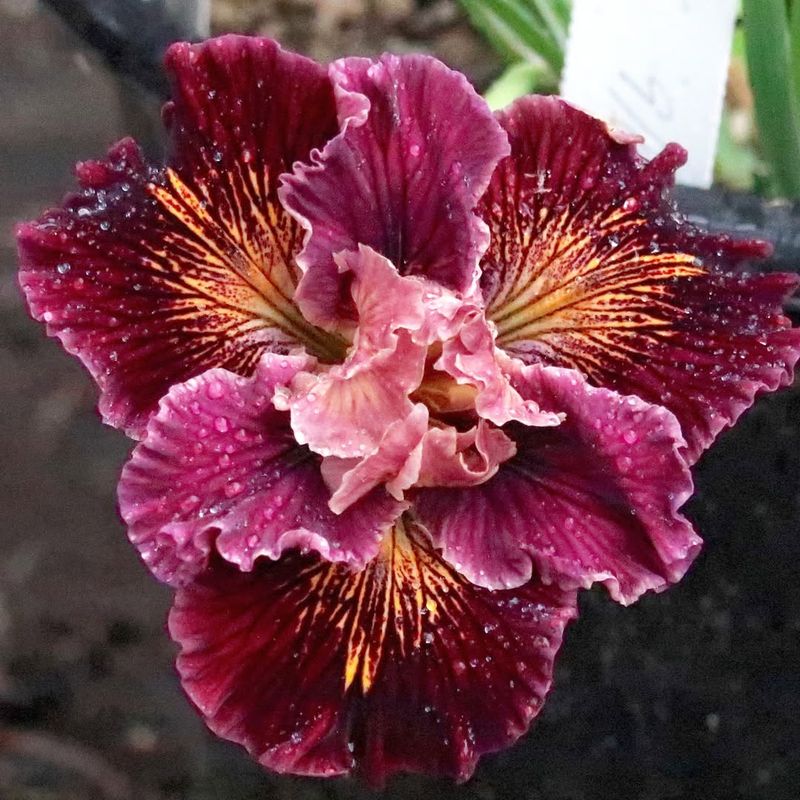
Long before European settlers arrived in Louisiana, Native American tribes recognized the Louisiana red iris as valuable.
The Chitimacha, Houma, and other indigenous peoples incorporated these plants into their daily lives in practical ways.
They used the tough, fibrous leaves to weave baskets, mats, and cordage that could withstand wet conditions without rotting.
Tribal medicine practitioners also found uses for various parts of the iris plant.
While the rhizomes contain compounds that are toxic if consumed improperly, knowledgeable healers used carefully prepared extracts for specific medicinal purposes.
The exact recipes and applications were closely guarded knowledge passed down through generations of healers.
Some tribes incorporated the red iris into ceremonial practices and storytelling traditions.
The flower’s brief but brilliant appearance each spring served as a marker for seasonal activities.
Elders would note when the irises bloomed to time planting, fishing, and hunting activities throughout the year.
Today, descendants of these tribes continue to honor traditional knowledge about the Louisiana iris.
Several Native American cultural centers in Louisiana include iris gardens that preserve heritage varieties.
These living museums teach visitors about the deep connection between indigenous peoples and the plants of Louisiana’s wetlands, showing respect for centuries of accumulated wisdom about the natural world.
Hybridization Efforts Have Created Garden Varieties Worldwide
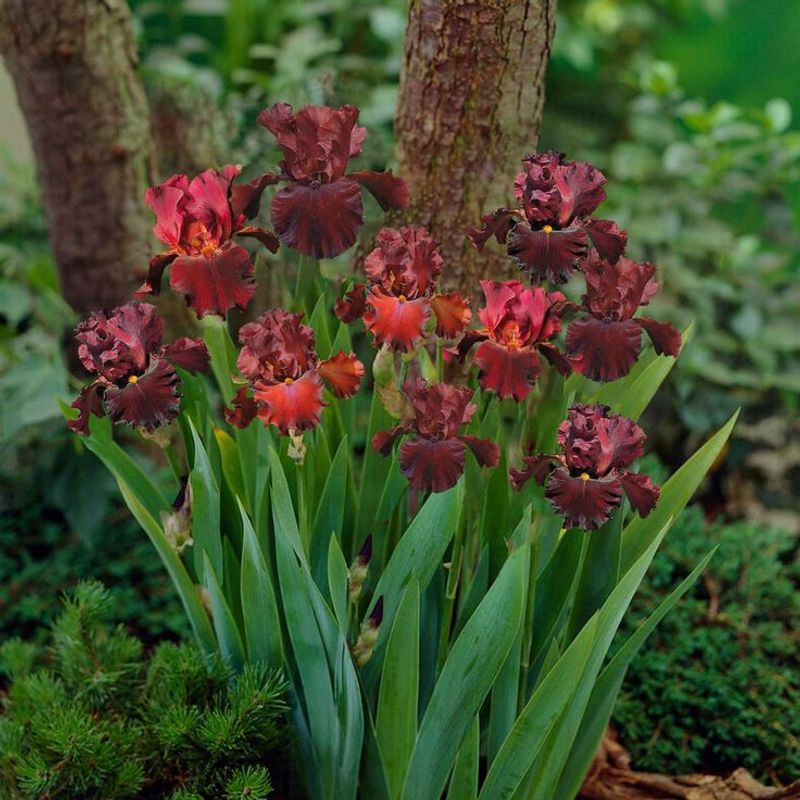
Plant breeders discovered the Louisiana red iris decades ago and immediately recognized its potential.
By crossing it with other Louisiana iris species, they’ve created hundreds of hybrid varieties in colors ranging from white to near-black.
Garden catalogs now offer Louisiana iris hybrids that combine the red iris’s vigor with new colors and patterns.
The Society for Louisiana Irises, founded in 1941, has promoted breeding programs and registered new cultivars.
Hybridizers work to enhance desirable traits like larger flowers, stronger stems, and extended bloom periods.
Some modern hybrids can even tolerate drier soil conditions than their wild ancestors, making them accessible to gardeners outside Louisiana.
Despite all these breeding achievements, many enthusiasts insist nothing beats the original wild red form.
The pure species maintains a natural grace and authenticity that hybrids sometimes lack.
Wild Louisiana red irises also possess genetic diversity that’s crucial for the species’ long-term survival in changing environments.
International iris societies now include Louisiana iris divisions in their competitions and shows.
Japanese and European gardeners particularly prize these American natives.
However, conservationists emphasize the importance of protecting wild populations even as cultivated varieties spread worldwide.
The garden hybrids, beautiful as they are, cannot replace the irreplaceable genetic heritage found in Louisiana’s wild wetlands.
Photography Challenges And Rewards Draw Professionals
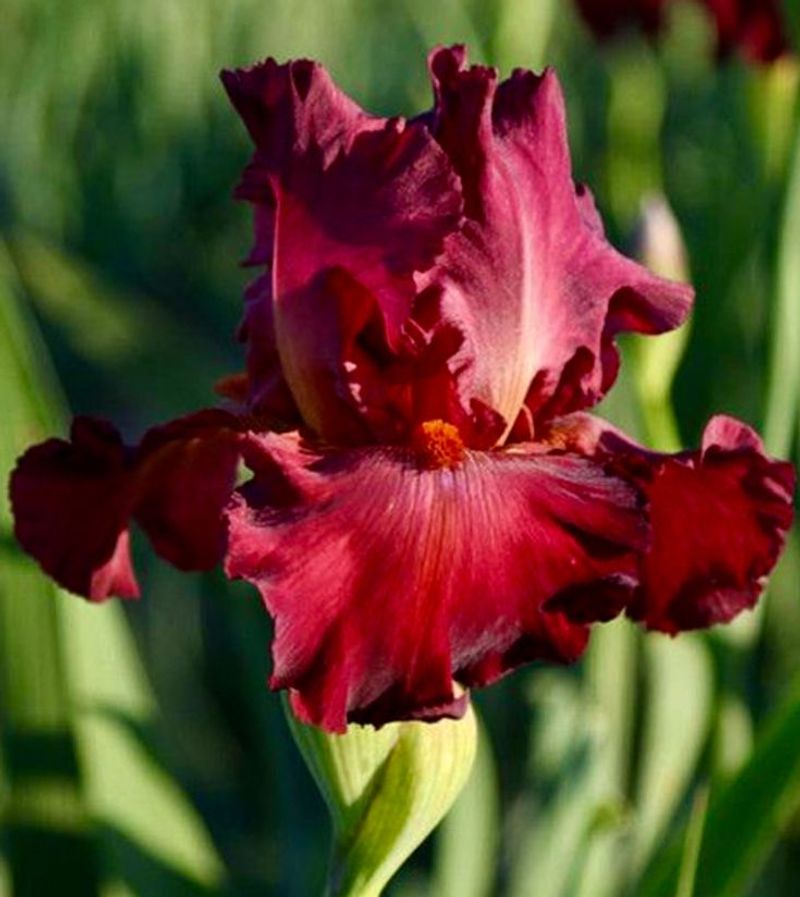
Capturing the Louisiana red iris on camera presents unique challenges that attract serious photographers.
Working in wetland environments means dealing with water, mud, and unpredictable weather while protecting expensive camera equipment.
Many photographers wear chest waders to position themselves for the perfect angle, sometimes standing in knee-deep water for hours.
The technical aspects require skill and patience too.
The deep red color can fool camera light meters, resulting in overexposed or underexposed images.
Photographers must understand manual exposure settings and often use graduated filters to balance the bright sky with darker wetland vegetation.
Wind constantly moves the flowers, making sharp focus difficult.
Despite these difficulties, the rewards justify the effort.
A perfectly captured Louisiana red iris photograph can win competitions and grace magazine covers.
The flower photographs especially well in early morning light when dew drops cling to the petals.
Overcast days provide soft, even lighting that brings out subtle color variations.
Photography workshops focused specifically on Louisiana irises have become popular.
Experienced instructors teach participants about proper equipment, composition techniques, and respectful interaction with fragile wetland ecosystems.
Many photographers return year after year, always seeking that one perfect shot that captures the flower’s essence.
Their images help spread awareness about this rare bloom to people who may never visit Louisiana in person.
Conservation Concerns Threaten Future Populations
Environmental pressures increasingly threaten the Louisiana red iris’s survival in the wild.
Coastal erosion, exacerbated by rising sea levels and more intense hurricanes, destroys wetland habitat at alarming rates.
Louisiana loses approximately a football field of coastal land every hour, taking iris populations with it.
Water pollution from agricultural runoff and industrial sources degrades the water quality these plants need.
Chemical contamination can prevent flowering or reduce seed viability.
Invasive plant species like water hyacinth and Chinese tallow trees crowd out native irises, competing for space and resources in already stressed ecosystems.
Climate change adds another layer of concern.
Shifting rainfall patterns and temperature changes could alter the timing of blooms or make current habitats unsuitable.
Scientists worry that the narrow geographic range of wild Louisiana red iris populations makes them particularly vulnerable to extinction if conditions change too rapidly.
Conservation organizations are responding with habitat restoration projects and seed banking programs.
The Louisiana Nature Conservancy protects critical wetland areas where iris populations thrive.
Botanical gardens maintain living collections as insurance against wild population collapse.
Citizen scientists help by reporting iris sightings and participating in annual population surveys.
These combined efforts offer hope, but continued vigilance and funding remain essential to ensure future generations can witness the red iris’s spectacular spring display.
Best Viewing Locations Offer Guided Tours And Facilities
Several Louisiana locations have developed excellent facilities for iris viewing while protecting the fragile wetland ecosystems.
The Bluebonnet Swamp Nature Center in Baton Rouge features elevated boardwalks that allow close viewing without trampling vegetation.
Interpretive signs educate visitors about the iris life cycle and wetland ecology throughout the trail system.
Avery Island, home of Tabasco sauce, maintains beautiful Jungle Gardens where Louisiana irises grow alongside ancient live oaks and bamboo groves.
The property offers self-guided tours during bloom season, with maps highlighting the best iris viewing spots.
Many visitors combine their flower viewing with tours of the Tabasco factory and bird sanctuary.
The Jean Lafitte National Historical Park and Preserve near New Orleans provides free ranger-led walks during peak iris season.
Knowledgeable guides share information about plant identification, wildlife, and the area’s cultural history.
The park’s Barataria Preserve unit features several miles of trails through prime iris habitat.
For more adventurous visitors, kayak tours through Louisiana swamps offer unique perspectives on iris populations.
Several outfitters in the Lafayette and Lake Charles areas specialize in spring iris tours.
Paddling quietly through shallow waterways allows intimate encounters with the flowers while observing birds, alligators, and other wetland wildlife.
Advance reservations are strongly recommended, as these popular tours fill up quickly during the brief blooming season each year.