7 Shrubs That Look Stunning Even In Snowy Weather
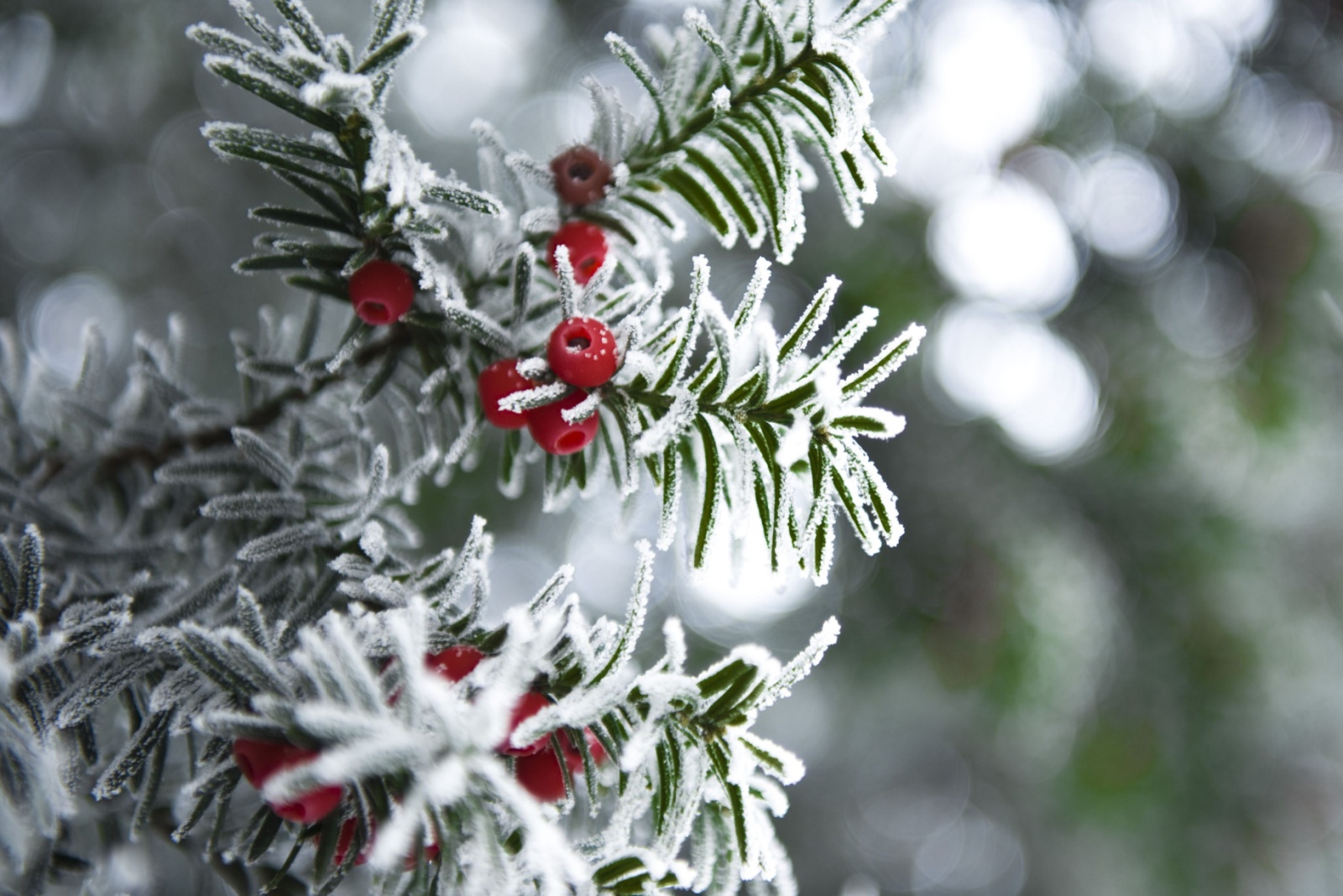
Winter rolls in with frosty breath and silent nights, yet I still crave color and life in my yard.
Snow piles up, winds howl, and most plants bow out of the spotlight, but a handful of shrubs step forward and steal the show.
I watch them hold their ground with grit, style, and a touch of magic.
Each one stands as proof that cold days do not erase beauty; they simply raise the bar.
As I walk my garden path, white drifts frame bold hues, rich berries, and sculptural forms that refuse to quit.
These shrubs lift my spirits, spark awe in visitors, and remind me that winter can dazzle just as much as any other season.
1. Red Twig Dogwood
Ever notice how some yards seem to glow even in the middle of January?
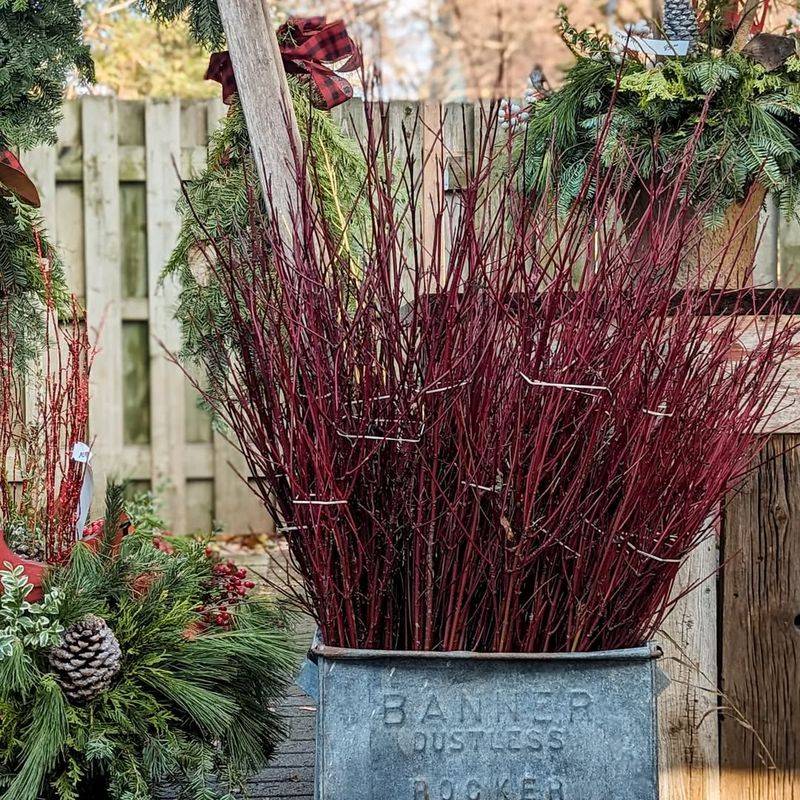
That’s probably red twig dogwood doing its magic.
The bright red or coral stems stand out like nature’s highlighters against white snow, and honestly, it’s one of the prettiest sights in a winter garden.
This shrub doesn’t need much fussing over, which is nice when you’re already dealing with icy walkways and frozen pipes.
It grows well in wet areas where other plants struggle, making it perfect for those soggy spots near downspouts.
The stems get their best color on younger branches, so cutting back older ones in early spring keeps the display vibrant.
You can plant it along fences or use several together to create a living screen.
Birds love hanging out in the branches too, adding movement and life to your winter view.
The shrub reaches about six to nine feet tall and spreads wide, so give it some room to breathe.
Come spring, small white flowers appear, but winter is really when this plant steals the show with those fiery stems poking through the snow.
2. Winterberry Holly
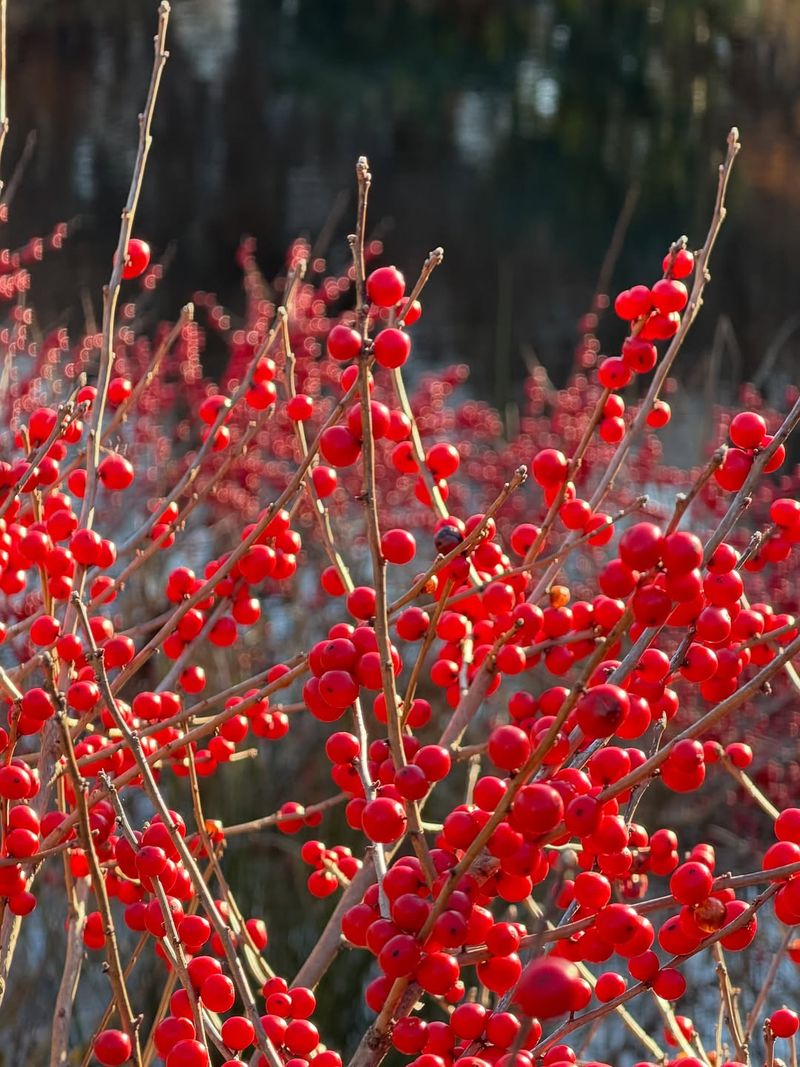
Picture this: branches loaded with glossy red berries that look almost fake because they’re so bright and perfect.
Winterberry holly drops its leaves in fall, which might sound like a downside, but those berries become even more visible without foliage hiding them.
Against fresh snow, they look like tiny ornaments scattered across your yard.
Here’s the catch though.
You need both male and female plants if you want those berries.
One male can pollinate several females, so you don’t need an equal number.
Plant them within about 50 feet of each other for best results.
The berries stick around for months unless birds gobble them up first, which they often do once other food sources run low.
This shrub prefers moist, acidic soil and can handle partial shade, though you’ll get more berries with full sun.
It grows slowly but steadily, reaching four to eight feet depending on the variety.
Some gardeners place winterberry near windows where they can enjoy the view from inside while staying cozy.
The pop of color feels cheerful during gray winter days when everything else looks drab and colorless.
3. Boxwood
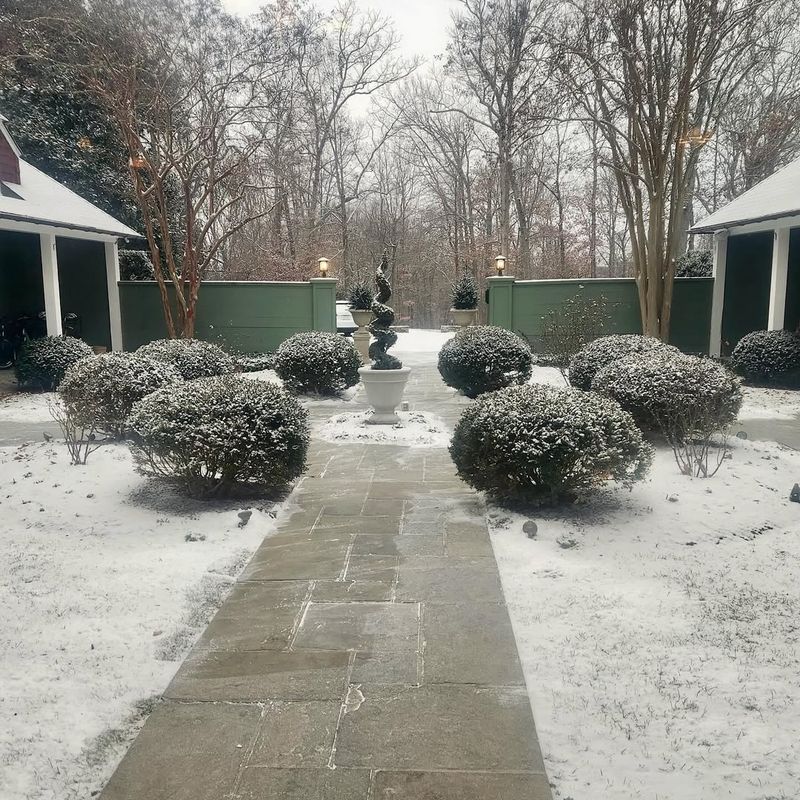
Boxwood keeps its deep green color all winter long, providing structure when everything else has gone dormant.
The rounded, dense shape looks tidy even under a layer of snow, like little green sculptures dotting the landscape.
There’s something calming about seeing that consistent greenery when the world feels frozen and bare.
These shrubs work great for edging pathways or defining garden beds because they hold their shape naturally.
You can trim them into formal shapes if that’s your style, or let them grow more loosely for a relaxed look.
Either way, they stay compact and manageable without taking over your space.
Boxwood grows slowly, which means less pruning work for you but also requires patience if you’re starting with small plants.
They prefer well-drained soil and some protection from harsh winter winds, especially in colder zones.
A layer of mulch around the base helps protect the roots during temperature swings.
The foliage can bronze slightly in extreme cold, but it bounces back to green once spring arrives.
Many gardeners pair boxwood with flowering bulbs that pop up through and around them in early spring, creating layers of interest throughout the seasons.
4. Burning Bush
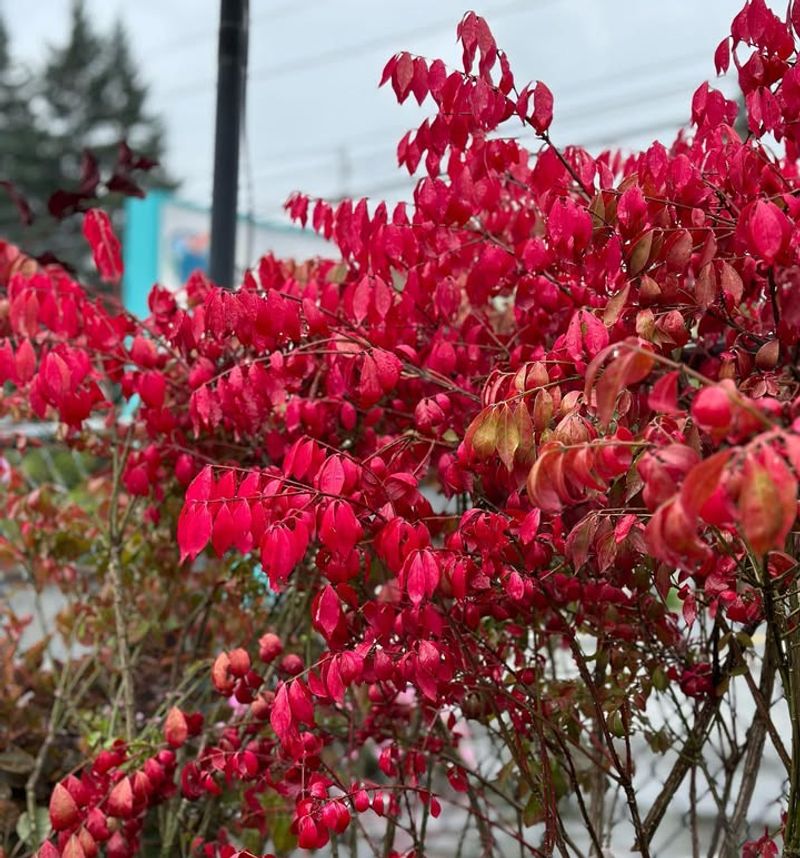
You probably know burning bush for its incredible fall color when the leaves turn blazing red.
But even after those leaves drop, the shrub has interesting bark with corky ridges that create texture and shadows in winter light.
Snow clings to the intricate branch structure, highlighting patterns you might not notice during busier growing seasons.
The architectural form of burning bush becomes a focal point once everything gets stripped down to basics.
Those branching patterns create visual interest without needing color or flowers to make an impact.
Some people actually prefer the winter look because it feels more subtle and sophisticated.
This shrub adapts to various soil types and handles urban conditions pretty well, including pollution and compacted soil.
It grows into a rounded mound shape reaching about six to eight feet in both height and width.
Full sun brings out the best fall color, but the winter structure looks good regardless of sun exposure.
Keep in mind that burning bush can spread aggressively in some regions, so check if it’s considered invasive in your area before planting.
Pruning in late winter helps control size and encourages denser growth for the following season.
5. Nandina (Heavenly Bamboo)
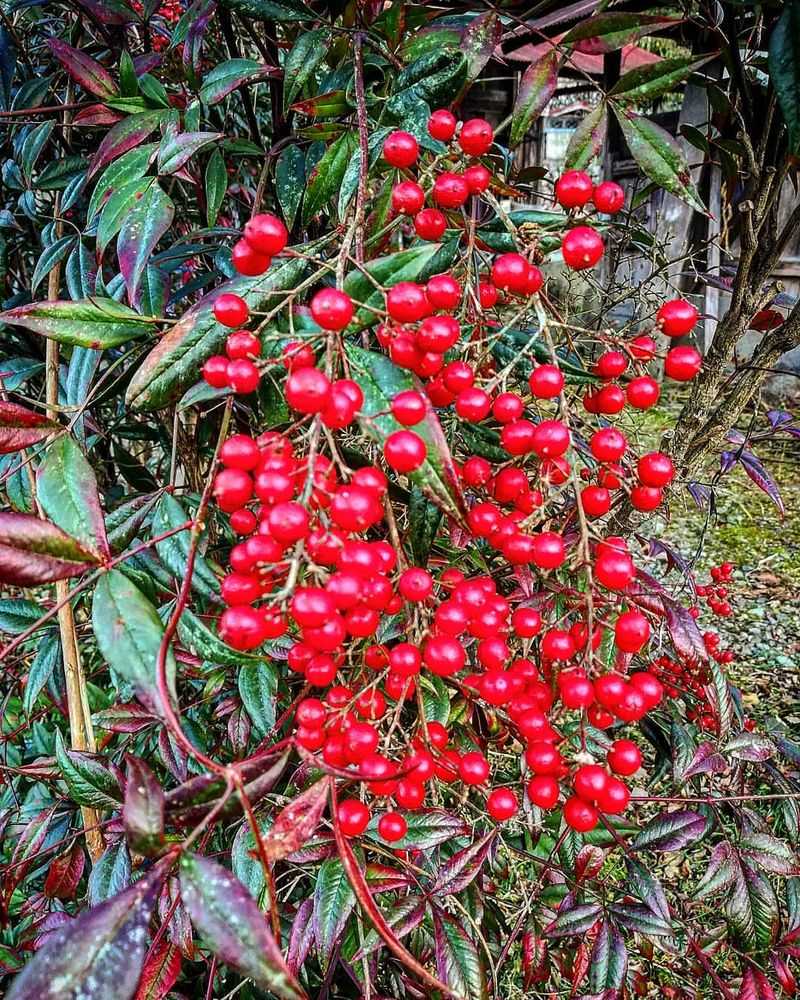
Despite the name, nandina isn’t actually bamboo, but it does have that same upright, airy quality.
The foliage turns stunning shades of red and burgundy in winter, and many varieties produce clusters of bright red berries that last well into the cold months.
When snow lands on those colorful leaves and berries, it creates a beautiful contrast that photographs really well.
Nandina grows in an upright clump without spreading or suckering, making it easy to manage in smaller spaces.
The lacy foliage adds a delicate texture that softens harder landscape elements like walls or fences.
It tolerates shade better than many colorful shrubs, though you’ll get the deepest red tones with more sun exposure.
Different varieties range from dwarf types under two feet tall to larger ones reaching six feet or more.
The compact varieties work nicely in containers or along walkways where you want something low but interesting.
Nandina handles heat and drought once established, and it rarely bothers with pest or disease problems.
The berries can be toxic to birds if eaten in large quantities, though most birds ignore them until desperate.
Many gardeners appreciate that deer usually leave nandina alone too, which is a bonus in areas with heavy browsing pressure.
6. Yew
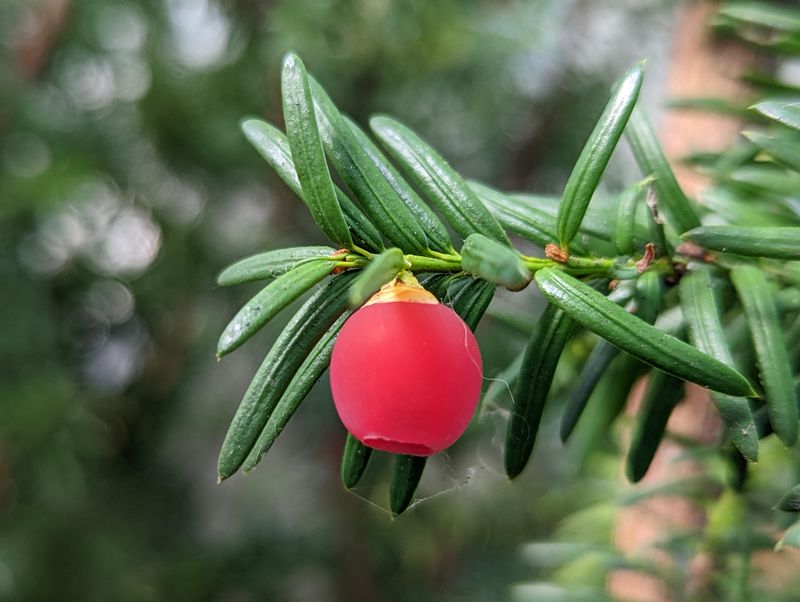
Yews bring that classic evergreen presence to winter gardens with their dark green needles that stay put year-round.
Snow sits beautifully on the dense foliage, creating contrast between the deep green and pure white.
The shrubs have a formal, timeless quality that works in both traditional and modern landscapes without feeling out of place.
These plants tolerate heavy pruning and shaping, making them favorites for hedges and topiary work.
You can keep them tight and compact or let them grow into larger specimens depending on your space and style.
They handle shade better than most evergreens, which opens up planting options in trickier spots under trees or on north-facing walls.
Yews grow slowly but live for decades, even centuries in some cases, so they’re a long-term investment in your landscape.
They prefer well-drained soil and can struggle in wet, heavy clay.
Most parts of the yew plant are toxic if eaten, so keep that in mind if you have curious pets or small children.
Female plants produce small red berries that add winter interest, though you’ll need a male plant nearby for berry production.
The dense growth provides excellent shelter for birds during storms, and you’ll often see them tucked deep inside the branches waiting out bad weather.
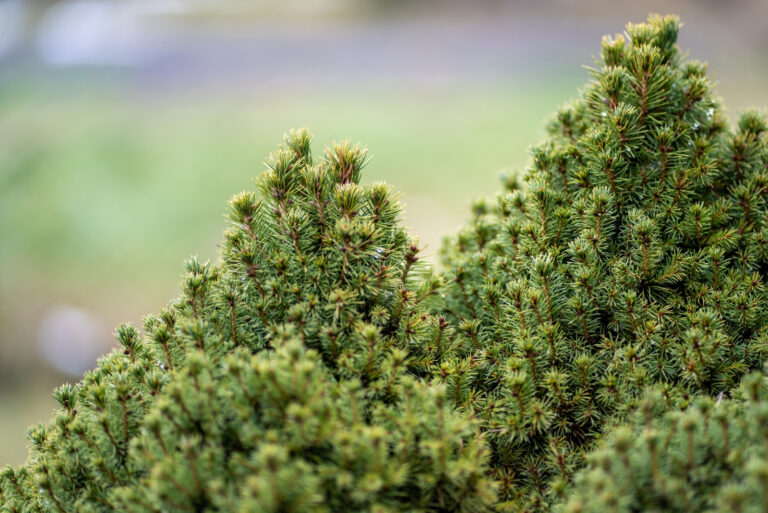
7. Juniper
Junipers come in so many shapes and sizes that you can find one for almost any garden situation.
Some grow low and spreading like ground covers, while others stand upright like small trees.
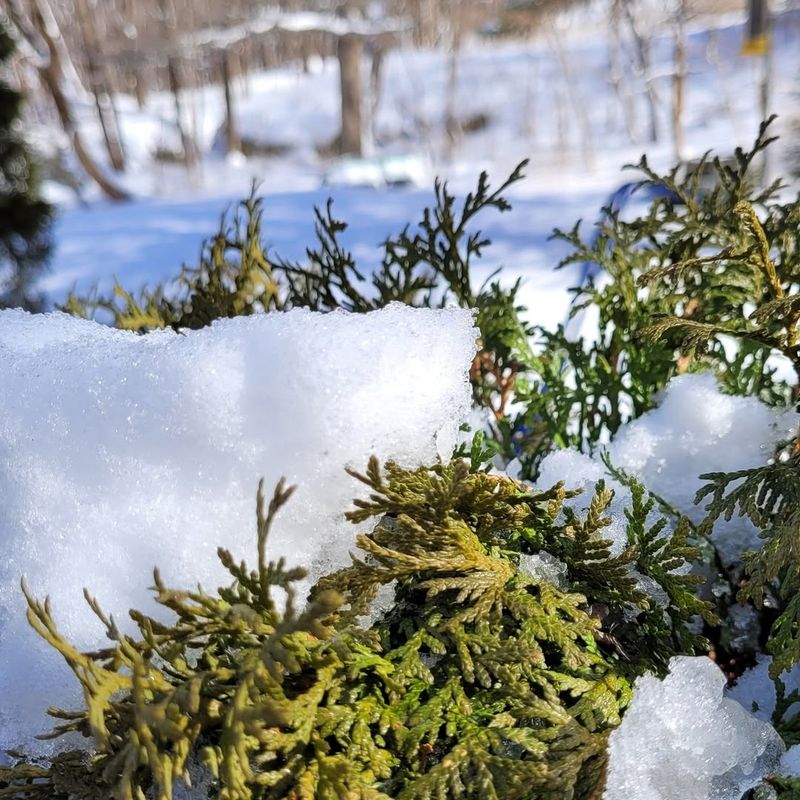
The foliage ranges from bright green to silvery blue, and that color holds strong through winter, looking especially striking when topped with fresh snow.
The textured foliage catches snow in interesting ways, creating patterns and depth that flat-leaved plants can’t match.
Many varieties have a slightly twisted or layered growth habit that becomes more noticeable in winter when you’re really looking at structure.
They’re incredibly tough plants that handle cold, wind, and poor soil without complaint.
Junipers need good drainage and full sun to thrive, but once established, they’re nearly indestructible.
They resist deer browsing, tolerate drought, and rarely need fertilizing or special care.
Some types produce small blue berry-like cones that add another layer of winter interest.
The low-growing varieties work wonderfully on slopes where erosion is a concern, and they look natural in rock gardens or cascading over walls.
Upright forms make good accent plants or screening elements.
Just give them space because most junipers don’t respond well to hard pruning once they’re mature.