The Green Roof Trend Spreading Across New York Apartment Buildings
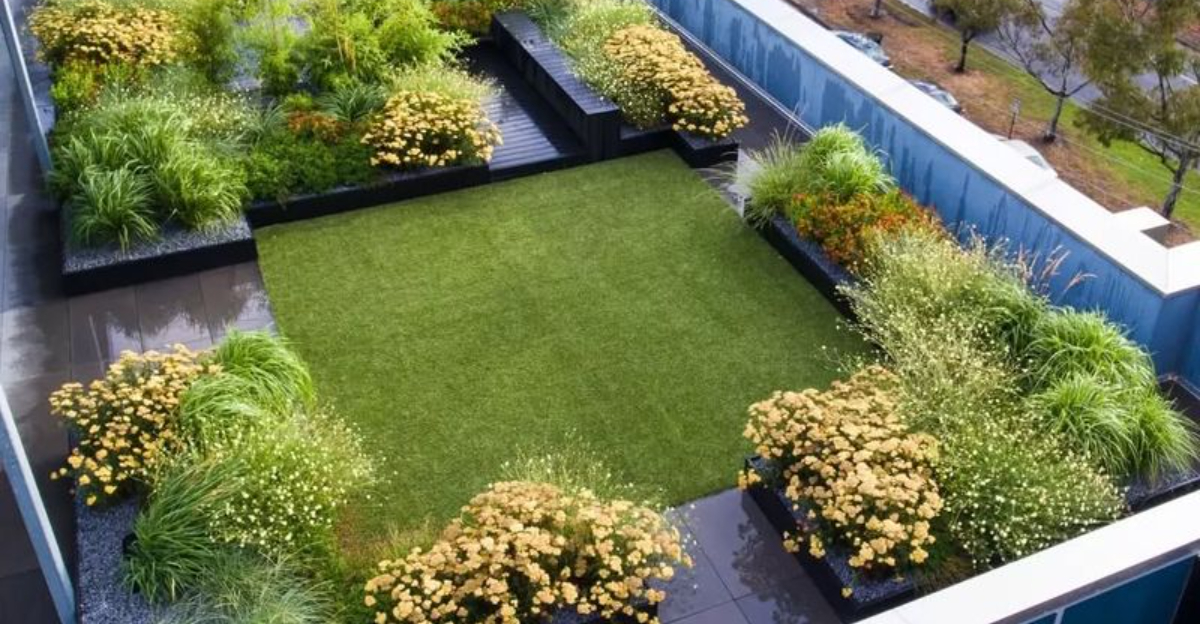
New York City is changing from the top down, and if you look up, you might notice something surprising.
Apartment buildings across the city are transforming their rooftops into lush, thriving gardens filled with plants, flowers, and even vegetables.
These green roofs are not just visually stunning—they also provide important environmental benefits, like reducing stormwater runoff, improving air quality, and lowering urban heat.
They can even help buildings save energy by insulating against extreme temperatures, keeping interiors cooler in summer and warmer in winter.
As more residents and building owners embrace this trend, rooftops are becoming vibrant, productive spaces that offer a respite from the busy city streets below.
Let’s explore some amazing facts about how these living roofs are reshaping the skyline, improving urban life, and creating new green oases in one of the world’s busiest cities.
Green Roofs Cut Energy Bills Dramatically
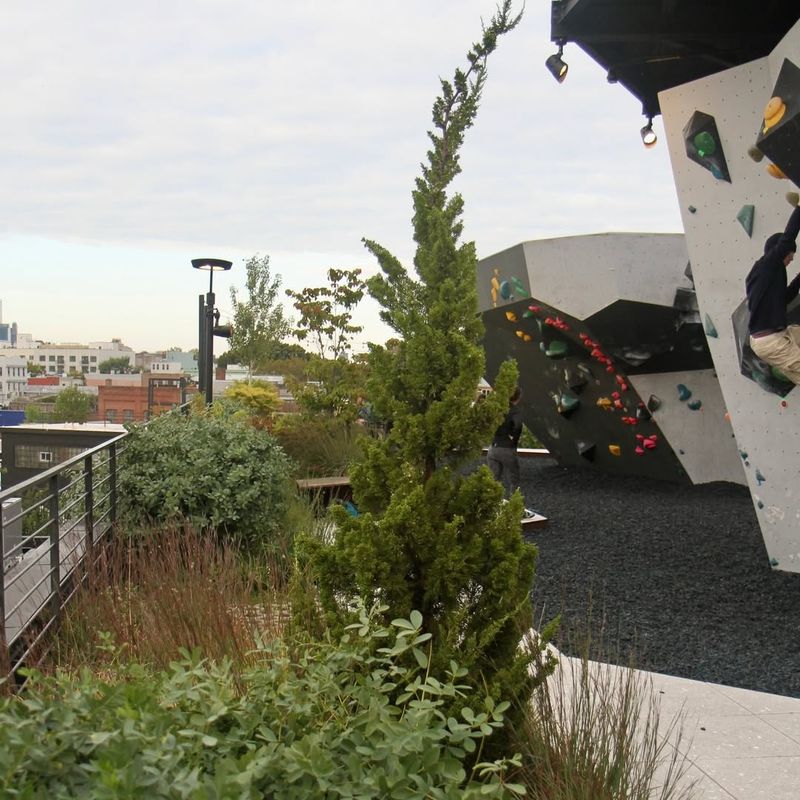
Buildings with green roofs stay cooler in summer and warmer in winter, which means less money spent on air conditioning and heating.
Plants on rooftops act like natural insulators, creating a barrier between the building and extreme temperatures outside.
During hot months, the soil and vegetation absorb heat that would otherwise make apartments uncomfortably warm.
In winter, that same layer keeps warmth inside the building instead of letting it escape through the roof.
Studies show that green roofs can reduce energy costs by up to 25 percent annually.
Property owners in New York have noticed significant savings on their utility bills after installing these eco-friendly rooftops.
The initial investment pays off over time through reduced energy consumption.
Residents benefit from more comfortable living spaces year-round without cranking up thermostats or air conditioners constantly.
Building managers appreciate lower maintenance costs for heating and cooling systems that don’t have to work as hard.
Green roofs make financial sense while helping the environment at the same time.
Many apartment complexes now consider them essential features rather than luxury additions.
The combination of cost savings and environmental benefits makes green roofs an attractive option for both new construction and building renovations throughout the city.
They Help Reduce Urban Heat Islands
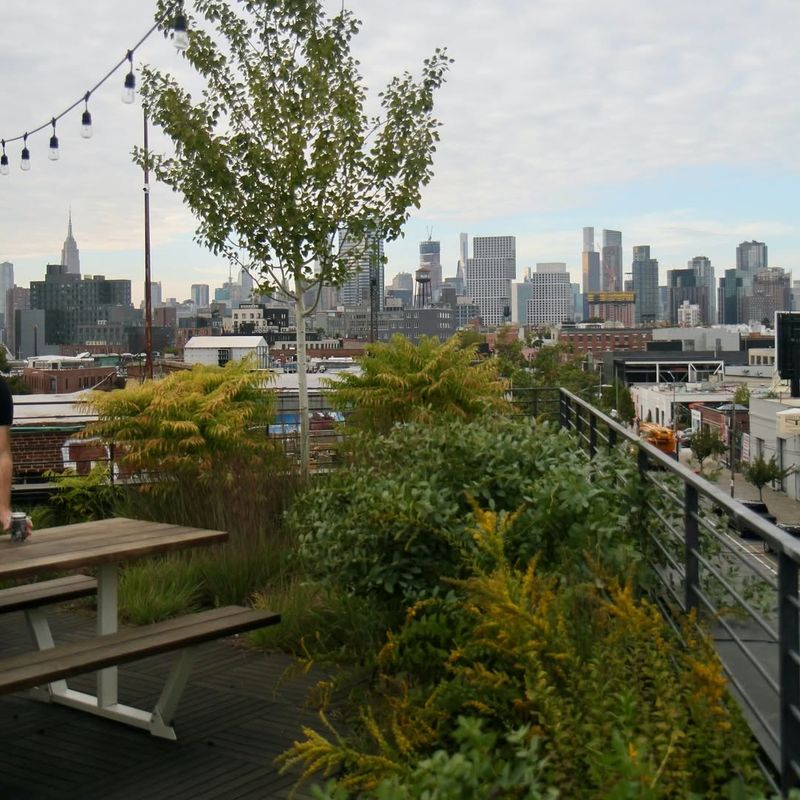
Did you know cities are usually much hotter than surrounding areas?
Concrete, asphalt, and dark rooftops absorb sunlight and trap heat, creating what scientists call urban heat islands.
New York can be up to 10 degrees warmer than nearby suburbs because of all the buildings and pavement.
Green roofs combat this problem by replacing heat-absorbing surfaces with plants that naturally cool the air.
Vegetation releases moisture through a process called transpiration, which works like nature’s air conditioner.
As more buildings adopt green roofs, entire neighborhoods experience lower temperatures during summer months.
Cooler streets mean people can enjoy outdoor activities without suffering from extreme heat.
The city government encourages green roof installation partly because of these cooling benefits.
Reducing urban heat islands improves public health, especially for elderly residents and children who are vulnerable to heat-related illnesses.
Each green roof contributes to making New York a more comfortable place to live.
Your New York Garden Changes Every Week. Your Plan Should Too.
Gardening in New York changes quickly throughout the season. Every Friday you’ll receive a simple weekly plan showing exactly what to plant, prune, fertilize, harvest, and protect so you never miss the right timing.
The cumulative effect of thousands of planted rooftops could lower citywide temperatures significantly.
Environmental experts view this trend as a practical solution to climate challenges facing dense urban areas worldwide.
Rooftop Gardens Manage Stormwater Naturally
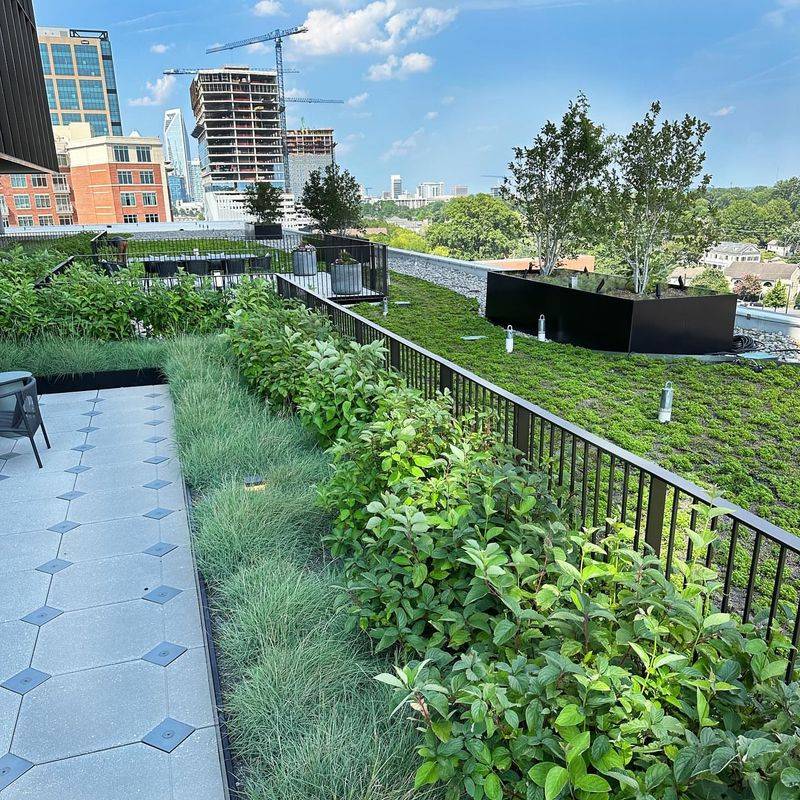
Heavy rainstorms can overwhelm New York’s sewer system, causing floods and water pollution problems throughout the city.
Traditional roofs send rainwater rushing into drains immediately, but green roofs absorb moisture like giant sponges.
The soil and plants capture rainfall, releasing it slowly over time instead of all at once.
A typical green roof can retain 50 to 90 percent of rainwater during storms.
That means less water flooding streets and entering already strained sewer systems.
When sewers overflow, untreated wastewater sometimes flows into rivers and harbors, creating serious pollution issues.
Green roofs help prevent these environmental disasters by managing stormwater naturally.
Building owners receive incentives from the city for installing green roofs partly because of their stormwater management benefits.
The economic value of preventing floods and reducing infrastructure strain is substantial.
Neighborhoods with many green roofs experience fewer flooding problems during heavy rains.
Residents notice cleaner streets and healthier local waterways as a result.
Environmental engineers consider green roofs one of the most effective tools for urban water management.
The combination of absorption and slow release protects both buildings and surrounding communities from storm damage.
Wildlife Finds New Homes In The Sky
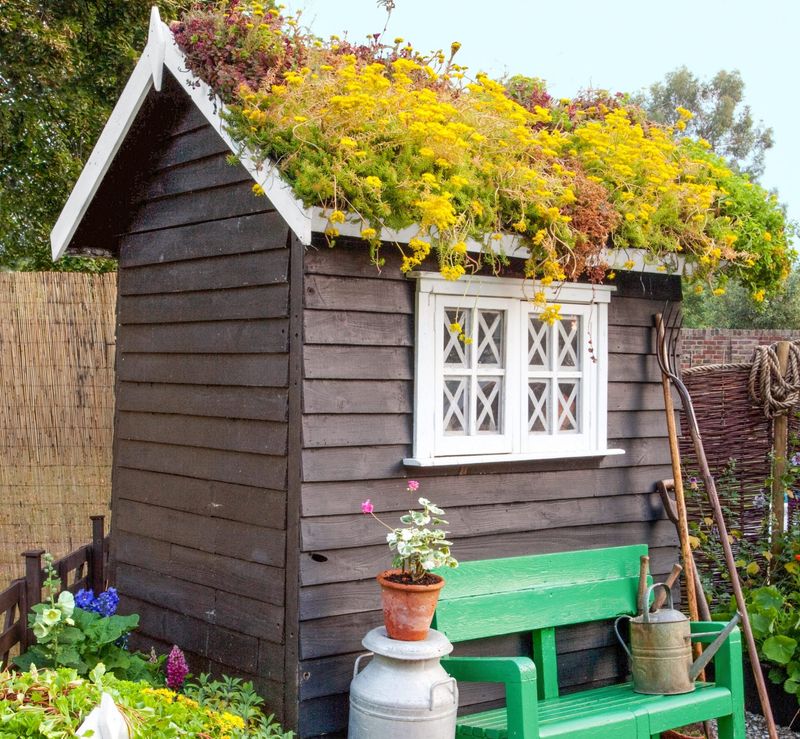
Birds, butterflies, and bees struggle to find habitats in dense urban environments where concrete dominates the landscape.
Green roofs create unexpected oases for wildlife high above city streets.
Native plants attract pollinators like bees and butterflies that are essential for healthy ecosystems.
Migratory birds use rooftop gardens as rest stops during long journeys between seasonal homes.
Some species even build nests in the vegetation, raising their young in these elevated sanctuaries.
Biodiversity increases throughout neighborhoods as more buildings install green roofs.
Insects, birds, and other creatures that once avoided the city center now thrive on planted rooftops.
Environmental groups celebrate this trend because it helps reverse habitat loss caused by urban development.
Children growing up in apartment buildings can observe nature without leaving their homes.
Rooftop gardens designed with native plants support local ecosystems better than exotic species.
Landscape designers carefully select vegetation that provides food and shelter for regional wildlife.
The presence of birds and butterflies improves quality of life for residents who enjoy watching nature from their windows.
Green roofs transform sterile urban spaces into vibrant ecosystems that benefit both people and animals living in the city.
City Incentives Make Installation More Affordable
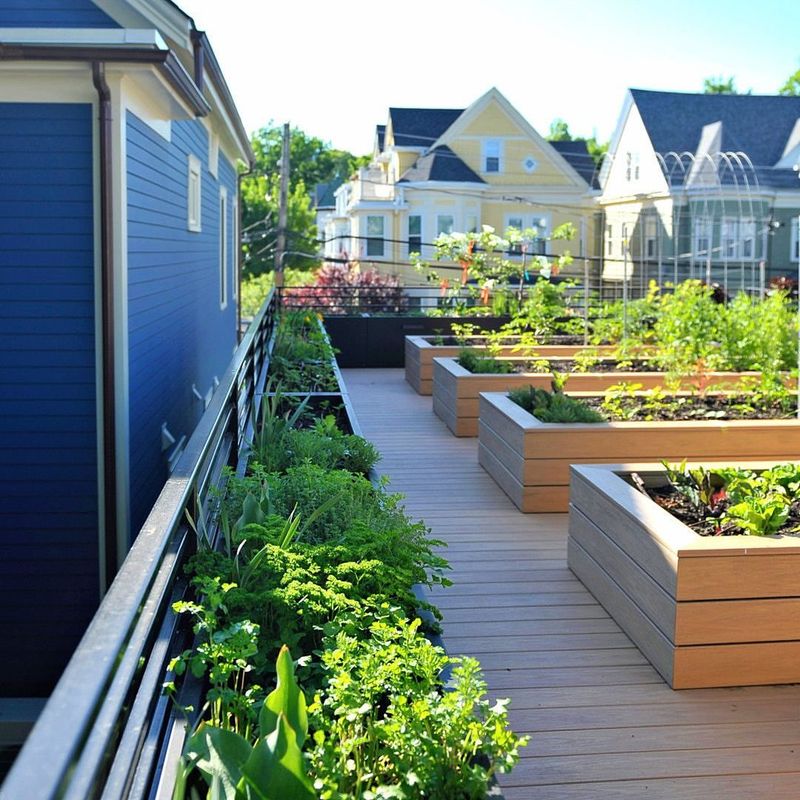
Installing a green roof costs more upfront than traditional roofing, but New York offers programs to help property owners afford them.
The city provides tax credits, grants, and rebates for buildings that add green roofs.
These financial incentives can cover a significant portion of installation expenses.
Property tax reductions reward building owners who invest in environmentally friendly roofing systems.
Some programs offer up to $200,000 in grants for qualifying projects.
Reduced stormwater fees also help offset costs since green roofs decrease the burden on city infrastructure.
Building owners save money both during installation and through ongoing operational benefits.
Non-profit organizations partner with the city to provide technical assistance and planning support.
Experts help property managers navigate the application process and design effective green roof systems.
These incentive programs have accelerated green roof adoption across all five boroughs.
Thousands of buildings that might never have considered the upgrade now feature rooftop gardens.
Affordable housing developments particularly benefit from grants that make green roofs accessible to communities with limited budgets.
The city’s commitment to environmental sustainability drives policy decisions that make eco-friendly building practices financially viable for everyone.
Residents Gain Valuable Outdoor Space
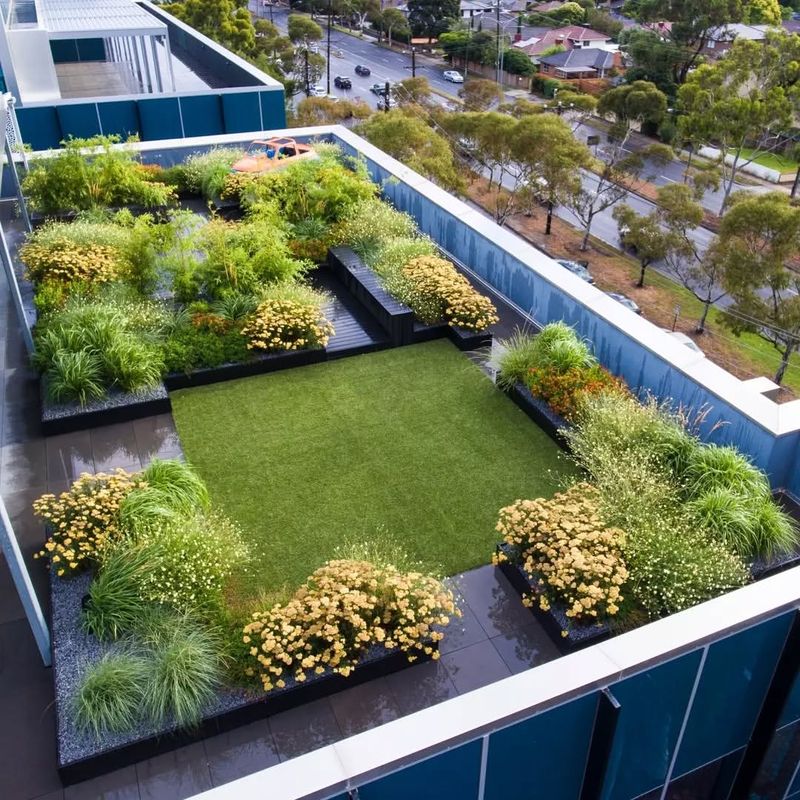
Apartment dwellers in crowded neighborhoods rarely have access to private yards or gardens for relaxation and recreation.
Green roofs transform unused rooftop space into community gathering areas where residents can escape their apartments.
Families host barbecues, children play games, and neighbors socialize in these elevated parks.
Mental health benefits come from spending time outdoors surrounded by plants and fresh air.
Studies show that access to green spaces reduces stress and improves overall wellbeing.
Some buildings create rooftop vegetable gardens where residents grow tomatoes, herbs, and other produce.
Growing food brings communities together and provides fresh, healthy options in neighborhoods with limited grocery access.
Yoga classes, book clubs, and other activities take place on green roofs during pleasant weather.
The spaces become extensions of living areas, increasing the functional square footage available to residents.
Property values often increase for buildings with attractive, well-maintained rooftop gardens.
Potential renters and buyers view these amenities as highly desirable features worth paying premium prices to access.
Green roofs enhance quality of life in ways that traditional roofing never could, turning wasted space into cherished community assets that residents use regularly throughout the year.
Air Quality Improves Throughout Neighborhoods
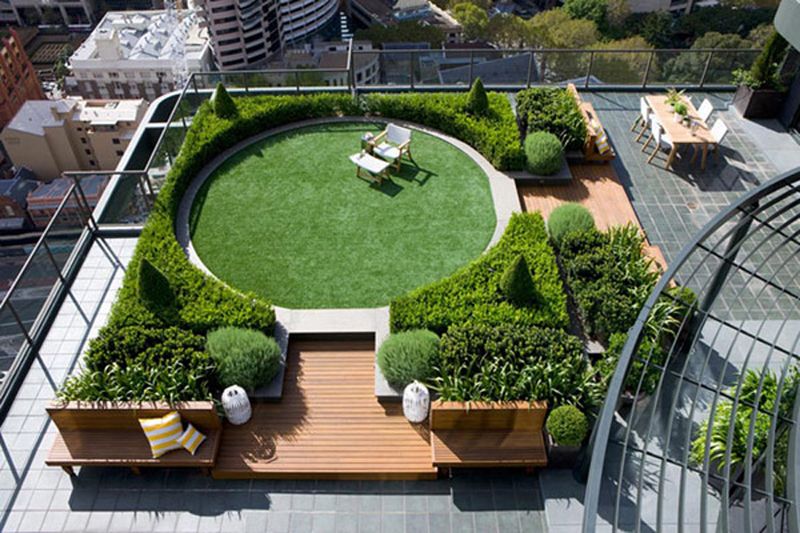
Urban air pollution comes from vehicle exhaust, industrial emissions, and other sources that make breathing difficult for city residents.
Plants naturally filter pollutants from the air through their leaves and roots.
Green roofs act like giant air purifiers, removing harmful particles and gases from the atmosphere.
A single square foot of green roof can filter significant amounts of airborne pollutants annually.
When multiplied across thousands of buildings, the impact on air quality becomes substantial.
Children with asthma and elderly people with respiratory conditions benefit most from cleaner air in their neighborhoods.
Reduced pollution levels mean fewer hospital visits and better overall health outcomes.
Vegetation on rooftops also produces oxygen while absorbing carbon dioxide, contributing to climate change mitigation efforts.
Each plant does its small part to balance atmospheric gases.
Public health officials recognize green roofs as important tools for addressing environmental health challenges in dense urban areas.
The combination of pollution reduction and oxygen production creates measurable improvements in air quality.
Residents notice the difference when walking through neighborhoods with many green roofs compared to areas dominated by traditional buildings.
Fresher air and reduced smog make outdoor activities more enjoyable for everyone living in the city.
Roofs Last Longer With Plant Protection
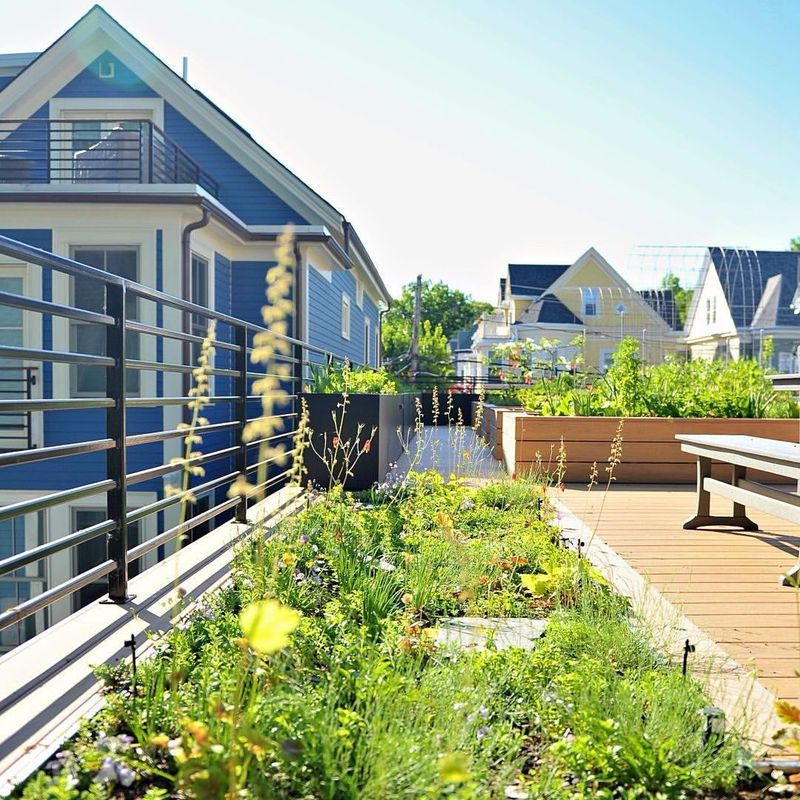
Traditional roofs deteriorate quickly from constant exposure to sun, rain, wind, and temperature fluctuations that damage roofing materials.
Green roofs shield the waterproof membrane underneath from harsh weather and ultraviolet radiation.
Plants and soil absorb the punishment that would otherwise wear down roofing materials.
A conventional roof might last 20 years before needing replacement, but green roofs can double that lifespan.
The protective layer of vegetation prevents cracking, warping, and other damage caused by environmental exposure.
Building owners save money on roof repairs and replacements over the building’s lifetime.
Fewer renovation projects mean less disruption for residents and lower long-term maintenance costs.
The waterproof membrane stays in better condition when protected from temperature extremes that cause expansion and contraction.
Consistent temperatures under the soil layer reduce stress on roofing materials.
Environmental benefits combine with practical economic advantages to make green roofs smart investments.
Property managers appreciate reduced maintenance headaches and predictable replacement schedules.
Extended roof lifespan represents one of the most compelling financial arguments for green roof installation.
The initial investment pays dividends through decades of protection that keeps buildings dry and structurally sound without constant expensive repairs.
Job Creation In Green Industry Sectors
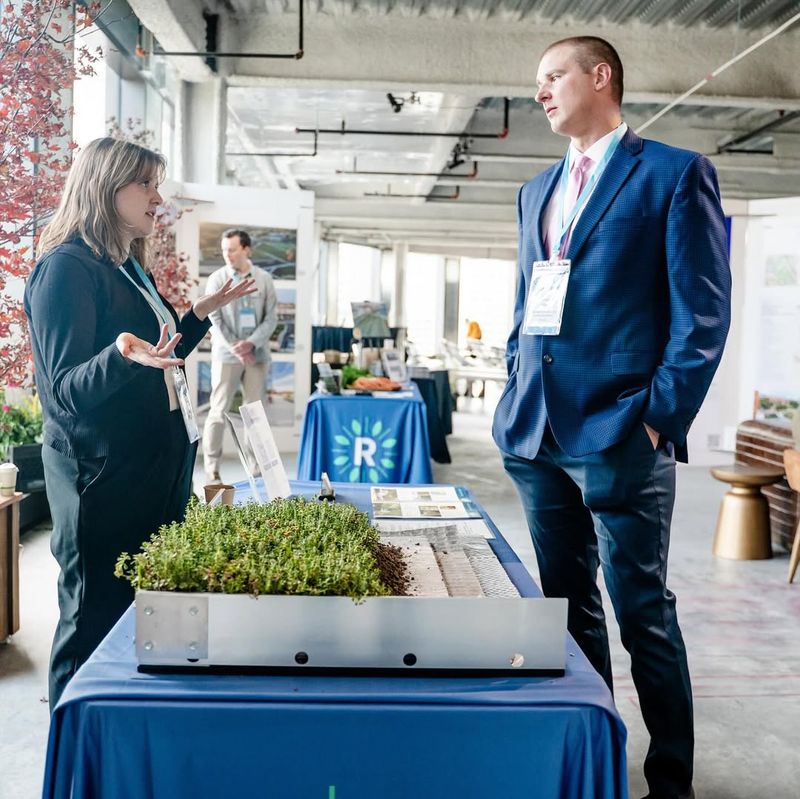
The growing demand for green roofs has created employment opportunities across multiple industries in New York City.
Landscape designers, horticulturists, and construction workers find steady work installing and maintaining rooftop gardens.
Specialized training programs prepare workers for careers in green infrastructure development.
Manufacturing companies produce the materials needed for green roof systems, from waterproof membranes to specialized soil mixtures.
These businesses employ engineers, factory workers, and sales professionals.
Maintenance crews visit buildings regularly to water plants, remove weeds, and ensure drainage systems function properly.
Year-round employment opportunities support families throughout the city.
Research positions at universities and environmental organizations study green roof effectiveness and develop improved designs.
Scientists contribute to advancing the technology while earning competitive salaries.
The economic ripple effects extend beyond direct green roof jobs to supporting industries like nurseries and equipment suppliers.
Small businesses benefit from increased demand for plants and gardening tools.
Job training programs specifically focused on green infrastructure help unemployed and underemployed residents gain valuable skills.
The green roof industry provides pathways to middle-class careers for people without college degrees, strengthening local economies while improving environmental conditions across the city.
Buildings Become Educational Resources
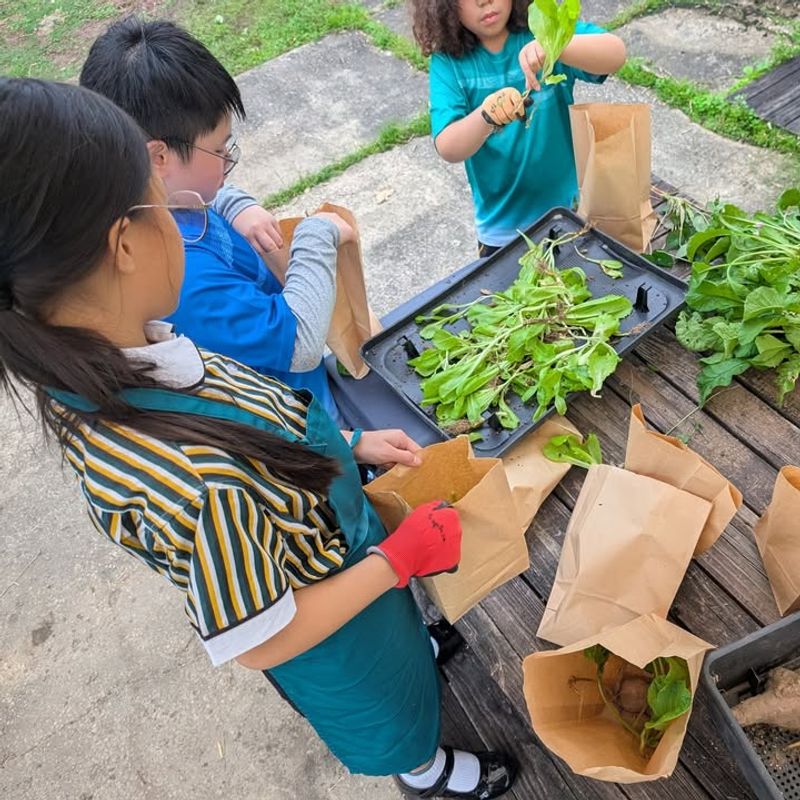
Schools and community organizations use green roofs as outdoor classrooms where children learn about ecology, sustainability, and urban agriculture.
Students observe plant growth cycles, study insect behavior, and understand how ecosystems function in real-world settings.
Hands-on learning experiences make science lessons memorable and engaging.
Environmental education programs bring groups to visit exemplary green roofs throughout the city.
Building residents volunteer as guides, sharing their experiences and knowledge with curious visitors.
College students majoring in environmental science, architecture, and urban planning conduct research projects on rooftop gardens.
Real-world data collection enhances academic learning and contributes to improving green roof designs.
Public awareness campaigns showcase successful installations, inspiring other buildings to adopt similar practices.
Tours and open house events demonstrate that green roofs work effectively in New York’s challenging climate.
Children who participate in rooftop garden programs develop environmental consciousness that influences their behavior throughout life.
Growing food and caring for plants teaches responsibility and connection to nature.
Educational benefits extend beyond formal programs as residents share knowledge with neighbors and friends.
Green roofs spark conversations about sustainability that spread throughout communities, creating cultural shifts toward environmentally responsible living in one of the world’s most densely populated cities.