The Community Gardens Getting The Most Visits In Portland, Oregon — According To Google Maps
Portland, Oregon is full of community gardens, but a few spots stand out because locals visit them nonstop.
Each garden has its own charm, from buzzing veggie rows to quiet corners that feel like tiny escapes from the city.
It all adds up to a list that makes you want to stroll through the neighborhoods and see which garden feels like the perfect match for you.
1. Fulton Community Garden
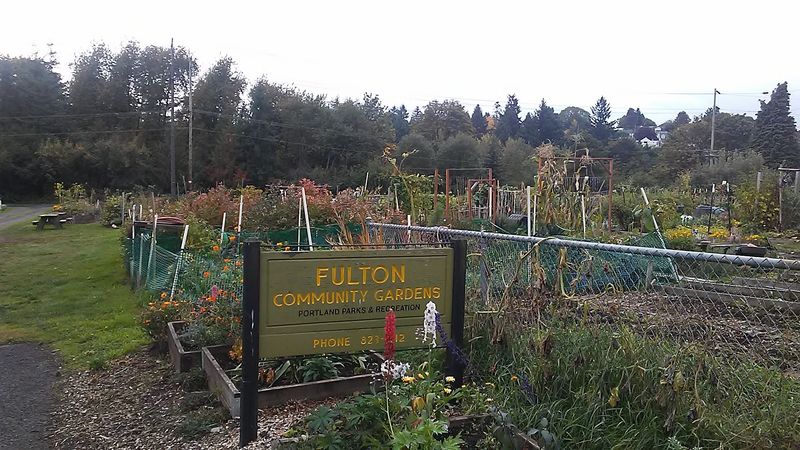
Fulton Community Garden sits in Southwest Portland at 5909 SW Nebraska Street and welcomes gardeners of all skill levels to its thriving plots.
With over 100 individual garden beds, this location has become one of Oregon’s most visited green spaces where families spend weekends together.
People love coming here because the garden offers educational workshops throughout the growing season that teach composting and organic pest control methods.
Volunteers maintain beautiful common areas with native plants that attract butterflies and bees, creating a peaceful environment for everyone who visits.
The garden also features a children’s area where young gardeners can learn about plant lifecycles and get their hands dirty in safe spaces.
Many visitors mention the friendly atmosphere and helpful members who share seeds, tools, and gardening wisdom with newcomers to the community.
Located near several parks, Fulton provides easy access for Portland residents who want fresh produce without leaving their neighborhood.
2. Lents International Farmers Market Garden
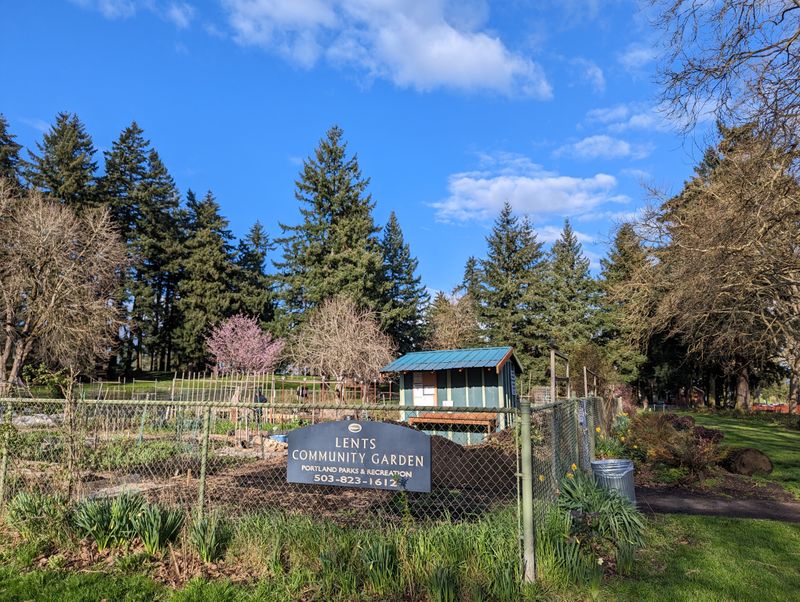
Lents International Farmers Market Garden brings together diverse cultures at SE 92nd Avenue and Ramona Street in Portland’s vibrant Lents neighborhood.
This garden celebrates the multicultural heritage of Oregon by allowing gardeners to grow traditional crops from their home countries and share recipes.
Visitors often discover unusual vegetables and herbs they’ve never seen before, learning about different culinary traditions from around the entire world.
The space features demonstration gardens that showcase sustainable farming techniques adapted from various cultures, making it an educational destination for school groups.
During summer months, the garden hosts community potlucks where members bring dishes made from their homegrown produce to share with neighbors.
Many Portland families visit regularly to purchase fresh vegetables at the adjacent farmers market while exploring the garden’s colorful international plots.
The garden’s welcoming spirit and cultural diversity have made it a popular stop for tourists interested in understanding Portland’s immigrant communities.
3. Rosewood Initiative Community Garden
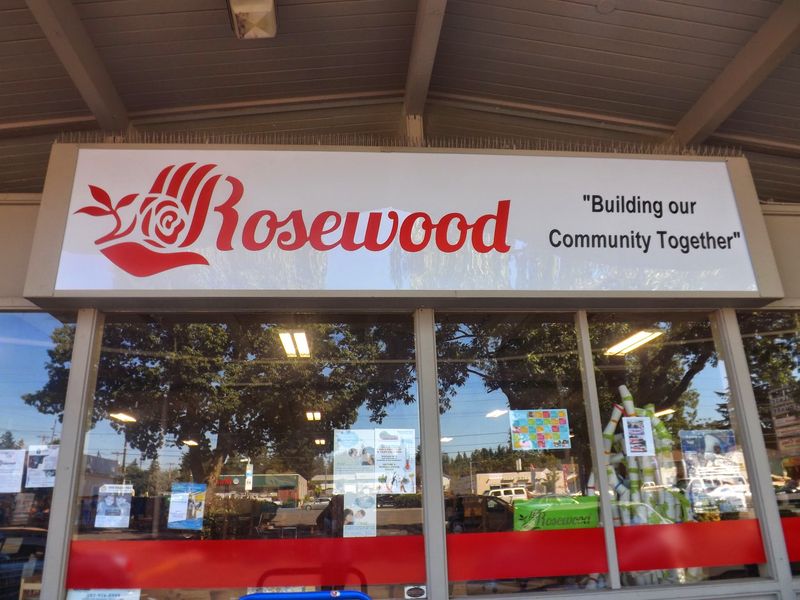
Rosewood Initiative Community Garden transforms vacant lots into productive green spaces at NE 162nd Avenue and Glisan Street in East Portland.
Started by neighborhood activists, this Oregon garden has grown into a thriving hub where residents learn food security and environmental stewardship practices.
The garden provides affordable plot rentals for low-income families who struggle to access fresh vegetables in areas with limited grocery store options.
Youth programs teach teenagers job skills through paid internships where they maintain garden beds and sell produce at local Portland markets.
Visitors appreciate the garden’s focus on community building, with regular events that bring neighbors together to share meals and celebrate harvest seasons.
Your Oregon Garden Changes Every Week. Your Plan Should Too.
Gardening in Oregon changes quickly throughout the season. Every Friday you’ll receive a simple weekly plan showing exactly what to plant, prune, fertilize, harvest, and protect so you never miss the right timing.
Fruit trees planted around the perimeter provide shade and free snacks for anyone walking through the garden on hot summer afternoons.
The garden’s success has inspired similar projects throughout Portland, proving that communities can create positive change through collaborative urban agriculture efforts.
4. Khunamokwst Park Community Garden
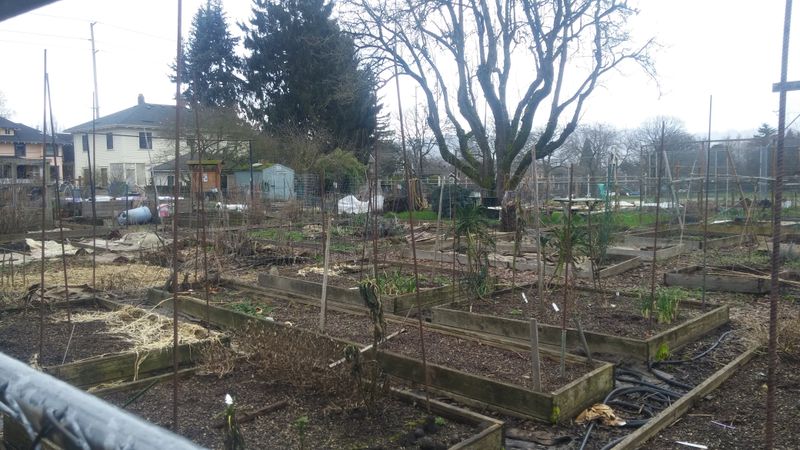
Khunamokwst Park Community Garden honors indigenous farming traditions at N Trenton Street and Denver Avenue in North Portland’s beautiful park setting.
The name comes from a Chinook word meaning “where we gather,” reflecting the garden’s role as a cultural gathering place for Oregon residents.
Garden beds feature native plants and traditional crops that indigenous peoples cultivated in the Pacific Northwest for thousands of years before colonization.
Educational signs throughout the space teach visitors about sustainable practices that native communities used to maintain healthy ecosystems and abundant food sources.
Portland schools bring students here for field trips where they learn about local history and environmental science through hands-on gardening activities.
The garden partners with tribal organizations to preserve heirloom seeds and share knowledge about plants that have cultural significance to indigenous communities.
Many visitors come specifically to see the three sisters planting method, where corn, beans, and squash grow together in mutually beneficial arrangements.
5. Zenger Farm Community Garden
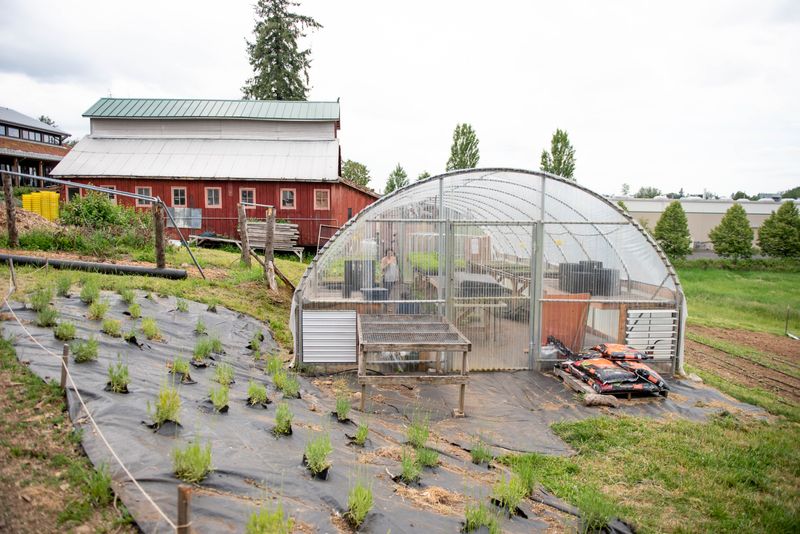
Zenger Farm combines historical preservation with modern community gardening at SE 136th Avenue and Foster Road on Portland’s outer eastside landscape.
This unique Oregon location features a century-old farmhouse surrounded by wetlands, pastures, and over 60 community garden plots available for rental.
School programs bring thousands of Portland students annually to learn about farm animals, composting systems, and where their food actually comes from.
The farm maintains heritage livestock breeds and demonstrates how small-scale agriculture can exist sustainably within urban environments without harming natural resources.
Visitors enjoy walking trails through restored wetlands where native birds nest and amphibians thrive in carefully maintained habitats that support biodiversity.
Weekend workshops cover topics like beekeeping, chicken raising, and food preservation, attracting gardeners from all over the Portland metropolitan area.
The farm’s commitment to environmental education and community access has made it one of Oregon’s most beloved urban agriculture destinations.
6. Cully Neighborhood Community Garden
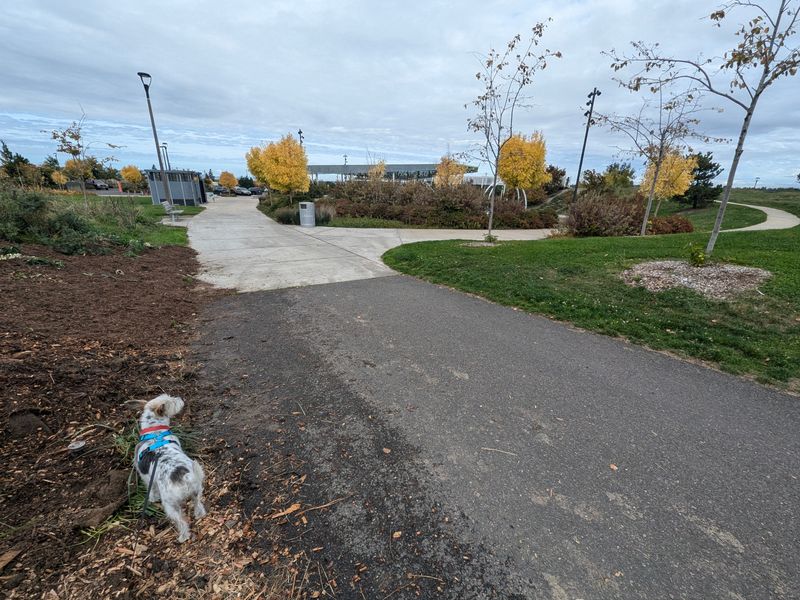
Cully Neighborhood Community Garden creates green space in a historically underserved area at NE 72nd Avenue and Killingsworth Street in Northeast Portland.
Local residents fought for years to establish this Oregon garden, transforming an empty lot into a productive space that now feeds dozens of families.
The garden emphasizes accessibility by offering free plots to seniors and families experiencing financial hardship, removing barriers that prevent people from growing food.
Raised beds make gardening possible for people with mobility challenges, while wide pathways accommodate wheelchairs and strollers throughout the entire space.
Portland community members gather here for movie nights, plant swaps, and seasonal celebrations that strengthen neighborhood bonds and create lasting friendships.
A tool library provides free access to equipment like shovels and wheelbarrows, so gardeners don’t need to purchase expensive supplies to participate.
The garden’s inclusive approach has made it a model for other Portland neighborhoods seeking to create welcoming spaces for all residents.
7. Sabin Community Orchard & Garden
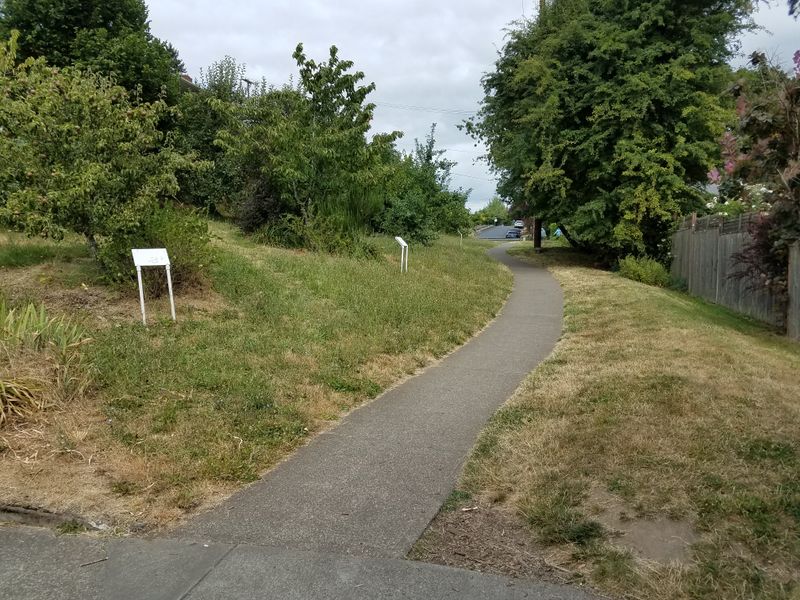
Sabin Community Orchard & Garden offers abundant fruit trees alongside vegetable plots at NE 19th Avenue and Shaver Street in inner Northeast Portland.
Established over a decade ago, this Oregon garden has matured into a productive food forest where apples, pears, and cherries provide free harvests.
Neighbors are encouraged to pick ripe fruit from designated public trees, promoting food sharing and reducing waste from unpicked produce falling to ground.
The garden hosts annual pruning workshops where experienced arborists teach Portland residents how to care for fruit trees in their own yards properly.
Children love exploring the berry patches and discovering how different plants grow throughout the seasons in this hands-on outdoor classroom environment.
Volunteer work parties happen monthly, bringing together people of all ages to maintain paths, spread mulch, and prepare beds for planting.
The garden’s focus on perennial food production demonstrates how Oregon communities can create long-lasting food sources that require less maintenance over time.
8. Hacienda Community Development Corporation Garden
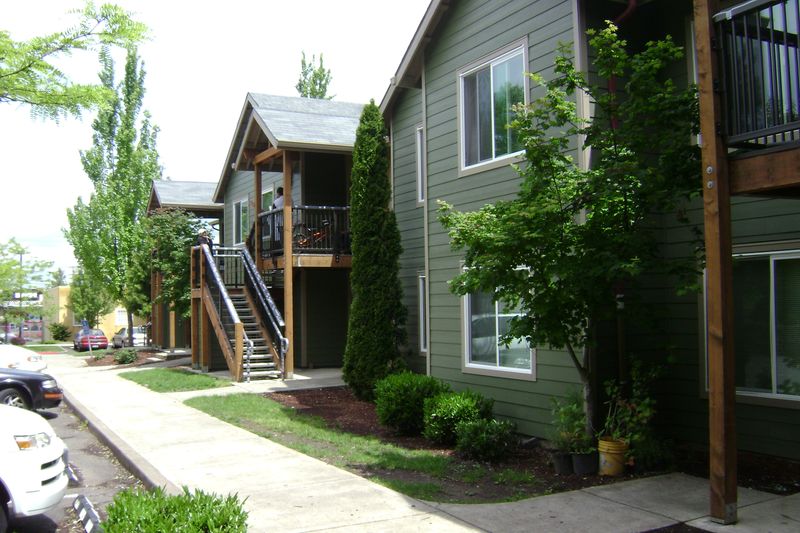
Hacienda Community Development Corporation Garden serves Portland’s Latino community at N Kilpatrick Street and Argyle Way in North Portland’s residential area.
This Oregon garden provides culturally relevant gardening opportunities where families can grow traditional crops like tomatillos, cilantro, and various chile peppers.
Many immigrant families use their plots to maintain connections with their heritage by cultivating plants they remember from their home countries.
The garden offers bilingual workshops that teach sustainable gardening practices while respecting traditional knowledge passed down through generations of family farmers.
Portland’s Latino youth participate in leadership programs here, learning about nutrition, environmental justice, and community organizing through garden-based activities and projects.
Colorful murals and decorations throughout the space reflect the vibrant culture of the community members who have made this garden their own.
The garden partners with local restaurants that purchase produce from gardeners, creating economic opportunities while celebrating authentic flavors from Latin American cuisines.
9. Portland Fruit Tree Project Community Orchard
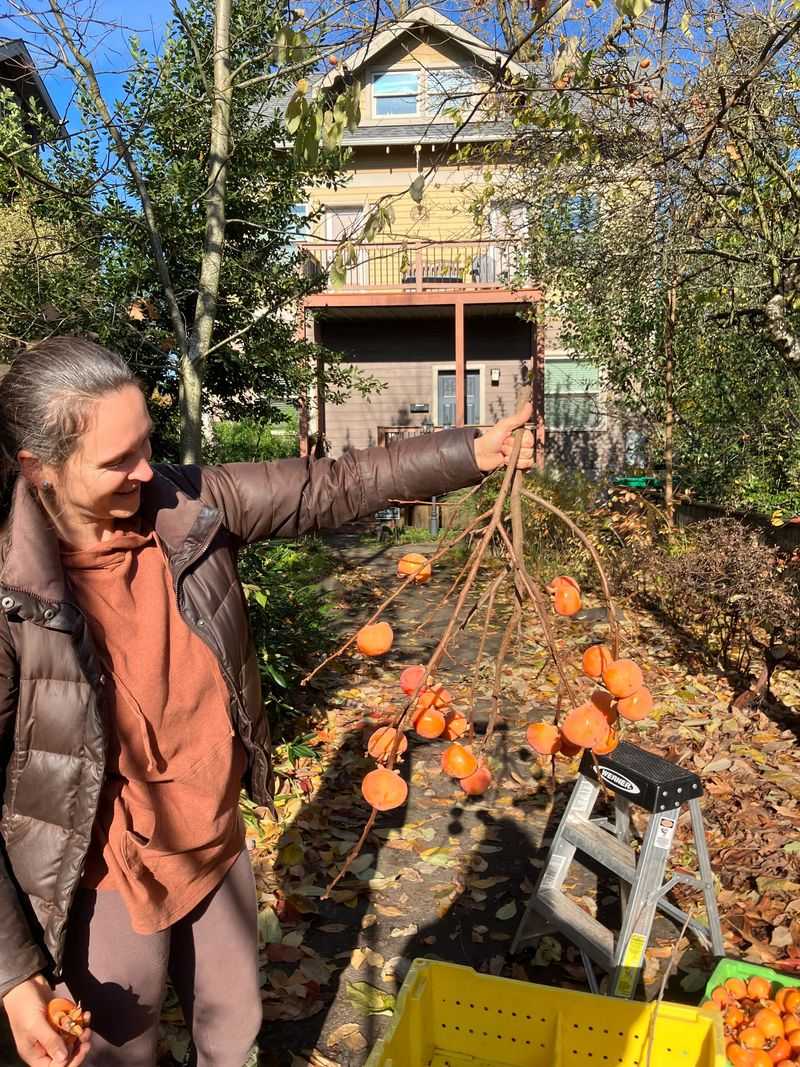
Portland Fruit Tree Project Community Orchard rescues unharvested fruit while teaching tree care at various locations throughout the city’s diverse neighborhoods.
Volunteers harvest fruit from residential trees whose owners can’t use all the produce, preventing waste while feeding people experiencing food insecurity.
The organization has planted community orchards across Oregon where anyone can pick free fruit during harvest season without needing special permission.
Educational programs teach Portland residents proper pruning techniques and organic pest management so their backyard trees remain healthy and productive for years.
Gleaning events bring together community members who pick fruit together, with portions going to volunteers, tree owners, and local food banks.
The project has distributed thousands of pounds of fresh Oregon fruit to people who otherwise couldn’t afford or access locally grown produce.
By connecting tree owners with volunteers and hungry neighbors, this initiative has created a sharing economy that strengthens Portland’s food security significantly.
10. Columbia Ecovillage Community Garden
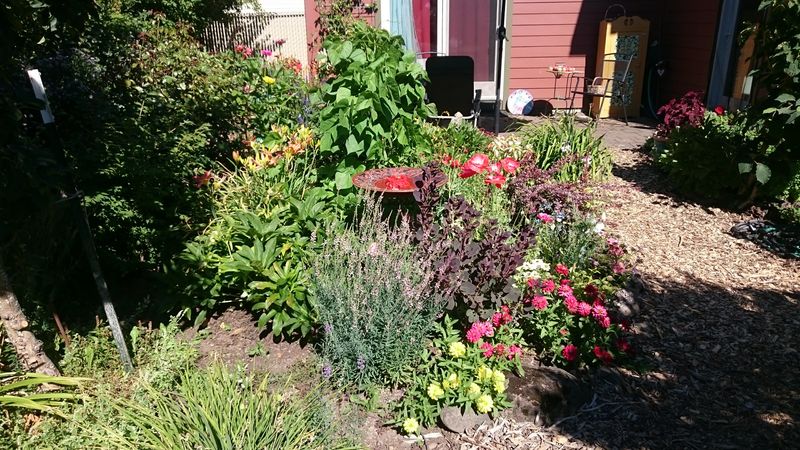
Columbia Ecovillage Community Garden showcases sustainable living practices at NE Jarrett Street and 31st Avenue in Portland’s collaborative housing community development.
Built as part of an intentional neighborhood, this Oregon garden demonstrates how residents can share resources and grow food cooperatively together.
Solar panels power the garden’s irrigation system, while rainwater collection barrels reduce dependence on municipal water supplies during dry summer months.
Composting toilets and extensive worm bins turn organic waste into nutrient-rich soil amendments that keep the garden productive without chemical fertilizers.
Portland visitors come here to learn about permaculture design principles that maximize food production while minimizing environmental impact and resource consumption.
The garden features perennial vegetables, medicinal herbs, and pollinator-friendly flowers arranged in aesthetically pleasing patterns that inspire other gardeners statewide.
Regular open houses allow curious neighbors to tour the space and ask questions about sustainable gardening techniques they can implement at home.