How Chicago’s 68,000 New Trees Could Change The City’s Environment
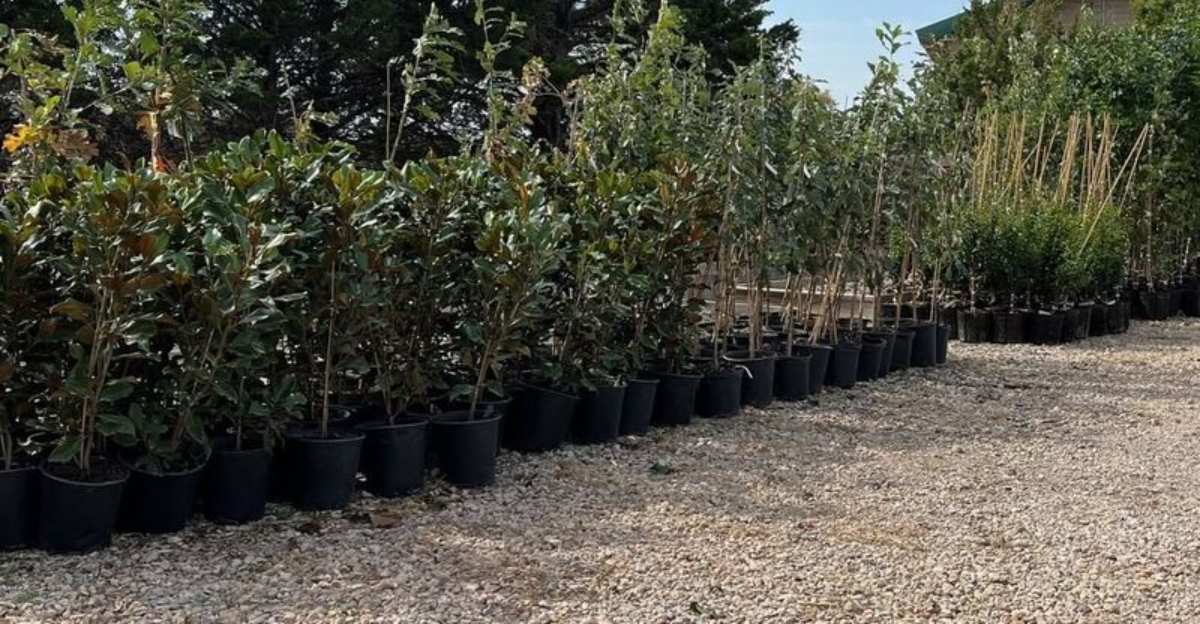
Chicago, Illinois is rolling out tens of thousands of new trees, and the shift is already starting to reshape the city’s everyday rhythm.
Each neighborhood feels a little cooler and calmer as these young canopies settle in and begin changing the air and shade around them.
The whole effort hints at a greener future that feels more welcoming with every tree added to the streets.
1. Cleaner Air for Everyone to Breathe
Pollution from cars and factories fills Chicago’s air with harmful particles that make breathing difficult for many residents throughout Illinois.
Trees work like natural air filters by trapping dust, smoke, and other pollutants on their leaves and bark before these nasties reach your lungs.
A single mature tree can remove about forty-eight pounds of carbon dioxide from the atmosphere every single year while releasing oxygen back into the air.
With 68,000 new trees planted across Chicago neighborhoods, the city will see a massive reduction in air pollution levels over the next decade.
People with asthma and other breathing problems will notice the difference first as the air becomes fresher and easier to breathe each day.
Children playing outside in Illinois parks will benefit the most since their developing lungs are more sensitive to pollution than adult lungs are.
Cleaner air means fewer trips to the hospital and healthier lives for families living in busy urban areas throughout the city.
2. Cooler Neighborhoods During Hot Summers
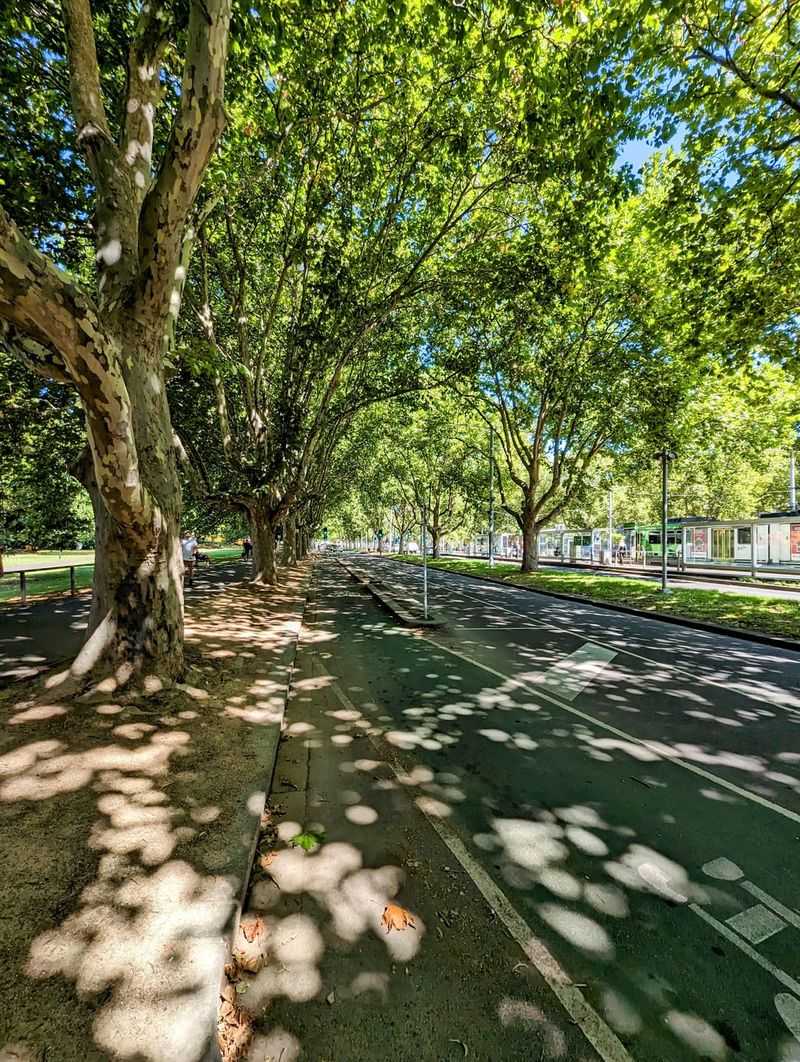
Summer temperatures in Chicago can climb dangerously high, especially in neighborhoods covered with concrete and asphalt that trap heat like giant ovens.
Scientists call this the urban heat island effect, where cities become much hotter than surrounding countryside areas because buildings and pavement absorb sunlight.
Trees combat this problem by providing shade that blocks direct sunlight from heating up sidewalks, streets, and buildings throughout Illinois communities.
The leaves also release water vapor through a process called transpiration, which naturally cools the air just like sweat cools your body.
Studies show that neighborhoods with plenty of trees can be up to ten degrees cooler than areas with no tree coverage at all.
These 68,000 new trees will create comfortable outdoor spaces where families can enjoy parks and yards without suffering from extreme heat conditions.
Lower temperatures also mean people won’t need to run their air conditioners as much, saving money on electricity bills while helping the environment.
3. Better Stormwater Management Systems
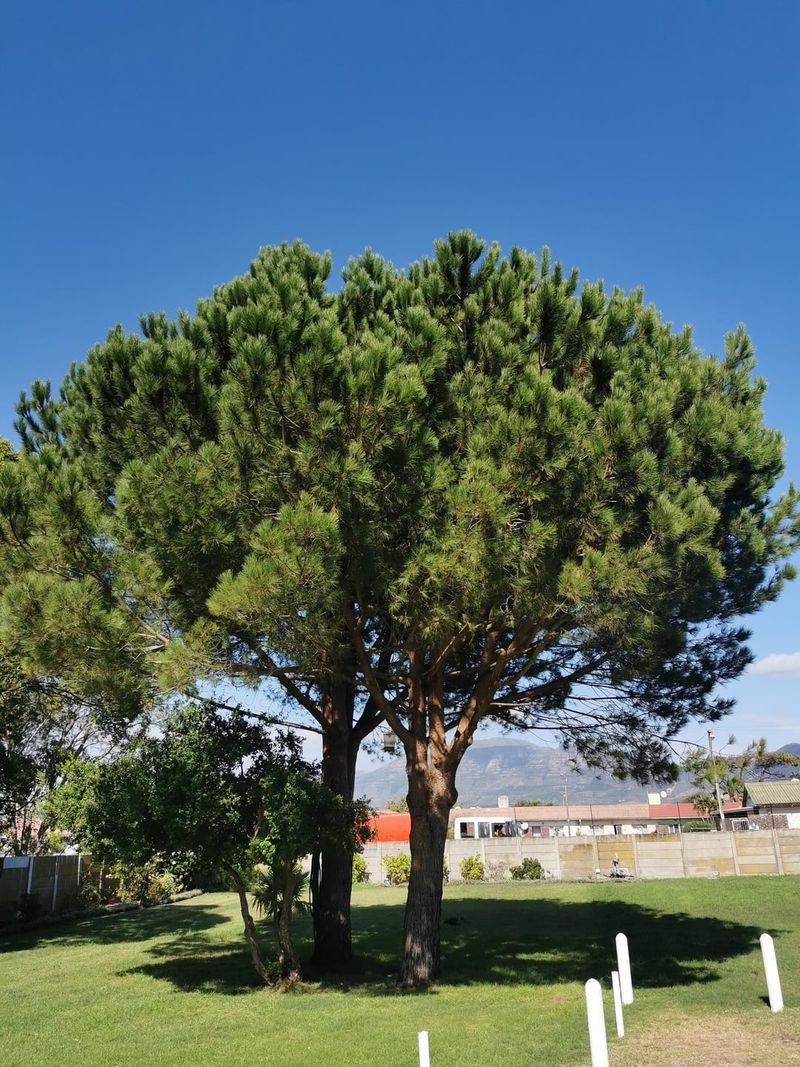
When heavy rain falls on Chicago streets, the water has nowhere to go except into storm drains that often overflow and cause flooding.
Tree roots act like natural sponges by absorbing thousands of gallons of rainwater before it becomes runoff that floods basements and streets.
A single large tree can intercept more than one thousand gallons of rainwater each year through its roots and leaves combined.
This means 68,000 new trees could potentially manage millions of gallons of stormwater across Illinois neighborhoods during every major rainfall event.
Less runoff also means fewer pollutants washing into Lake Michigan since contaminated street water won’t flow directly into the city’s drainage systems.
Your Illinois Garden Changes Every Week. Your Plan Should Too.
Gardening in Illinois changes quickly throughout the season. Every Friday you’ll receive a simple weekly plan showing exactly what to plant, prune, fertilize, harvest, and protect so you never miss the right timing.
Trees slow down the speed at which rain hits the ground, giving soil more time to absorb moisture naturally instead of creating puddles.
Communities that struggle with flooding problems will see real improvements once these trees grow large enough to make a significant difference in water absorption.
4. More Wildlife Habitats in Urban Areas
Cities can feel like concrete jungles where animals struggle to find safe places to live, eat, and raise their babies successfully.
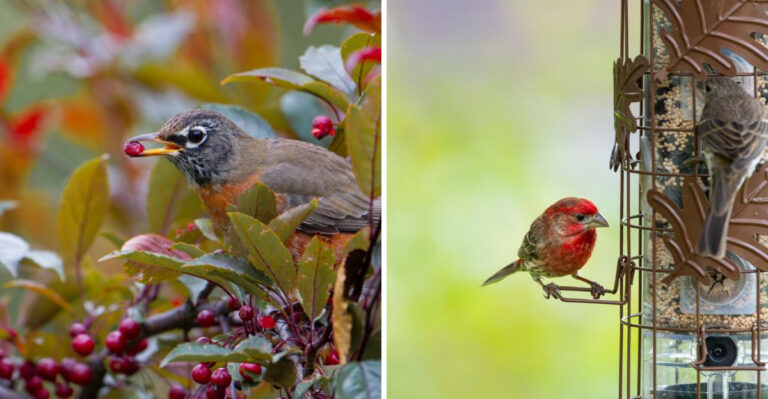
Birds need trees for building nests and finding insects to feed their young during spring and summer months throughout Illinois.
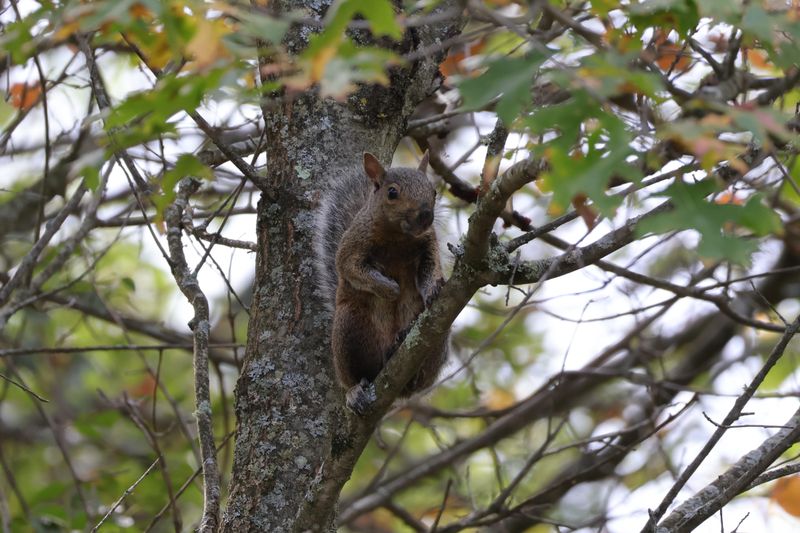
Squirrels rely on trees for shelter from weather and predators while also using branches as highways to travel safely above dangerous streets.
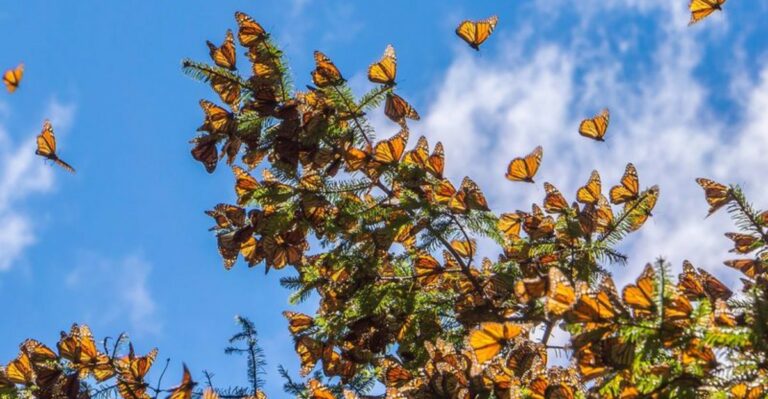
Even butterflies, bees, and other important pollinators depend on trees for food sources and protection from harsh environmental conditions in Chicago.
These 68,000 new trees will create connected corridors of green space where wildlife can move between parks and neighborhoods more easily than before.
Children growing up in the city will have more opportunities to observe nature and learn about different species living right in their backyards.
Biodiversity improves when urban areas support various types of animals, creating healthier ecosystems that benefit both wildlife and human residents across the entire city.
5. Reduced Noise Pollution Levels
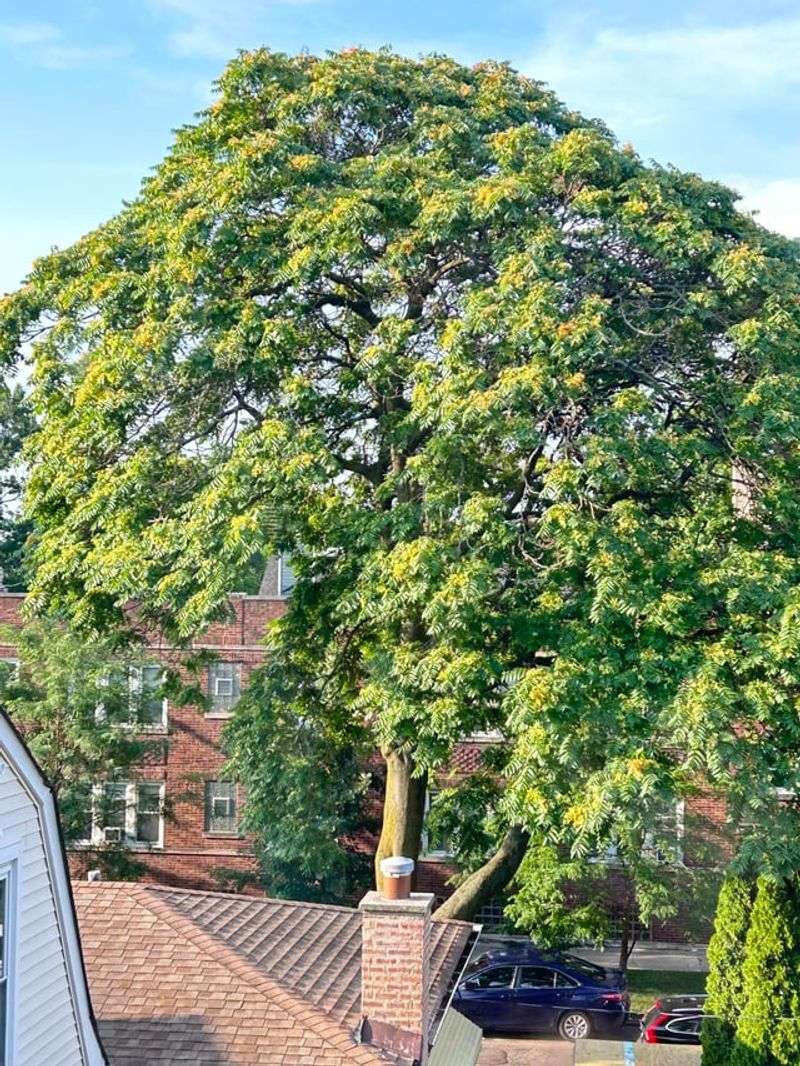
Living near busy roads means constantly hearing trucks, cars, and sirens that make it hard to relax or concentrate on homework in Illinois homes.
Trees work as natural sound barriers by absorbing and deflecting noise before it reaches houses and apartments near highways and major streets.
The leaves, branches, and trunks break up sound waves traveling through the air, reducing the intensity of traffic noise significantly.
A thick belt of trees can lower noise levels by up to ten decibels, which makes a noticeable difference to human ears and minds.
Neighborhoods in Chicago that receive many new trees will become quieter and more peaceful places where residents can actually hear themselves think.
Better sleep quality results when traffic sounds don’t constantly wake people up during nighttime hours when they need rest the most.
Schools located near busy streets will benefit too since students learn better in quiet environments without constant background noise distracting their attention from lessons.
6. Stronger Community Connections and Pride
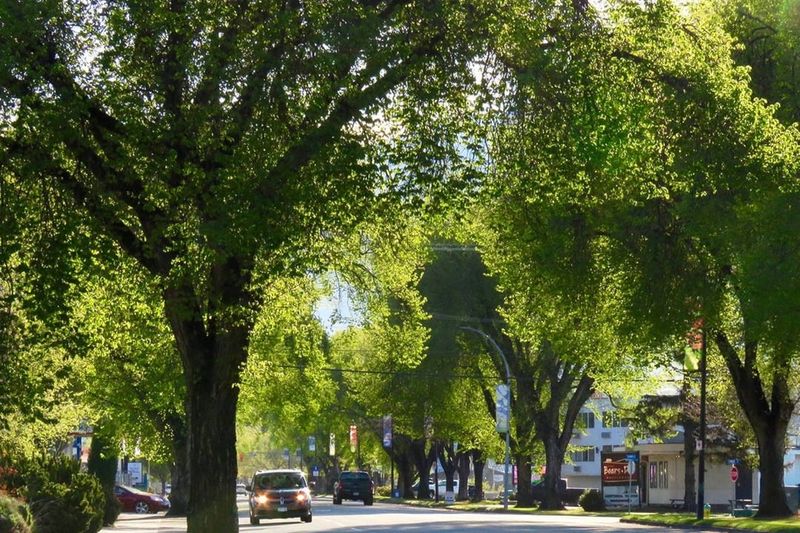
Something special happens when neighbors work together to plant and care for trees in their shared spaces throughout Illinois communities.
Community tree planting events bring people outside where they meet others living on their block who they might never have talked to before.
Caring for young trees creates a sense of ownership and pride as residents watch their efforts grow into beautiful additions to Chicago neighborhoods.
Streets lined with healthy trees become more attractive places where people want to spend time walking, talking, and getting to know their neighbors better.
Research shows that areas with more trees experience less vandalism and crime because residents feel more connected to their surroundings and each other.
Children learn valuable lessons about environmental responsibility when they participate in tree planting and maintenance activities with their families and friends.
These 68,000 new trees represent thousands of opportunities for Chicago residents to work together toward making their city a better place for everyone.
7. Increased Property Values Throughout the City
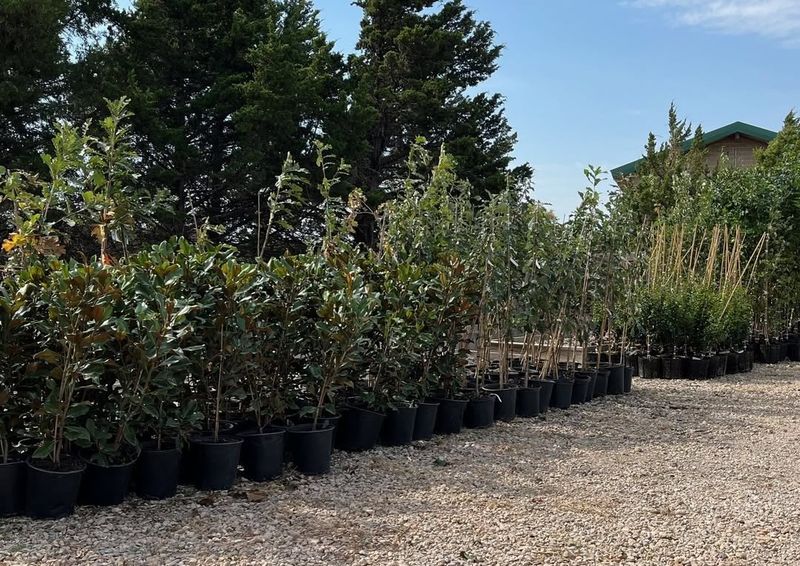
Homebuyers consistently pay more money for houses located on streets with mature, healthy trees compared to properties on bare, treeless blocks in Illinois.
Real estate experts estimate that trees can increase property values by up to fifteen percent, which means thousands of extra dollars for homeowners.
Attractive tree-lined streets in Chicago create curb appeal that makes neighborhoods look more established, welcoming, and desirable to potential buyers shopping for homes.
Trees provide practical benefits like shade and privacy that buyers value highly when deciding between different properties in the same price range.
Commercial areas with trees also attract more customers to shops and restaurants because people prefer spending time in pleasant, green environments over bare concrete.
As these 68,000 new trees mature over the coming years, they will add significant economic value to Chicago neighborhoods across the entire city.
Investing in urban forestry today creates financial returns tomorrow while simultaneously improving quality of life for current residents throughout Illinois communities and beyond.
8. Better Mental Health and Wellbeing
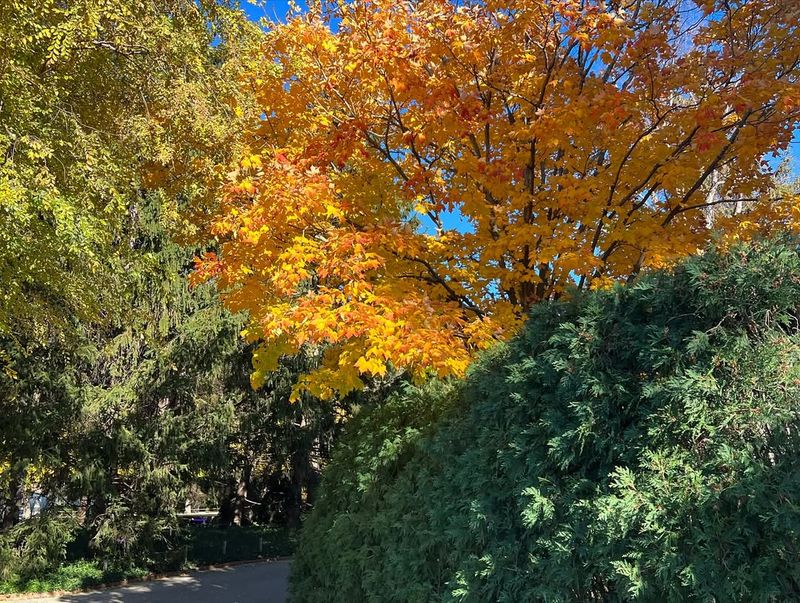
Spending time around trees and green spaces helps reduce stress, anxiety, and feelings of sadness that many people experience in busy cities.
Scientists have discovered that simply looking at trees through a window can help hospital patients in Illinois recover faster from surgeries and illnesses.
Nature provides a calming effect on human brains that are overwhelmed by constant noise, screens, and the fast pace of urban life in Chicago.
Parks with plenty of trees give families safe outdoor spaces for exercise, play, and relaxation that improve both physical and emotional health together.
Children who regularly play in areas with trees show better focus, creativity, and problem-solving skills compared to kids without access to nature.
These 68,000 new trees will create more opportunities for Chicago residents to connect with nature without leaving their neighborhoods or traveling far distances.
Mental health benefits from urban trees are especially important for people who cannot afford vacations to natural areas outside the city limits.
9. Long-Term Carbon Storage and Climate Action
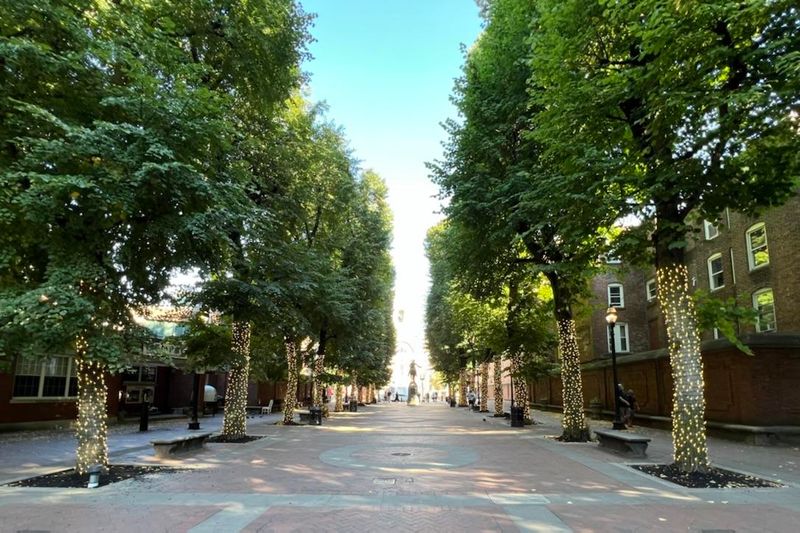
Climate change poses serious threats to cities worldwide, but trees offer a practical solution by removing carbon dioxide from the atmosphere permanently.
Young trees absorb carbon as they grow, storing it in their trunks, branches, and roots for decades or even centuries into the future.
Over their lifetimes, these 68,000 new trees will collectively store millions of pounds of carbon that would otherwise contribute to global warming in Illinois.
Chicago’s tree planting initiative demonstrates how cities can take meaningful action against climate change through local environmental projects that make real differences.
Trees also help cities adapt to changing climate conditions by providing shade and cooling during increasingly hot summers experienced across the Midwest region.
Future generations will benefit from decisions made today to invest in urban forests that protect against environmental challenges yet to come.
Every tree planted represents hope and commitment to creating a healthier planet where people and nature can thrive together in balance and harmony.