How Minnesota Gardeners Can Keep Their Greenhouse Warm Without Skyrocketing Energy Bills
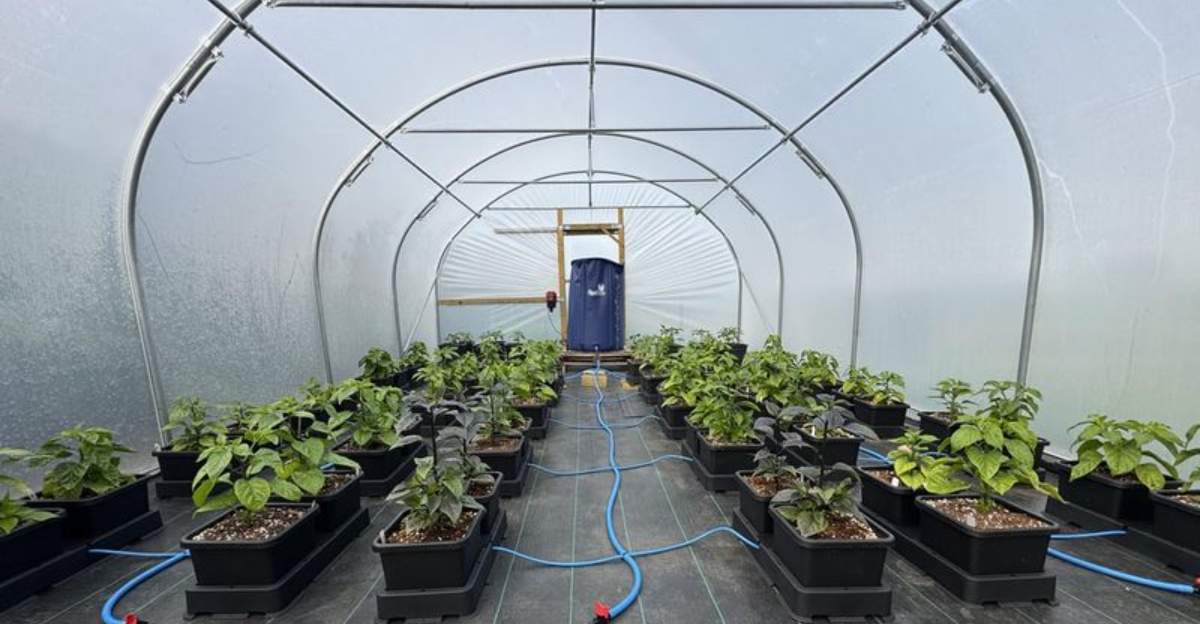
Minnesota winters are harsh, and keeping a greenhouse warm can feel like an impossible challenge.
When temperatures drop below zero, heating costs can quickly spiral out of control, making gardening an expensive hobby.
But what if you could keep your plants cozy and thriving without watching your energy bills climb through the roof?
Bubble Wrap Insulation
Covering your greenhouse walls with bubble wrap might sound unusual, but it works like magic during Minnesota’s coldest months.
The air pockets trapped inside the bubbles create an insulating barrier that keeps heat from escaping through glass or plastic panels.
You can attach it using clips or tape, and the best part is that light still passes through to reach your plants.
Horticultural-grade bubble wrap lasts longer than regular packing material, though both types get the job done.
Focus on the north-facing walls first since they receive the least sunlight and lose the most heat.
Leave the south-facing side clearer to maximize solar gain during the day.
This simple trick can reduce heating costs by up to thirty percent without blocking much light.
Plus, bubble wrap is affordable and reusable for several seasons.
When spring arrives, just roll it up and store it for next winter.
Many Minnesota gardeners swear by this method because it delivers results without complicated installation or expensive equipment.
Thermal Mass Water Barrels
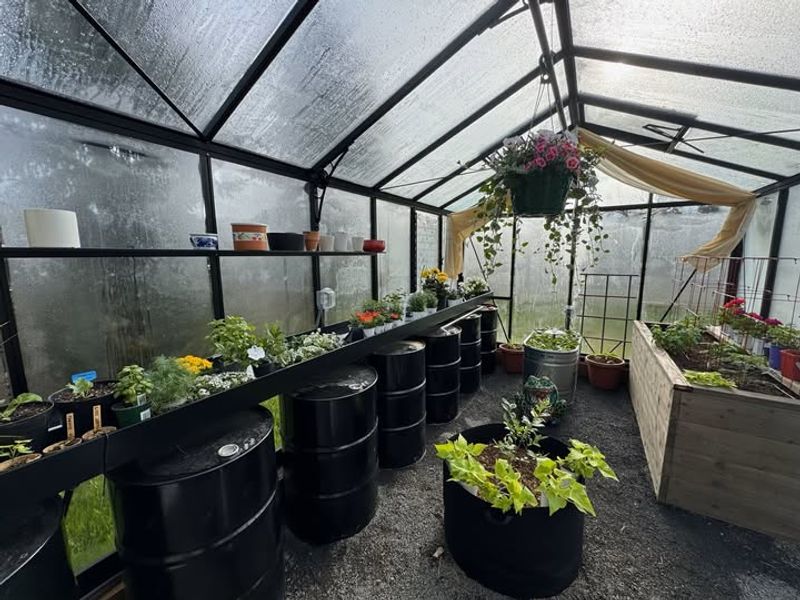
Water holds heat remarkably well, making it perfect for stabilizing greenhouse temperatures overnight.
Black-painted barrels or large containers absorb warmth from sunlight during the day, then slowly release it when temperatures drop after sunset.
This natural heating system requires zero electricity and costs almost nothing to set up.
Position your barrels where they’ll catch the most direct sunlight, typically along the north wall or near the center of your greenhouse.
Fifty-five gallon drums work great, but any dark-colored water container will do the trick.
The more water volume you have, the more heat you can store.
During Minnesota’s bitter winter nights, these barrels can keep your greenhouse several degrees warmer than outside air.
The temperature swings become less dramatic, protecting sensitive plants from sudden cold snaps.
Some gardeners stack smaller containers or use old milk jugs filled with water.
Remember to leave space at the top of each container since water expands when it freezes, though the thermal mass effect usually prevents complete freezing.
Compost Heat Generation
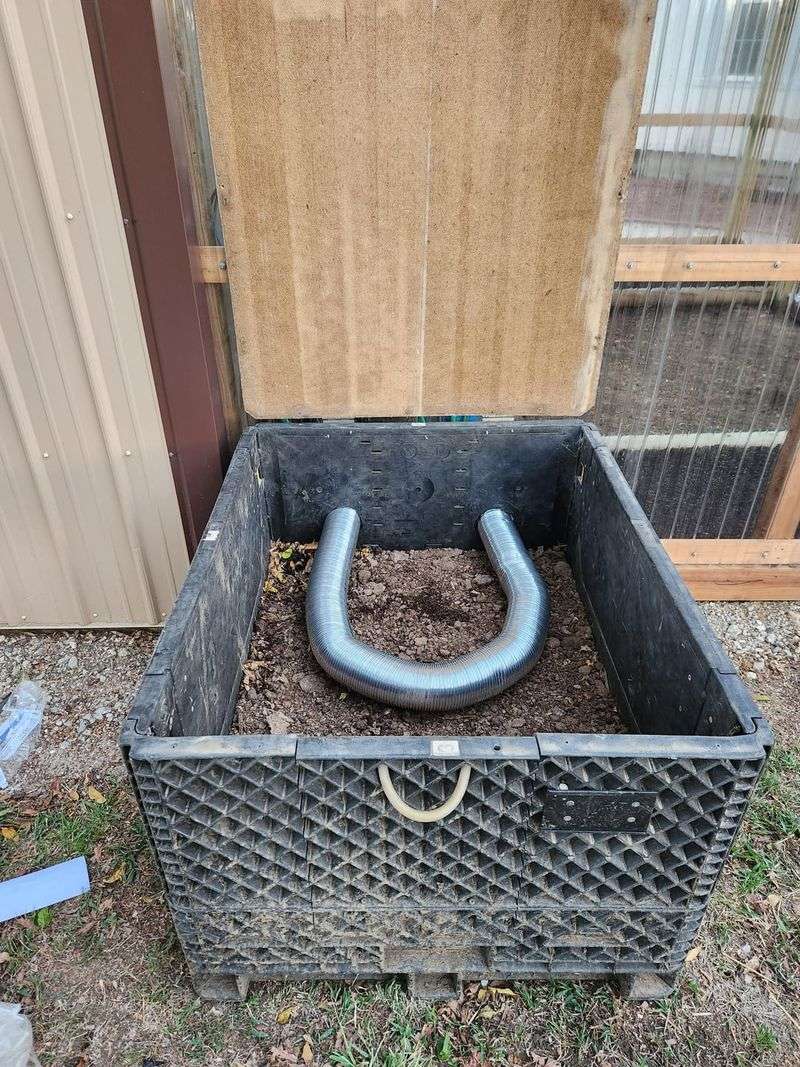
Nature provides its own heating system through the decomposition process.
When organic materials break down, they generate significant warmth that can heat a greenhouse naturally.
A well-maintained compost pile or bin placed inside your growing space acts like a living furnace, producing heat for weeks or even months.
Fresh materials like grass clippings, vegetable scraps, and manure work best because they decompose quickly.
You’ll need a pile at least three feet cubed to generate meaningful heat.
Turn it occasionally to keep decomposition active and temperatures high.
The pile can reach internal temperatures of 130 to 160 degrees Fahrenheit, radiating warmth into the surrounding air.
This method not only heats your greenhouse but also creates rich soil for spring planting.
Your Minnesota Garden Changes Every Week. Your Plan Should Too.
Gardening in Minnesota changes quickly throughout the season. Every Friday you’ll receive a simple weekly plan showing exactly what to plant, prune, fertilize, harvest, and protect so you never miss the right timing.
Just monitor moisture levels since composting requires the right balance of wet and dry materials.
Some Minnesota gardeners build insulated compost bins specifically designed to maximize heat output.
The bonus is that you’re recycling kitchen and yard waste while keeping your plants warm all winter long.
Solar Air Heaters
Harnessing Minnesota’s winter sunshine can dramatically reduce heating costs, even on cloudy days.
Solar air heaters capture sunlight and convert it into warm air that circulates through your greenhouse.
You can build one yourself using recycled materials like aluminum cans painted black, or purchase ready-made units designed for greenhouses.
These devices work by drawing cool air from the bottom, heating it as it passes through dark-colored materials, then releasing warm air at the top.
No electricity required during operation, making them truly free heat once installed.
Mount them on south-facing walls where they’ll receive maximum sun exposure throughout the day.
Even during Minnesota’s short winter days, solar air heaters can raise greenhouse temperatures by ten to twenty degrees.
They’re especially effective on sunny mornings when you need to warm things up quickly.
The initial investment is modest compared to electric heaters, and there are no ongoing energy costs.
Many gardeners combine solar heaters with other methods for comprehensive temperature control throughout the harsh winter months.
Double-Layer Glazing
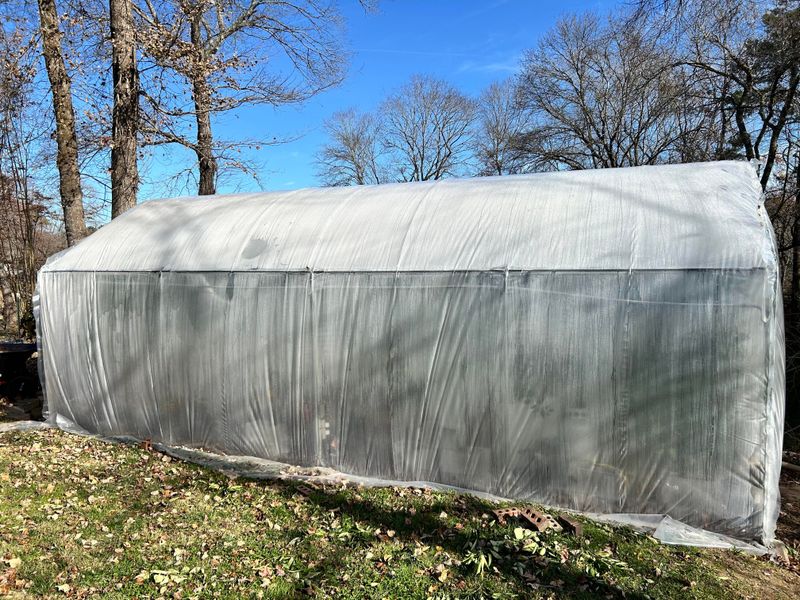
Adding a second layer of covering to your greenhouse creates an insulating air pocket that dramatically reduces heat loss.
Whether you use polycarbonate panels, plastic film, or glass, that trapped air layer acts like a thermal blanket.
Minnesota gardeners who upgrade to double glazing often cut their heating bills in half.
Polycarbonate sheets are popular because they’re lightweight, durable, and provide excellent insulation.
Twin-wall or triple-wall versions offer even better protection against freezing temperatures.
If you have an older single-layer greenhouse, you can retrofit it by adding an inner layer of plastic stretched tightly across the frame.
The gap between layers should be at least one inch but not more than four inches for optimal insulation.
Make sure both layers are sealed properly to prevent moisture buildup, which can reduce light transmission and promote mold growth.
While double glazing reduces light slightly compared to single layers, the energy savings more than compensate.
Your plants stay warmer with less supplemental heating, and you’ll notice the difference immediately during cold snaps when temperatures plummet overnight.
Ground Insulation And Skirting
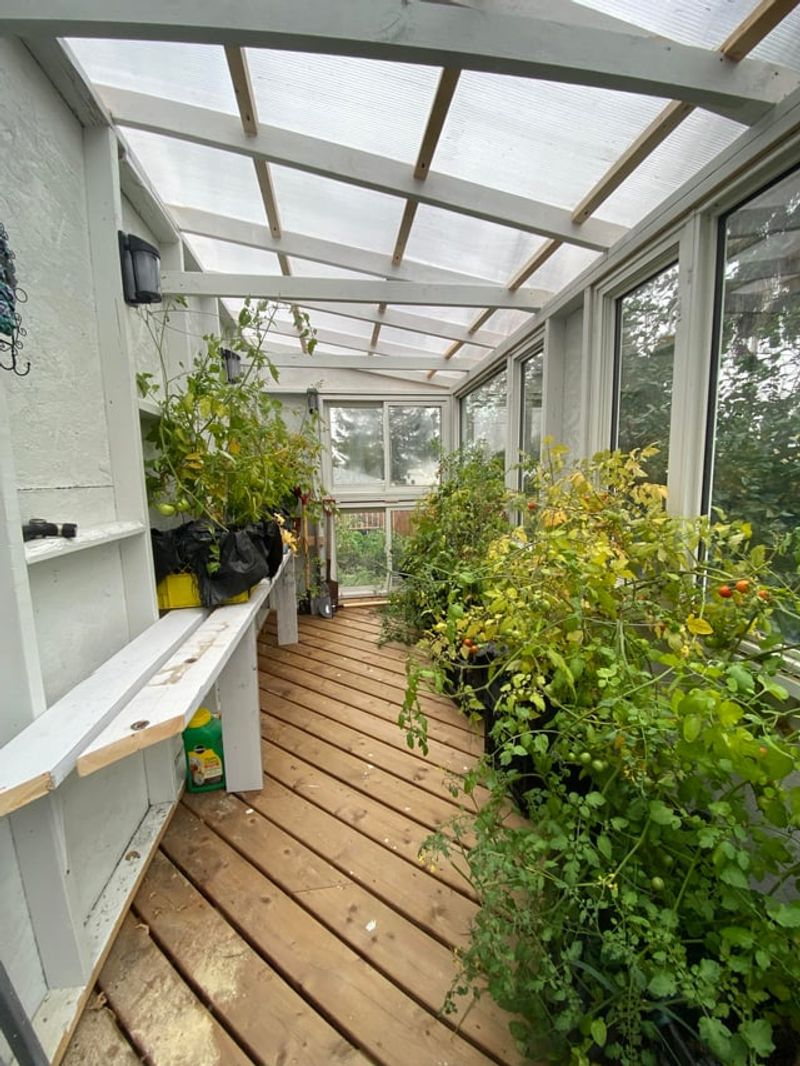
Heat escapes through the ground faster than most people realize, especially when soil temperatures drop during Minnesota winters.
Installing insulation around your greenhouse foundation prevents this underground heat loss.
Foam boards, straw bales, or even piled snow can create an effective thermal barrier around the perimeter.
Dig a shallow trench around the outside of your greenhouse and insert rigid foam insulation panels vertically.
Extend them at least two feet below ground level where frost penetration occurs.
Cover the exposed tops with soil or mulch to protect them from UV damage and weather.
Inside the greenhouse, you can also insulate the floor with a thick layer of mulch, cardboard, or landscape fabric.
This prevents cold from radiating upward into your growing space.
Some gardeners build raised beds with insulated sides for extra protection.
The combination of exterior skirting and interior floor insulation can make a surprising difference in overnight temperatures.
Your heating system won’t have to work as hard, and plants near ground level will stay healthier throughout the winter months when every degree matters.
Automatic Vent Management
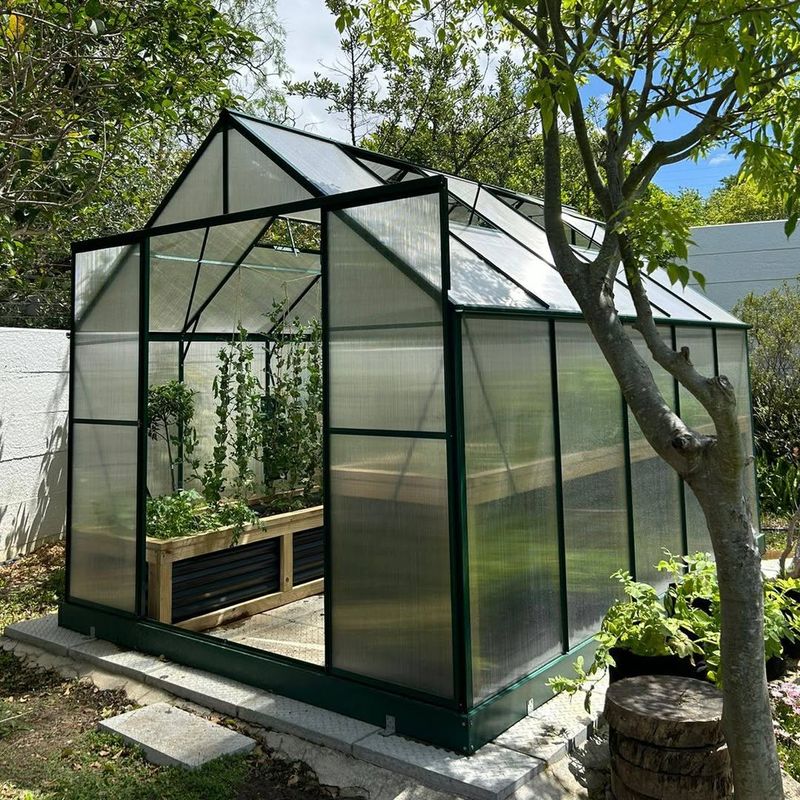
Controlling ventilation might seem counterintuitive when trying to stay warm, but proper air management prevents heat waste.
Automatic vent openers close your greenhouse when temperatures drop and open them when it gets too warm, eliminating the need for constant monitoring.
These devices use temperature-sensitive wax or hydraulic cylinders that expand and contract without electricity.
During sunny Minnesota winter days, greenhouses can overheat quickly even when it’s freezing outside.
If vents stay open too long after sunset, all that accumulated warmth escapes rapidly.
Automatic systems respond instantly to temperature changes, capturing heat when you need it and releasing excess warmth only when necessary.
Install them on roof vents and side windows for complete climate control.
Set the opening temperature slightly higher in winter than you would during summer months.
This keeps your greenhouse sealed tight during cold nights while preventing dangerous overheating on bright days.
The investment pays for itself through reduced heating costs and healthier plants.
You won’t waste energy heating air that immediately escapes through forgotten open vents, and your plants enjoy more stable growing conditions year-round.
Reflective North Wall
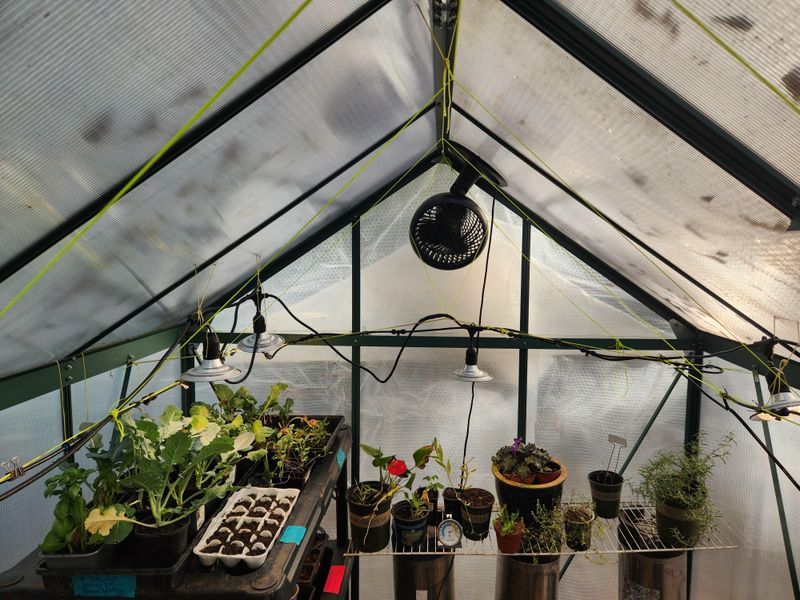
Minnesota greenhouses receive most of their sunlight from the south, making the north wall an ideal spot for heat-saving modifications.
Covering this wall with reflective material serves two purposes: it bounces light back onto your plants and provides extra insulation against cold northern winds.
Aluminum foil, reflective bubble wrap, or white-painted boards all work effectively.
Reflected light means your plants receive more energy without additional heat lamps, reducing electricity costs.
The insulating layer behind the reflective surface prevents heat from escaping through what’s typically the coldest wall.
You can attach reflective materials directly to the existing wall or build an insulated panel system.
Some gardeners use rigid foam insulation boards covered with aluminum foil for maximum benefit.
Others paint the north wall bright white, which reflects about eighty percent of available light.
Either approach significantly improves heat retention during long winter nights.
This modification works especially well when combined with thermal mass barrels positioned along the same wall.
The barrels absorb reflected light during the day, then radiate stored heat back into the greenhouse after dark, creating an efficient heating cycle.
Cold Frames Within Greenhouse
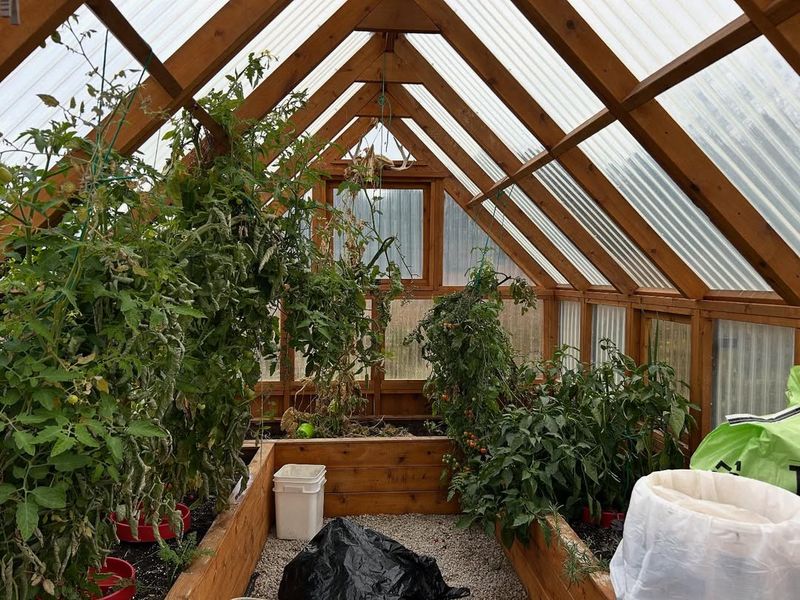
Creating a greenhouse within your greenhouse might sound excessive, but this layered approach provides extra protection for tender plants during extreme cold.
Small cold frames placed inside your main structure create additional insulation zones where temperatures stay several degrees warmer.
You’re essentially building micro-climates for your most vulnerable seedlings and starts.
Use old windows, clear plastic bins, or build simple wooden frames covered with clear material.
Position them in the warmest spots, typically along the south wall where they’ll capture maximum sunlight.
At night, you can even throw blankets over them for additional insulation without affecting the entire greenhouse.
This strategy lets you grow more delicate plants without heating the entire space to tropical temperatures.
Focus your warming efforts on smaller areas where they’re actually needed.
The rest of the greenhouse can stay cooler for cold-hardy crops like lettuce, spinach, and kale.
Minnesota gardeners use this technique to start seeds earlier in spring and extend fall harvests later into winter.
The energy savings add up quickly since you’re heating cubic feet instead of cubic yards of space.
Windbreak Placement And Design
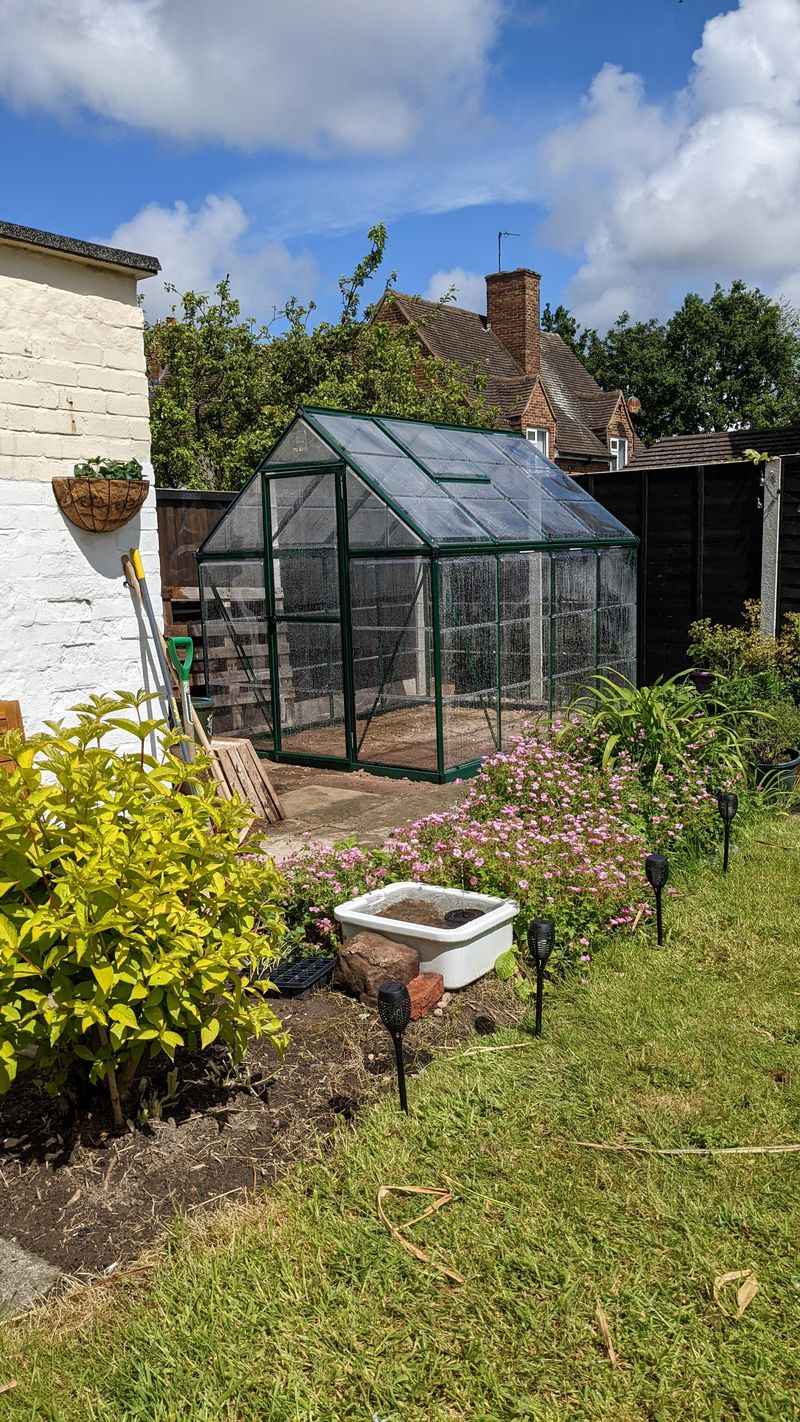
Wind chill affects greenhouses just like it affects people, stealing heat through every crack and gap.
Strategic windbreaks planted or built on the north and west sides block Minnesota’s harsh winter winds, reducing heat loss dramatically.
Evergreen trees, solid fences, or even stacked hay bales create effective barriers that calm the air around your greenhouse.
Wind speeds decrease significantly within a zone extending ten times the height of your windbreak.
If your barrier is six feet tall, it protects an area up to sixty feet downwind.
This sheltered zone experiences less temperature fluctuation and reduced heating demands.
Plant dense evergreens like spruce or pine in rows about ten to fifteen feet from your greenhouse.
If you need immediate protection, temporary structures work until trees mature.
Just make sure windbreaks don’t shade your greenhouse during critical midday hours when solar gain is highest.
The right windbreak can reduce heating costs by twenty to thirty percent while also preventing snow from drifting against greenhouse walls.
Many Minnesota gardeners consider windbreaks their best long-term investment for year-round greenhouse operation and climate control.
Proper Crop Selection And Zoning
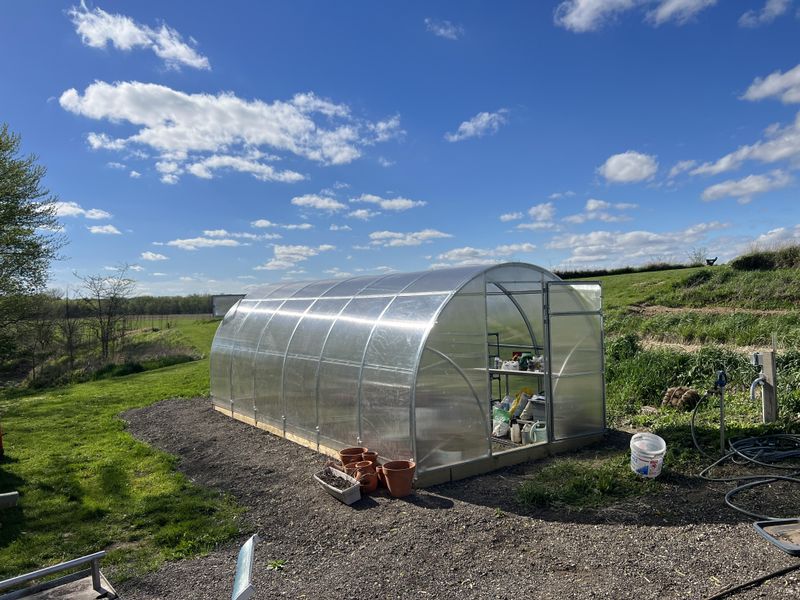
Growing the right plants in the right places might be the smartest energy-saving strategy of all.
Cold-hardy vegetables like spinach, kale, and lettuce thrive in cooler greenhouse zones, while heat-loving tomatoes and peppers need warmer spots.
Arranging plants according to their temperature needs means you don’t have to heat the entire greenhouse to the highest temperature.
Place cold-tolerant crops along outer edges and near doors where temperatures fluctuate most.
Position tender plants in the center or near heat sources where warmth concentrates.
This zoning approach lets different plants thrive in their ideal conditions without wasting energy overheating hardy varieties.
Many Minnesota gardeners focus exclusively on cold-season crops during winter months, eliminating the need for expensive heating altogether.
Vegetables like mache, claytonia, and Asian greens actually prefer cooler temperatures and taste better when grown in unheated or minimally heated greenhouses.
By matching your crop selection to Minnesota’s winter reality, you can harvest fresh vegetables all season while keeping energy bills reasonable.
Sometimes the best solution isn’t fighting the cold but working with it by choosing plants that naturally tolerate lower temperatures.