The Top Plant-Filled Walking Trails To Explore In Colorado This December
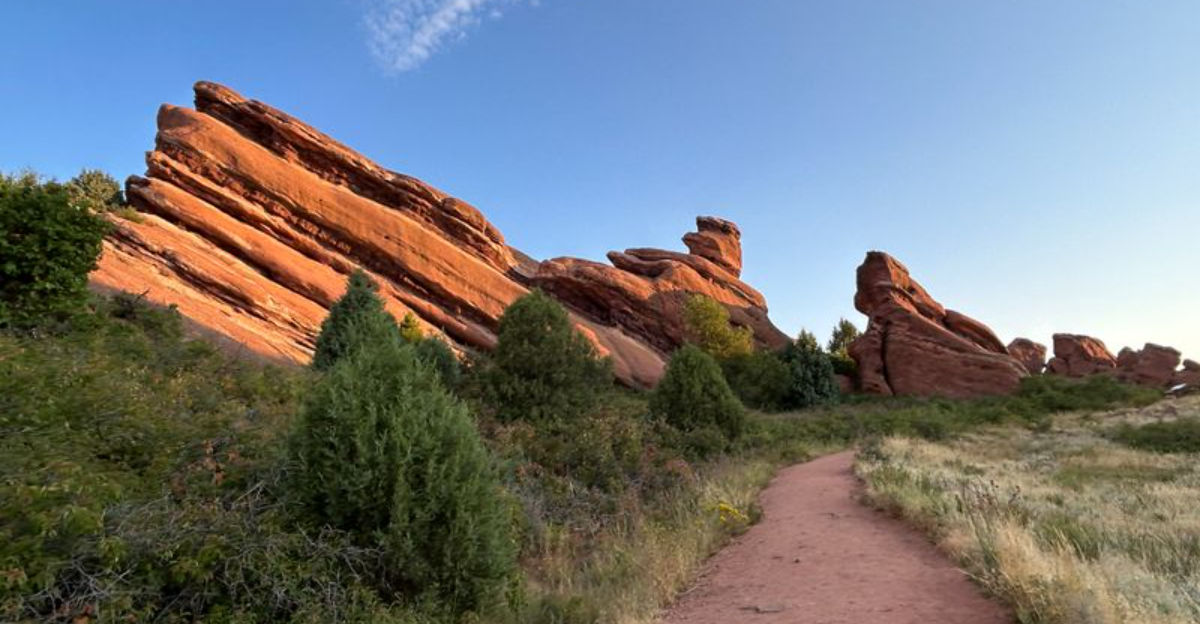
Colorado’s plant-filled trails in December always surprise me, because the quiet paths still hold pockets of color and life.
I love how the chilly air makes every little detail feel sharper and more alive.
There’s always one trail that ends up becoming the highlight of the whole month.
1. Garden of the Gods Loop Trail
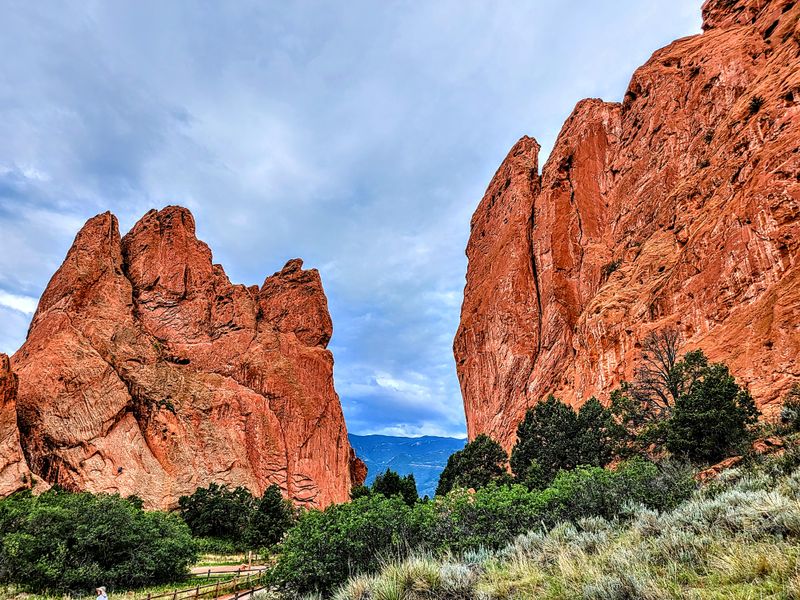
Garden of the Gods in Colorado Springs offers one of the most photographed trail experiences in the entire state during December.
Towering red rock formations create dramatic backdrops while ponderosa pines and juniper trees add splashes of green throughout the landscape around 1805 North 30th Street.
The loop spans roughly two and a half miles with paved sections making it accessible for families and beginner hikers exploring Colorado this month.
Yucca plants and mountain mahogany bushes dot the terrain, showing how desert vegetation survives cold weather with remarkable adaptations.
Visitors often spot mule deer browsing on shrubs near the pathway during quieter morning hours in this Colorado treasure.
The trail remains mostly snow-free due to lower elevation and southern exposure, perfect for December walks without heavy winter gear.
Interpretive signs along the route teach about geological history and native plant species that call this unique ecosystem home.
Parking fills quickly on weekends, so arriving early ensures a peaceful experience among the stunning rock formations and plant life.
2. Chautauqua Trail to Royal Arch
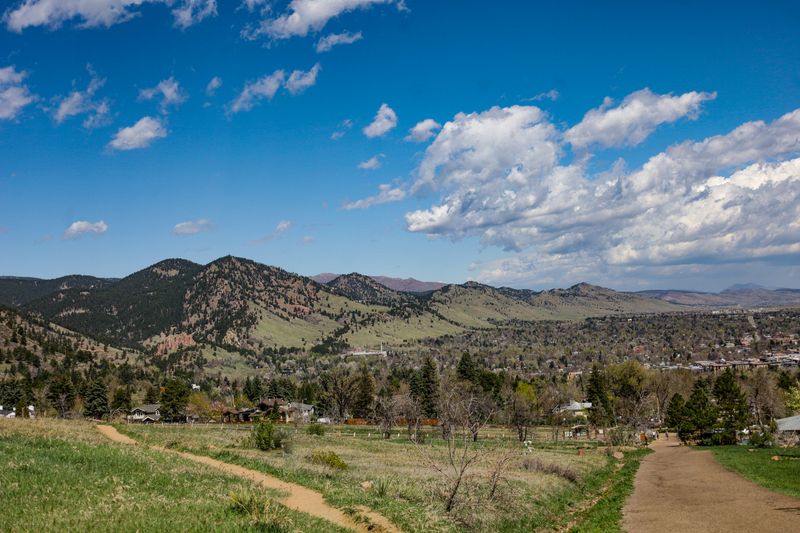
Starting near 900 Baseline Road in Boulder, this trail climbs through dense forests where Douglas fir and ponderosa pine create a fragrant canopy overhead.
The three-mile round trip gains significant elevation but rewards hikers with incredible views and diverse plant communities thriving in Colorado mountain conditions.
December hikers should wear traction devices since shaded sections often hold ice, but sunny spots reveal golden grasses and hardy shrubs.
Mountain mahogany and kinnikinnick groundcover cling to rocky slopes, demonstrating how plants anchor themselves in challenging terrain throughout winter months.
Wildlife tracks in occasional snow patches tell stories of animals moving through the forest seeking food among the vegetation.
The Royal Arch itself frames stunning views of Boulder and the plains beyond, making the climb worthwhile for adventurers visiting Colorado.
Limber pines twist into artistic shapes near the arch, shaped by decades of wind and weather in this exposed location.
Bringing layers and water ensures comfort while exploring this beautiful Boulder trail that showcases Colorado vegetation at its finest.
3. Bear Creek Trail
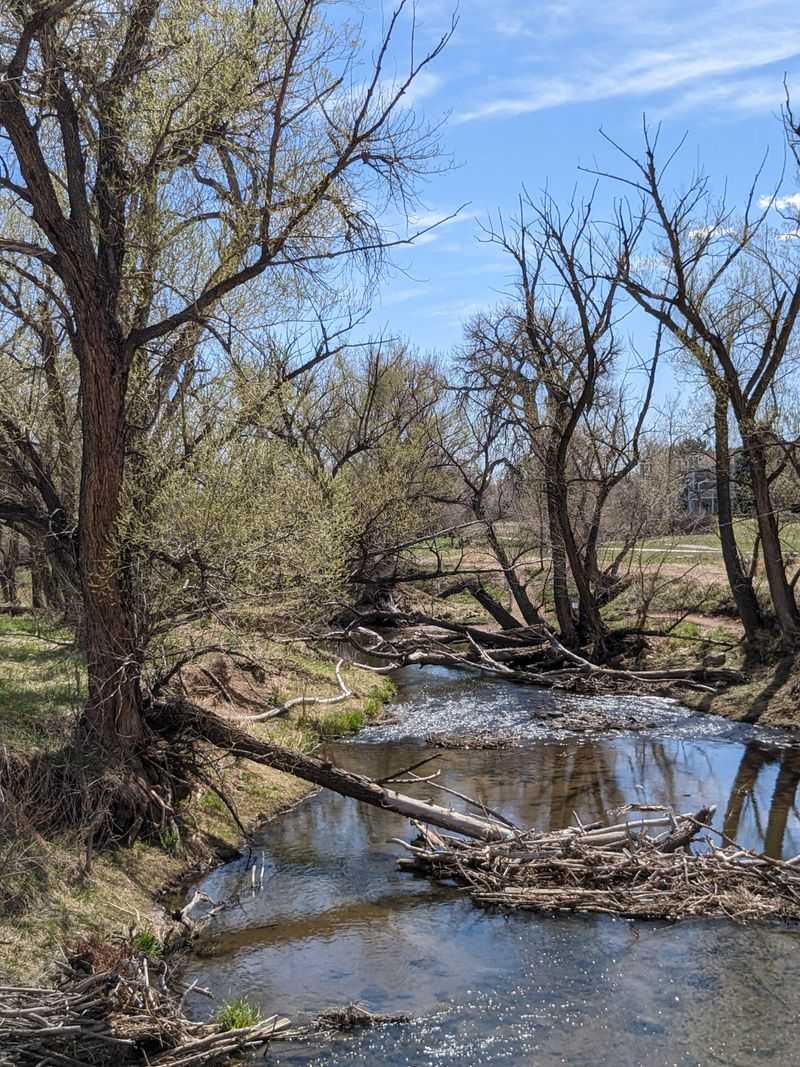
Following Bear Creek through Colorado Springs near 2102 West Cheyenne Road, this trail offers gentle terrain perfect for December strolls among riparian vegetation.
Cottonwood trees line the waterway, their bare branches creating intricate patterns against blue winter skies while evergreens provide consistent color.
The creek itself rarely freezes completely, allowing hikers to enjoy the soothing sounds of flowing water throughout their Colorado adventure.
Willows and shrubs along the banks provide shelter for birds and small mammals that remain active during winter months in this area.
The trail extends for several miles with multiple access points, letting visitors choose shorter or longer walks depending on time and energy.
Your Colorado Garden Changes Every Week. Your Plan Should Too.
Gardening in Colorado changes quickly throughout the season. Every Friday you’ll receive a simple weekly plan showing exactly what to plant, prune, fertilize, harvest, and protect so you never miss the right timing.
December temperatures in Colorado Springs can be surprisingly mild, making this trail accessible without extreme cold-weather preparations on many days.
Native grasses bend gracefully in winter breezes, their golden hues contrasting beautifully with the darker tones of wet rocks and tree bark.
Families appreciate the relatively flat terrain and natural beauty that makes Bear Creek Trail a favorite spot for outdoor time together.
4. South Boulder Creek Trail
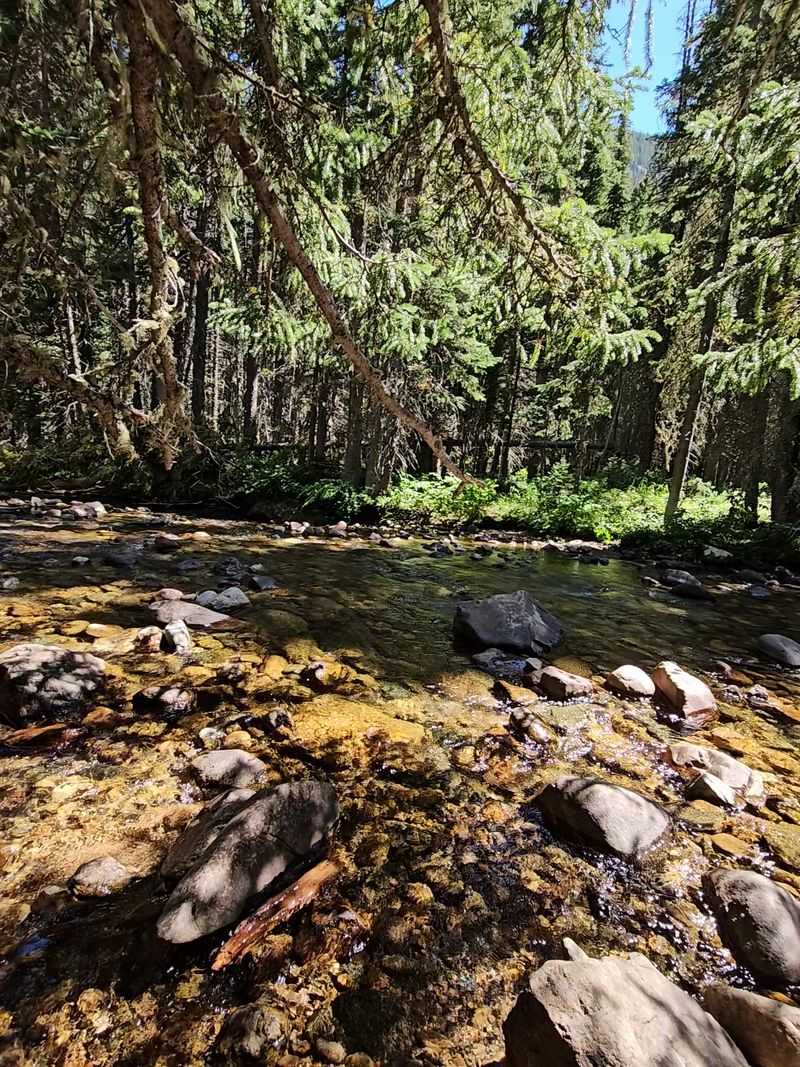
Located near Baseline Road and Cherryvale Road in Boulder, this trail follows the creek through a mix of open meadows and tree-lined sections.
December brings a peaceful quality to this Colorado path where dormant grasses and bare deciduous trees reveal the landscape structure more clearly.
Blue spruce and pine trees provide year-round greenery along certain stretches, creating visual interest even when other plants have shed their leaves.
The relatively flat terrain makes this trail ideal for leisurely walks where you can focus on observing winter plant adaptations in Colorado ecosystems.
Interpretive areas along the route explain how riparian zones support diverse plant communities that depend on creek water throughout all seasons.
Dog walkers and joggers share the path with nature observers, creating a friendly community atmosphere on this popular Boulder trail.
Cattails and rushes near the water stand dried and brown in December, providing seeds for birds that overwinter in Colorado.
Sunset walks along South Boulder Creek offer spectacular views with the Rocky Mountains glowing pink and orange behind the vegetation.
5. Red Rocks Trail
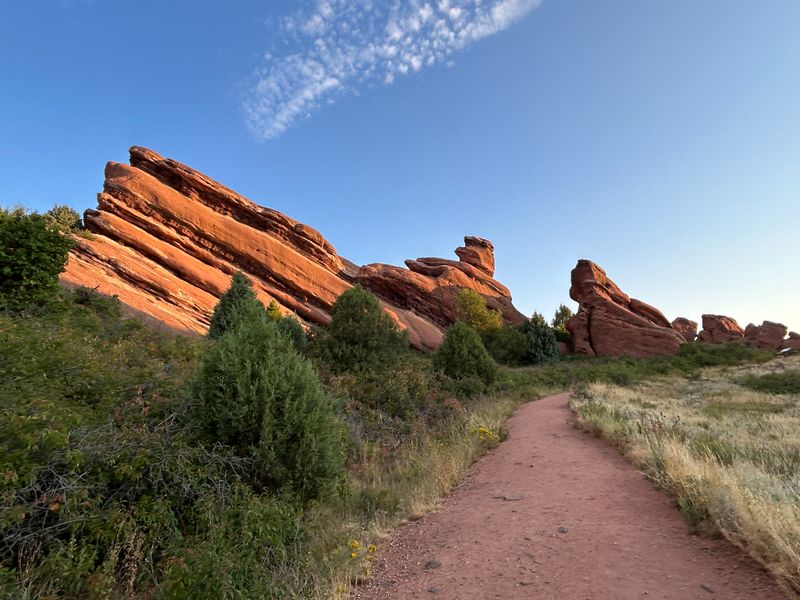
Just west of Denver near 18300 West Alameda Parkway in Morrison, Red Rocks Park features trails winding through geology and botany wonderlands.
Scrub oak covers hillsides in shades of brown and rust during December, having dropped most leaves but maintaining structure throughout Colorado winters.
Mountain mahogany and three-leaf sumac add texture to the rocky landscape, their branches creating intricate patterns against the famous red formations.
Several trail options let visitors choose difficulty levels while enjoying plant diversity that adapts to the unique microclimate created by rock formations.
Yucca plants remain green year-round, their spiky leaves providing visual contrast to the softer textures of dormant grasses surrounding them.
The Trading Post Trail offers a shorter option perfect for families wanting to experience Red Rocks beauty without strenuous climbing in Colorado.
December conditions are generally favorable with less crowding than summer months, allowing peaceful observation of how plants survive winter here.
Elevation changes on these trails create different plant zones, teaching hikers about ecological diversity within a relatively small Colorado area.
6. Roxborough State Park Fountain Valley Trail
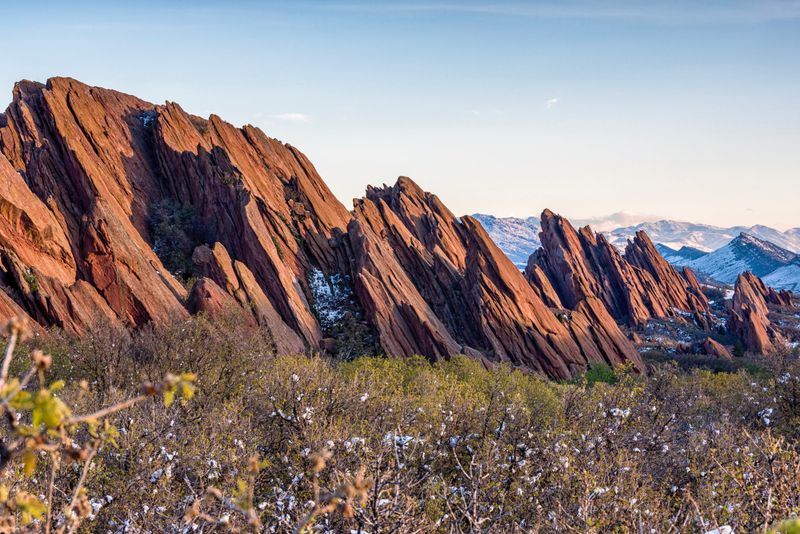
Roxborough State Park near 4751 Roxborough Drive in Littleton showcases spectacular geology alongside fascinating plant communities adapted to Colorado Front Range conditions.
The Fountain Valley Trail loops through dramatic tilted rock formations where Gambel oak and mountain mahogany cling to steep slopes year-round.
December transforms the scrub oak into bronze sculptures, their twisted forms creating natural art installations throughout the Colorado landscape.
This two-and-a-quarter-mile loop provides moderate exercise while offering numerous spots to pause and observe winter plant survival strategies up close.
Prickly pear cacti dot sunny exposures, their pads looking deflated in cold weather but ready to plump up again when spring returns.
The park limits daily visitors, so reservations ensure entry to this special Colorado location where geology and botany intersect beautifully.
Interpretive signs explain how different plant species occupy specific niches based on sun exposure, moisture, and soil conditions in this ecosystem.
Wildlife sightings are common in December when deer and bighorn sheep move to lower elevations, browsing on vegetation along the trail.
7. Lair O’ The Bear Park Trail
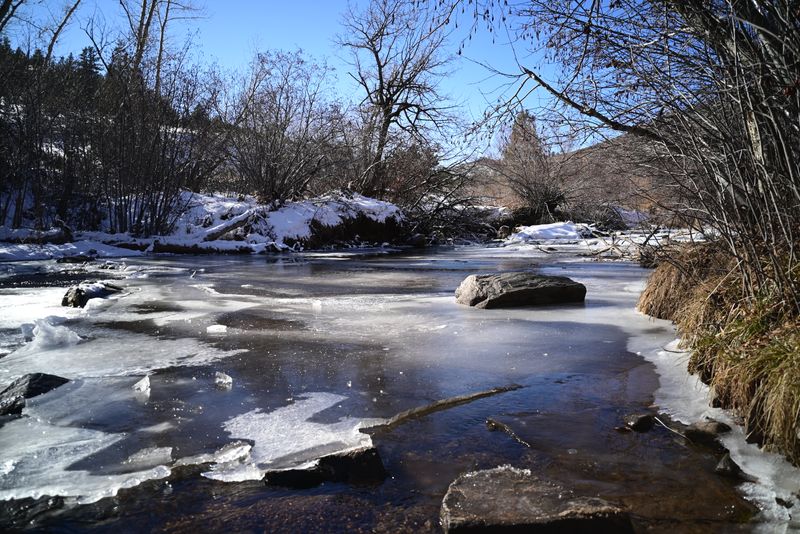
Nestled in the foothills near 27396 Highway 74 in Idledale, this Jefferson County park offers lush riparian habitat along Bear Creek.
Ponderosa pines tower overhead while Douglas fir fills in the understory, creating layered forest structure visible throughout Colorado winters when deciduous leaves fall.
The creek provides constant moisture that supports willows, alders, and other water-loving plants even during December cold snaps in this region.
Multiple trail options ranging from easy to moderate let visitors customize their experience while exploring diverse plant communities in this Colorado gem.
Kinnikinnick groundcover remains green under the trees, its small leaves and red berries adding color to the winter forest floor.
December weekdays offer solitude for those seeking quiet contemplation among the tall trees and flowing water of this peaceful location.
The park prohibits bikes on certain trails, preserving tranquility for walkers wanting to observe plants and wildlife without distraction in Colorado.
Moss and lichen on tree bark become more noticeable in winter, revealing the complex communities that thrive in these moist conditions.
8. Mount Falcon Park Castle Trail
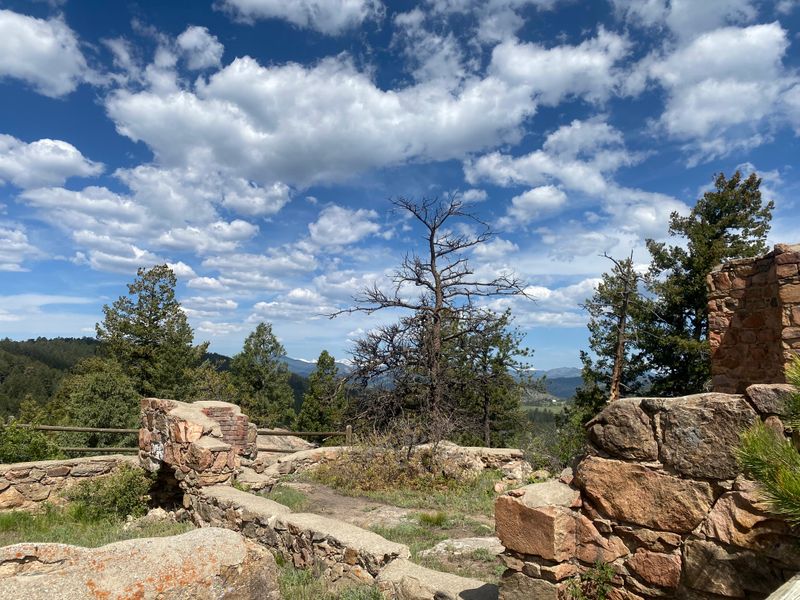
Mount Falcon Park near 5942 Vine Avenue in Morrison provides panoramic views and interesting history along trails through ponderosa pine forests.
The Castle Trail leads to ruins of John Brisben Walker’s summer home, where vegetation now reclaims the stone foundations in Colorado mountains.
Ponderosa pines dominate the landscape, their long needles carpeting the trail and releasing distinctive vanilla scent when warmed by December sunshine.
Mountain mahogany and serviceberry shrubs line the path, their bare branches revealing structural beauty often hidden beneath summer foliage in Colorado.
The moderate climb rewards hikers with views stretching from Denver to the Continental Divide, showcasing the massive scale of plant communities below.
December conditions can include snow at this elevation, but south-facing slopes often remain clear enough for hiking with proper footwear preparation.
Interpretive signs at the castle ruins explain both human history and natural succession as plants gradually reclaim disturbed areas over time.
Wildlife tracks in snow tell stories of coyotes, deer, and smaller creatures navigating through the Colorado forest seeking food and shelter.
9. White Ranch Park Belcher Hill Trail
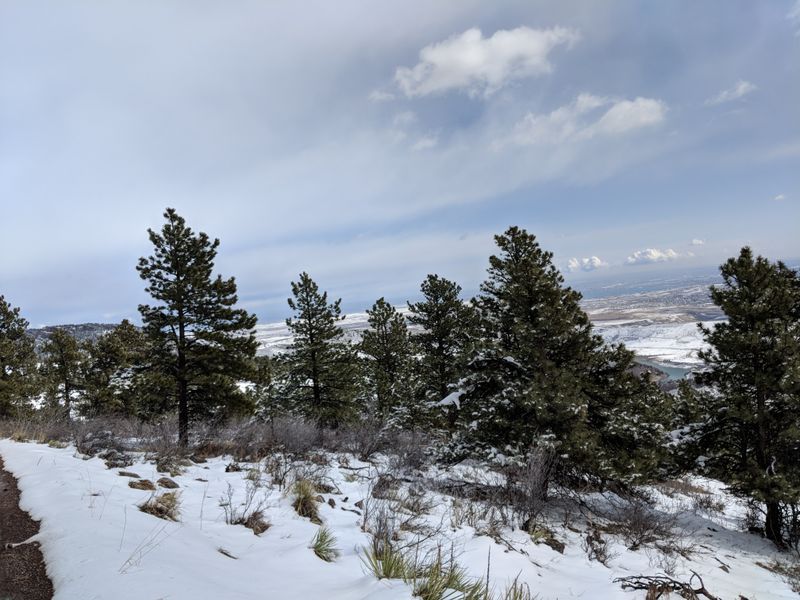
White Ranch Park near 18301 West 53rd Drive in Golden offers expansive meadows and forested sections showcasing plant diversity across Colorado ecosystems.
The Belcher Hill Trail climbs through grasslands where December winds bend dried stalks into waves of gold and amber across the landscape.
Scattered ponderosa pines dot the hillsides, their presence indicating where soil depth and moisture support tree growth in this Colorado environment.
The trail gains elevation steadily, providing cardiovascular exercise while allowing frequent stops to catch breath and observe surrounding plant communities below.
Mountain mahogany thrives on rocky outcrops, its small twisted leaves remaining on branches through winter unlike many other Colorado shrubs.
Views from higher elevations reveal how vegetation patterns change with aspect and elevation, creating a patchwork of different plant zones.
December typically brings crisp clear air that makes distant peaks visible, enhancing the sense of being immersed in Colorado wilderness.
The park sees fewer visitors in winter, offering solitude for those willing to venture out in cooler temperatures to experience nature.
10. Waterton Canyon Trail
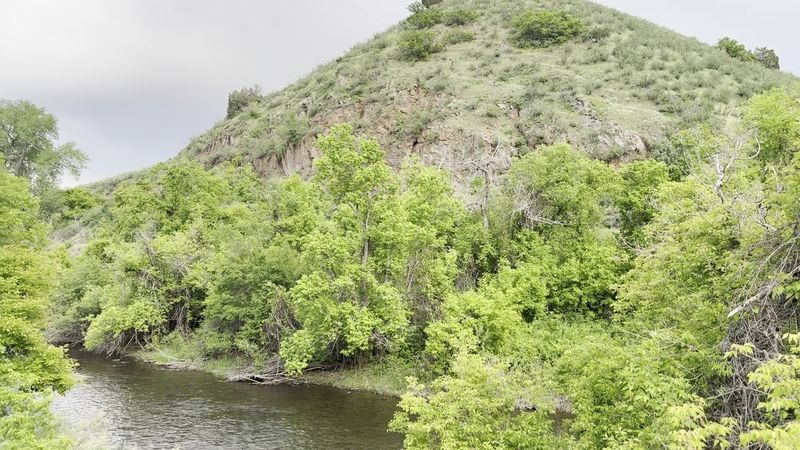
Starting near 6911 South Wadsworth Boulevard in Littleton, Waterton Canyon follows the South Platte River through a scenic corridor rich with plant life.
The wide gravel trail welcomes walkers and cyclists along the river where cottonwoods and willows line the banks throughout the Colorado canyon.
December brings opportunities to see bighorn sheep that descend from higher elevations to graze on vegetation near the water in this area.
Douglas fir and ponderosa pine cover the canyon walls, their evergreen presence contrasting with bare deciduous trees along the river bottom.
The relatively gentle grade makes this trail accessible for various fitness levels wanting to experience Colorado nature without extreme difficulty.
Six miles of trail extend into the canyon before reaching the Colorado Trail terminus, but shorter out-and-back walks work perfectly too.
Grasses and shrubs along the route provide food and shelter for wildlife that remain active throughout winter months in Colorado canyons.
The sound of flowing water accompanies hikers throughout their journey, creating a meditative atmosphere perfect for stress relief and natural connection.