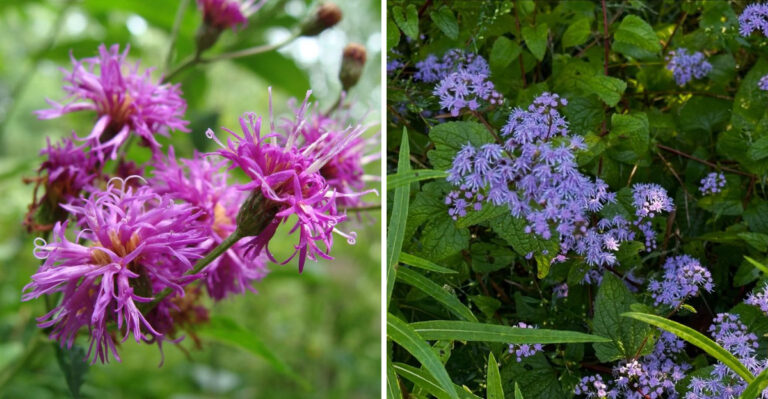
North Carolina’s Most Peaceful Nature Retreats For Plant Lovers
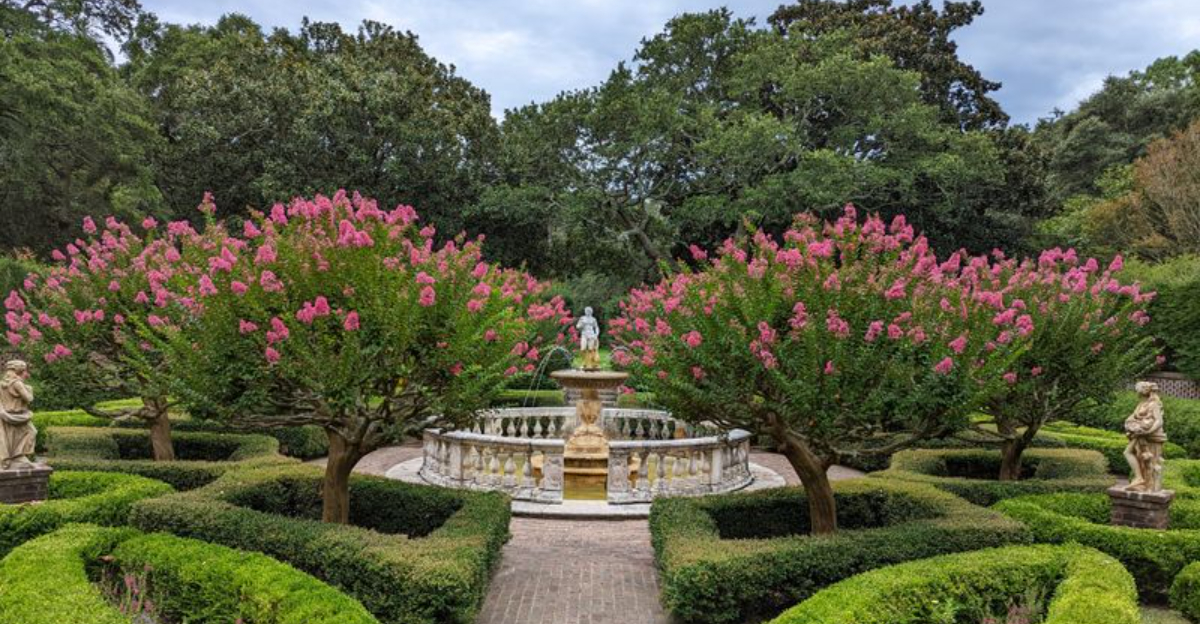
North Carolina’s peaceful nature retreats feel like little pockets of calm that settle your mind the moment you arrive.
Each retreat surrounds plant lovers with soft green pathways that steady your thoughts and create a quiet sense of ease.
The gentle mix of forests and open views forms a calming rhythm that carries you forward in the most peaceful way possible.
I always notice how the quiet air and warm sunlight blend together to make every small detail feel soothing and memorable.
There’s always one peaceful retreat that lingers with you afterward, giving the whole day a softer and more comforting glow.
1. North Carolina Botanical Garden
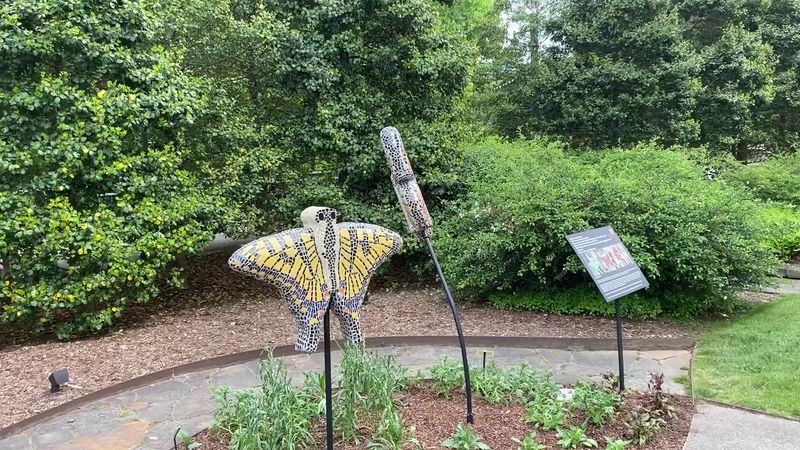
Walking through this living museum feels like stepping into a celebration of North Carolina’s incredible plant heritage and natural beauty.
Located at 100 Old Mason Farm Road in Chapel Hill, this botanical garden spans over 1,000 acres of preserved natural areas and cultivated gardens.
Visitors can explore themed gardens showcasing native plants from mountains, piedmont, and coastal regions all in one peaceful location throughout the year.
The Coastal Plain Habitat Garden features carnivorous plants like Venus flytraps and pitcher plants that naturally grow in North Carolina’s unique ecosystems.
Educational programs and guided walks help guests learn about plant conservation, sustainable gardening practices, and the importance of preserving native species for future generations.
Seasonal blooms ensure something new appears during every visit, from spring wildflowers to fall foliage that paints the landscape in brilliant colors.
Quiet trails wind through forests and meadows, offering peaceful spots for contemplation, nature photography, or simply enjoying the therapeutic presence of plants.
2. Biltmore Estate Gardens

America’s largest privately owned home also boasts some of the most spectacular gardens ever designed, blending European elegance with Appalachian mountain beauty.
Situated at 1 Lodge Street in Asheville, the Biltmore Estate features gardens originally designed by renowned landscape architect Frederick Law Olmsted in the 1890s.
The Walled Garden alone contains four acres of seasonal displays, including thousands of tulips in spring and vibrant chrysanthemums during autumn months.
Azalea Garden bursts with color each spring when hundreds of native and hybrid azaleas bloom beneath towering trees, creating a magical woodland experience.
The Conservatory houses rare tropical plants, orchids, and seasonal displays that showcase horticultural expertise and provide year-round botanical interest for plant enthusiasts.
Rose Garden features hundreds of varieties, from antique roses that would have been familiar to George Vanderbilt to modern hybrids bred for disease resistance.
Exploring these grounds reveals how thoughtful garden design can harmonize with natural landscapes, creating spaces that feel both cultivated and wonderfully wild.
3. Sarah P. Duke Gardens
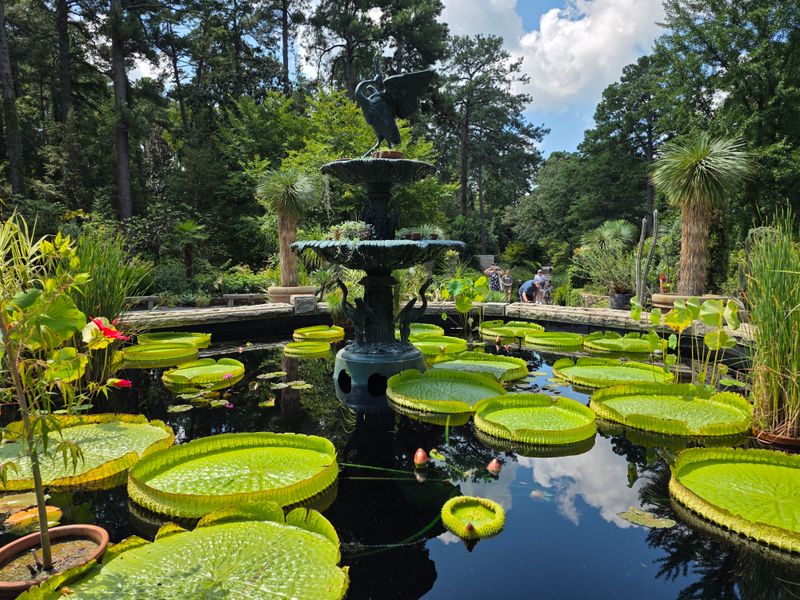
Tucked within Duke University’s campus, these gardens offer 55 acres of beautifully landscaped spaces that change dramatically with each passing season.
Found at 420 Anderson Street in Durham, North Carolina, the gardens feature distinct areas including formal terraces, native plant collections, and Asian-inspired landscapes.
The Historic Gardens showcase classical design with stone terraces, reflecting pools, and meticulously maintained perennial borders that demonstrate timeless horticultural principles and beauty.
Your North Carolina Garden Changes Every Week. Your Plan Should Too.
Gardening in North Carolina changes quickly throughout the season. Every Friday you’ll receive a simple weekly plan showing exactly what to plant, prune, fertilize, harvest, and protect so you never miss the right timing.
Blomquist Garden of Native Plants contains one of the most comprehensive collections of southeastern native species, perfect for learning about regional plant diversity.
Doris Duke Center Gardens blend contemporary design with sustainable practices, featuring rain gardens and plants selected for their ability to thrive in changing climates.
Peaceful pathways invite leisurely strolls past blooming magnolias, vibrant dogwoods, and countless perennials that provide color and interest throughout every month of the year.
Admission remains free, making this destination accessible for anyone in North Carolina seeking botanical inspiration, peaceful reflection, or simply beautiful surroundings.
4. Daniel Stowe Botanical Garden

Spread across 380 acres near Charlotte, this relatively young garden has quickly become a beloved destination for plant lovers throughout North Carolina and beyond.
Located at 6500 South New Hope Road in Belmont, the garden features both cultivated display areas and preserved natural woodlands along Lake Wylie.
The Visitor Pavilion and Conservatory house tropical plants and rotating displays, providing year-round opportunities to experience exotic species regardless of outdoor weather conditions.
Perennial Garden showcases hundreds of varieties arranged in sweeping color-coordinated borders that demonstrate how to create stunning home garden designs with hardy plants.
Canal Garden features formal water features lined with seasonal plantings, offering peaceful spots where visitors can sit and watch butterflies dance among blooming flowers.
Lost Hollow children’s area introduces young plant lovers to gardening through interactive exhibits, teaching the next generation about plant science and environmental stewardship.
Woodland trails provide contrast to formal gardens, showcasing native trees, ferns, and wildflowers that thrive in North Carolina’s piedmont forests without human intervention.
5. Airlie Gardens
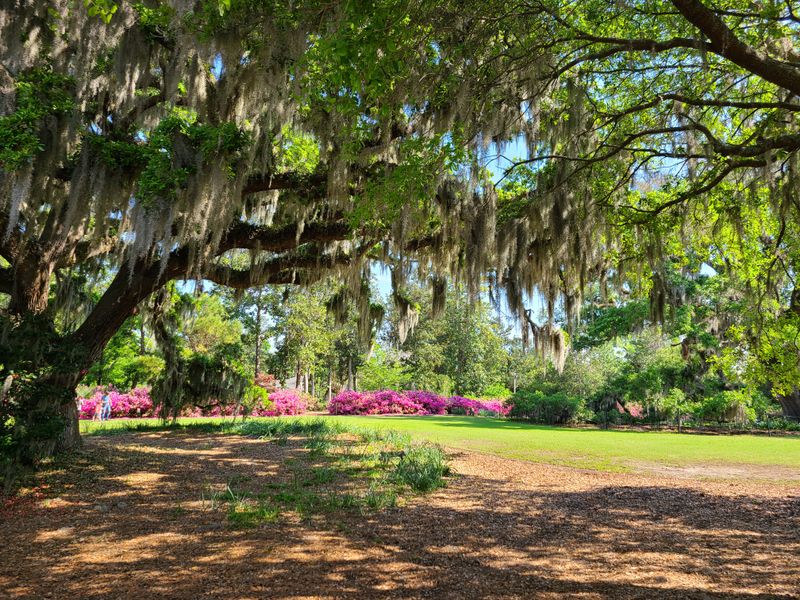
Ancient live oaks draped in Spanish moss create a hauntingly beautiful backdrop for this 67-acre garden near North Carolina’s southeastern coast.
Situated at 300 Airlie Road in Wilmington, these gardens combine formal landscape design with natural coastal ecosystems, creating unique growing conditions for diverse plants.
The Airlie Oak, estimated at over 400 years old, stands as a living monument to the region’s history and serves as the garden’s iconic centerpiece.
Spring brings spectacular azalea blooms in every imaginable shade, transforming the landscape into a vibrant tapestry that attracts photographers and nature lovers alike.
Bottle Chapel, a small structure decorated with colorful glass bottles, adds whimsical charm while the surrounding gardens showcase plants that tolerate coastal conditions beautifully.
Butterfly Garden features plants specifically selected to attract and support pollinators, demonstrating how thoughtful plant selection can support local wildlife populations and ecosystems.
Walking trails wind past freshwater lakes and through maritime forests, offering glimpses of how coastal North Carolina landscapes naturally support remarkable plant diversity.
6. Reynolda Gardens
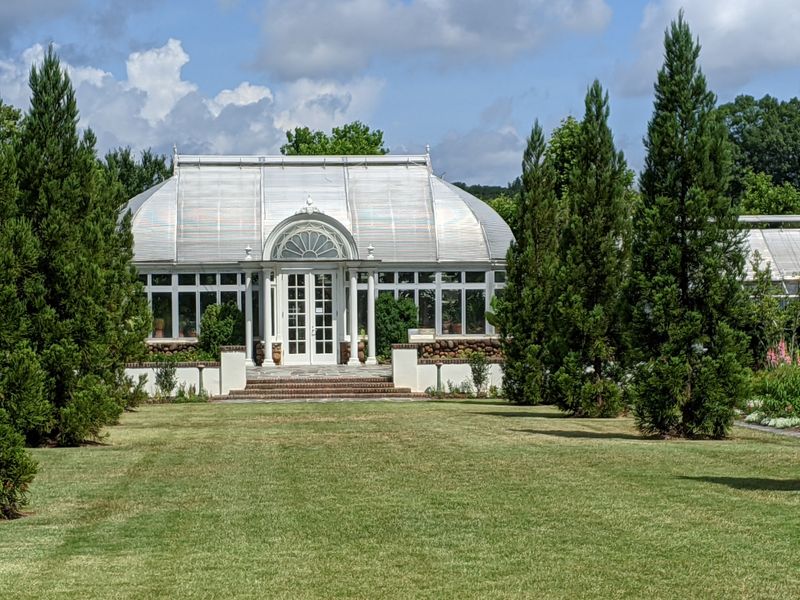
Once part of the Reynolds family estate, these gardens preserve early 20th-century landscape design while adapting to serve modern educational and conservation purposes.
Located at 100 Reynolda Village in Winston-Salem, the gardens feature formal areas surrounding the historic greenhouse alongside naturalistic woodland plantings and meadows.
The greenhouse conservatory contains tropical plants, seasonal displays, and a teaching collection that helps visitors understand plant propagation, care, and the science behind growth.
Formal gardens include rose beds, perennial borders, and carefully pruned shrubs that demonstrate traditional garden design principles still relevant for North Carolina gardeners today.
Vegetable gardens showcase heirloom varieties and sustainable growing practices, connecting visitors to agricultural heritage while demonstrating modern organic gardening techniques and methods.
Woodland trails meander through native forests where spring wildflowers carpet the ground before trees leaf out, creating ephemeral displays that change week by week.
Educational programs throughout the year help plant enthusiasts deepen their knowledge while contributing to conservation efforts protecting North Carolina’s botanical heritage for future generations.
7. Highlands Biological Station

Perched in the southern Appalachian Mountains, this research station offers plant lovers access to some of North Carolina’s most diverse and fascinating botanical ecosystems.
Found at 930 Horse Cove Road in Highlands, the station sits at high elevation where northern and southern plant species overlap, creating exceptional diversity.
Nature Center and Botanical Garden feature native plants from the surrounding mountains, with clear labeling that helps visitors identify species they encounter on trails.
The region’s high rainfall and cool temperatures support unique plant communities, including rare wildflowers, mosses, and ferns that thrive in these misty conditions.
Researchers study everything from rare orchids to carnivorous plants, and public programs allow visitors to learn about ongoing conservation work protecting endangered species.
Hiking trails lead through different forest types, from cove hardwoods to high-elevation spruce-fir forests, each supporting distinct plant communities adapted to specific conditions.
Visiting during different seasons reveals how mountain plants time their life cycles, with spring wildflowers appearing in waves as elevation and temperature gradually change.
8. Elizabethan Gardens
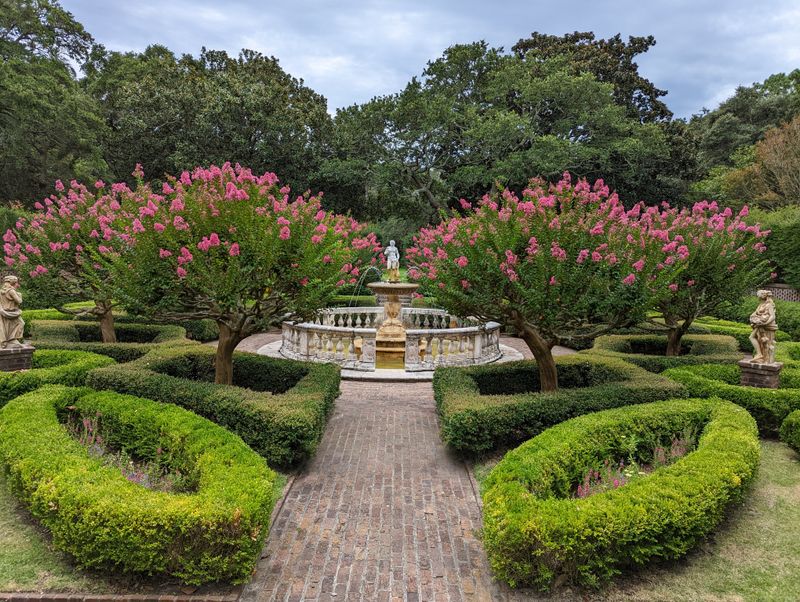
Established as a memorial to English colonists, these gardens on Roanoke Island blend formal English garden design with plants adapted to North Carolina’s coastal environment.
Located at 1411 National Park Drive in Manteo, the gardens offer a unique combination of historical interpretation and horticultural display on the Outer Banks.
Formal gardens feature geometric beds filled with colorful annuals and perennials, maintained in styles reminiscent of 16th-century English estates Queen Elizabeth would recognize.
Ancient live oaks create natural cathedral-like spaces, their massive limbs spreading horizontally to create shaded areas perfect for contemplative walks and peaceful reflection.
The gardens demonstrate which plants thrive in challenging coastal conditions, including salt spray, sandy soil, and strong winds that would stress less adapted species.
Seasonal plantings ensure color throughout the year, from spring bulbs to summer tropicals and fall chrysanthemums that brighten the landscape despite approaching winter.
Visiting this retreat combines botanical interest with historical connection, reminding guests how humans have always sought to create beautiful planted spaces wherever they settle.
9. Pisgah National Forest

Spanning over 500,000 acres, this massive forest preserve offers plant lovers virtually unlimited opportunities to explore North Carolina’s mountain botanical diversity in wild settings.
Accessible from multiple points including Asheville and Brevard areas, the forest contains everything from riverside coves to high-elevation peaks supporting different plant communities.
Spring brings spectacular displays of native rhododendron and mountain laurel, their blooms transforming hillsides into cascades of pink, white, and purple that attract admirers statewide.
Cove hardwood forests contain incredible diversity, with dozens of tree species plus countless wildflowers, ferns, and understory plants creating complex layered ecosystems.
Higher elevations support plants typically found much farther north, remnants from ice ages when cooler climates extended throughout the region before retreating upward.
Hiking trails range from easy nature walks to challenging climbs, each offering different perspectives on how elevation, moisture, and exposure shape plant communities dramatically.
Camping allows extended stays where patient observers can notice subtle changes, from emerging spring ephemerals to the gradual transformation of fall foliage colors.