Why Food Forests Are Replacing Lawns For Washington Families
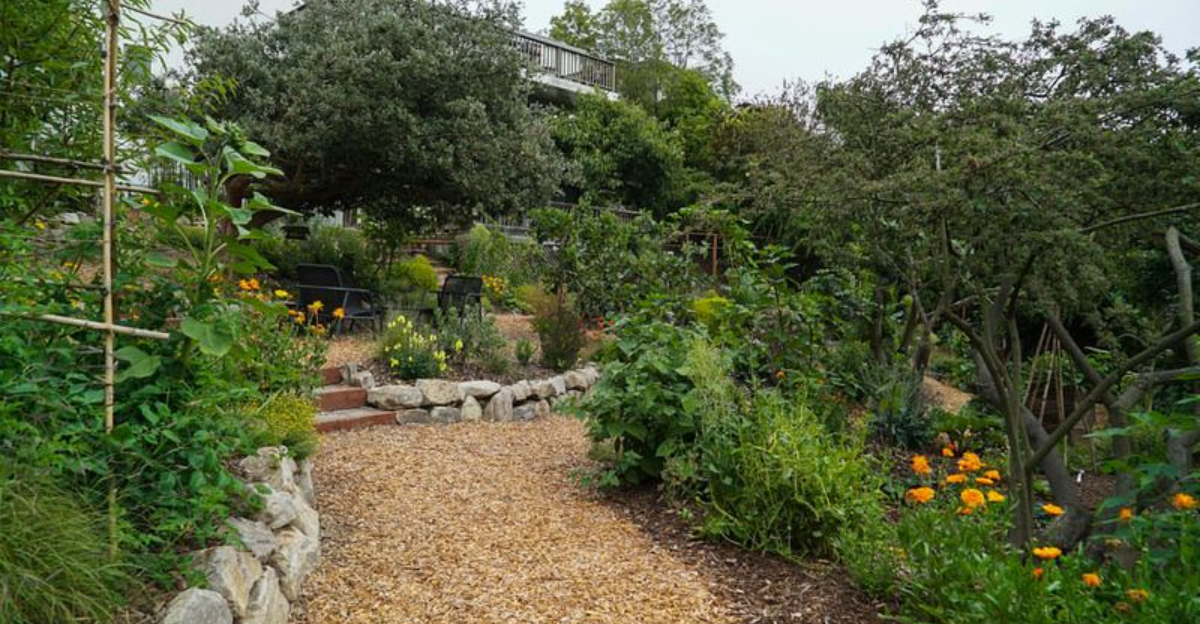
Washington families are trading their traditional grass lawns for something far more exciting and productive.
Food forests are popping up in backyards across the state, transforming ordinary yards into thriving ecosystems that produce fresh fruits, vegetables, and herbs year-round.
More than just a gardening trend, this shift represents a complete rethinking of how we use our outdoor spaces and connect with nature right at home.
Fresh Food Right Outside Your Door
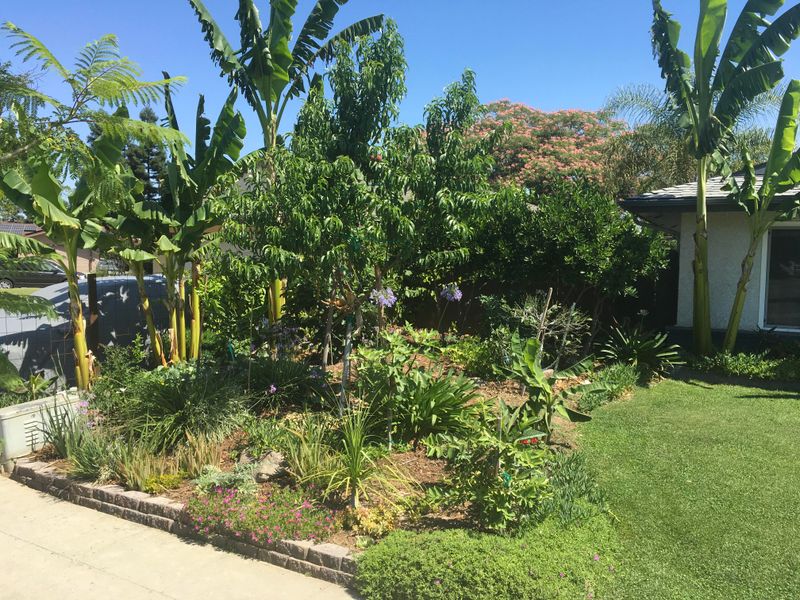
Walking into your backyard and picking breakfast sounds like a dream, but food forests make it reality.
Instead of mowing grass every weekend, families can harvest strawberries, apples, kale, and dozens of other foods without ever leaving home.
Washington’s mild climate makes growing food surprisingly easy once you set up the right system.
Food forests arrange plants in layers, just like natural forests do.
Tall fruit trees provide shade for berry bushes below, while herbs and vegetables fill the ground level.
This smart design means you get more food from less space than traditional gardens.
Kids especially love having snacks growing in the yard.
They learn where food comes from and often try vegetables they would normally refuse at dinner.
Parents save money on groceries while knowing exactly what went into growing their food.
No pesticides, no mystery chemicals, just pure nutrition steps from the kitchen door.
The convenience factor alone converts many families from lawn lovers to food forest enthusiasts.
Slashing Your Water Bill Dramatically
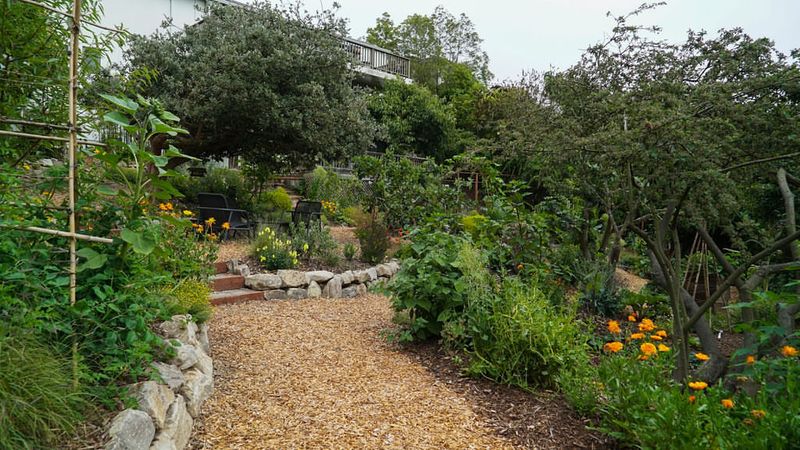
Traditional lawns guzzle water like nothing else in your landscape.
During summer months, keeping grass green can triple your water usage and send bills skyrocketing.
Food forests flip this script entirely by working with nature instead of against it.
Once established, food forests need far less watering than lawns.
Deep mulch layers hold moisture in the soil, while diverse plant roots create natural pathways for water to penetrate deep underground.
Many edible plants native to the Pacific Northwest actually thrive with minimal watering once their roots establish.
Smart food forest designers incorporate rainwater collection systems that capture roof runoff.
This free water irrigates plants during dry spells without touching municipal supplies.
Groundcover plants replace thirsty grass, shading soil and preventing evaporation.
Some Washington families report cutting their summer water use by half or more after transitioning to food forests.
The savings add up quickly, often paying for the initial planting costs within just a few years while supporting environmental conservation efforts.
Creating Wildlife Havens In Your Yard
Grass deserts support almost no wildlife, but food forests buzz with life.
Bees, butterflies, songbirds, and beneficial insects flock to diverse plantings that offer food and shelter throughout the seasons.
Washington’s declining pollinator populations desperately need these habitat islands in residential areas.
Flowering fruit trees provide early spring nectar when pollinators emerge hungry.
Berry bushes feed birds during summer and fall.
Layered plantings create safe nesting spots away from predators.
Even the mulch layer supports ground beetles and other helpful bugs that control garden pests naturally.
Children become amateur naturalists watching this parade of creatures.
Your Washington Garden Changes Every Week. Your Plan Should Too.
Gardening in Washington changes quickly throughout the season. Every Friday you’ll receive a simple weekly plan showing exactly what to plant, prune, fertilize, harvest, and protect so you never miss the right timing.
They observe hummingbirds visiting currant flowers, ladybugs hunting aphids, and robins building nests in apple trees.
Food forests teach ecological connections that books cannot match.
Many families report seeing species they never noticed in their old lawn days.
Creating habitat feels rewarding beyond the food production, knowing your yard helps sustain local ecosystems rather than harming them with chemicals and mowers.
Ending The Weekend Lawn Care Grind
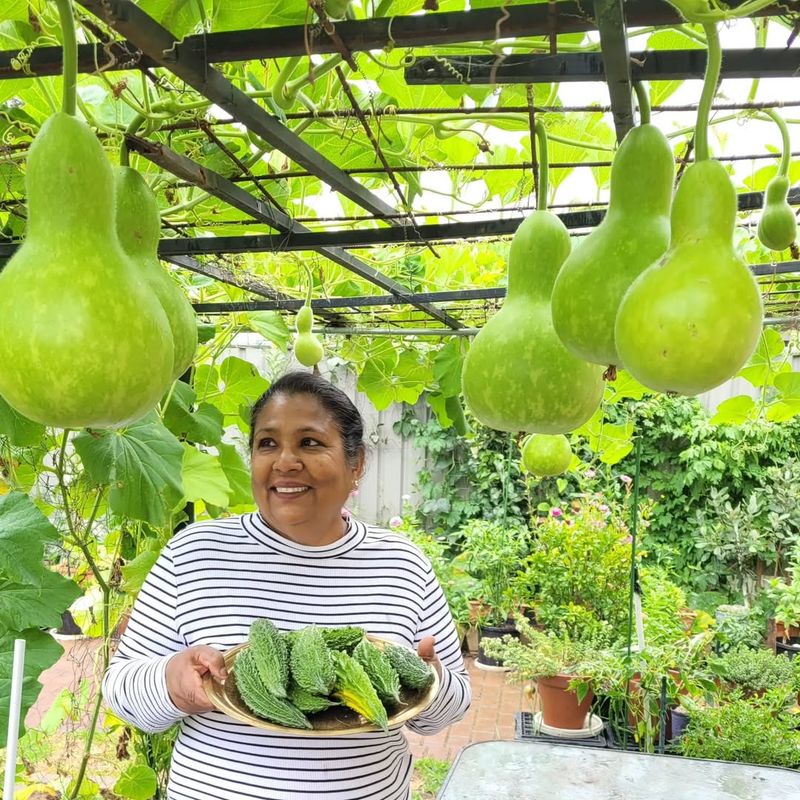
Saturday mornings spent pushing noisy mowers drain both energy and free time.
Gas-powered equipment pollutes, electric models still require hours of work, and the grass just grows back demanding attention again.
Food forests eliminate this exhausting cycle completely.
Established food forests mostly take care of themselves.
Annual mulching suppresses weeds while feeding soil.
Perennial plants return each year without replanting.
Occasional pruning and harvesting replace constant mowing, edging, and fertilizing.
Many Washington families spend less than one hour monthly maintaining food forests that once demanded four hours weekly as lawns.
The mental shift matters as much as time saved.
Instead of fighting nature to maintain unnatural monoculture grass, you work with natural systems that want to thrive.
Maintenance becomes pleasant harvesting and light pruning rather than sweaty, noisy chores.
Families reclaim weekends for hiking, beach trips, or simply relaxing in their productive paradise.
The freed-up time and energy represent priceless benefits that draw many converts away from traditional lawns toward more sensible landscaping.
Building Healthier Soil Every Year
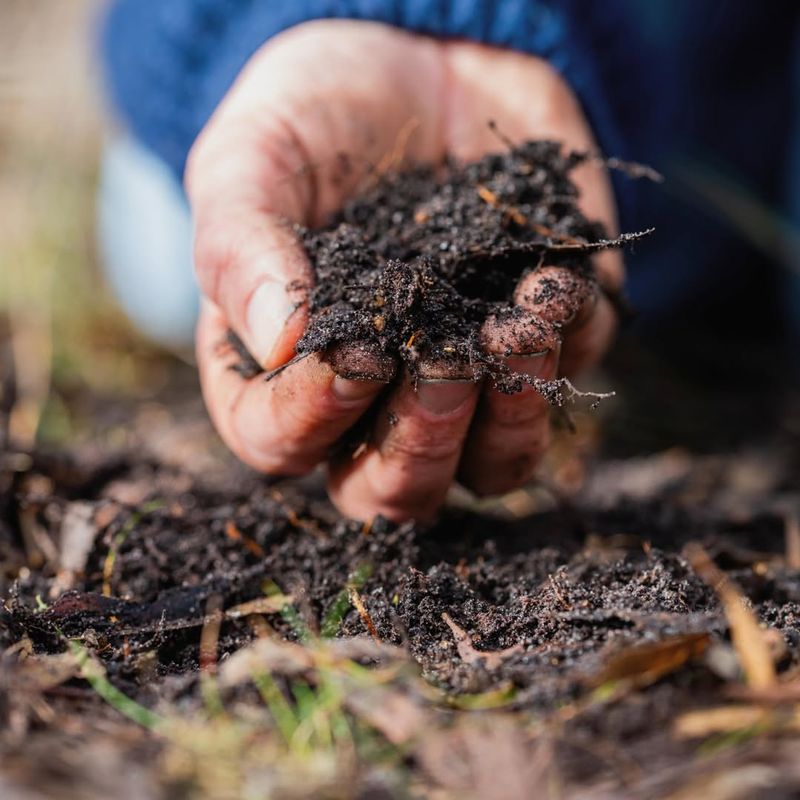
Lawns deplete soil health season after season.
Constant mowing removes organic matter, shallow grass roots compact earth, and chemical fertilizers destroy beneficial microorganisms.
After years of lawn treatment, many yards have lifeless dirt instead of living soil.
Food forests reverse this damage through natural processes.
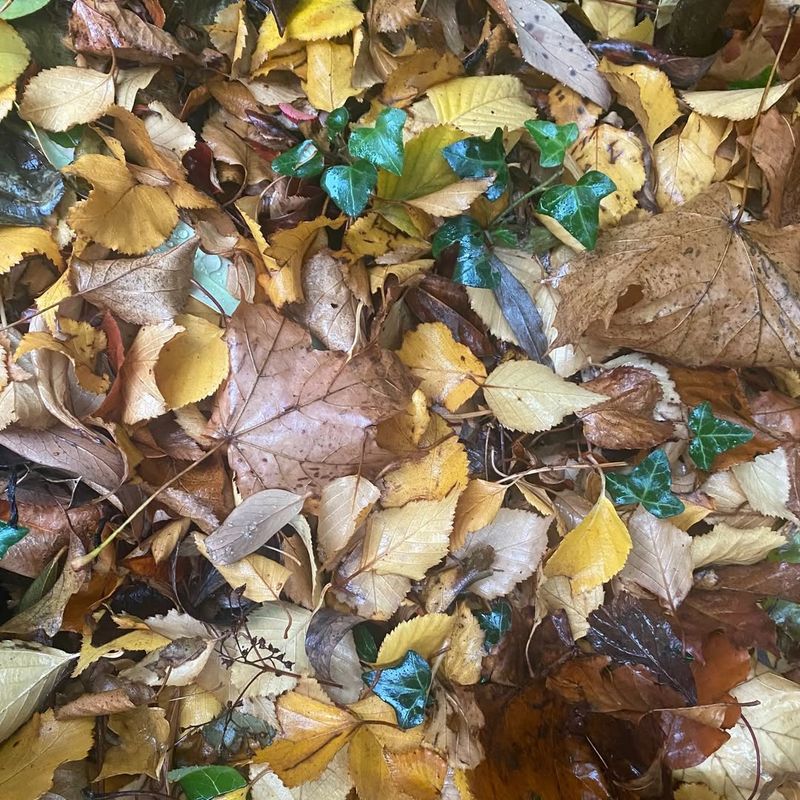
Fallen leaves and plant debris decompose into rich humus.
Deep roots from trees and perennials break up compaction and create air channels.
Diverse plantings support complex soil food webs with bacteria, fungi, and countless microscopic helpers that build fertility naturally.
Washington’s rainy climate accelerates this soil improvement.
Organic matter breaks down readily, and earthworms thrive in moist conditions.
Many families add compost and wood chips initially, then watch as the system becomes self-sustaining.
Better soil means healthier plants, bigger harvests, and improved water absorption that prevents runoff.
Some food forest gardeners report soil improvement so dramatic that hard clay transforms into crumbly, chocolate-cake texture within five years.
This underground transformation supports everything growing above while sequestering carbon and filtering rainwater naturally.
Teaching Kids Valuable Life Skills
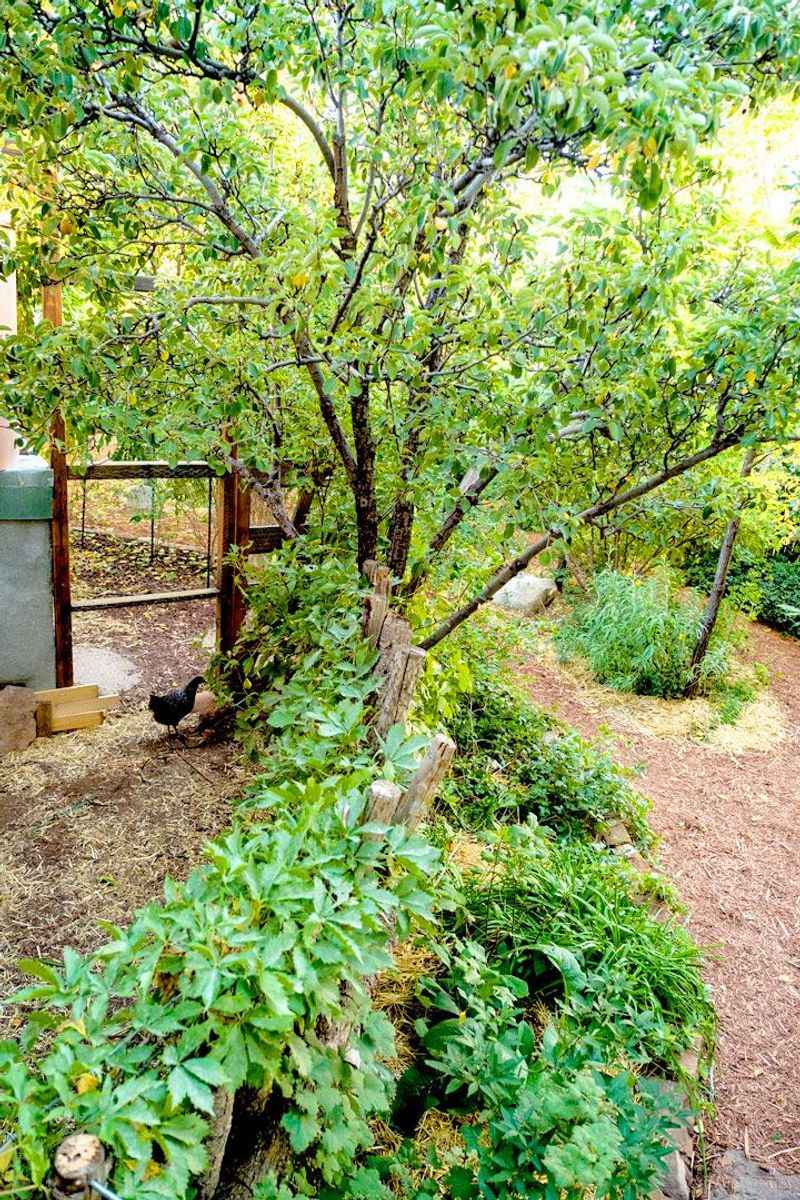
Screen time dominates modern childhood, disconnecting kids from nature and practical skills.
Food forests offer hands-on learning laboratories where children discover biology, ecology, nutrition, and self-reliance through direct experience.
These lessons stick far better than textbook learning ever could.
Young gardeners learn patience watching seeds sprout and trees mature.
They understand seasons by observing when different foods ripen.
Math skills develop measuring garden beds and calculating harvest yields.
Science comes alive studying pollination, composting, and plant lifecycles.
Even picky eaters try new foods they grew themselves.
Washington families report improved family bonding through shared garden projects.
Grandparents teach propagation techniques while children show them smartphone plant identification apps.
Everyone contributes according to ability, from toddlers watering to teens designing new plantings.
Food forests create traditions and memories that last lifetimes.
Skills learned young often spark lifelong interests in sustainability, cooking, or environmental science.
Some families even start small garden businesses, selling extra produce at farmers markets and teaching entrepreneurship alongside horticulture.
Fighting Climate Change From Your Backyard
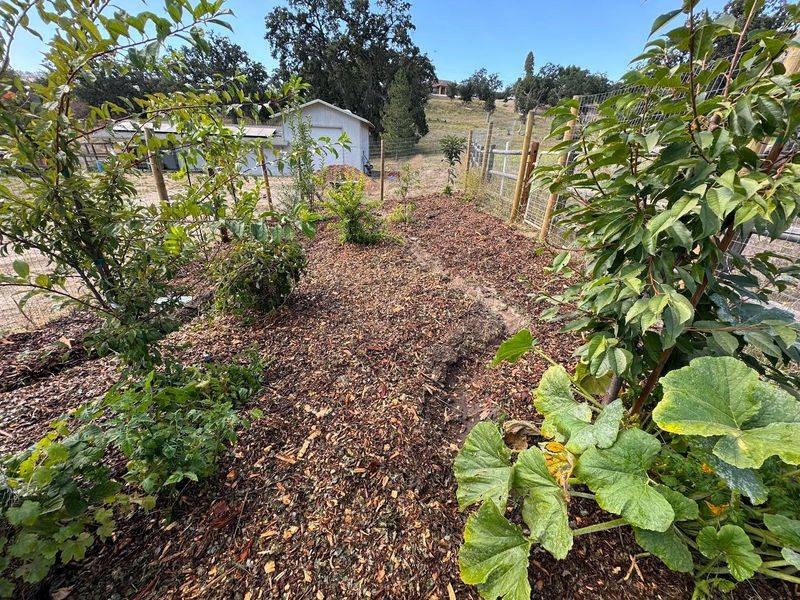
Climate anxiety affects many families wondering how they can make a difference.
Food forests represent direct climate action that anyone with a yard can take.
Every plant pulls carbon dioxide from the atmosphere and stores it in wood, roots, and soil where it belongs.
Trees especially excel at carbon storage.
A mature apple or pear tree sequesters hundreds of pounds of carbon over its lifetime.
Perennial berry bushes, herbs, and vegetables add more storage capacity.
Deep mulch layers lock carbon into soil.
Food forests capture far more carbon than lawns while producing food that reduces transportation emissions from grocery store trips.
Washington families increasingly view their yards as climate solutions rather than just personal spaces.
Food forests also reduce fossil fuel consumption by eliminating gas mowers, decreasing water pumping needs, and cutting fertilizer production impacts.
The cooling effect of tree canopies lowers summer temperatures, reducing air conditioning demands.
While individual yards make small contributions, thousands of food forests across Washington create meaningful collective impact.
Taking personal climate action feels empowering and hopeful, especially when it also provides delicious food and beautiful landscapes.
Saving Serious Money Over Time

Initial food forest setup costs money, but the investment pays dividends for decades.
Compare this to lawns that drain finances year after year through mower fuel, fertilizers, water bills, and occasional landscaping services.
Smart families view food forests as financial assets rather than expenses.
Grocery savings accumulate quickly.
A productive food forest can yield hundreds or thousands of dollars worth of organic produce annually.
Berries, herbs, and salad greens alone save substantial money since these items cost premium prices at stores.
Fruit trees produce for twenty years or more after a single planting.
Eliminated expenses matter as much as food value.
No more lawn mower purchases, gas, blade sharpening, or repairs.
No fertilizer bills or weed destroyer costs.
Reduced water usage cuts utility expenses.
Some Washington homeowners calculate breaking even within three to five years, after which everything becomes pure profit.
Property values often increase too, as buyers increasingly seek sustainable, productive landscapes.
The financial logic becomes overwhelming once you calculate lifetime costs versus benefits, making food forests the economically smart choice beyond environmental and health advantages.
Connecting With Your Neighbors
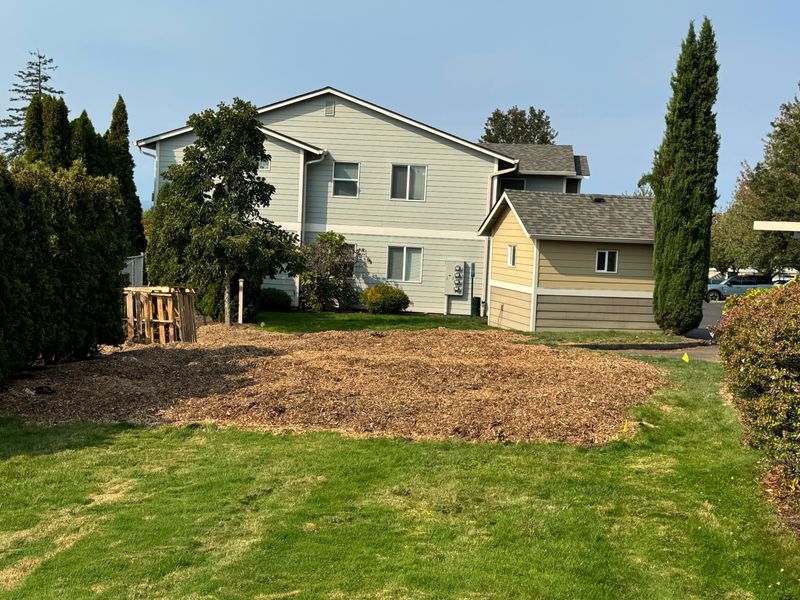
Suburban lawns isolate families behind privacy fences and garage doors.
Food forests spark conversations and build community connections that modern life often lacks.
Neighbors notice unusual plantings and ask questions, creating natural opportunities for relationship building.
Abundant harvests encourage sharing.
Extra zucchini, apples, or herbs become gifts that strengthen neighborhood bonds.
Some Washington families organize harvest parties where neighbors help pick fruit in exchange for taking some home.
Others start informal seed and plant swaps, trading varieties and spreading food forest enthusiasm.
Children especially benefit from these expanded social circles.
Kids meet while exploring interesting yards, and parents connect through shared interests in sustainable living.
Some neighborhoods develop food forest clusters where multiple families convert lawns, creating wildlife corridors and mutual support networks.
Experienced growers mentor beginners, troubleshooting problems and celebrating successes together.
These connections combat loneliness and build resilient communities better prepared for challenges.
Food forests become conversation starters and gathering places, transforming anonymous subdivisions into genuine neighborhoods where people know and help each other through shared values and practical cooperation.
Enjoying Beauty That Changes With Seasons
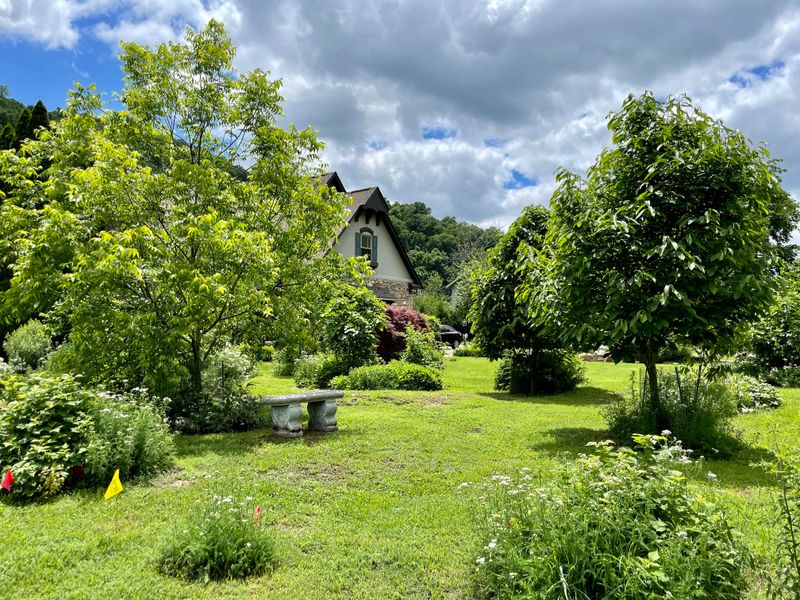
Lawns look identical month after month, offering boring green monotony.
Food forests transform constantly, providing ever-changing beauty that makes coming home delightful.
Spring explodes with fruit tree blossoms rivaling any ornamental flowering tree.
Summer brings lush green growth and colorful ripening fruits.
Fall turns food forests into tapestries of color as leaves change and late harvests continue.
Even winter offers structural interest through bare branches, evergreen herbs, and architectural seed heads.
Thoughtful design creates year-round visual appeal that lawn monocultures cannot match.
Many Washington families discover their food forests outshine traditional ornamental landscapes.
Edible flowers like nasturtiums and borage add bright colors.
Berry bushes provide fall foliage rivaling burning bush.
Apple and pear trees offer spring blooms, summer shade, and autumn fruit displays.
Visitors often cannot believe these gorgeous landscapes also produce food.
The aesthetic shift challenges assumptions that yards must choose between beauty and function.
Food forests prove you can have both, creating spaces that delight the eyes while feeding families and supporting wildlife throughout all seasons.