Top Plants That Thrive On Michigan Green Roofs In Cold Winters
I love seeing how Michigan’s green roofs stay alive through those icy months because the plants that thrive up there almost feel like tiny winter champions.
There’s something really satisfying about watching them push through the cold like it’s no big deal and still keep their color and texture when everything else fades.
It always makes the whole setup feel tougher and more impressive because these plants turn harsh weather into the backdrop for their best season.
1. Sedum Acre (Goldmoss Stonecrop)
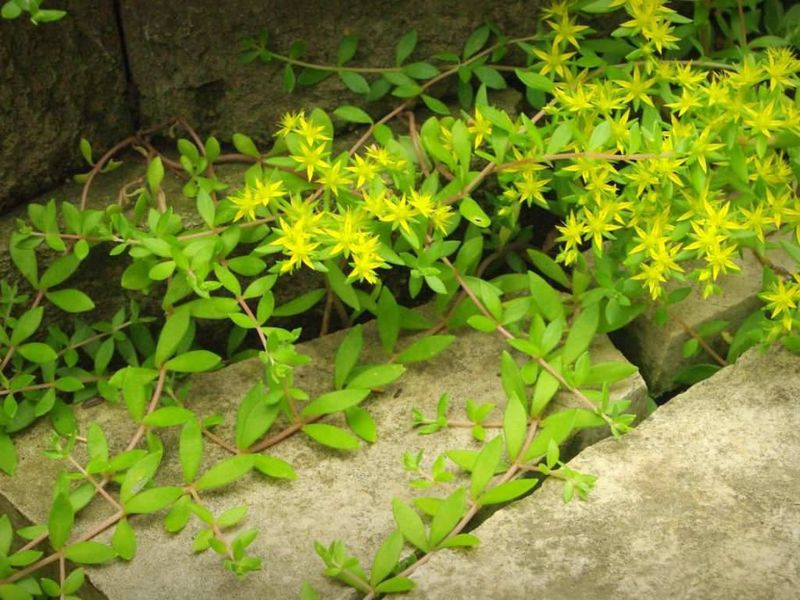
Goldmoss stonecrop creates a stunning golden carpet across rooftops when it blooms in early summer.
This low-growing succulent stores water in its thick leaves, making it incredibly drought-tolerant even in shallow roof soil.
Michigan winters rarely bother this tough little plant because it naturally grows in rocky, exposed areas across North America and Europe.
The bright yellow flowers attract bees and butterflies while the evergreen foliage stays attractive through all four seasons.
Rooftop gardeners love how it spreads quickly to fill bare spots without needing much attention or care.
Its shallow root system works perfectly in the thin growing medium typical of green roof installations.
During Michigan’s coldest months, the leaves may turn bronze or reddish, adding unexpected winter color to your rooftop landscape.
This plant handles temperature swings beautifully, from scorching summer heat to below-zero winter nights.
Maintenance is minimal since it rarely needs watering once established and never requires fertilizer to stay healthy and vibrant.
2. Allium Schoenoprasum (Chives)
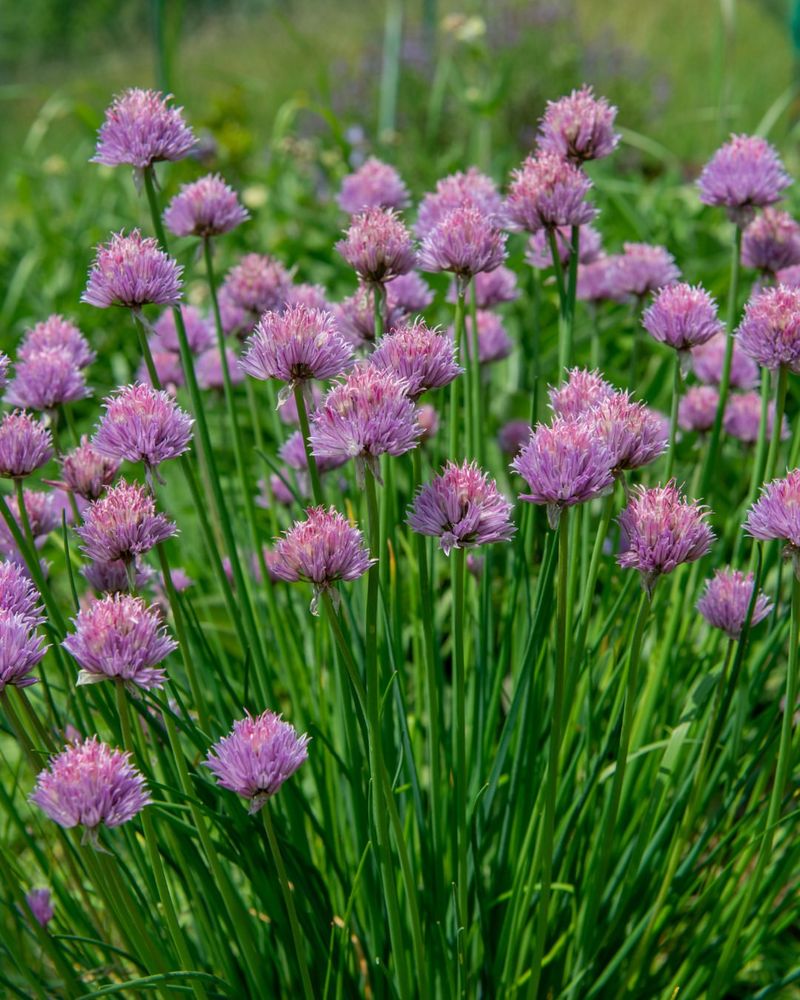
Chives bring both beauty and usefulness to Michigan green roofs with their cheerful purple blooms and edible leaves.
These hardy herbs return year after year, pushing through snow and ice without any fuss or special protection.
Pollinators go crazy for the globe-shaped flowers that appear in late spring, creating a buzzing rooftop habitat.
The tubular leaves grow in dense clumps that help prevent soil erosion during heavy rainstorms common in Michigan.
Rooftop chefs can snip fresh herbs right from the roof, adding onion flavor to salads and dishes all season long.
Cold temperatures actually improve their flavor, making them sweeter and more tender after a light frost.
They require almost no maintenance beyond occasional harvesting, which actually encourages more vigorous growth throughout the growing season.
The root system stays compact, making chives ideal for shallow green roof systems with limited soil depth.
Even during brutal Michigan winters, the bulbs survive underground and emerge reliably when spring warmth returns to the state.
3. Sempervivum Tectorum (Hens and Chicks)
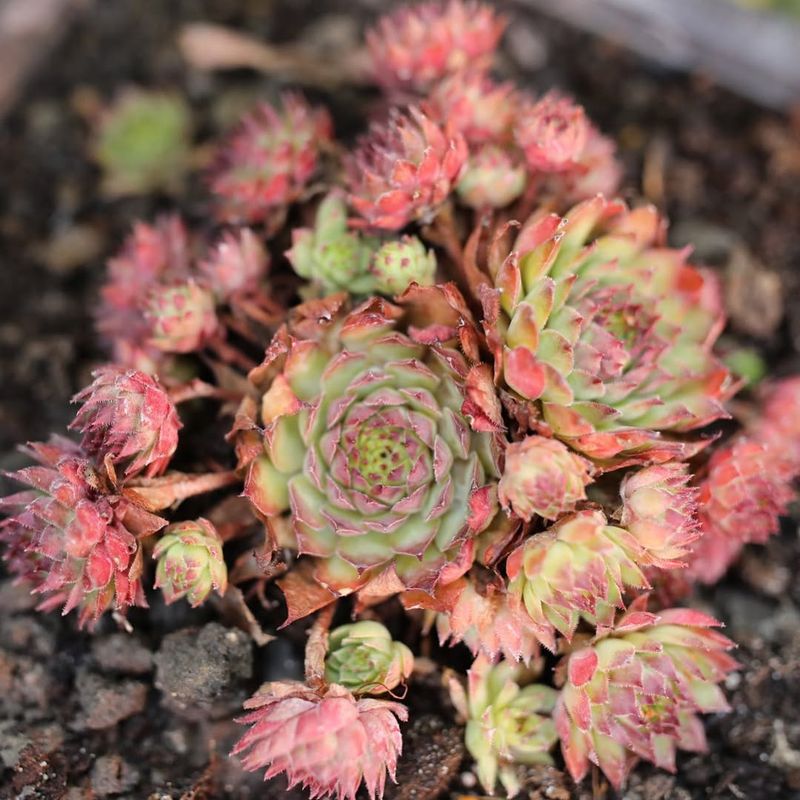
Hens and chicks earned their name from the way mother plants produce baby rosettes that cluster around them like chicks.
These architectural succulents create stunning geometric patterns that look like living art installations on Michigan rooftops.
Their thick, fleshy leaves store precious water, allowing them to survive weeks without rain during summer droughts.
Winter cold barely fazes these alpine natives, which originally grew in mountain regions with extreme temperature fluctuations.
The rosettes come in amazing colors ranging from green to burgundy, purple, and even silvery-blue depending on the variety.
Your Michigan Garden Changes Every Week. Your Plan Should Too.
Gardening in Michigan changes quickly throughout the season. Every Friday you’ll receive a simple weekly plan showing exactly what to plant, prune, fertilize, harvest, and protect so you never miss the right timing.
Michigan green roof designers often use them to create colorful patterns and borders that remain attractive year-round.
They spread naturally by producing offsets, gradually filling empty spaces without becoming invasive or overwhelming other plants.
The shallow root system makes them perfect for extensive green roofs with minimal soil depth and weight restrictions.
Occasional pink or yellow flowers appear on tall stalks in summer, adding vertical interest to the low-growing foliage below.
4. Thymus Serpyllum (Creeping Thyme)
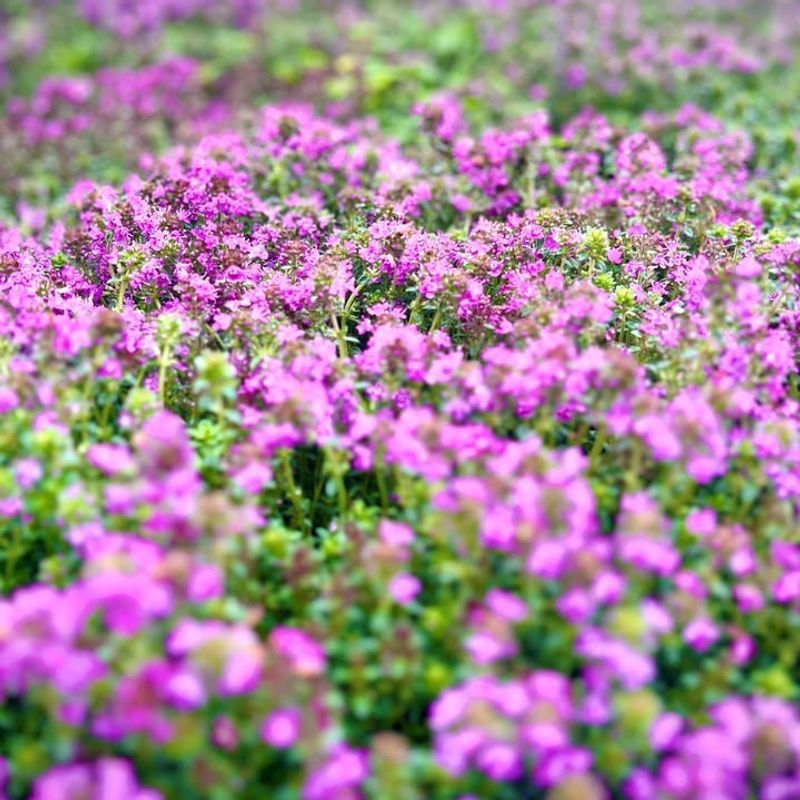
Walking across a rooftop covered in creeping thyme releases an amazing herbal fragrance that fills the air instantly.
This Mediterranean native adapted beautifully to Michigan conditions, forming dense mats that suppress weeds naturally.
Tiny pink or purple flowers blanket the foliage in early summer, creating a carpet that looks almost magical.
Bees absolutely adore thyme blossoms, making your rooftop a valuable food source for struggling pollinator populations.
The woody stems stay evergreen through Michigan winters, providing year-round texture and interest on otherwise bare rooftops.
Drought tolerance makes it incredibly low-maintenance since established plants rarely need supplemental watering during dry spells.
Foot traffic barely bothers this tough groundcover, which actually releases more fragrance when gently stepped on.
Michigan’s freeze-thaw cycles never damage the plants, which bounce back quickly when spring temperatures arrive.
The shallow roots grip soil tightly, preventing erosion during heavy rains that wash across sloped roof surfaces.
Culinary uses add bonus value since you can harvest fresh thyme for cooking right from your rooftop garden.
5. Phedimus Spurius (Two-Row Stonecrop)
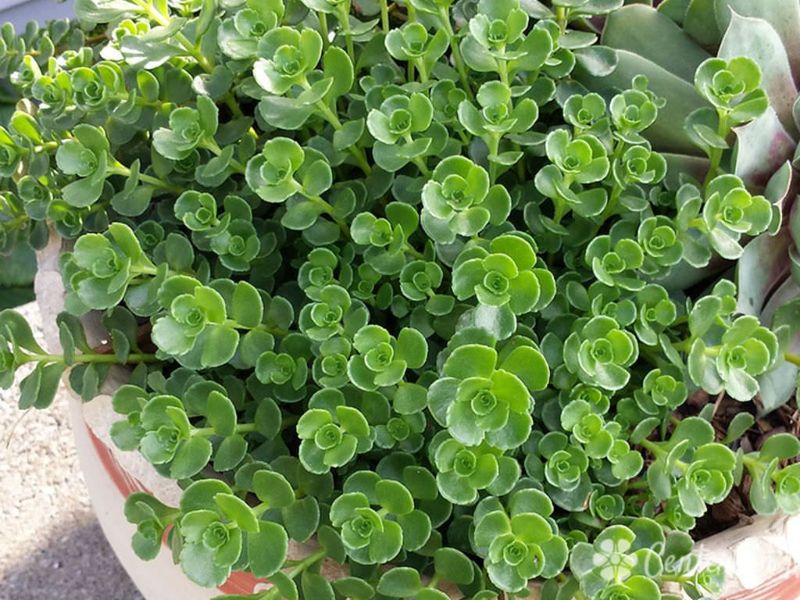
Two-row stonecrop spreads quickly across rooftops, creating a lush green blanket that looks impressive from street level.
The succulent leaves turn attractive shades of red and bronze during Michigan’s autumn months, providing seasonal color changes.
Pink flower clusters emerge in mid-summer, standing several inches above the foliage and attracting beneficial insects.
This vigorous grower fills bare spots rapidly, making it perfect for new green roof installations that need quick coverage.
Michigan’s harsh winters never slow it down since the plant originates from cold regions of Europe and Asia.
The thick leaves store moisture efficiently, allowing plants to survive extended periods without rain or irrigation.
Rooftop conditions with full sun exposure bring out the best colors and most abundant flowering throughout the growing season.
It tolerates poor soil and requires no fertilizer, making maintenance incredibly simple for busy building owners.
The mat-forming growth habit helps insulate roof membranes, reducing heating and cooling costs for the building below.
Even in shallow soil depths of just three to four inches, this stonecrop thrives and spreads reliably.
6. Festuca Glauca (Blue Fescue)
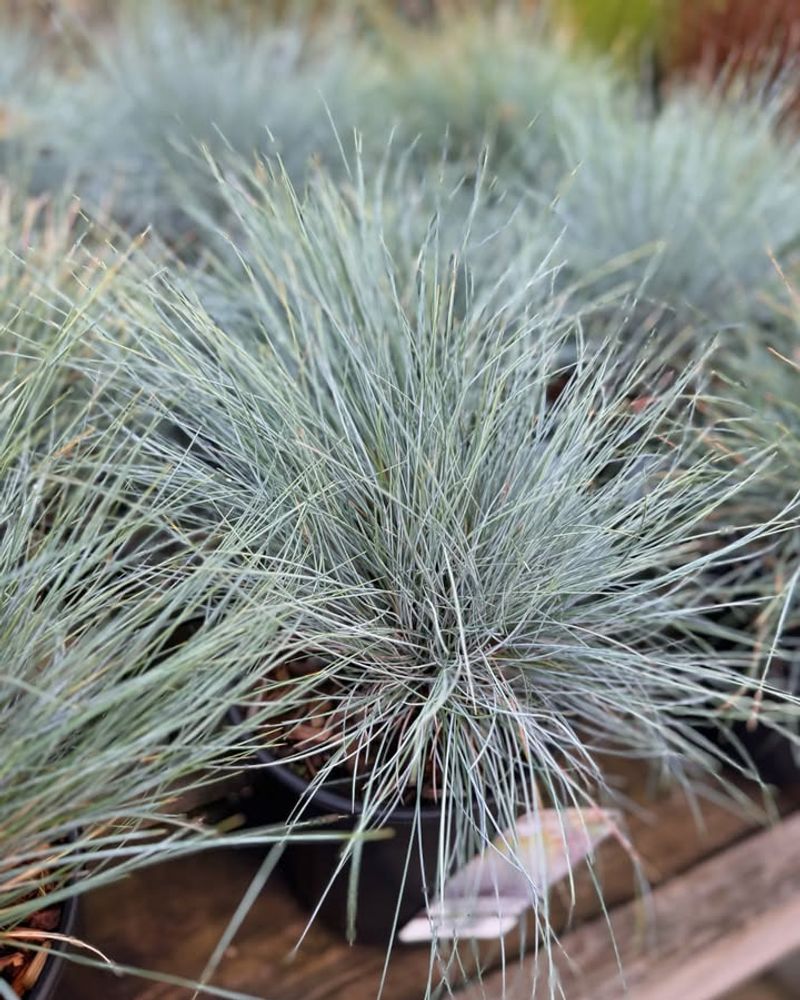
Blue fescue adds striking texture with its silvery-blue needle-like leaves that form perfect rounded mounds.
This ornamental grass brings movement to Michigan rooftops as breezes cause the fine foliage to sway gently.
The blue coloring intensifies during cooler months, providing beautiful contrast against green sedums and other rooftop plants.
Compact growth habit means it stays tidy without spreading aggressively or requiring frequent trimming and maintenance.
Winter hardiness is exceptional since this grass originates from cold mountainous regions where snow covers the ground for months.
The fine texture creates visual interest and prevents rooftop plantings from looking flat or monotonous throughout the seasons.
Drought tolerance is remarkable once established, with deep roots that search for moisture in the limited soil available.
Michigan green roof designers often use blue fescue as an accent plant among lower-growing sedums and thymes.
The clumping growth pattern allows for creative spacing and design possibilities that add sophistication to rooftop landscapes.
Tan seed heads appear in summer, adding another layer of interest before being trimmed back in early spring.
7. Dianthus Deltoides (Maiden Pink)
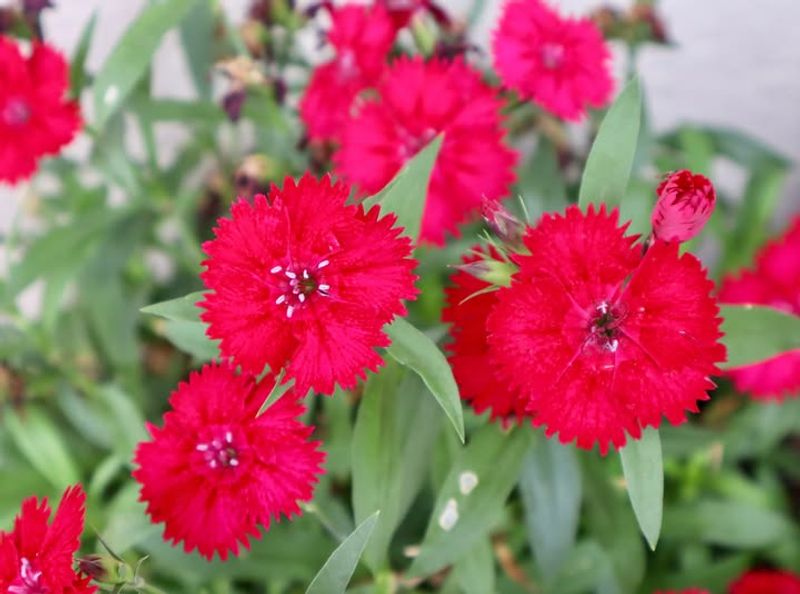
Maiden pink transforms Michigan rooftops into colorful displays with masses of cheerful pink blooms in late spring.
The narrow, gray-green foliage forms attractive mats that look good even when flowers are not present.
This cottage garden favorite adapted surprisingly well to harsh rooftop conditions despite its delicate appearance.
Flowers often have darker pink centers with fringed petals that add charm and old-fashioned appeal to modern buildings.
Michigan’s cold winters pose no threat since maiden pink evolved in cold regions of Europe and Asia.
The evergreen foliage stays attractive through winter months, providing color when most other plants look dormant or brown.
Butterflies and small bees visit the flowers frequently, supporting urban wildlife in areas with limited green space.
Shallow roots make it ideal for extensive green roofs where soil depth is restricted to just a few inches.
Occasional shearing after flowering encourages denser growth and sometimes triggers a second flush of blooms in fall.
The spreading habit fills gaps naturally without becoming aggressive or crowding out neighboring plants on the rooftop.
8. Sedum Reflexum (Blue Spruce Stonecrop)
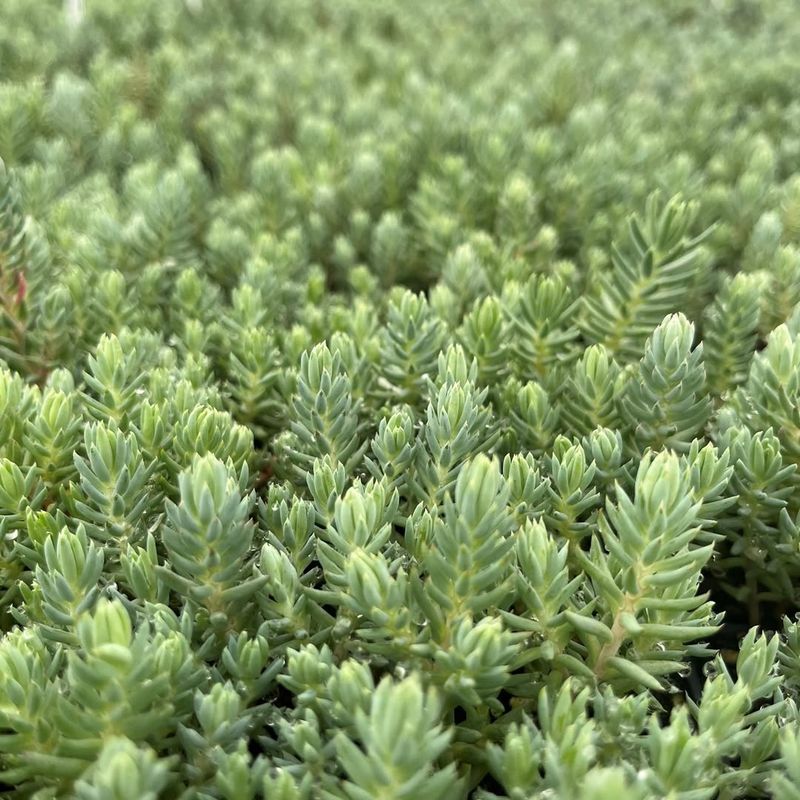
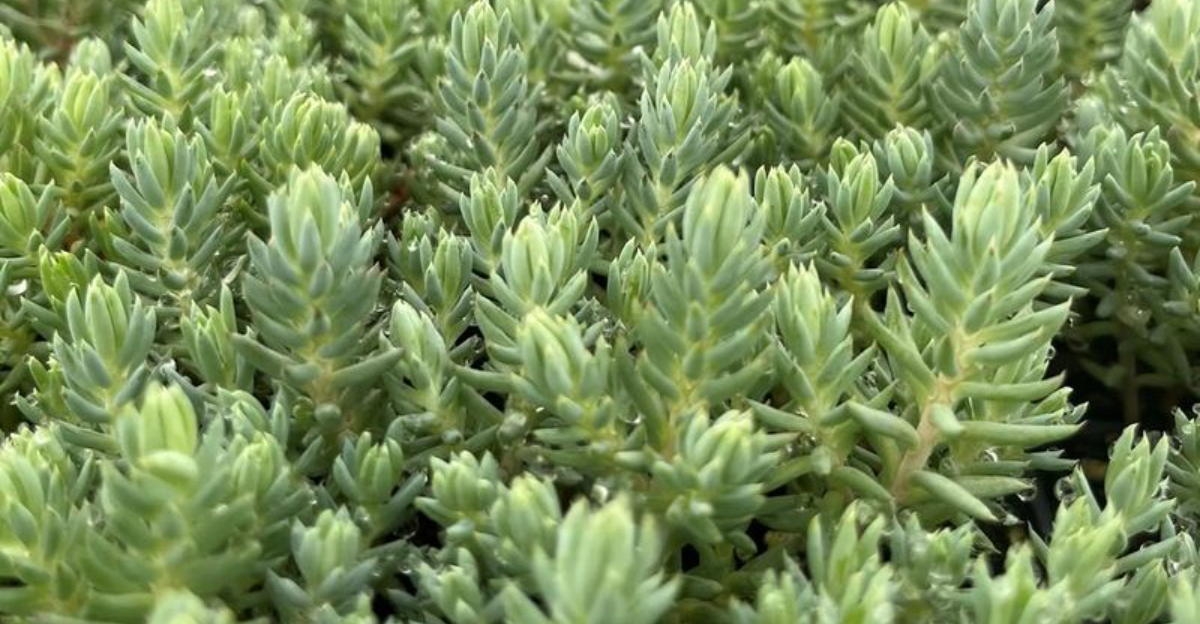
Blue spruce stonecrop looks remarkably similar to tiny evergreen trees with its needle-like blue-green foliage.
This unique texture adds dimension to Michigan green roofs, creating miniature landscape effects that fascinate visitors.
Yellow star-shaped flowers cover the plants in summer, creating a stunning contrast against the blue foliage.
The trailing growth habit works beautifully along roof edges where stems can cascade slightly for added visual appeal.
Michigan winters barely affect this tough sedum, which stays colorful and attractive even under snow cover.
Drought resistance is outstanding since the succulent leaves store water efficiently during hot, dry summer periods.
The evergreen nature means your rooftop looks attractive twelve months a year instead of bare and brown in winter.
It spreads at a moderate pace, filling spaces without overwhelming slower-growing neighbors in mixed rooftop plantings.
Shallow roots thrive in the thin growing medium typical of green roof systems with weight limitations.
Maintenance is practically nonexistent since it never needs trimming, fertilizing, or pest control treatments throughout the year.
9. Prunella Vulgaris (Self-Heal)

Self-heal produces charming purple flower spikes that stand above the foliage like tiny towers throughout summer months.
This native wildflower brings ecological benefits to Michigan rooftops by supporting native bees and other important pollinators.
The low-growing foliage creates a dense groundcover that helps prevent soil erosion during heavy rainstorms.
Historical medicinal uses add interesting conversation value, though modern rooftop gardeners appreciate it mainly for toughness and beauty.
Michigan’s temperature extremes never faze this resilient plant, which grows naturally in meadows and disturbed areas statewide.
The spreading habit fills bare spots gradually without becoming invasive or requiring aggressive management techniques.
Purple flowers bloom for an extended period, providing consistent color from early summer well into autumn.
It tolerates partial shade better than most green roof plants, making it useful for areas near taller structures.
The fibrous root system holds soil effectively while still working well in shallow green roof growing media.
Maintenance requirements are minimal since self-heal adapts to poor soil and survives without supplemental watering once established on rooftops.