The Low-Care Green Roof Plants Thriving In Iowa Backyards
I love how Iowa’s green roofs turn into these lush little gardens that thrive on almost no effort while still looking like you planned every inch.
It always surprises me how these tough, low-care plants settle in so quickly and keep growing like they’ve lived there forever without needing constant attention.
It’s the kind of setup that makes you feel proud every time you look at it because everything flourishes beautifully even on days when you don’t feel like fussing over a garden.
1. Sedum Album
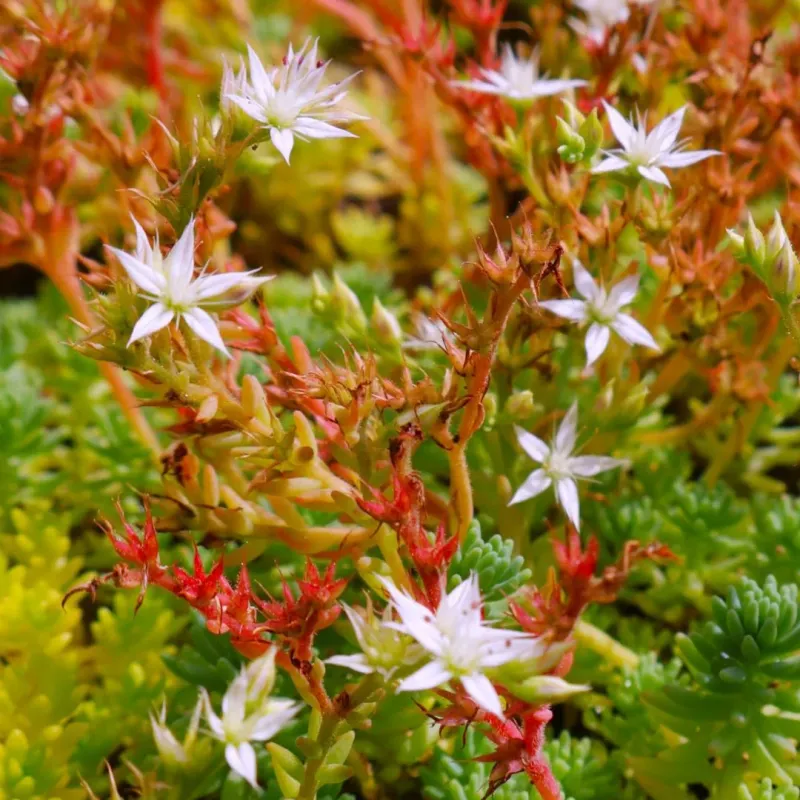
White stonecrop brings a carpet of tiny star-shaped blooms that brighten up any rooftop in Iowa during summer months.
This succulent stores water in its plump leaves, which means it survives weeks without rain and thrives in shallow soil conditions.
Homeowners across the state appreciate how this plant spreads quickly to cover bare spots, creating a uniform green blanket that insulates buildings.
Its low height keeps it safe from strong winds, and the thick foliage helps reduce stormwater runoff during heavy Midwest rainstorms.
Sedum album changes color slightly with the seasons, adding visual interest even when flowers fade in fall and winter.
Rooftop gardeners love that this variety requires no fertilizer or pesticides, making it perfect for eco-conscious projects throughout Iowa.
The plant establishes fast and tolerates foot traffic better than many other green roof options available today.
Its root system is shallow yet strong enough to anchor firmly against wind gusts common in Iowa’s open landscapes.
2. Allium Cernuum
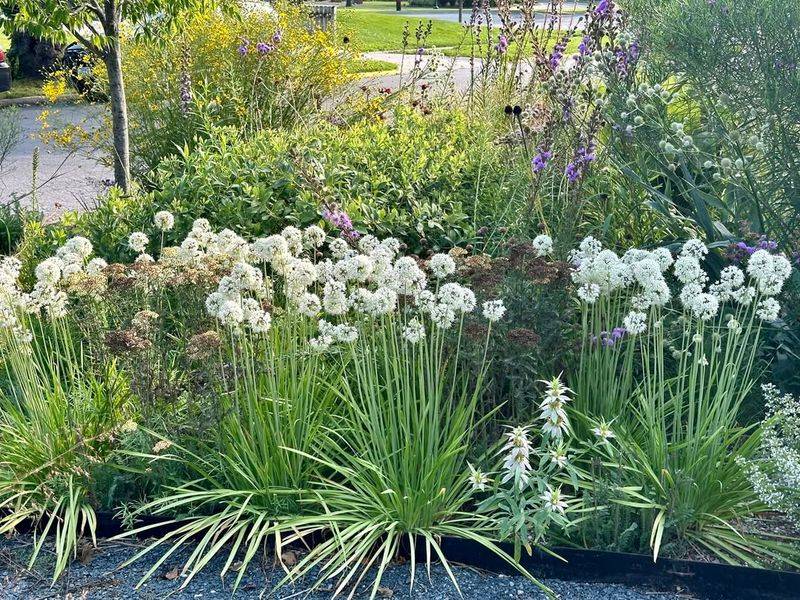
Nodding wild onion adds a whimsical touch with its gracefully drooping pink flowers that sway gently in Iowa breezes.
Native to the Midwest, this perennial feels right at home on rooftops where conditions mimic the dry prairies it originally called home.
Pollinators like bees and butterflies flock to its nectar-rich blooms, turning your rooftop into a haven for beneficial insects across Iowa.
The slender grass-like foliage stays neat and tidy, never growing tall enough to create maintenance headaches for busy building owners.
Allium cernuum tolerates both blazing sun and occasional shade, adapting well to the shifting light patterns found on many rooftops.
Its bulbs multiply slowly over time, filling in gaps naturally without becoming invasive or overwhelming other plants nearby.
Gardeners in Iowa appreciate that this native requires zero supplemental watering once established, even during dry summer stretches.
The plant’s natural resistance to pests means you’ll never need to climb up with sprays or treatments.
3. Penstemon Digitalis
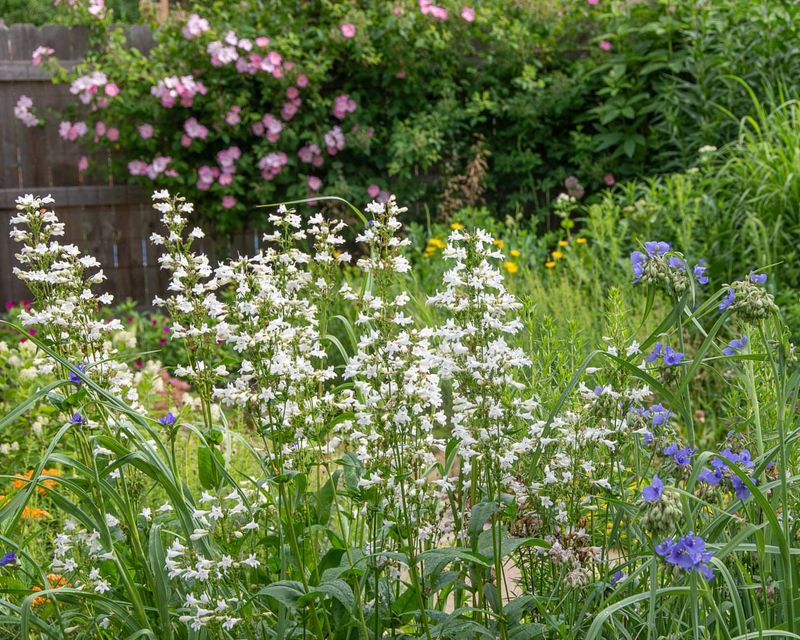
Foxglove beardtongue stands tall with elegant white flower spikes that attract hummingbirds to Iowa rooftops during late spring blooms.
This prairie native evolved to handle harsh conditions, making it naturally suited for the challenging environment found on top of buildings.
The tubular flowers provide nectar for pollinators while the glossy foliage stays attractive even after the blooming season ends completely.
Penstemon digitalis develops deep roots that help stabilize green roof systems and improve drainage during Iowa’s unpredictable weather patterns.
Its upright growth habit adds vertical interest without blocking views or creating excessive weight on structural supports below.
Your Iowa Garden Changes Every Week. Your Plan Should Too.
Gardening in Iowa changes quickly throughout the season. Every Friday you’ll receive a simple weekly plan showing exactly what to plant, prune, fertilize, harvest, and protect so you never miss the right timing.
Rooftop installations across the state benefit from this plant’s ability to self-seed modestly, filling empty spaces over several growing seasons.
The species tolerates temperature extremes remarkably well, from scorching summer heat to frigid winter cold that Iowa regularly experiences.
Gardeners find that this beardtongue never demands deadheading or pruning, thriving happily with complete neglect throughout the year.
4. Bouteloua Gracilis
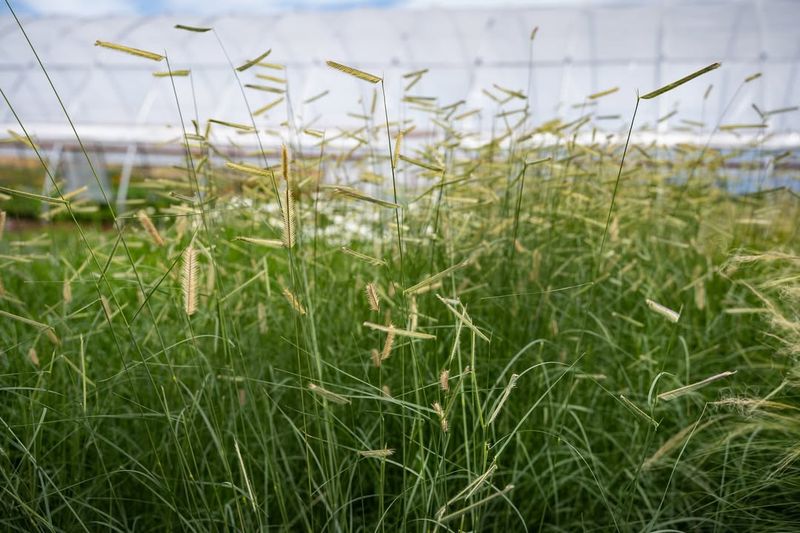
Blue grama grass brings a touch of prairie charm with its unique seed heads that look like tiny eyelashes dancing above fine-textured foliage.
This native grass thrives in Iowa’s climate because it evolved on the Great Plains where tough conditions shaped its incredible resilience.
The compact clumping habit keeps it manageable on rooftops, never spreading aggressively or requiring frequent trimming to maintain neat appearance.
Bouteloua gracilis turns beautiful shades of gold and copper in autumn, providing seasonal color that enhances rooftop aesthetics throughout Iowa.
Its deep root system helps absorb rainwater efficiently, reducing runoff and providing natural insulation that lowers energy costs for buildings.
Homeowners appreciate how this grass stays relatively short, typically reaching only twelve to eighteen inches even at full maturity.
The plant remains green with minimal moisture, bouncing back quickly after drought periods that would stress many other rooftop species.
Blue grama requires no mowing or fertilizing, making it ideal for extensive green roof systems across Iowa’s urban areas.
5. Delosperma Cooperi
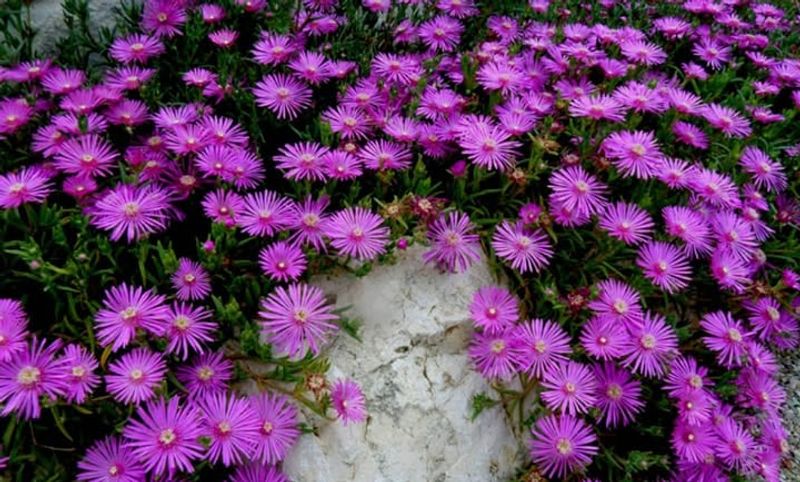
Ice plant explodes with brilliant magenta flowers that create stunning visual impact across Iowa rooftops during peak summer blooming periods.
Originally from South Africa, this succulent has proven remarkably adaptable to Iowa’s climate, handling both heat and cold better than expected.
The fleshy leaves store water like tiny reservoirs, allowing delosperma to laugh off extended dry spells without any irrigation.
Its mat-forming growth quickly covers large areas, suppressing weeds naturally and creating a living blanket that protects waterproofing membranes below.
Rooftop gardeners across the state love how the flowers open wide in sunshine, then close at night in a daily rhythm.
This plant adds substantial color without adding much weight, an important consideration for structural capacity on existing buildings throughout Iowa.
Delosperma cooperi stays evergreen in milder winters, providing year-round interest that many deciduous plants cannot match on rooftops.
The species resists foot traffic reasonably well, making it practical for accessible green roofs where people occasionally walk.
6. Sempervivum Tectorum
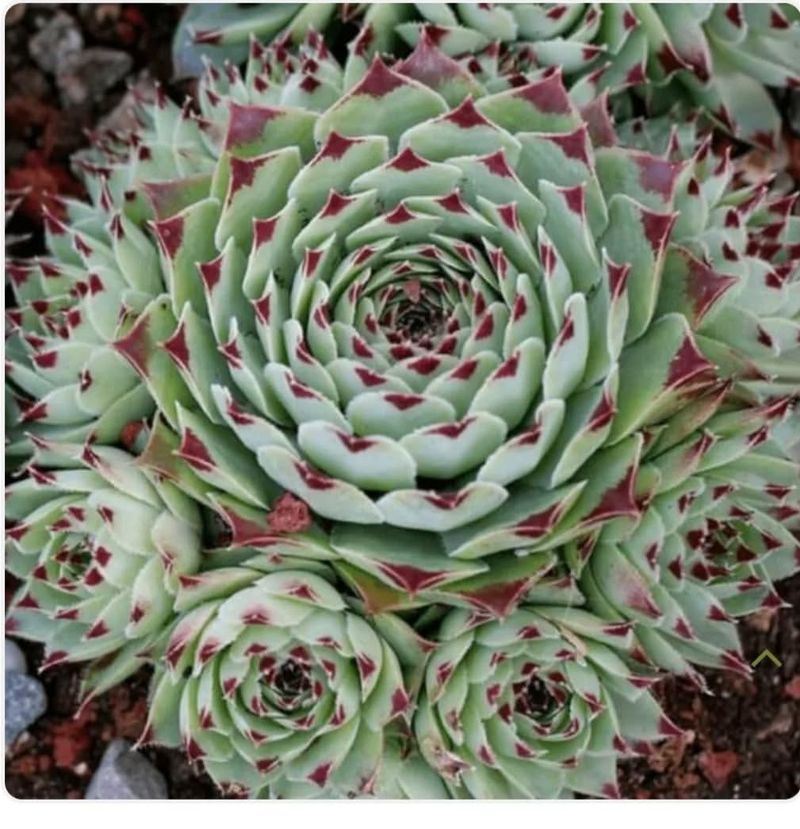
Hens and chicks form charming rosettes that multiply into colonies, creating living sculptures that fascinate visitors to Iowa rooftops.
European folklore once claimed these succulents protected homes from lightning, which is why they’ve grown on roofs for centuries.
The mother plant produces numerous offsets that spread outward, filling spaces naturally without any help from gardeners across the state.
Sempervivum tectorum changes color with temperature and light, displaying shades from jade green to burgundy red throughout Iowa’s changing seasons.
These succulents need almost no soil depth, making them perfect for lightweight green roof systems where weight restrictions limit plant choices.
Their ability to survive on bare rock in nature translates perfectly to the harsh conditions found on top of buildings.
Rooftop installations benefit from this plant’s extreme drought tolerance, which eliminates irrigation needs even during Iowa’s hottest summer weeks.
The tight rosette form resists wind damage effectively, staying firmly rooted while loose-leaved plants might struggle in exposed locations.
7. Schizachyrium Scoparium
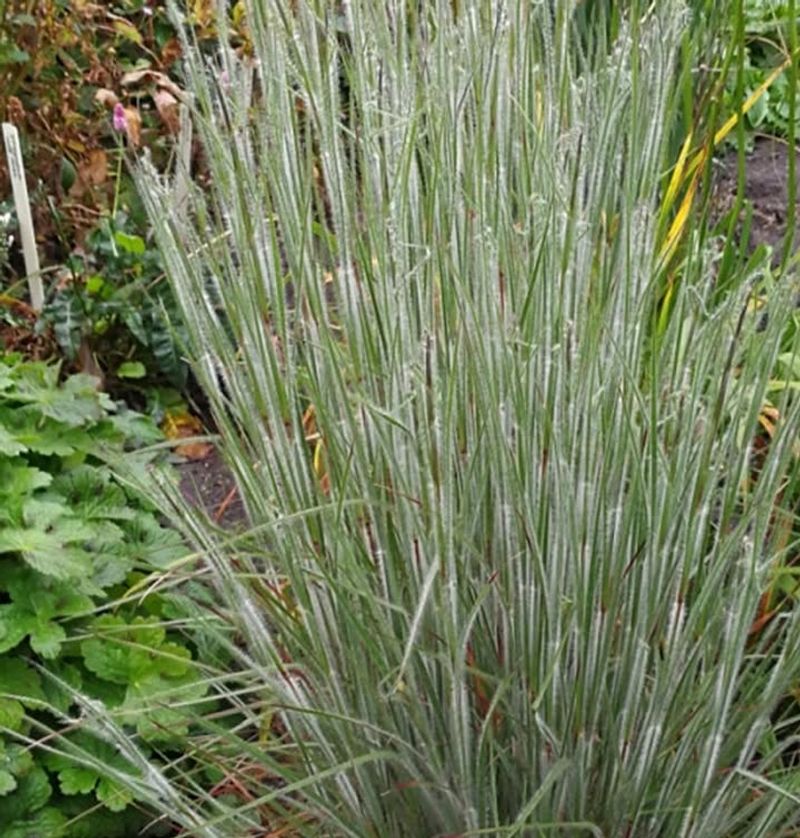
Little bluestem stands as Iowa’s state grass, making it a patriotic choice for rooftop gardens that celebrate local natural heritage.
The fine-textured blue-green foliage creates a soft, airy appearance that contrasts beautifully with broader-leaved plants in mixed green roof designs.
Come autumn, this native grass transforms into spectacular shades of orange, red, and purple that rival any fall foliage display.
Schizachyrium scoparium developed on prairies where conditions were harsh, so modern rooftop challenges feel like home to this adaptable species.
Its clumping habit provides structure without aggressive spreading, keeping rooftop plantings organized and easy to manage across Iowa installations.
The grass produces delicate seed heads that catch light beautifully, adding movement and sparkle when breezes blow across rooftops.
Deep roots help this plant access moisture and nutrients that shallow-rooted species miss, improving survival during stressful periods.
Gardeners appreciate that little bluestem needs no cutting back until spring, providing winter interest that many plants cannot offer.
8. Opuntia Humifusa
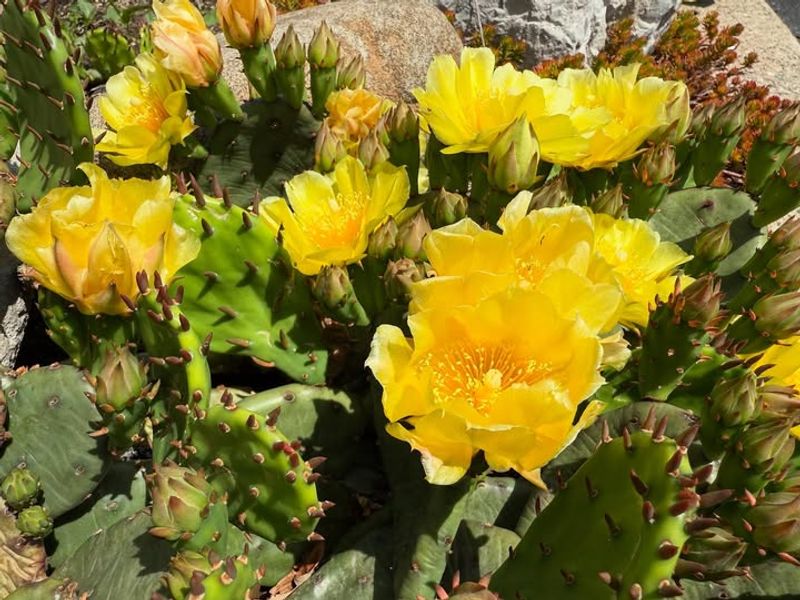
Eastern prickly pear surprises many people who don’t expect cactus to survive Iowa winters, yet this native species thrives year-round.
The flat paddle-shaped pads store water efficiently, making this plant incredibly drought-resistant even during extended hot, dry summer stretches.
Brilliant yellow flowers appear in early summer, followed by edible purple fruits that wildlife and adventurous gardeners both enjoy sampling.
Opuntia humifusa lies flat against the rooftop surface, creating minimal wind resistance while providing excellent ground coverage across Iowa installations.
Its extreme hardiness comes from evolving in sandy, rocky soils where few other plants could establish and survive successfully.
Rooftop gardens benefit from this cactus’s ability to thrive in shallow growing media that many conventional plants would find inadequate.
The waxy coating on pads reflects sunlight, helping the plant stay cool while also reducing heat absorption by the building below.
Gardeners should note the small spines, though they’re less aggressive than desert cactus varieties and rarely cause problems.
9. Talinum Calycinum
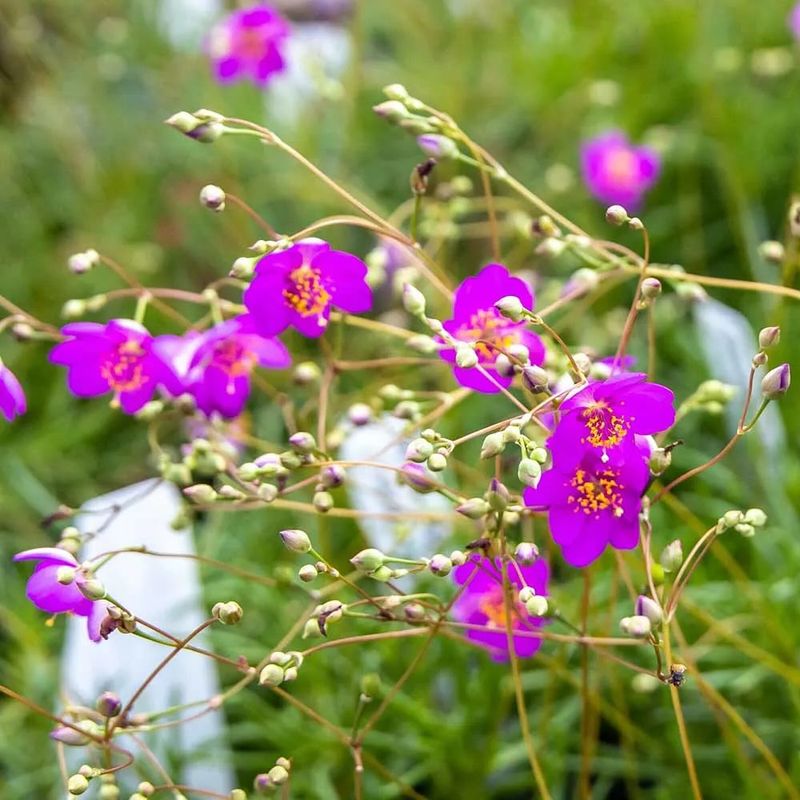
Fame flower opens delicate pink blooms each afternoon, creating a reliable display that Iowa rooftop visitors can time their visits around.
This native succulent grows wild on rocky outcrops throughout the Midwest, proving its natural affinity for the challenging rooftop environment.
The fleshy leaves and stems store moisture effectively, allowing talinum to flourish with irregular rainfall and no supplemental watering.
Its low, spreading habit creates a living carpet that suppresses weeds while remaining short enough to avoid wind damage.
Talinum calycinum self-seeds gently, gradually expanding its presence without becoming aggressive or overwhelming neighboring plants on Iowa rooftops.
The airy flower stems rise above the foliage, adding vertical interest without creating excessive weight or blocking important views.
Rooftop gardeners appreciate how this plant attracts small pollinators, supporting urban biodiversity in cities and towns across the state.
Fame flower tolerates foot traffic better than many flowering plants, making it suitable for accessible green roofs where people walk occasionally.
10. Sporobolus Heterolepis
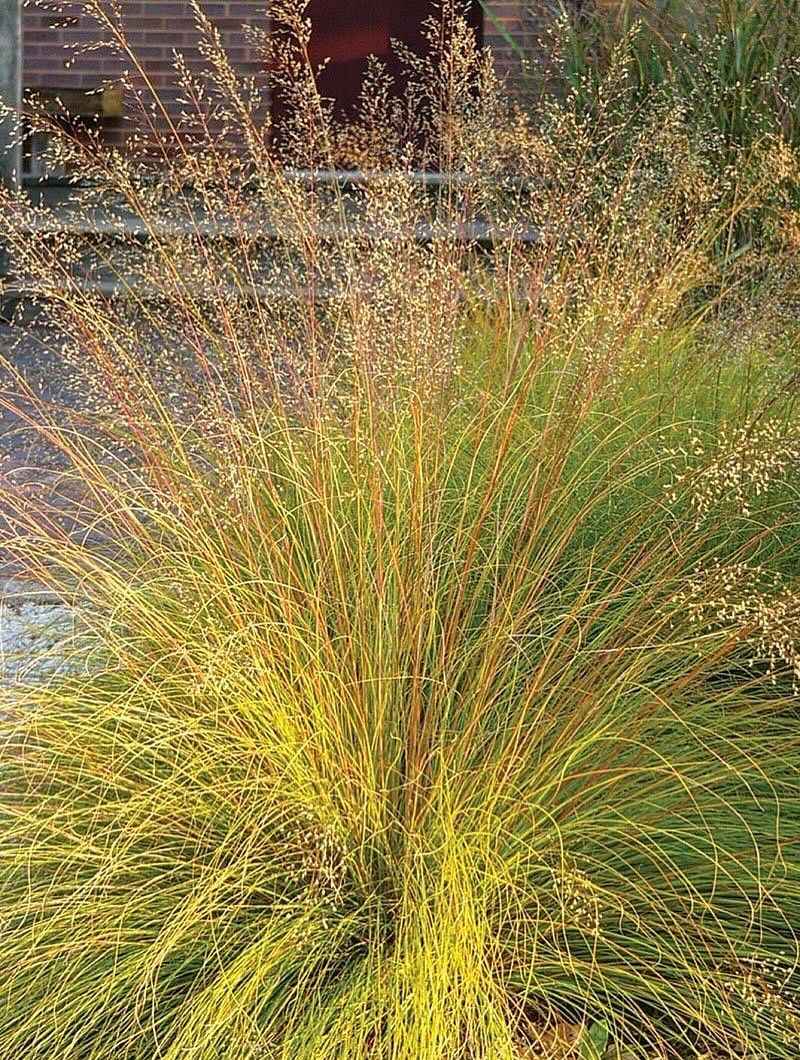
Prairie dropseed forms elegant fountain-shaped clumps that add graceful movement when wind sweeps across Iowa rooftops throughout the seasons.
The fine, hair-like foliage creates a soft texture that contrasts wonderfully with bolder plants, adding sophistication to green roof designs.
Late summer brings fragrant flowers that smell remarkably like buttered popcorn, creating an unexpected sensory experience for rooftop visitors.
Sporobolus heterolepis evolved on dry prairies, giving it natural drought tolerance that makes irrigation unnecessary once established across the state.
This native grass turns brilliant shades of gold and orange in autumn, providing spectacular seasonal color that enhances urban landscapes.
Its clumping habit prevents aggressive spreading, keeping plantings neat and predictable without requiring constant management from busy property owners.
The plant’s root system grows deep for a grass, helping stabilize growing media and improve water infiltration on Iowa rooftops.
Gardeners find that prairie dropseed remains attractive through winter, with dried foliage catching snow and frost in beautiful patterns.
11. Sedum Reflexum
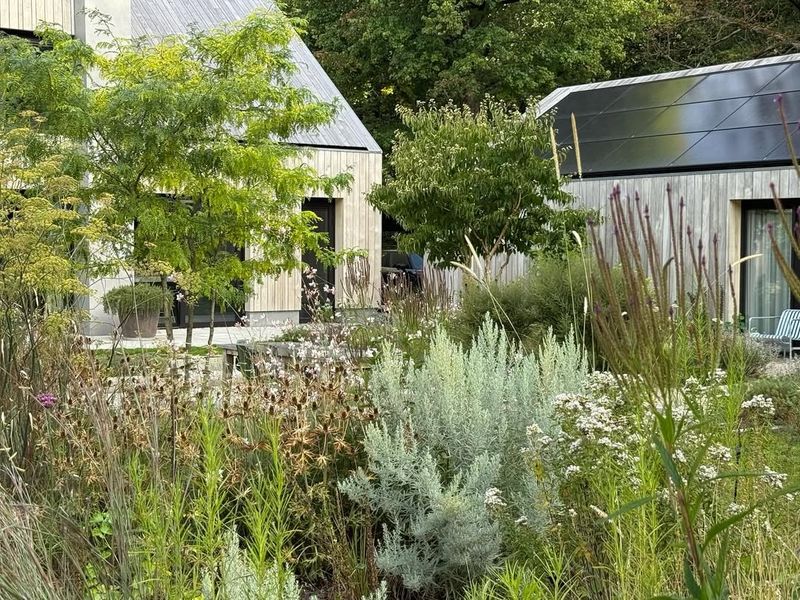
Blue spruce stonecrop gets its name from foliage that resembles tiny evergreen needles, creating unique texture on Iowa rooftops.
The blue-gray color provides cooling visual contrast against warmer-toned plants, helping create balanced, professional-looking green roof compositions.
Bright yellow flowers emerge in summer, covering the foliage in cheerful blooms that attract beneficial insects across urban areas.
Sedum reflexum spreads steadily to form dense mats that prevent erosion and protect waterproofing membranes from ultraviolet damage.
This European native has proven completely winter-hardy in Iowa, handling temperature extremes without any protection or special care.
The succulent leaves store water efficiently, allowing this plant to survive extended periods without rain during summer drought conditions.
Rooftop installations benefit from this sedum’s evergreen nature, which provides year-round coverage and visual interest that deciduous plants cannot match.
Its low maintenance requirements make it ideal for extensive green roofs where access is limited and regular care is impractical.