How Alaskans Keep Their Indoor Plants Healthy During Long Dark Winters
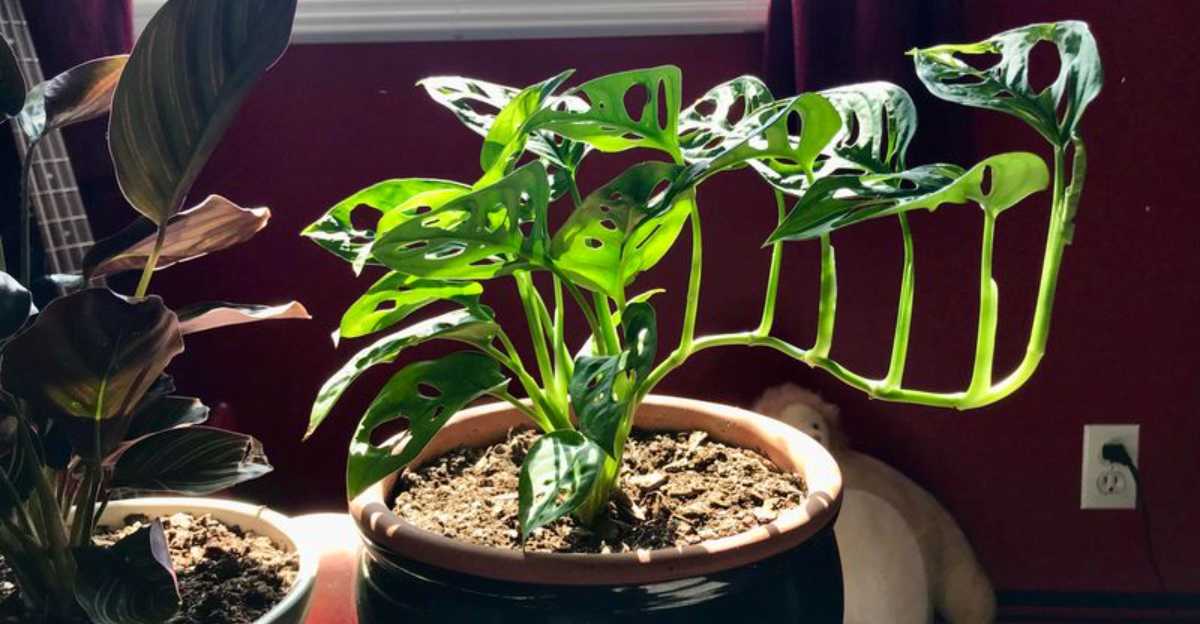
Alaskans face winters that test both spirit and soil, yet indoor plants still flourish in homes that refuse to surrender to months of darkness.
Residents lean on ingenuity as daylight shrinks to a sliver and cold air presses against every window.
Grow lights step in as stand-ins for the sun, humidifiers counter dry indoor heat, and clever routines keep roots steady and leaves strong.
Each plant becomes a small victory against the long night, a reminder that life pushes forward even when the sun takes a long vacation.
As the season deepens and shadows stretch across the landscape, Alaskans prove that determination, creativity, and a touch of northern grit preserve every bit of green within their walls.
1. Invest In Quality Grow Lights
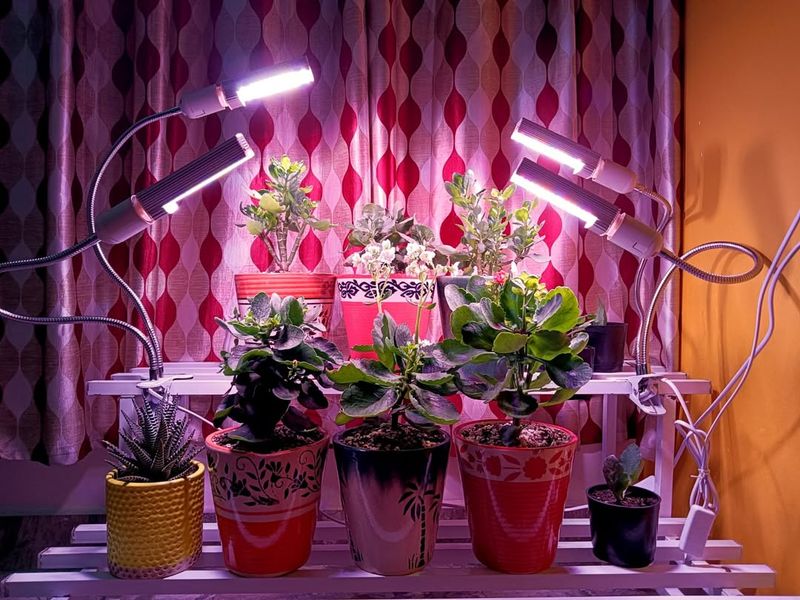
Grow lights become essential equipment when natural sunlight disappears for months at a time.
Alaskans treat these artificial light sources as necessary tools rather than optional accessories.
Full-spectrum LED lights work best because they mimic natural sunlight while using less electricity.
Position lights about 6 to 12 inches above your plants, adjusting based on the specific species you’re growing.
Most houseplants need between 12 and 16 hours of light daily to stay healthy and continue growing.
Timer systems help maintain consistent lighting schedules without requiring constant attention.
Different plants have different light requirements, so research what works best for your collection.
Some Alaskans create dedicated plant rooms with multiple light setups to accommodate various needs.
The initial investment might seem high, but quality grow lights last for years and truly make the difference.
Without adequate light, plants stretch awkwardly, lose their vibrant colors, and stop producing new growth.
Many experienced plant owners recommend starting with adjustable lights that can be raised or lowered.
This flexibility allows you to customize the setup as your plants grow or as you add new varieties to your collection.
2. Maintain Proper Humidity Levels
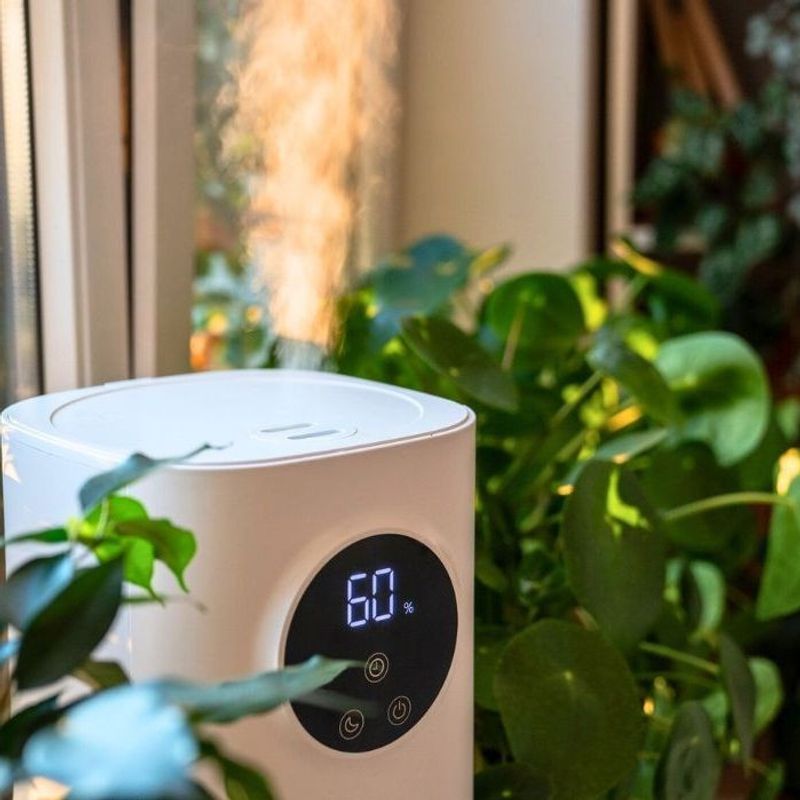
Heating systems running constantly throughout winter create bone-dry air that houseplants absolutely hate.
Alaska’s indoor environments can drop to humidity levels that stress even the hardiest plant varieties.
Humidifiers become valuable allies in the battle against crispy leaf edges and stunted growth.
Many plant enthusiasts run small humidifiers near their plant collections to maintain 40-60% humidity.
Grouping plants together creates a microclimate where they share moisture through transpiration.
Pebble trays filled with water placed beneath pots provide localized humidity as the water evaporates.
Misting plants offers temporary relief but doesn’t solve long-term humidity problems effectively.
Bathrooms and kitchens naturally have higher moisture levels, making them excellent locations for tropical plants.
Some Alaskans build simple greenhouse cabinets using clear storage containers or glass cases.
These enclosed spaces trap moisture and create humid environments perfect for ferns and orchids.
Monitor humidity with inexpensive hygrometers to know exactly what your plants experience.
Adjusting humidity levels prevents common winter problems like brown leaf tips and spider mite infestations that thrive in dry conditions.
3. Adjust Watering Schedules Carefully
Plants enter a semi-dormant state during winter months when light levels drop and temperatures cool.
Their water needs decrease significantly, so sticking to summer watering schedules causes root rot.
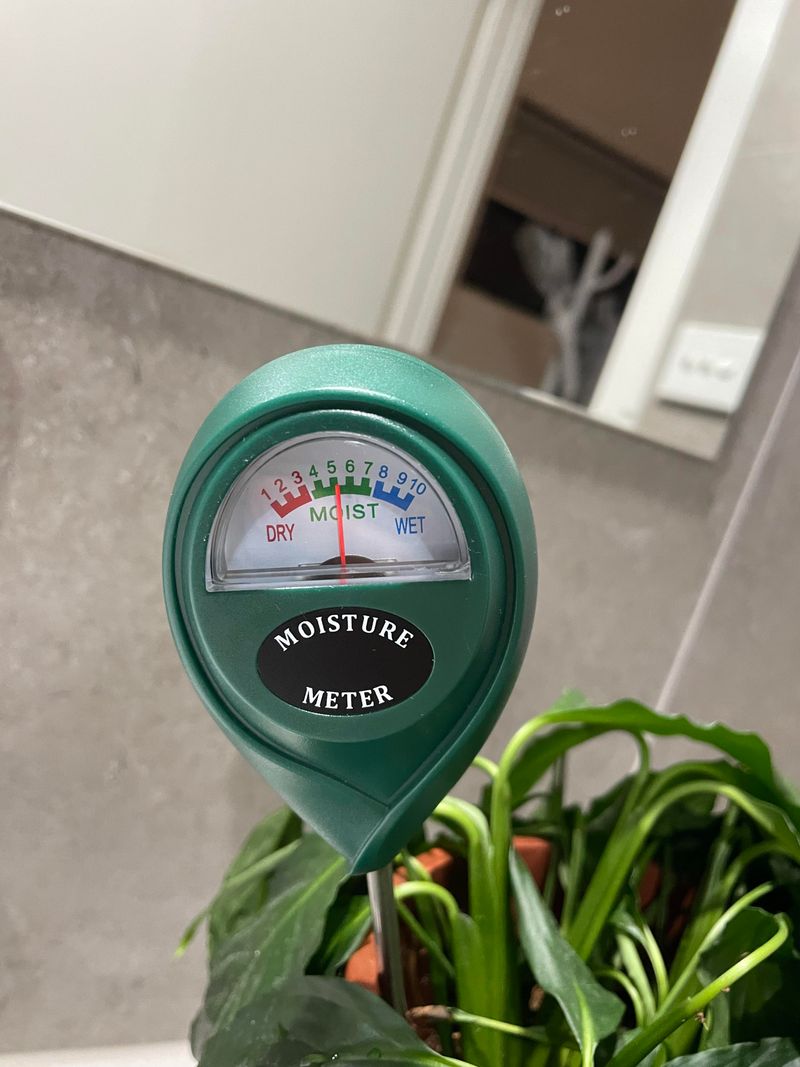
Alaskans check soil moisture by sticking their fingers two inches deep before deciding to water.
If the soil feels damp, they wait a few more days rather than following a rigid calendar.
Overwatering becomes the number one plant problem during Alaska’s dark winter season.
Cold water shocks plant roots, so letting water reach room temperature before watering helps.
Some plant owners fill watering cans the night before and let them sit out overnight.
Bottom watering by placing pots in trays of water prevents overwatering while ensuring thorough hydration.
Plants near heat vents or radiators dry out faster and need more frequent attention.
Those in cooler corners might need water only once every two or three weeks.
Yellowing leaves often signal overwatering rather than underwatering during winter months.
Paying attention to each plant’s individual needs rather than treating them all the same makes a huge difference in their overall health.
4. Choose Cold-Hardy Plant Varieties
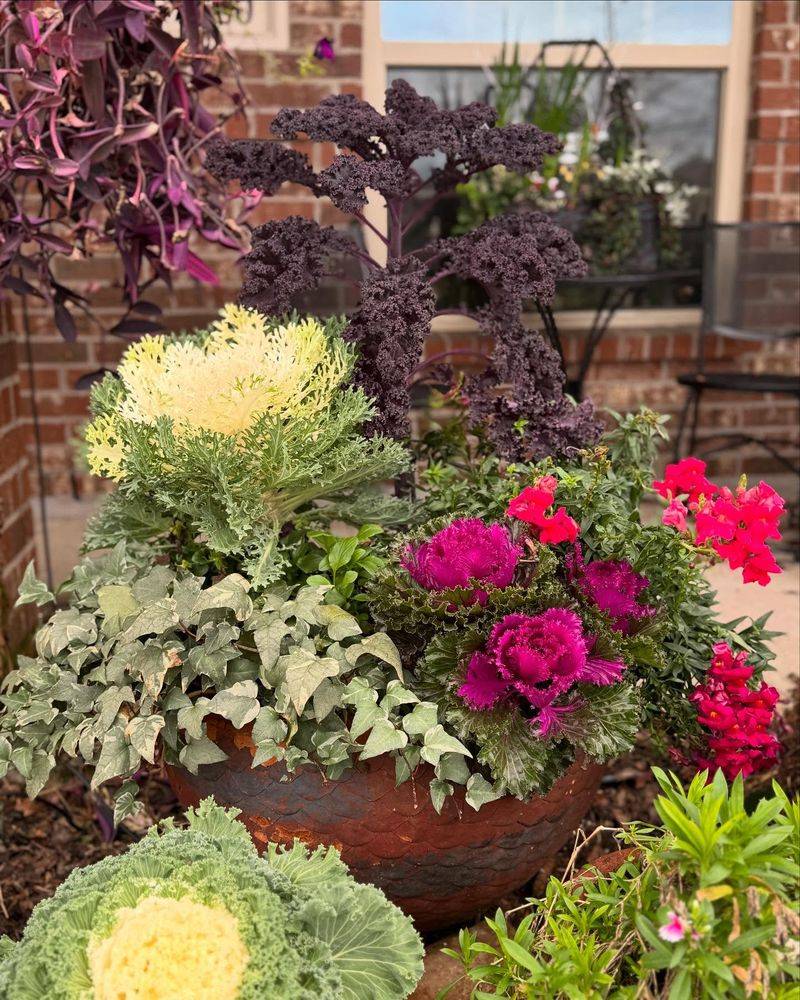
Not all houseplants handle the challenges of Alaska’s extreme winter conditions equally well.
Experienced gardeners select species that naturally tolerate lower light and cooler temperatures.
Snake plants rank among the toughest options, surviving with minimal light and infrequent watering.
Pothos vines adapt remarkably well to varying conditions and continue growing even in dimmer spaces.
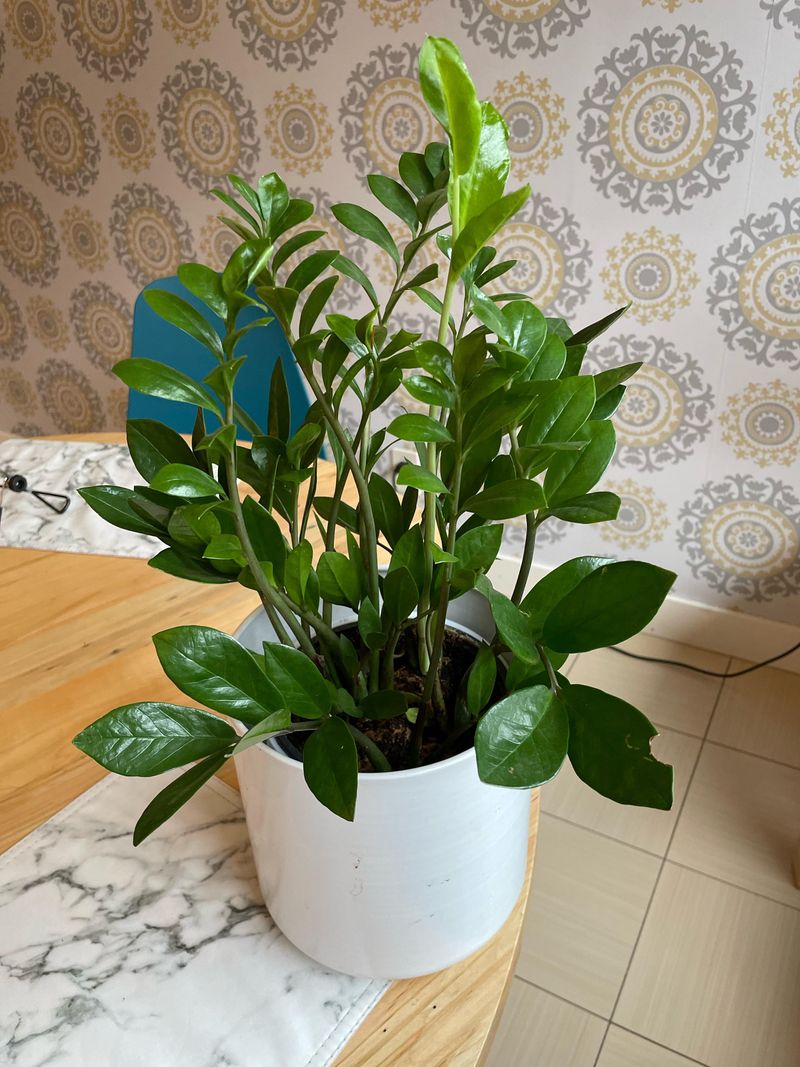
ZZ plants store water in their rhizomes, making them forgiving of occasional neglect.
Cast iron plants live up to their name by tolerating conditions that would stress other varieties.
Spider plants handle temperature fluctuations and lower humidity better than tropical species.
Peace lilies signal when they need water by drooping slightly, then perk up quickly after watering.
Aloe vera and other succulents naturally prefer drier conditions and less frequent watering.
Chinese evergreens come in beautiful varieties that thrive in low-light situations.
Choosing plants suited to Alaska’s winter realities sets you up for success rather than frustration.
Starting with resilient varieties builds confidence before attempting more challenging species that demand precise conditions.
5. Reduce Fertilizer Applications
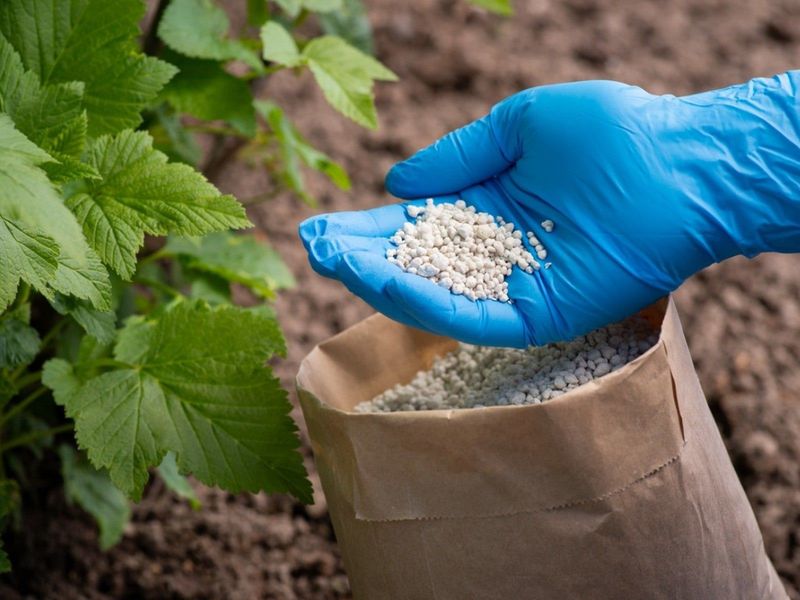
Houseplants grow much slower during winter months when light levels drop and temperatures decrease.
Their reduced growth means they need far fewer nutrients than during active growing seasons.
Continuing regular fertilizer schedules can actually harm plants by causing salt buildup in the soil.
Most Alaskans cut back to fertilizing once monthly or stop completely until spring arrives.
Some prefer diluting fertilizer to quarter-strength for occasional light feeding.
Plants showing signs of active growth might benefit from gentle feeding, while dormant ones should rest.
Excess fertilizer shows up as crusty white deposits on soil surfaces or pot rims.
Flushing pots with plain water occasionally helps remove accumulated salts from the soil.
Organic fertilizers like worm castings or compost tea provide gentle nutrition without harsh chemicals.
Some plant owners prefer liquid seaweed or fish emulsion diluted to very weak concentrations.
Observing your plants carefully tells you more than any fixed schedule ever could.
Holding back on fertilizer during winter respects the natural rest cycle that helps plants stay healthy long-term.
6. Protect Plants From Temperature Extremes
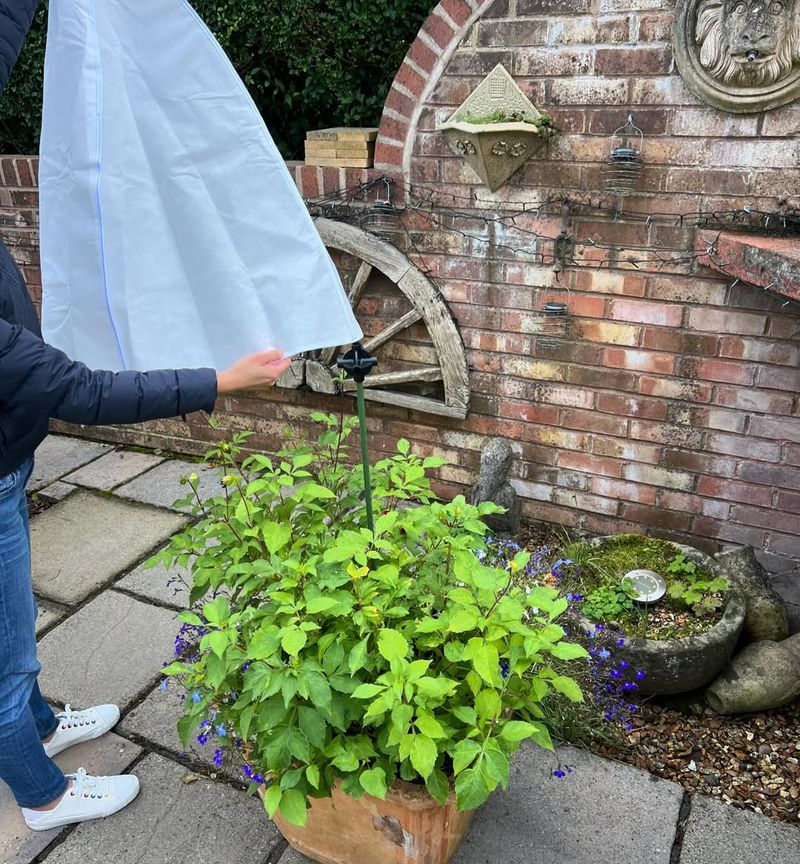
Windows that provide precious light during Alaska’s dark winter also radiate intense cold at night.
Plants sitting directly against glass can experience leaf damage from freezing temperatures.
Moving pots a few inches away from windows creates a buffer zone that prevents cold injury.
Curtains or blinds closed at night provide insulation between plants and frigid window glass.
Heat vents blasting dry, hot air cause just as many problems as cold drafts.
Direct heat dries out soil rapidly and causes leaf edges to brown and curl.
Positioning plants where they receive indirect warmth rather than direct blasts works better.
Doorways that open frequently expose plants to cold air rushes that shock their systems.
Most houseplants prefer temperatures between 65 and 75 degrees Fahrenheit during the day.
Nighttime temperatures can drop 5 to 10 degrees without causing problems for most varieties.
Sudden temperature swings stress plants more than consistently cooler conditions.
Finding stable locations away from extreme hot or cold spots helps plants maintain steady growth throughout the challenging winter season.
7. Clean Leaves Regularly
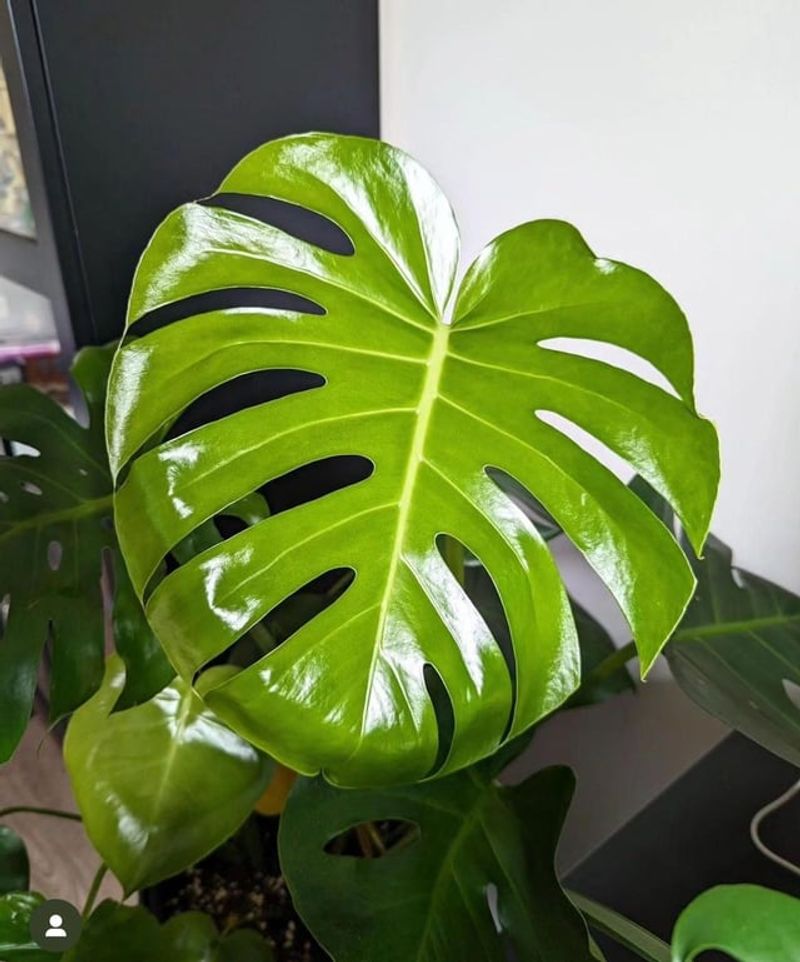
Dust accumulates on leaf surfaces throughout winter when windows stay closed and air circulates less.
This layer of grime blocks precious light that plants desperately need during dark months.
Wiping leaves gently with a damp cloth removes dust and allows maximum light absorption.
Clean leaves also photosynthesize more efficiently, helping plants maintain their health.
Some Alaskans give their plants occasional showers in bathtubs or sinks.
Lukewarm water rinses away dust while providing a humidity boost that plants appreciate.
Let plants drain thoroughly before returning them to their usual spots to prevent water damage.
Fuzzy-leaved plants like African violets shouldn’t get wet, so use a soft brush instead.
Regular cleaning sessions also provide opportunities to inspect plants for pest problems.
Spider mites and scale insects often appear during winter when plants are stressed.
Catching infestations early makes treatment easier and prevents spread to other plants.
Making leaf cleaning a monthly habit ensures plants can make the most of whatever light they receive during Alaska’s challenging winter conditions.
8. Rotate Plants For Even Growth
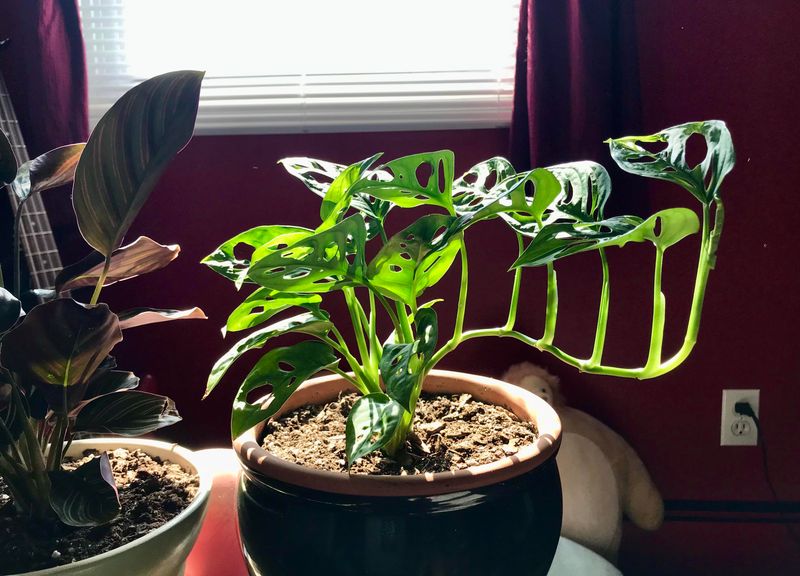
Plants naturally grow toward their light source, causing lopsided development over time.
This tendency becomes more pronounced during winter when light comes from limited directions.
Rotating pots a quarter turn every week or two promotes balanced, symmetrical growth.
Plants near windows especially benefit from regular turning to prevent one-sided stretching.
Under grow lights, rotation ensures all sides receive equal exposure to the strongest light.
Some Alaskans mark their pots with tape or markers to track rotation patterns.
Consistent rotation prevents plants from leaning dramatically and developing weak, elongated stems.
Flowering plants like African violets bloom more evenly when rotated regularly.
Larger plants in heavy pots can sit on rotating plant stands that make turning easier.
During rotation, take a moment to check the back sides for pest problems or yellowing leaves.
This simple practice takes only seconds but makes a noticeable difference in plant appearance.
Evenly grown plants look healthier and more attractive, rewarding your small effort with beautiful results throughout the long winter months.
9. Minimize Repotting During Winter
Repotting stresses plants by disturbing their roots and forcing them to adjust to new conditions.
Winter represents the worst time for this stressful activity when plants are already struggling with limited light.
Alaskans wait until spring when longer days and stronger light help plants recover quickly.
Emergency repotting might be necessary if root rot develops or pots break unexpectedly.
In these cases, disturb roots as little as possible and use similar soil to minimize shock.
Plants that seem rootbound can usually wait a few more months until growing conditions improve.
Root-pruning severely weakens plants during their dormant period and should be avoided completely.
If you must repot, choose a pot only slightly larger than the current one.
Oversized pots hold too much moisture and increase the risk of root problems.
Keep newly repotted plants in stable conditions without moving them around frequently.
Extra attention to watering becomes crucial since disturbed roots absorb moisture differently.
Patience pays off when you wait for ideal repotting conditions rather than forcing the issue during Alaska’s difficult winter season.
10. Monitor And Prevent Pest Problems
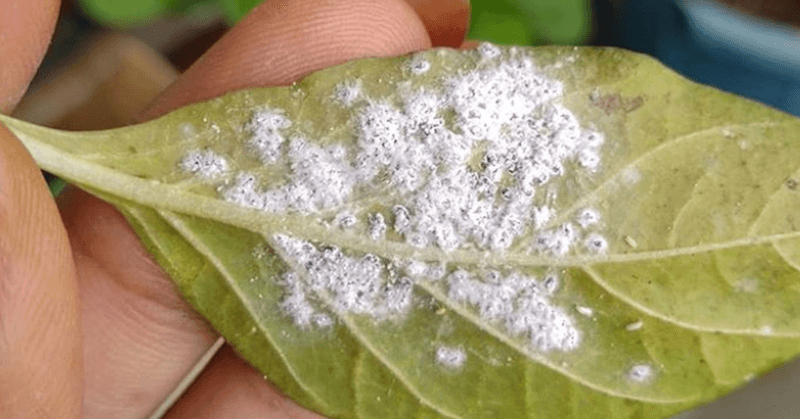
Spider mites thrive in the warm, dry conditions that heating systems create during Alaska’s winter.
These tiny pests can devastate plant collections before you even notice their presence.
Fungus gnats breed in constantly moist soil, another common winter problem for houseplants.
Regular inspections catch pest issues early when they’re easiest to control.
Check under leaves and along stems for webbing, sticky residue, or tiny moving specks.
Yellowing leaves or stunted growth sometimes indicate pest damage rather than cultural problems.
Isolating new plants for a few weeks prevents introducing pests to your existing collection.
Maintaining proper humidity levels helps prevent spider mites from establishing themselves.
Allowing soil to dry slightly between waterings discourages fungus gnats from reproducing.
Yellow sticky traps catch adult fungus gnats and help monitor pest populations.
Insecticidal soap or neem oil treatments work effectively against most common houseplant pests.
Staying vigilant throughout winter protects your plant collection from infestations that could ruin months of careful care during Alaska’s challenging season.