Why California Residents Are Finding Stress Relief Through Gardening This Winter
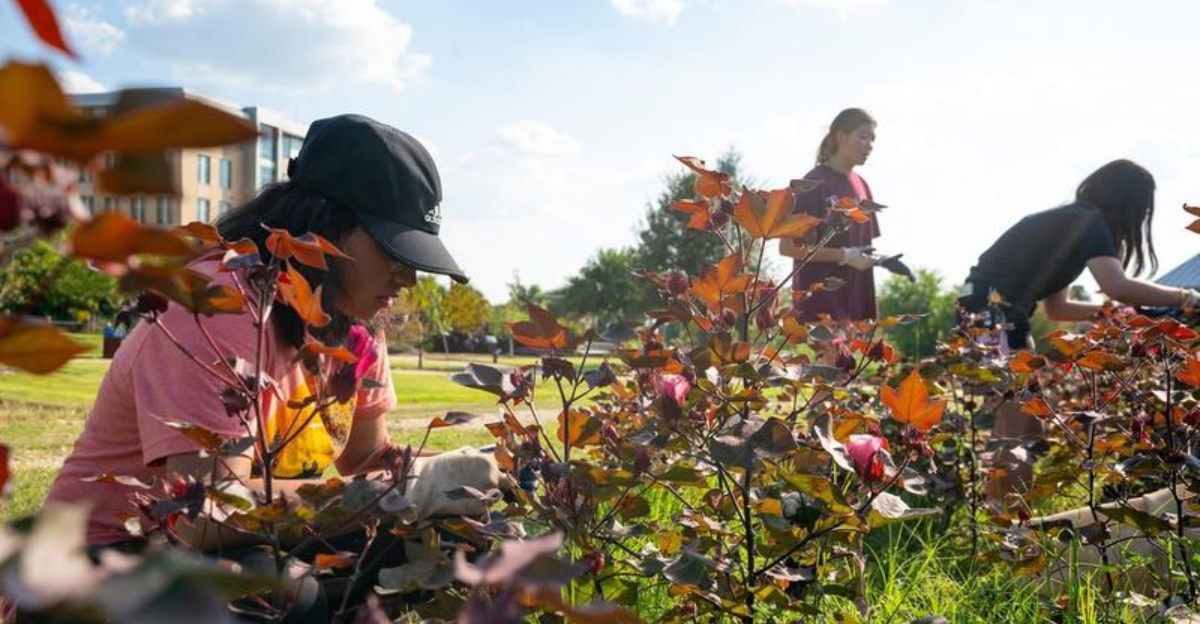
Winter settles gently over California, and residents are rolling up their sleeves as gardening becomes a welcome breath of fresh air.
Quiet mornings spent tending soil and checking new sprouts offer a calm that feels rare in a fast paced world.
A simple walk through a backyard bed can take the edge off a long day, giving people space to think and unwind.
Gardens glow with cool season greens and bright pops of color, turning small corners into pockets of peace.
The act of nurturing a plant brings a sense of purpose, as if each leaf gives a little nod of encouragement.
Many Californians find that time spent outdoors with their hands in the dirt clears the mind faster than any screen break.
As this habit spreads, gardens become more than weekend projects; they turn into anchors, steadying homes and hearts through short days and cool nights.
Winter may slow the world down, but gardens keep the spirit growing.
1. Fresh Air And Sunshine Boost Mood Naturally

California winters offer something special compared to most other states: plenty of sunny days that make outdoor activities enjoyable year-round.
Getting outside into the fresh air and natural light does wonders for your mental health.
Sunshine helps your body produce vitamin D, which plays a big role in regulating mood and fighting off feelings of sadness.
When you spend time gardening, you soak up these natural mood boosters without even thinking about it.
The combination of physical movement and outdoor exposure creates a powerful antidote to winter stress.
Many people notice they feel more energized and positive after just twenty minutes in their garden.
Unlike indoor activities that keep you stuck in artificial lighting, gardening forces you to step outside and breathe deeply.
California’s mild winter climate means you can garden comfortably most days without dealing with harsh cold or snow.
This accessibility makes it easy to develop a regular gardening routine that supports your mental wellness.
Even on cloudy days, outdoor time provides benefits that screens and indoor spaces simply cannot match.
The simple act of being surrounded by living plants and natural elements helps your nervous system relax and reset.
Your stress hormones decrease while feel-good chemicals increase, creating a natural pathway to better emotional balance throughout the winter months.
2. Growing Your Own Food Creates A Sense Of Accomplishment

Nothing compares to the satisfaction of eating vegetables you grew with your own hands.
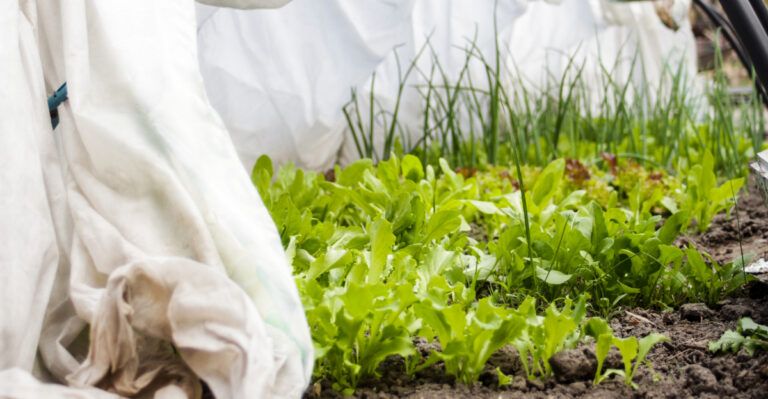
Winter gardening in California allows you to cultivate cool-season crops like lettuce, broccoli, carrots, and kale.
Watching seeds transform into thriving plants and eventually food for your table builds confidence and pride.
This process gives you control over at least one aspect of your life during uncertain times.
When external stressors feel overwhelming, nurturing plants from seed to harvest provides measurable progress you can see and taste.
Each tomato picked or bunch of greens harvested represents your effort and patience paying off.
Many gardeners describe this feeling as deeply rewarding, especially when sharing their harvest with family and friends.
Your California Garden Changes Every Week. Your Plan Should Too.
Gardening in California changes quickly throughout the season. Every Friday you’ll receive a simple weekly plan showing exactly what to plant, prune, fertilize, harvest, and protect so you never miss the right timing.
The knowledge that you can produce nutritious food reduces anxiety about grocery prices and supply chain issues.
You gain practical skills that connect you to traditions humans have practiced for thousands of years.
This connection to something larger than yourself creates meaning and purpose that combats feelings of helplessness.
California’s favorable winter growing conditions mean you can enjoy multiple harvests throughout the season.
Every successful crop reinforces your abilities and reminds you that growth happens even during the darker, colder months of the year.
3. Physical Activity Releases Tension Without Gym Pressure
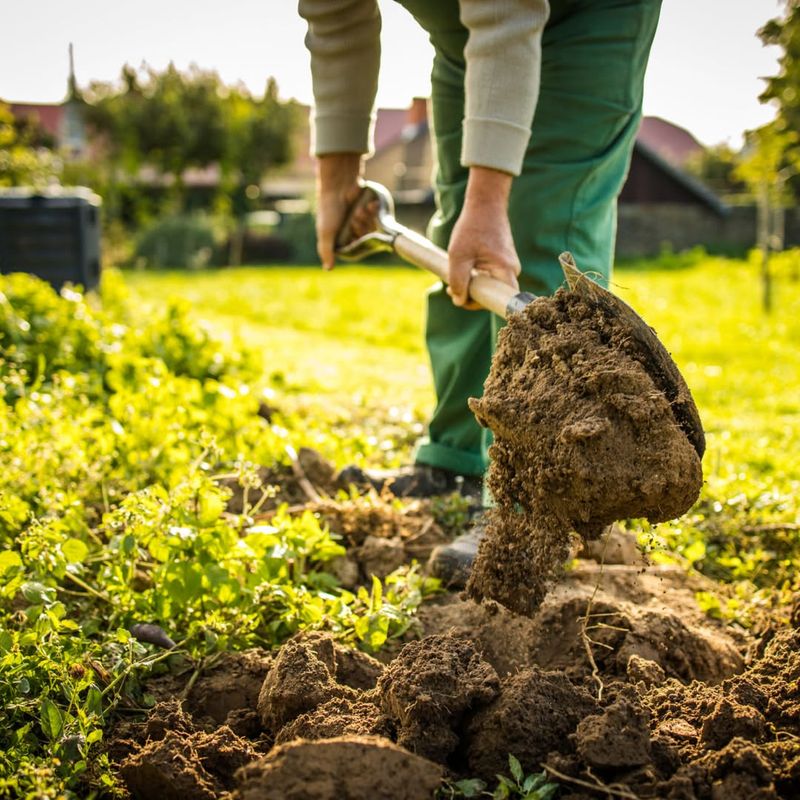
Gardening provides a full-body workout disguised as a relaxing hobby.
Digging, raking, planting, and weeding engage multiple muscle groups while burning calories.
Unlike structured gym routines that some people find intimidating or boring, gardening feels purposeful and productive.
You focus on caring for plants rather than counting reps or watching the clock.
This mindful movement helps release physical tension that accumulates from sitting at desks or staring at screens all day.
Your body naturally stretches and strengthens as you reach, bend, squat, and lift throughout your garden work.
The repetitive motions create a meditative rhythm that calms racing thoughts and anxious feelings.
Many people find that physical tiredness from gardening leads to better sleep at night, which further reduces stress levels.
California’s mild winter temperatures make outdoor exercise comfortable without the extreme heat of summer months.
You can work at your own pace, taking breaks when needed and adjusting activities to match your fitness level.
Research shows that regular physical activity significantly improves mental health by reducing symptoms of anxiety and depression.
Gardening delivers these benefits while also giving you fresh air, sunshine, and the joy of watching something beautiful grow under your care and attention.
4. Connecting With Nature Grounds Your Mind

Modern life keeps most people disconnected from the natural world, surrounded by concrete, screens, and artificial environments.
Gardening bridges this gap by putting you in direct contact with soil, plants, insects, and weather patterns.
This reconnection helps your mind shift away from worries about work deadlines, bills, and social media drama.
When you focus on whether your plants need water or how the soil feels in your hands, everyday stressors fade into the background.
Scientists call this effect “grounding” or “earthing,” and studies suggest it reduces inflammation and promotes emotional balance.
The simple act of touching soil introduces beneficial microbes that may improve mood through the gut-brain connection.
You become more aware of natural cycles like weather changes, seasonal shifts, and plant growth stages.
This awareness creates perspective that helps you see your problems as temporary rather than permanent.
California’s diverse ecosystems offer endless opportunities to observe birds, butterflies, bees, and other creatures that visit your garden.
These moments of wonder and curiosity spark joy that counteracts stress and negativity.
Your garden becomes a sanctuary where you can be fully present, noticing details like leaf textures, flower colors, and soil smells.
This mindful presence is exactly what stressed minds need to heal and find peace during challenging winter months.
5. Creating Beauty Lifts Your Spirits Daily

Surrounding yourself with beauty has a powerful effect on your emotional state and overall outlook.
When you design and maintain a garden, you create an attractive space that brings you happiness every time you see it.
California winters allow for gorgeous displays of pansies, snapdragons, cyclamen, and other cool-season bloomers.
Choosing colors, arranging plants, and adding decorative elements gives you creative expression that many people miss in their daily routines.
This artistic process engages different parts of your brain than work or household chores, providing mental refreshment.
Each time you look out your window or step into your yard, you see evidence of your creativity and care.
These visual reminders boost self-esteem and generate positive feelings that combat stress and worry.
Beautiful gardens also improve your home environment, making your living space feel more peaceful and welcoming.
Friends and neighbors often compliment attractive gardens, which provides social connection and validation.
You might inspire others to start their own gardens, creating a ripple effect of beauty and wellness in your community.
The changing appearance of your garden throughout winter keeps things interesting and gives you something positive to anticipate.
Whether you prefer neat rows of vegetables or wild cottage-style plantings, creating beauty according to your personal taste brings satisfaction that lasts all season long.
6. Gardening Provides Screen-Free Relaxation Time
Constant connection to phones, computers, and televisions contributes significantly to modern stress levels.
Notifications, news alerts, and social media comparisons keep your nervous system in a state of mild alarm.
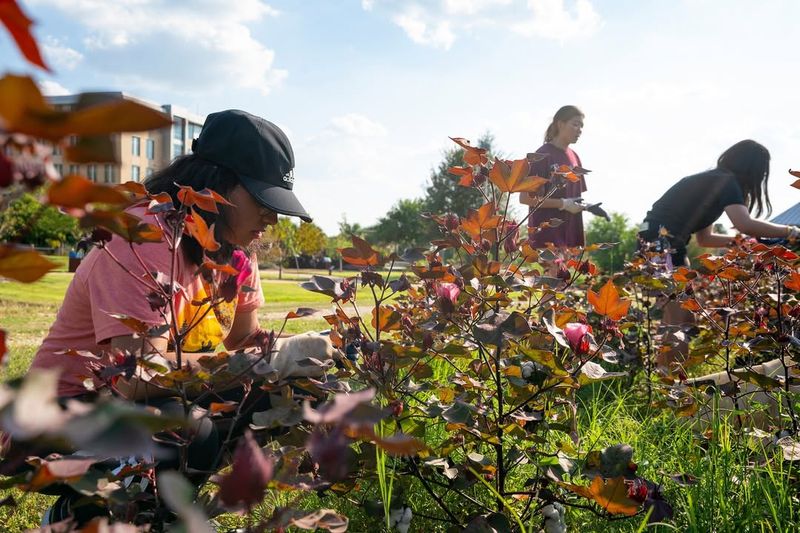
Gardening offers a legitimate reason to put down your devices and focus on something real and tangible.
When your hands are dirty and you’re focused on planting or pruning, checking your phone feels unnecessary and disruptive.
This break from screens gives your eyes, brain, and emotions a chance to rest and recover.
Many gardeners report that their best ideas and clearest thinking happen while working among plants.
Without digital distractions, your mind can wander freely, process emotions, and solve problems creatively.
California’s pleasant winter weather makes spending extended screen-free time outdoors comfortable and appealing.
You might start with just fifteen minutes and find yourself happily absorbed for an hour or more.
This natural flow state reduces cortisol levels and promotes the kind of deep relaxation that scrolling through apps never provides.
Children and teens especially benefit from gardening as a healthy alternative to constant gaming and social media use.
Families who garden together create shared experiences and conversations that strengthen relationships without screens mediating every interaction and moment together.
7. Learning New Skills Keeps Your Brain Engaged
Gardening involves constant learning that keeps your mind active and engaged in positive ways.
Understanding soil types, plant needs, pest management, and seasonal timing requires research and experimentation.
This intellectual stimulation provides a healthy distraction from repetitive worry thoughts that fuel stress and anxiety.
When you focus on figuring out why your lettuce bolted or how to improve drainage, your brain shifts into problem-solving mode.
This cognitive engagement improves mental flexibility and builds resilience that helps you handle other life challenges.
California’s unique climate zones mean there’s always something new to learn about regional gardening techniques.
You might join local gardening groups, attend workshops, or exchange tips with neighbors who share your interest.
These social learning opportunities combat isolation while expanding your knowledge and skills.
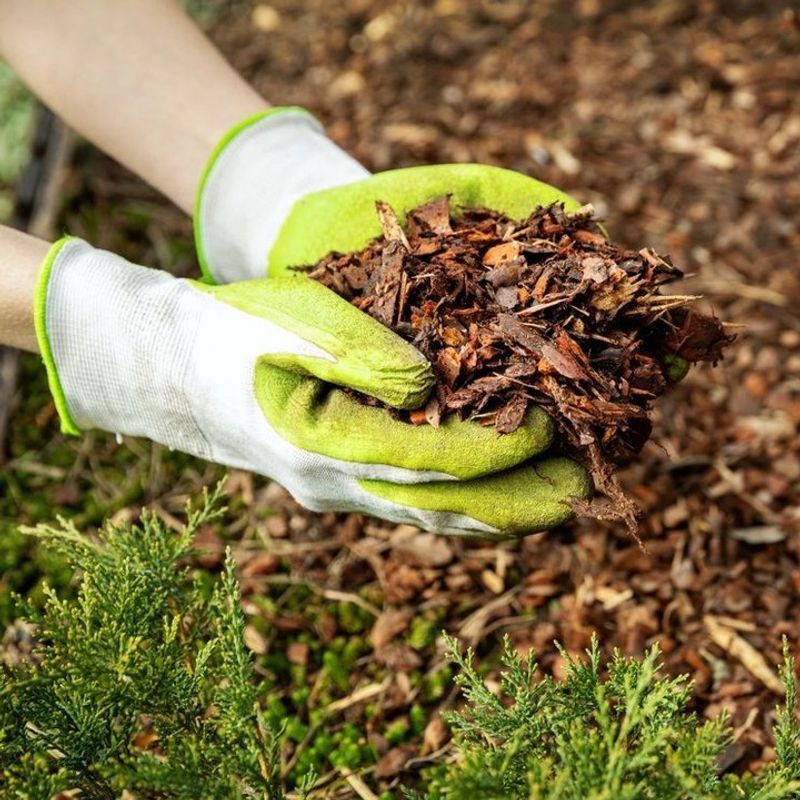
Mastering new techniques like composting, seed saving, or companion planting gives you confidence that extends beyond the garden.
You prove to yourself that you can tackle unfamiliar subjects and succeed through patience and practice.
Many older adults find that gardening keeps their minds sharp and gives them purpose during retirement years.
The combination of physical activity, mental engagement, and visible results makes gardening an ideal hobby for maintaining cognitive health while managing stress throughout winter and beyond.
8. Building Community Through Shared Garden Spaces
Social isolation significantly increases stress, especially during winter months when people spend more time indoors.
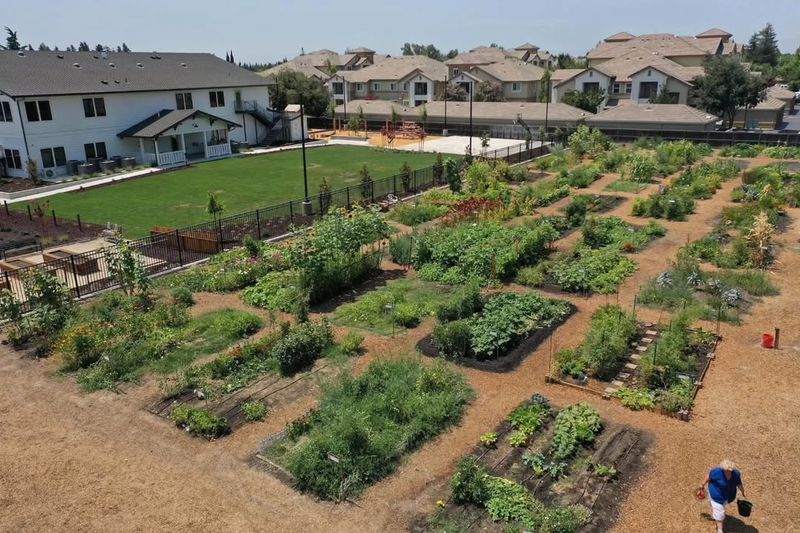
Community gardens and neighborhood gardening groups provide natural opportunities to connect with others who share similar interests.
Working alongside fellow gardeners creates friendships based on cooperation rather than competition or judgment.
You exchange seeds, share advice, celebrate successes, and troubleshoot problems together.
These interactions build a sense of belonging that protects mental health during difficult times.
California has thousands of community gardens where residents can rent plots and participate in group activities.
Even if you garden at home, joining online groups or attending local garden club meetings connects you with supportive people.
Sharing your harvest with neighbors strengthens community bonds and spreads goodwill throughout your area.
Many people report that their garden friendships become some of their most meaningful relationships.
Working toward common goals like beautifying shared spaces or growing food for local food banks gives purpose beyond personal benefit.
Multigenerational gardening groups allow knowledge transfer between experienced and novice gardeners, enriching everyone involved.
The simple act of greeting fellow gardeners and chatting about plants provides regular social interaction that combats loneliness and reduces stress levels throughout the winter season and year-round.