Michigan’s Most Stunning Winter Greenhouses You Can Tour Right Now
When Michigan winter settles in with its icy winds and lake-effect snow, most people retreat indoors and wait for spring to return.
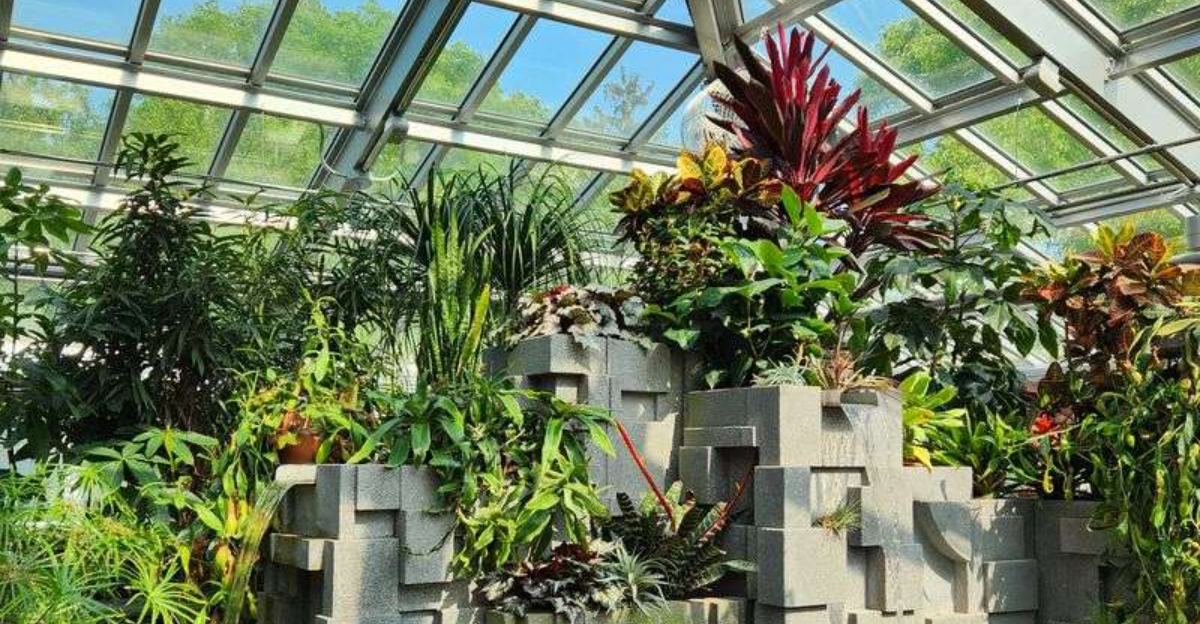
But hidden across the state are warm, glass-covered sanctuaries bursting with tropical blooms, citrus trees, lush ferns, and vibrant color—places where winter melts away the moment you step inside.
These stunning winter greenhouses offer more than shelter from the cold; they provide an instant escape, a breath of humid warmth, and a reminder that nature never truly sleeps.
Whether you’re seeking a family outing, a romantic retreat, or simply a break from gray skies, Michigan’s most beautiful winter greenhouses are open for tours right now and ready to brighten your coldest days.
1. Matthaei Botanical Gardens & Nichols Arboretum Conservatory
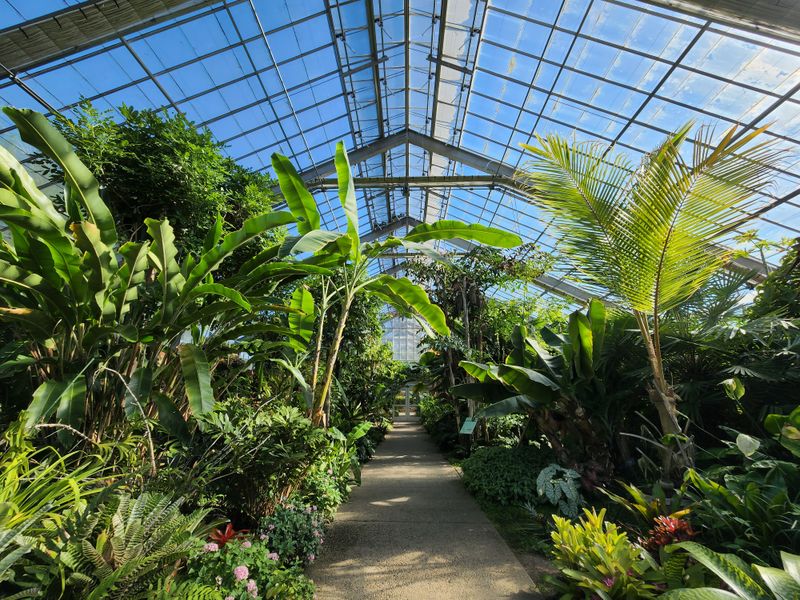
Located at 1800 North Dixboro Road in Ann Arbor, this botanical treasure offers three distinct climate zones under one roof.
Visitors can wander through tropical, temperate, and arid environments without ever stepping outside into the Michigan cold, which makes the conservatory especially appealing during frigid winter months.
The tropical house bursts with colorful orchids, towering palms, and cascading vines that transport you straight to a lush rainforest filled with warmth and vibrant life.
Meanwhile, the desert house showcases fascinating cacti and succulents from around the globe, each one adapted to survive in some of the harshest climates on Earth.
Winter visitors especially appreciate the warm, humid air that contrasts sharply with the frozen landscape outside, offering instant comfort the moment they enter.
Educational displays throughout the conservatory teach visitors about plant adaptations and conservation efforts, ensuring that every trip feels enriching as well as beautiful.
Kids love the interactive scavenger hunts available during winter months, which encourage them to explore the conservatory while learning fun plant facts.
Photography enthusiasts find endless inspiration among the exotic blooms and architectural glass structures that create dramatic lighting even on cloudy days.
The conservatory stays comfortably warm year-round, making it an ideal destination when temperatures drop to single digits.
Plan to spend at least an hour exploring all three climate zones, allowing enough time to enjoy each unique environment.
Free parking is available on-site, and admission fees support ongoing research and education programs that help preserve plant biodiversity.
Don’t miss the seasonal displays that change throughout winter, featuring poinsettias, winter-blooming plants, and artistic arrangements designed to brighten gloomy days.
2. Frederik Meijer Gardens & Sculpture Park Tropical Conservatory
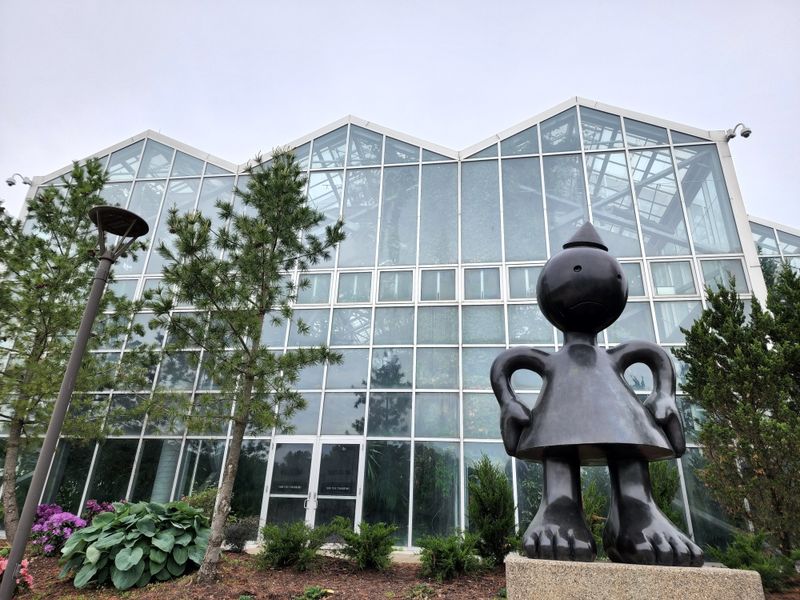
Grand Rapids boasts one of the largest and most impressive tropical conservatories in the entire Midwest at 1000 East Beltline Avenue Northeast.
Standing five stories tall, this glass masterpiece houses over 400 species from tropical regions around the world and presents an unforgettable escape from Michigan’s long winter season.
A spectacular waterfall cascades down rugged rock formations surrounded by lush ferns and flowering plants that continue to bloom even in the coldest months.
The conservatory maintains a balmy 70-degree temperature year-round, offering immediate relief from Michigan’s harsh winter winds.
Winding pathways lead visitors past towering banana trees, vibrant bromeliads, and rare tropical specimens that thrive within this warm and welcoming environment.
Your Michigan Garden Changes Every Week. Your Plan Should Too.
Gardening in Michigan changes quickly throughout the season. Every Friday you’ll receive a simple weekly plan showing exactly what to plant, prune, fertilize, harvest, and protect so you never miss the right timing.
Butterflies often flutter freely during special exhibitions, adding a magical touch that captivates both children and adults.
Architecture lovers admire the stunning glass structure that maximizes natural sunlight while protecting delicate tropical plants from icy outdoor conditions.
Seasonal displays rotate throughout winter, ensuring that each visit offers new colors, textures, and botanical surprises.
The conservatory connects seamlessly to the sprawling outdoor sculpture gardens, though many winter visitors choose to linger within the warm indoor spaces.
Benches throughout provide peaceful spots to sit and soak in the tropical atmosphere, making it a perfect slow-travel experience on a cold day.
Guided tours are offered on weekends and provide rich insights into the conservatory’s diverse plant collections and design techniques.
Combination tickets allow access to both the conservatory and the museum’s notable sculpture collection, making it easy to enjoy a full day of art and nature.
Arrive early on weekends to avoid crowds and enjoy quiet moments among the greenery, especially during peak winter visits.
3. Fernwood Botanical Garden & Nature Preserve Conservatory

Nestled at 13988 Range Line Road in Niles, Fernwood provides an intimate greenhouse experience perfectly suited for peaceful winter exploration.
Unlike larger facilities, this conservatory offers a cozy and personal atmosphere where visitors can examine unique plants up close without feeling rushed or crowded.
Ferns dominate the collection, displaying varieties that range from delicate maidenhairs to bold, sculptural tree ferns that create a stunning multi-layered canopy.
Tropical flowering plants add vivid pops of color against the lush green backdrop throughout the winter months, providing visual warmth on even the coldest days.
The conservatory’s smaller size means it warms quickly and maintains consistent humidity levels that keep both plants and visitors comfortable.
Stone pathways wind through intentionally arranged displays that change seasonally and emphasize texture, form, and botanical diversity.
Educational signage explains each plant’s origin, preferred growing conditions, and distinctive characteristics in clear and accessible language.
Winter workshops often take place inside the conservatory, teaching propagation, gardening techniques, and houseplant care suited for Michigan’s climate.
Families appreciate the manageable size, which makes the conservatory easy to explore with young children who may tire quickly.
Outside, snow-covered trails contrast beautifully with the lush interior visible through the conservatory’s glass walls, creating striking visual juxtapositions.
Photographers capture stunning images of delicate frost patterns on the outer glass while vibrant greenery thrives within.
The conservatory stays open year-round with extended hours during holiday seasons that attract increased visitor interest.
Membership provides unlimited visits and offers valuable discounts on classes, workshops, and specialty plant sales.
Pack layers since you will transition from the cold outdoor pathways to the warm conservatory interior multiple times during your visit.
4. Dow Gardens Conservatory
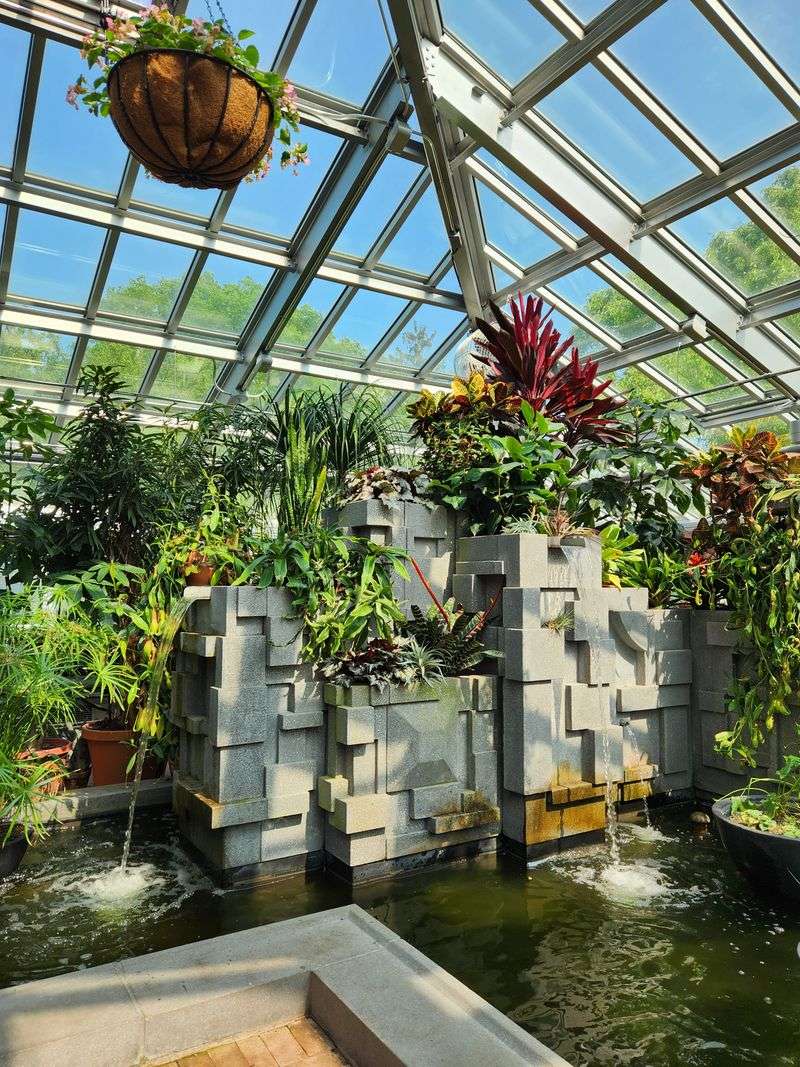
Midland’s historic treasure at 1809 Eastman Avenue showcases horticultural excellence within elegant glass walls that reflect the garden’s long botanical legacy.
Originally built to support the founder’s passion for plants, the conservatory now welcomes thousands of winter visitors who seek an escape into warmth and beauty.
Victorian-style architecture adds old-world charm while providing ideal growing conditions for a wide array of fascinating plant collections.
Seasonal displays rotate frequently, and winter themes often highlight amaryllis, cyclamen, paperwhites, and other cold-season bloomers that thrive indoors.
The conservatory connects to 110 acres of outdoor gardens, though most winter visitors choose to focus on the inviting indoor spaces where warmth and greenery abound.
Comfortable temperatures hover between 65 and 70 degrees, making it pleasant to stroll slowly through every corner of the conservatory.
Ornamental plants fill each space thoughtfully, ranging from vibrant hanging baskets overhead to intricately arranged ground-level flower beds.
Gardening enthusiasts gather abundant inspiration for their own indoor plant collections, especially during dark winter months.
Staff members are often available to answer questions, share plant care tips, and guide visitors toward seasonal highlights.
Holiday displays transform the conservatory into a festive wonderland each December, drawing guests of all ages.
Special events like orchid shows and winter plant sales attract gardeners from across the state throughout the season.
Admission is reasonably priced and offers discounts for seniors, children, and members, making it accessible for families.
The gift shop offers unique plant-related items, botanical decor, and locally made crafts that make thoughtful gifts.
Consider visiting on weekday mornings for the quietest experience and the best photography opportunities.
5. Leila Arboretum Greenhouse

Battle Creek’s community gem at 928 West Michigan Avenue offers free admission to its welcoming greenhouse space, making it a beloved destination for locals.
Volunteers maintain the collection with dedication and care, creating a warm and inviting atmosphere that extends beyond the indoor temperature.
Seasonal displays change regularly, and winter showcases forced bulbs and early-blooming plants that hint at spring’s eventual arrival.
Educational programs for schools and community groups frequently use the greenhouse as a living classroom where learning comes alive.
Children learn about photosynthesis, plant lifecycles, and environmental stewardship through hands-on activities that spark curiosity.
The greenhouse may be smaller than many others, but its strong community focus makes it a special and meaningful place to visit.
Local gardening clubs meet here regularly, sharing knowledge, seeds, and plant cuttings with fellow enthusiasts.
Winter workshops teach seed starting, propagation, and gardening techniques perfectly suited for Michigan’s short growing season.
Visitors often leave with new gardening tips, inspiration, and friendships formed through shared horticultural interests.
The attached arboretum grounds offer winter walking trails for visitors willing to bundle up and explore the snowy landscape.
However, most visitors prefer staying inside where geraniums bloom and aromatic herbs grow year-round.
Free admission makes this greenhouse accessible to all, regardless of budget or experience level.
Donations are gladly accepted and directly support plant acquisitions, maintenance, and community programming.
Check their website for special winter events, including seed swaps and propagation demonstrations that attract enthusiastic crowds.
6. Michigan State University Horticulture Gardens Greenhouse
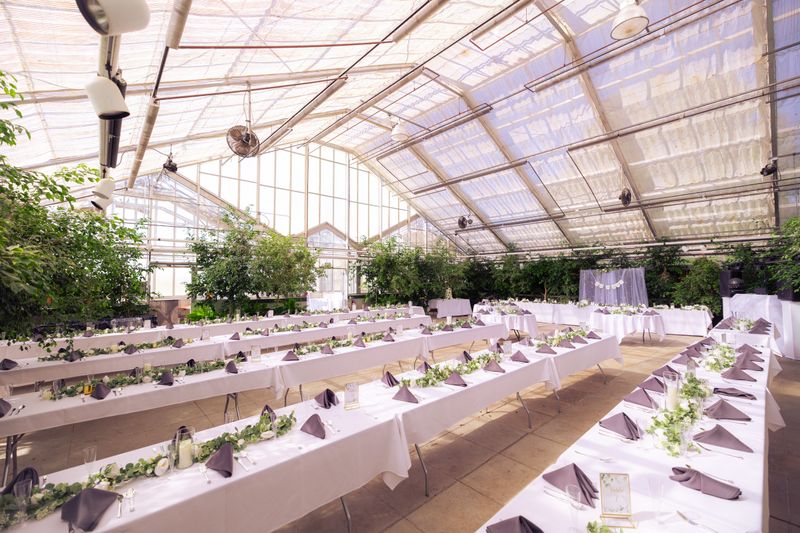
East Lansing’s academic greenhouse at 1066 Bogue Street serves both research and public education purposes with exceptional dedication.
Michigan State University opens sections of these facilities to visitors, allowing the public to gain insight into horticultural science, research, and plant breeding programs.
Students and researchers work alongside casual visitors, creating a dynamic and educational atmosphere filled with discovery.
Collections include ornamental plants, vegetables at multiple growth stages, and experimental varieties under development for commercial and environmental use.
Winter visitors see firsthand how professional horticulturists maintain thriving plants during Michigan’s coldest months.
Research greenhouses showcase cutting-edge growing techniques, sustainability-focused methods, and innovative plant trials.
Educational signage explains scientific concepts in accessible language that appeals to learners of all ages.
Many displays link directly to current research projects happening across the expansive MSU campus.
High school and college students considering horticulture careers often find inspiration here as they observe real scientific work.
The greenhouse complex includes multiple connected structures, each maintaining unique climate zones for specialized plant groups.
Some areas focus on tropical plants while others maintain cooler temperatures required for temperate or alpine species.
Guided tours are sometimes offered through the university’s outreach programs and provide deeper insight into ongoing projects.
Parking can be challenging during the school year, so visitors are encouraged to arrive early or use public transportation.
Admission is free, making this greenhouse an excellent budget-friendly winter activity for curious families and students.
7. Cranbrook House and Gardens Conservatory
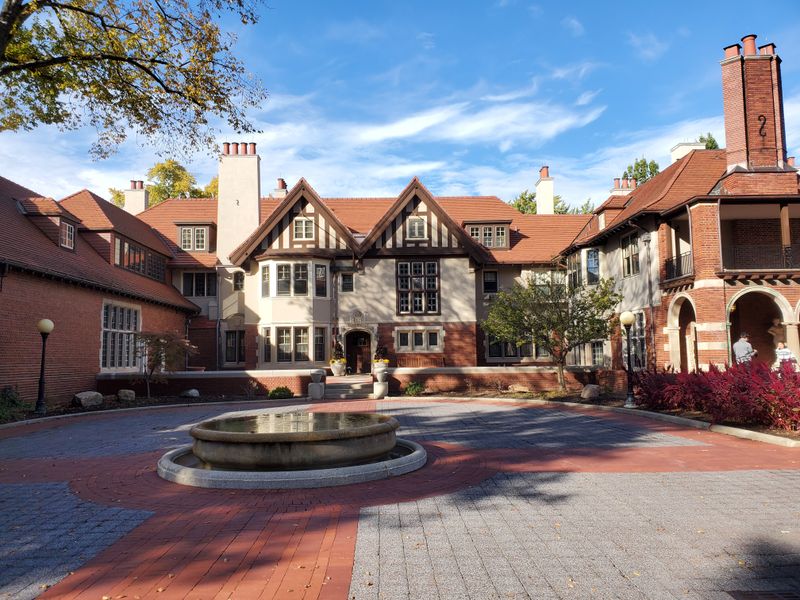
Bloomfield Hills’ elegant estate at 380 Lone Pine Road features a conservatory reflecting the sophistication and craftsmanship of the Arts and Crafts era.
Built as part of the historic Cranbrook estate, the conservatory maintains plants that have graced the property for generations under careful horticultural care.
Architectural details throughout the structure highlight the artistry and attention to design that defined the estate’s early years.
Rare plant specimens collected by the original estate owners still thrive within the conservatory’s warm, glass-enclosed environment.
Winter visitors appreciate how the conservatory seamlessly connects to the mansion’s rich history and aesthetic charm.
Tours often include captivating stories about the family’s passion for horticulture and landscape design traditions.
Citrus trees, camellias, and other tender plants spend the winter protected within these walls, creating a lush display during the coldest months.
Come spring, many of these plants move outdoors to enhance the estate’s expansive formal gardens and seasonal displays.
The conservatory serves as both a preservation space and a public attraction that celebrates botanical history.
Photography is encouraged, and the historic architecture provides stunning backdrops for memorable winter images.
Special events such as afternoon teas occasionally take place in or near the conservatory, enriching the visitor experience.
Admission includes access to the house museum and the surrounding garden areas when weather permits exploration.
Weekday visits tend to be quieter, providing guests with more time to appreciate the peaceful historic atmosphere.
Combination tickets with other Cranbrook institutions provide excellent value for guests interested in art, nature, and design.
8. Beal Botanical Garden Teaching Greenhouse

Another Michigan State University treasure, this teaching facility at 412 Olds Hall focuses specifically on botanical education and learning.
Unlike display-focused conservatories, this greenhouse prioritizes deep understanding, offering extensive labeling and educational materials throughout the space.
Plant families are grouped logically, helping visitors see connections between species and understand botanical classification systems more clearly.
Students from various academic programs use the greenhouse for coursework, research projects, and hands-on learning opportunities.
Public visitors benefit from the academic focus, gaining a richer understanding of plant science than they might at a traditional conservatory.
Winter is an excellent time to visit because outdoor garden beds lie dormant, allowing indoor collections to take center stage.
Collections emphasize economically important plants, medicinal species, and plants with fascinating adaptations to challenging environments.
Each specimen includes detailed information about its uses, origins, and biological characteristics that deepen visitor appreciation.
Families with curious children find the educational approach particularly engaging because it supports inquiry and active learning.
The greenhouse maintains moderate temperatures comfortable for both plants and visitors, encouraging longer exploration.
Benches provide quiet spots where guests can pause to read informational displays or sketch interesting plant forms.
Student guides sometimes offer informal tours, sharing their enthusiasm and knowledge with visitors.
Free admission and convenient campus parking make this facility accessible for anyone interested in learning about plants.
Check the academic calendar before visiting since hours may vary during university breaks, exam periods, and research cycles.