Colorado’s Mountain Gardens That Turn Magical Under Snow
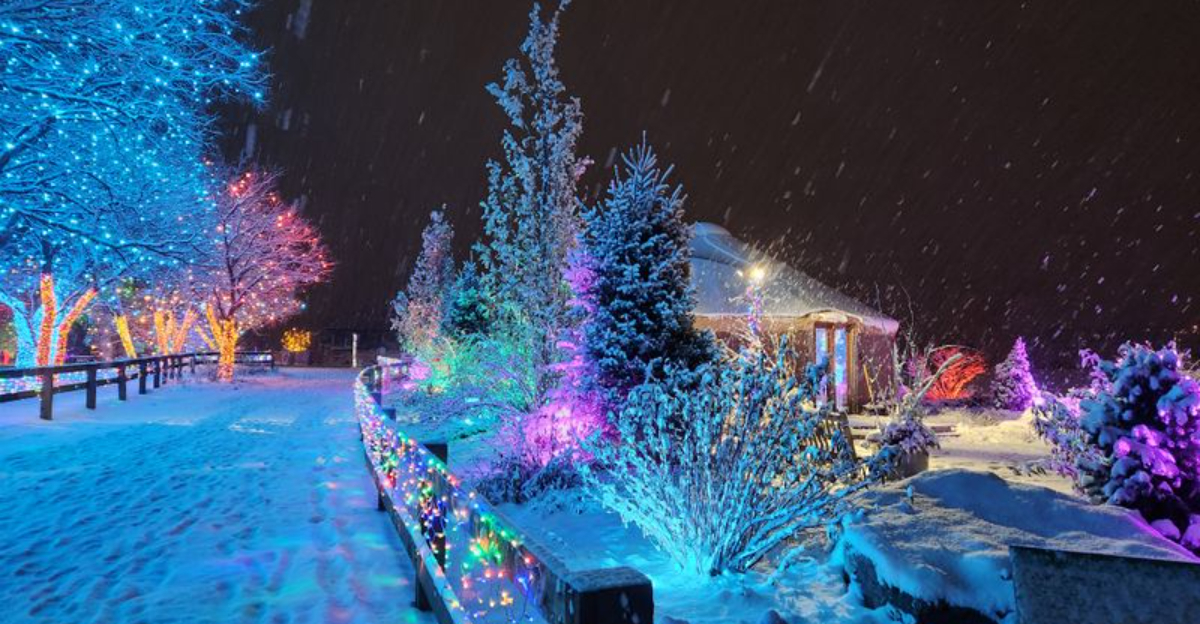
Winter transforms Colorado’s gardens into breathtaking wonderlands where snow-dusted plants and frozen landscapes create scenes straight out of a fairy tale.
Mountain gardens, arboretums, and alpine collections take on a completely different personality when blanketed in white, offering visitors a peaceful escape and stunning photo opportunities.
Whether you’re a nature lover, photography enthusiast, or simply someone who appreciates beauty in all seasons, these special places prove that gardens aren’t just for spring and summer.
1. Betty Ford Alpine Gardens
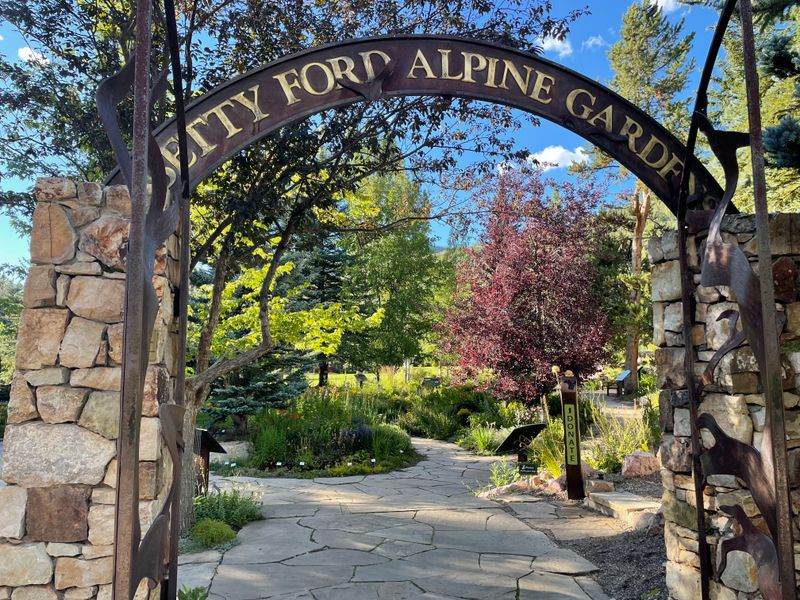
Perched at 8,250 feet above sea level in Vail, the Betty Ford Alpine Gardens holds the title of highest botanic garden in North America.
Located at 183 Gore Creek Drive, this remarkable four-acre garden showcases over 3,000 varieties of alpine and sub-alpine plants that look absolutely stunning under a fresh blanket of snow.
Winter visitors can wander through the meditation garden, where snow-laden evergreens and carefully placed rocks create a zen-like atmosphere perfect for quiet reflection.
The perennial garden transforms into a sculptural landscape when ice and snow outline each dried seedhead and dormant plant.
Even though many plants are sleeping, the garden’s bones—its pathways, stone walls, and structural plantings—become more visible and beautiful in winter.
Free admission year-round makes this a budget-friendly adventure for families.
The gardens remain open during winter, though some areas may be snow-covered and require appropriate footwear.
Photography enthusiasts particularly love capturing the contrast between delicate alpine plants and heavy snow.
Educational signs throughout help visitors learn about mountain ecology even in the coldest months.
Bundle up warmly and prepare for thinner air at this high elevation.
2. Denver Botanic Gardens

Spanning 24 acres at 1007 York Street in Denver’s Cheesman Park neighborhood, Denver Botanic Gardens becomes a winter paradise when snowflakes start falling.
The Japanese Garden takes on an especially serene quality in winter, with snow-covered bridges and frozen ponds creating postcard-perfect scenes.
Ornamental grasses throughout the gardens catch snow beautifully, their tan and golden seedheads providing texture and movement even on the coldest days.
The conservatory offers a warm tropical escape when you need a break from chilly temperatures outside.
Winter interest plants like red-twig dogwood and paper bark maple stand out dramatically against white backgrounds.
Special winter programming often includes photography workshops focused on capturing garden beauty in all seasons.
The gardens stay open year-round, though hours may be shorter during winter months.
Membership provides unlimited visits, making it easy to experience the gardens through every snowfall.
Hot chocolate in the café tastes especially delicious after a winter garden stroll.
Dress in layers since you’ll be moving between cold outdoor spaces and heated indoor areas.
3. Chatfield Farms Native Garden
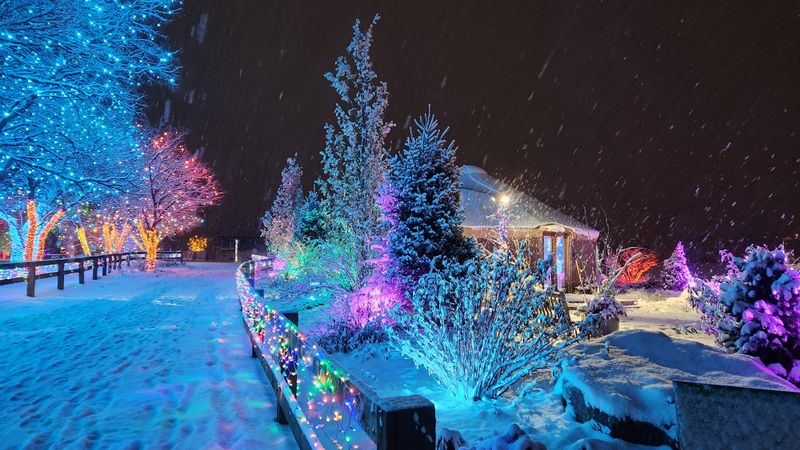
Did you know native plants can be just as beautiful in winter as summer?
Chatfield Farms at 8500 West Deer Creek Canyon Road in Littleton proves this point spectacularly when snow arrives.
The native demonstration gardens showcase Colorado’s indigenous plants, which have evolved to handle harsh winters and actually look magnificent covered in frost and snow.
Your Colorado Garden Changes Every Week. Your Plan Should Too.
Gardening in Colorado changes quickly throughout the season. Every Friday you’ll receive a simple weekly plan showing exactly what to plant, prune, fertilize, harvest, and protect so you never miss the right timing.
Prairie grasses sway gracefully even under snow’s weight, while evergreen yucca plants provide striking vertical accents.
The farm’s location along Deer Creek means you might spot wildlife tracks in fresh snow, adding an element of natural discovery to your visit.
Winter is actually an excellent time to study garden structure and plan your own native landscape at home.
You can see how plants are arranged for year-round interest and which species maintain visual appeal through cold months.
The gardens connect to extensive trail systems perfect for snowshoeing when conditions allow.
Parking is plentiful and the site rarely feels crowded during winter.
Bring binoculars for birdwatching since many species visit native seedheads for winter food.
4. Hudson Gardens and Event Center
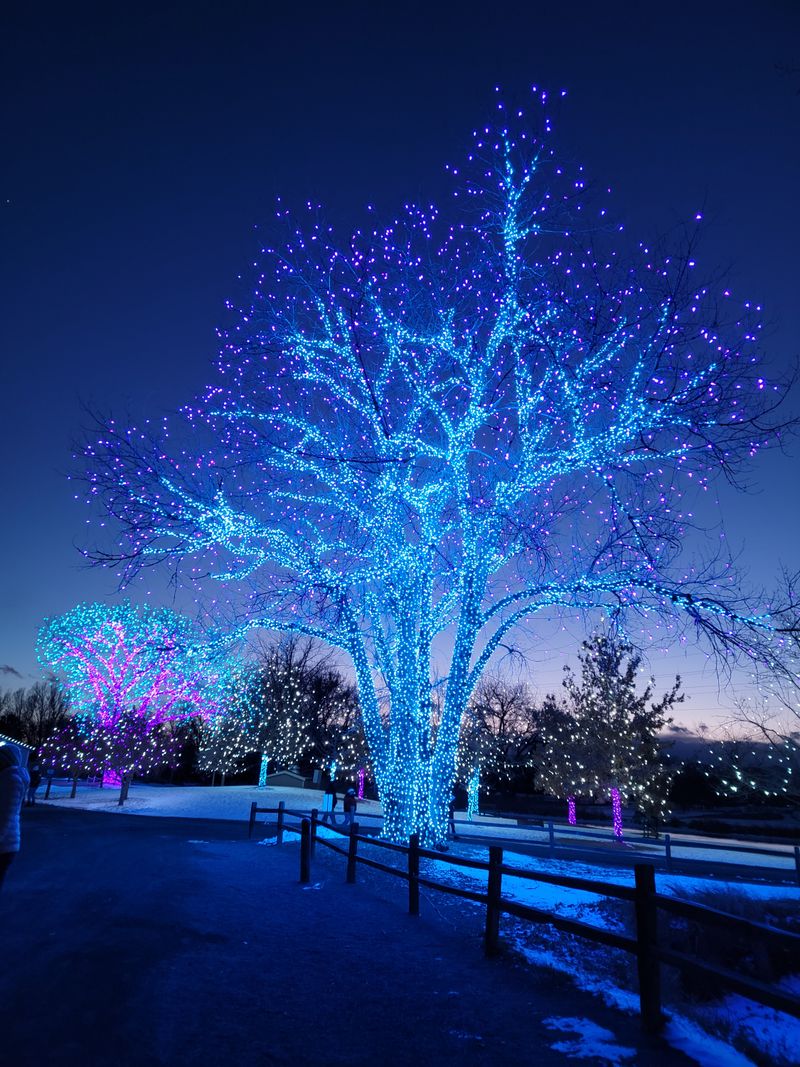
Nestled along the South Platte River at 6115 South Santa Fe Drive in Littleton, Hudson Gardens transforms into a winter storybook setting.
The 30-acre property features diverse garden rooms, each taking on unique character when snow falls.
Formal gardens with boxwood hedges look especially elegant outlined in white, their geometric patterns becoming even more pronounced.
The Secret Garden area feels particularly enchanting under snow, with its enclosed space creating an intimate winter retreat.
Evergreen collections provide consistent color throughout winter months, offering relief from monochrome landscapes.
A walk along the river trail might reward you with views of waterfowl and other wildlife that remain active year-round.
The gardens host special winter events including holiday light displays that combine garden beauty with seasonal magic.
Trails are generally maintained but can be icy, so wear appropriate footwear with good traction.
The venue’s event center windows offer warm viewing spots when temperatures drop too low for extended outdoor exploration.
Photography permits are available for those wanting professional winter garden shots.
5. Western Colorado Botanical Gardens
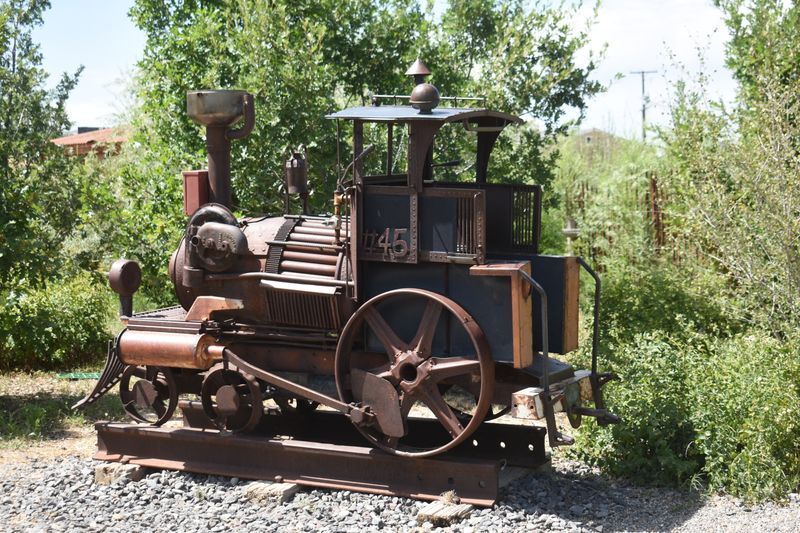
Something magical happens when desert meets winter at Western Colorado Botanical Gardens, located at 655 Struthers Avenue in Grand Junction.
Snow on cacti and desert plants creates surreal contrasts you won’t find in typical mountain gardens.
The gardens sit at a lower elevation than most Colorado gardens, meaning snow visits are less frequent but extra special when they occur.
Adobe-style architecture throughout the grounds looks particularly striking framed by snow and red rock formations visible in the distance.
The butterfly house offers tropical warmth during winter visits, providing fascinating contrast to snowy gardens outside.
Desert plants adapted to temperature extremes show remarkable resilience, with some species actually looking their best in cooler months.
The gardens’ water features sometimes freeze into interesting ice formations that reflect surrounding landscape.
Winter sunlight in this region creates exceptional photography conditions with clear, crisp air and dramatic shadows.
Admission fees are reasonable and support ongoing garden development and education programs.
The gift shop stocks locally made items perfect for unique souvenirs or gifts.
6. Yampa River Botanic Park
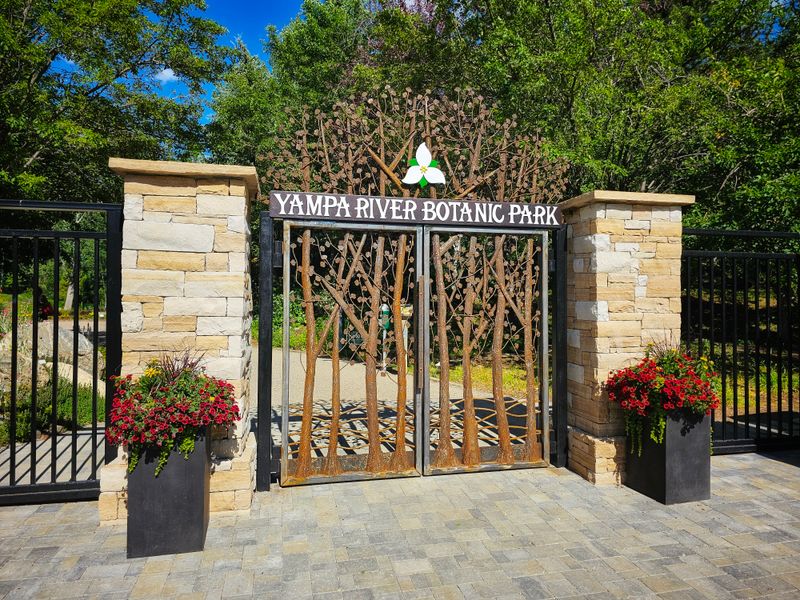
Steamboat Springs’ community treasure at 1000 Pamela Lane becomes a winter wonderland when snow blankets its thoughtfully designed spaces.
This young but rapidly developing garden demonstrates how mountain communities can create beautiful public spaces that shine year-round.
The park’s location along the Yampa River means you can combine garden visits with riverside walks through snowy cottonwood groves.
Demonstration gardens here teach mountain residents which plants thrive at high elevation and look good through winter.
Structural elements like arbors, trellises, and decorative fencing become sculptural features when outlined in snow.
The children’s garden area takes on a whimsical quality in winter, with playful elements peeking through snowdrifts.
Local volunteers maintain paths through winter, making the park accessible even after heavy snowfall.
Cross-country ski trails connect nearby, so some visitors arrive on skis rather than by car.
The park hosts occasional winter events celebrating cold-season garden beauty and mountain ecology.
Free parking and admission make this an accessible option for budget-conscious travelers exploring Steamboat Springs.
7. Gardens On Spring Creek

With a mission to connect people with plants, Gardens on Spring Creek at 2145 Centre Avenue in Fort Collins delivers year-round beauty worth experiencing.
The 12-acre site includes specialty gardens that each tell different stories about plants and their relationships with Colorado’s climate.
Rock Alpine Garden showcases plants from mountainous regions worldwide, all adapted to handle snow and cold temperatures.
These tough little plants often emerge blooming shortly after snow melts, giving winter visitors preview of spring magic to come.
The Undaunted Garden demonstrates xeriscaping principles, showing how water-wise plants maintain beauty through all seasons including snow-covered winter.
Children’s Garden features remain visible and interesting even under snow, with sturdy structures and evergreen plantings maintaining visual appeal.
Indoor classroom spaces offer warmth and educational programming during coldest months.
The gardens partner with Colorado State University, bringing research-based horticultural knowledge to public displays.
Paved pathways make winter navigation easier than at more naturalistic sites.
Seasonal memberships provide excellent value for locals wanting regular winter garden experiences.
8. Pikes Peak Alpine Garden At Colorado Springs
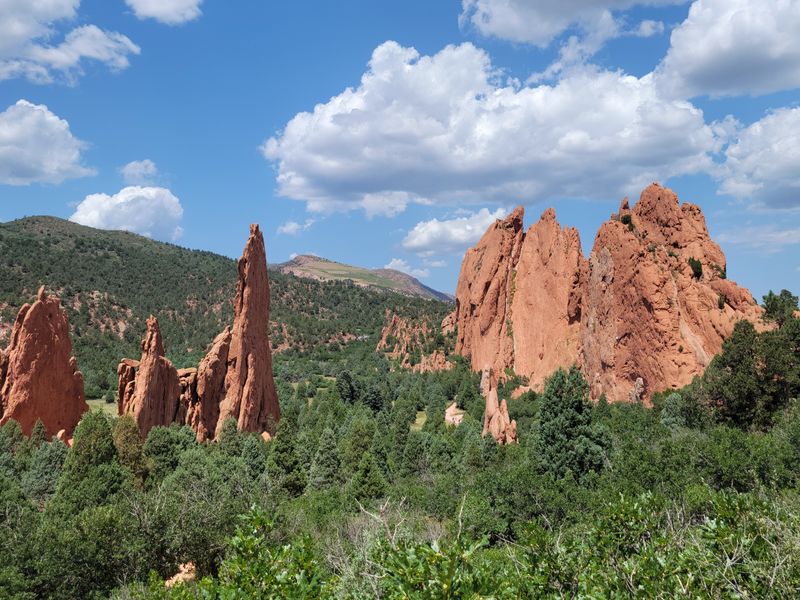
Living in the shadow of one of Colorado’s most famous fourteeners, alpine gardens near Colorado Springs at various locations around the Pikes Peak region showcase mountain plants in their element.
These specialized gardens feature plants naturally found above treeline, making them perfectly suited to handle heavy snow and freezing temperatures.
Rock gardens create microclimates where different plants nestle into protected spaces, their winter survival strategies on full display.
Snow actually insulates many alpine plants, protecting them from temperature fluctuations and harsh winds.
Educational signage helps visitors understand how these remarkable plants survive conditions that would destroy typical garden varieties.
The gardens often incorporate native stone, creating naturalistic settings that blend seamlessly with surrounding mountain landscape.
Winter visits require sturdy boots and warm clothing since wind can be fierce at these elevations.
Photography opportunities abound with Pikes Peak providing dramatic backdrop to intimate garden scenes.
Some alpine plants retain evergreen foliage, providing unexpected color against white snow.
Check accessibility before visiting since some alpine garden locations may close or become difficult to reach during heavy snow.
9. Longmont Memorial Rose Garden
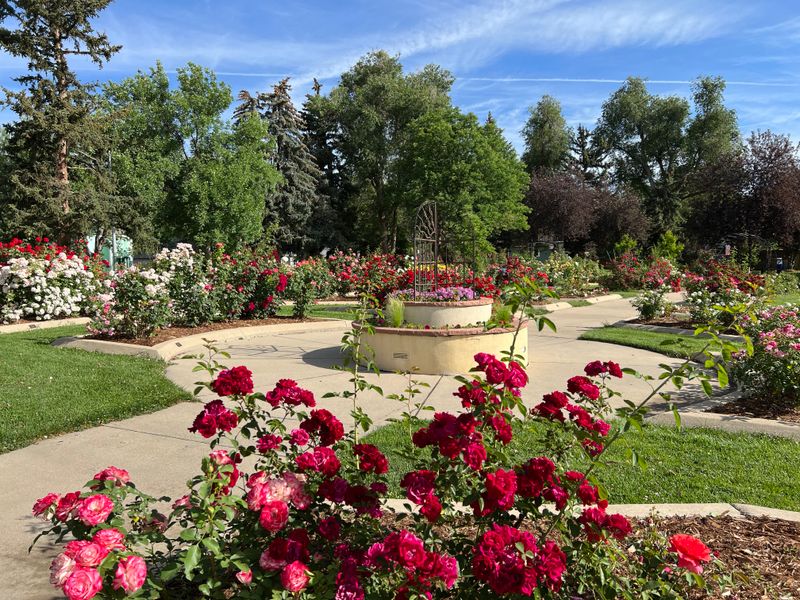
Roses aren’t just for summer, as proven beautifully at Longmont Memorial Rose Garden located at 850 Coffman Street.
Winter reveals the garden’s elegant bone structure, with formally arranged beds and pathways creating patterns that snow emphasizes rather than hides.
While roses themselves are dormant, their woody canes and the garden’s design elements provide surprising visual interest.
Memorial markers and monuments throughout the garden take on solemn beauty when dusted with snow, creating contemplative atmosphere perfect for quiet reflection.
Mature shade trees surrounding rose beds become sculptural elements in winter, their bare branches creating intricate patterns against sky.
The garden’s flat terrain and paved paths make winter access easy for visitors of all mobility levels.
Local rose society members sometimes offer winter workshops here, teaching proper pruning and winter rose care.
Snow provides natural mulch, protecting rose roots from temperature extremes.
The adjacent park includes sledding hills, making this a great multi-activity winter destination for families.
Free admission and central location make spontaneous visits easy for Longmont residents and Front Range visitors.
10. Mount Goliath Natural Area Alpine Garden

At 11,540 feet elevation along Mount Evans Scenic Byway, Mount Goliath Natural Area offers Colorado’s most dramatic high-altitude garden experience.
Ancient bristlecone pine trees, some over 1,600 years old, create otherworldly winter landscapes when covered in snow and ice.
The alpine garden here is entirely natural, showcasing tundra plants in their native habitat rather than cultivated beds.
Interpretive trails help visitors understand harsh conditions these plants endure and amazing adaptations that allow their survival.
Snow can occur any month at this elevation, making winter conditions possible even during summer visits.
The area is typically accessible only when Mount Evans Road is open, generally late spring through early fall, though lower portions may be reachable in winter by snowshoe.
Wind speeds can be extreme, so proper clothing and preparation are absolutely essential.
Views from this elevation span hundreds of miles on clear days, with snow-covered peaks creating breathtaking panoramas.
This represents true alpine environment, giving visitors authentic mountain experience without technical climbing.
Always check weather and road conditions before attempting to visit this high-elevation location.