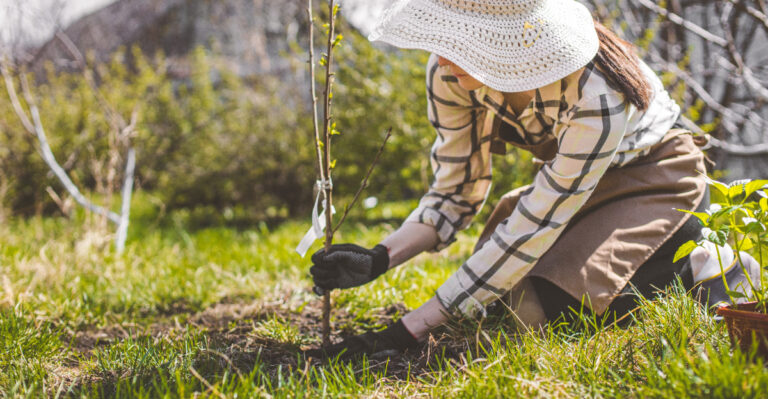
The Native Flower Mix Brings New Life To Colorado Front Yard
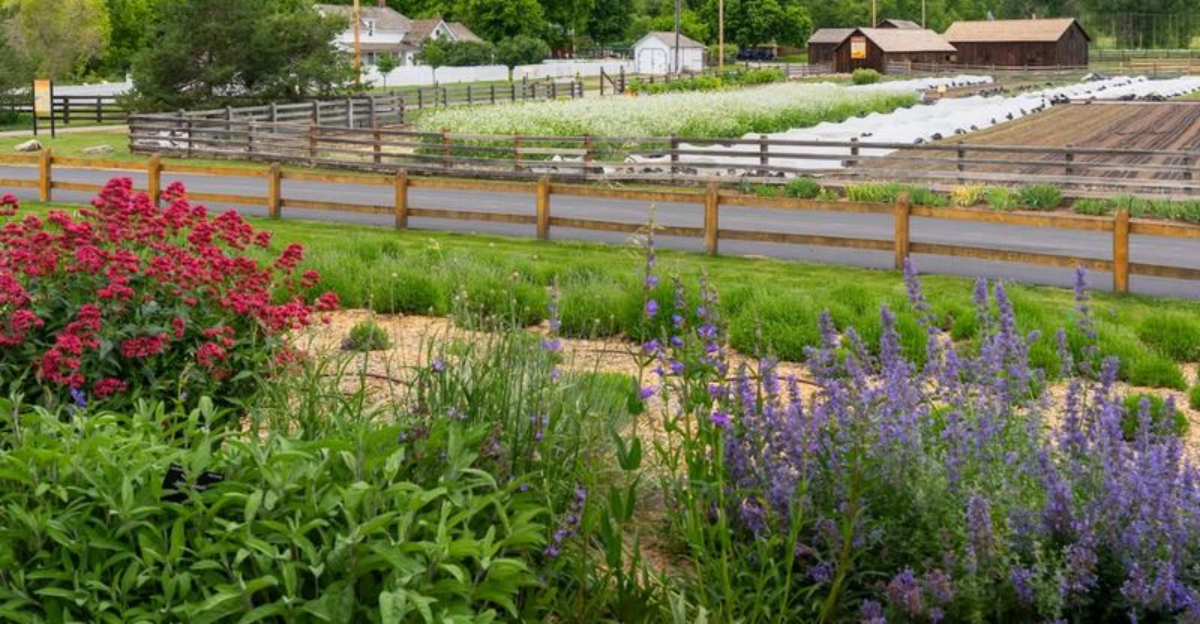
Colorado front yards are turning heads this season as a vibrant native flower mix sweeps across neighborhoods, breathing new life into familiar spaces.
Homeowners are trading thirsty lawns for blooms that feel right at home in the Rocky Mountain climate.
Each yard becomes its own small tapestry, woven with bright petals, soft grasses, and textures that shift with the breeze.
The colors pop against the high-country light, giving streets a fresh spark that lasts from early spring to the first hint of frost.
Gardens once quiet now buzz with bees and flutter with visiting butterflies, adding a touch of wild charm to everyday living.
This shift toward native flowers feels natural, like the land is reclaiming a bit of its old soul.
Yard by yard, the look catches on, turning ordinary plots into lively showcases of Colorado’s own beauty.
The simple choice to plant native transforms landscapes and lifts spirits with every new blossom.
1. The Native-Flower Mix Trend In Colorado
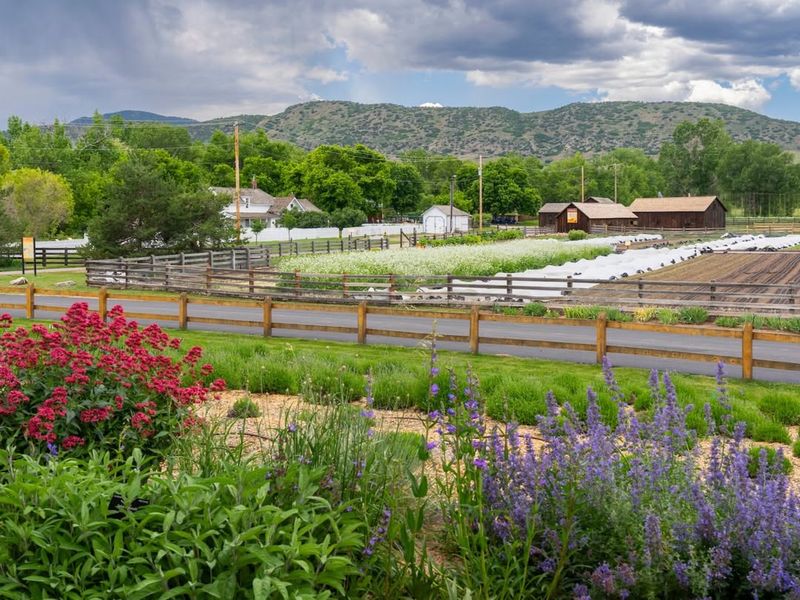
This trend involves replacing traditional, water-heavy lawns (like Kentucky bluegrass) with a mix of plants native to Colorado, wildflowers, prairie grasses, shrubs, and other flora that evolved to thrive in local soil, climate, and weather conditions.
Rather than forcing exotic ornamentals that need constant care, these native species are a natural fit for Colorado’s often-dry summers, variable soils, and changing seasons.
Once established, a native garden can flourish with minimal watering, maintenance, or chemical fertilizers, a win for homeowners and the environment alike.
Beyond the practical benefits, native gardens bring beauty and biodiversity: blooming wildflowers, grasses waving in the wind, and habitats for native insects, pollinators, birds, and other wildlife.
2. Water Bills Drop Dramatically When Native Blooms Replace Thirsty Grass
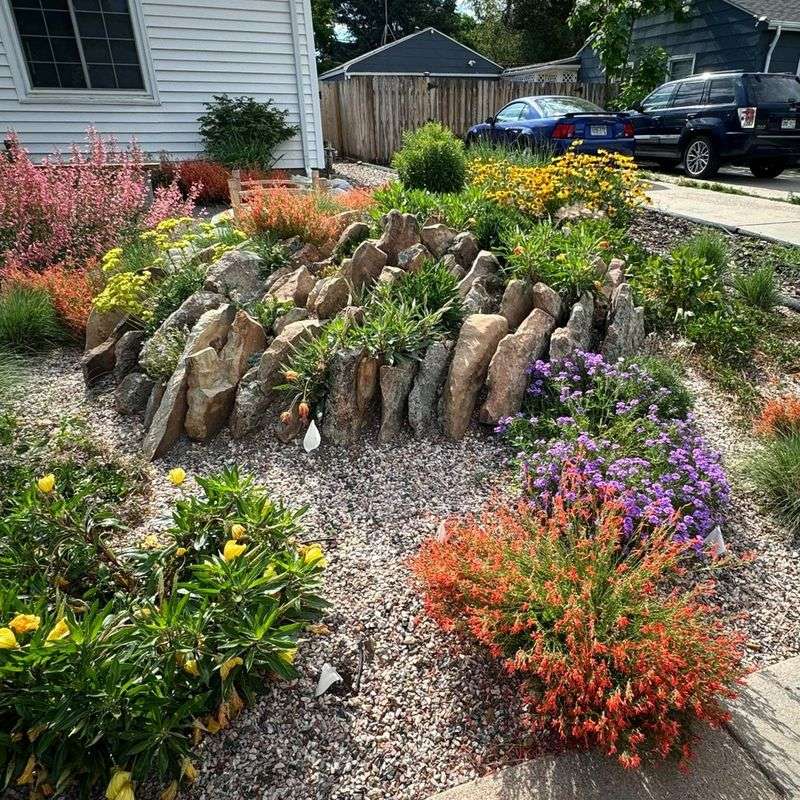
Imagine cutting your outdoor water use by more than half while watching your yard become more beautiful than ever before.
That’s exactly what happens when Colorado homeowners swap out traditional lawns for native flower mixes designed for our high-altitude climate.
Native plants evolved here over thousands of years, developing deep root systems that tap into moisture far below the surface.
Once established, most native wildflowers need watering only during the driest stretches of summer, unlike grass that demands constant irrigation.
A typical suburban lawn in Colorado requires about an inch of water per week during growing season.
Calculate that across an average front yard, and you’re looking at thousands of gallons annually.
Native flower mixes flip this equation completely.
After their first year, these plants become remarkably self-sufficient, relying primarily on natural rainfall and snowmelt.
Colorado’s semi-arid climate makes this transformation especially valuable.
With water restrictions becoming more common during drought years, a native flower yard keeps thriving while conventional lawns turn brown and crunchy.
The financial savings add up quickly too.
Many homeowners report reducing their summer water bills by hundreds of dollars simply by converting high-traffic lawn areas to native plantings.
Beyond personal savings, this shift helps entire communities manage precious water resources more sustainably.
When neighborhoods embrace native landscaping, the collective impact on municipal water supplies becomes significant, helping Colorado cities plan better for future growth while protecting our limited water sources for generations ahead.
Your Colorado Garden Changes Every Week. Your Plan Should Too.
Gardening in Colorado changes quickly throughout the season. Every Friday you’ll receive a simple weekly plan showing exactly what to plant, prune, fertilize, harvest, and protect so you never miss the right timing.
3. Butterflies And Hummingbirds Turn Your Yard Into A Living Wildlife Sanctuary
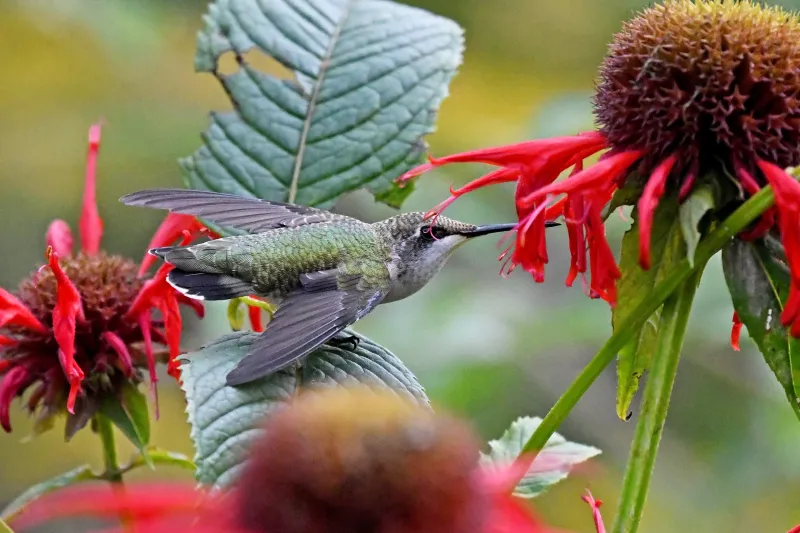
Picture stepping outside your front door and watching a hummingbird hover inches from your face, sipping nectar from brilliant red columbines.
This magical experience becomes everyday reality when native flower mixes transform your property into a wildlife magnet.
Colorado’s native plants evolved alongside local pollinators, creating perfect partnerships that imported ornamentals simply cannot replicate.
Blanket flowers attract painted lady butterflies, while bee balm brings in countless native bee species that many people never knew existed.
The timing works out beautifully too.
Native mixes bloom in waves from early spring through late fall, providing consistent food sources when migrating species need them most.
Hummingbirds traveling through Colorado in August and September depend heavily on late-blooming natives like scarlet gilia and penstemon.
Without these plants, their migration becomes significantly harder.
Children especially love this transformation.
Watching butterflies emerge from chrysalises hidden among flower stems or counting different bee species becomes an ongoing backyard science project that beats any video game.
The diversity you’ll observe might surprise you.
Colorado hosts over 250 native bee species, most completely harmless to humans, and each playing crucial roles in pollinating everything from backyard gardens to agricultural crops miles away.
Your native flower mix essentially becomes a refueling station along critical wildlife corridors.
As urban development fragments natural habitats, these residential sanctuaries provide essential stepping stones that help species survive and thrive despite increasing human pressure on wild spaces across the Front Range.
4. Maintenance Time Gets Slashed To Almost Nothing After Establishment
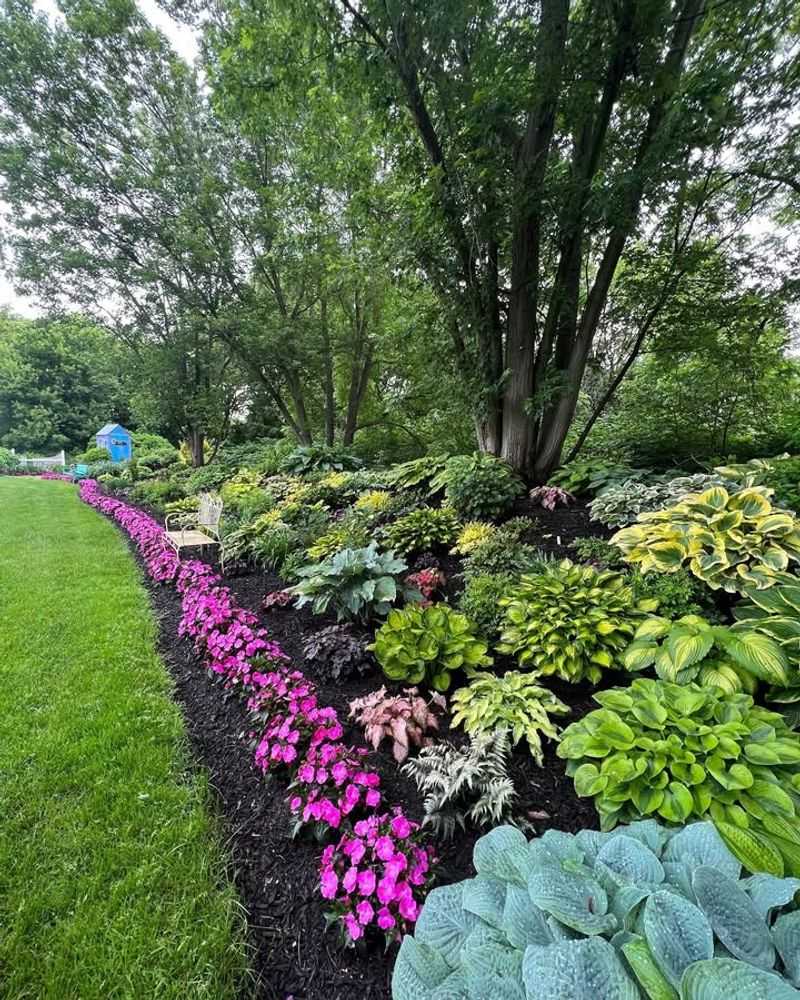
Ask any homeowner what they dislike most about yard work, and mowing usually tops the list.
Native flower mixes eliminate this weekly chore entirely, giving you back countless weekend hours previously lost to lawn maintenance.
Traditional grass lawns demand constant attention, mowing, edging, fertilizing, aerating, and battling weeds that seem to sprout overnight.
This endless cycle consumes time, money, and energy that most people would rather spend doing literally anything else.
Native flower yards operate on a completely different schedule.
After an initial establishment period of roughly one growing season, these plants essentially care for themselves.
No mowing means no gas, no oil changes, no blade sharpening, and no storing bulky equipment.
The environmental benefits extend beyond water savings, you’re also eliminating emissions from gas-powered mowers that produce surprising amounts of air pollution.
Weeding becomes minimal because established native plants form dense root systems that crowd out most invasive species naturally.
Their thick growth shades the soil, preventing weed seeds from germinating successfully.
Annual maintenance typically involves just one major task: cutting back dried stems in late winter or early spring.
Many homeowners leave stems standing through winter, providing shelter for beneficial insects and seeds for hungry birds during Colorado’s harsh cold months.
Some people worry native gardens look messy, but thoughtful design creates structured beauty that evolves naturally through seasons.
Strategic placement of paths, borders, or decorative rocks gives definition while letting plants express their wild character within intentional boundaries that satisfy neighborhood aesthetics.
5. Seasonal Color Explosions Create Year-Round Visual Interest And Curb Appeal
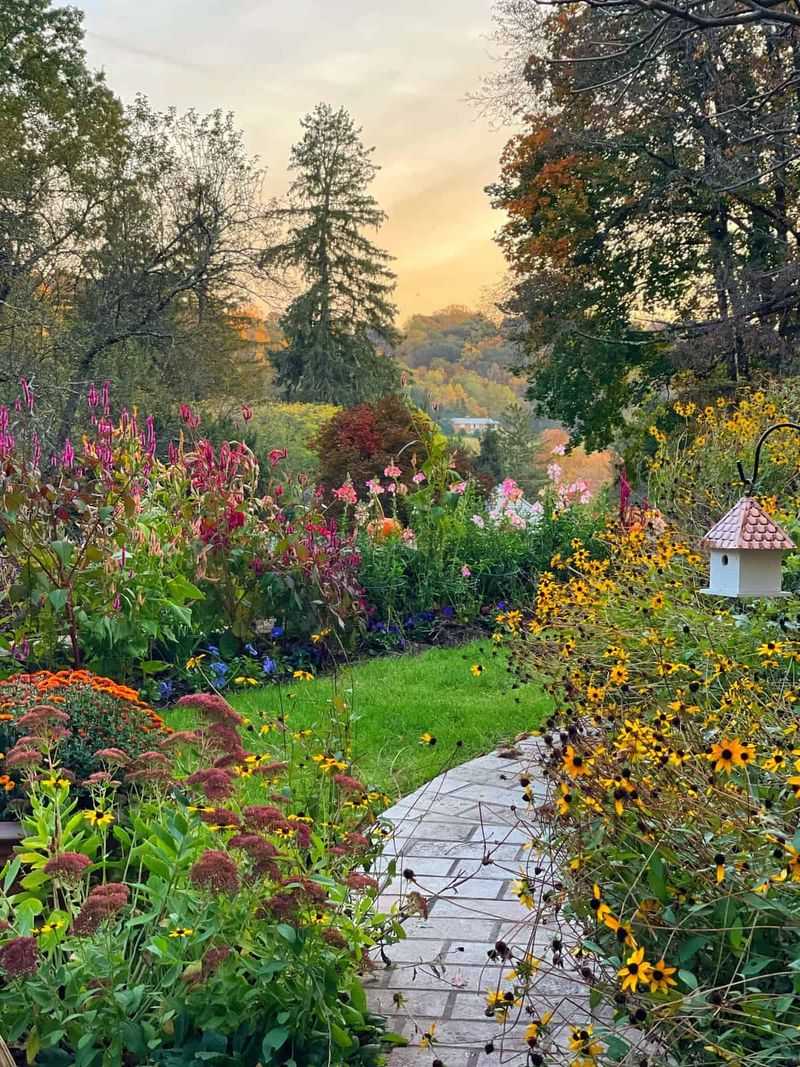
Forget boring green carpets that look identical from May through September.
Native flower mixes deliver constantly changing displays that make your home the neighborhood showstopper throughout the entire growing season.
Early spring brings delicate pasqueflowers pushing through late snow, their purple blooms announcing winter’s end.
As temperatures warm, golden banner and lupines create waves of yellow and purple that rival any professional landscape design.
Summer explodes with overlapping blooms.
Black-eyed Susans, coneflowers, and blanket flowers create layers of warm colors while Rocky Mountain bee plant adds tall purple spires that sway gracefully in afternoon breezes.
Colorado’s intense sunlight makes native flower colors appear especially vibrant.
Pigments that might look ordinary elsewhere practically glow against our brilliant blue skies and dramatic mountain backdrops.
Fall brings its own magic as asters and goldenrod extend the show well into October.
Their late blooms provide crucial nectar when little else remains flowering, while their seed heads attract finches and other small birds that entertain throughout autumn.
Even winter offers visual interest when you leave dried stems standing.
Frost crystals cling to seed heads, creating natural sculptures that sparkle in morning light, while structural grasses add movement and texture to otherwise dormant landscapes.
Real estate agents consistently report that homes with attractive native landscaping sell faster and often command higher prices.
Buyers increasingly value water-wise yards that promise lower maintenance and utility costs, making your native flower investment pay dividends if you eventually move.
6. Soil Health Improves Naturally Without Chemical Fertilizers Or Amendments
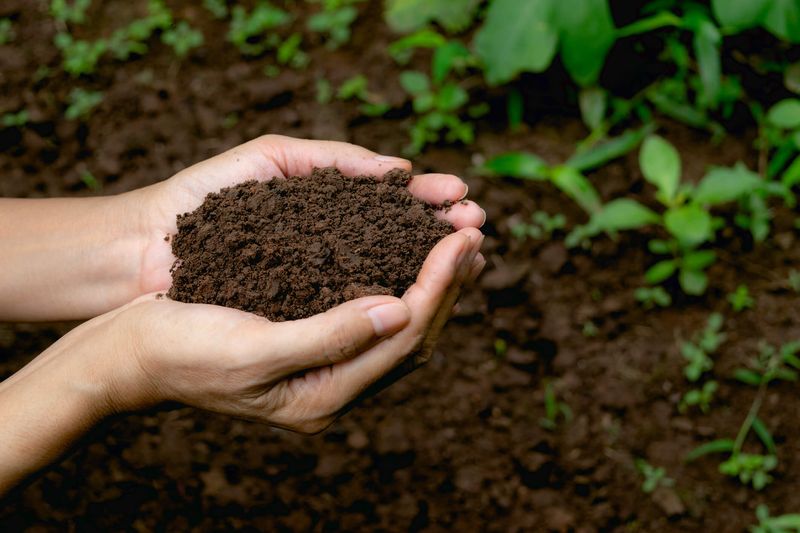
Beneath those beautiful blooms, something remarkable happens underground that traditional lawns simply cannot match.
Native flower roots dive deep into Colorado soil, sometimes reaching down three or four feet, fundamentally transforming the ground beneath your property.
These extensive root systems break up compacted clay, create channels for water infiltration, and build soil structure that gets better every year.
When roots eventually decompose, they leave behind organic matter that feeds beneficial microorganisms essential for healthy ecosystems.
Chemical fertilizers become completely unnecessary.
Native plants adapted to Colorado’s naturally lean soils, thriving in conditions that would leave imported species struggling and yellowing.
Grass lawns typically deplete topsoil over time despite regular fertilizing.
Their shallow roots create dense mats that prevent water penetration and require constant chemical inputs to maintain that artificial green appearance.
Native mixes work with nature instead.
Legumes like lupines actually fix nitrogen from the air, enriching soil naturally and sharing nutrients with neighboring plants through underground fungal networks that scientists are only beginning to understand.
This improved soil health creates cascading benefits.
Better water infiltration means less runoff carrying pollutants into storm drains and eventually into streams and rivers.
Deeper root systems help prevent erosion on slopes, a significant concern across Colorado’s hilly terrain where heavy spring rains can wash away topsoil from properties lacking adequate plant coverage.
Over several years, native plantings actually build topsoil depth, reversing the degradation that occurs under conventional landscaping.
Your yard becomes healthier and more resilient with each passing season, requiring progressively less intervention while supporting increasingly diverse life both above and below ground.
7. Neighborhood Character Strengthens As Yards Reflect Regional Identity
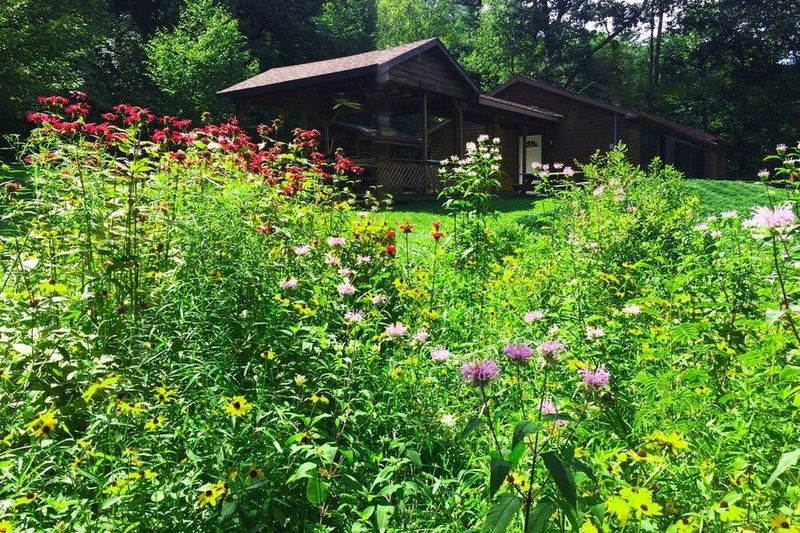
Something special happens when neighborhoods embrace native landscaping together.
Streets begin reflecting the unique character of Colorado itself rather than looking like they could exist anywhere from Florida to Washington.
Driving through older suburbs often feels monotonous, identical lawns, identical shrubs, identical everything.
These cookie-cutter landscapes ignore the spectacular natural beauty that makes Colorado special in the first place.
Native flower yards change this dynamic completely.
Each property becomes a small piece of Colorado’s wild heritage, connecting residential areas visually and ecologically to nearby foothills, mountains, and prairies.
This regional identity matters more than many people initially realize.
Communities with distinctive character attract residents who value authentic connections to place rather than generic suburban sameness.
When multiple neighbors adopt native landscaping, the combined effect amplifies benefits for everyone.
Wildlife corridors strengthen, allowing species to move safely between properties and access resources across larger territories.
Pollinator populations increase dramatically when flowering plants cluster together.
A single native yard helps, but a whole street of them creates genuine habitat that supports breeding populations rather than just passing visitors.
Social connections often strengthen too.
Neighbors start conversations about which species bloom earliest, where butterflies congregate, or how to manage specific plants, building community bonds around shared environmental values.
Some Colorado neighborhoods now organize native plant exchanges where residents share seeds and divided perennials, reducing costs while spreading local genetics particularly well-adapted to specific microclimates.
This grassroots movement toward native landscaping represents a fundamental shift in how communities think about residential outdoor spaces, not as private plots demanding conformity, but as interconnected pieces of larger ecosystems that benefit everyone when managed thoughtfully and sustainably.
8. Climate Resilience Increases As Yards Adapt To Colorado’s Extreme Weather Patterns

Colorado weather keeps everyone guessing, brilliant sunshine one hour, hail the next, followed by scorching heat or unexpected snow.
Native flower mixes handle these wild swings effortlessly because they evolved specifically for our unpredictable climate.
Traditional landscaping plants selected for milder regions struggle with Colorado’s extremes.
Late spring freezes damage tender growth, intense UV radiation bleaches delicate foliage, and sudden temperature swings stress plants adapted to more stable conditions.
Native species laugh off these challenges.
Blanket flowers bloom cheerfully after June snowstorms, penstemons handle blazing afternoon sun without wilting, and asters survive early fall freezes that would devastate imported perennials.
Climate change intensifies these patterns, making resilient landscaping increasingly important.
Droughts last longer, heat waves grow more intense, and extreme weather events occur more frequently across the Front Range and mountain communities.
Yards planted with natives adapt naturally to these changing conditions.
Deep roots access moisture during extended dry periods, while heat-tolerant foliage continues photosynthesizing when temperatures soar above 95 degrees.
This resilience extends to pest and disease pressure too.
Native plants developed natural defenses against local insects and pathogens over millennia, rarely requiring the chemical interventions that conventional landscaping often demands.
When catastrophic weather does strike, like the hailstorms that periodically shred vegetation along the Front Range, native plants bounce back faster than alternatives.
Their robust root systems quickly regenerate damaged top growth, often blooming again within weeks.
Future-proofing your landscape makes practical sense.
As water becomes scarcer and weather more erratic, properties planted with Colorado natives will thrive while conventional yards struggle, protecting your investment while contributing to broader community resilience against environmental challenges ahead.