Why Massachusetts Residents Are Embracing Indoor Micro-Gardens This December
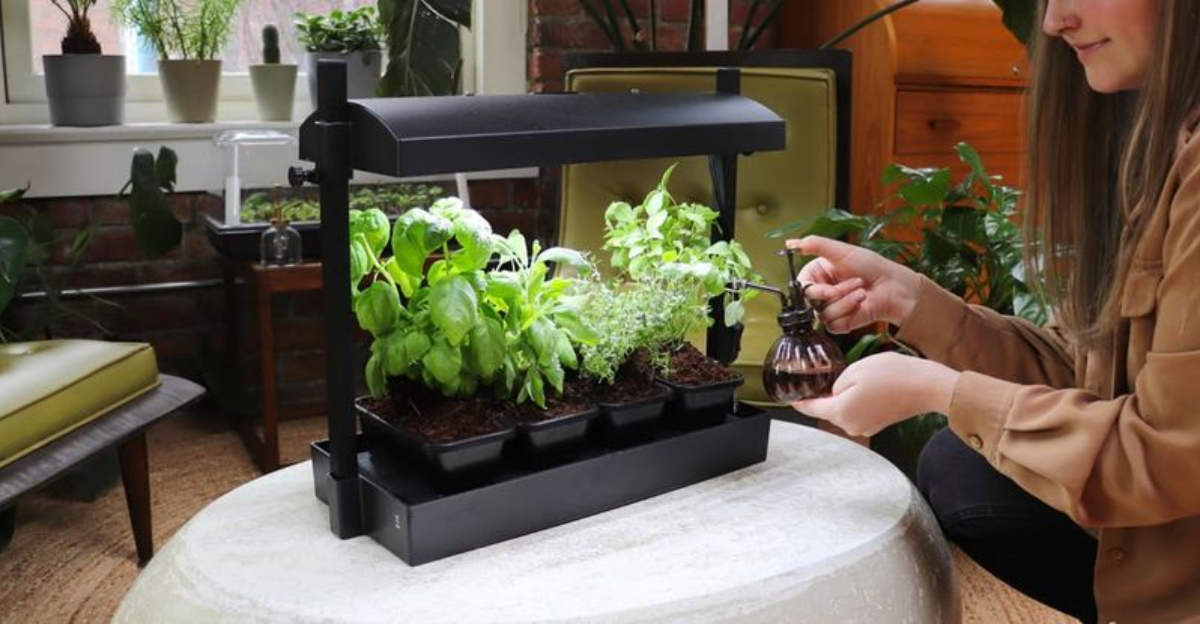
Indoor micro-gardens are taking center stage in Massachusetts this December, bringing a fresh spark to homes as cold winds sweep through the region.
Small pots filled with herbs, leafy greens, and tiny blooms line windowsills and countertops, turning everyday corners into bright pockets of life.
Residents find comfort in tending these miniature plots, a simple ritual that warms the spirit when daylight grows short.
Each sprout feels like a small victory, adding color and calm to rooms that once felt quiet and still.
The charm comes from the scale as much as the greenery; a tiny garden can fit anywhere, from a studio apartment to a busy family kitchen.
As more people pick up this habit, talk spreads like wildfire, and neighbors trade tips on which plants grow fastest under winter light.
These little gardens pack a big punch, proving that even in the heart of December, growth and joy can take root indoors.
1. Harsh Winter Weather Makes Outdoor Gardening Impossible
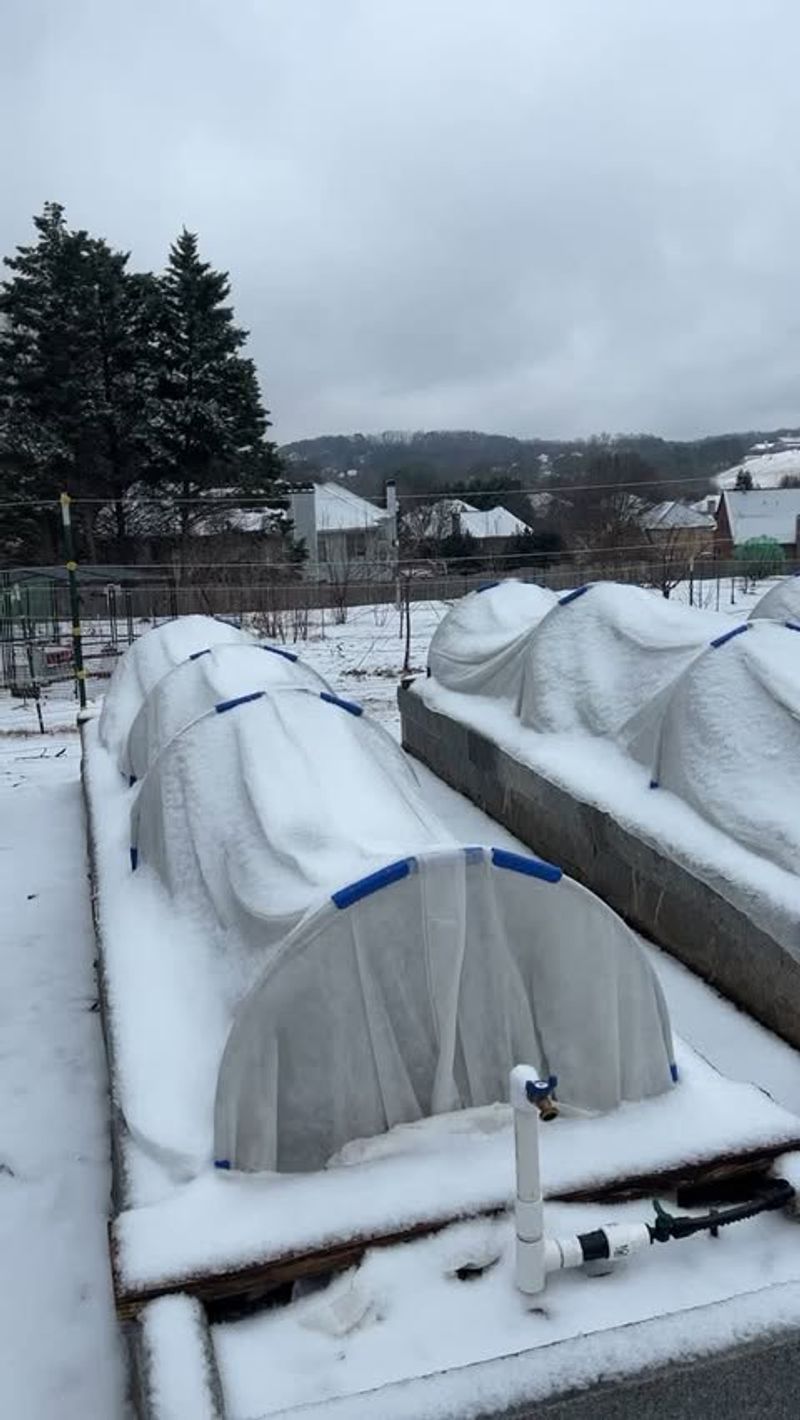
Massachusetts winters are notoriously brutal, with temperatures often dropping well below freezing for weeks at a time.
Snow and ice cover the ground from December through March, making traditional outdoor gardening completely impractical.
Even the hardiest cold-weather crops struggle to survive when faced with the bitter winds that sweep across the state.
Indoor micro-gardens solve this problem by creating a controlled environment where plants can thrive regardless of outside conditions.
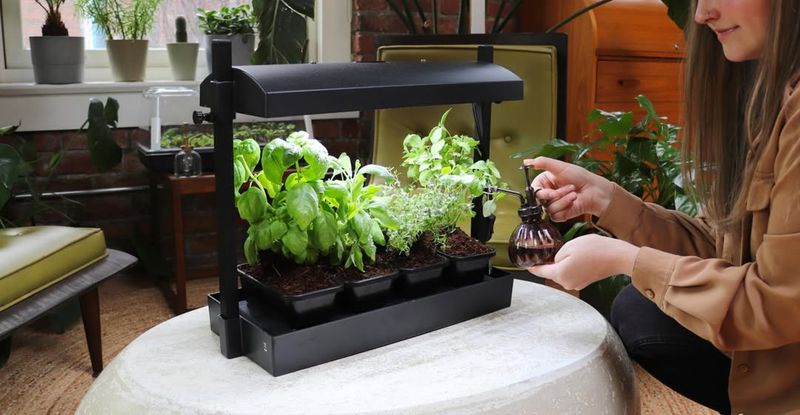
You can grow fresh basil, lettuce, cherry tomatoes, and other favorites right on your kitchen counter or in a spare room.
Temperature, light, and moisture levels remain consistent, giving your plants exactly what they need to flourish.
Many Massachusetts residents have discovered that these compact systems produce better results than summer gardens in some cases.
Without pests, unpredictable weather, or soil issues to worry about, plants grow steadily and reliably.
Families can enjoy fresh salads and herbs throughout the coldest months, which seemed impossible just a few years ago.
The convenience factor cannot be overstated either.
No more trudging through snow to check on plants or worrying about frost damage overnight.
Everything stays protected indoors, where you can easily monitor growth and harvest produce whenever you need it.
This practical solution has transformed winter from a gardening deadzone into a productive growing season.
2. Rising Grocery Costs Push Families Toward Self-Sufficiency
Grocery prices have climbed significantly over the past few years, hitting Massachusetts households particularly hard.
Fresh produce, especially organic herbs and specialty greens, now costs considerably more than most families remember paying just a short time ago.
A small package of organic basil can run five dollars or more, while a head of fresh lettuce often exceeds three dollars.
Growing your own herbs and vegetables indoors provides substantial savings over time.
After the initial investment in a micro-garden system, the ongoing costs remain minimal, mainly water, nutrients, and electricity for grow lights.
One basil plant can produce enough leaves for dozens of meals, paying for itself many times over.
Massachusetts families appreciate knowing exactly where their food comes from and what went into growing it.
Your Massachusetts Garden Changes Every Week. Your Plan Should Too.
Gardening in Massachusetts changes quickly throughout the season. Every Friday you’ll receive a simple weekly plan showing exactly what to plant, prune, fertilize, harvest, and protect so you never miss the right timing.
No pesticides, no mystery chemicals, and no concerns about how far the produce traveled before reaching their table.
Children especially love watching seeds transform into edible plants, learning valuable lessons about food production and self-reliance.
Beyond financial benefits, there is something deeply satisfying about harvesting ingredients you grew yourself.
That satisfaction combines with practical savings to create a compelling reason to start an indoor garden.
Many families report that their micro-gardens pay for themselves within just a few months through reduced grocery bills.
The combination of fresh, healthy food and lower costs makes this trend increasingly popular across Massachusetts neighborhoods.
3. Limited Space Works Perfectly For Compact Growing Systems
Massachusetts is known for its charming but often small homes, particularly in urban areas like Boston, Cambridge, and Somerville.
Apartments, condos, and historic houses frequently lack yard space for traditional gardens.
Even residents with outdoor areas may have shaded yards or tiny patios that limit growing options.
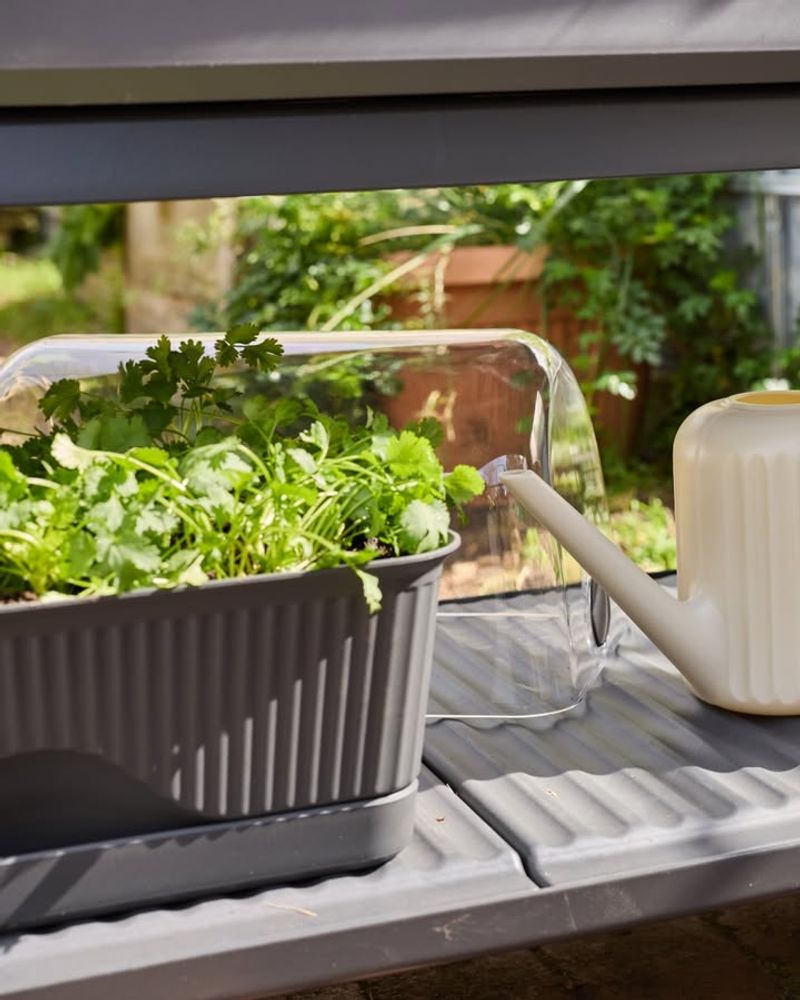
Micro-gardens are specifically designed to fit into tight spaces without sacrificing productivity.
Countertop models occupy no more room than a coffee maker, while vertical tower systems use height rather than floor space.
Some systems fit perfectly on windowsills, in corners, or even mounted on walls.
Apartment dwellers particularly appreciate how these gardens integrate seamlessly into their living spaces.
Modern designs look attractive and blend well with kitchen decor rather than appearing like industrial equipment.
You can grow a surprising variety of plants in just a few square feet, producing enough fresh greens for regular meals.
College students in Massachusetts have embraced this trend as well, setting up small herb gardens in dorm rooms and studio apartments.
The minimal space requirements make it possible for almost anyone to participate, regardless of their living situation.
Landlords generally approve since these systems require no modifications to the property and create no mess.
For elderly residents or those with mobility challenges, having a garden at waist height eliminates bending and kneeling.
Everything stays easily accessible, making gardening possible for people who might otherwise struggle with traditional outdoor plots.
4. Health Benefits Of Fresh Herbs And Greens Year-Round
Winter often means relying on produce that traveled thousands of miles to reach Massachusetts stores.
By the time these vegetables and herbs arrive, they have lost much of their nutritional value and flavor.
Fresh herbs, in particular, deteriorate quickly during transport and storage, arriving wilted or already past their prime.
Indoor micro-gardens provide access to peak-nutrition produce harvested moments before eating.
Vitamins and antioxidants remain at maximum levels when you cut herbs and greens right before adding them to meals.
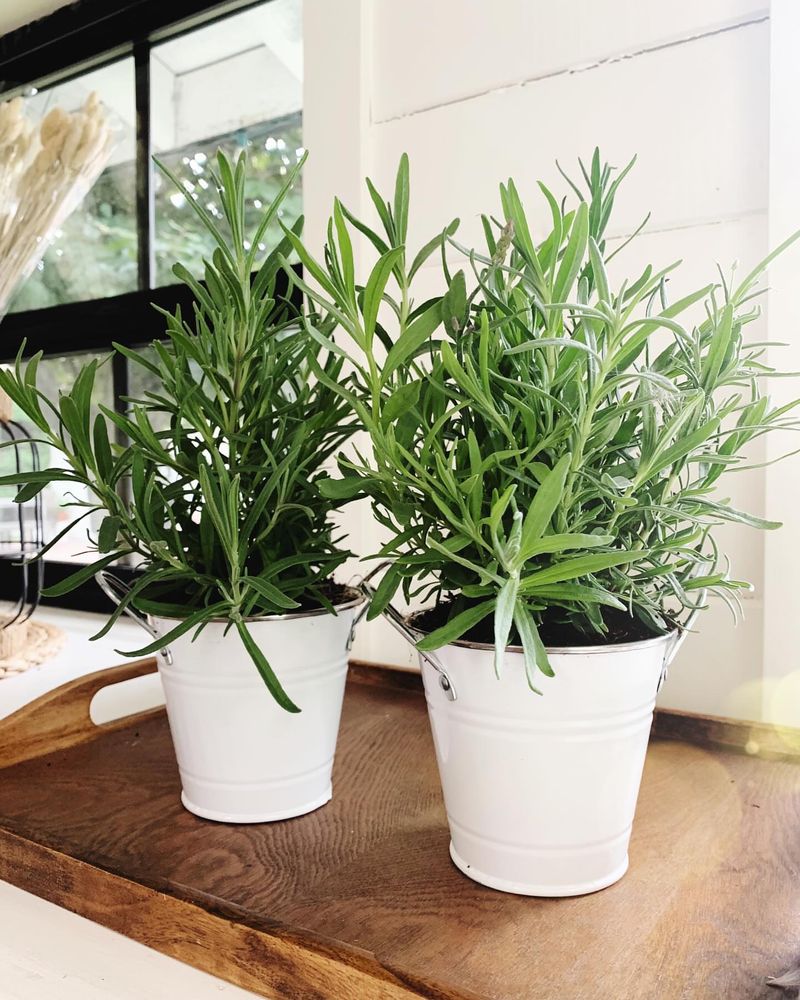
The difference in taste is remarkable, home-grown basil, cilantro, and parsley burst with flavor compared to store-bought alternatives.
Massachusetts residents concerned about healthy eating find that having fresh greens readily available encourages better food choices.
When fresh lettuce sits just steps away in your kitchen, making a salad becomes effortless.
Children who help grow the plants often become more willing to try vegetables they previously avoided.
Mental health benefits accompany the physical ones as well.
Tending plants provides a calming daily routine, reducing stress during the challenging winter months when seasonal affective disorder affects many New Englanders.
The act of nurturing living things and watching them grow creates a sense of accomplishment and purpose.
Some Massachusetts residents grow medicinal herbs like chamomile, mint, and lemon balm for homemade teas.
Having these remedies fresh and available supports natural wellness practices throughout the cold season.
The combination of nutrition, flavor, and therapeutic benefits makes indoor gardening a holistic health practice.
5. Technology Makes Indoor Gardening Easier Than Ever
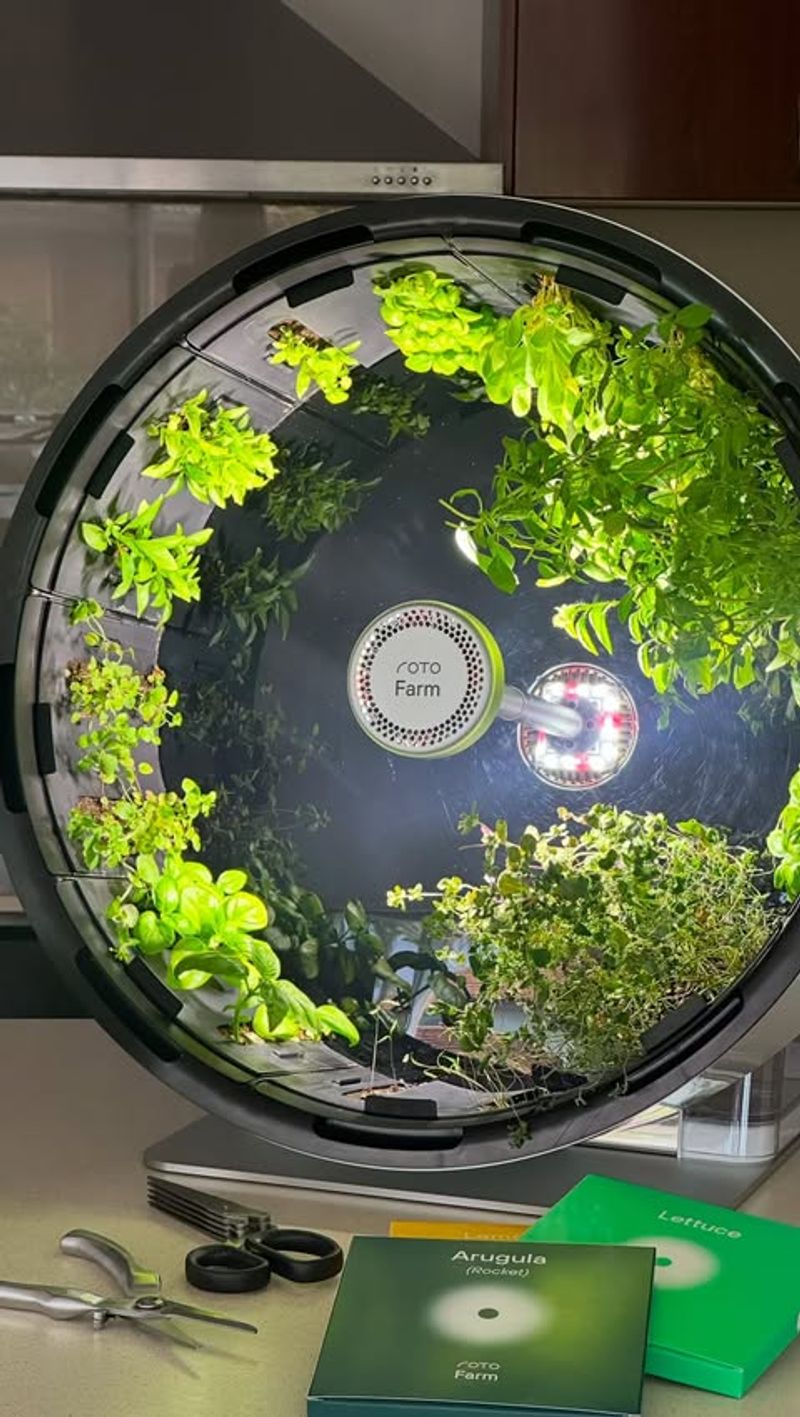
Modern micro-garden systems incorporate technology that eliminates most of the guesswork from growing plants indoors.
Automated LED grow lights provide the perfect spectrum and duration of light without requiring any manual adjustment.
Some systems include built-in timers that turn lights on and off automatically, mimicking natural day-night cycles.
Hydroponic and aeroponic technologies have become affordable and user-friendly for home gardeners.
These soil-free growing methods deliver nutrients directly to plant roots, producing faster growth and higher yields than traditional gardening.
Massachusetts residents with no previous gardening experience find these systems remarkably easy to use and maintain.
Smart garden systems now connect to smartphone apps that monitor plant health and send reminders for maintenance tasks.
You receive notifications when water levels run low or when it is time to add nutrients.
Some advanced models even adjust growing conditions automatically based on the specific plants you are cultivating.
The learning curve has essentially disappeared for beginners.
Seed pods come pre-planted and labeled, so you simply insert them into the system and let technology handle the rest.
Within days, you will see sprouts emerging, and within weeks, you will be harvesting your first crops.
Tech-savvy Massachusetts residents appreciate how these innovations fit their lifestyles.
Busy professionals can maintain thriving gardens without dedicating significant time or effort.
The combination of automation and connectivity makes indoor gardening accessible to everyone, regardless of experience level or available time.
6. Educational Opportunities For Children During Long Winters
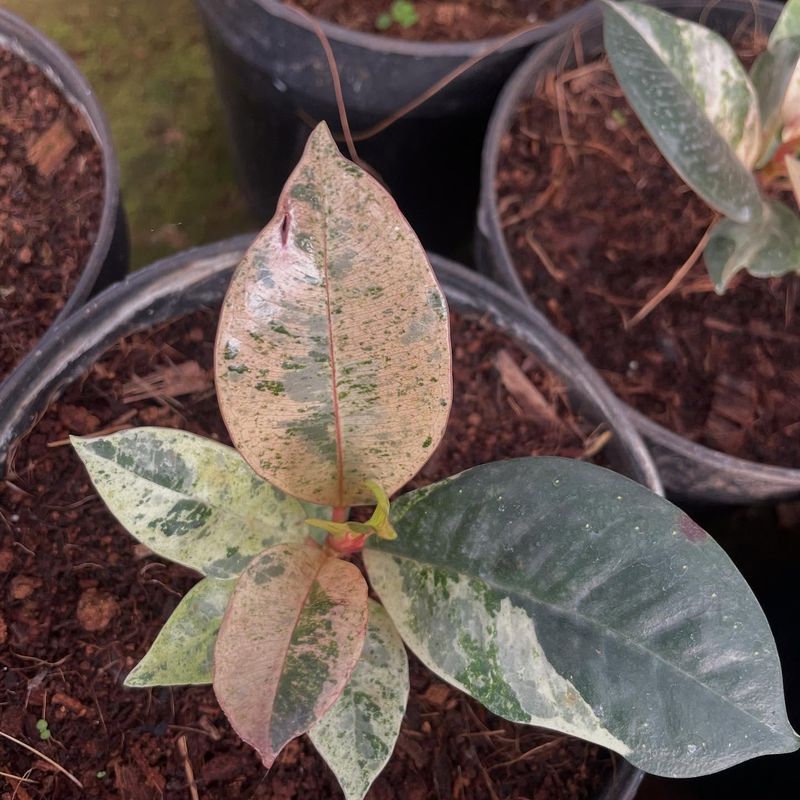
Massachusetts children spend considerable time indoors during December and the following winter months when daylight hours are short and temperatures stay frigid.
Parents constantly search for engaging, educational activities that keep kids occupied and learning during these long stretches at home.
Indoor micro-gardens provide hands-on science lessons that captivate children of all ages.
Watching seeds germinate and grow into edible plants teaches fundamental biological concepts in a tangible, exciting way.
Children learn about photosynthesis, plant anatomy, and life cycles through direct observation rather than textbook reading.
The daily ritual of checking plants and noting changes develops observation skills and scientific thinking.
Responsibility naturally develops as children take ownership of caring for their plants.
Even young kids can handle simple tasks like checking water levels or harvesting ready herbs.
This regular care routine teaches commitment and the connection between effort and results.
Massachusetts homeschooling families have particularly embraced indoor gardening as part of their curriculum.
Projects can extend into multiple subjects, measuring growth for math lessons, journaling observations for writing practice, or researching plant origins for geography studies.
The interdisciplinary nature makes micro-gardens valuable educational tools.
Eating vegetables they grew themselves gives children pride and often improves their willingness to try healthy foods.
Picky eaters sometimes become enthusiastic about vegetables when they participated in growing them.
Parents report that mealtime battles decrease when kids feel invested in the food on their plates.
The educational value combined with practical life skills makes indoor gardening an ideal winter activity for families.
7. Environmental Consciousness Drives Sustainable Choices
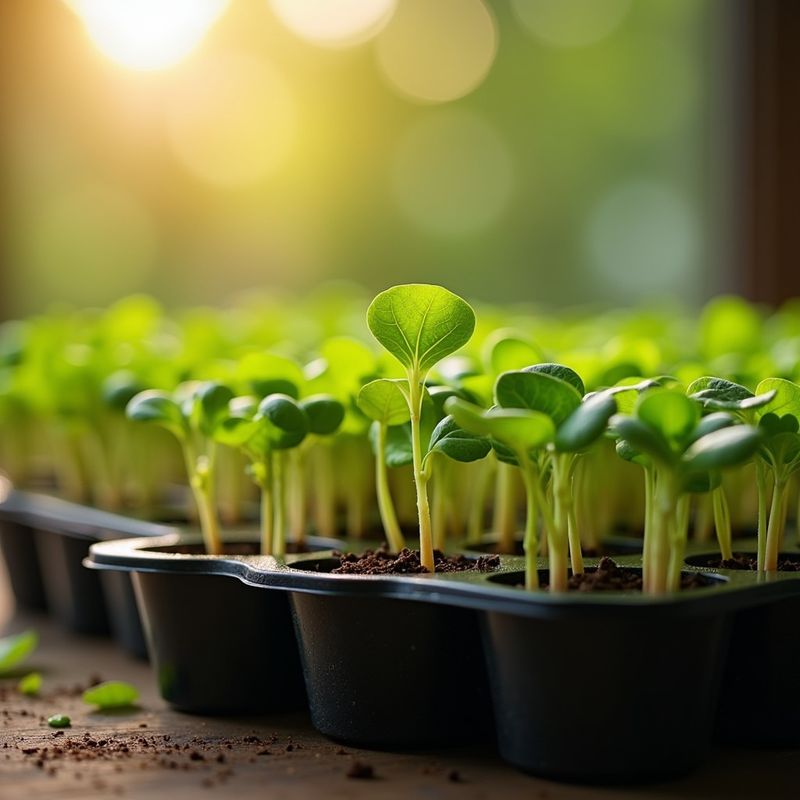
Massachusetts has long been a leader in environmental awareness and sustainability initiatives.
Residents increasingly consider the environmental impact of their food choices, particularly regarding transportation emissions.
Produce shipped from California, Mexico, or South America generates significant carbon footprints before reaching New England tables.
Growing food at home eliminates transportation entirely, reducing your personal environmental impact substantially.
No trucks, planes, or refrigerated warehouses are needed when your lettuce grows fifteen feet from your dining table.
Water usage also decreases dramatically with hydroponic systems, which recirculate water rather than letting it drain away like soil gardens.
Many Massachusetts residents compost kitchen scraps and use them to enrich soil for other plants, creating closed-loop systems.
Even those using hydroponic methods find ways to minimize waste by choosing systems with reusable components.
The environmental benefits align perfectly with the values many Bay State residents hold dear.
Packaging waste decreases significantly when you grow your own herbs and greens.
No plastic clamshells, no twist ties, and no bags end up in the recycling bin or landfill.
You simply harvest what you need, when you need it, with zero packaging involved.
Local food movements have gained tremendous momentum across Massachusetts in recent years.
While farmers markets close for winter, indoor gardens keep the local food philosophy alive year-round.
You cannot get more local than growing food in your own home, reducing environmental impact while enjoying ultra-fresh produce.
This combination of sustainability and practicality resonates strongly with environmentally conscious residents.
8. Community Connection Through Shared Gardening Experiences
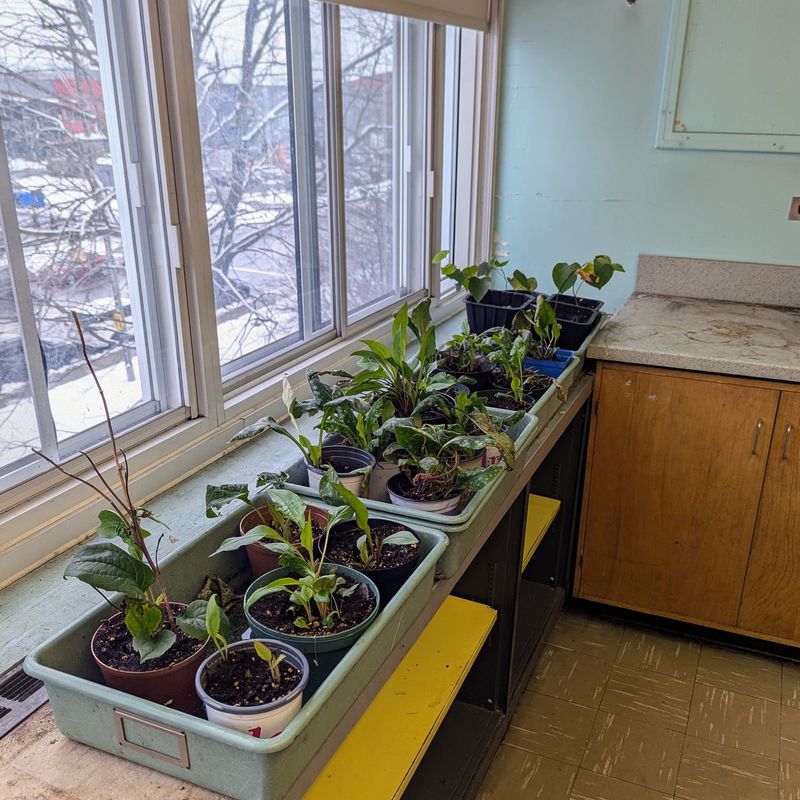
Something special happens when people discover others share their interest in indoor gardening.
Across Massachusetts, online communities and local groups have formed where enthusiasts exchange tips, troubleshoot problems, and celebrate harvests together.
Social media groups dedicated to indoor gardening in New England have thousands of active members sharing photos and advice daily.
Neighbors who might never have connected before bond over comparing micro-garden setups and swapping seed varieties.
Apartment buildings in cities like Worcester and Springfield have started community indoor garden projects in common areas.
These shared spaces bring residents together, creating friendships and support networks that extend beyond gardening.
Local workshops and classes on indoor gardening have proliferated across the state this winter.
Libraries, community centers, and garden clubs offer sessions where beginners can learn from experienced growers.
These gatherings combat the isolation that winter often brings, giving people reasons to venture out and connect with others.
Gift-giving traditions have evolved to include micro-garden systems as popular presents.
Massachusetts residents are giving starter kits to friends and family, sharing their passion and helping others begin their own growing journeys.
Recipients often report back with photos and questions, creating ongoing conversations and connections.
The sense of accomplishment from successfully growing food indoors naturally leads people to want to share their excitement.
This enthusiasm spreads through communities, creating ripple effects as more households start their own gardens.
What began as an individual hobby has become a shared movement connecting people across the Commonwealth during the coldest, darkest months.