The Shrub That’s Causing Trouble In Nevada Backyards
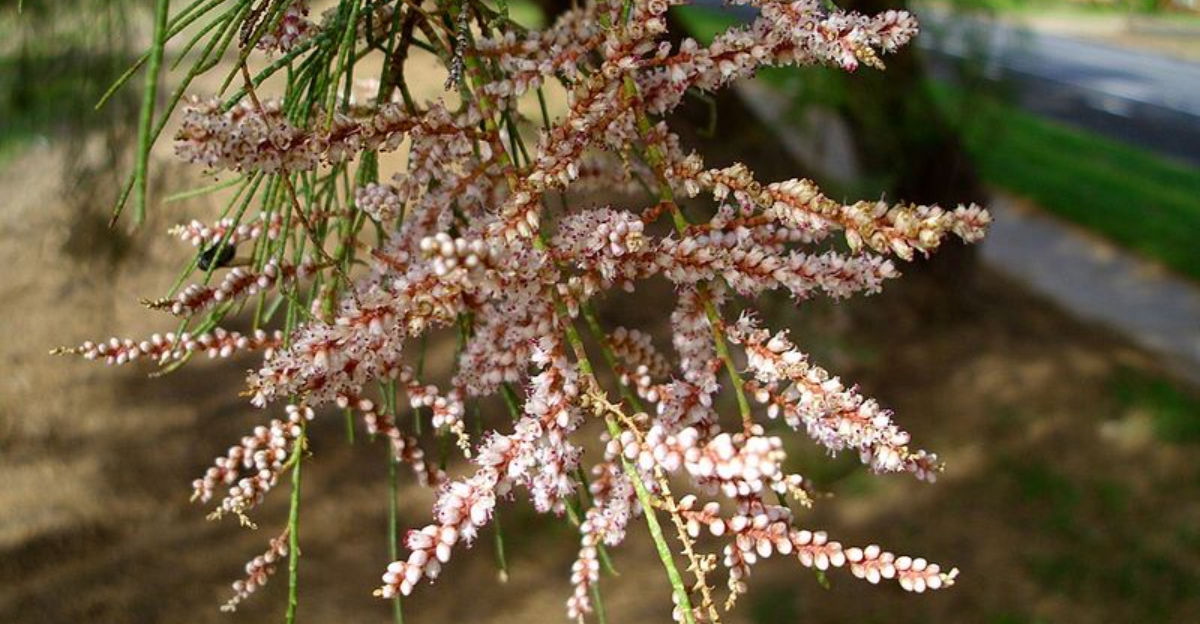
Nevada backyards are facing an unwelcome and increasingly common intruder that many homeowners don’t notice until it’s well established.
Tamarisk, often called saltcedar, is an invasive shrub that has been spreading aggressively across properties throughout the state, creating challenges for residents and straining local ecosystems.
This fast-growing plant doesn’t just appear unsightly—it consumes vast amounts of water, increases wildfire risk, clogs drainage systems, and displaces native plants that support local wildlife.
Its dense, thorny branches and prolific seed production make it difficult to remove once established, allowing it to dominate landscapes and disrupt natural habitats.
Recognizing the characteristics of tamarisk and understanding why it thrives in Nevada’s arid climate is a crucial first step in protecting both your property and the broader environment.
By learning how this shrub spreads and the threats it poses, homeowners can take proactive measures to limit its impact and preserve the health, safety, and beauty of their yards.
Tamarisk Arrived As An Ornamental Plant
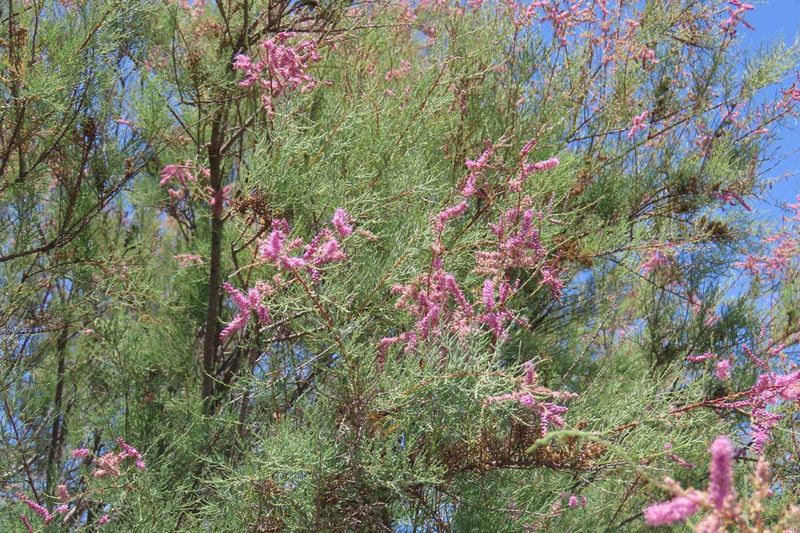
Believe it or not, people actually wanted this plant in their yards at one point.
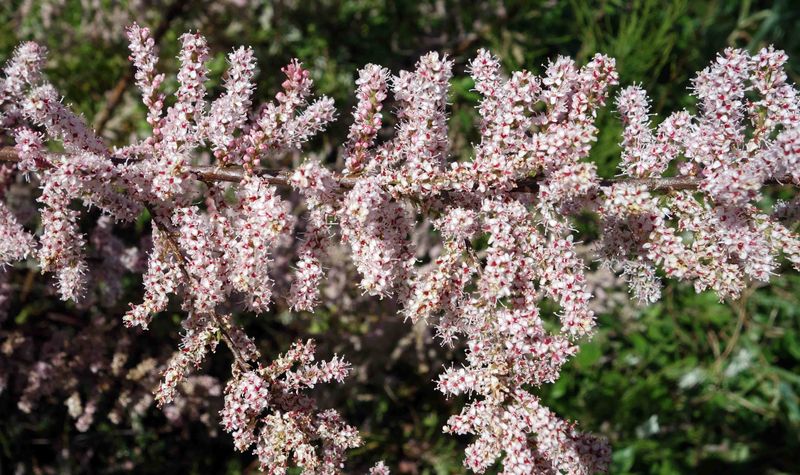
Tamarisk was brought to the United States in the 1800s because gardeners loved its feathery pink flowers and wispy appearance.
Nurseries sold it as a decorative shrub that could handle tough conditions, making it popular in dry western states.
What seemed like a beautiful addition to landscapes quickly became a nightmare.
The plant escaped cultivation and started spreading into wild areas, waterways, and eventually residential properties.
Nevada homeowners now deal with the consequences of this well-intentioned mistake.
Once tamarisk establishes itself, it grows aggressively and outcompetes everything around it.
The shrub produces thousands of tiny seeds that travel on wind and water, allowing it to colonize new areas rapidly.
What made it attractive to early gardeners—its hardiness and fast growth—are exactly the traits that make it such a destructive invader today.
Recognizing that this wasn’t always considered a pest helps us understand how invasive species problems develop over time.
Many ornamental plants become environmental hazards when they escape into ecosystems where they have no natural controls.
Water Consumption Drains Local Resources
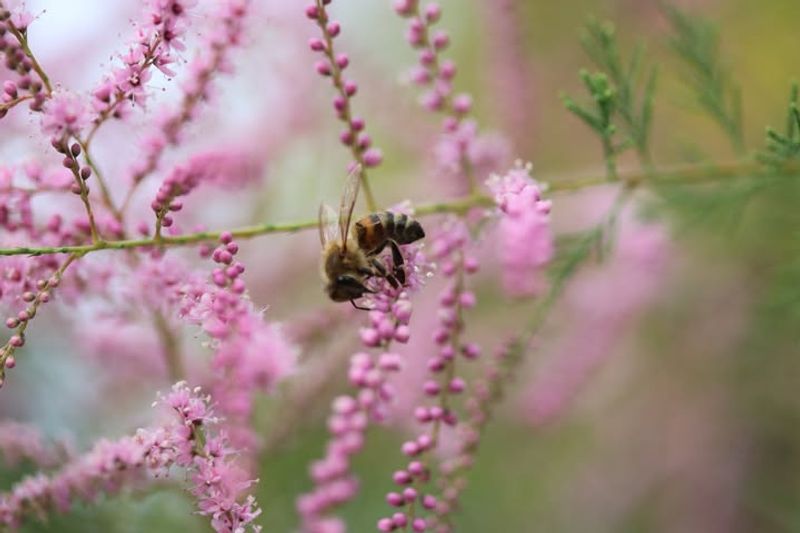
Tamarisk acts like a giant straw, sucking up massive amounts of water from soil and groundwater sources.
Each mature plant can consume between 200 to 300 gallons of water every single day during growing season.
In Nevada’s already water-scarce environment, this creates serious problems for everyone.
When tamarisk invades properties near streams, rivers, or irrigation ditches, it depletes water that should be available for native plants, wildlife, and human use.
Homeowners with tamarisk on their land may notice other plants struggling to survive because the invasive shrub monopolizes moisture.
Gardens become harder to maintain, lawns turn brown faster, and water bills can increase as people try to compensate.
The roots reach deep into the ground, tapping water tables that support entire ecosystems.
Communities dealing with drought conditions face extra challenges when tamarisk populations explode.
Removing these water-guzzling invaders from residential areas helps preserve precious water resources for more beneficial uses.
Your Nevada Garden Changes Every Week. Your Plan Should Too.
Gardening in Nevada changes quickly throughout the season. Every Friday you’ll receive a simple weekly plan showing exactly what to plant, prune, fertilize, harvest, and protect so you never miss the right timing.
Every tamarisk plant eliminated means more water stays available for native vegetation, agricultural needs, and household consumption.
Understanding the water impact makes clear why controlling this shrub matters beyond just aesthetics.
Fire Danger Increases Dramatically
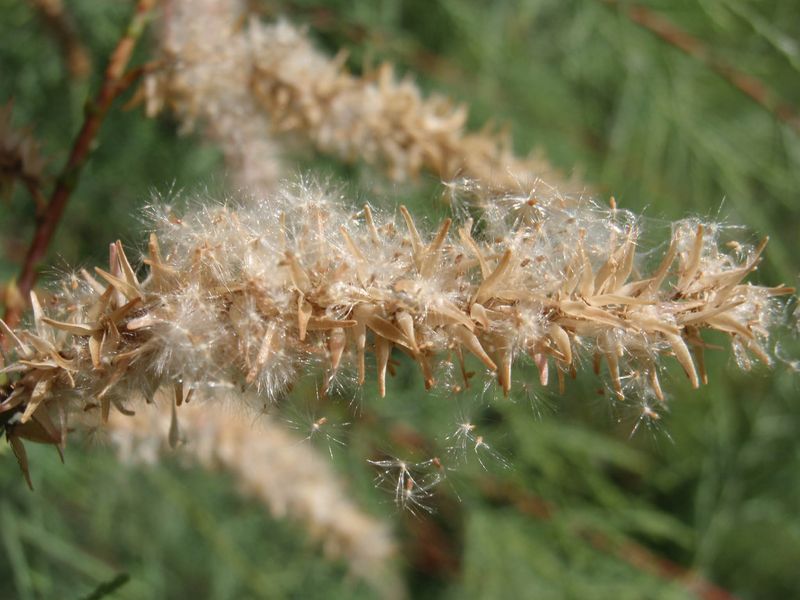
Wildfire season becomes even more terrifying when tamarisk is present on your property.
The shrub accumulates massive amounts of dry plant material that acts as perfect kindling.
Unlike many native plants that evolved with fire and have some resistance, tamarisk burns intensely and spreads flames rapidly.
Dense thickets create continuous fuel sources that allow fires to jump from plant to plant, building intensity as they go.
Nevada homeowners living near tamarisk infestations face elevated risks during fire season.
The plant’s fine, dry branches ignite easily and burn hot enough to threaten structures and surrounding vegetation.
After fires pass through tamarisk stands, the shrub often resprouts quickly while native plants struggle to recover, giving it even more competitive advantage.
Creating defensible space around homes becomes nearly impossible when tamarisk dominates the landscape.
Fire officials consistently identify tamarisk-infested areas as high-risk zones requiring special attention and resources.
Removing these fire hazards from residential properties protects not just individual homes but entire neighborhoods.
The connection between tamarisk and increased wildfire danger makes its removal a public safety issue, not just an environmental concern.
Root Systems Damage Infrastructure
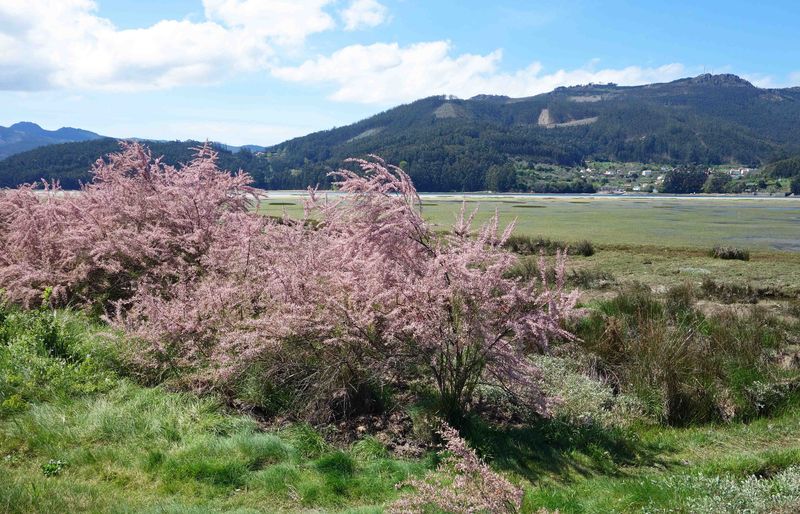
Underground, tamarisk roots wreak havoc on pipes, drainage systems, and foundations.
The aggressive root structure spreads extensively, seeking water sources wherever they exist.
Homeowners discover cracked sewer lines, damaged irrigation pipes, and compromised drainage systems thanks to invasive tamarisk roots.
These roots can penetrate small cracks in pipes and expand, causing breaks that require expensive repairs.
Drainage ditches and culverts become clogged when tamarisk establishes itself along their edges, blocking water flow and causing flooding problems.
Foundation damage occurs when roots grow beneath structures, shifting soil and creating instability.
Properties with older infrastructure face particular vulnerability because aging pipes and drains already have small weaknesses that roots exploit.
Repair costs add up quickly when tamarisk infestations go unchecked for years.
Municipalities spend thousands of dollars annually clearing tamarisk from storm drains and water management systems.
Residential property owners face similar expenses on a smaller but still significant scale.
Preventing tamarisk establishment near infrastructure saves money and headaches in the long run.
Regular monitoring of property boundaries and quick action against new tamarisk growth protects valuable underground systems from damage.
Seed Production Reaches Astronomical Numbers
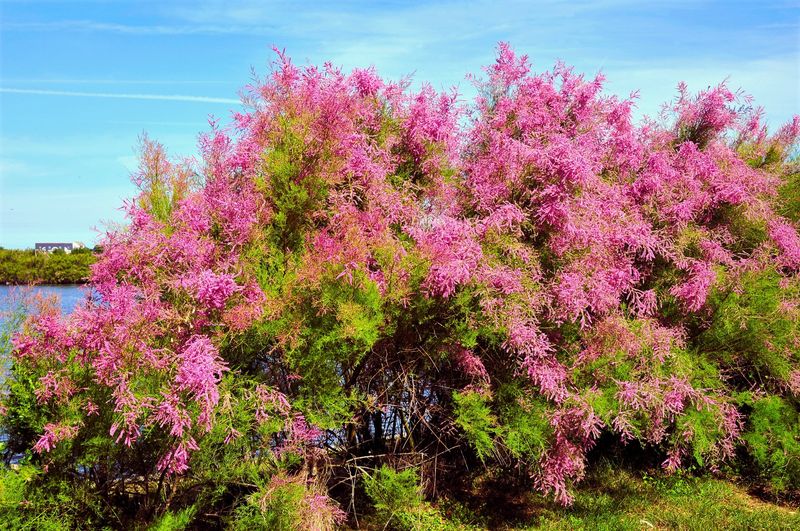
A single mature tamarisk plant produces an absolutely staggering number of seeds each year.
Estimates range from 500,000 to several million seeds per plant annually, creating an overwhelming dispersal challenge.
These tiny seeds weigh almost nothing, allowing them to travel great distances on wind currents.
Water also carries seeds downstream, spreading infestations along entire drainage systems from just a few parent plants.
Nevada’s windy conditions make seed dispersal especially effective, carrying tamarisk genetics miles from the original source.
Once seeds land in suitable locations—anywhere with moisture—they germinate quickly and establish new populations.
The reproductive capacity of tamarisk explains why infestations expand so rapidly despite control efforts.
Homeowners dealing with one tamarisk plant soon find dozens sprouting throughout their property.
Neighboring yards become affected as seeds drift across property lines, creating community-wide problems.
Controlling tamarisk before it reaches reproductive maturity prevents this exponential spread.
Young plants that haven’t yet produced seeds are much easier to manage than established seed-producing specimens.
Understanding the plant’s incredible reproductive capacity emphasizes why early detection and rapid response matter so much in invasion prevention.
Native Plants Lose The Competition
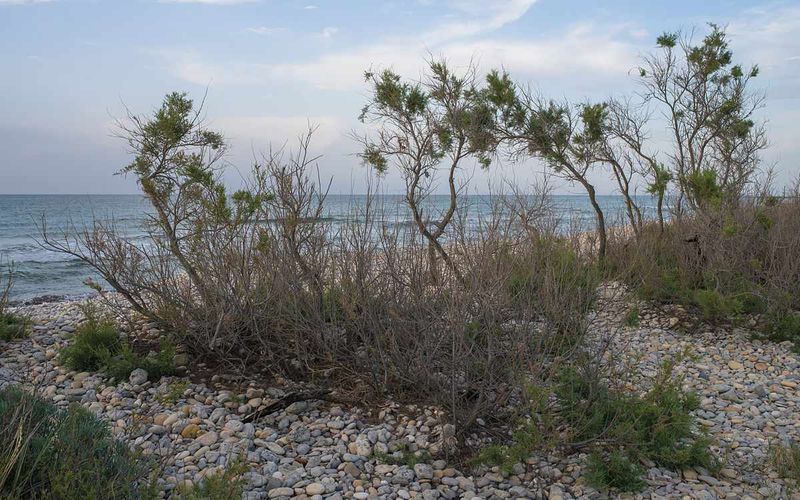
When tamarisk moves into an area, native vegetation doesn’t stand much of a chance.
The invasive shrub outcompetes local plants for water, nutrients, sunlight, and space through aggressive growth patterns.
Nevada’s native species evolved to thrive in specific conditions, but tamarisk disrupts those conditions completely.
Cottonwoods, willows, and other native riparian plants that once lined waterways disappear when tamarisk takes over.
These native species provide important habitat for wildlife, stabilize stream banks, and contribute to healthy ecosystems.
Replacing them with monocultures of tamarisk reduces biodiversity and ecosystem function.
Homeowners lose the benefits of native landscaping when tamarisk invades their yards.
Native plants typically require less water, provide better wildlife habitat, and suit local conditions perfectly.
Tamarisk offers none of these advantages while demanding constant management to prevent further spread.
Yards dominated by tamarisk lack the variety and ecological value of diverse native plantings.
Restoration efforts must remove tamarisk and actively replant natives to recover what was lost.
Protecting remaining native vegetation from tamarisk invasion preserves Nevada’s natural heritage and ecosystem health for future generations.
Salt Accumulation Poisons Soil
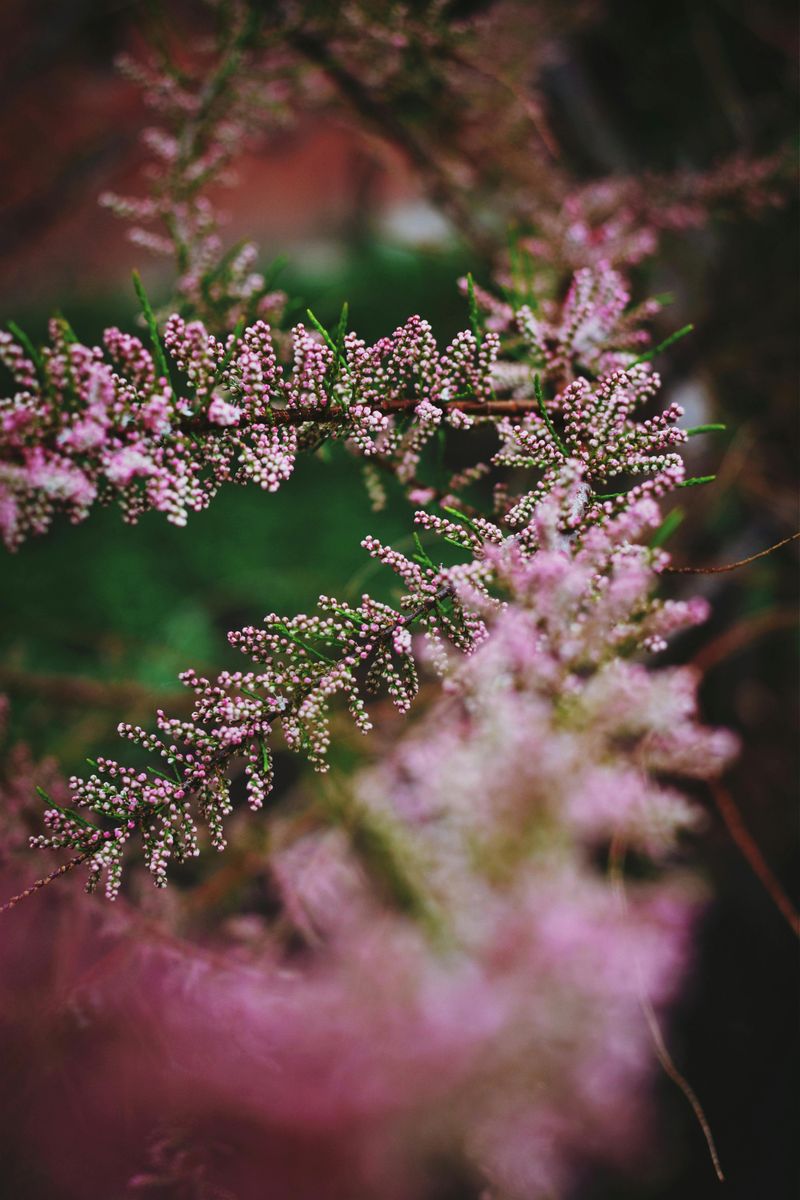
Tamarisk earned its alternative name “saltcedar” for a very troubling reason.
The plant absorbs salt from deep in the soil profile and deposits it on the surface through its leaves.
When leaves drop, salt concentrations in topsoil increase dramatically, creating conditions that inhibit other plants.
This process essentially poisons the ground for competitors, giving tamarisk an unfair advantage.
Many native plants and desirable garden species cannot tolerate the elevated salt levels tamarisk creates.
Homeowners trying to establish lawns or gardens near tamarisk infestations face frustrating failures as plants struggle in salty soil.
The salt accumulation continues as long as tamarisk remains, worsening conditions over time.
Even after removing tamarisk, soil remediation may be necessary to restore normal growing conditions.
Flushing salt from soil requires substantial water, which is especially challenging in Nevada’s arid climate.
Agricultural lands near tamarisk infestations can become degraded, reducing crop productivity and land value.
Understanding this salt-depositing behavior explains why areas dominated by tamarisk often look barren and lifeless.
Preventing tamarisk establishment protects soil quality and maintains conditions suitable for diverse plant life.
Wildlife Habitat Quality Plummets
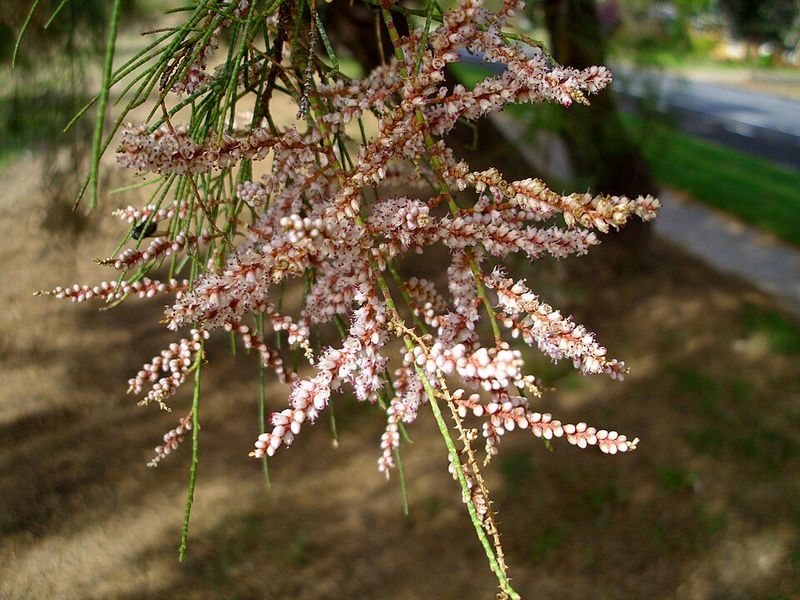
Birds, mammals, and insects that depend on native vegetation suffer when tamarisk takes over.
While some species can tolerate tamarisk, the shrub provides far inferior habitat compared to native plants.
Native cottonwoods and willows offer nesting sites, food sources, and shelter that tamarisk cannot match.
Insects that evolved with native plants often cannot use tamarisk, breaking food chains that support higher animals.
Nevada’s wildlife populations decline in areas dominated by tamarisk as habitat quality deteriorates.
Songbirds that once nested in diverse riparian forests find only monotonous tamarisk thickets offering limited resources.
Pollinators lose native flower sources when tamarisk crowds out diverse vegetation.
Homeowners who enjoy watching wildlife in their yards notice fewer species and less activity when tamarisk invades.
The dense, impenetrable thickets tamarisk creates actually exclude many animals that need open understory areas.
Restoring native vegetation by removing tamarisk brings wildlife back, improving both ecological health and property enjoyment.
Property owners concerned about biodiversity have strong motivation to control tamarisk and support native plant communities.
Every yard restored from tamarisk to natives creates a small wildlife refuge that contributes to larger conservation goals.
Property Values Face Negative Impact
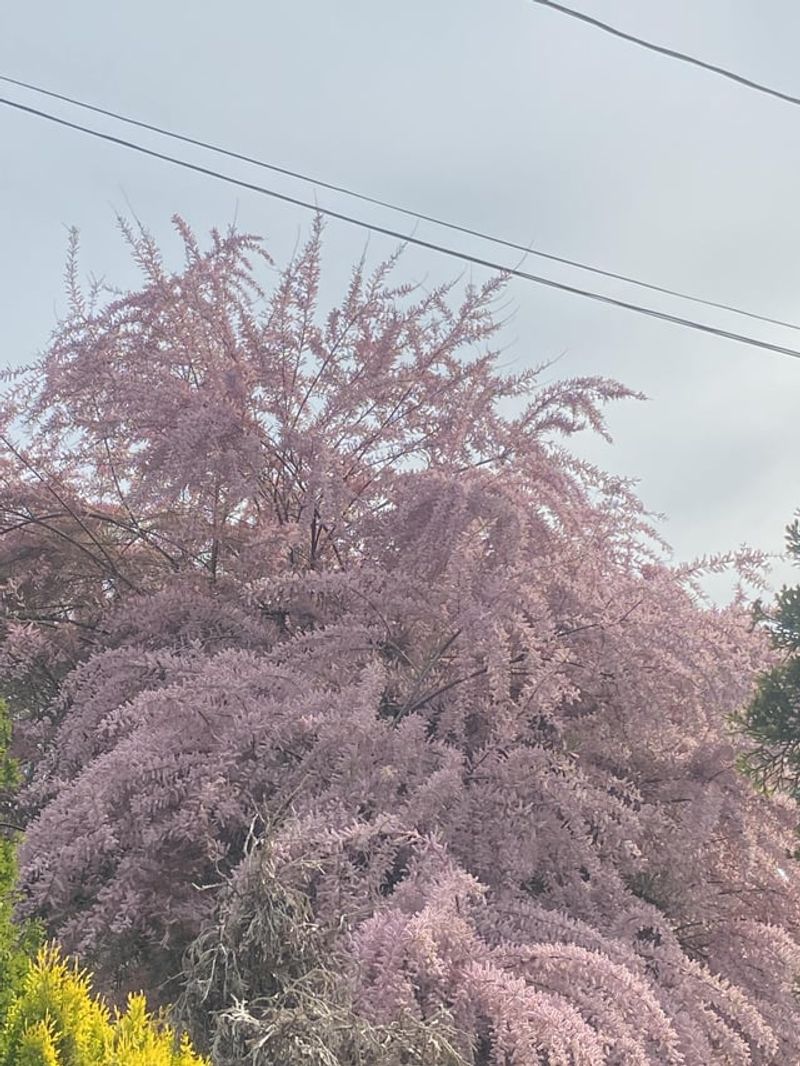
Real estate agents and homeowners know that tamarisk infestations hurt property marketability.
Potential buyers see tamarisk-covered yards as problem areas requiring expensive remediation.
The shrub’s scraggly appearance, fire danger, and infrastructure threats make properties less desirable.
Homes with visible tamarisk problems often sell for less than comparable properties without infestations.
Buyers factor in removal costs, which can reach thousands of dollars depending on infestation severity.
Properties located in neighborhoods with widespread tamarisk problems face additional value challenges.
Lenders and insurers may view tamarisk-infested properties as higher risk, affecting financing and coverage options.
Homeowners planning to sell have strong financial incentive to address tamarisk issues before listing.
Community-wide tamarisk control efforts help protect property values across entire neighborhoods.
Well-maintained yards with native landscaping instead of invasive shrubs attract buyers and command better prices.
Investment in tamarisk removal and native plant restoration pays dividends when it’s time to sell.
Beyond immediate property value concerns, tamarisk control protects neighborhood character and desirability, benefiting all residents economically.
Removal Requires Persistent Effort
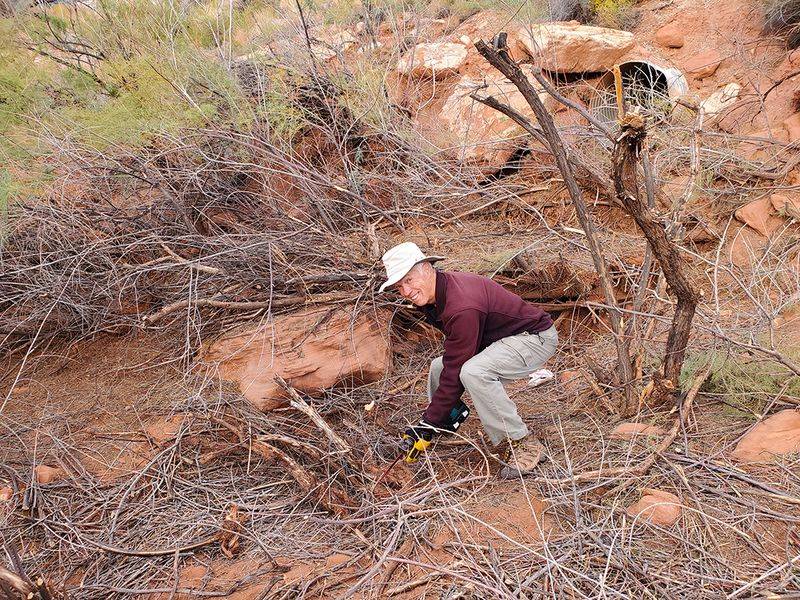
Getting rid of tamarisk isn’t as simple as cutting it down once and walking away.
The plant’s survival strategies make it incredibly resilient to control attempts.
Cut stems resprout vigorously from roots, often producing multiple new shoots where one existed before.
Root systems can survive and regrow even after the above-ground portion is completely removed.
Effective control requires combining multiple methods over several years to exhaust the plant’s energy reserves.
Cutting must be followed by either chemical treatment of stumps or repeated cutting of regrowth to prevent recovery.
Some homeowners choose to cover cut areas with thick mulch or landscape fabric to suppress regrowth.
Professional removal services understand the persistence required and plan multi-year treatment strategies.
Do-it-yourself efforts often fail when people underestimate how many follow-up treatments are necessary.
Seeds in the soil can germinate for years after parent plants are removed, requiring ongoing vigilance.
Successful tamarisk control demands commitment to monitoring and retreating as needed.
Understanding the long-term nature of control efforts helps homeowners set realistic expectations and develop effective management plans.
Legal Responsibilities May Apply
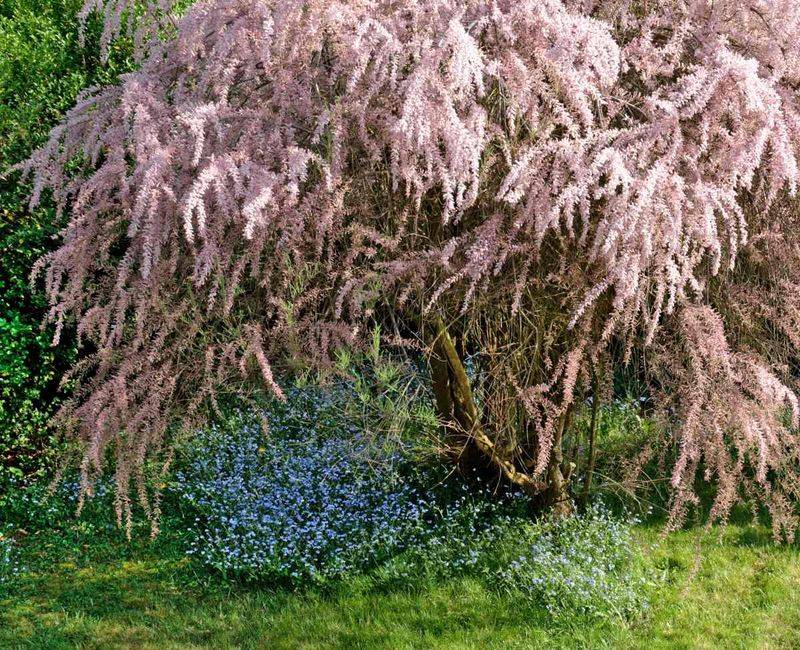
Some Nevada jurisdictions have regulations regarding invasive plant management on private property.
Homeowners may face legal obligations to control tamarisk, especially if it threatens neighboring properties or public lands.
County weed control boards sometimes issue notices requiring property owners to manage invasive species.
Failure to comply with these notices can result in fines or forced removal at the owner’s expense.
Properties adjacent to waterways or public lands often face stricter requirements because tamarisk spreads so easily.
Understanding local regulations helps homeowners avoid legal problems and potential penalties.
Some areas offer cost-share programs or technical assistance to help property owners with invasive plant control.
Homeowner associations may also have rules about maintaining properties free from invasive species.
Being proactive about tamarisk control demonstrates good stewardship and avoids potential legal complications.
Neighbors affected by tamarisk spreading from adjacent properties can sometimes seek legal remedies for damages.
Consulting with local extension offices or weed control authorities clarifies responsibilities and available resources.
Taking responsibility for tamarisk management protects both individual property interests and community environmental health while ensuring compliance with applicable regulations.
Prevention Beats Remediation Every Time
Stopping tamarisk before it establishes saves enormous time, money, and frustration.
Early detection of new plants allows removal while they’re small and haven’t developed extensive root systems.
Regular property inspections help catch tamarisk seedlings before they become major problems.
Learning to identify young tamarisk plants enables quick action when they appear.
Maintaining healthy native vegetation creates competition that makes tamarisk establishment more difficult.
Proper irrigation management avoids creating moist conditions that favor tamarisk germination.
Monitoring property boundaries, especially areas near water or drainage features, catches invasions early.
Neighborhood cooperation in tamarisk prevention reduces seed sources that affect everyone.
Community education programs help more people recognize and respond to tamarisk threats.
Once tamarisk becomes established, removal costs multiply compared to prevention efforts.
Dense infestations require professional help and years of follow-up, while seedlings can be hand-pulled in minutes.
Investing energy in prevention through vigilance and rapid response protects properties far more efficiently than waiting until problems become severe and expensive to address.