What Alabama Law Says About Cutting Back A Neighbor’s Hedge On Your Property Line
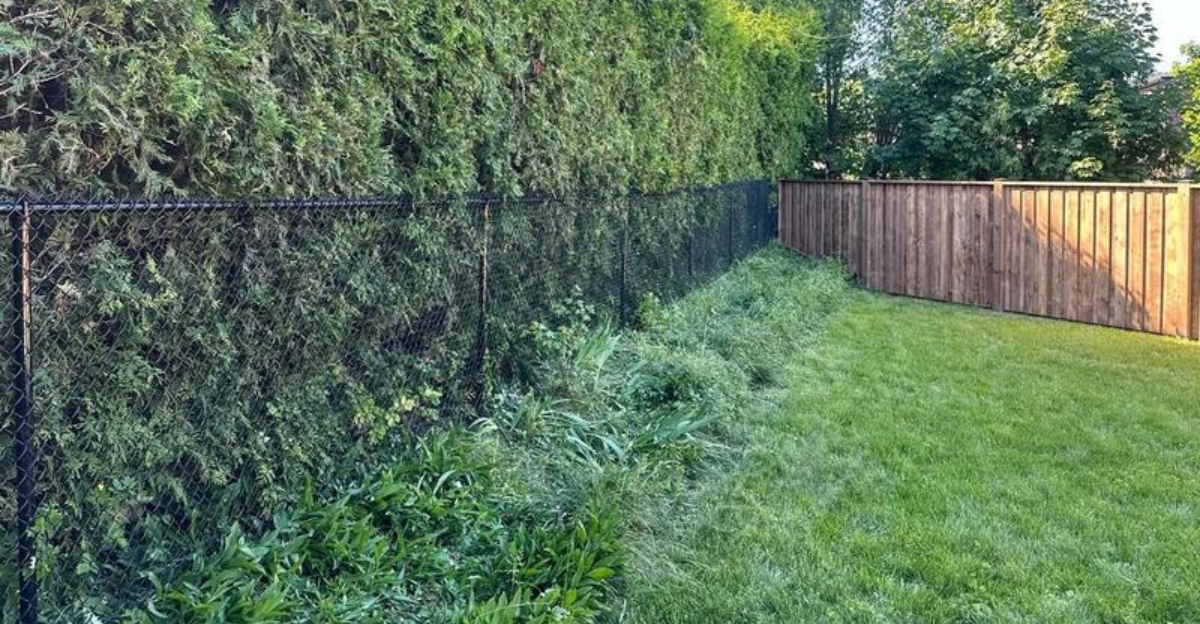
Living next to neighbors can be wonderful, but sometimes property line disputes pop up, especially when trees and hedges start growing over boundaries.
Alabama has specific laws about what you can and cannot do when your neighbor’s plants creep onto your side of the fence.
Understanding these rules helps you handle the situation legally and keeps your relationship with your neighbor friendly.
Here’s what Alabama law says about trimming back those overgrown hedges.
You Have The Right To Trim What Crosses Your Property Line

Alabama law gives property owners a clear right to deal with branches and hedges that extend over their boundary lines.
When a neighbor’s hedge grows onto your property, you’re legally allowed to cut back the parts that cross into your space.
This right exists because property owners have control over what happens within their land boundaries.
However, this doesn’t mean you can go wild with pruning shears.
The law expects you to be reasonable and responsible when trimming.
You can only cut the portions actually on your side of the property line.
Going past the boundary and cutting vegetation on your neighbor’s side could get you into legal trouble.
Many homeowners don’t realize they have this right and suffer through years of overgrown hedges blocking their views or dropping leaves in their yards.
Knowing your legal standing gives you confidence to address the problem properly.
Always measure carefully and know exactly where your property line sits before you start cutting.
When in doubt, hire a surveyor to mark the exact boundary.
This prevents accidental trespassing and potential lawsuits.
Communication Before Action Prevents Future Problems
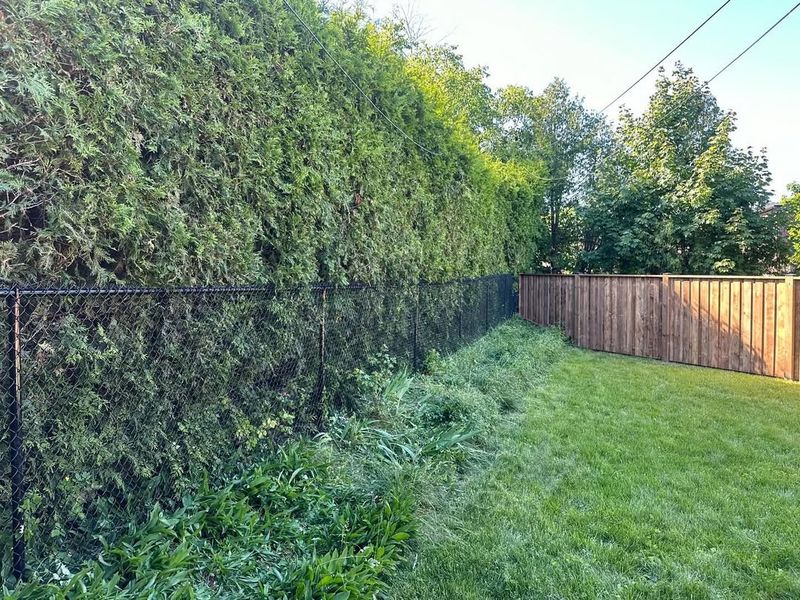
Before grabbing your hedge trimmers, having a friendly conversation with your neighbor can save everyone headaches down the road.
Alabama law doesn’t require you to talk to your neighbor first, but doing so shows respect and maintains good relationships.
Most neighbors don’t even realize their plants have crossed the property line.
A simple knock on the door and polite explanation often results in them offering to trim the hedge themselves.
This approach works better than surprising them with cut branches appearing overnight.
When you communicate, explain exactly which parts of the hedge are crossing onto your property.
Bring photos or measurements to make your point clear.
Offering to help with the trimming or splitting the cost of a professional service shows goodwill.
Document your conversation with a follow-up text or email summarizing what you discussed.
This creates a paper trail if disputes arise later.
Remember that neighbors who feel respected are much more likely to cooperate and maintain their vegetation properly going forward.
Building bridges instead of burning them benefits everyone in the long run.
You Cannot Damage Or Destroy The Neighbor’s Plant

Alabama law draws an important line between trimming and damaging.
While you can cut back branches on your side, you cannot trim in a way that seriously harms or destroys the entire plant.
Courts have ruled that property owners who destroy their neighbor’s vegetation through excessive cutting can be held liable for damages.
Your Alabama Garden Changes Every Week. Your Plan Should Too.
Gardening in Alabama changes quickly throughout the season. Every Friday you’ll receive a simple weekly plan showing exactly what to plant, prune, fertilize, harvest, and protect so you never miss the right timing.
Hedges and trees are valuable, and replacing mature plants costs significant money.
When trimming, you need to use proper horticultural techniques that won’t shock or destroy the plant.
Cutting too much at once, removing all the leaves from branches, or cutting during the wrong season can cause permanent damage.
If you’re unsure about proper trimming methods, consult with a certified arborist or landscaping professional.
They understand how much you can safely remove without harming the plant’s health.
Taking before and after photos protects you if your neighbor later claims you damaged their hedge.
Being careful and conservative with your cuts shows you acted reasonably.
Remember that revenge trimming or deliberately trying to destroy your neighbor’s plants will likely result in you losing a lawsuit and paying damages plus legal fees.
Property Line Location Must Be Accurately Determined
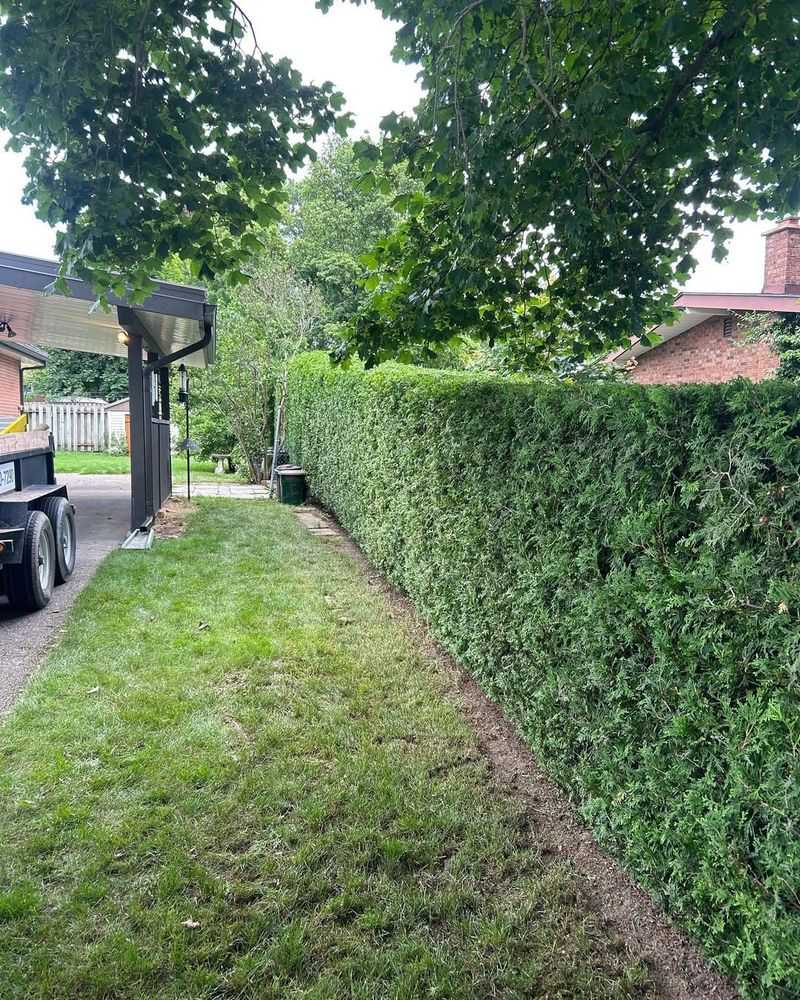
One of the biggest mistakes homeowners make is assuming they know where their property line sits.
Fences, driveways, and landscaping don’t always follow the actual legal boundary.
Alabama law requires you to trim only on your side, so knowing the exact location is absolutely critical.
Property surveys provide the most accurate information about boundaries.
Your property deed should include a legal description, but interpreting these descriptions requires expertise.
Hiring a licensed surveyor to mark your property corners and lines costs money but prevents expensive legal battles later.
Surveyors use special equipment and official records to place markers showing exactly where your property ends.
Some counties in Alabama have online GIS mapping systems that show approximate property lines, but these aren’t always precise enough for legal purposes.
If you and your neighbor disagree about the boundary location, a survey settles the dispute with official documentation.
Never guess or estimate when property lines are involved.
The cost of a survey is much less than the cost of defending yourself in court after cutting vegetation on your neighbor’s property.
Branches And Debris Belong To The Tree Owner
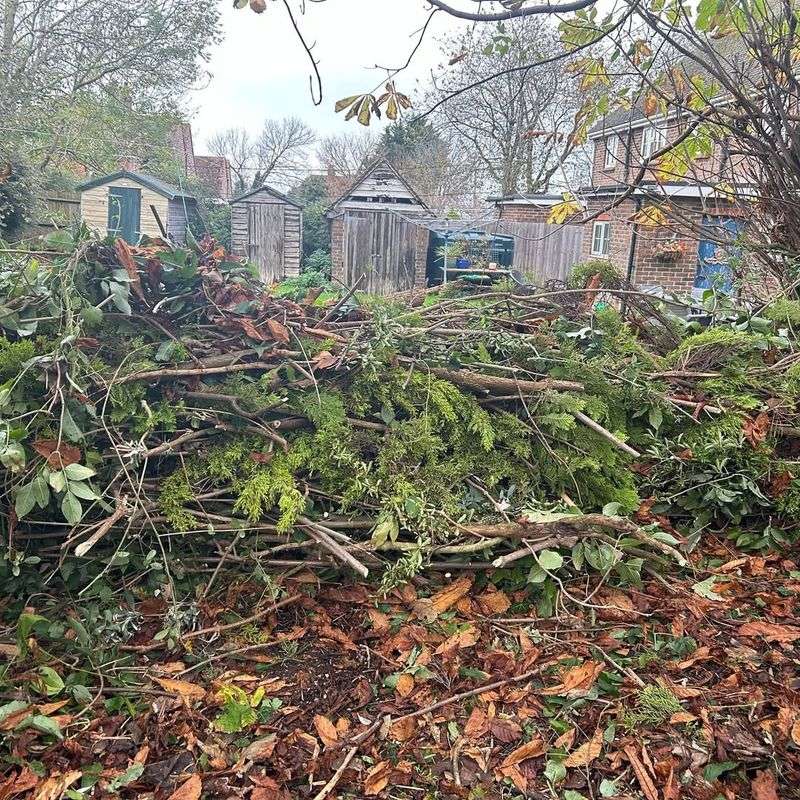
After you trim branches crossing your property line, you might wonder who’s responsible for cleaning up the mess.
Alabama follows the general rule that cut branches and debris still belong to the tree or hedge owner, not you.
This means you should technically offer the trimmings back to your neighbor rather than just throwing them away.
In practical terms, most neighbors don’t want bags of cut branches returned to them.
However, making the offer shows you’re following proper procedure and being respectful.
If your neighbor declines to take the trimmings, you can dispose of them yourself through yard waste collection or composting.
Some municipalities have specific rules about yard waste disposal, so check your local regulations.
Tossing the branches back over the fence onto your neighbor’s property without permission could be considered littering or trespassing.
Document that you offered to return the trimmings through text, email, or a note.
This small step protects you from claims that you improperly disposed of your neighbor’s property.
Being courteous about cleanup maintains better relationships even when exercising your legal rights.
Timing Your Trimming Matters For Plant Health
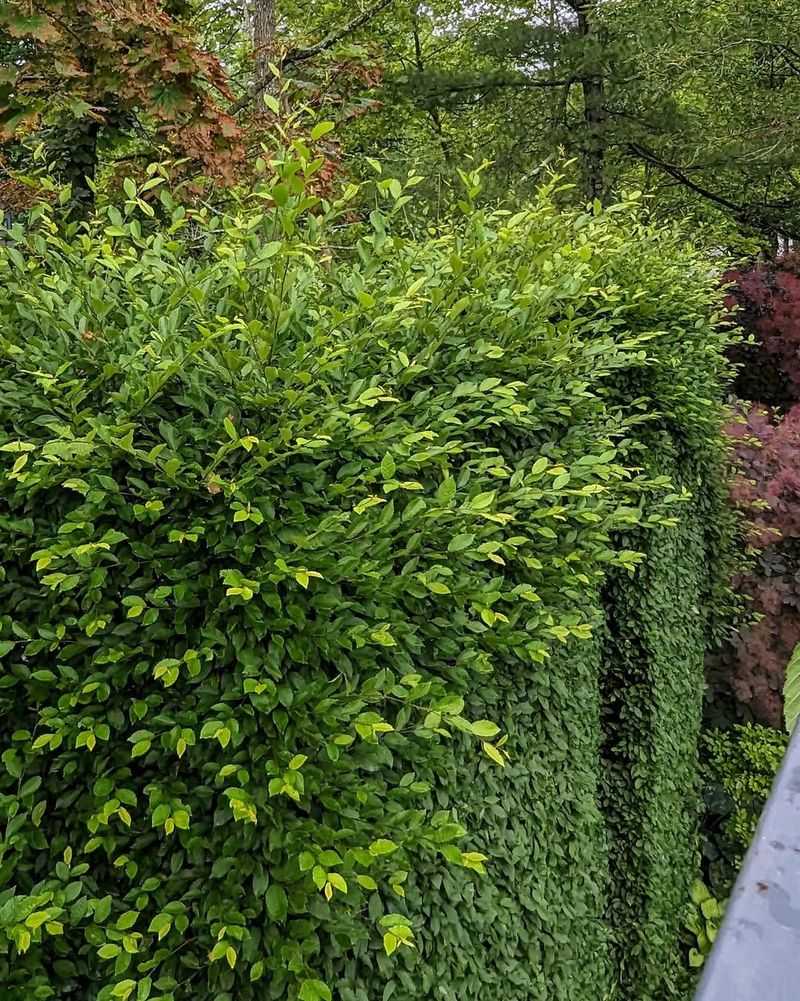
Alabama’s climate affects when you should trim hedges for the best results and least damage.
While you legally can trim anytime branches cross your property line, choosing the right season shows responsibility and reduces harm to the plant.
Most hedges do best with trimming during their dormant season, typically late winter or early spring before new growth starts.
Trimming during active growing periods or extreme heat can stress plants and cause browning or fatal disease.
Different hedge species have different ideal trimming times.
Evergreen hedges like Leyland cypress tolerate trimming throughout the year but recover fastest in spring.
Flowering hedges should be trimmed after they bloom to avoid removing next year’s flowers.
If the overgrowth is causing immediate problems like blocking your driveway or damaging your structures, you don’t have to wait for the perfect season.
However, when possible, timing your trimming appropriately shows you’re being reasonable.
This consideration matters if disputes end up in court, as judges look favorably on property owners who act responsibly.
Research the specific type of hedge you’re dealing with or consult a local nursery for timing advice.
Roots Crossing Property Lines Create Different Rules
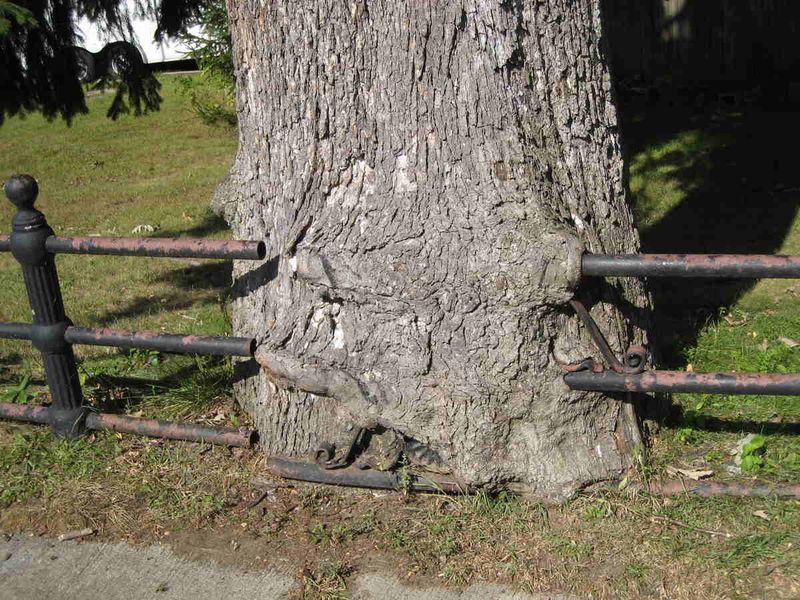
While branches get most of the attention, roots from your neighbor’s hedge can also invade your property underground.
Alabama law treats roots differently than branches in some important ways.
You generally have the right to cut roots on your side of the property line, just like branches.
However, cutting major roots can destabilize or destroy the entire plant, creating potential liability.
Root systems support the plant’s health and stability, so removing significant roots might cause the hedge to wither or fall over.
If roots are damaging your foundation, driveway, or underground utilities, you have stronger legal grounds to remove them.
Document the damage with photos and repair estimates before cutting roots.
Consider consulting with a tree specialist about root barriers or selective root pruning that solves your problem without destroying the plant.
Some homeowners install physical root barriers along property lines to prevent future invasions.
These plastic or metal sheets extend underground and redirect roots back toward the neighbor’s property.
Root issues often require more careful handling than branch trimming because the consequences of mistakes are more severe and less visible.
HOA Rules May Add Extra Requirements
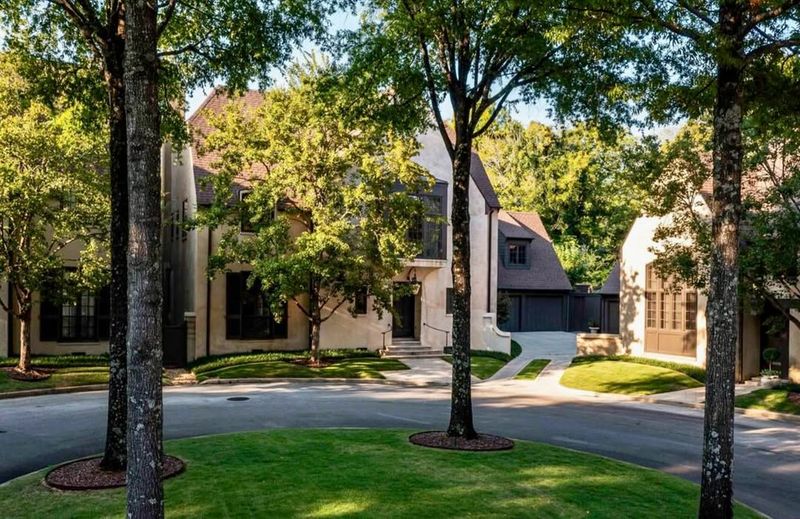
Many Alabama neighborhoods operate under homeowners association rules that add another layer of regulations beyond state law.
Your HOA covenants might require approval before trimming any vegetation, even on your own property.
Some associations have specific guidelines about hedge heights, types, and maintenance along property lines.
Check your HOA documents before taking action to avoid fines or forced restoration.
HOA rules often aim to maintain neighborhood appearance and prevent disputes between neighbors.
You might need to submit a request describing what you plan to trim and why.
The approval process can take weeks, so plan ahead if you’re dealing with overgrown hedges.
Violating HOA rules can result in fines, liens on your property, or even legal action from the association.
Some HOAs offer mediation services to help neighbors resolve vegetation disputes without going to court.
Taking advantage of these services can save time and money.
Even though Alabama state law gives you certain rights, your HOA agreement might require you to follow additional procedures.
Reading your covenants carefully or consulting with the HOA board prevents surprises and potential penalties.
Liability Issues When Trimming Goes Wrong
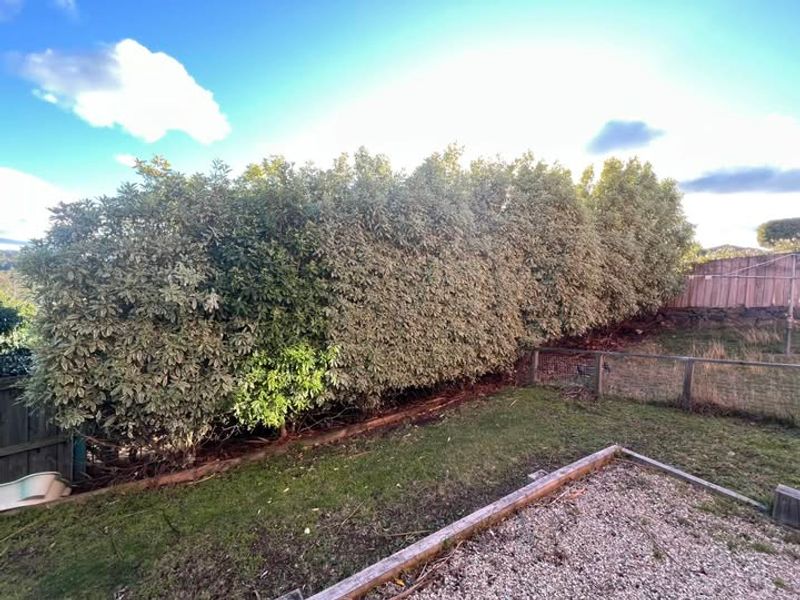
Understanding your potential liability protects you from expensive lawsuits after trimming your neighbor’s hedge.
Alabama courts can hold you responsible if your trimming causes significant damage to the plant or your neighbor’s property.
Liability often depends on whether you acted reasonably and used proper techniques.
Hiring a professional landscaper or arborist shifts some liability to them if something goes wrong.
Professionals carry insurance that covers damage they cause while working.
If you do the work yourself, your homeowner’s insurance might not cover damage you cause to a neighbor’s property.
Taking photos before, during, and after trimming creates evidence of your careful approach.
These photos prove you only cut what crossed the property line and used appropriate methods.
If your neighbor sues you for damages, courts will examine whether a reasonable person would have trimmed the same way.
Excessive cutting, using improper tools, or trimming out of spite all increase your liability risk.
Consulting with a lawyer before major trimming projects provides guidance specific to your situation.
The small cost of legal advice can prevent much larger costs from lawsuits and judgments against you.
When To Seek Legal Help for Hedge Disputes

Sometimes neighbor disputes over hedges escalate beyond simple conversations and require professional legal intervention.
Knowing when to contact an attorney saves you from making costly mistakes.
If your neighbor threatens legal action, refuses to acknowledge the property line, or demands you stop trimming vegetation clearly on your property, consult a lawyer immediately.
Property law attorneys in Alabama understand local regulations and can advise you on your specific rights.
They can send formal letters to your neighbor explaining the legal situation, which often resolves disputes without court.
When neighbors claim your trimming damaged their plants, having legal representation protects your interests.
Lawyers can negotiate settlements, represent you in mediation, or defend you in court if necessary.
Some disputes involve unclear property boundaries, requiring legal action to establish the correct line through adverse possession claims or quiet title actions.
Document everything related to the dispute, including conversations, photos, surveys, and any damage.
This documentation helps your attorney build a strong case.
Many attorneys offer initial consultations for free or low cost, giving you professional advice about whether your situation requires legal action.
Acting early prevents small disagreements from becoming expensive legal battles.