The Dangerous Shrub Showing Up In Arizona Backyards
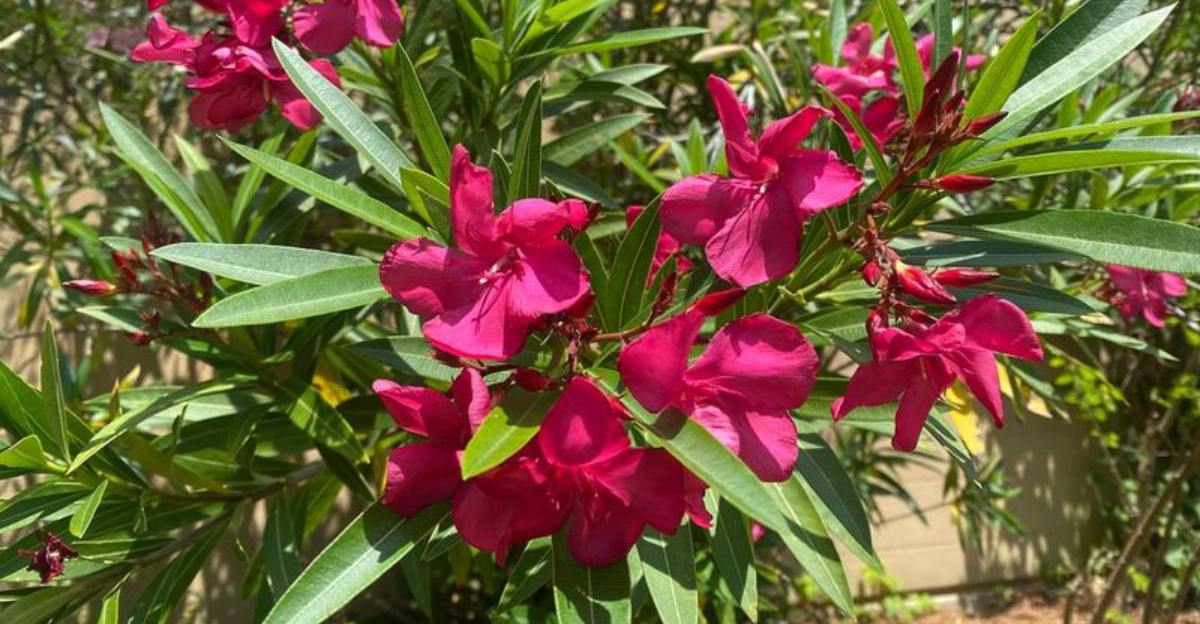
A surprising burst of color has been popping up across Arizona backyards, but this shrub carries more trouble than its bright blooms suggest.
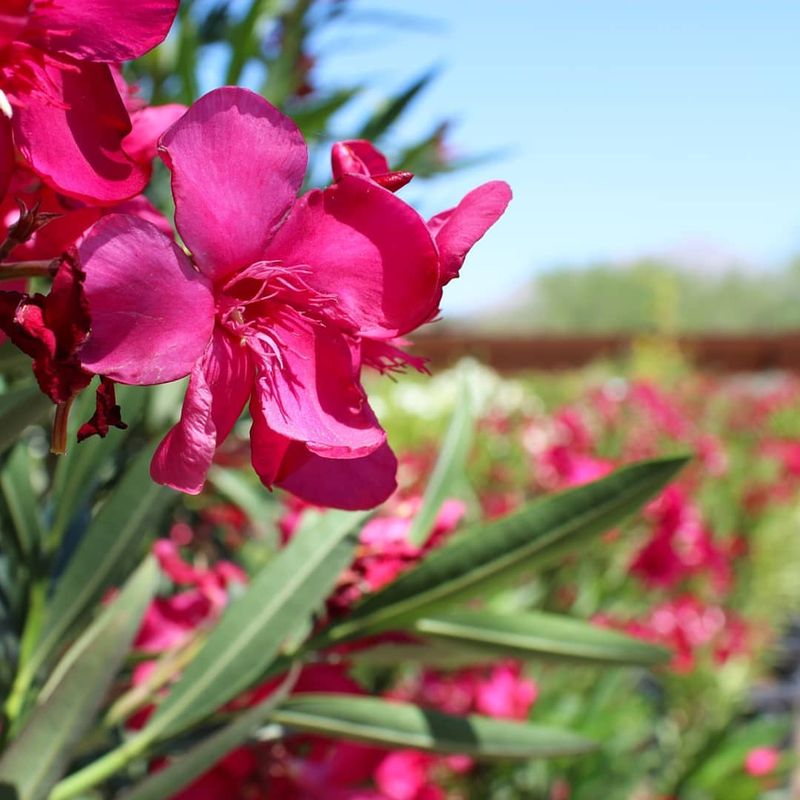
At first glance, oleander looks like the perfect desert companion, thriving in heat and growing with little fuss.
Folks welcome it for its hardy nature, only to learn later that this pretty plant hides a risky side.
Pets can fall ill from a single nibble, and kids playing nearby face danger from sap that irritates skin or worse.
Some homeowners describe it as a wolf in sheep’s clothing, settling in quietly before its reputation catches up.
As more yards adopt this shrub, concern spreads through neighborhoods like a warning carried on the wind.
Many residents now take a second look at their landscaping, asking how something so striking could pack such a punch.
This rising awareness shines a light on the plant choices shaping Arizona’s outdoor spaces and the hidden hazards that may come with them.
Every Single Part Contains Poison
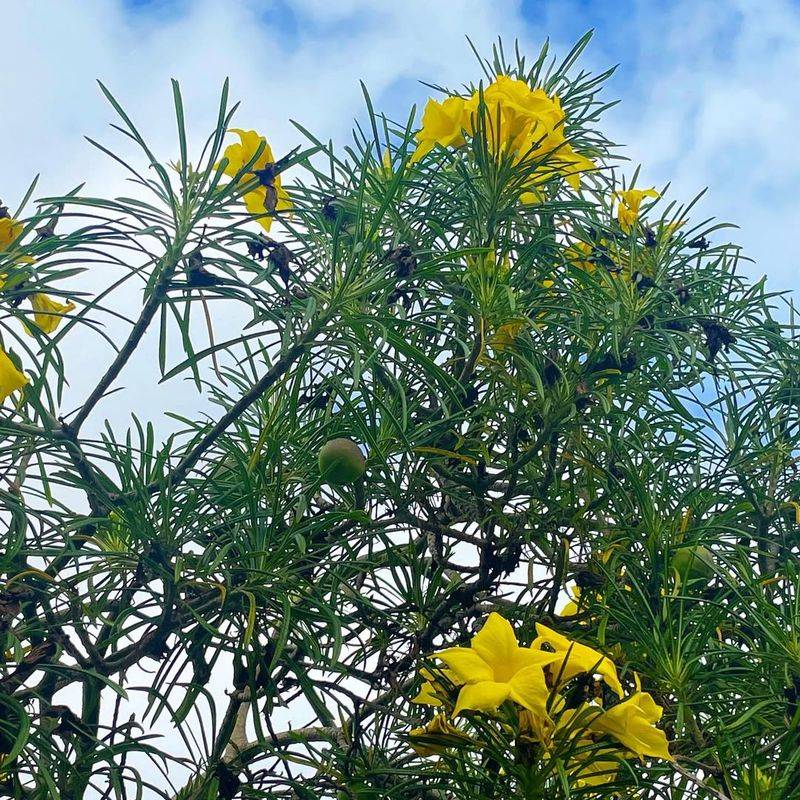
Oleander stands out as one of the most toxic plants you can grow in your yard, with poison present in absolutely every component.
The leaves, flowers, stems, roots, and even the nectar contain cardiac glycosides that affect the heart.
These dangerous compounds remain active whether the plant is fresh, dried, or burned.
Many people mistakenly believe only certain parts pose risks, but this assumption could lead to serious trouble.
Children have experienced poisoning after using oleander sticks as skewers for roasting marshmallows.
Even the smoke from burning oleander branches can cause respiratory problems and other health issues.
The sap that oozes from broken stems or leaves can irritate your skin and eyes on contact.
Some people develop painful rashes just from touching the plant while trimming or handling it.
Washing your hands thoroughly after any contact becomes absolutely essential.
Animals face similar dangers when they chew on branches or consume fallen leaves.
Dogs, cats, horses, and livestock can all suffer severe reactions from ingesting even small amounts.
Keeping pets away from oleander plants should be a top priority for any Arizona pet owner.
The concentration of toxins varies slightly depending on growing conditions and plant maturity.
However, no part ever becomes safe to touch without precautions or consume under any circumstances.
Treating oleander with the respect it deserves can prevent tragic accidents in your home.
Arizona Loves It For Good Reasons
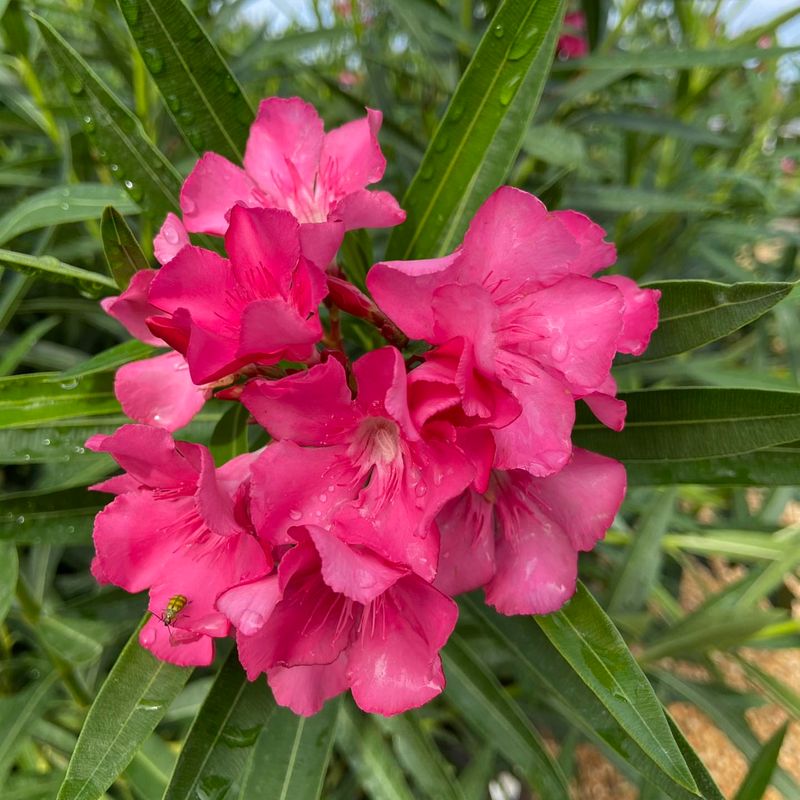
Landscapers across Arizona have embraced oleander as a go-to choice for creating privacy screens and adding year-round color.
These Mediterranean natives handle the brutal desert heat better than almost any other flowering shrub.
Temperatures exceeding 110 degrees barely faze these tough plants.
Water conservation matters tremendously in Arizona, and oleander shrubs require minimal irrigation once established.
They can survive on rainfall alone in many areas, making them perfect for xeriscaping projects.
This drought tolerance saves homeowners money on water bills while supporting environmental conservation efforts.
Oleanders grow quickly into dense hedges that block unwanted views and reduce noise from nearby streets.
Their evergreen foliage stays attractive throughout all seasons, unlike deciduous plants that lose leaves in winter.
Your Arizona Garden Changes Every Week. Your Plan Should Too.
Gardening in Arizona changes quickly throughout the season. Every Friday you’ll receive a simple weekly plan showing exactly what to plant, prune, fertilize, harvest, and protect so you never miss the right timing.
The continuous blooming from spring through fall provides months of colorful displays.
These shrubs also resist most common pests and diseases that plague other garden plants.
Deer and rabbits typically avoid oleander because of its toxic nature, solving browsing problems for many homeowners.
The low maintenance requirements mean less time spent on yard work and more time enjoying outdoor spaces.
Commercial properties and highway departments plant oleander along roadways and in parking lot islands.
The plants tolerate air pollution, reflected heat from pavement, and neglect better than most alternatives.
Variety options include dwarf forms for smaller spaces and tall varieties reaching fifteen feet high.
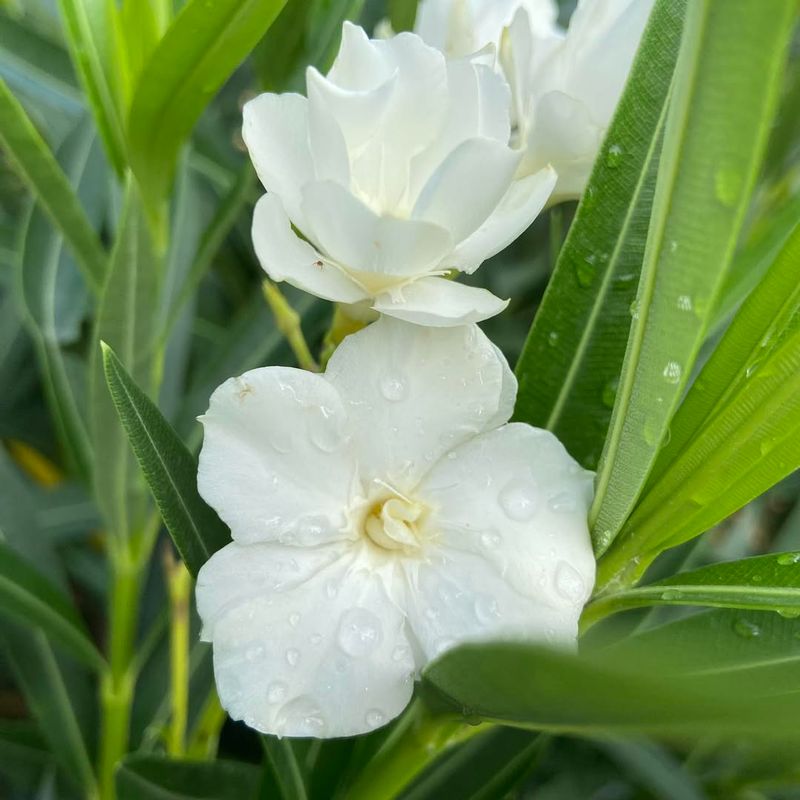
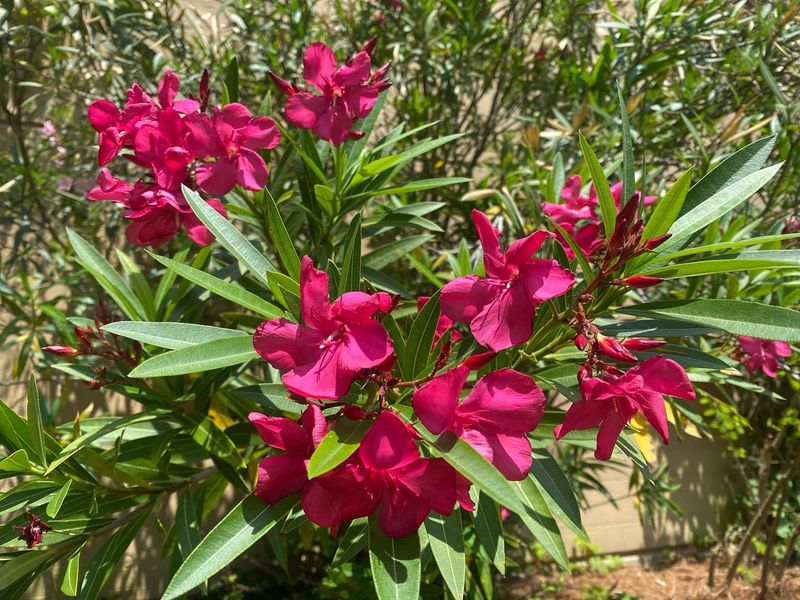
Color choices range from pure white and pale pink to deep red and salmon shades.
Symptoms Appear Fast And Strong
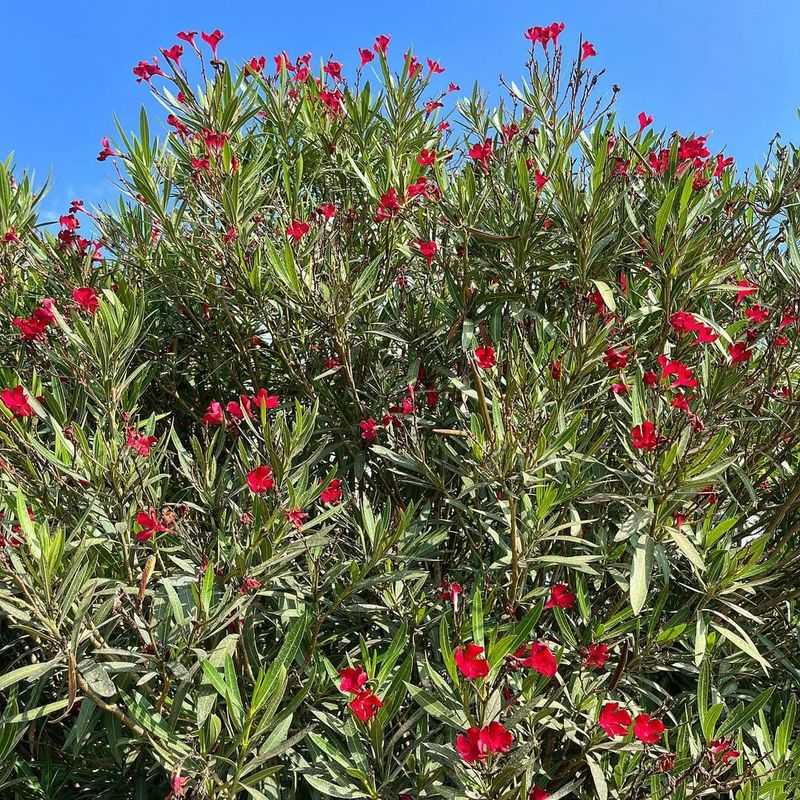
Recognizing oleander poisoning symptoms quickly can make a crucial difference in treatment outcomes.
The cardiac glycosides in oleander begin affecting the body within minutes to a few hours after exposure.
Initial signs often include nausea, vomiting, and excessive drooling.
Stomach pain and diarrhea typically follow as the digestive system reacts to the toxins.
Many people describe feeling extremely dizzy and confused as the poison spreads through their bloodstream.
Vision problems can develop, with some victims reporting seeing yellow or green halos around objects.
Heart-related symptoms represent the most dangerous effects of oleander poisoning.
The pulse may become irregular, racing too fast or slowing to dangerously low rates.
Chest pain and difficulty breathing signal that the cardiovascular system is under serious stress.
Weakness and trembling often make it hard for affected individuals to stand or walk steadily.
Some people experience numbness or tingling in their hands and feet.
Drowsiness and loss of consciousness can occur in severe cases requiring immediate emergency care.
Children typically show symptoms faster than adults because of their smaller body size.
Even handling the plant and then touching the face can transfer enough toxin to cause problems.
Pets may paw at their mouths, refuse food, or act unusually lethargic when poisoned.
Anyone suspecting oleander exposure should contact poison control or seek emergency medical attention right away.
Bringing a sample of the plant helps medical professionals identify the toxin and provide appropriate treatment.
Never wait to see if symptoms improve on their own.
Safe Handling Requires Serious Protection
Proper protective equipment becomes non-negotiable when working with oleander plants in your landscape.
Long sleeves and pants made from tightly woven fabric prevent sap from reaching your skin.
Choosing clothing you can immediately wash or discard after gardening sessions makes cleanup easier.
Heavy-duty gardening gloves create a barrier between your hands and the toxic plant materials.
Latex or nitrile gloves alone may not provide adequate protection against the irritating sap.
Leather or rubber gloves work better for pruning and handling oleander branches.
Safety glasses or goggles protect your eyes from accidental splashes during cutting activities.
The sap can squirt unexpectedly when you clip through thicker stems.
Eye exposure to oleander sap causes burning, redness, and potential vision problems.
Planning your pruning work for cool morning hours reduces heat stress while wearing protective gear.
Working in the Arizona sun while fully covered can become uncomfortable quickly.
Taking frequent breaks and staying hydrated helps you maintain focus on safety procedures.
Cleaning your tools thoroughly after working with oleander prevents accidental contamination of other plants.
Wiping pruning shears with rubbing alcohol removes sap residue effectively.
Storing oleander-dedicated tools separately from other gardening equipment adds another safety layer.
Disposing of trimmed branches and leaves requires careful attention to prevent exposure to others.
Bagging the plant material in heavy-duty trash bags keeps children and animals away from the clippings.
Never composting oleander waste ensures the toxins do not spread through your garden.
Some municipalities have specific disposal guidelines for toxic plant materials.
Alternatives Exist For Worried Homeowners
Families with young children or curious pets often seek safer substitutes that offer similar benefits without the risks.
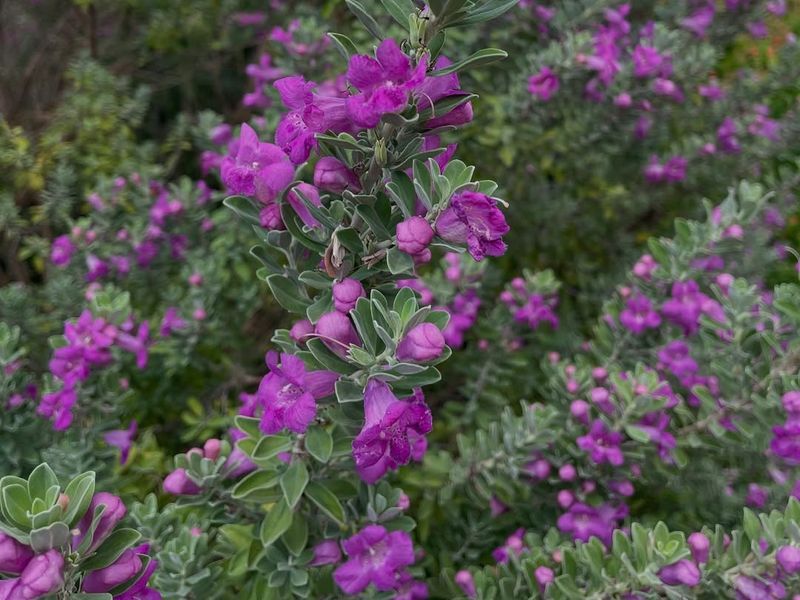
Texas sage provides beautiful purple blooms and excellent drought tolerance for Arizona conditions.
This native shrub attracts hummingbirds while posing no poison concerns for your household.
Desert bird of paradise creates a tropical look with orange and red flowers throughout the warm months.
The plant grows quickly into a substantial privacy screen reaching eight to ten feet tall.
Its water needs remain low once established, matching oleander’s conservation benefits.
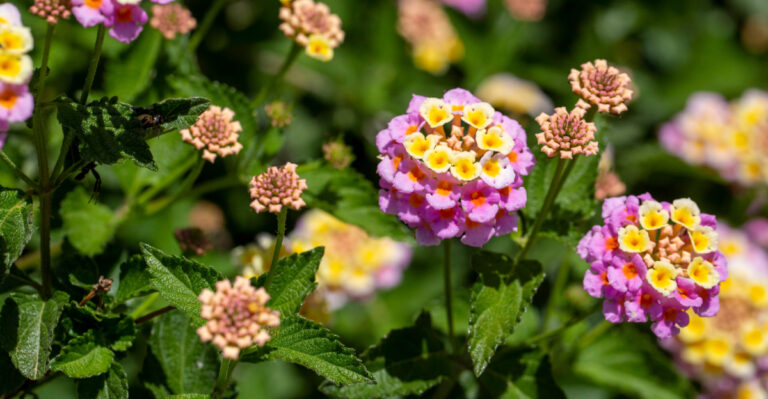
Lantana shrubs bloom continuously in yellow, orange, pink, or purple color combinations.
These tough plants handle heat and drought while attracting butterflies to your garden.
Dwarf varieties work well in smaller spaces or container plantings.
Yellow bells produce cheerful trumpet-shaped flowers and glossy green foliage year-round.
The plant tolerates full sun and requires minimal maintenance once it adapts to your yard.
Hummingbirds visit frequently to sip nectar from the abundant blooms.
Red yucca offers spiky architectural interest with tall stalks of coral-pink flowers.
This desert native needs almost no supplemental water and thrives in the harshest conditions.
The plant remains evergreen and deer-resistant without any toxic properties.
Consulting with local nursery professionals helps you select the best replacement options for your specific situation.
Many native and adapted plants provide beauty and function without the anxiety of having poison in your backyard.
Considering your landscape goals alongside safety concerns leads to choices everyone can feel comfortable with.
Historical Uses Were Both Helpful And Harmful
Ancient civilizations recognized oleander’s powerful properties thousands of years ago across Mediterranean regions.
Greek and Roman physicians documented using tiny amounts in heart medications despite understanding its dangers.
Traditional medicine practitioners in various cultures experimented with oleander extracts for treating different ailments.
Some historical records describe using oleander preparations to address irregular heartbeats and fluid retention.
The cardiac glycosides that make the plant so dangerous can theoretically affect heart function when carefully controlled.
However, the narrow margin between a medicinal dose and a toxic dose made these treatments extremely risky.
Folk remedies sometimes included oleander for treating skin conditions, warts, and even tumors.
Modern research has investigated whether compounds from oleander might have anti-cancer properties.
Scientists continue studying the plant’s chemistry, though no safe medical applications have been approved for general use.
Unfortunately, oleander’s accessibility and potency also led to its misuse throughout history.
Stories of intentional poisoning appear in historical records from various time periods and locations.
The plant’s widespread cultivation made it an easy source for those seeking harmful substances.
Military forces have documented accidental poisonings when soldiers used oleander wood for cooking fires.
These incidents reinforced warnings about avoiding the plant in survival situations.
Educational materials from wartime periods specifically cautioned troops stationed in regions where oleander grows wild.
Today, reputable medical professionals strongly discourage any home use of oleander for health purposes.
The risks far outweigh any potential benefits given safer modern alternatives.
Appreciating oleander’s complex history helps us understand why caution remains so important.
Laws And Regulations Vary By Location
Homeowners associations in Arizona sometimes include specific guidelines about planting oleander near common areas or playgrounds.
These rules aim to balance the plant’s landscaping benefits against potential liability concerns.
Reviewing your HOA documents before installing oleander can prevent future conflicts with community standards.
Some neighborhoods prohibit planting toxic species within a certain distance of sidewalks or shared spaces.
The reasoning focuses on protecting children and pets who might access these areas regularly.
Violations could result in fines or requirements to remove non-compliant plants at your expense.
Schools and daycares face stricter regulations regarding toxic plants on their properties.
State licensing requirements often mandate removing or fencing dangerous vegetation to maintain safe environments.
Parents touring facilities should feel comfortable asking about landscaping choices and safety measures.
Commercial properties must consider premises liability when selecting landscaping plants.
Business owners could face legal consequences if customers or employees suffer poisoning from accessible oleander.
Consulting with insurance providers about potential risks helps protect your business interests.
No statewide Arizona law currently bans residential oleander planting on private property.
Individual cities or counties might impose local restrictions based on community needs and concerns.
Checking with your municipal planning department provides clarity on what rules apply in your area.
Rental property owners should inform tenants about any toxic plants present on the premises.
Including this information in lease agreements or move-in documentation creates a record of disclosure.
Providing safety information demonstrates responsible property management and helps prevent accidents.
Ultimately, knowing the rules helps you make informed decisions about incorporating oleander into your landscape design.