Are New Jersey Homeowners Responsible For Clearing Pine Needles Falling From Next Door
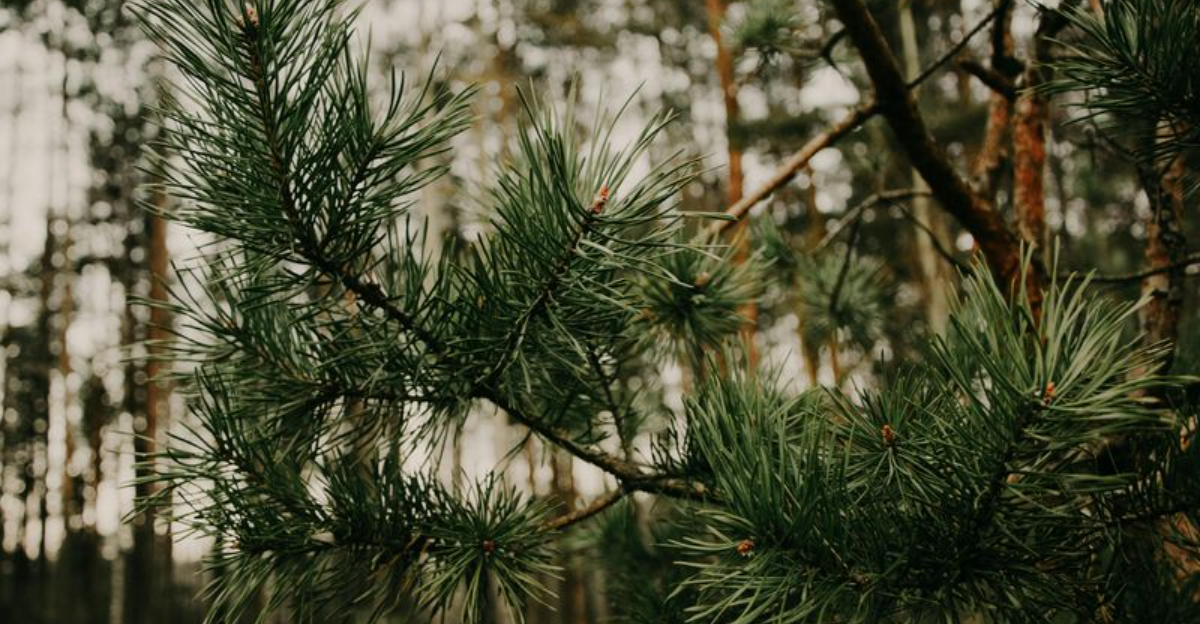
Pine needles drifting into your yard might look harmless at first, but when they start piling up like confetti after a parade, the frustration can hit fast.
Suddenly you’re the one wielding the rake for a tree you don’t even own, and it’s only natural to wonder whether New Jersey law has your back—or if you’re destined to be the neighborhood clean-up crew forever.
Before tempers flare or brooms fly, it pays to know exactly where your rights end, your neighbor’s responsibilities begin, and how to keep the peace without getting tangled in a sticky legal mess.
Property Owners Must Maintain Their Own Land
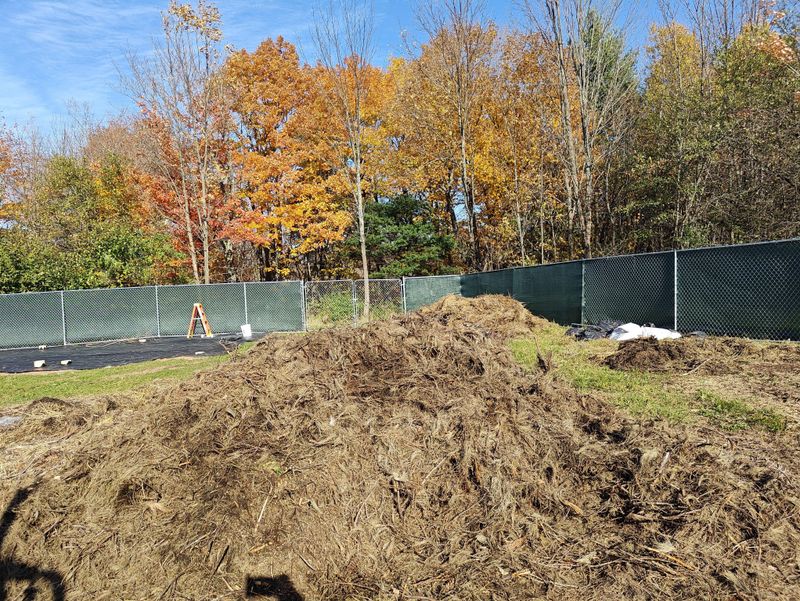
Generally speaking, New Jersey homeowners are responsible for maintaining their own property, which includes clearing debris that falls onto it.
Pine needles dropping from a neighbor’s tree onto your lawn become your responsibility once they land on your side of the property line.
Courts in New Jersey typically follow the principle that natural occurrences like falling leaves, needles, or branches are part of owning property.
Your neighbor isn’t legally required to come over and clean up what their trees drop on your land.
Think of it like rain or snow—nobody expects the clouds to clean up after themselves.
Property maintenance falls to whoever owns the ground where things land.
That said, there are some exceptions to this rule when trees cause actual damage or become hazardous.
But for routine needle drop, you’ll likely need to grab your rake and handle it yourself.
Keeping your yard tidy is simply part of homeownership, even when Mother Nature makes extra work for you.
Regular maintenance prevents bigger problems like clogged gutters or withered grass underneath piles of needles.
Encroaching Branches Give You Trimming Rights
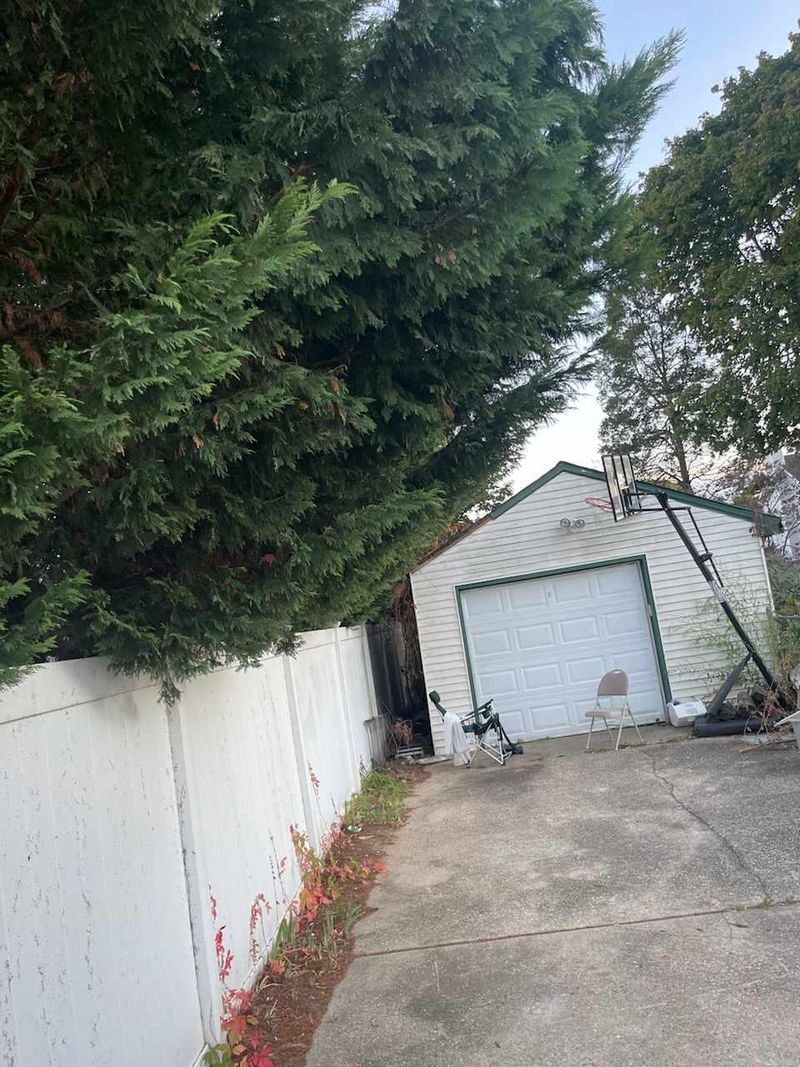
When your neighbor’s pine tree branches cross over onto your property, New Jersey law gives you the right to trim them back to the property line.
You don’t need permission from your neighbor to cut branches that invade your airspace.
However, you must be careful not to damage the tree or trespass onto your neighbor’s property while trimming.
Hiring a professional tree service can help you avoid accidentally harming the tree, which could make you liable for damages.
Cutting back overhanging branches can significantly reduce the number of pine needles falling into your yard.
Fewer branches mean fewer needles to rake up each week during peak shedding seasons.
Keep in mind that you cannot force your neighbor to trim their tree, and you’re responsible for the cost of any trimming you choose to do.
Save your receipts and take photos before and after in case disputes arise later.
Some homeowners prefer talking to their neighbors before trimming to maintain good relationships.
A friendly conversation often prevents misunderstandings and might even result in your neighbor offering to help with the work or split the costs.
Nuisance Laws Have High Legal Thresholds
You might consider your neighbor’s pine needles a nuisance, but New Jersey courts set a pretty high bar for what legally qualifies as a nuisance.
Your New Jersey Garden Changes Every Week. Your Plan Should Too.
Gardening in New Jersey changes quickly throughout the season. Every Friday you’ll receive a simple weekly plan showing exactly what to plant, prune, fertilize, harvest, and protect so you never miss the right timing.
Simple annoyance or extra yard work usually doesn’t meet that standard.
For pine needles to be considered a legal nuisance, they would need to substantially interfere with your use and enjoyment of your property.
We’re talking about serious issues like fire hazards, drainage problems, or damage to your home’s foundation or roof.
A few hours of raking each month probably won’t convince a judge that your quality of life has been severely impacted.
Courts recognize that living near trees comes with natural consequences that reasonable people should tolerate.
Documenting the problem with photos, videos, and written records becomes important if you believe the situation crosses into nuisance territory.
Show how the needles create genuine hazards rather than just aesthetic problems or minor inconveniences.
Legal action should be your last resort after trying to resolve things neighborly.
Lawsuits are expensive, time-consuming, and can permanently damage relationships with people who live right next door to you for years to come.
Tree Damage Claims Require Proof Of Negligence
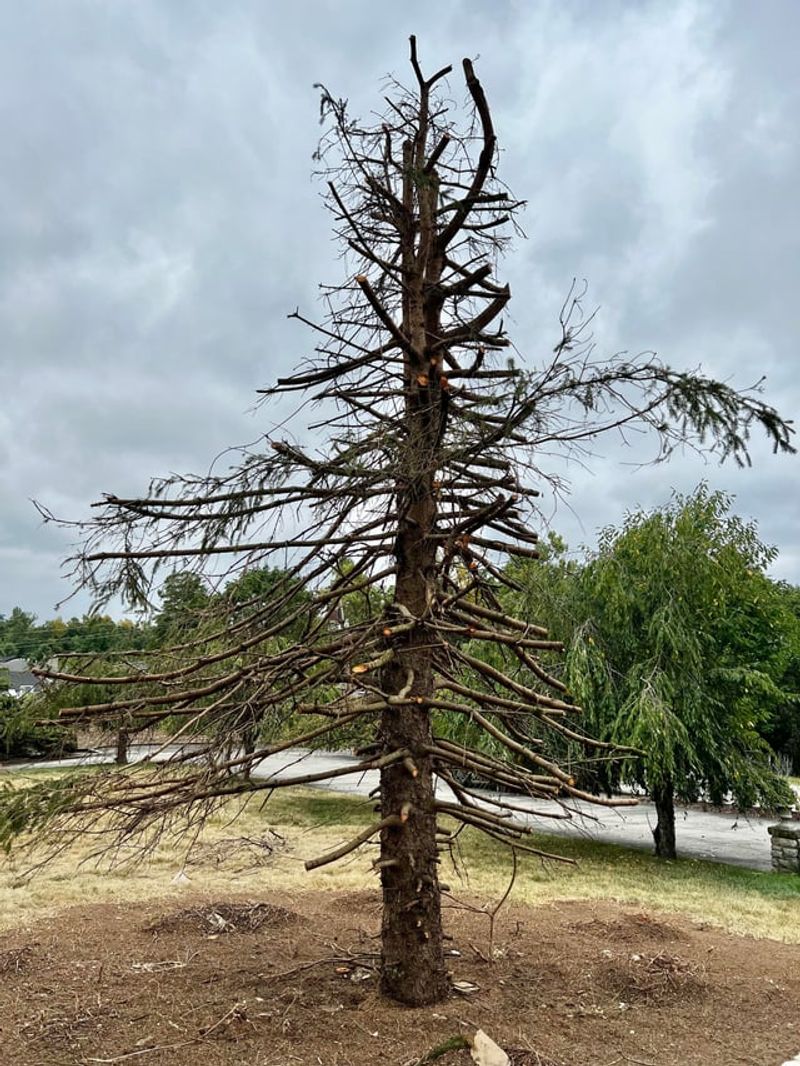
If pine needles clog your gutters and cause water damage to your home, you might wonder if your neighbor should pay for repairs.
New Jersey law requires you to prove your neighbor was negligent in maintaining their tree to recover damages.
Negligence means your neighbor knew or should have known their tree posed a risk and failed to take reasonable action.
Simply having a tree that drops needles doesn’t automatically make someone negligent, even if those needles cause problems.
You would need evidence that your neighbor ignored warnings about a diseased, withered, or dangerously positioned tree.
Written notices, photos of obvious decay, or testimony from arborists can help establish that your neighbor should have addressed the problem.
Preventive maintenance on your own property, like regular gutter cleaning, can actually work against damage claims.
Courts may find you partially responsible if you failed to take simple steps to protect your home from predictable debris.
Insurance companies typically handle these disputes when significant damage occurs.
Your homeowner’s policy might cover the damage regardless of fault, then your insurer may pursue your neighbor’s insurance company if negligence can be proven through a process called subrogation.
Communication Often Prevents Legal Battles
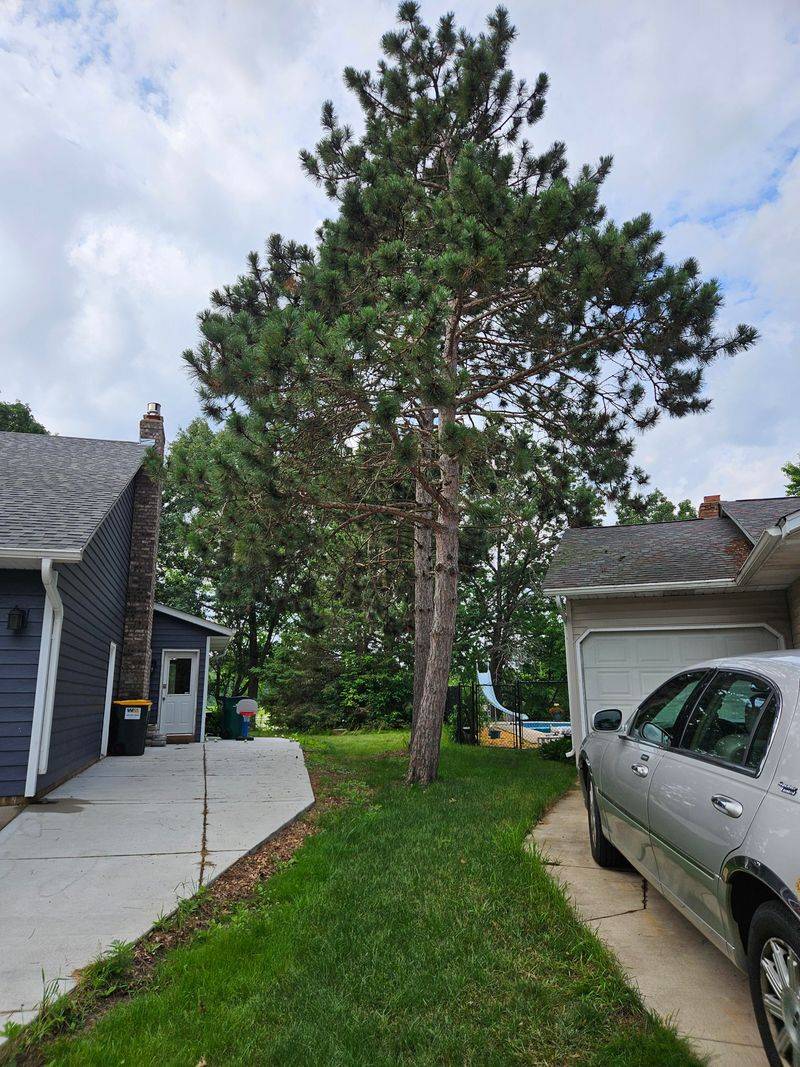
Before considering legal action or getting frustrated, try having a calm conversation with your neighbor about the pine needle situation.
Many disputes get resolved simply by letting the other person know there’s a problem they might not have noticed.
Your neighbor might not realize how many needles are falling onto your property or how much work they create for you.
Approach the conversation with curiosity rather than accusations, and you’ll likely get better results.
Suggest practical solutions like cost-sharing for professional tree trimming or needle removal services.
Some neighbors gladly chip in when they understand the burden their trees create, especially if you frame it as a mutual benefit that keeps both properties looking nice.
Written communication through friendly letters or emails creates a paper trail while keeping things cordial.
If issues escalate later, you’ll have documentation showing you tried reasonable approaches first before involving lawyers or authorities.
Remember that you’ll be neighbors for potentially many years, so preserving the relationship matters more than winning every small battle.
A little diplomacy now can save enormous headaches and expenses down the road while keeping your street a pleasant place to live.
Local Ordinances May Offer Additional Protections

New Jersey has 565 municipalities, and each one can create local ordinances that go beyond state law regarding trees and property maintenance.
Your town might have specific rules about tree care, debris removal, or vegetation management that could help your situation.
Some municipalities require property owners to maintain trees that pose hazards or create excessive debris on neighboring properties.
Check your local code enforcement office or municipal website for ordinances that might apply to your pine needle problem.
Homeowner associations add another layer of rules if you live in a planned community.
HOA covenants sometimes include landscaping requirements that could obligate your neighbor to manage their trees more actively than state law requires.
Code enforcement officers can inspect problem trees and issue violations if local ordinances are being broken.
This approach lets a neutral third party address the issue without you having to confront your neighbor directly or hire an attorney.
Keep in mind that local ordinances usually focus on health, safety, and blight issues rather than minor inconveniences.
Your municipality is more likely to get involved if the pine needles create fire hazards, block storm drains, or contribute to property deterioration rather than just making your yard messy.
Gutter Maintenance Becomes Your Responsibility
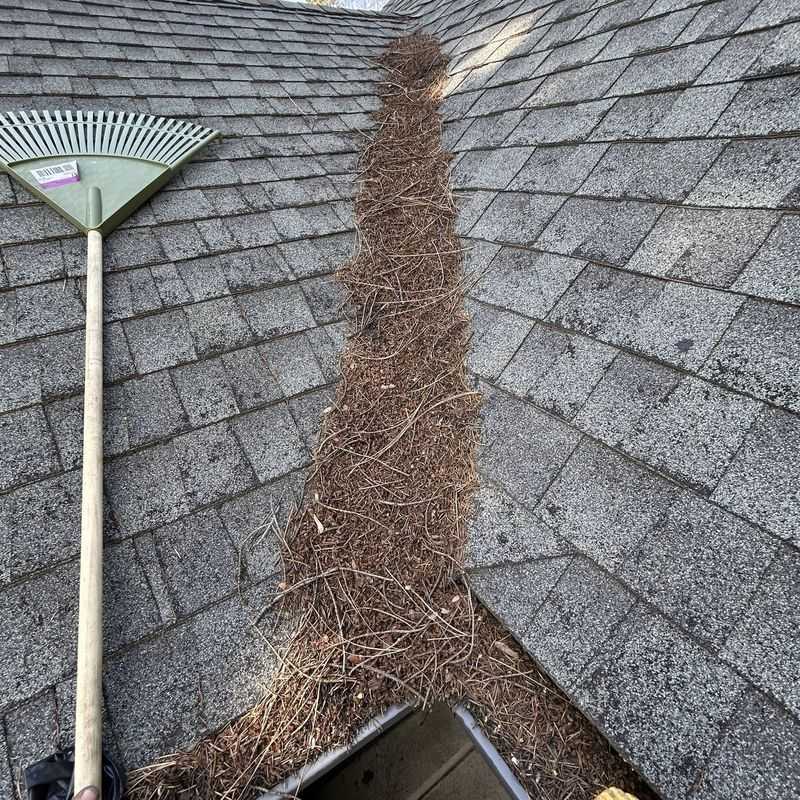
Pine needles are notorious for clogging gutters, and unfortunately, keeping your gutters clear falls squarely on your shoulders regardless of where the needles come from.
Regular gutter cleaning becomes essential when you live near pine trees, whether they’re yours or your neighbor’s.
Experts recommend cleaning gutters at least twice yearly in normal conditions, but living near pines might require monthly attention during heavy shedding seasons.
Neglecting this chore can lead to water damage, foundation problems, and roof issues that cost thousands of dollars to repair.
Gutter guards designed specifically for pine needles can reduce maintenance significantly.
These specialized screens or covers prevent needles from entering while allowing water to flow through, though they require initial investment and occasional cleaning themselves.
Consider this maintenance cost part of your property ownership expenses rather than something your neighbor should pay for.
Courts consistently rule that property owners must take reasonable steps to protect their own homes from predictable environmental conditions.
Document your gutter cleaning schedule and expenses in case damage occurs despite your efforts.
This record can support insurance claims or legal action if you need to prove you took reasonable precautions to prevent damage from your neighbor’s trees.
Tree Removal Decisions Belong To The Owner
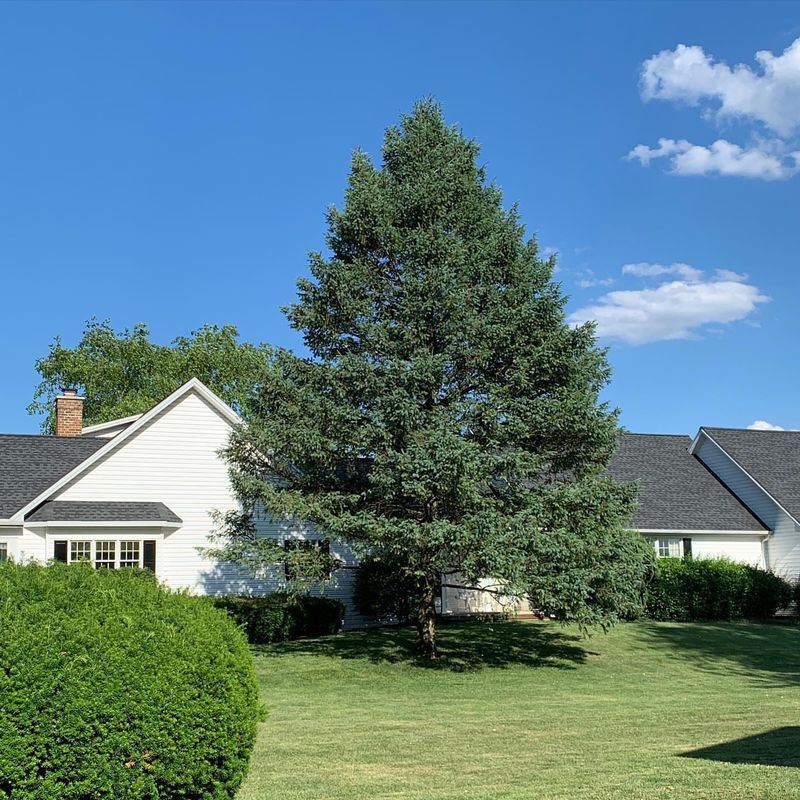
You cannot force your neighbor to remove a healthy tree simply because it drops needles onto your property, even if those needles create significant work for you.
Tree removal decisions rest with the property owner unless the tree poses genuine safety hazards or violates local ordinances.
Healthy trees add property value, provide environmental benefits, and are considered valuable assets in New Jersey.
Courts protect property owners’ rights to maintain trees on their own land, recognizing that trees naturally shed leaves, needles, and branches.
Even offering to pay for removal doesn’t obligate your neighbor to agree.
Some people have emotional attachments to their trees or simply prefer the shade, privacy, and beauty they provide over keeping the neighbor’s yard cleaner.
Dangerous or diseased trees present different scenarios where you might have more leverage.
If a certified arborist determines the tree poses imminent risk of falling or causing harm, your neighbor could face liability for refusing to address the hazard.
Focus your energy on solutions you can control rather than trying to convince your neighbor to remove their tree.
Installing better drainage, upgrading your gutters, or creating landscaping buffers might solve your problems without requiring your neighbor’s cooperation or destroying a perfectly good tree.
Documentation Helps If Disputes Escalate
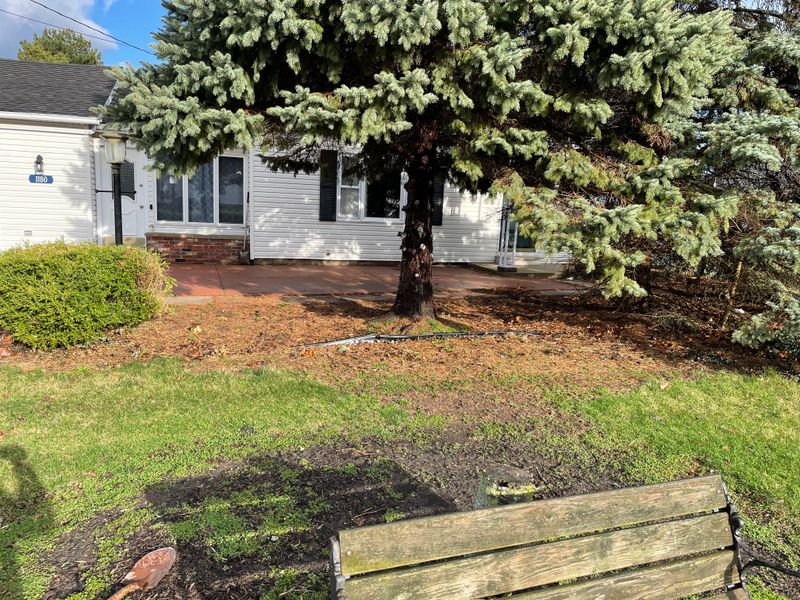
If pine needles from your neighbor’s tree cause ongoing problems, start documenting everything now rather than waiting until you need evidence for legal action.
Take photos and videos regularly showing the accumulation of needles and any damage they cause to your property.
Date-stamped images from your phone provide excellent evidence of patterns over time.
Capture wide shots showing the extent of coverage and close-ups of specific problem areas like clogged gutters, damaged landscaping, or needle piles against your home.
Keep a written log noting when needles fall heavily, how often you clean them up, and how much time or money you spend on maintenance.
Include receipts for any services you hire, supplies you purchase, or repairs you make due to needle accumulation.
Save all correspondence with your neighbor, including friendly notes, emails, or text messages discussing the tree and needle situation.
This paper trail shows you attempted reasonable communication before escalating to authorities or legal action.
If damage occurs to your home, get estimates from contractors and consider hiring an arborist to provide a professional opinion linking the damage to your neighbor’s tree.
Expert testimony carries significant weight in legal proceedings and insurance claims when disputes reach that level.
Professional Mediation Can Resolve Neighbor Disputes
When direct communication fails and legal action seems too extreme, professional mediation offers a middle ground for resolving pine needle disputes with your neighbor.
Many New Jersey counties offer community mediation services at low or no cost to help neighbors work through conflicts.
Mediators are trained neutral parties who help both sides understand each other’s perspectives and find mutually acceptable solutions.
Unlike judges, mediators don’t impose decisions but instead guide you and your neighbor toward agreements you both can live with.
Mediation sessions remain confidential and informal compared to courtrooms, reducing stress and preserving relationships better than adversarial legal proceedings.
You might reach creative compromises like shared tree maintenance costs, scheduled trimming, or landscaping changes that wouldn’t occur to a judge applying rigid legal standards.
Both parties must agree to participate in mediation, so approach your neighbor with this option presented as a way to solve the problem together rather than as a threat.
Emphasize that mediation costs less and resolves issues faster than lawyers and lawsuits.
Successful mediation often results in written agreements that both neighbors sign, creating clear expectations going forward.
While not always legally binding like court orders, these agreements carry moral weight and provide reference points if misunderstandings arise later about what was decided.